15 Royals With Truly Bizarre Hobbies
Being born into royalty comes with immense privilege, but it also means living under constant scrutiny with every moment analyzed by the public. Perhaps it’s this pressure that drives some royals to pursue the most unexpected hobbies imaginable. While commoners might take up gardening or reading, history’s monarchs have chosen far more eccentric pastimes.
From collecting giant humans like trophies to pretending to be peasants for fun, royal hobbies throughout history have ranged from quirky to downright disturbing. Here is a list of 15 royals whose bizarre interests prove that unlimited power and wealth can lead to some truly strange obsessions.
Friedrich Wilhelm I’s Giant Soldier Collection
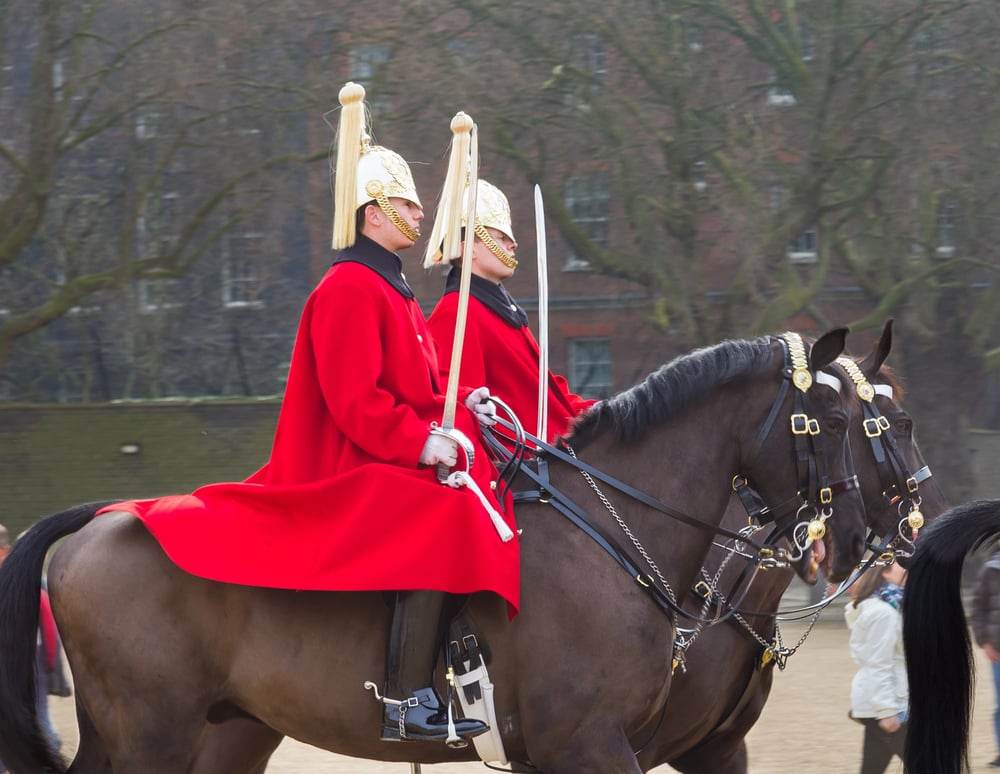
The Prussian king’s most notorious hobby was collecting extraordinarily tall men for his personal regiment known as the “Potsdam Giants.” He required soldiers to be at least six feet tall — paying them based purely on their height rather than military skill.
Friedrich Wilhelm would kidnap tall men from across Europe, force them into arranged marriages with tall women to “breed” even taller offspring, and reportedly stretched some on medieval racks to increase their stature.
Marie Antoinette’s Peasant Village Roleplay
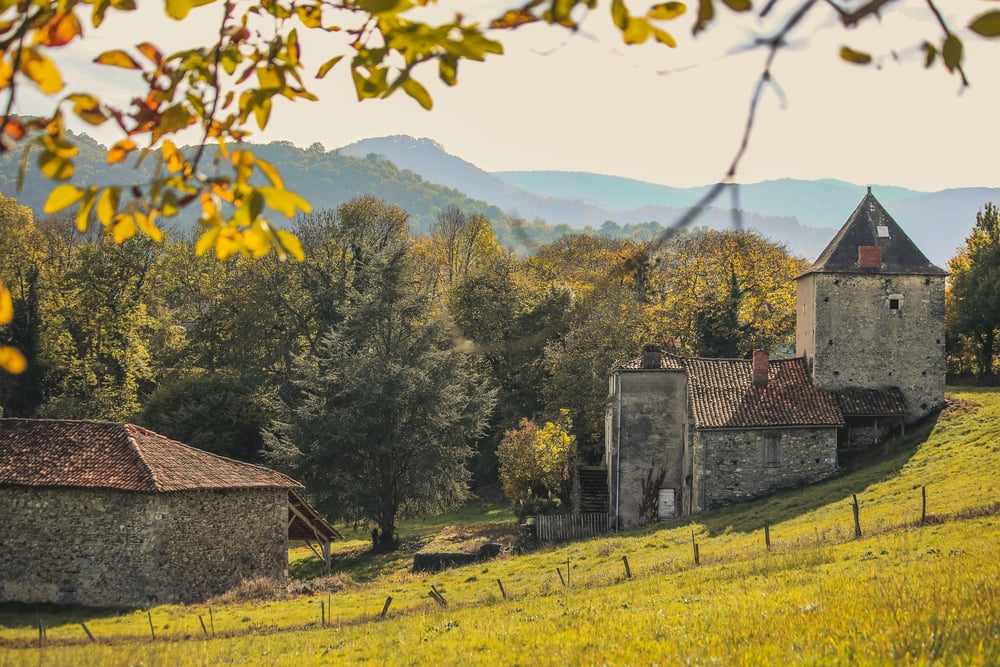
The ill-fated French queen built herself an elaborate fake peasant village called the Hameau de la Reine at Versailles, where she’d dress in simple clothes and pretend to be a shepherdess. The meticulously designed hamlet featured thatched cottages, a working farm with imported Swiss animals, and rustic buildings that concealed luxuriously furnished interiors.
While France starved, Marie Antoinette played at being poor — a hobby that only fueled public resentment against her extravagant lifestyle.
King Charles’s Competitive Chicken Raising

The current British monarch has turned poultry keeping into something of an obsession at his Highgrove House estate. Charles raises prized Burford Brown and Maran chickens, personally feeds them daily, and collects their eggs himself with such dedication that he became patron of the Poultry Club of Great Britain.
He and Queen Camilla are reportedly “deeply competitive” about their shared passion for raising these feathered friends.
Queen Victoria’s Rat-Catching Enthusiasm
The monarch who gave her name to an entire era had a surprisingly hands-on approach to pest control — she personally caught rats. Victoria kept several rats as pets while simultaneously pursuing others as quarry throughout her palaces.
Her rat-catching hobby served a practical purpose during the Victorian era’s widespread rodent infestations, though it certainly wasn’t typical behavior for a reigning queen.
Peter the Great’s Dentistry Obsession
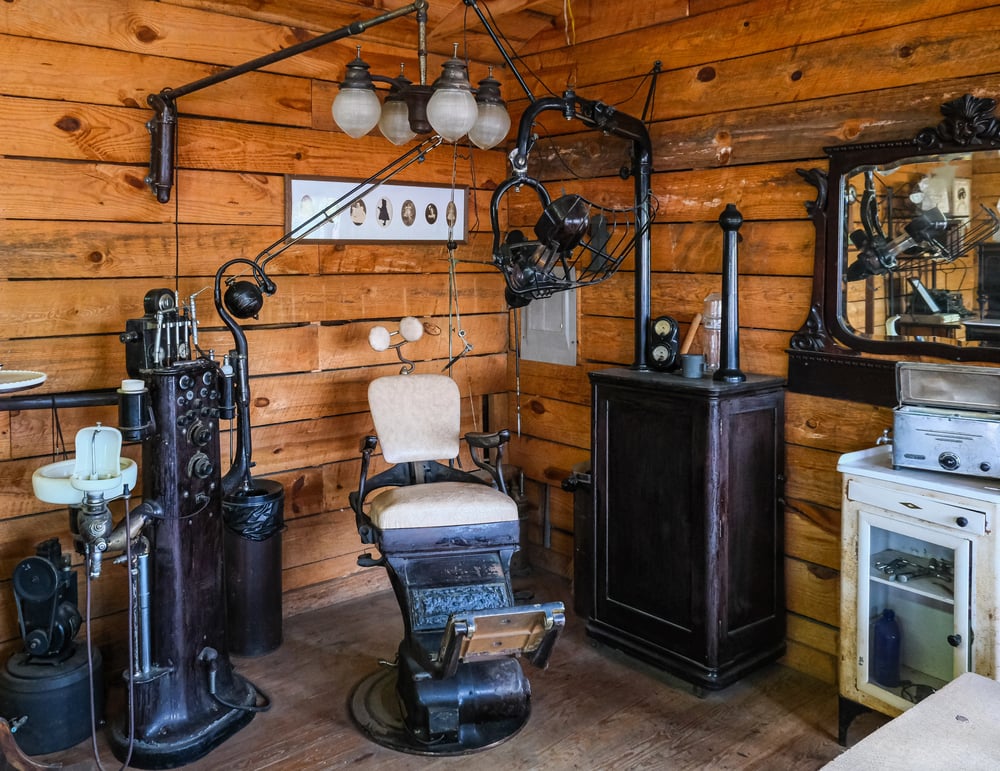
The Russian Tsar didn’t just modernize his empire — he modernized people’s mouths too, developing an intense fascination with extracting teeth. Peter would practice his amateur dentistry skills on anyone he could find, from courtiers to servants, often pulling perfectly healthy teeth just for the experience.
He kept a collection of extracted teeth as trophies, treating dental work like a hobby rather than leaving it to actual medical professionals.
King George V’s Extreme Stamp Collecting
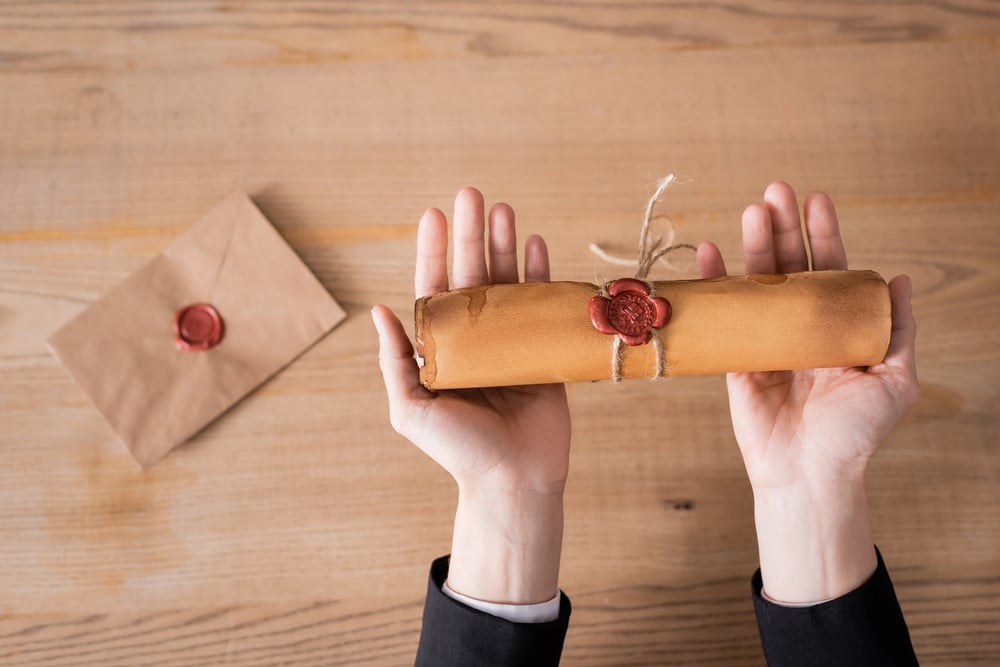
What started as a childhood interest became an all-consuming passion that earned George V the nickname “The King of Philately.” His collection eventually grew to an astounding 328 albums containing 60 pages each — nearly 20,000 pages of stamps total.
The king continued obsessively adding to his collection even during World War I, making it one of the largest and most valuable stamp collections ever assembled.
Edward II’s Ditch Digging Compulsion
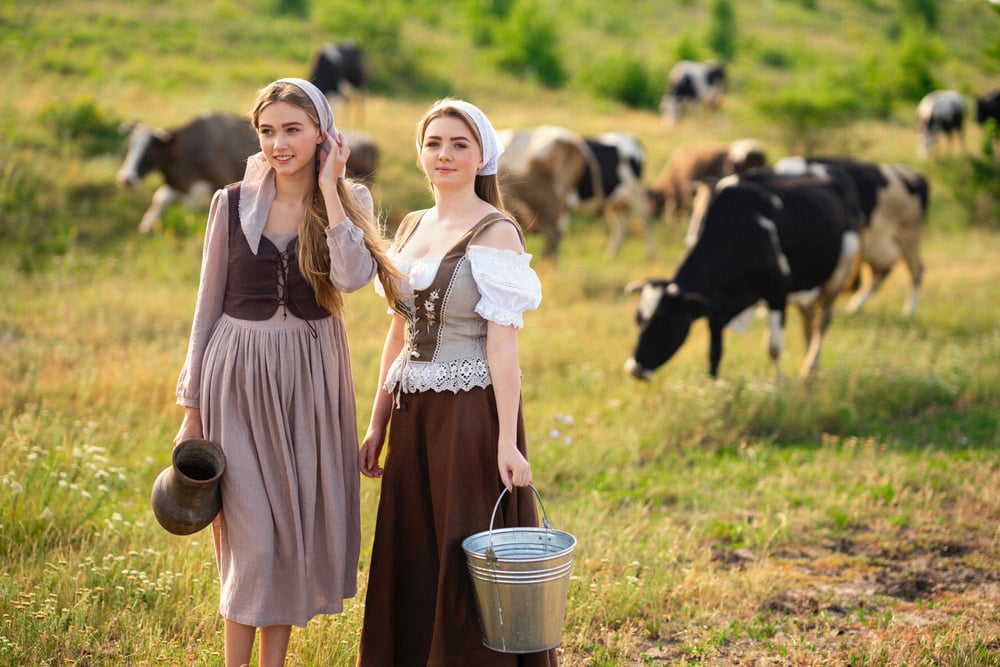
Medieval expectations for kings centered around hunting, feasting, and warfare, but Edward II preferred manual labor that horrified his nobles. The English monarch would abandon his royal duties to spend hours digging ditches, swimming, and working alongside common laborers.
His passion for such “lowly” pursuits scandalized the court and contributed to his reputation as one of England’s most unconventional rulers.
Czar Peter III’s Toy Soldier Addiction
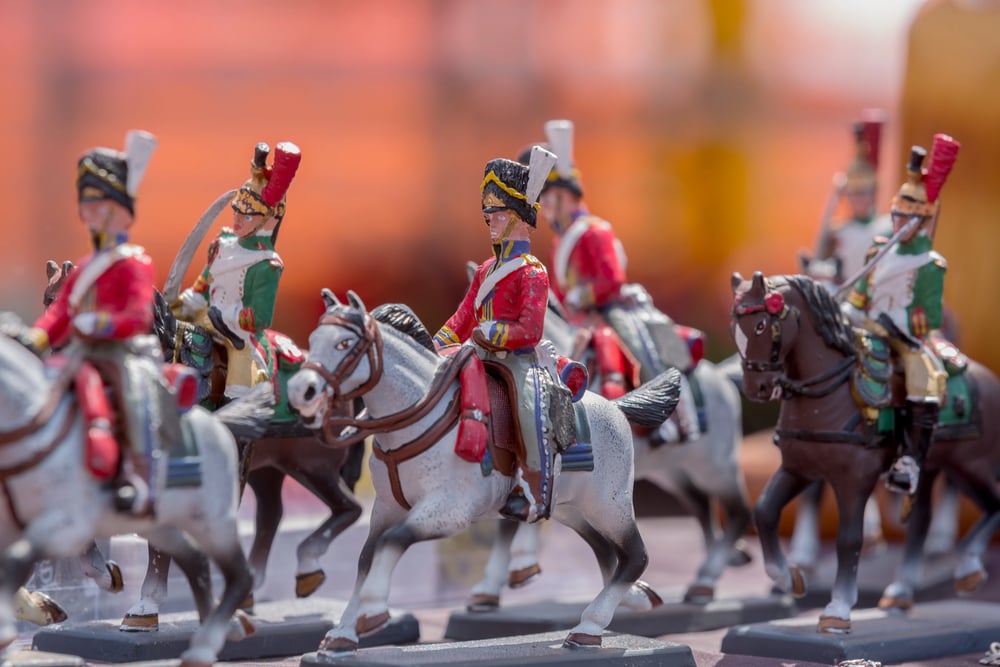
The short-lived Russian ruler was so obsessed with his collection of toy soldiers that he’d spend entire days arranging and rearranging them rather than governing his empire. According to his wife Catherine the Great’s memoirs, Peter would conduct elaborate military drills with his miniature army while ignoring real political responsibilities.
His childish hobby contributed to Catherine’s decision to overthrow him and seize power for herself.
King Charles’s Mushroom Foraging Rivalry
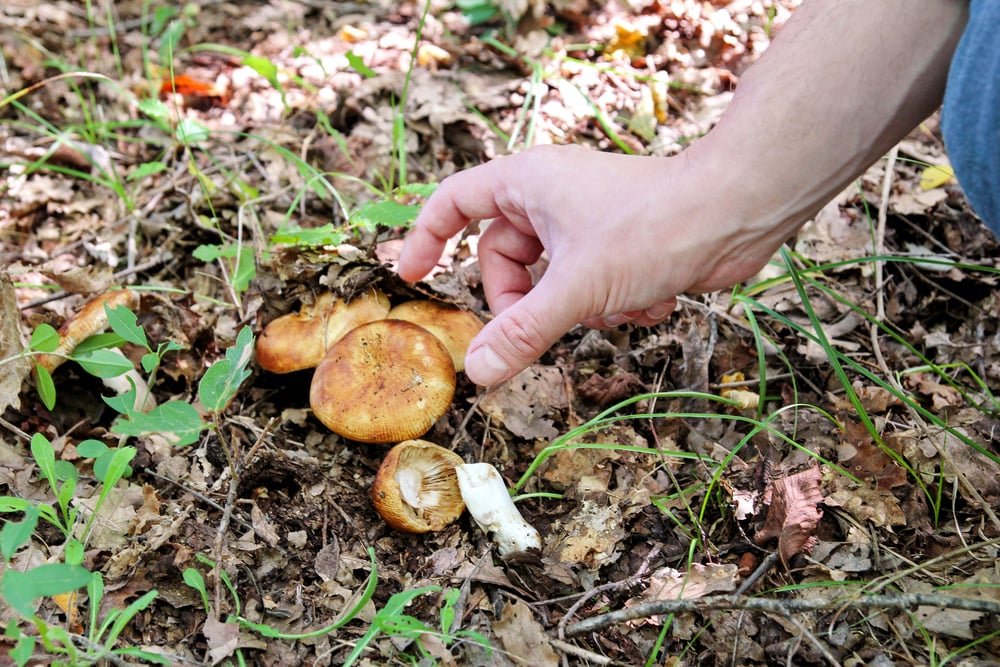
Beyond his chicken hobby, Charles has developed an intense passion for mushroom hunting that borders on competitive sport. On the very day his mother Queen Elizabeth II died, Charles spent an hour gathering mushrooms alone at Birkhall before learning of her passing.
He and Camilla reportedly turn their foraging expeditions into contests, with their son Tom Parker Bowles describing it as “somewhat of an obsession.”
Prince Philip’s High-Speed Carriage Racing
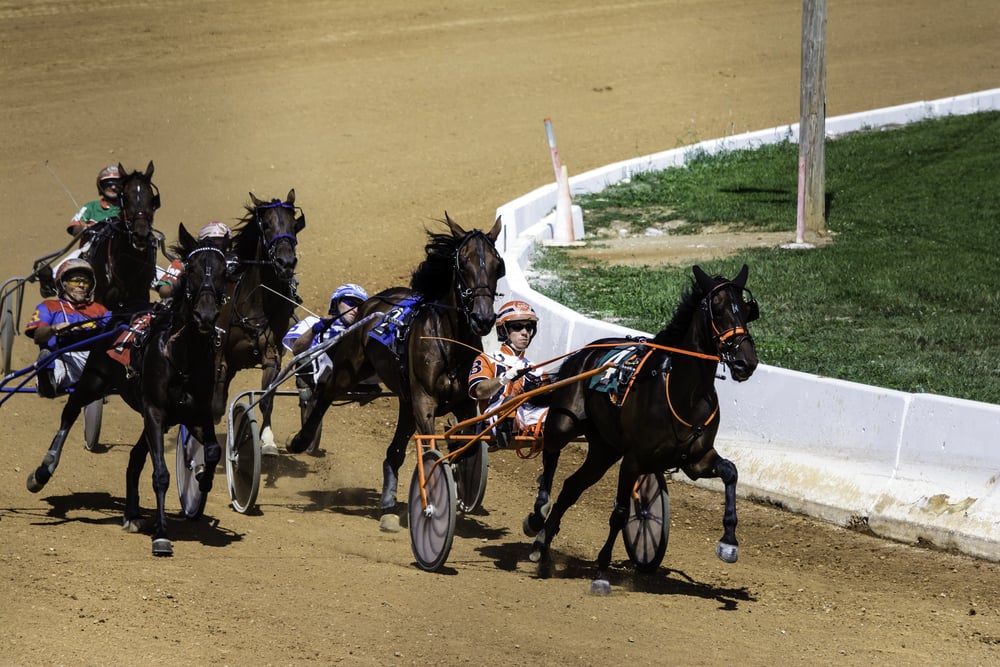
After retiring from polo in his early fifties, the Duke of Edinburgh took up carriage racing — which sounds genteel but is actually an adrenaline-fueled sport. Philip would drive teams of horses pulling carriages around obstacle courses at dangerous speeds, treating it like a Formula One race with hooves.
Despite his advanced age, he continued this risky hobby well into his eighties, proving that royal thrill-seeking never truly ends.
King Charles’s Hedge-Laying Championships

Perhaps the most peculiar hobby of the current monarch is his expertise in hedge-laying — the traditional craft of cutting and weaving hedgerows. Charles has personally laid many of the hedges at Highgrove House and serves as patron of the National Hedgelaying Society.
He even hosts the National Hedgelaying Championships on his estate, turning an obscure agricultural skill into a competitive royal pastime.
Farouk I’s Pickpocketing Party Guests
The Egyptian king turned kleptomania into an art form, regularly stealing watches and valuables from guests at his own royal parties. Farouk’s most famous theft involved pocketing Winston Churchill’s watch in 1942 during a diplomatic meeting.
When confronted, he claimed it was all a practical joke, saying he knew “the English had a great sense of humor” — though his extensive collection of stolen antiques suggested otherwise.
King Charles’s Coddled Egg Rituals
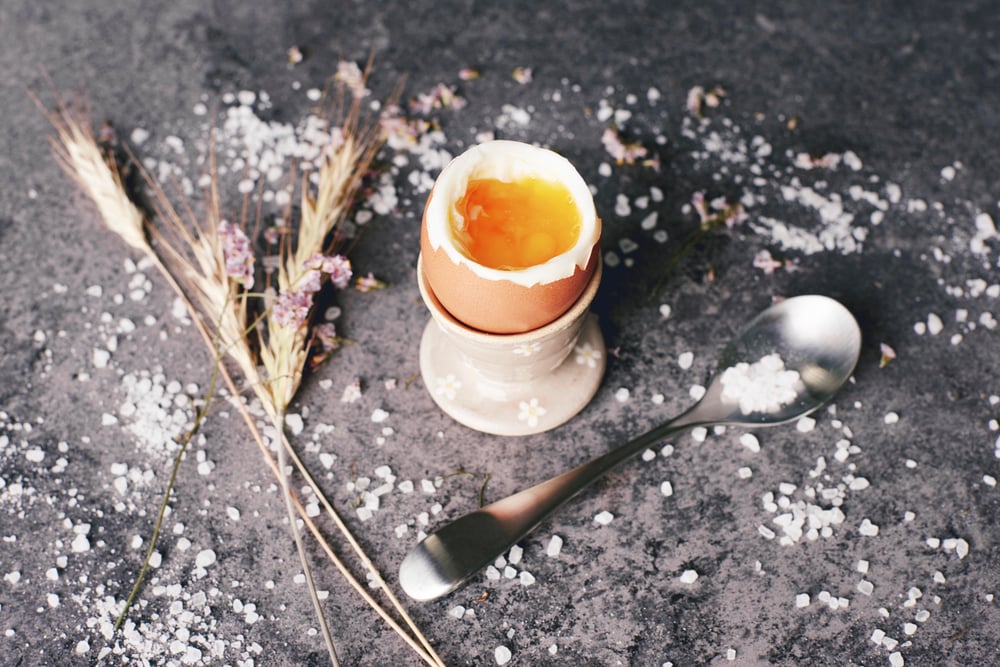
The monarch’s food quirks extend beyond his dislike of chocolate, coffee, and garlic to include a bizarre obsession with coddled eggs. Charles requires these barely-cooked eggs (boiled for only two to three minutes) to be served with every meal so he can mash them into his precisely prepared side salads.
Royal chefs consider this one of his most unusual dining table rituals that must be accommodated at every banquet.
Prince William’s Secret Motorcycle Adventures
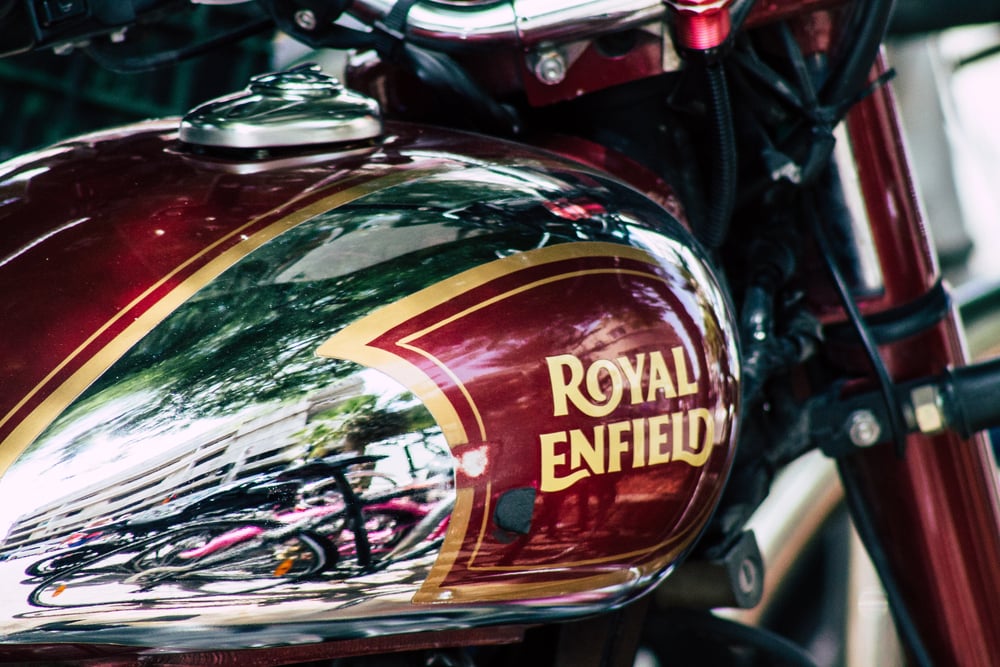
Despite his wife Kate’s terror and her refusal to let their children near his prized Ducati, Prince William maintains a passionate hobby for motorcycle riding. He’s owned multiple bikes since passing his test at 19 and reportedly rode around London on the eve of his wedding.
William admits the anonymity provided by his helmet allows him rare moments of freedom from royal protocol.
Queen Camilla’s Late-Life Ballet Lessons
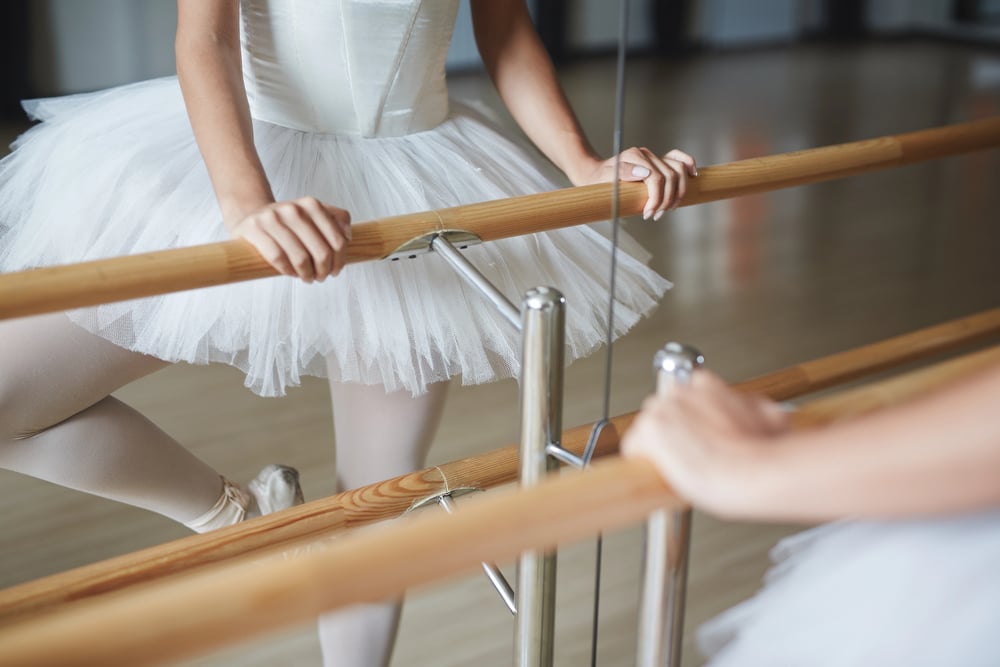
During the pandemic, the Queen Consort took up weekly ballet classes with friends as a new hobby in her seventies. Camilla admits to thinking she’d “laugh at everybody toppling over” but found herself concentrating intensely on perfecting her form.
Her commitment to mastering ballet techniques like dropping shoulders and breathing deeply shows that it’s never too late for royals to embrace unexpected artistic pursuits.
When Power Meets Peculiarity
These unusual hobbies reveal that beneath the crowns and ceremony, royals are fundamentally human — albeit humans with unlimited resources to pursue their strangest impulses. Whether driven by boredom, stress, or genuine passion, these monarchs transformed simple interests into elaborate obsessions that often reflected their personalities more accurately than any official portrait.
While some hobbies like Marie Antoinette’s peasant village contributed to political downfall, others like Charles’s environmental pursuits have enhanced royal reputations. The lesson here isn’t that power corrupts hobbies, but rather that when you have unlimited time and money, even the most mundane activities can evolve into spectacular eccentricities that become part of royal legend.
More from Go2Tutors!

- The Romanov Crown Jewels and Their Tragic Fate
- 13 Historical Mysteries That Science Still Can’t Solve
- Famous Hoaxes That Fooled the World for Years
- 15 Child Stars with Tragic Adult Lives
- 16 Famous Jewelry Pieces in History
Like Go2Tutors’s content? Follow us on MSN.