18 Places Where You Can Still See Evidence of Ancient Catastrophes
Nature has always been both creator and destroyer, shaping our planet through massive events that leave lasting scars on the landscape. From volcanic eruptions that buried entire cities to meteor impacts that changed the course of evolution, these ancient catastrophes tell the story of Earth’s violent past.
While time has softened many of these wounds, countless locations around the world still bear witness to the incredible forces that once reshaped continents and eliminated species. These sites serve as open-air museums where you can literally walk through history and see the aftermath of events that happened millions or thousands of years ago.
Here is a list of 18 places where you can still see evidence of ancient catastrophes.
Pompeii, Italy
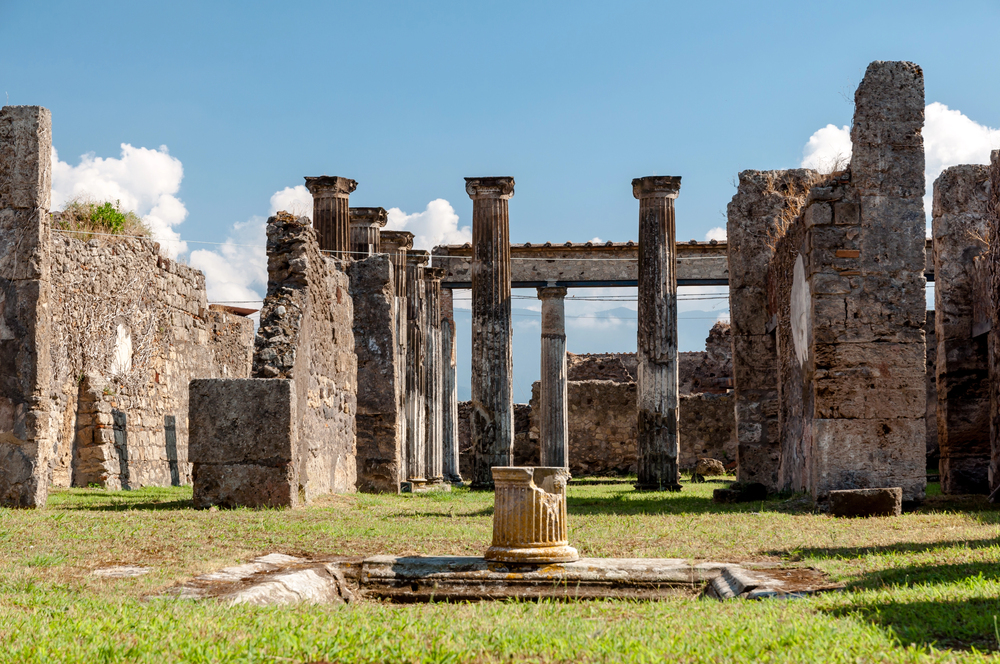
Mount Vesuvius erupted in 79 AD, burying the city of Pompeii under 20 feet of volcanic ash and preserving it like a time capsule for nearly 1,700 years. Today, visitors can walk through ancient streets and see plaster casts of victims caught in their final moments.
Chicxulub Crater, Mexico
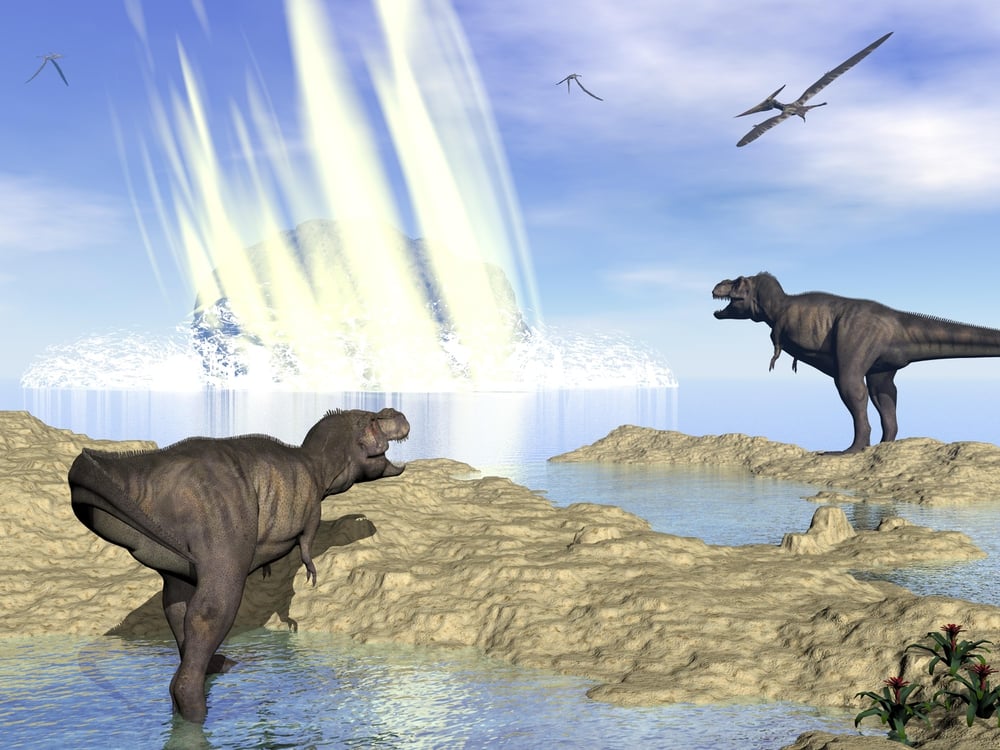
A massive asteroid slammed into the Yucatan Peninsula 66 million years ago, creating a crater over 90 miles wide and triggering the extinction event that wiped out the dinosaurs. While the crater itself is mostly buried and underwater, you can still see the rim formation in cenotes and coastal cliffs throughout the region.
Meteor Crater, Arizona
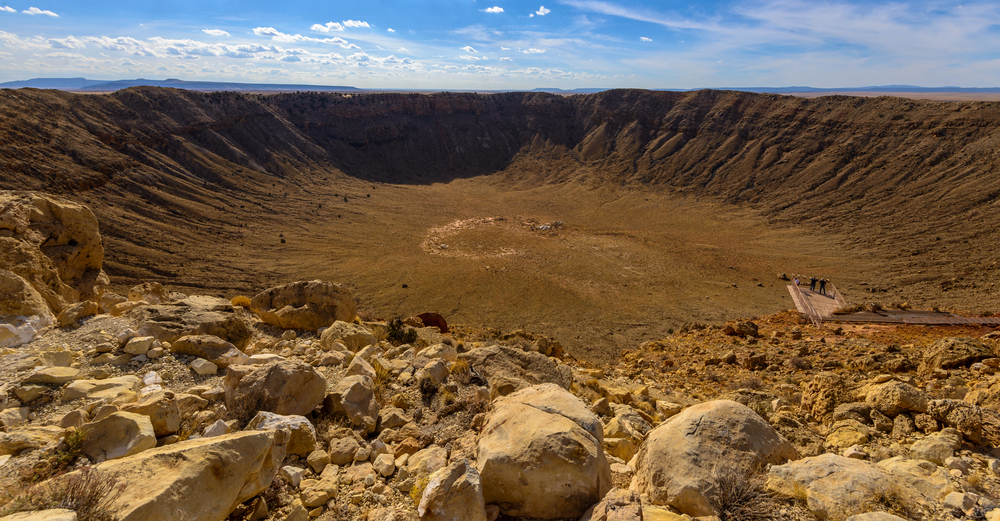
This perfectly preserved impact crater was formed about 50,000 years ago when a nickel-iron meteorite roughly 160 feet across struck the Arizona desert at 26,000 miles per hour. The resulting crater is nearly a mile wide and 560 feet deep, making it one of the best-preserved meteor impact sites on Earth.
Santorini, Greece
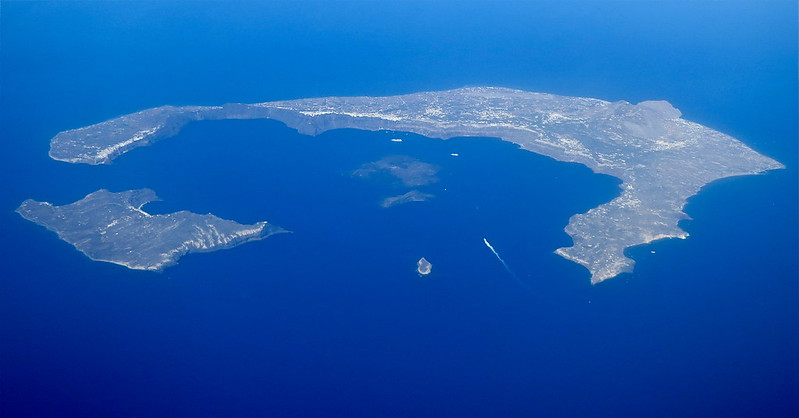
The volcanic island of Santorini is actually the rim of a massive caldera created by one of the largest volcanic eruptions in recorded history around 1600 BC. The explosion was so powerful that it may have inspired the legend of Atlantis and contributed to the collapse of the Minoan civilization.
Deccan Traps, India
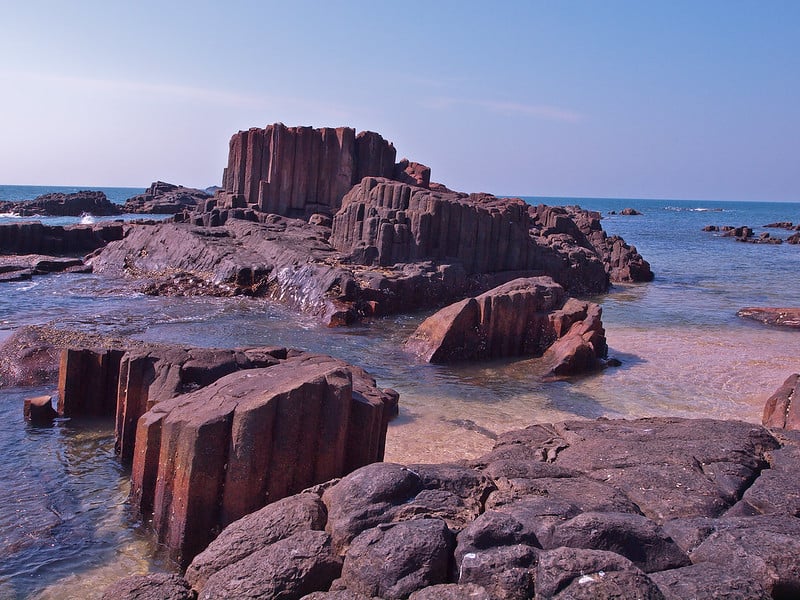
These massive lava formations in western India were created by volcanic eruptions so intense that they lasted for over a million years around 66 million years ago. The stepped appearance of these basalt formations can be seen across much of Maharashtra state and surrounding regions.
Channeled Scablands, Washington
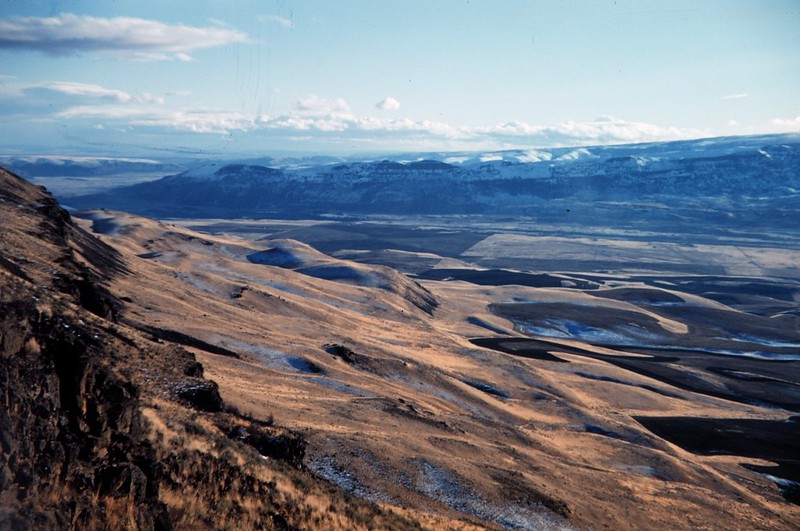
This bizarre landscape of carved canyons, giant potholes, and scattered boulders was created when massive ice dams burst during the last Ice Age, releasing floods of biblical proportions across eastern Washington. The scablands demonstrate how catastrophic flooding can reshape entire regions in just days or weeks.
Vredefort Dome, South Africa
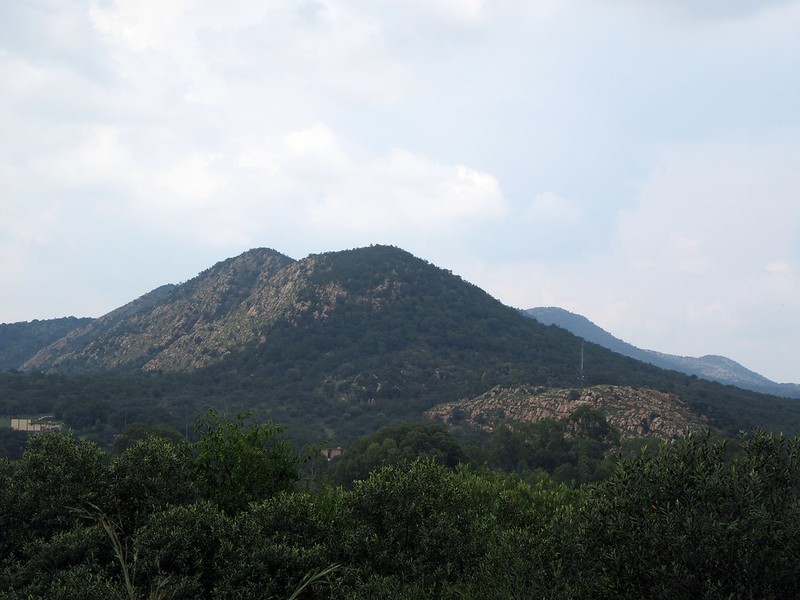
The world’s oldest and largest confirmed asteroid impact site was created 2 billion years ago when a massive space rock slammed into what is now South Africa. The original crater was likely over 180 miles across, though erosion has worn it down to a dome-shaped formation about 60 miles wide.
Sudbury Basin, Ontario
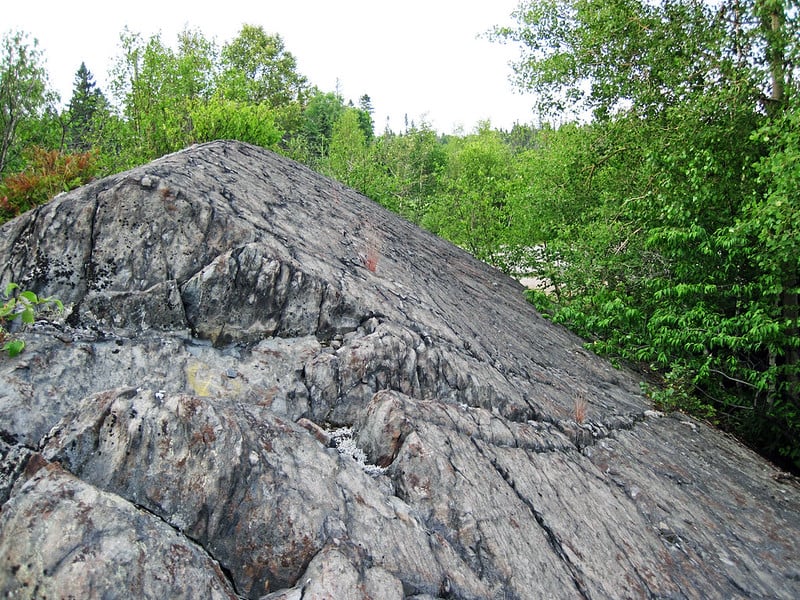
A giant asteroid or comet impact 1.85 billion years ago created this 40-mile-wide crater in northern Ontario, which has since become one of the world’s richest mining regions. The basin’s distinctive oval shape and mineral wealth serve as lasting reminders of how cosmic catastrophes can create valuable resources.
Mount Mazama, Oregon
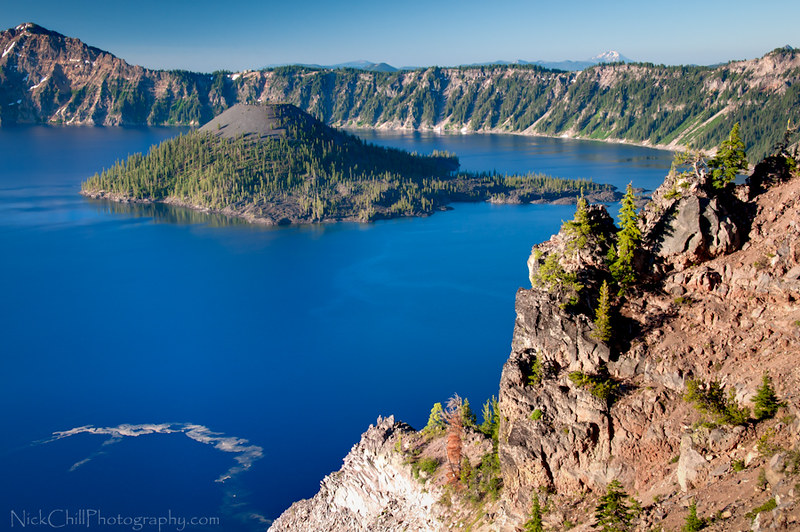
The collapse of this ancient volcano 7,700 years ago created Crater Lake, one of America’s deepest and most pristine lakes. The eruption was 42 times more powerful than Mount St. Helens, ejecting so much material that the entire mountain collapsed into its own magma chamber.
Tunguska, Siberia
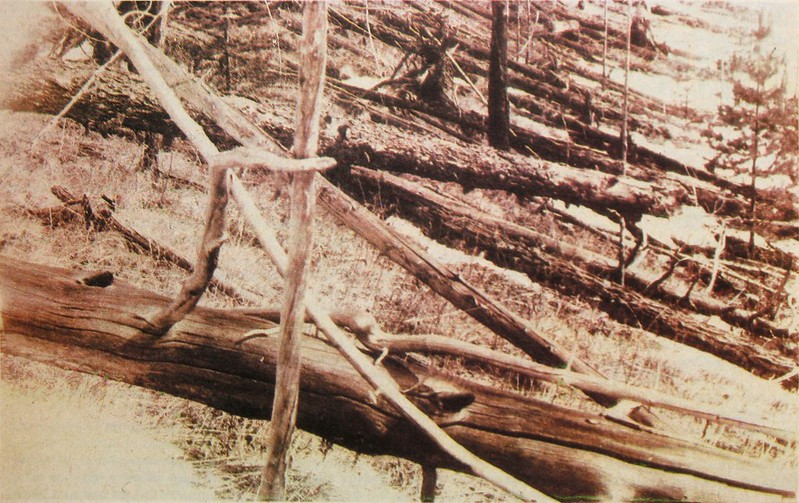
In 1908, a mysterious explosion flattened 2,000 square miles of Siberian forest, knocking down an estimated 80 million trees in a radial pattern. The remote location preserved the blast pattern for decades, and today visitors can still see the effects in the unusual growth patterns of the regrown forest.
Mount Toba, Indonesia
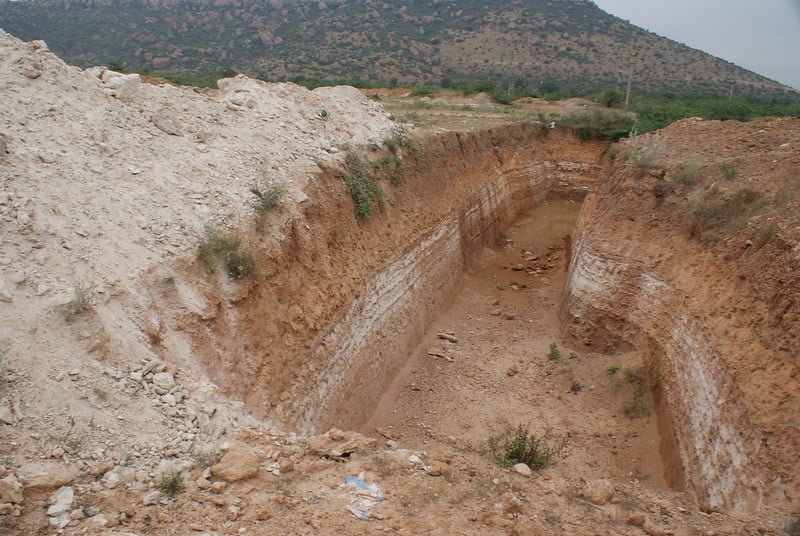
The eruption of Mount Toba 74,000 years ago was the most recent supervolcanic explosion on Earth, creating a crater lake that’s now 60 miles long and 20 miles wide. Some scientists believe this catastrophic eruption nearly drove early humans to extinction, creating a genetic bottleneck visible in modern DNA,
Burgess Shale, Canada

This fossil site in the Canadian Rockies preserves a snapshot of life from 508 million years ago, including many bizarre creatures that were wiped out in one of Earth’s first major mass extinctions. The exceptional preservation occurred when an underwater landslide buried an entire ecosystem in fine sediment.
Laacher See, Germany
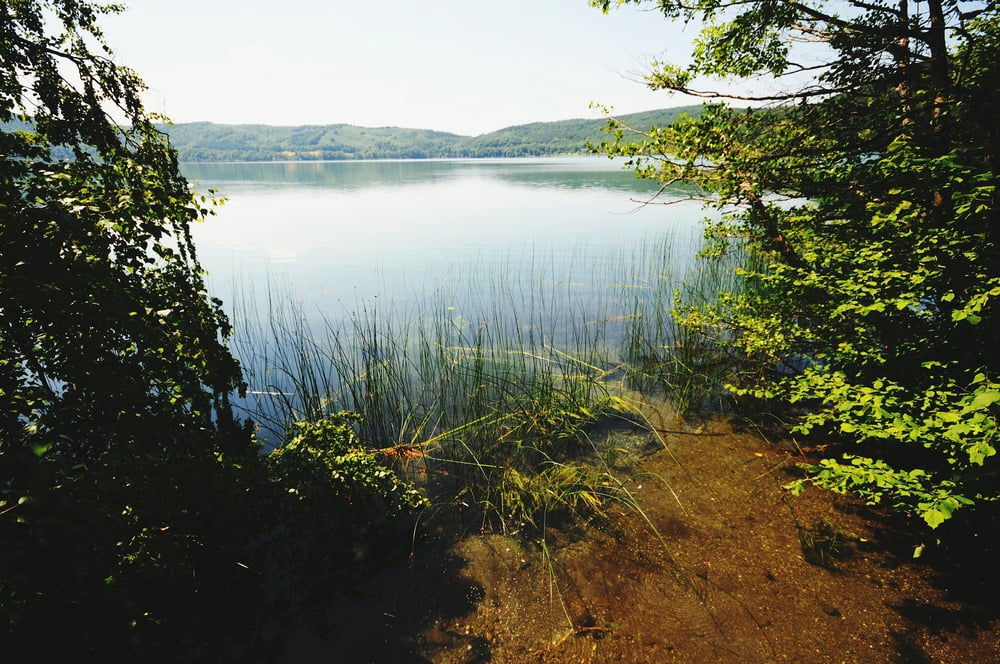
This circular lake fills the crater of a volcano that exploded 12,900 years ago with such force that it scattered ash across much of Europe. The lake’s perfectly round shape and the surrounding ring of volcanic deposits make it easy to recognize as an ancient crater.
Manicouagan Crater, Quebec
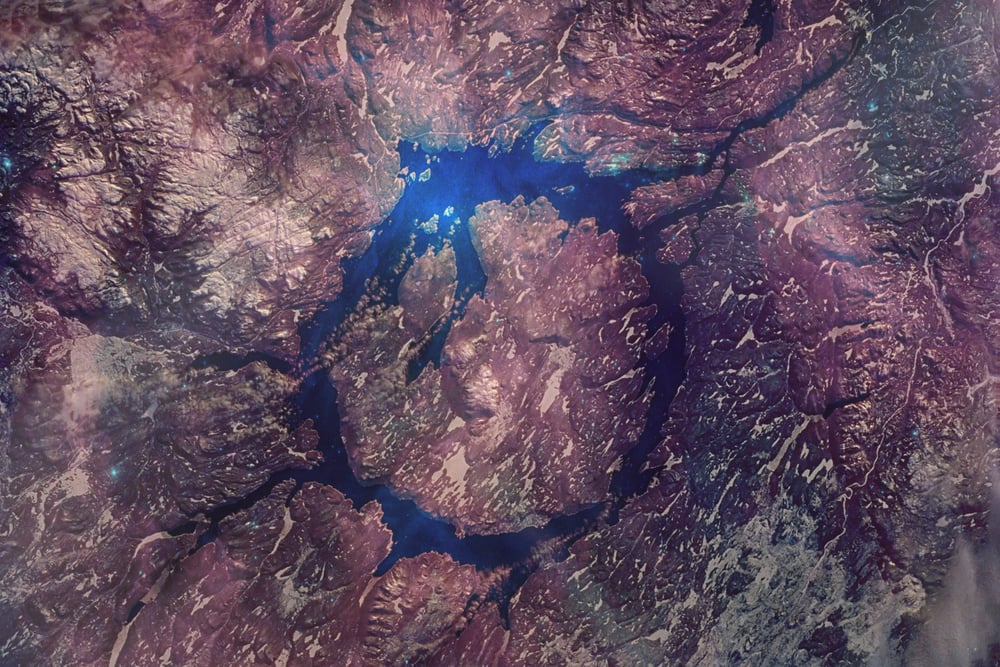
This distinctive ring-shaped lake in northern Quebec marks the site of a massive asteroid impact that occurred 214 million years ago. The impact coincided with one of Earth’s major extinction events, possibly contributing to the environmental changes that allowed dinosaurs to rise to dominance.
Yellowstone Caldera, Wyoming
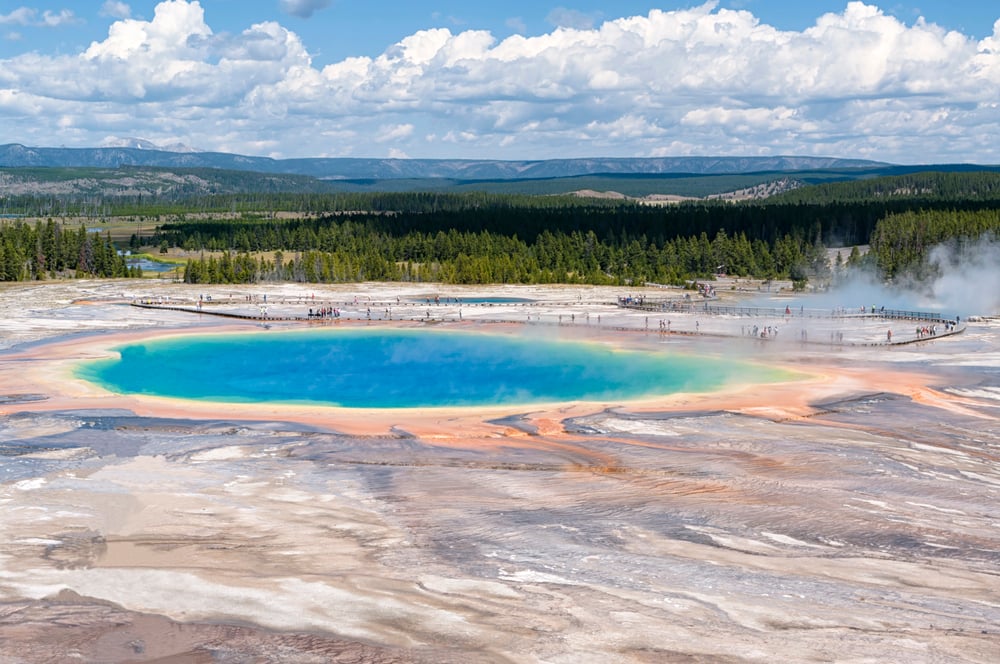
Beneath Yellowstone National Park lies one of the world’s largest active volcanic systems, which has produced three massive super-eruptions over the past 2.1 million years. Today’s geysers, hot springs, and periodic earthquake swarms remind visitors that this geological time bomb is still very much alive.
Aorounga Crater, Chad
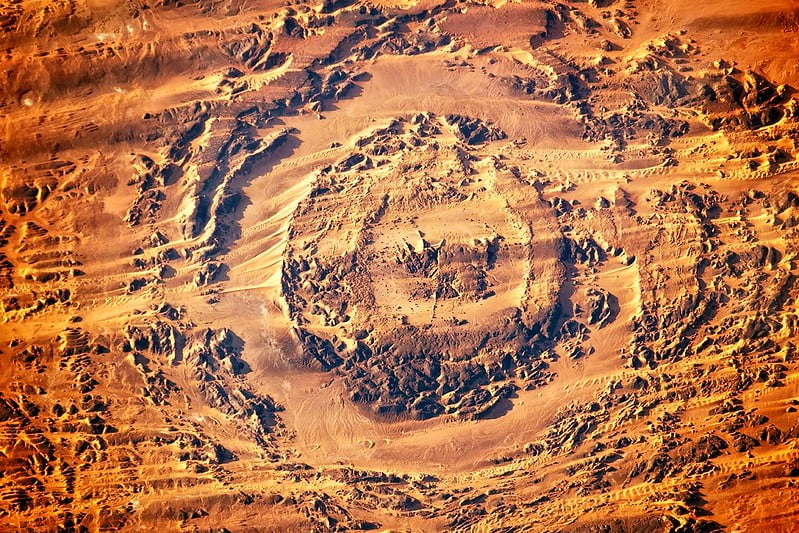
This well-preserved impact crater in the Sahara Desert was created by an asteroid strike roughly 345 million years ago. The dry desert conditions have kept the 10-mile-wide crater relatively intact, with its rim still rising about 500 feet above the surrounding landscape.
Storegga Slide, Norway
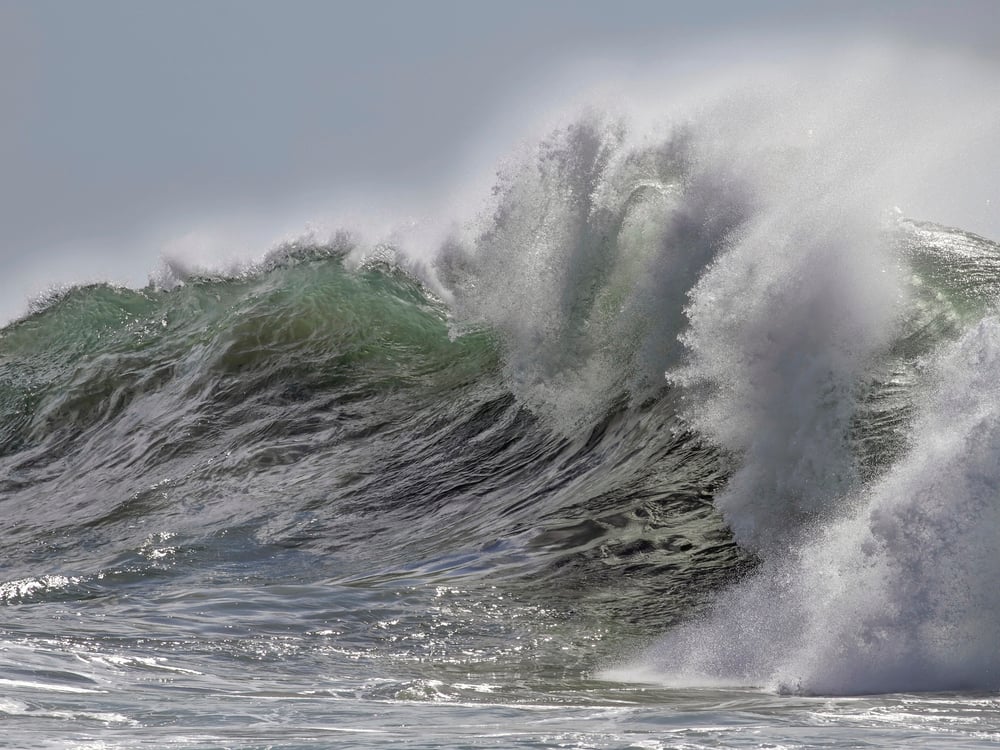
About 8,200 years ago, a massive underwater landslide off the coast of Norway triggered a tsunami that devastated coastal communities around the North Sea. Evidence of this prehistoric tsunami can still be found in sand deposits far inland in Scotland and Norway.
Sodom and Gomorrah, Jordan
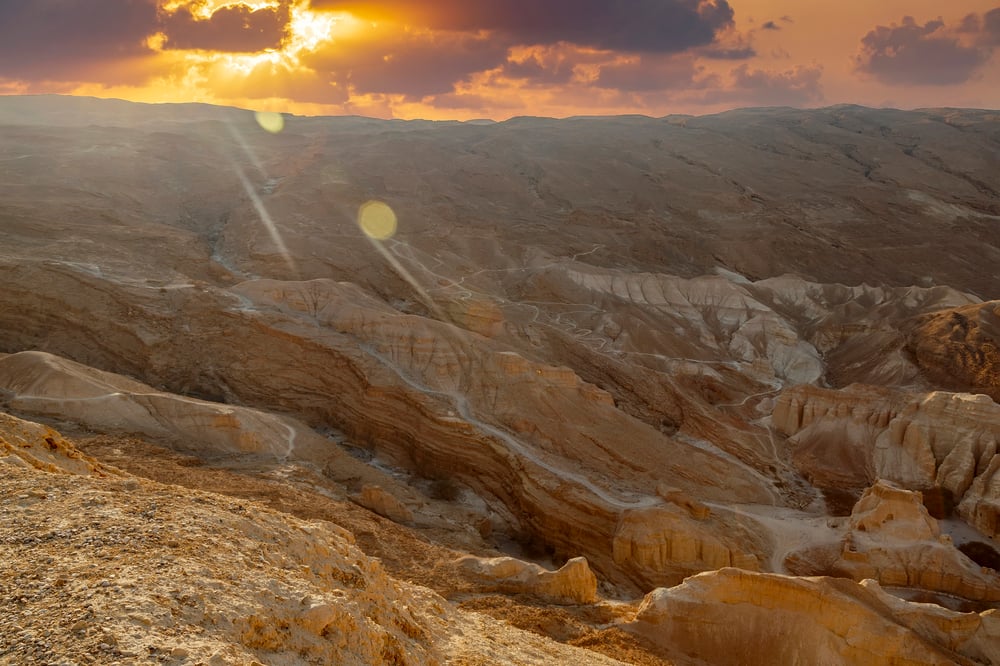
Recent archaeological evidence suggests that the biblical cities of Sodom and Gomorrah may have been destroyed by a cosmic airburst similar to the Tunguska event around 3,600 years ago. Excavations at Tall el-Hammam have revealed a layer of destruction containing melted pottery, burned seeds, and microscopic diamonds that form only under extreme pressure.
When Past Disasters Speak to the Present
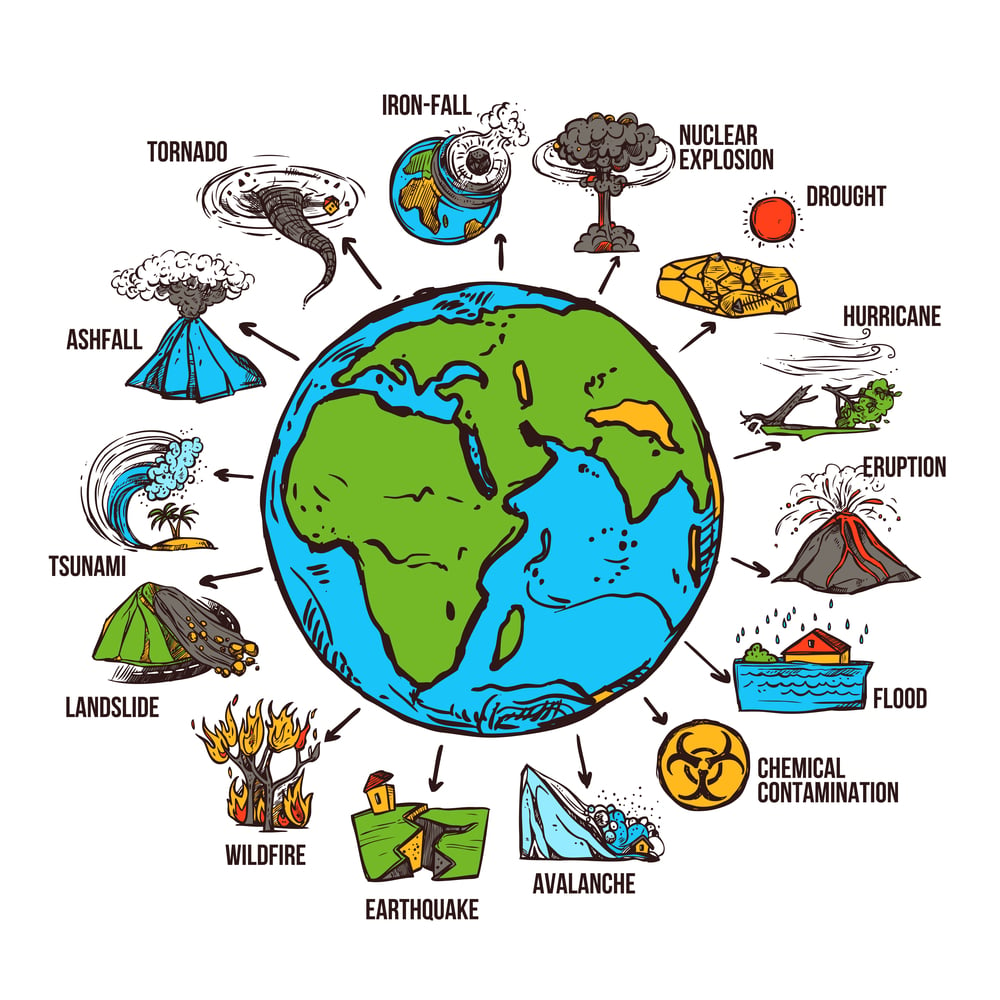
These scattered remnants of ancient catastrophes serve as both tourist attractions and sobering reminders of our planet’s dynamic nature. Each site whispers stories of unimaginable destruction while simultaneously showcasing Earth’s remarkable ability to recover and rebuild.
From crater lakes that now teem with life to forests that have regrown over blast zones, these locations prove that even the most devastating events eventually become part of the natural cycle of destruction and renewal. They stand as monuments to the forces that continue to shape our world, offering glimpses into both our planet’s violent past and its resilient future.
More from Go2Tutors!

- The Romanov Crown Jewels and Their Tragic Fate
- 13 Historical Mysteries That Science Still Can’t Solve
- Famous Hoaxes That Fooled the World for Years
- 15 Child Stars with Tragic Adult Lives
- 16 Famous Jewelry Pieces in History
Like Go2Tutors’s content? Follow us on MSN.



