17 Outdated Technologies We Still Rely On
Technology moves fast, but some old systems refuse to budge. While we carry supercomputers in our pockets and stream movies from space, much of our world still runs on tech that’s decades or even centuries old.
These legacy systems keep chugging along, not because they’re the best option, but because replacing them would be expensive, disruptive, or just plain complicated. Here’s a list of 17 outdated technologies that continue to shape our daily lives, often without us even realizing it.
COBOL Programming Language
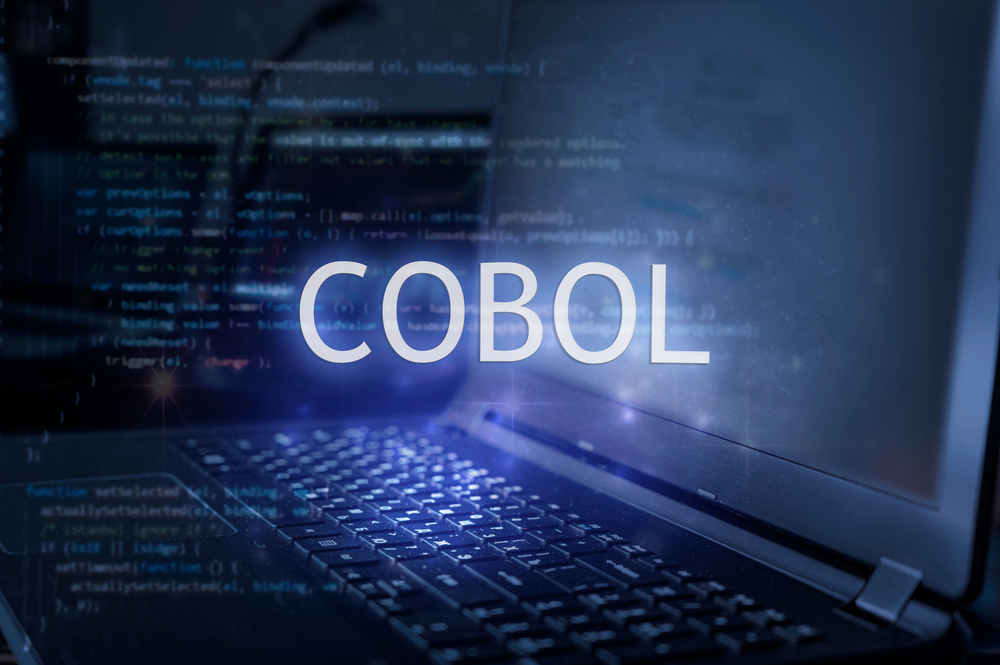
Banks around the world still depend on COBOL, a programming language created in 1959. This ancient code processes an estimated 95% of ATM swipes and 80% of in-person transactions daily.
The language was designed when computers filled entire rooms and used punch cards for input. Today’s banking systems are so deeply rooted in COBOL that major financial institutions spend billions maintaining code that’s older than most of their employees.
Fax Machines
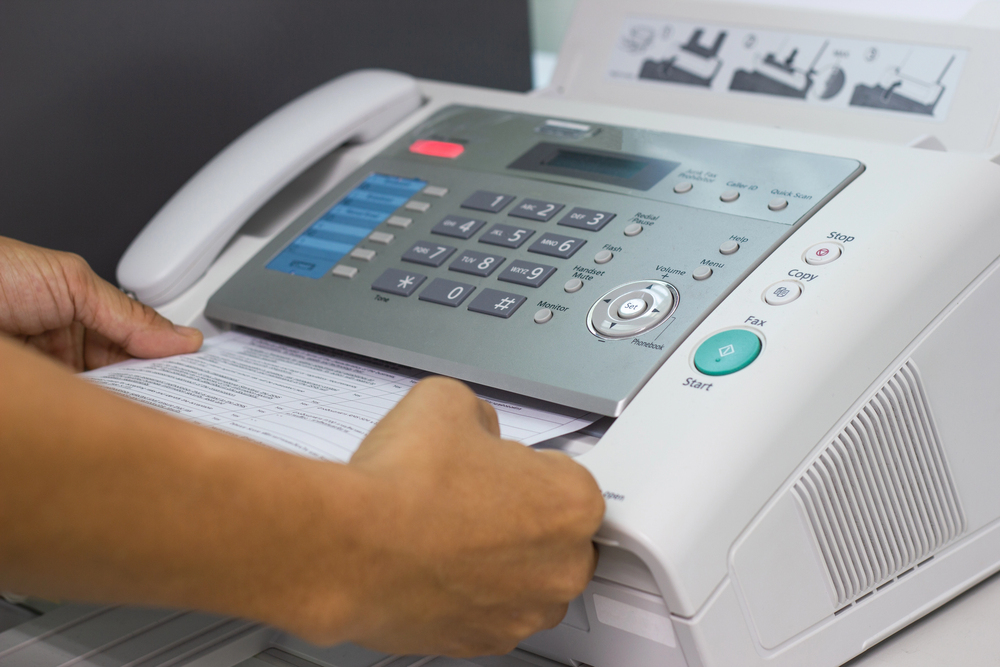
Despite email being invented decades ago, fax machines remain surprisingly common in healthcare, legal offices, and government agencies. Many hospitals still require faxed prescriptions and medical records because of outdated regulations and security concerns.
The technology essentially scans a document, converts it to audio tones, transmits those sounds over phone lines, then prints the result on the other end—a process that hasn’t fundamentally changed since the 1960s.
Like Go2Tutors’s content? Follow us on MSN.
Magnetic Stripe Cards

Credit and debit cards still use magnetic stripe technology from the 1960s, even though chip technology is far more secure. The black stripe on your card stores data the same way cassette tapes did, making it vulnerable to skimming and fraud.
While chip cards have become more common, millions of card readers still rely on that outdated magnetic stripe as a backup payment method.
QWERTY Keyboard Layout

The QWERTY keyboard was designed in the 1870s for mechanical typewriters to prevent keys from jamming together. The layout deliberately separated commonly used letter pairs to slow down typing speed.
Modern keyboards have no mechanical limitations, yet we’re still stuck with this inefficient arrangement that can cause repetitive strain injuries and reduces typing speed compared to more logical layouts like Dvorak.
Incandescent Light Bulbs

Thomas Edison’s basic light bulb design from 1879 still illuminates homes and businesses worldwide. These bulbs convert only about 10% of electricity into light, wasting the rest as heat. LED technology is far more efficient and lasts much longer, but millions of fixtures still use the same filament-heating principle that Edison pioneered nearly 150 years ago.
Like Go2Tutors’s content? Follow us on MSN.
AM and FM Radio

Radio broadcasting technology from the early 1900s continues to dominate car dashboards and kitchen counters. AM radio, invented in the 1870s, delivers notoriously poor sound quality with lots of static and interference.
FM radio, though better, still can’t match digital streaming quality. Yet these analog signals keep broadcasting because they’re free, reliable, and work during emergencies when internet services might fail.
Copper Telephone Wires
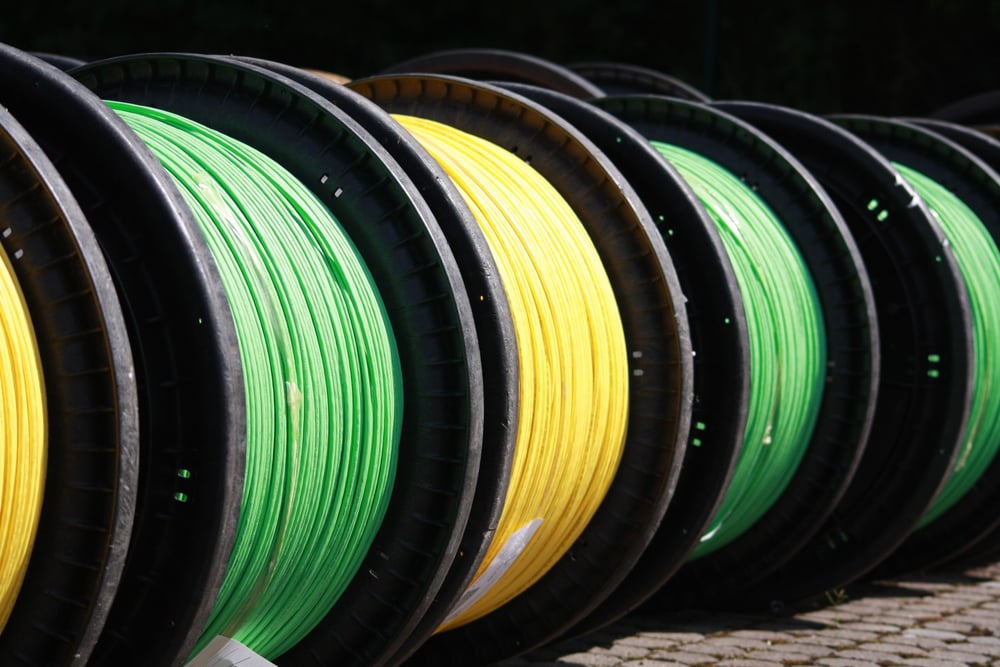
Much of our internet and phone infrastructure still relies on copper wires installed decades ago. These metal cables were fine for simple voice calls but struggle with today’s data demands.
Fiber optic cables can carry vastly more information at higher speeds, yet millions of homes and businesses depend on copper networks that date back to the mid-20th century.
Paper Checks

Personal checks use the same basic format established in the 1700s by British banks. You write numbers and signatures by hand, mail them through a postal system, and wait days for processing.
Digital payments are instant, more secure, and create automatic records, but Americans still write billions of paper checks annually. Many landlords, small businesses, and government agencies prefer this centuries-old payment method.
Like Go2Tutors’s content? Follow us on MSN.
VGA Connectors
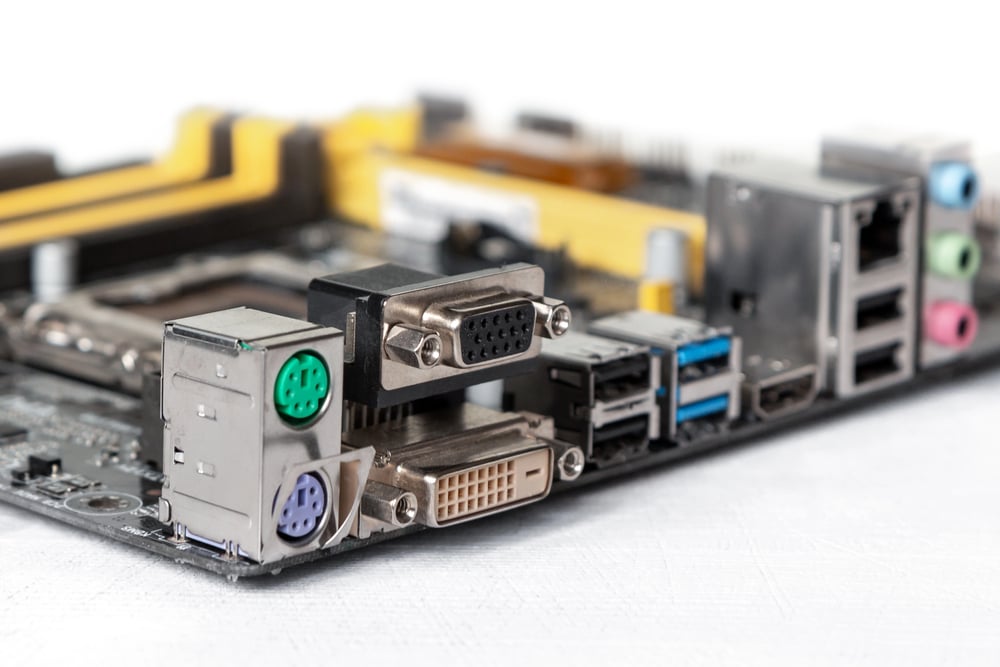
The Video Graphics Array connector was introduced in 1987 for connecting monitors to computers. This chunky, 15-pin connector can’t handle modern high-resolution displays very well and requires analog signals that digital displays must convert.
HDMI and USB-C offer superior digital connections, yet VGA ports persist on projectors, monitors, and computers because they’re familiar and ‘good enough’ for basic displays.
Email Protocols

Email still uses core protocols developed in the 1970s and early 1980s. SMTP (Simple Mail Transfer Protocol) was designed when the internet was tiny and security wasn’t a major concern.
These old protocols make email vulnerable to spam, spoofing, and other attacks that modern messaging systems can better prevent. Yet billions of emails flow through these decades-old systems every day.
ZIP Code System
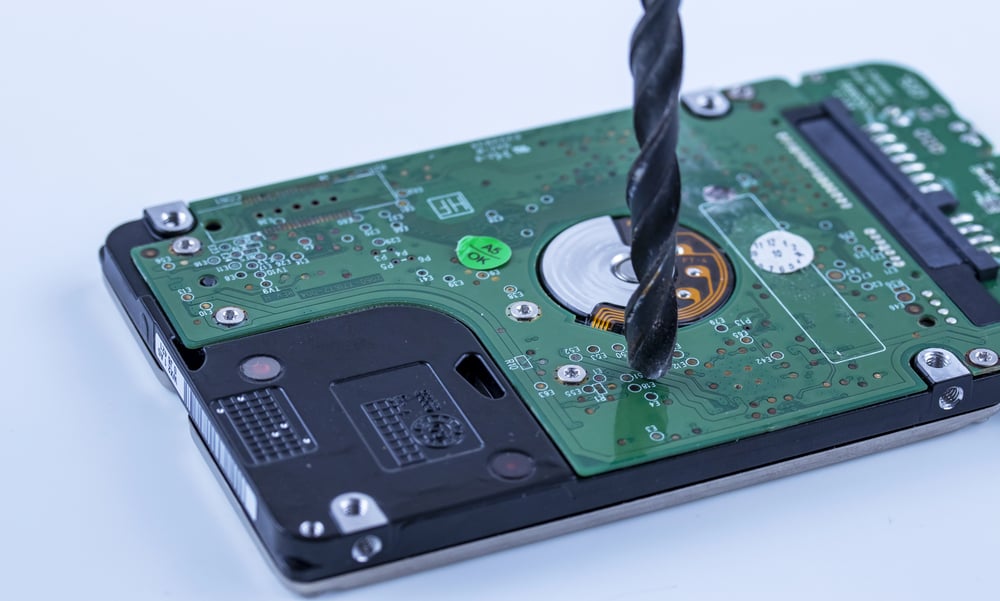
The United States Postal Service introduced ZIP codes in 1963 to speed up mail sorting. This five-digit system was designed for a much smaller population and simpler logistics.
Modern package tracking and GPS technology could create more efficient delivery systems, but the postal service and countless databases still organize everything around these 60-year-old geographic codes.
Like Go2Tutors’s content? Follow us on MSN.
Social Security Numbers

Americans use Social Security numbers as universal identifiers, even though they were created in 1936 solely for tracking retirement benefits. These nine-digit numbers have no security features, are easily guessed, and were never intended for credit checks, employment verification, or medical records.
Modern identity systems use encrypted tokens and biometrics, but SSNs remain embedded in countless databases and forms.
Traditional Door Locks

Most homes and offices still use pin tumbler locks invented in ancient Egypt and refined in the 1860s. These mechanical systems can be picked, bumped, or bypassed with basic tools.
Smart locks offer better security with digital codes, smartphone access, and activity logs, but millions of buildings rely on metal keys and springs that haven’t fundamentally changed in over a century.
Desktop Printers
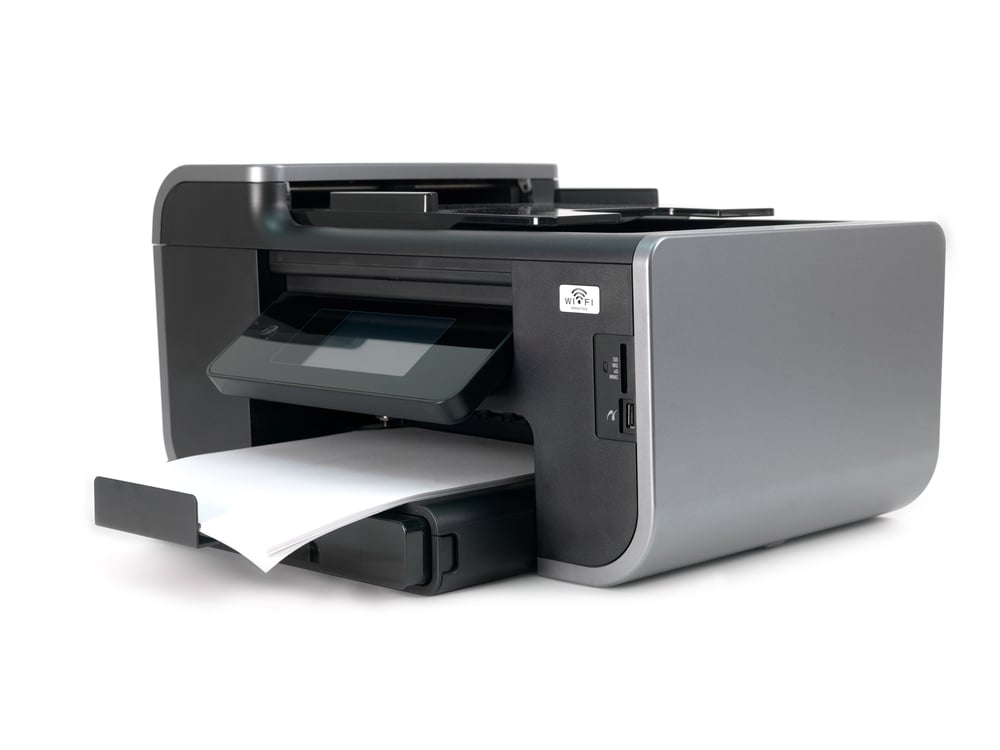
Home and office printers largely use inkjet or laser technology from the 1970s and 1980s. These machines are notoriously unreliable, waste expensive ink, and jam frequently.
Cloud printing and digital documents have reduced printing needs, yet most workplaces depend on these temperamental devices that seem designed to break down right before important deadlines.
Like Go2Tutors’s content? Follow us on MSN.
Barcode Scanning
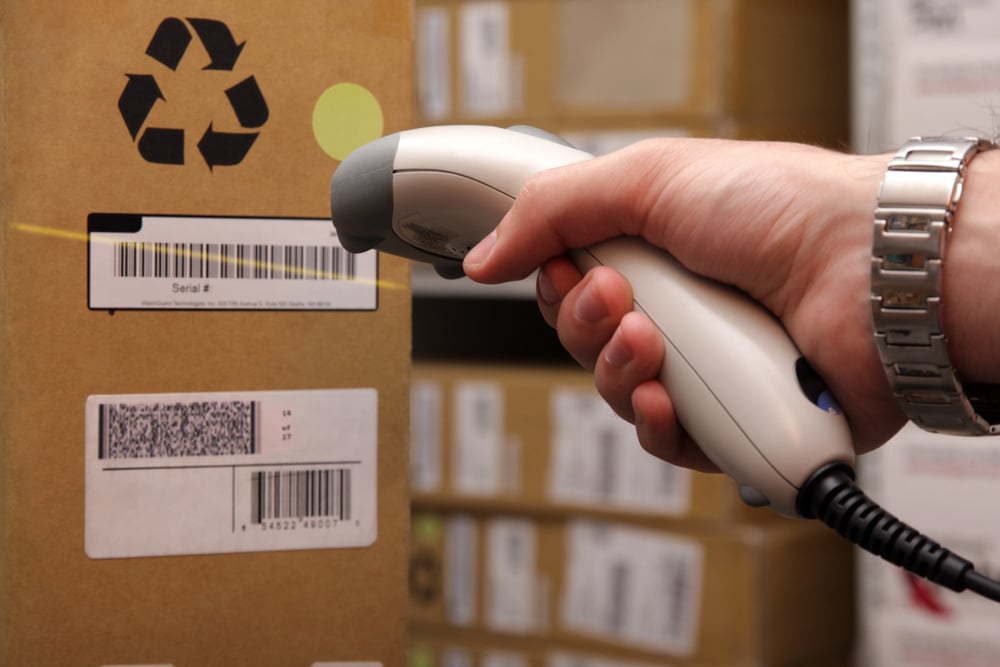
Retail barcodes use the Universal Product Code system introduced in 1974. These parallel lines can only store basic product information and require line-of-sight scanning.
QR codes and RFID tags can hold much more data and don’t need perfect positioning, but grocery stores and warehouses still depend on those familiar black-and-white stripes for inventory and checkout.
Cash Registers
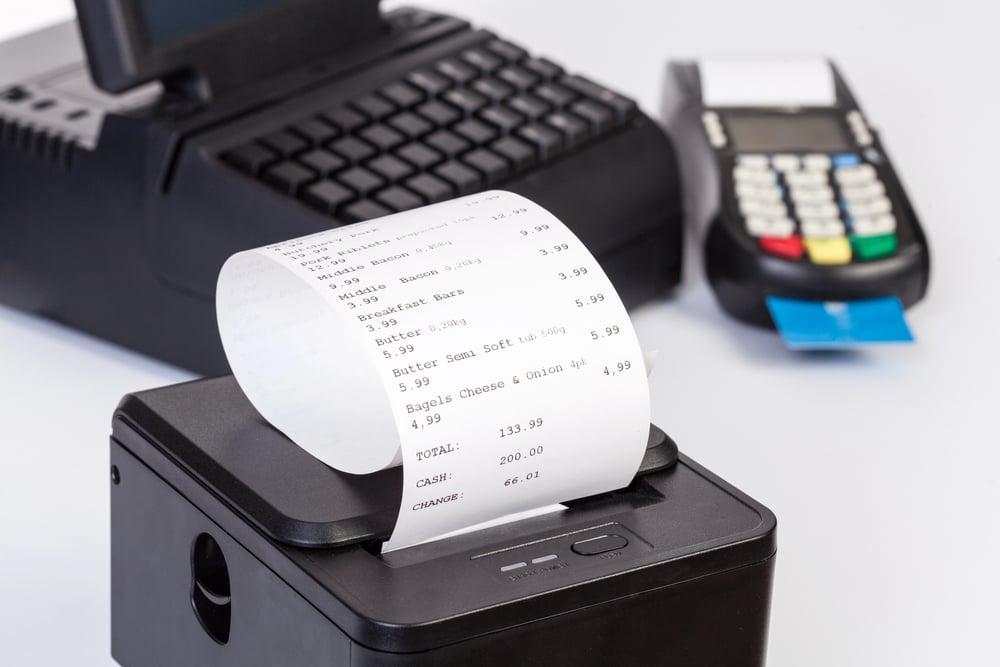
Many businesses use electronic cash registers that are essentially fancy calculators with cash drawers. These systems often run on basic software and can’t integrate well with modern inventory management or customer relationship systems.
Point-of-sale tablets offer better functionality and easier updates, but countless restaurants and retail stores stick with traditional registers that feel reassuringly familiar.
Physical Car Keys

Most vehicles still use metal keys cut to match mechanical locks, a system that dates back to the early automotive era. These keys can be easily duplicated and don’t provide much security against determined thieves.
Keyless entry and push-button ignition offer better convenience and security features, but millions of cars worldwide still require you to physically insert and turn a piece of metal to start the engine.
Like Go2Tutors’s content? Follow us on MSN.
The Persistence of the Past

These outdated technologies reveal something important about how innovation really works. The best technical solution doesn’t always win—sometimes the first one to become widely adopted gets locked in place by habit, cost, and the sheer difficulty of coordinating change across entire industries.
Our modern world runs on a fascinating mixture of cutting-edge innovation and century-old systems that just refuse to retire. Understanding this technological inertia helps explain why progress often feels slower than it should, even in our rapidly advancing digital age.
More from Go2Tutors!

- 16 Historical Figures Who Were Nothing Like You Think
- 12 Things Sold in the 80s That Are Now Illegal
- 15 VHS Tapes That Could Be Worth Thousands
- 17 Historical “What Ifs” That Would Have Changed Everything
- 18 TV Shows That Vanished Without a Finale
Like Go2Tutors’s content? Follow us on MSN.