16 Mysterious Artifacts That Vanished Without a Trace
Throughout history, countless priceless treasures have simply vanished into thin air, leaving behind only tantalizing clues and endless speculation. From ancient religious relics to royal jewels worth millions, these artifacts disappeared during wars, thefts, natural disasters, or under circumstances so mysterious that even today’s experts remain baffled. Some were stolen by conquering armies, others lost in shipwrecks or hidden away by their owners, never to be recovered.
What makes these disappearances particularly fascinating is that we know these items once existed—there are historical records, photographs, or eyewitness accounts proving their reality. Yet despite decades or even centuries of searching, they remain as elusive as if they never existed at all. Here’s a list of 16 mysterious artifacts that vanished without a trace and continue to captivate treasure hunters and historians worldwide.
The Amber Room
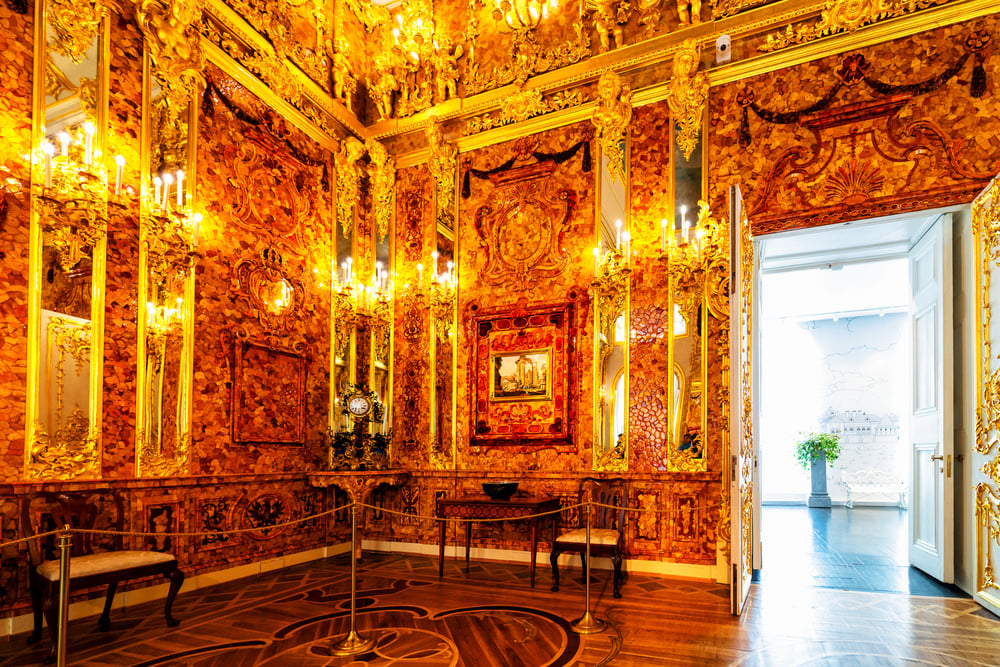
Once called the ‘Eighth Wonder of the World,’ this spectacular chamber disappeared during World War II and has never been found. Created in 18th-century Prussia with over six tons of amber panels backed by gold leaf, the room was gifted to Russia in 1716 and installed in Catherine Palace near St. Petersburg.
When German forces approached in 1941, curators tried to dismantle it, but the brittle amber crumbled, so they hid it behind wallpaper instead—a ruse that failed spectacularly.
Isabella Stewart Gardner Museum Paintings

In 1990, two thieves dressed as police officers walked into Boston’s Isabella Stewart Gardner Museum and stole 13 priceless artworks in what remains the largest unsolved art heist in history. Among the missing pieces are Rembrandt’s ‘Storm on the Sea of Galilee’ and Vermeer’s ‘The Concert,’ with the total value estimated at over $500 million.
Despite a $10 million reward and decades of investigation, not a single artwork has been recovered.
Like Go2Tutors’s content? Follow us on MSN.
The Honjo Masamune Sword
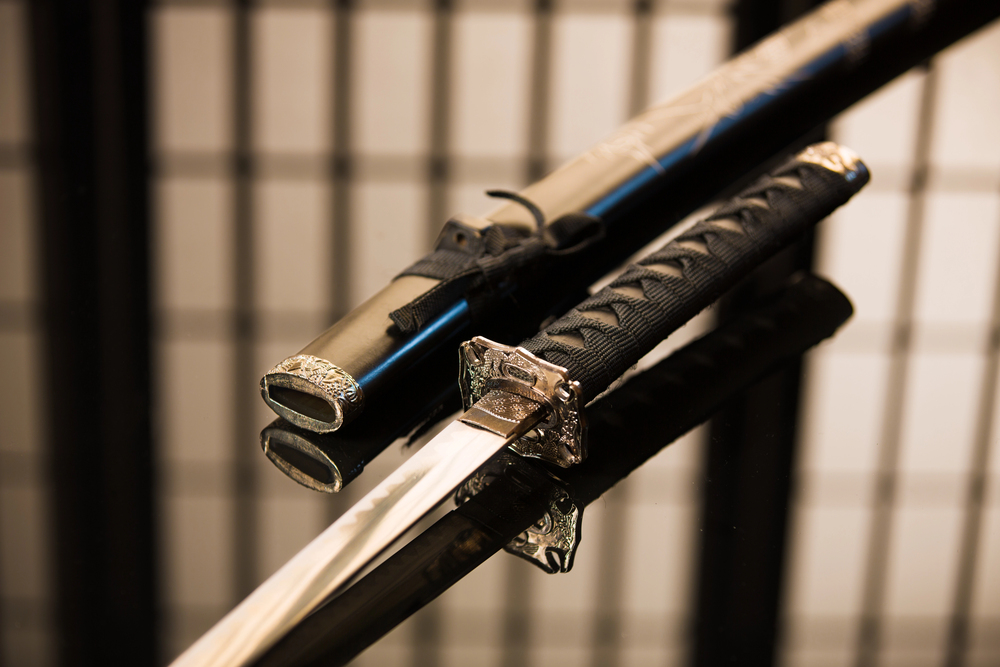
Japan’s most legendary sword vanished in the chaos following World War II. Created by master swordsmith Masamune in the 14th century, this katana was considered a national treasure and symbol of the Tokugawa shogunate.
After Japan’s surrender in 1945, the sword’s last owner brought it to a Tokyo police station as required by Allied orders, where it was handed to an unknown American official—and promptly disappeared forever.
Crown Jewels of King John
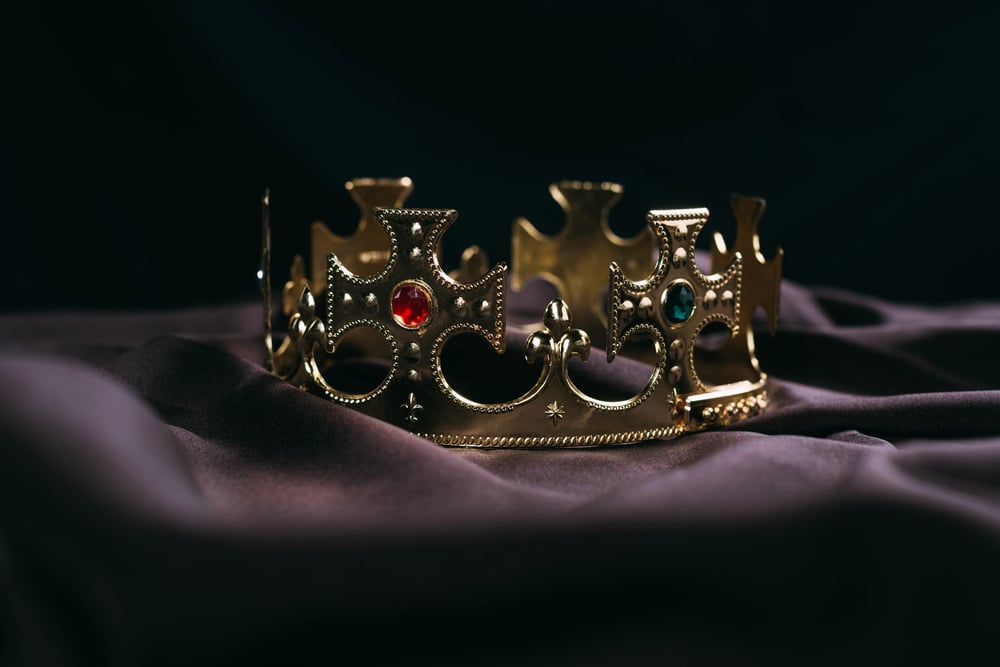
In 1216, King John of England lost what may be the most valuable royal treasure in history while fleeing his enemies. His baggage train, loaded with crowns, jewels, and gold plates inherited from his grandmother, the Empress of Germany, attempted to cross the treacherous muddy flats of the Wash.
The tide came in faster than expected, swallowing the entire convoy and its priceless cargo beneath the waters.
The Florentine Diamond
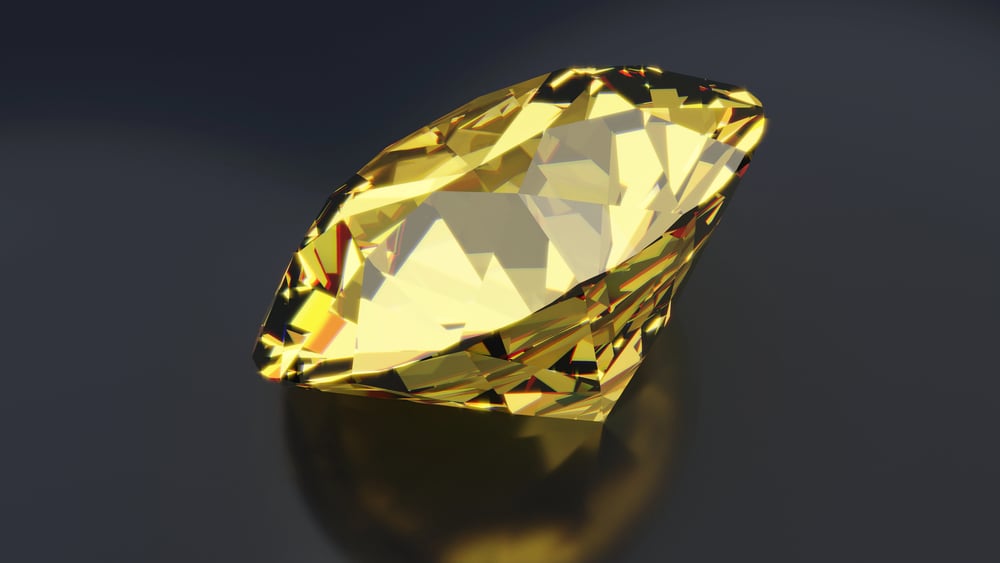
This massive 137-carat yellow diamond vanished in the 1920s after centuries of passing between European royal families. Originally from India, it belonged to the Medici family of Florence before making its way to the Austrian Habsburgs.
When the last Habsburg emperor fled after World War I, he entrusted the diamond to lawyer Bruno Steiner for sale—but it was never seen again, possibly cut into smaller stones to hide its identity.
Like Go2Tutors’s content? Follow us on MSN.
Just Judges Panel
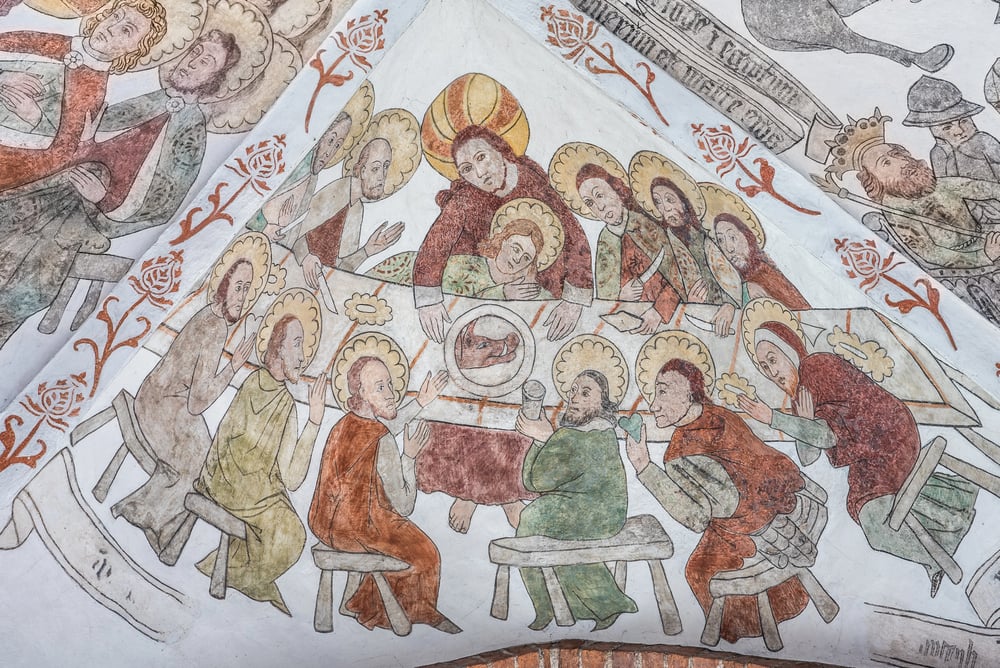
The lower left panel of the famous Ghent Altarpiece by Jan van Eyck disappeared in 1934 and remains one of art history’s greatest mysteries. The thief left a note claiming it was ‘taken from Germany by the Treaty of Versailles’ and demanded a million Belgian francs in ransom.
Despite negotiations and decades of searching, this priceless 15th-century masterpiece showing mysterious figures on horseback has never been found.
Missing Fabergé Eggs
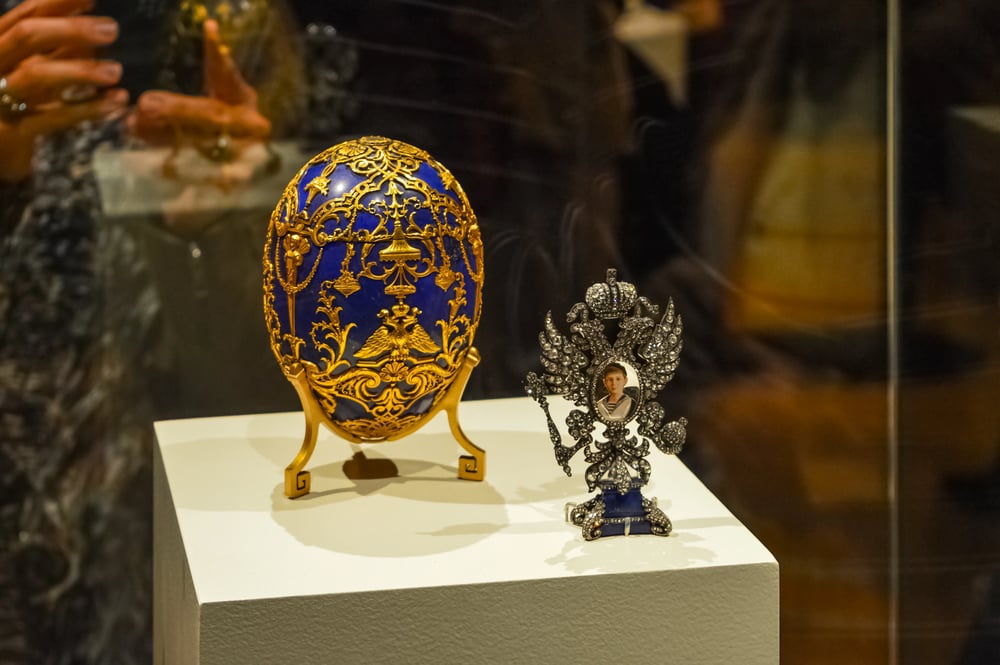
Eight of the 50 imperial Easter eggs created by the House of Fabergé for Russian tsars have vanished without trace. These jewel-encrusted marvels, each containing elaborate mechanical surprises, were scattered after the Russian Revolution when the Soviets sold them off.
While most have been accounted for, eggs like the ‘Hen with Sapphire Pendant’ and ‘Alexander III Commemorative’ remain lost, each potentially worth tens of millions.
Peking Man Fossils
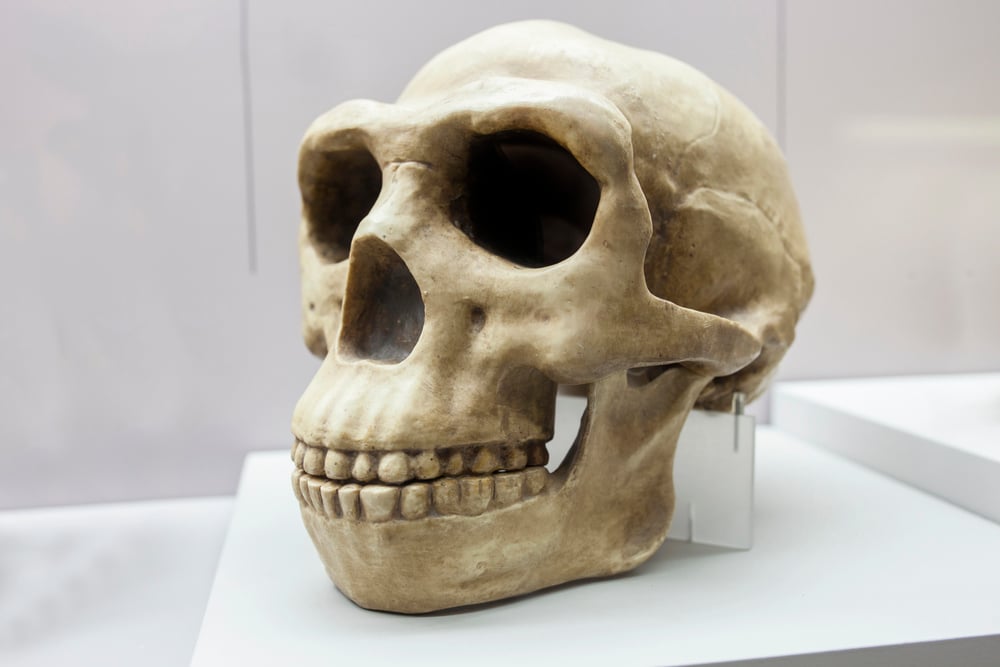
Some of the most important early human fossils ever discovered vanished during World War II in what’s been called ‘the worst disaster in the history of archaeology.’ The 750,000-year-old Homo erectus remains were being evacuated from Beijing when they disappeared, possibly lost at sea or hidden somewhere in China.
Despite numerous searches, including excavations under parking lots, these crucial links to human evolution remain missing.
Like Go2Tutors’s content? Follow us on MSN.
The Ark of the Covenant
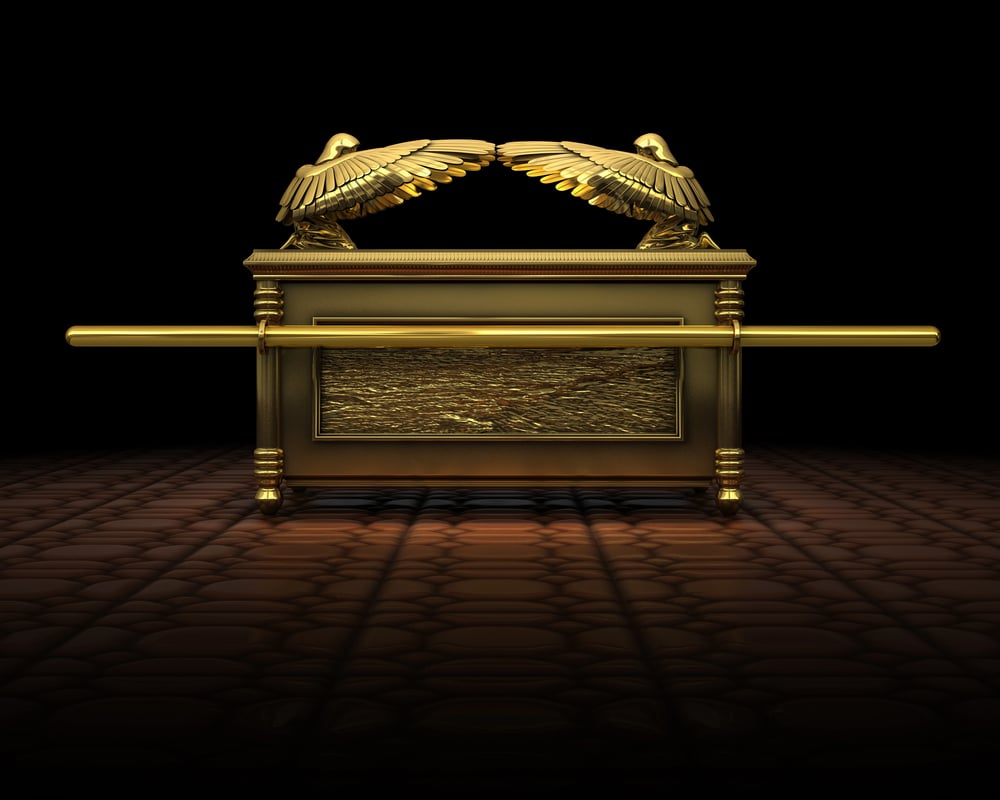
Perhaps history’s most famous missing religious artifact, the golden chest containing the original stone tablets of the Ten Commandments disappeared when Babylon destroyed Solomon’s Temple in 587 BC. According to biblical accounts, this sacred vessel represented God’s presence among the Israelites and possessed incredible power.
Theories about its location range from hidden chambers beneath Jerusalem to remote Ethiopian churches.
Confederate Treasury Gold

Millions of dollars worth of Confederate gold vanished near the end of the American Civil War, spawning countless treasure hunting expeditions. As the Confederacy collapsed in 1865, Secretary of the Treasury George Trenholm was accused of making off with the government’s remaining assets.
The gold was reportedly loaded onto a train that mysteriously disappeared, and despite numerous searches across the South, this massive fortune has never been found.
Menkaure’s Sarcophagus
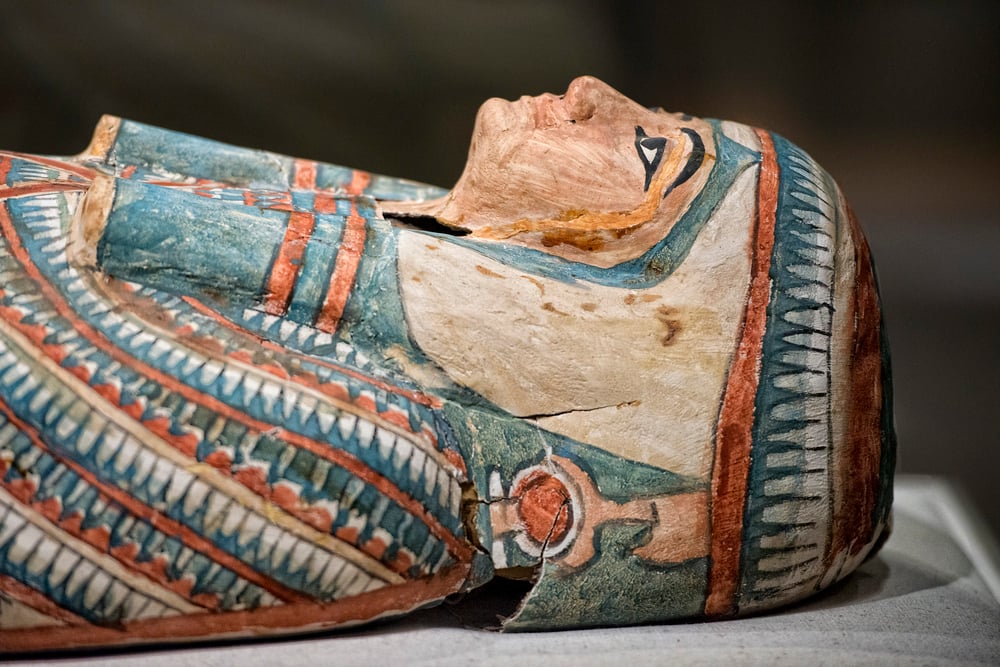
The ancient Egyptian pharaoh’s basalt sarcophagus disappeared in a shipwreck while being transported to Britain in 1838. British explorer Richard Vyse had discovered the elaborate coffin in the smallest pyramid at Giza, but the ship carrying it to London sank somewhere in the Atlantic.
The sarcophagus of this 4th Dynasty ruler now rests on the ocean floor, adding another layer to ancient Egypt’s enduring mysteries.
Like Go2Tutors’s content? Follow us on MSN.
The Second Temple Menorah
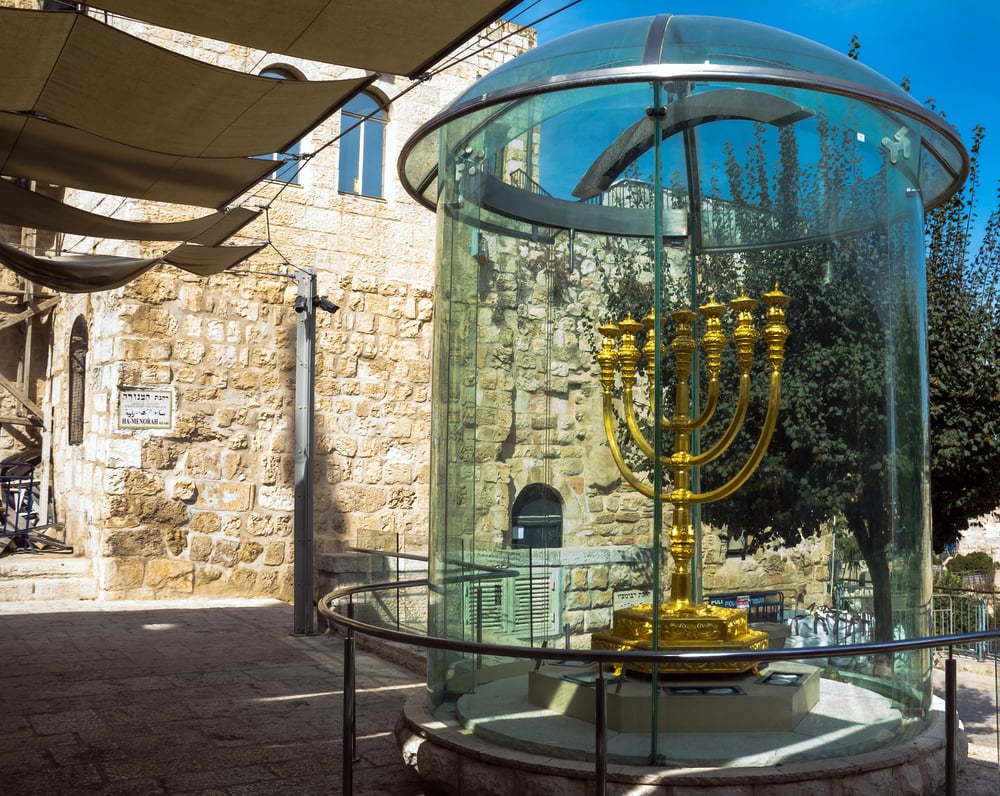
This seven-branched golden candelabrum was looted from Jerusalem’s Second Temple by Roman forces in 70 AD and paraded through Rome as a victory trophy. Historical records show it was placed in the Temple of Peace, but after that building burned down around 192 AD, the sacred menorah vanished.
Some accounts suggest it was taken to Carthage by the Vandals, but its ultimate fate remains unknown.
Royal Casket of Princess Izabela
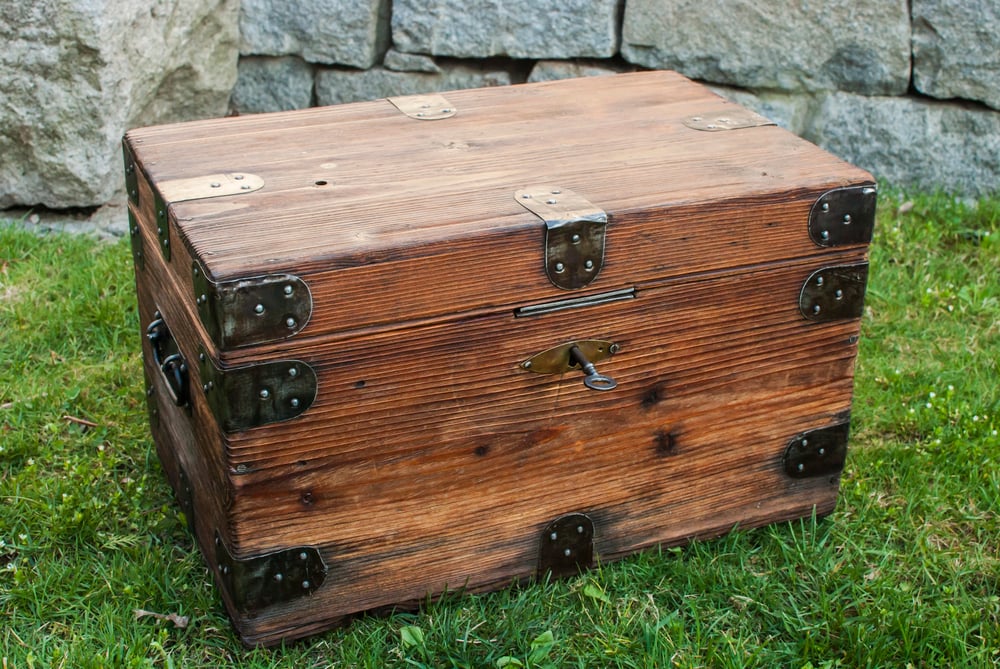
Created in 1800 by Poland’s Princess Izabela Czartoryska, this collection contained priceless artifacts from Polish royal families, including jewels worn by kings and irreplaceable works of art. The casket was designed to preserve Polish heritage after the country lost its independence in 1795.
When Nazi Germany invaded Poland in 1939, they seized the entire collection, and it has never been seen since.
Shakespeare’s Love’s Labour’s Won
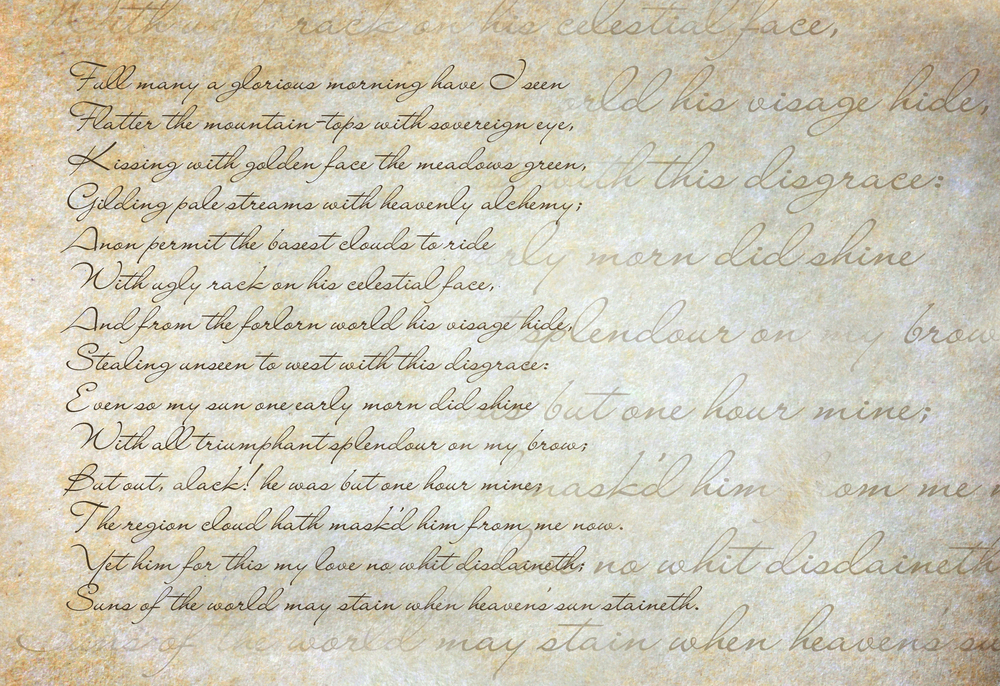
This lost play by William Shakespeare is documented in historical records from the 1590s and 1600s, proving it once existed and was being sold in bookshops. Possibly a sequel to ‘Love’s Labour’s Lost,’ the comedy was definitely published by 1598 and remained available until at least 1603.
Despite its documented existence, not a single copy has survived, making it the most famous missing work in English literature.
Like Go2Tutors’s content? Follow us on MSN.
Maya Monuments of El Mirador
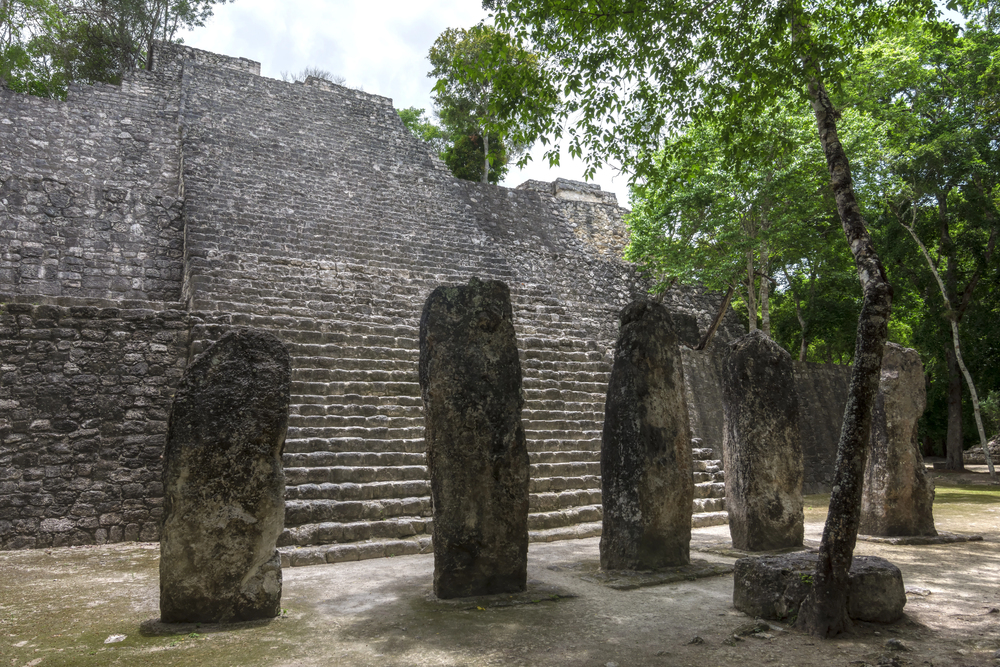
Countless stone monuments chronicling Maya rulers and their achievements vanished when the great city of El Mirador was abandoned around the 9th century AD. These massive stelae and altars contained invaluable historical information about Maya civilization, but many were intentionally buried or destroyed during the civilization’s mysterious collapse.
Though some have been recovered from jungle sites, numerous important monuments remain lost beneath Central American rainforests.
The Copper Scroll Treasures

Discovered among the Dead Sea Scrolls in 1952, this unique copper document lists 64 locations where massive amounts of gold and silver are supposedly hidden. Unlike other Dead Sea Scrolls containing religious texts, this one appears to be a treasure map from the 1st century BC.
The problem is that the locations are described as if readers would recognize the places without detailed directions, making the treasures impossible to locate.
When History Disappears

These vanished artifacts represent more than just lost wealth—they’re missing pieces of human history that could revolutionize our understanding of the past. Some may still exist in private collections or hidden vaults, while others have likely been destroyed by time, war, or natural disasters.
The search continues for these mysterious treasures, driven by the tantalizing possibility that somewhere out there, in an abandoned warehouse or forgotten cave, one of history’s greatest mysteries might finally be solved. Until then, they remain as elusive as legends, proving that sometimes the most valuable things in the world can simply vanish without a trace.
More from Go2Tutors!

- 16 Historical Figures Who Were Nothing Like You Think
- 12 Things Sold in the 80s That Are Now Illegal
- 15 VHS Tapes That Could Be Worth Thousands
- 17 Historical “What Ifs” That Would Have Changed Everything
- 18 TV Shows That Vanished Without a Finale
Like Go2Tutors’s content? Follow us on MSN.