16 Rare Tree Species Collectors Seek Out
Tree collecting has evolved far beyond simple gardening into a passionate pursuit of botanical treasures. Whether driven by conservation goals, aesthetic appreciation, or the thrill of owning something truly unique, collectors worldwide seek out rare specimens that most people will never encounter. These trees often carry fascinating stories of survival, adaptation, and sometimes near-extinction.
From ancient species that witnessed the dinosaurs to modern conservation success stories, these botanical gems represent some of nature’s most remarkable achievements. Here’s a list of 16 rare tree species that collectors actively pursue for their gardens, collections, and conservation efforts.
Florida Yew
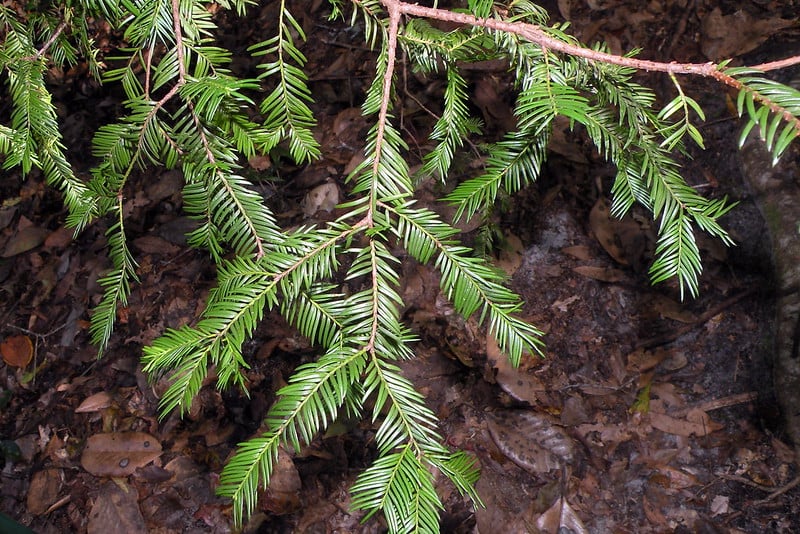
Florida yew is one of the rarest trees in the world and occurs only in forested bluffs and ravines scattered along a 15-mile section on one side of the Apalachicola River in Florida’s Gadsden and Liberty counties. This remarkable conifer has captured the attention of collectors not just for its scarcity, but for its medicinal properties discovered in the 1970s.
A bit ironic, really. Though its foliage is poisonous and its fruit sometimes deadly, the Pacific yew can be a life-saver. In the 1970s, researchers isolated the compound paclitaxel — an important cancer medication — from the tree’s bark. Collectors value this species for both its conservation importance and its unique place in medical history.
Dragon’s Blood Tree
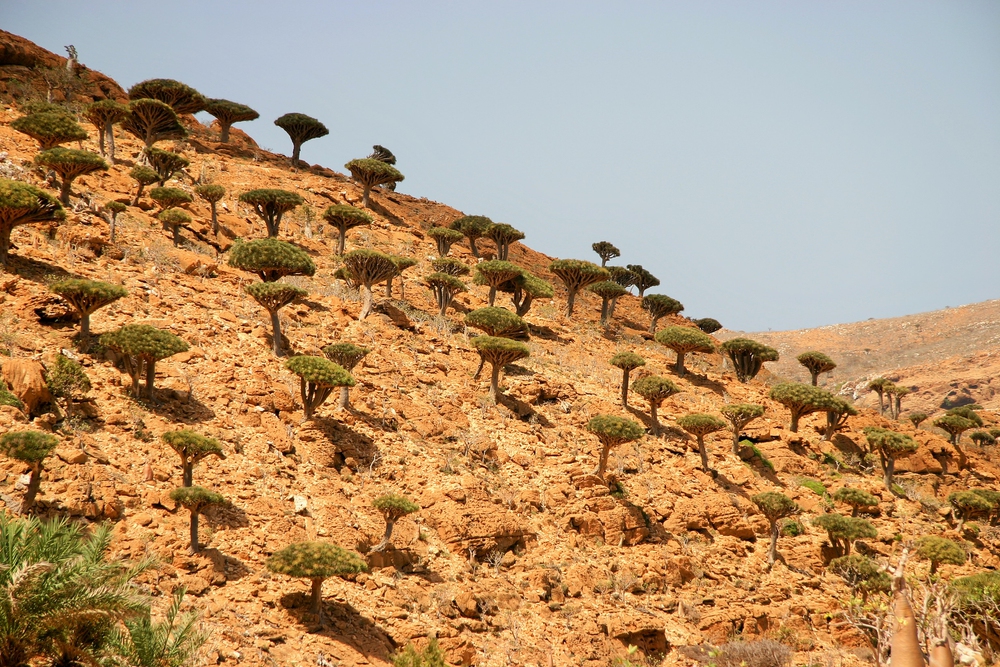
The Dragon’s Blood Tree presents one of nature’s most distinctive silhouettes, resembling an enormous umbrella planted in the desert. Named for the crimson sap that it produces, the dragon’s blood tree may look funny, but its shape is no joke: While most trees draw water from the soil through their roots, the dragon’s blood tree’s umbrella-shaped crown allows it to do the reverse — absorbing moisture from the air and channeling it toward its root system. This extraordinary adaptation makes it a prized specimen for collectors who appreciate both form and function.
Getting to see one isn’t exactly a casual weekend trip, though. To see this rare tree, you’ll have to travel to Yemen, rent a boat, and visit the island of Socotra.
Bristlecone Pine
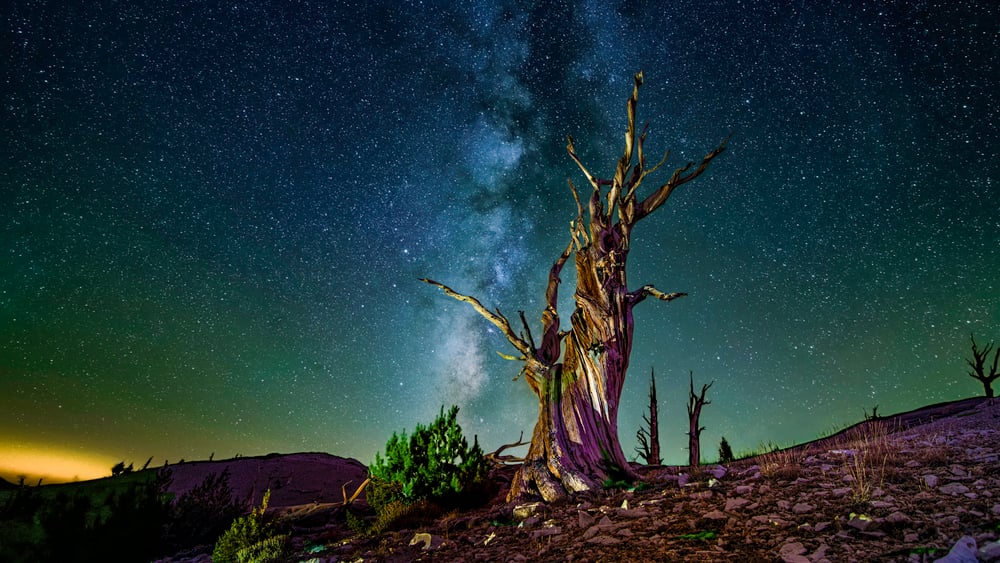
Ancient beyond imagination, the Bristlecone Pine represents living history that collectors find irresistible. These remarkable trees have witnessed the rise and fall of entire civilizations, with some specimens surviving over 5,000 years through harsh mountain conditions that would kill most other plants. These trees have twisted, gnarled trunks and bristle-like seed cones. Bonsai enthusiasts particularly treasure these specimens because the bonsai bristlecone pine, for instance, is revered for its remarkable longevity, with some specimens dating back thousands of years. This ancient tree’s twisted, gnarled trunk and branches evoke a sense of wisdom and timelessness, making it a coveted addition to any bonsai collection. Their extremely slow growth rate and harsh growing conditions make them incredibly rare in cultivation.
Serbian Spruce
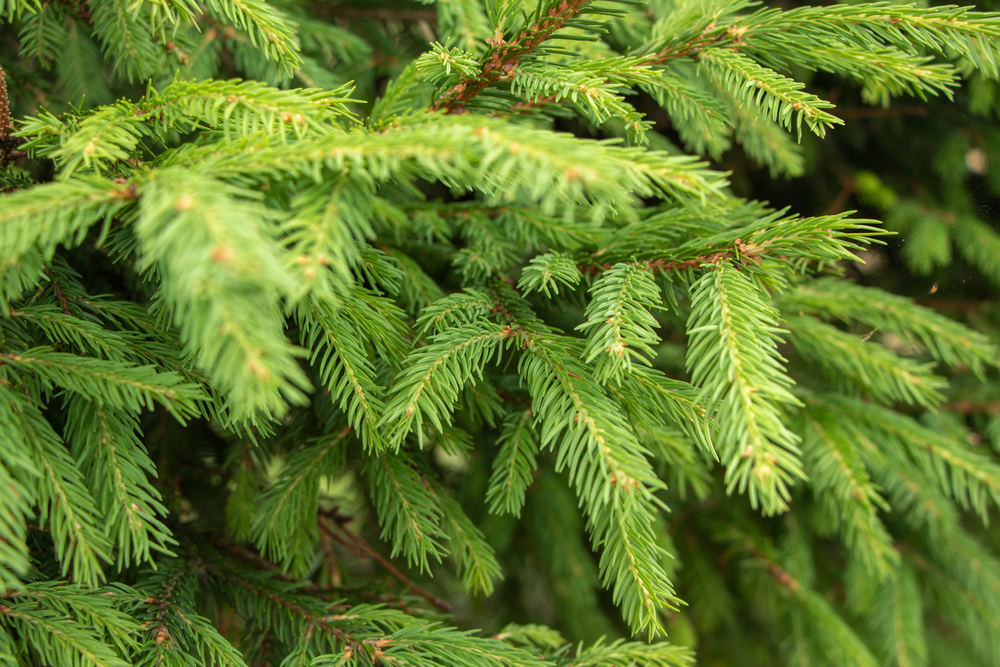
Endemic to a tiny region in the Balkans, the Serbian Spruce represents one of Europe’s rarest conifers. The Serbian Spruce, native to the Drina River valley in Serbia and Bosnia, grows in a very limited range. Its natural habitat consists of mountainous regions with specific soil conditions. This tree prefers well-drained, sandy soils and thrives at altitudes of 800 to 1,600 meters.
Collectors prize this species for its elegant form and conservation significance. Its tall, slender profile and distinctive needle coloration make it a standout specimen that demands attention in any collection.
Compact Hinoki Cypress
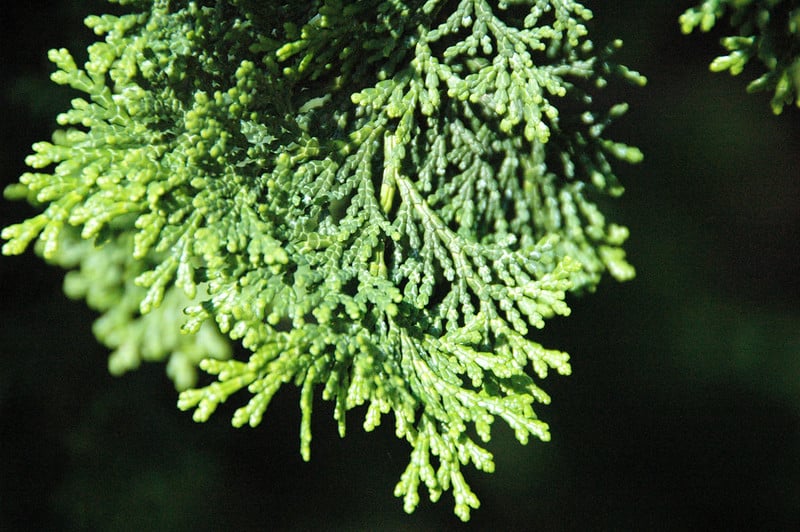
Among the most sought-after specimens in the bonsai world, the Compact Hinoki Cypress carries both age and rarity. Rare in its native Japan, five compact Hinoki cypress (Chamaecyparis obtusa ‘Chabo-hiba’) are centerpieces of the collection. The Arnold Arboretum houses some of the oldest specimens outside Japan, with the core of the collection consisting of 5 large specimens of compact hinoki cypress—each between 150 and 275 years old—that Anderson purchased from the Yokohama Nursery Company.
Imagine owning a tree that was already ancient when your great-great-grandparents were born. Their centuries of careful cultivation and extreme rarity make them some of the most valuable trees in any collection.
Big-Leaf Mahogany
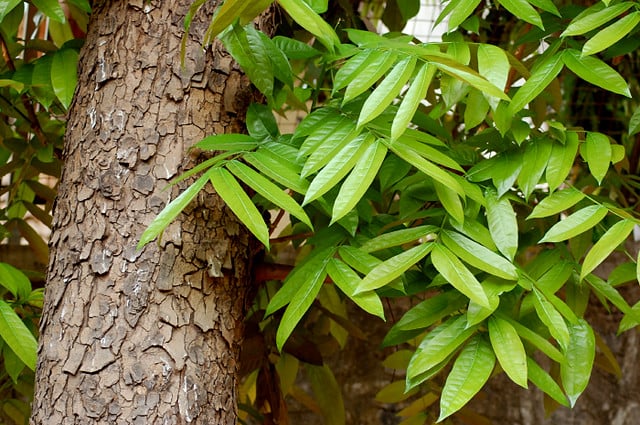
Once abundant across Central and South America, the Big-Leaf Mahogany now ranks among the most coveted rare trees due to extensive logging pressure. This majestic tree thrives in tropical rainforests, where it can reach impressive heights of up to 60 meters. Its large, glossy leaves and reddish-brown wood are highly prized. Despite its wide range, the Big-Leaf Mahogany is rare due to extensive logging.
Collectors value specimens not only for their impressive size potential but also for their role in conservation efforts. The wood’s legendary beauty has made living specimens incredibly precious to those working to preserve the species.
Plymouth Pear
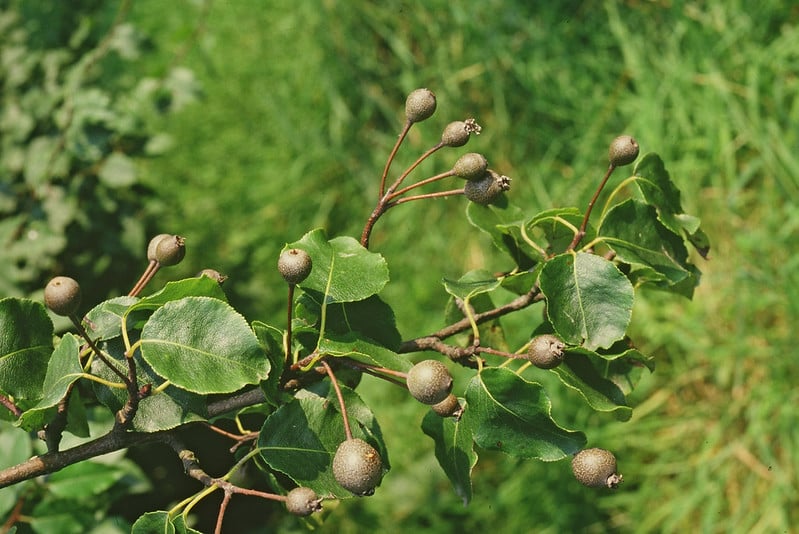
Britain’s rarest tree species, the Plymouth Pear, offers collectors a unique combination of extreme rarity and quirky characteristics. The Plymouth pear is one of Britain’s rarest trees and grows almost exclusively in Devon and Cornwall, around Plymouth and Truro. It is most famous for its foul-smelling flowers which, though beautiful in spring, have been said to resemble the pong of decaying fish!
Not exactly what you’d call a crowd-pleaser. Still, this distinctive trait, combined with its legal protection status, makes it particularly appealing to collectors interested in British native species. Its spring flowers, despite their unusual aroma, create a striking display that many find charming.
Monkey Puzzle Tree
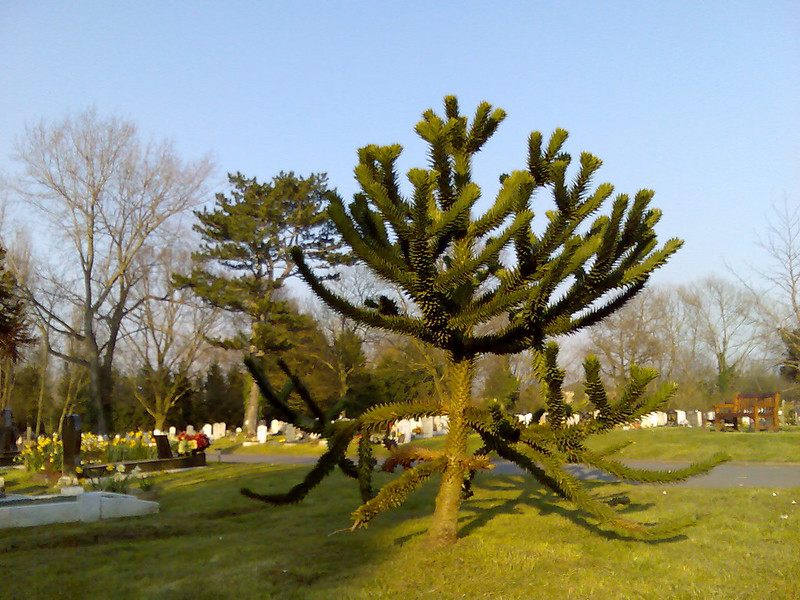
This living fossil from the age of dinosaurs continues to fascinate collectors with its prehistoric appearance and ancient lineage. The Monkey Puzzle tree, native to the Andes Mountains of Chile and Argentina, is an ancient species dating back millions of years. It grows in volcanic soil at altitudes of 600 to 1,800 meters. The tree’s distinctive spiky leaves and symmetrical branches give it a unique appearance.
Collectors appreciate its conversation-starting form and the fact that they’re growing a piece of evolutionary history. The species’ slow growth and specific habitat requirements make cultivated specimens particularly valuable.
Arran Whitebeam
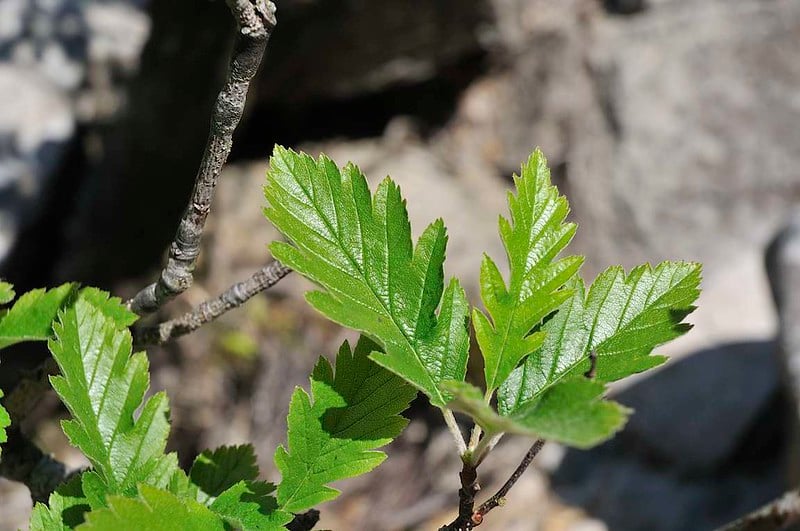
Representing one of the world’s most endangered trees, the Arran Whitebeam offers collectors the opportunity to participate in conservation while owning something truly unique. The Arran whitebeam is one of the rarest and most endangered trees in the world, found only on the Isle of Arran in Scotland. At last count, there were only 407 trees growing in the wild.
407 trees. In the entire world. Its extreme rarity and limited genetic diversity make every cultivated specimen precious. The species plays a crucial role in its ecosystem, adding conservation value to its appeal among environmentally conscious collectors.
Brazil Nut Tree
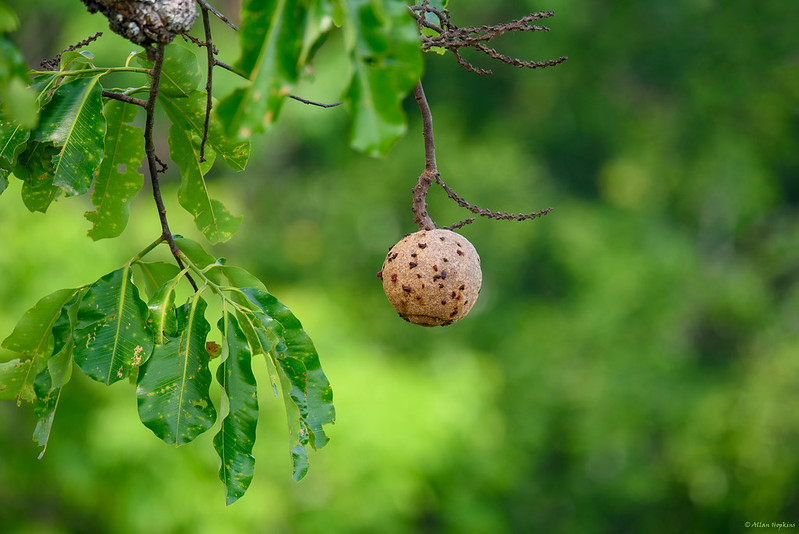
The Brazil Nut Tree represents both ecological complexity and commercial value that attracts collectors interested in tropical species. Brazil Nut trees are rare due to their specific pollination requirements and habitat destruction. They rely on large bees for pollination and agoutis for seed dispersal. This fascinating ecological interdependence makes the species particularly interesting to collectors who appreciate nature’s intricate relationships.
The massive size these trees can achieve—up to 50 meters tall—makes them impressive centerpieces for large collections or botanical gardens.
Cannonball Tree
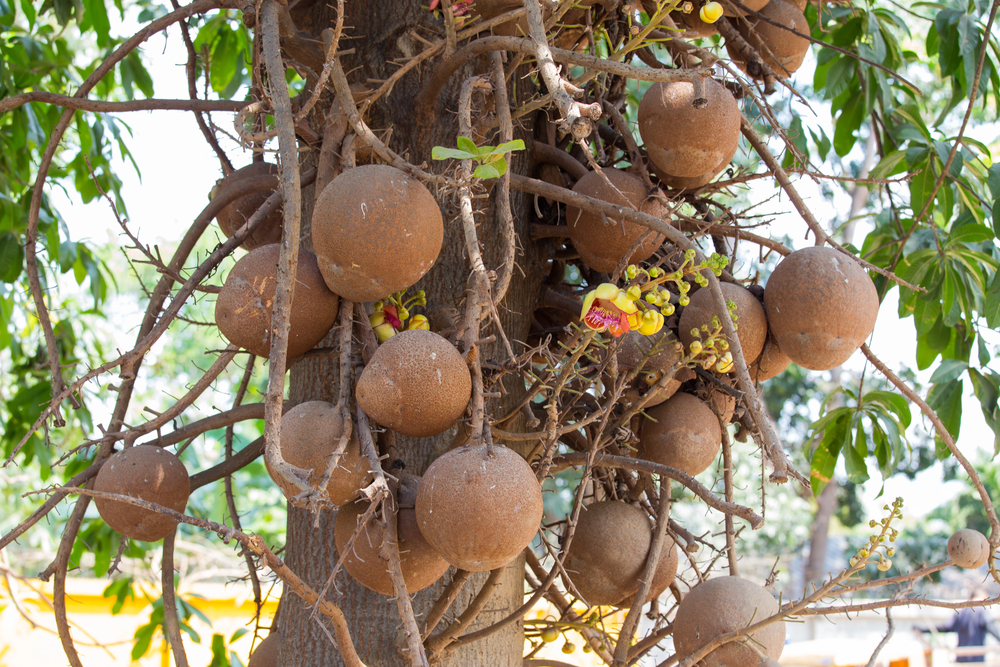
Named for its distinctive spherical fruits, the Cannonball Tree offers collectors both visual drama and fragrant rewards. This tree can grow up to 35 meters tall and is known for its fragrant flowers that bloom directly from the trunk. The Cannonball Tree is rare due to habitat loss and deforestation. Its unique reproductive process, relying on specific pollinators, adds to its vulnerability.
The unusual characteristic of flowers emerging directly from the trunk creates a striking visual display that makes this tree unforgettable. Collectors value it for both its ornamental qualities and its interesting botanical characteristics.
Black Poplar
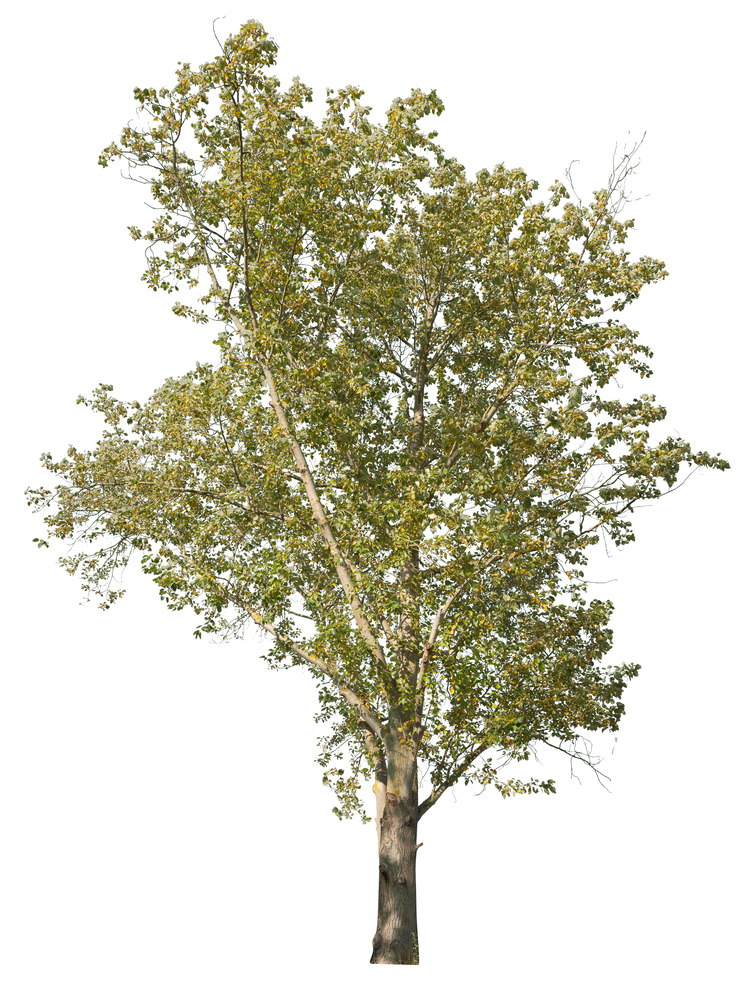
Britain’s most endangered native tree, the Black Poplar combines rarity with distinctive character that appeals to collectors of native species. The elegant and mysterious black poplar is one of Britain’s rarest native trees and one of our most endangered. It can be identified by its deeply fissured bark, triangular leaves, and distinctive, tall shape.
Mature trees often lean too. The characteristic lean of mature specimens adds to their sculptural appeal in collections. Their historical connection to wetland habitats makes them particularly valuable for restoration projects and heritage gardens.
Large-Leaved Lime
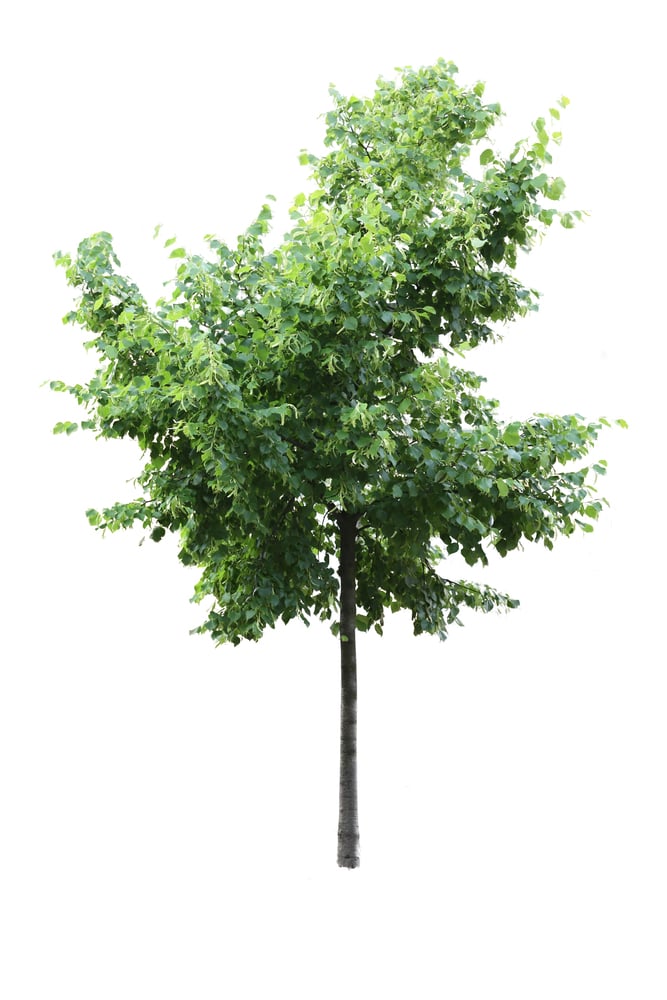
This native British species challenges collectors with its subtle differences from more common relatives. The large-leaved lime is the rarest of our native lime trees and is tricky to distinguish from its more abundant, small-leaved cousins. Look out for darker bark and larger leaves, with hairs covering the underside. As an ancient woodland indicator species, it carries significant ecological and historical value.
Even so, collectors appreciate both its conservation importance and its role in supporting biodiversity, as it provides crucial habitat for various insects and animals.
Common Juniper
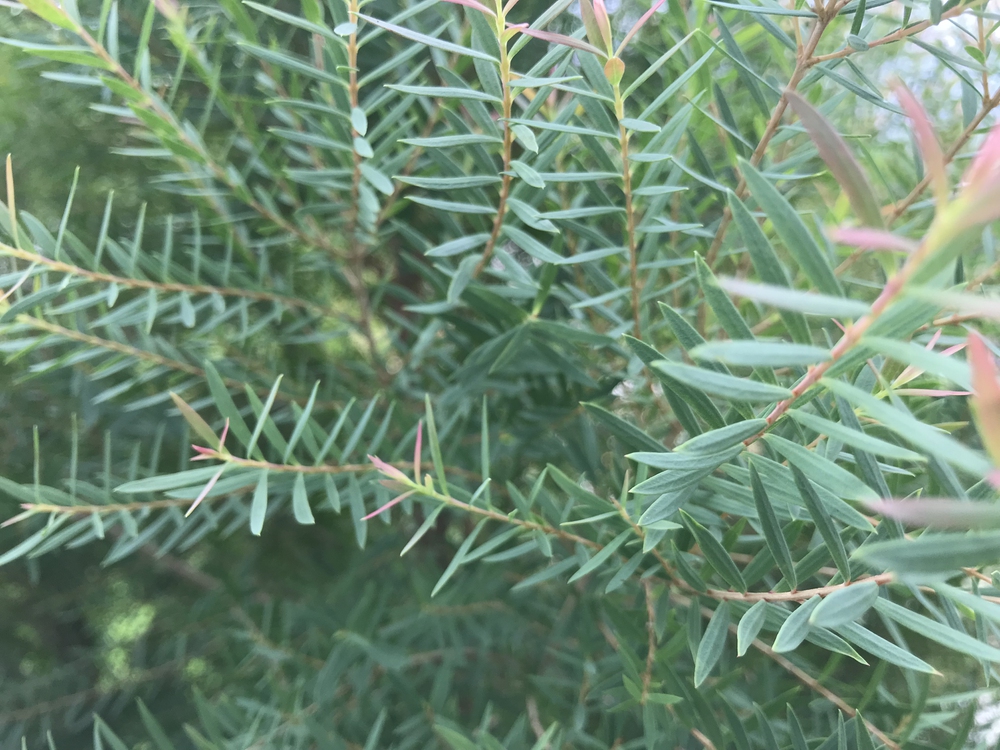
While the name suggests abundance, the Common Juniper faces serious conservation challenges that make specimens increasingly valuable. One of the few native conifers in the UK, juniper is an iconic species with aromatic, needle-like leaves and blue-black berries that produce the distinctive flavour of gin. It is in decline in the UK and could even become extinct in lowland England without help.
The historical connection to gin production adds cultural significance to its botanical value. Collectors prize specimens both for conservation purposes and for their aromatic qualities and attractive berry production.
Trident Maple
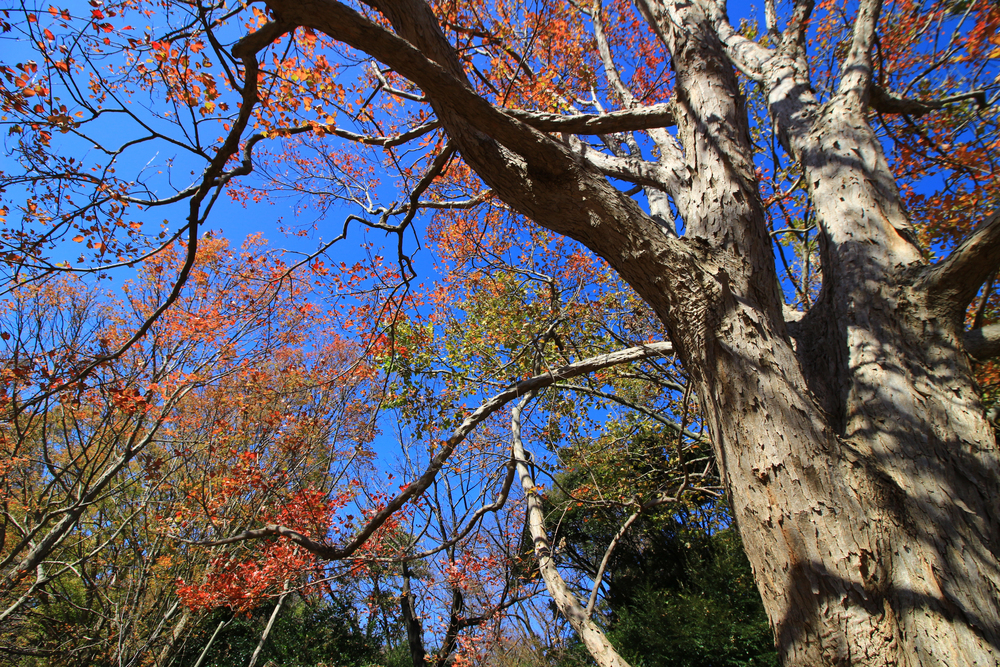
In the bonsai world, ancient Trident Maples represent the pinnacle of the art form. At nearly three centuries old, this compact cypress was gifted to the Arnold Arboretum in 1937. Today, it is among the oldest trees growing at the Arnold Arboretum. These specimens demonstrate the incredible longevity possible in bonsai cultivation.
Their refined branch structure and autumn color make them particularly prized among serious bonsai collectors who appreciate both artistry and age.
Cork Bark Jade
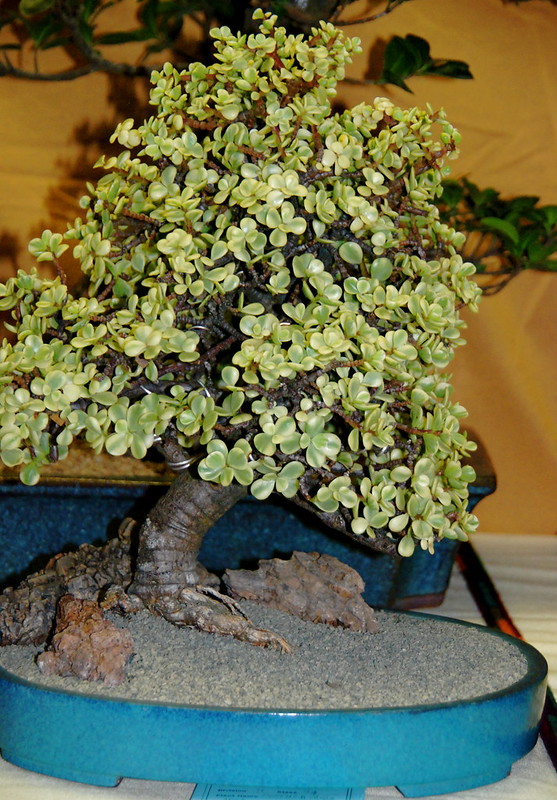
While technically a succulent rather than a traditional tree, the Cork Bark Jade has earned its place among rare collector specimens through careful breeding and unique characteristics. The Cork Bark Jade, also known as Portulacaria afra ‘Frank’, is a rare cultivar of jade developed by Frank Yee that features a cork bark trunk. These trees are trained to arrive with more refined branch structure.
The distinctive cork-like bark texture sets this cultivar apart from common jade plants. So collectors appreciate both its unusual appearance and the skilled cultivation required to develop the characteristic bark texture and refined branch structure.
Preserving Nature’s Rarest Treasures
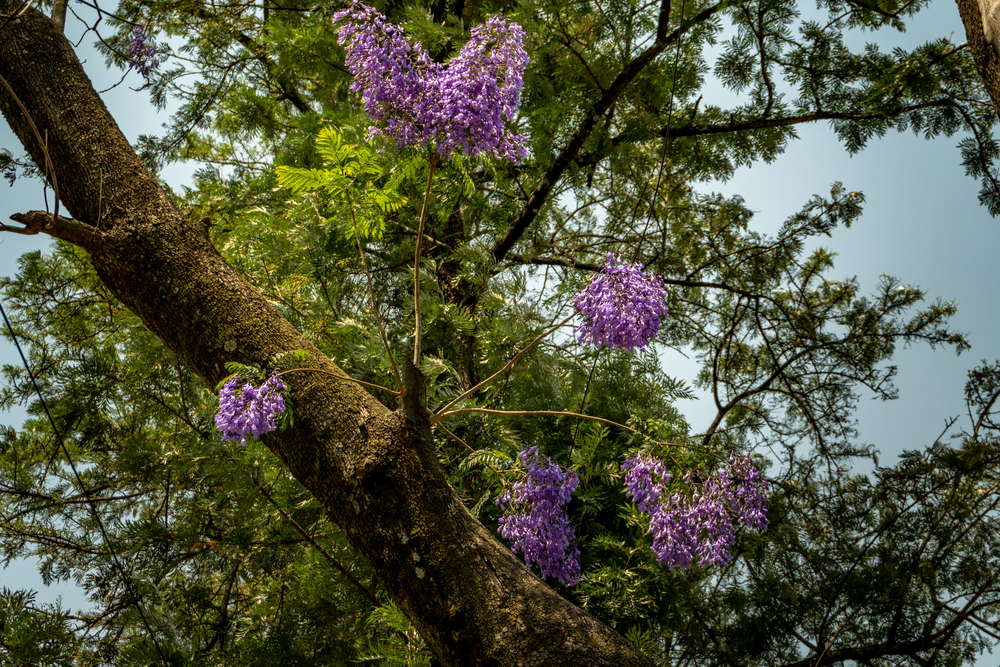
These sixteen species represent more than just collector curiosities—they embody our planet’s botanical heritage and conservation challenges. Each specimen in a collection serves as both a living artwork and a genetic repository for future generations. The passion of collectors, whether focused on bonsai artistry, conservation, or simple appreciation of natural beauty, plays a crucial role in preserving these remarkable species for posterity. As habitat destruction and climate change continue to threaten rare trees worldwide, private collections and botanical institutions become increasingly important as refuges for species that might otherwise disappear forever.
More from Go2Tutors!

- 16 Historical Figures Who Were Nothing Like You Think
- 12 Things Sold in the 80s That Are Now Illegal
- 15 VHS Tapes That Could Be Worth Thousands
- 17 Historical “What Ifs” That Would Have Changed Everything
- 18 TV Shows That Vanished Without a Finale
Like Go2Tutors’s content? Follow us on MSN.