15 Surprising Facts About Wolf Packs
Wolves have been part of stories and movies for a long time. People see them as strong and wild animals. But real wolf packs have some surprising and interesting habits. Their way of living and working together shows a lot about teamwork and survival.
Wolves don’t just run around without rules. They have a social life with clear roles in the pack. Here are some surprising facts about how these packs live and get along.
Wolves live in family groups
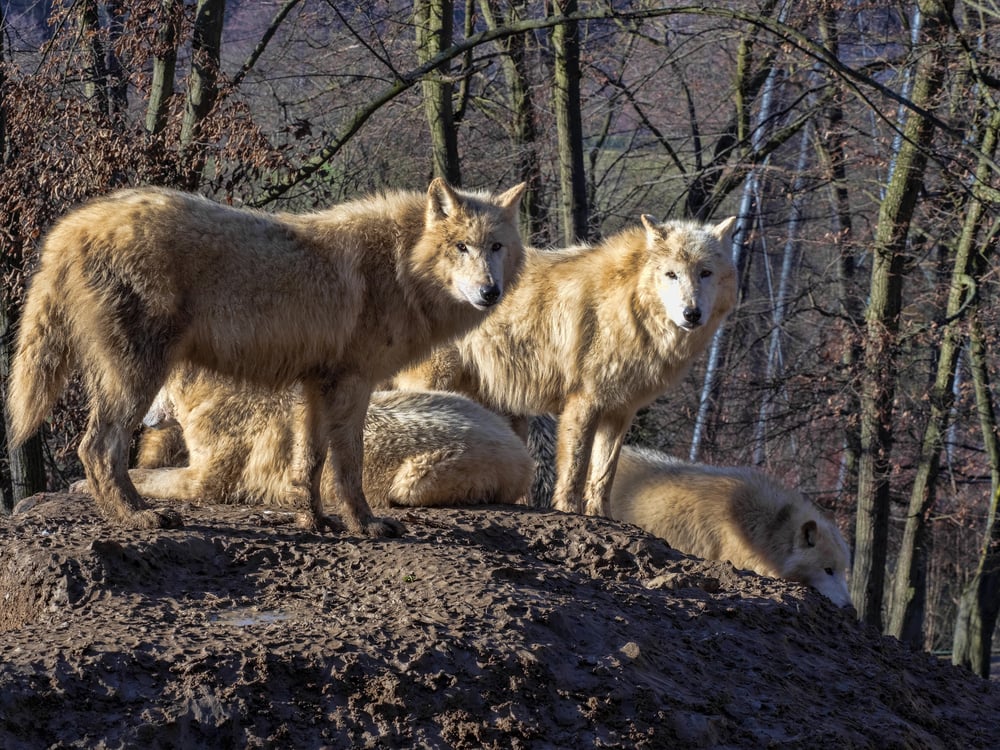
Usually, a wolf pack is a family. It includes a mother, father, their pups, and sometimes older young wolves. This family setup helps protect the pack and makes hunting easier. The bonds between family members keep the group safe and strong. Older wolves help the younger ones learn how to survive too.
The alpha wolf isn’t always aggressive
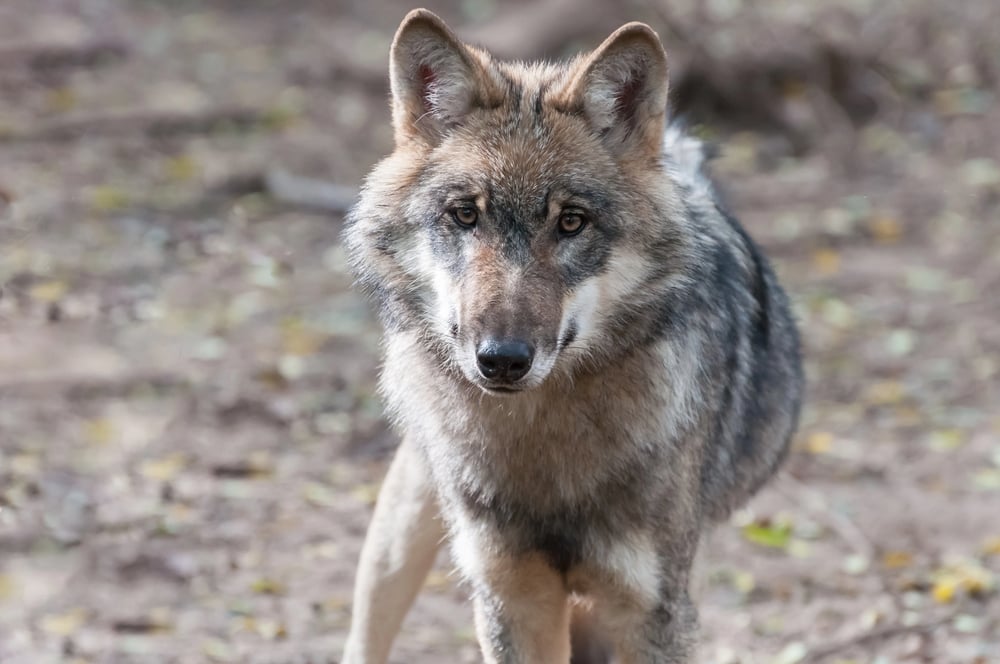
The idea that the alpha wolf is always bossy or mean is not true. Alpha wolves lead by respect and example, not by fighting all the time. They keep the group calm and make important choices. Their leadership is about caring for the pack, not just being in charge. Calm and steady behavior matters more than loudness.
Wolves communicate with howls

Howling is how wolves talk to each other over long distances. Packs use howls to find each other or warn about danger. Each wolf’s howl is different, like a special voice. This helps wolves know who is calling. Howling also helps bring the pack together or scare away other wolves.
Packs work together to hunt

Hunting is a team job. Wolves use plans to catch their prey. They may spread out or surround the animal quietly. After the hunt, they share the food with the whole pack. Working as a team helps them catch bigger animals. Sometimes they run after prey for a long time, trusting each other to keep going.
Not all wolves in a pack are related
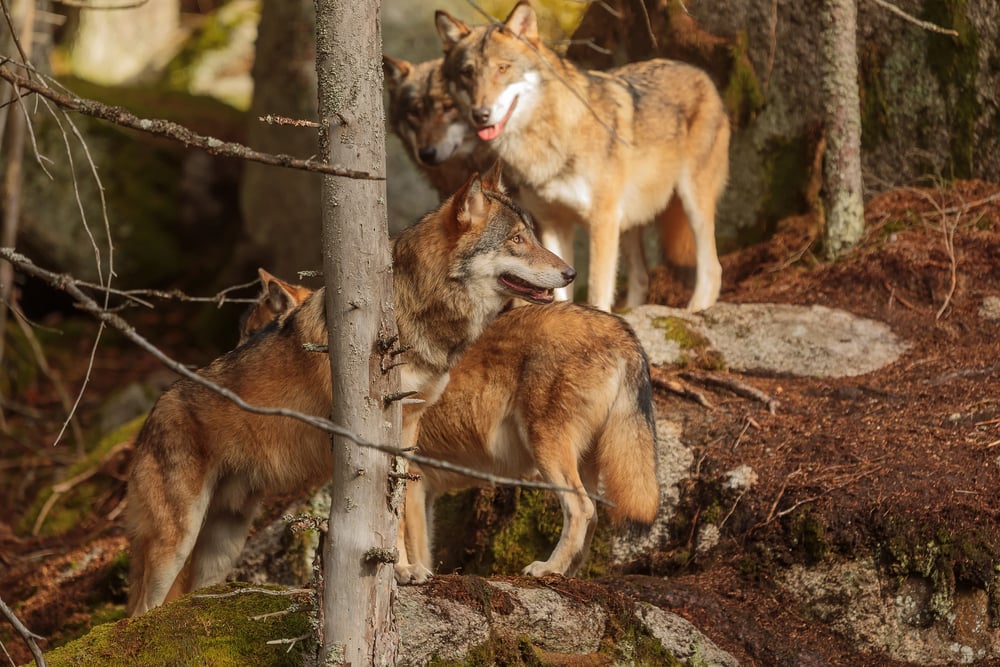
Even though most packs are families, sometimes wolves who aren’t related join in. These new wolves can bring new skills and help the group survive. Packs can change to include others when it helps them live better. This mixing also keeps the pack healthy by adding different genes.
Wolves show strong loyalty to their pack

Wolves care deeply about their pack members. They help protect pups, guard the territory, and feel sadness when someone dies. This loyalty makes the pack close and ready to handle problems. Wolves show affection by licking or touching each other, which builds strong bonds.
Dominance is often shown by body language
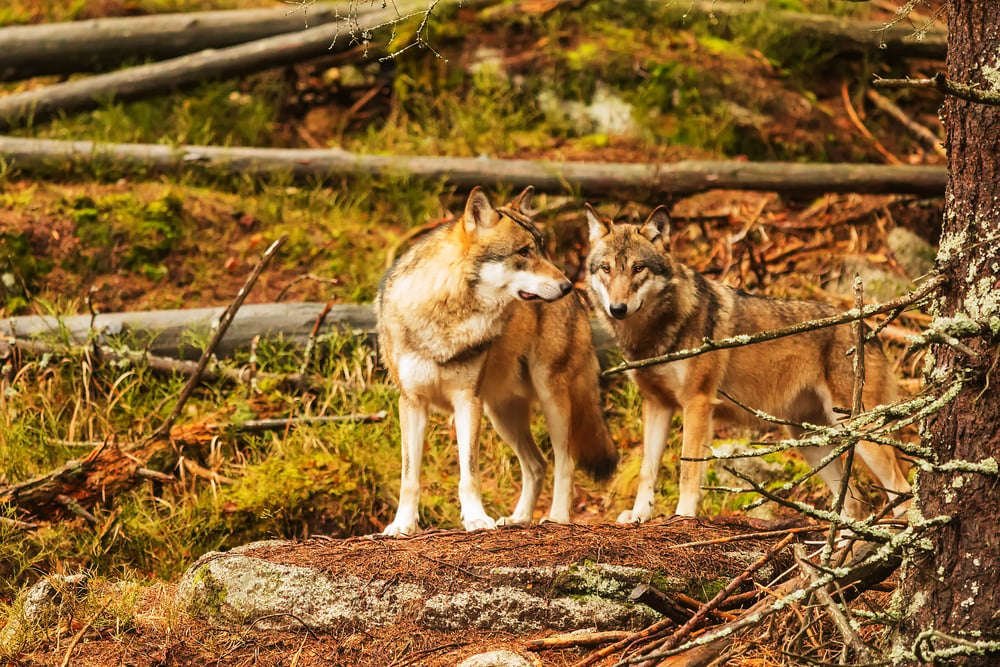
Wolves don’t only growl to show who is in charge. They use body movements like standing tall or showing teeth to send messages. These signs stop fights and keep order in the pack. Small actions, like tail or ear position, help communicate clearly without conflict.
Wolf pups learn by watching and playing
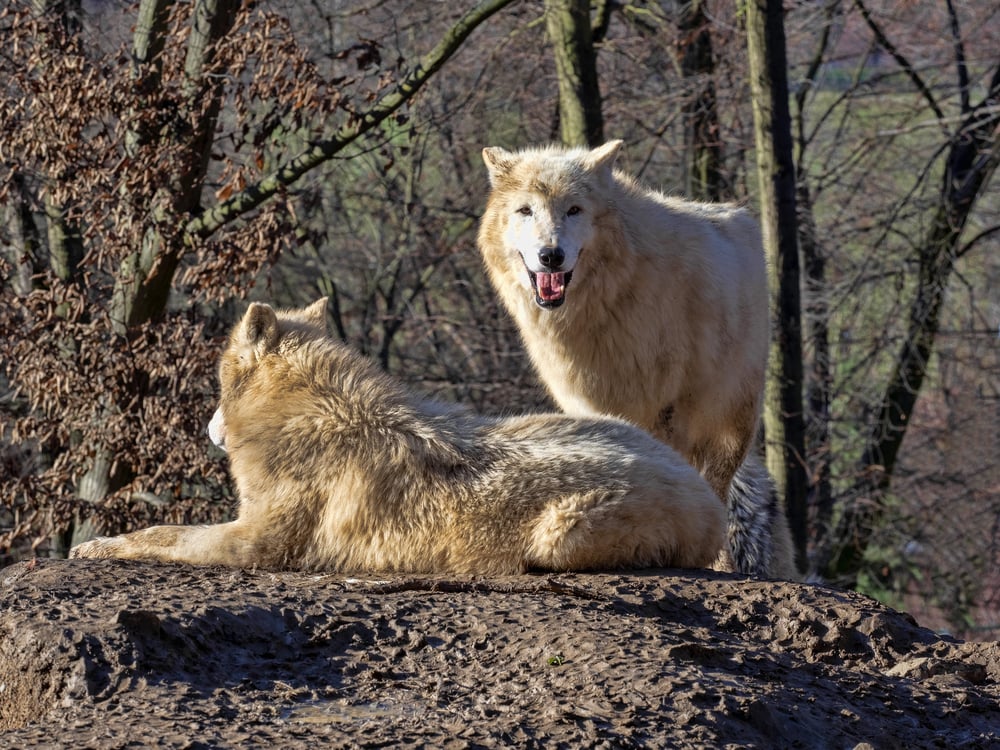
Young wolves learn by watching adults and playing with brothers and sisters. Playing teaches them how to hunt, fight, and act in the group. It is fun but also important practice for real life. These early lessons help pups become good pack members.
Packs have territories they protect
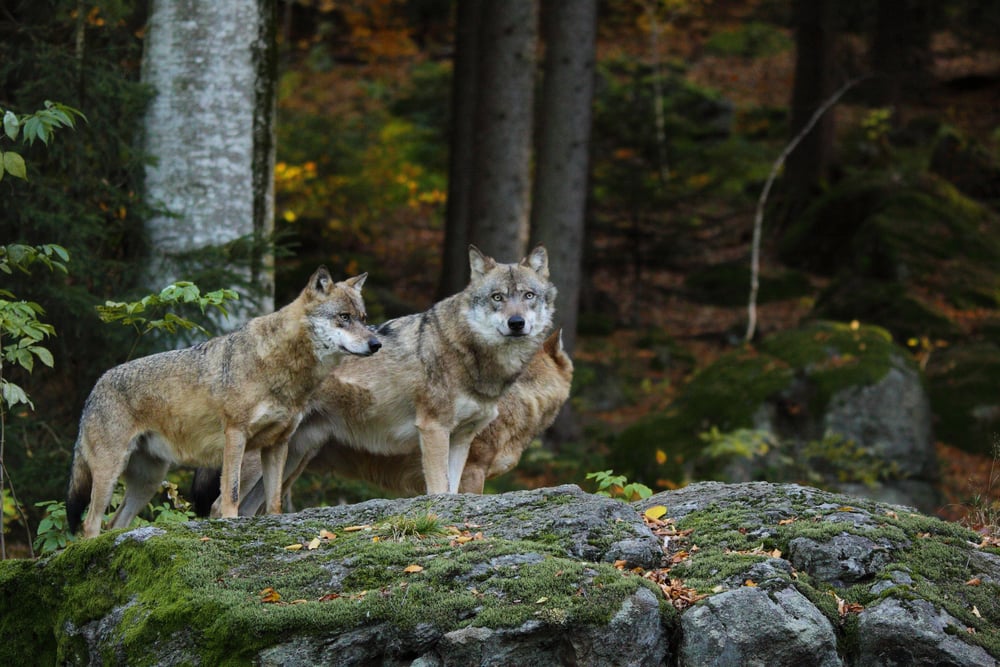
Wolves mark and guard the land where they live. This keeps food for the pack and lowers fights with other packs. Territories can be very big, and wolves use scents to warn others to stay away. It’s like putting up signs that say, “This area belongs to us.”
Wolves mate for life
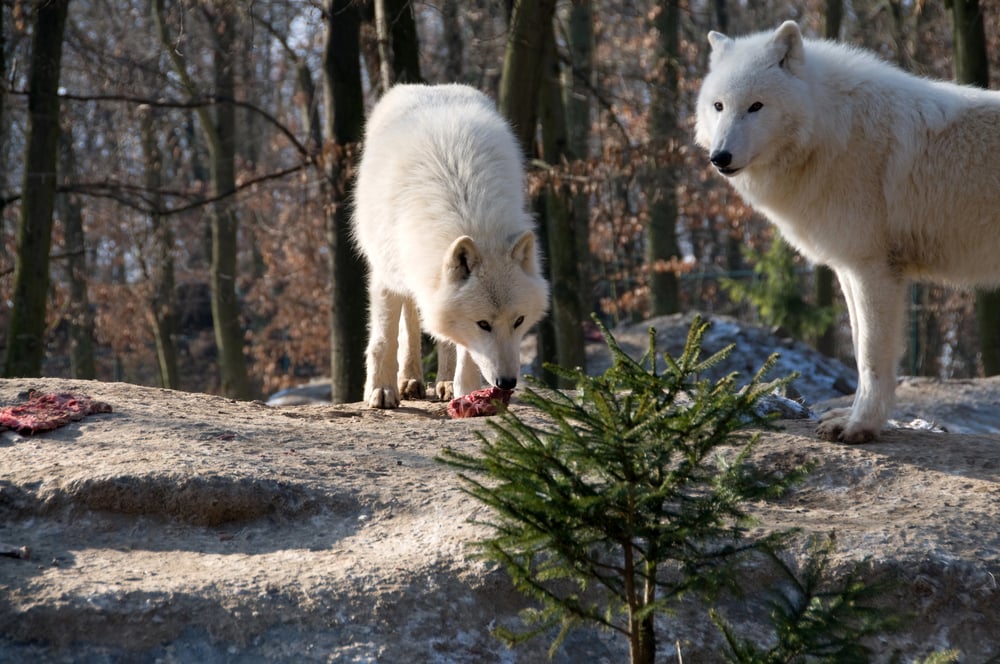
Most wolves stay with the same partner for many years. This strong bond helps them raise pups better. Both parents work hard to feed and keep the pups safe. Their teamwork makes sure the pups have a good chance to grow up.
Older siblings help raise pups
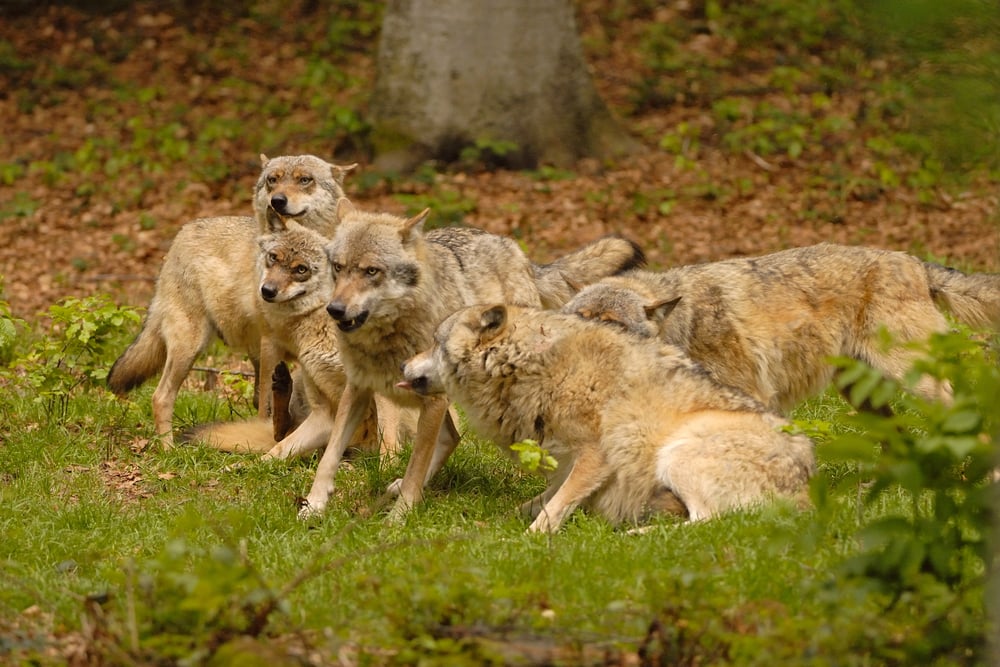
In many packs, older brothers and sisters help care for the young pups. They bring food and watch the pups while parents hunt. This shared work keeps the family strong. Older pups also learn how to be responsible by helping out.
Wolves can travel long distances
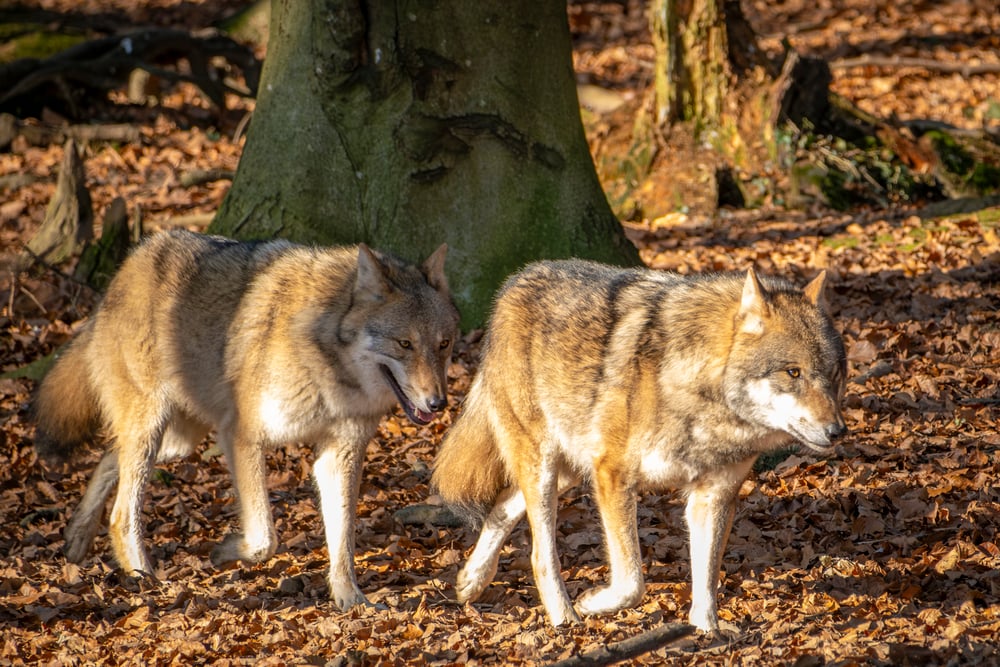
Wolves are good at traveling far and wide. They can move many miles in one day to find food or new places. Traveling helps them avoid danger and find better hunting spots. Their strong bodies and stamina let them cover a lot of ground.
Packs adapt their size to food availability
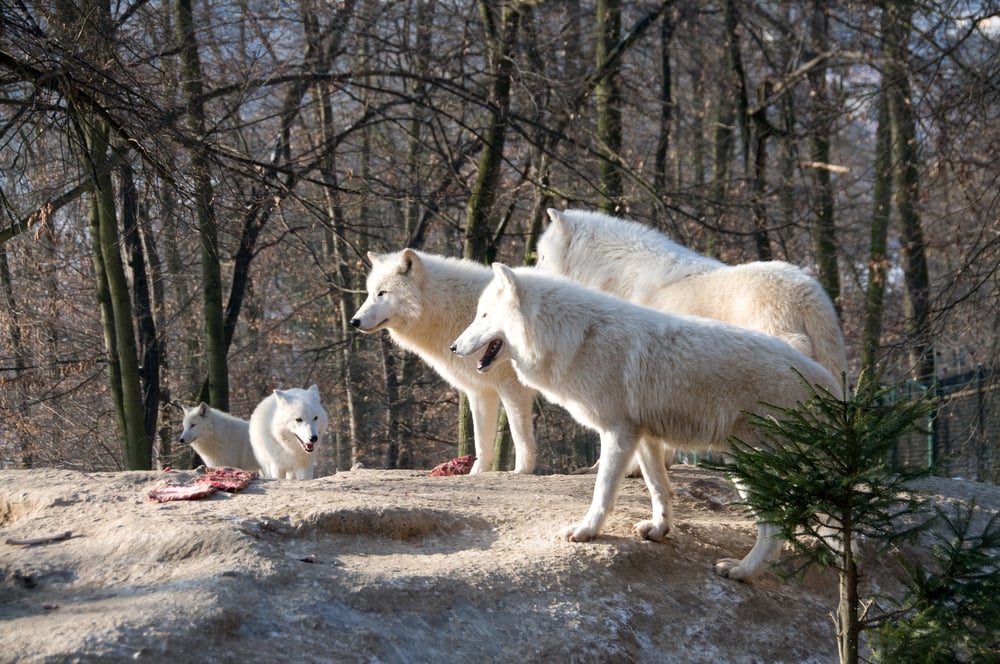
When food is easy to find, packs often get bigger. When food is hard to find, packs get smaller to survive. This helps wolves stay healthy no matter what the environment is like. Smaller packs mean less competition, and bigger packs help catch large prey when food is plenty.
Wolves use scent to communicate
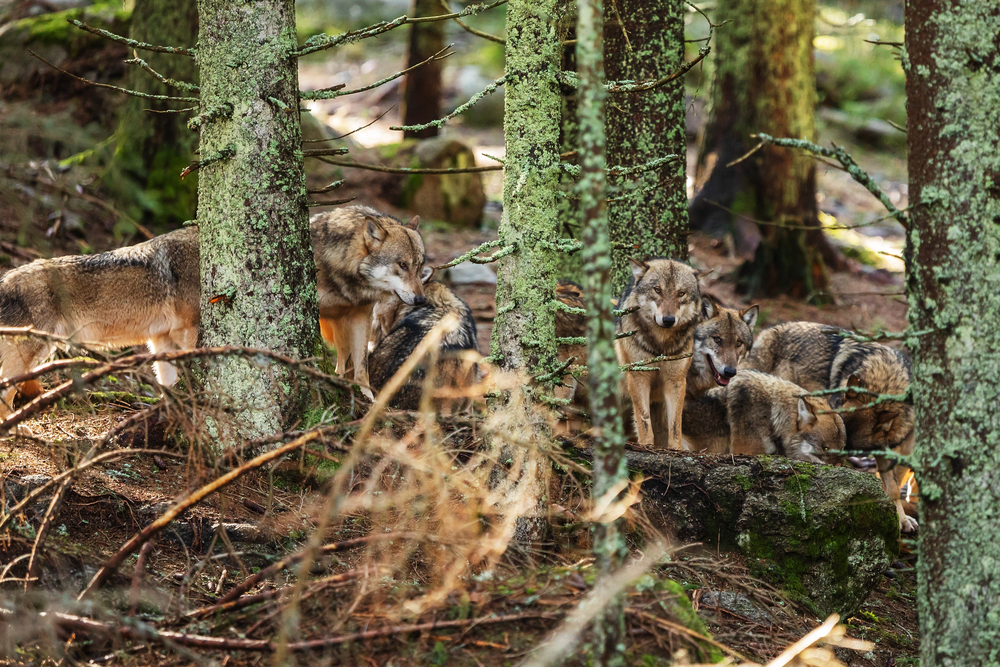
Scent is an important way wolves share information. They use it to mark territory, identify pack members, and tell if a wolf is ready to mate. This helps wolves stay aware of each other without needing to be seen. It also helps keep other wolves away.
Pack cooperation increases survival rates
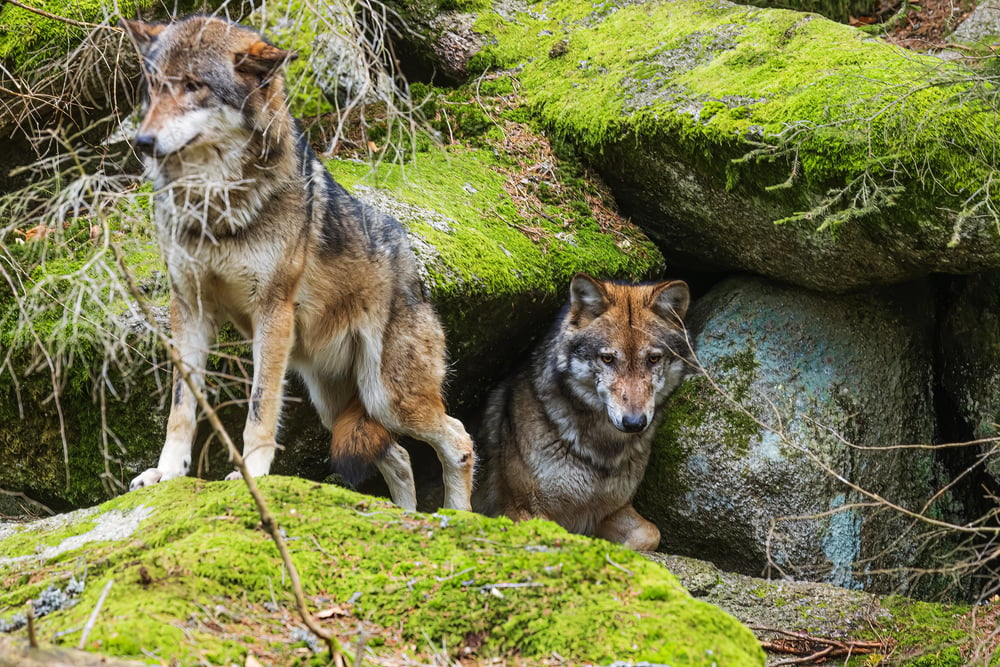
Wolves do better when they work as a pack. Together, they can hunt bigger animals, protect their home, and care for pups. This teamwork helps them survive tough times. Alone, wolves would have a harder time, but in a pack, they are stronger.
What wolf packs teach us today
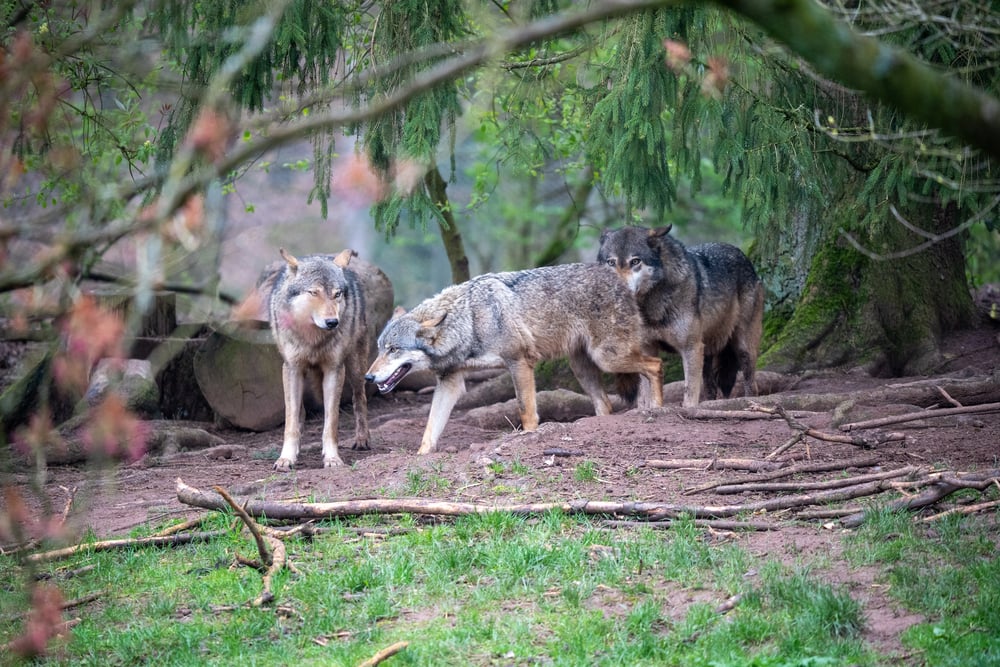
Wolf packs remind us how important teamwork and family are. Their way of living shows that working together solves problems better. Even in the wild, wolves depend on respect and cooperation. People today can learn from their balance and loyalty. It shows how groups thrive when they support each other.
More from Go2Tutors!

- The Romanov Crown Jewels and Their Tragic Fate
- 13 Historical Mysteries That Science Still Can’t Solve
- Famous Hoaxes That Fooled the World for Years
- 15 Child Stars with Tragic Adult Lives
- 16 Famous Jewelry Pieces in History
Like Go2Tutors’s content? Follow us on MSN.