15 Once-Censored Films That Later Became Cult Classics
Cinema history is filled with films that authorities once deemed too controversial, offensive, or dangerous for public consumption. Many of these movies were banned, heavily edited, or restricted in various countries before eventually finding their audiences and achieving legendary status among film enthusiasts.
Here is a list of 15 once-censored films that overcame their troubled beginnings to become celebrated cult classics that continue to influence filmmakers and captivate audiences today.
A Clockwork Orange

Stanley Kubrick’s disturbing vision of future ultraviolence faced bans in several countries upon its 1971 release. The film’s depictions of violence were considered so shocking that Kubrick himself withdrew the film from British distribution after receiving death threats.
Despite this rocky start, it’s now regarded as one of cinema’s most influential masterpieces, with its distinctive visual style and exploration of free will versus social control.
The Last Temptation of Christ
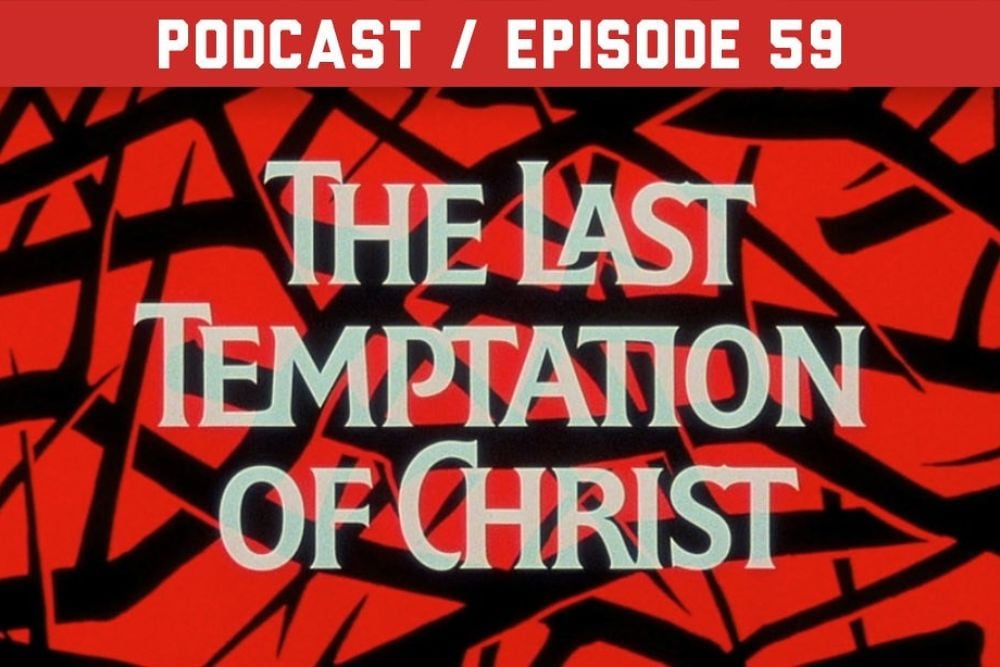
Martin Scorsese’s 1988 adaptation of Nikos Kazantzakis’ novel sparked worldwide protests and was banned in several countries for its portrayal of Jesus as a flawed human being who experiences doubt and temptation. Theaters showing the film were targeted with bomb threats and vandalism.
Today, it’s respected as a thoughtful meditation on faith, humanity, and sacrifice that encourages deeper theological discussions rather than simplistic interpretations.
Like Go2Tutors’s content? Follow us on MSN.
Monty Python’s Life of Brian

This satirical comedy about a man mistaken for the Messiah was banned in Norway, Ireland, and parts of the UK upon its 1979 release. Religious groups condemned it as blasphemous, leading to widespread protests.
The controversy only fueled its popularity, and it has since become one of the most beloved comedy films ever made, celebrated for its sharp wit and social commentary rather than religious mockery.
The Texas Chain Saw Massacre
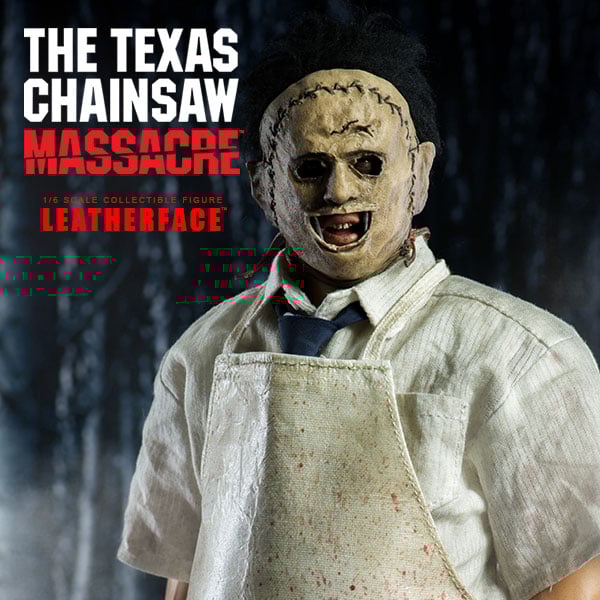
Tobe Hooper’s groundbreaking horror film was banned in multiple countries, including the UK, Australia, and Singapore, for its supposedly extreme violence—despite showing remarkably little explicit gore. The psychological intensity and documentary-like style were too disturbing for censors.
Now recognized as a landmark in independent filmmaking, it revolutionized the horror genre with its gritty realism and social commentary on American violence.
Last Tango in Paris

Bernardo Bertolucci’s explicit drama starring Marlon Brando was banned in Italy (Bertolucci’s home country), Chile, and other nations for its frank explicit content. The courts seized all copies in Italy and gave Bertolucci a suspended prison sentence.
The film was eventually rehabilitated and is now studied in film schools worldwide for its raw performances and boundary-pushing examination of human relationships. However, it remains controversial due to the treatment of actress Maria Schneider.
Like Go2Tutors’s content? Follow us on MSN.
Freaks
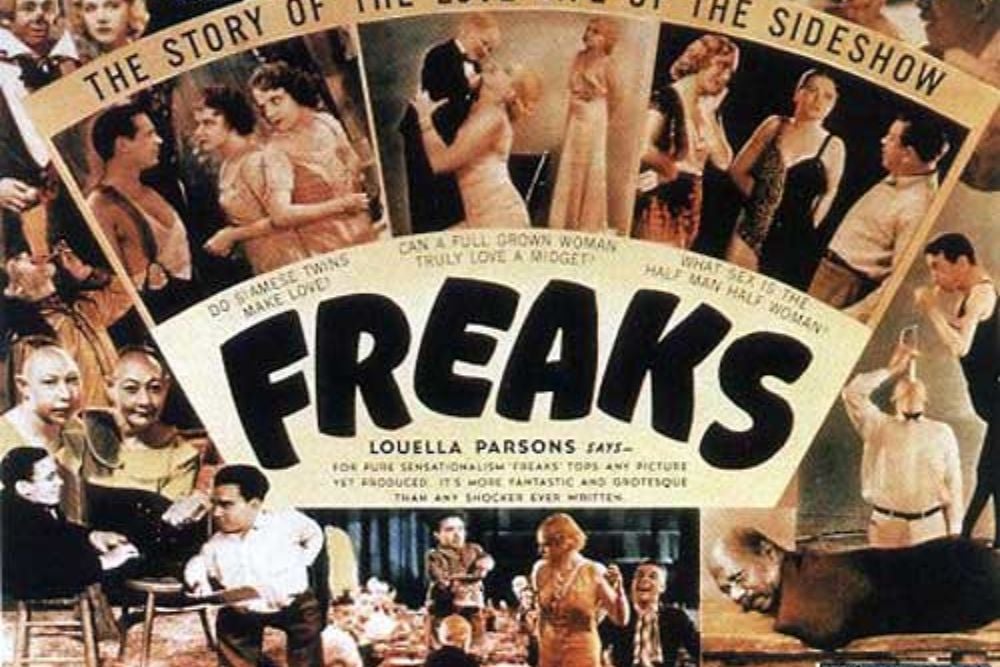
Tod Browning’s 1932 horror film featuring real carnival performers with physical disabilities was considered so shocking that MGM demanded cuts and then pulled it from distribution after disastrous test screenings. The film effectively ended Browning’s career.
Decades later, it was rediscovered and celebrated for its sympathetic portrayal of its subjects and its influential status as a precursor to modern horror.
The Evil Dead

Sam Raimi’s low-budget horror film was branded a ‘video nasty’ in the UK and banned there for years. Its graphic gore and demonic themes alarmed censors worldwide. This scrappy independent production has since inspired countless filmmakers, launched Bruce Campbell’s career, and spawned a beloved franchise.
The innovative camera techniques and blend of horror with dark humor continue to influence the genre to this day.
Pink Flamingos
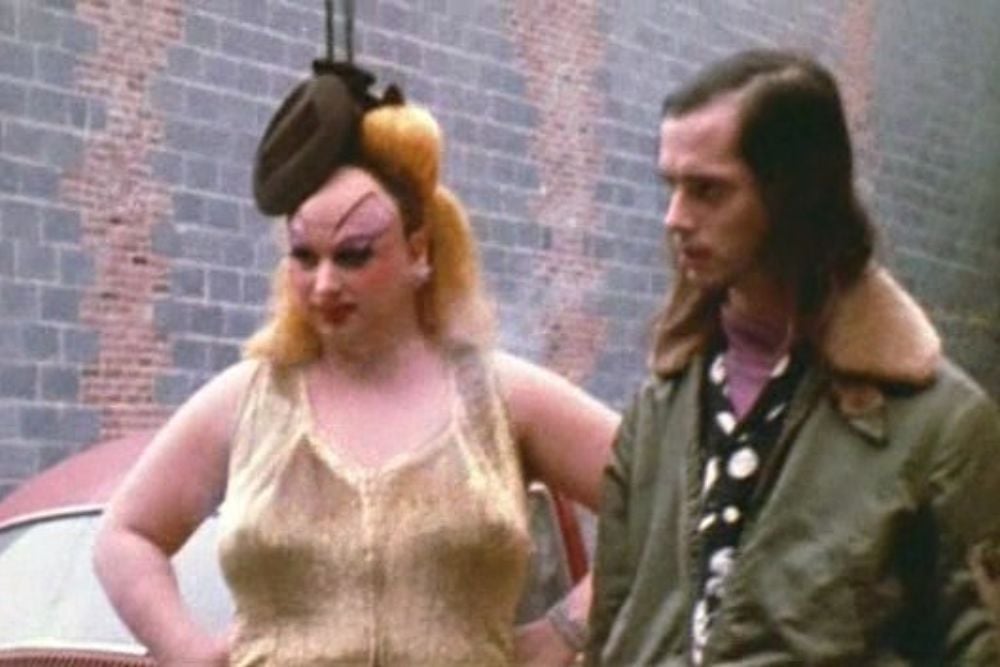
Due to its deliberately offensive content, John Waters’ transgressive comedy was banned in several countries and could only be shown in special midnight screenings in many American cities. The film’s outrageous scenes were designed to shock and provoke.
Now considered a landmark of underground cinema, it helped establish the midnight movie culture and has been preserved by the Library of Congress as a film of cultural significance.
Like Go2Tutors’s content? Follow us on MSN.
The Warriors
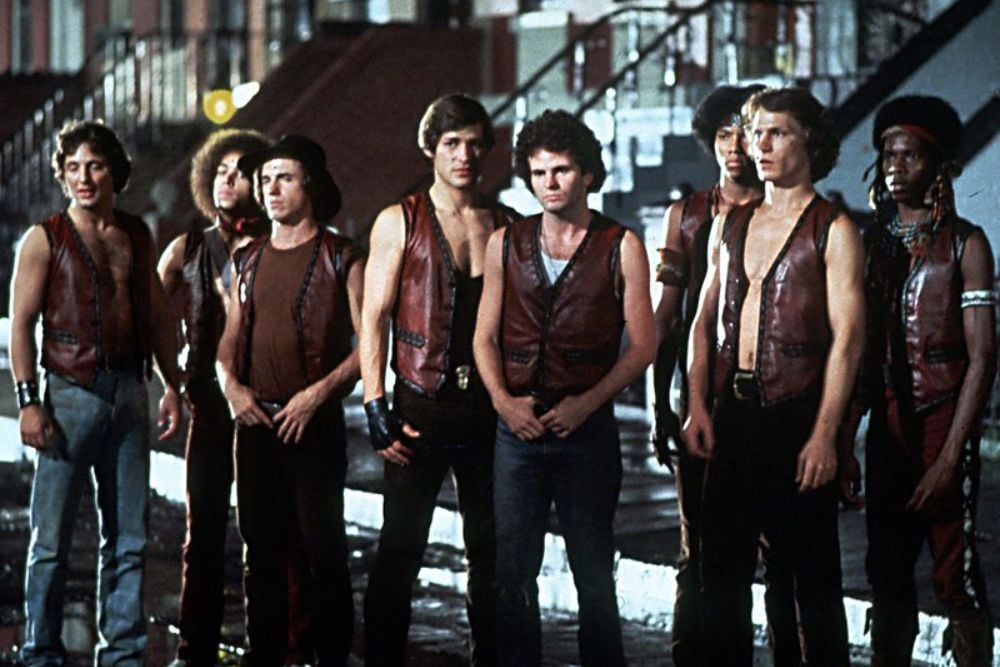
Walter Hill’s stylized action film about gang warfare was pulled from many theaters shortly after its release when actual violence erupted at screenings. Paramount removed advertisements and distanced itself from the film.
The distinctive visual style, quotable dialogue, and memorable characters eventually earned it a massive following, inspiring video games, comics, and countless homages in popular culture.
Brokeback Mountain

While not technically banned in the U.S., Ang Lee’s groundbreaking romance faced de facto censorship when numerous theater chains refused to show it or restricted its screening. Several countries banned it outright for its portrayal of same-sex romance.
The film went on to win critical acclaim, multiple Academy Awards, and is now recognized as a turning point in mainstream cinema’s portrayal of LGBTQ+ relationships.
Natural Born Killers
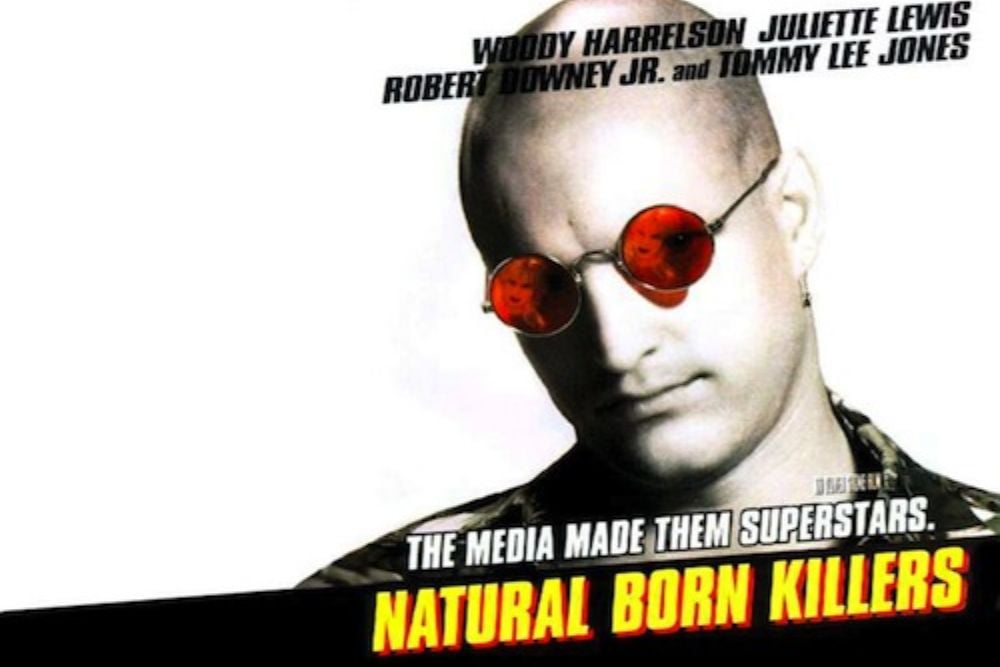
Oliver Stone’s satirical crime film was banned in Ireland and temporarily shelved in Britain. The stylized violence and perceived glorification of killers led to lawsuits claiming the film had inspired copycat crimes.
The controversy faded as viewers recognized the film’s actual critique of media sensationalism. Its innovative visual techniques and cultural commentary on America’s fascination with violence have made it a significant work of ’90s cinema.
Like Go2Tutors’s content? Follow us on MSN.
Cannibal Holocaust
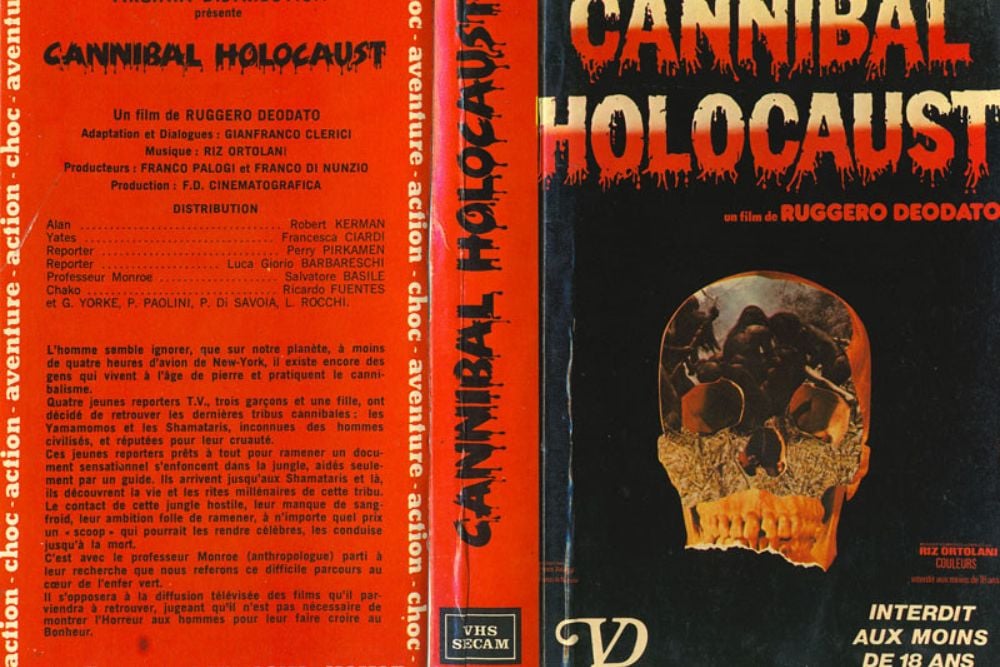
Ruggero Deodato’s found-footage horror film was banned in over 50 countries, and the director was actually arrested on murder charges in Italy because his realistic special effects convinced authorities the actors had been killed. The shocking animal cruelty depicted in the film remains controversial.
Despite its troubling content, it pioneered the found-footage technique that would later dominate horror cinema and inspired filmmakers with its meta-commentary on documentary ethics.
Salò, or the 120 Days of Sodom
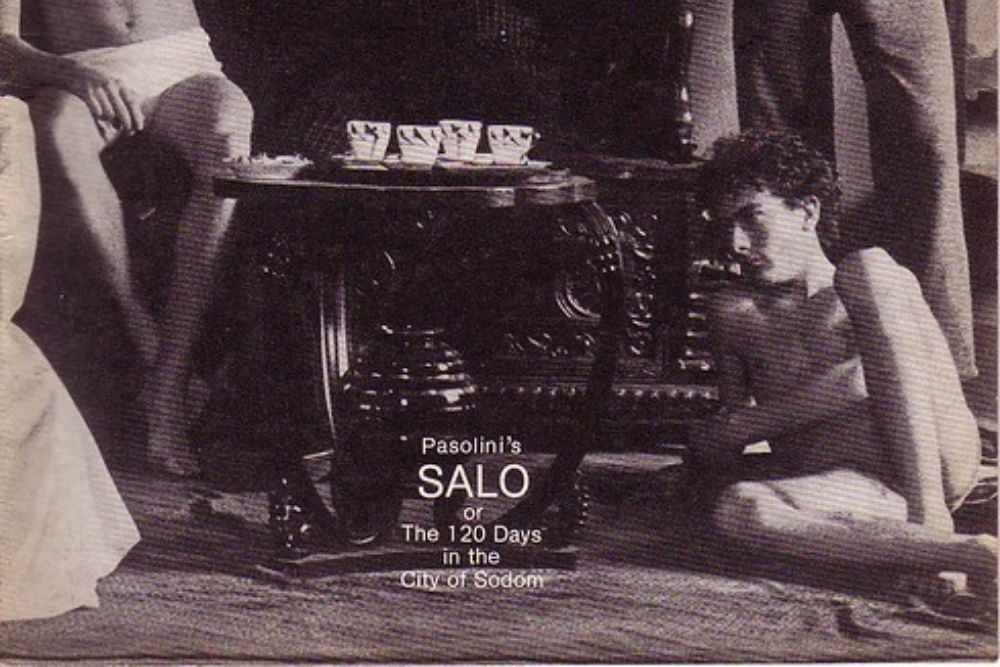
Pier Paolo Pasolini’s final film remains one of the most controversial ever made. Its graphic depictions of torture and degradation led to bans in multiple countries that lasted decades. The film uses Fascist Italy as a backdrop for its adaptation of the Marquis de Sade’s work.
Film scholars now regard it as a powerful, if extremely disturbing, political allegory about power and corruption, though it remains difficult to watch even for seasoned cinephiles.
Deep Throat

This adult film became a surprising mainstream phenomenon despite being banned in 23 American states and numerous countries. Its exhibition led to multiple obscenity trials. Beyond its explicit content, the film unexpectedly entered popular culture, was viewed by celebrities, and helped spark discussions about free speech and censorship.
Its title even became immortalized as the code name for Watergate informant W. Mark Felt.
Like Go2Tutors’s content? Follow us on MSN.
The Passion of the Christ

Mel Gibson’s graphic depiction of Jesus’s final hours faced numerous challenges internationally. Several countries considered banning it or required heavy edits due to its extreme violence rather than religious content.
Critics accused it of antisemitism and excessive brutality. Despite the controversy—or perhaps because of it—the film became one of the highest-grossing R-rated films ever and has developed a dedicated following, particularly among certain religious communities.
The Legacy of Censorship in Cinema
These once-forbidden films demonstrate how artistic expression often thrives against suppression. What censors deemed dangerous or immoral frequently contained important social commentary, artistic innovation, or challenging perspectives that expanded cinema’s possibilities.
Today’s film historians often find that yesterday’s banned movies become tomorrow’s classics—proving that meaningful art often emerges from controversy and challenges to the status quo.
More from Go2Tutors!

- 20 Historical Artifacts That Scientists Can’t Explain
- 20 Little-Known Historical Battles That Had Huge Consequences
- 20 Weapons from the Past That Were Deemed Too Barbaric for War
- 20 Abandoned Military Bases and the Stories Behind Them
- 20 Discontinued Snacks from the 70s and 80s That We Still Miss
Like Go2Tutors’s content? Follow us on MSN.



