16 Everyday Words With Odd Origins
Language is like an archaeological dig where every word tells a story. While we use hundreds of words daily without thinking twice, many of them traveled strange paths to reach our modern vocabulary.
Some started as completely different concepts, others got mixed up in translation, and a few were born from the most unexpected sources imaginable. The English language borrowed, stole, and adapted words from dozens of cultures over centuries, creating a linguistic melting pot that would make any etymologist’s head spin.
Here’s a list of 16 everyday words whose origins will make you wonder how we ended up with the meanings we use today.
Muscle

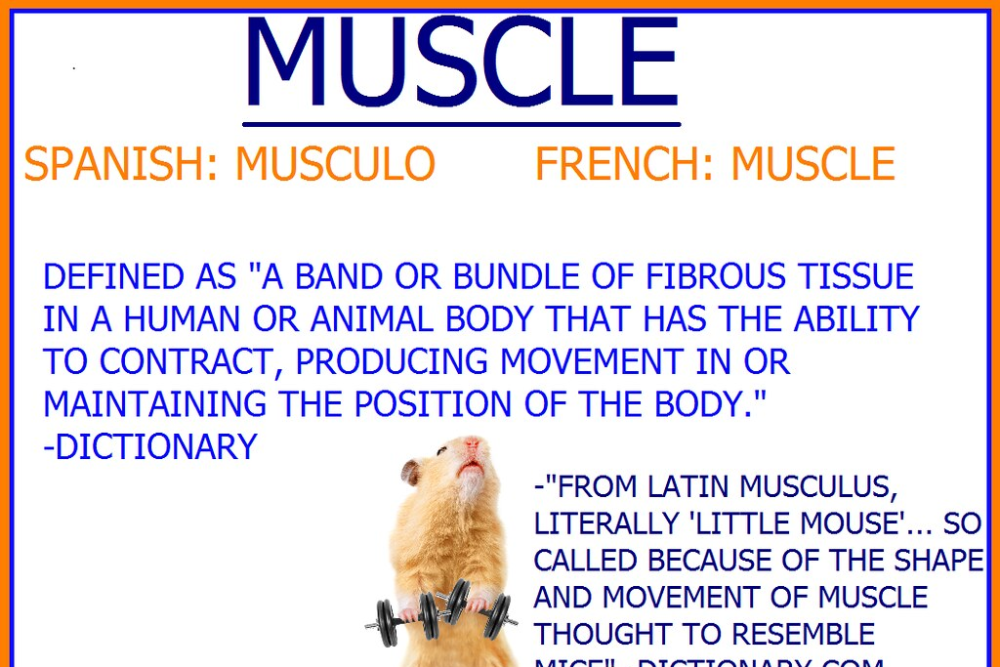
Your biceps have more in common with tiny rodents than you might think. The word “muscle” comes from the Latin word musculus, which translates to “little mouse.”
Apparently, people thought that the movement and shape of many muscles looked like mice running underneath our skin! Picture someone flexing their arm and you can almost see why ancient Romans made this connection. The next time you’re at the gym, you’re essentially showing off your collection of little mice.
Salary

The word “salary” comes from the Latin word “salarium,” which was the money given to Roman soldiers to buy salt, a valuable commodity at the time. Salt was literally worth its weight in gold back then, serving as a preservative and essential nutrient.
Roman soldiers received their ‘salarium’ as payment for their service, and the phrase ‘worth his salt’ still echoes this ancient practice. Modern paychecks trace their linguistic roots directly to this white crystalline substance sitting in your kitchen cabinet.
Like Go2Tutors’s content? Follow us on MSN.
Sandwich
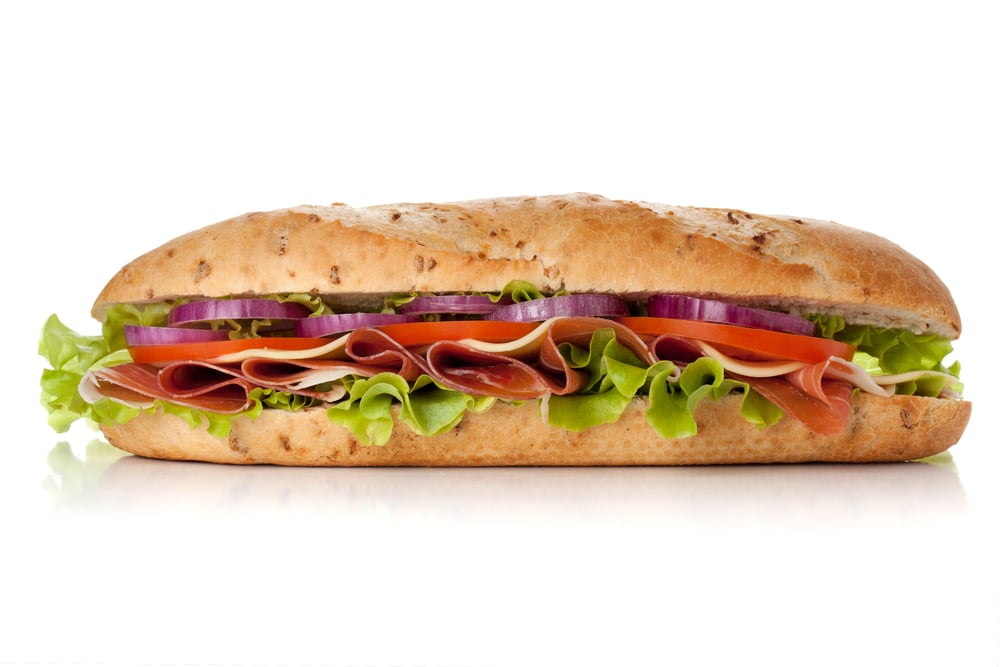
The word “sandwich” is named after John Montagu, the 4th Earl of Sandwich. According to legend, he ordered meat between two slices of bread so he could eat without leaving the gambling table.
This 18th-century English nobleman was apparently so devoted to his card games that he revolutionized lunch forever. His fellow gamblers began to ask the servants for “the same as Sandwich” and, later, just “a sandwich”.
Every time you grab a quick bite, you’re honoring a gambling addiction that changed food history.
Avocado
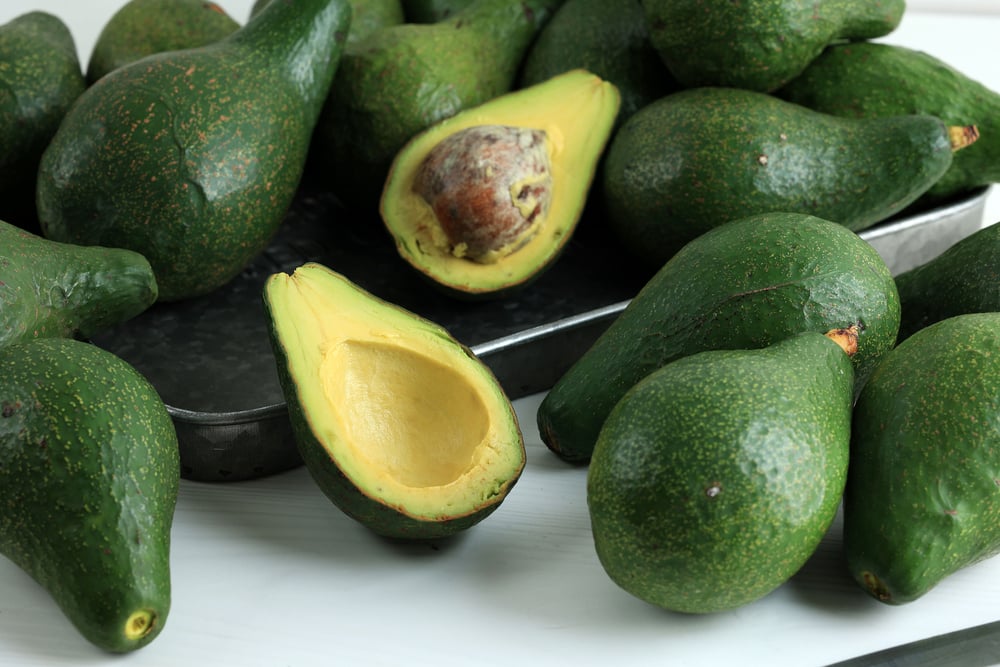
Here’s where things get a bit awkward for your morning toast. The word avocado comes from Spanish aguacate, which in turn comes from the Nahuatl ahuacatl, meaning male genitalia.
The Aztecs named this fruit based on its shape and the way avocados hang in pairs from trees. This resemblance becomes even more pronounced when you see avocado duos dangling clumsily from trees.
Your trendy superfood has one of the most amusing etymologies in the produce aisle.
Nice
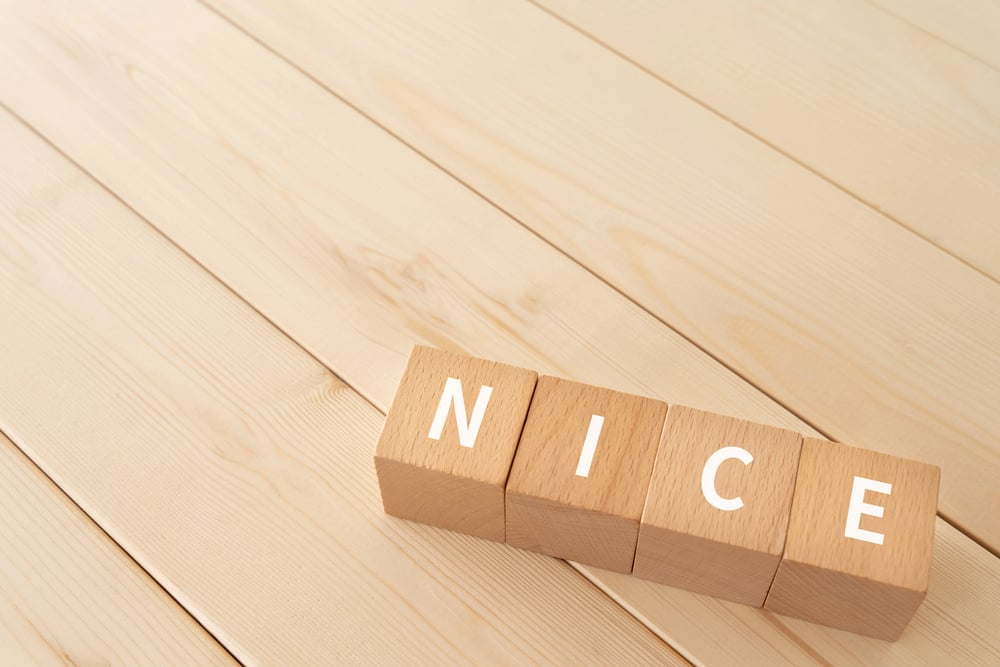
The word ‘nice’ has undergone one of the most dramatic transformations in language history. It’s thought that it slowly became positive over time because, once it was introduced into the English language, it was often used to refer to a person who was ludicrously over-dressed.
Originally meaning ‘ignorant’ or ‘foolish’ in Latin, it gradually shifted to describe someone overly particular about their appearance. Eventually, this pickiness was seen as refinement, and ‘nice’ evolved into the positive word we use today.
Teachers everywhere still cringe when students overuse this once-insulting adjective.
Like Go2Tutors’s content? Follow us on MSN.
Clue
The word “clue” originates from the Old English word “clew,” meaning “a round of thread or yarn.” In Greek mythology, Theseus unravels a round of thread as he searches for the monstrous Minotaur in the Labyrinth.
After killing the Minotaur, he retraces his steps out of the maze by rewinding the thread. What started as a literal lifeline in ancient mythology became our modern term for any hint that helps solve a mystery.
Every detective story owes a debt to this clever Greek hero and his round of yarn.
Nightmare
This word has nothing to do with horses, despite what it sounds like. The word “nightmare” originally referred to a “mare,” an evil female spirit believed to sit on people’s chests while they slept, causing bad dreams.
The word “night” was added later. Medieval people blamed their restless sleep on supernatural creatures rather than stress or spicy food.
This demonic ‘mare’ was thought to press down on sleepers, creating the suffocating sensation many people experience during bad dreams. Modern sleep science has debunked the evil spirit theory, but the name stuck around.
Shampoo

Your hair care routine has surprisingly exotic origins. The word “shampoo” comes from the Hindi word “chāmpo,” which means “to press” or “massage.” It was introduced to England in the colonial era, where it initially referred to a type of massage, and later to the washing of hair.
The definition was later extended to mean ‘wash the hair’ in 1860, and it was only in the 1950s that its meaning was further extended to refer to the washing of carpets and other materials. What began as a relaxing massage technique evolved into the bottles lining your shower shelf.
Like Go2Tutors’s content? Follow us on MSN.
Freelancer

Medieval warfare gave birth to the modern gig economy. The term “freelance” was first used in Sir Walter Scott’s novel Ivanhoe (1820) to describe a “free-lance,” a medieval mercenary who was free to sell his services to any lord.
Freelancer originally referred to mercenary knights (“free lances”) who would fight for any side willing to pay them. These knights-for-hire carried their own lances and weren’t bound to any particular master.
Today’s freelancers might work with laptops instead of lances, but the concept of independent contractors remains the same.
Quarantine
Quarantine comes from the Latin for “forty”, and originally referred to Jesus’s 40 days in the desert. Later it came to mean the length of time widows were allowed to stay in the home of their deceased husband, and later still a medical quarantine.
The number forty held special significance in biblical and medieval times, representing a period of purification or testing. When ships arrived at ports during plague outbreaks, they were required to wait 40 days before anyone could disembark.
This practice of enforced isolation saved countless lives and gave us our modern understanding of disease control.
Whiskey

Whiskey comes from the Gaelic phrase “uisge beatha,” which means “water of life.” The phrase was shortened to “usquebaugh,” then to “usquebea,” and finally to “whiskey.”
Irish and Scottish distillers weren’t being poetic when they named their creation ‘water of life’ – they genuinely believed distilled spirits had medicinal properties. The Gaelic term went through several linguistic transformations as it spread across cultures and languages.
What started as a health remedy became the foundation of countless social gatherings and the subject of many country songs.
Like Go2Tutors’s content? Follow us on MSN.
Cloud

Cloud comes from clud, an Old English word for “rock”. The etymology explains that it refers to the mass it accumulates and thus appears similar to earth formations.
Ancient English speakers looked up at the sky and saw floating rocks rather than cotton rounds or sheep. They focused on the density and mass of clouds rather than their fluffy appearance.
This rocky association makes more sense when you consider how heavy storm clouds can look as they gather before a thunderstorm.
Tragedy

The word “tragedy” originates from the Greek word tragoidia, which literally means “goat song.” There are many theories that explain this strange origin — with one being that ancient Greeks often dressed in goatskins to represent satyrs when acting in plays, and still another theory pointing out that goats were often given out as prizes or even sacrificed to the gods at Athenian play competitions.
The connection between goats and dramatic suffering seems bizarre until you understand ancient Greek theater culture. These ‘goat songs’ evolved into the serious dramatic works that still make audiences cry today.
Tulip

These pretty flowers got their name from the Turkish word tülbent and Persian word dulband. Both of these words mean “turban” — apparently named this because the tulip’s shape was thought to resemble a turban.
Ottoman observers saw these spring blooms and immediately thought of the distinctive headwear worn throughout their empire. The resemblance becomes clear when you imagine a tulip’s petals as the flowing fabric of a carefully wrapped turban.
This exotic flower carried its Middle Eastern name across trade routes into European gardens.
Like Go2Tutors’s content? Follow us on MSN.
Daisy

The word ‘daisy’ comes from an Old English word meaning ‘day’s eye’ – expressing how the flower opens in the morning and closes at night. Ancient English speakers noticed this simple flower’s daily rhythm and named it accordingly.
Like a tiny sun, daisies track the light throughout the day, opening their petals to greet the dawn and closing them as darkness falls. This poetic observation turned into one of the most charming word origins in the English language, proving that our ancestors were keen observers of nature’s patterns.
Companion

This word comes from Old French compaignon, literally meaning ‘with whom one eats bread’, based on Latin com- ‘with’ and panis ‘bread’. The deepest human relationships were originally defined by the simple act of sharing food together.
Breaking bread with someone created a bond that went beyond casual acquaintance – it implied trust, friendship, and mutual support. Medieval society understood that people who shared meals shared lives, and this concept of companions as ‘bread sharers’ still resonates today during family dinners and friendly gatherings.
From Ancient Roots to Modern Meanings
These word origins reveal how language evolves through human experience, cultural exchange, and pure accident. What started as Roman soldiers buying salt became our modern paychecks, while ancient Greek theater gave us both tragedy and the linguistic foundation for understanding dramatic arts.
The journey from ‘little mouse’ to ‘muscle’ shows how metaphorical thinking shaped vocabulary, and the path from ‘goat song’ to ‘tragedy’ demonstrates how cultural practices influenced meaning. Each word carries the DNA of civilizations, migrations, and the endless human need to name the world around us.
Understanding these origins doesn’t just expand vocabulary – it connects us to the rich tapestry of human communication that spans millennia.
Like Go2Tutors’s content? Follow us on MSN.
More from Go2Tutors!

- 16 Historical Figures Who Were Nothing Like You Think
- 12 Things Sold in the 80s That Are Now Illegal
- 15 VHS Tapes That Could Be Worth Thousands
- 17 Historical “What Ifs” That Would Have Changed Everything
- 18 TV Shows That Vanished Without a Finale
Like Go2Tutors’s content? Follow us on MSN.