16 Rare Cured Meats Worth Tasting
People have been curing meat for thousands of years, starting out of need but getting really good at it over time. Most folks know about prosciutto and salami, but there’s a bunch of weird and wonderful cured meats out there that you should try. These handmade treats show what different places do best, with flavors you won’t find anywhere else and old-school methods that turn basic cuts into something special.
From Italy’s mountain valleys to South Africa’s wide open spaces, meat makers have figured out ways that work with what they’ve got locally – the ingredients, the weather, all of it. Here is a list of 16 rare cured meats that will shake up your taste buds and show you some really cool preserved meats from around the world.
Bresaola
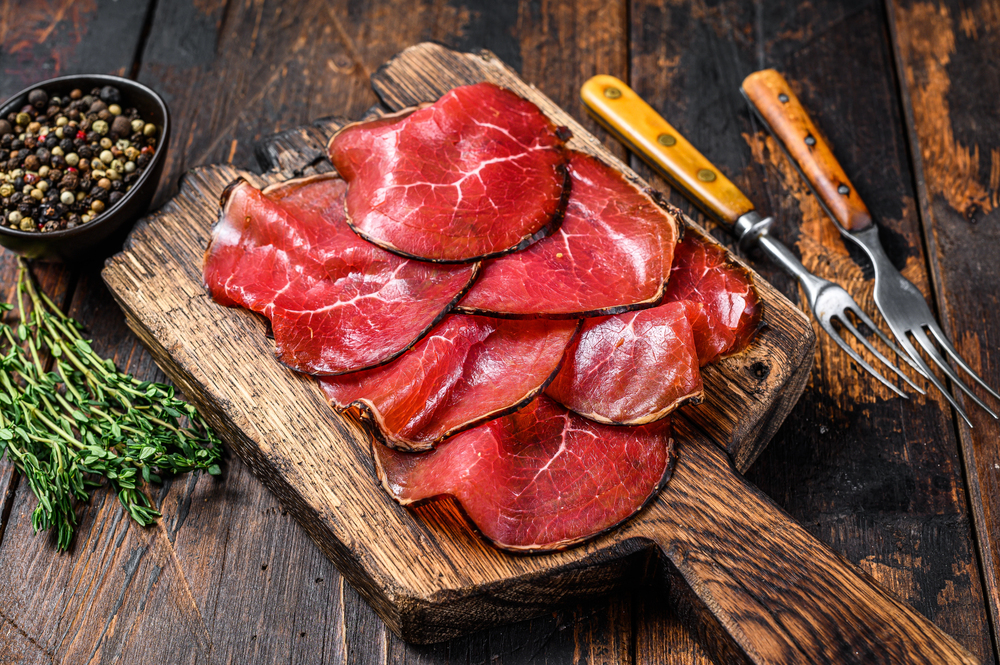
This Italian air-dried beef is about as good as lean cured meat gets. They mostly use eye of round cuts and put them through this whole thing with salt, spices like juniper and cinnamon, plus a red wine wash before hanging them up to dry for three to six months. What you get is deep red meat that’s super tender with this rich, kind of sweet taste that’s nothing like jerky.
Guanciale
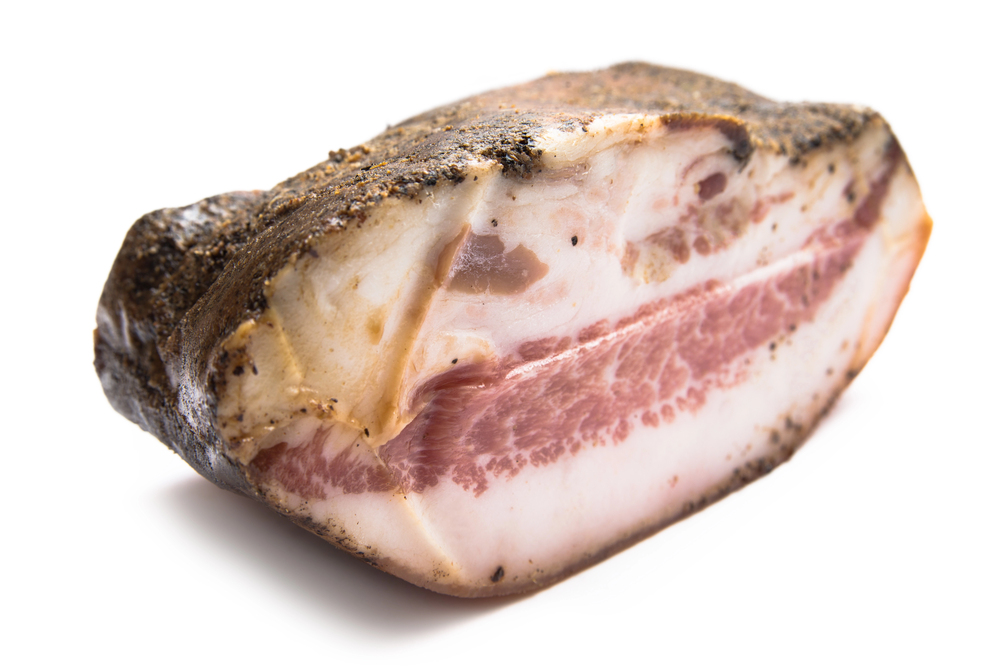
Sure, pancetta gets all the love, but guanciale is what Italian cooks really reach for. This cured pork jowl has way more fat than meat, and when that fat slowly melts while you’re cooking, it makes these smooth, tasty sauces. Real Roman dishes like carbonara and amatriciana need guanciale – not bacon, not pancetta – because of how it feels and tastes, which is stronger than regular bacon but weirdly delicate at the same time.
Like Go2Tutors’s content? Follow us on MSN
Cecina
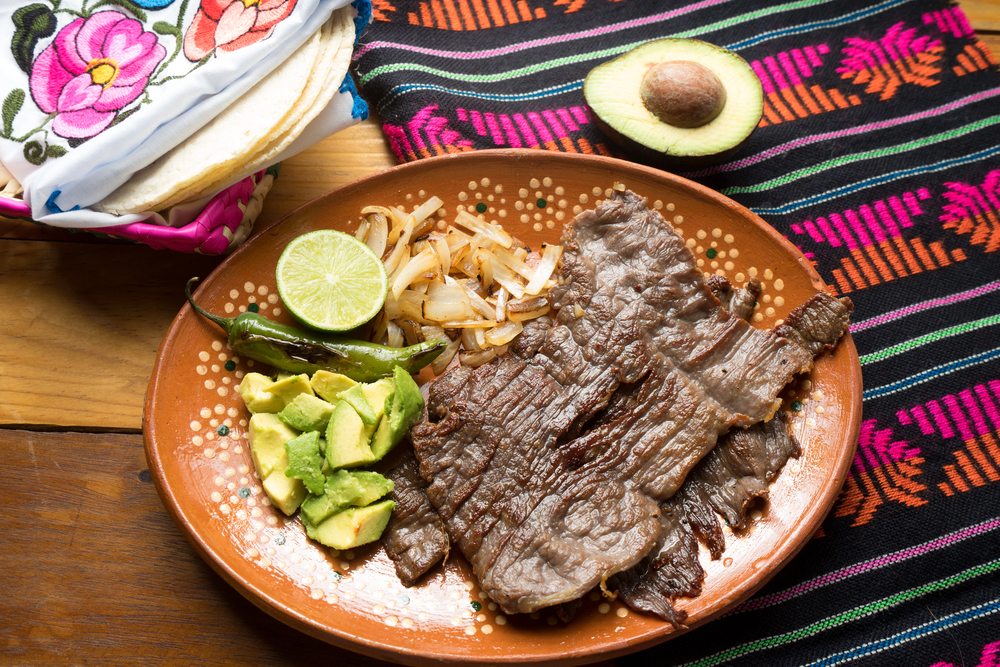
Spain’s version of bresaola uses beef from the back legs that gets salt-cured and cold-smoked with oak wood. Takes months to make and you end up with brown-colored meat that smells smoky and has this firm bite to it. Unlike the Italian stuff, cecina really tastes smoky and goes awesome with almonds, olives, and sherry.
Biltong
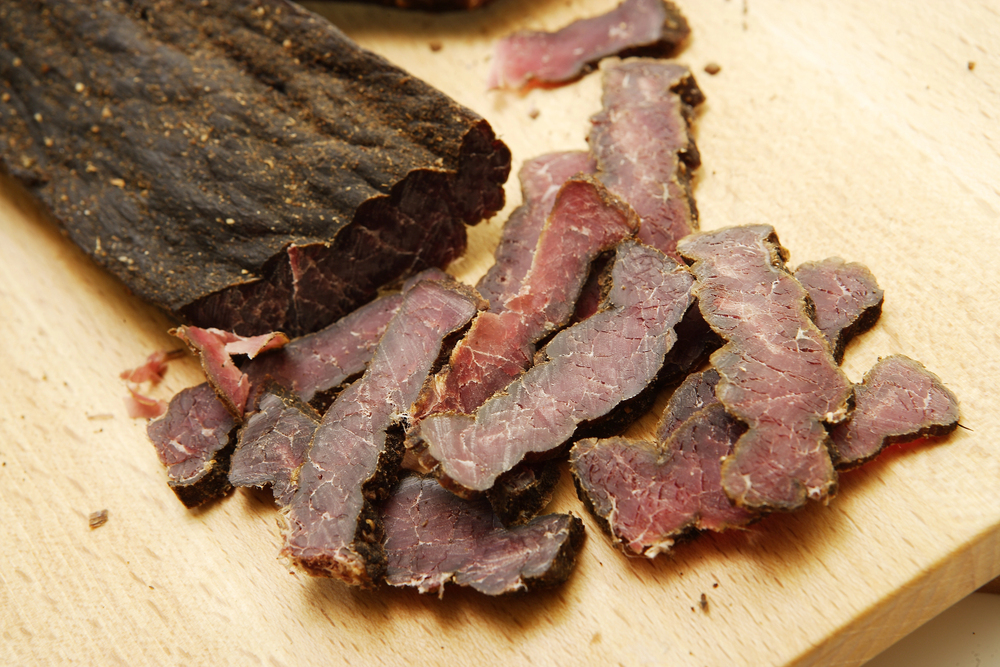
South Africa does cured meat totally different from Europe. They take strips of beef, game, or even ostrich and soak them in vinegar with spices like coriander, then air-dry the whole thing. The vinegar gives it this tangy kick, and the spices make it smell amazing – way different from just regular dried meat.
Lonza
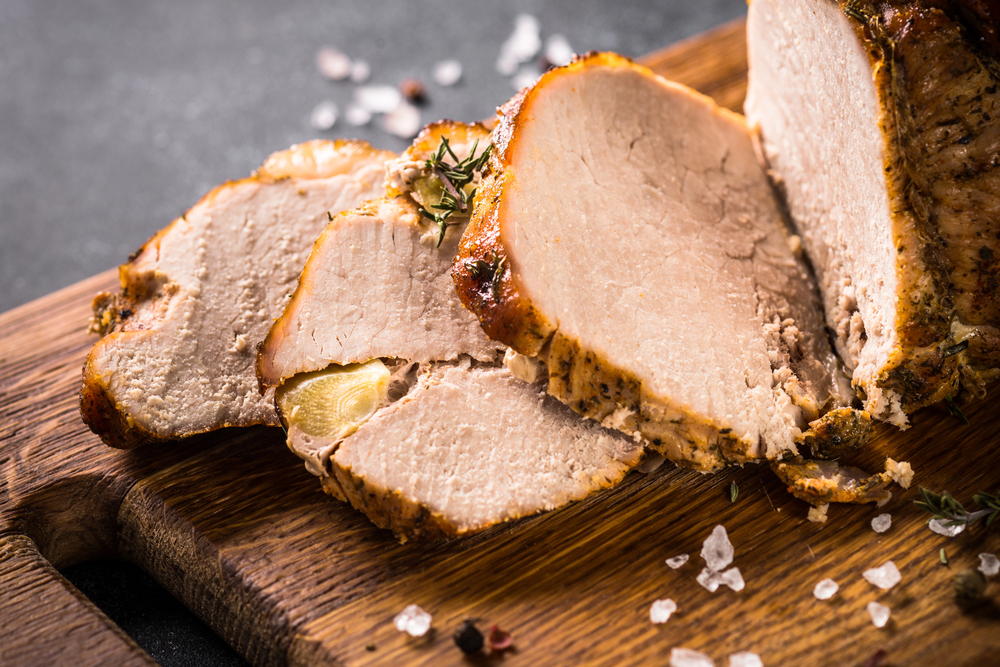
This Italian cured pork loin keeps things simple but fancy. Made from tenderloin, lonza doesn’t have much fat and only takes four to six weeks to cure, so it’s way faster than prosciutto. The flavor is mild and clean, perfect if you want to try old-school cured meat without getting hit with something too strong. Since there’s no fat, you really taste how good the pork was to start with.
Like Go2Tutors’s content? Follow us on MSN
Pastirma
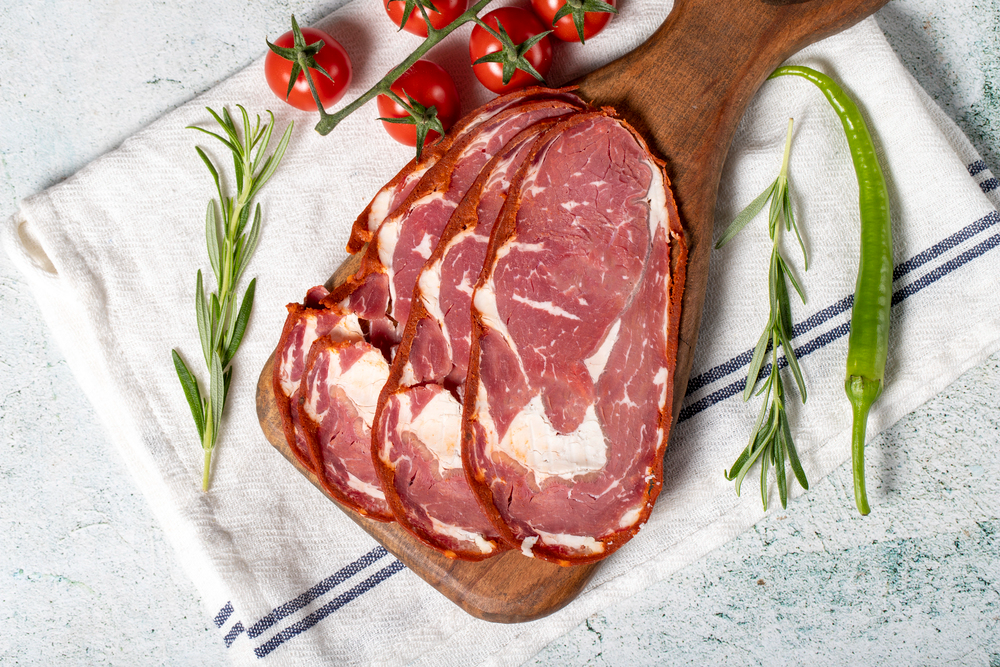
Armenian and Turkish folks have been making this spice-heavy cured beef for ages. First they cure it with salt, then coat it in this paste called ‘çemen’ that’s made with garlic, fenugreek, paprika, and other spices before air-drying it. You get meat with serious flavor and this special smell from all those spices that warms you up.
Coppa
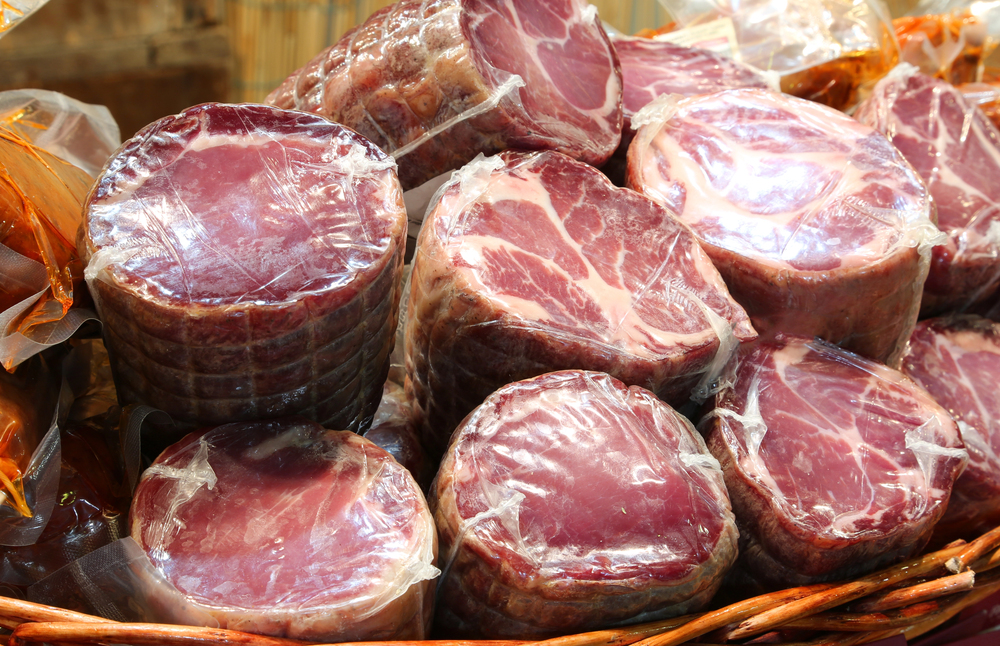
People mix this up with capocollo all the time, but real coppa comes from pork neck and shoulder that gets cured with wine and spices. The meat ends up with these pretty marbled patterns and tastes richer than prosciutto but not as strong as guanciale. Every part of Italy makes it a little different – some use white wine, others go with red.
Lomo Embuchado
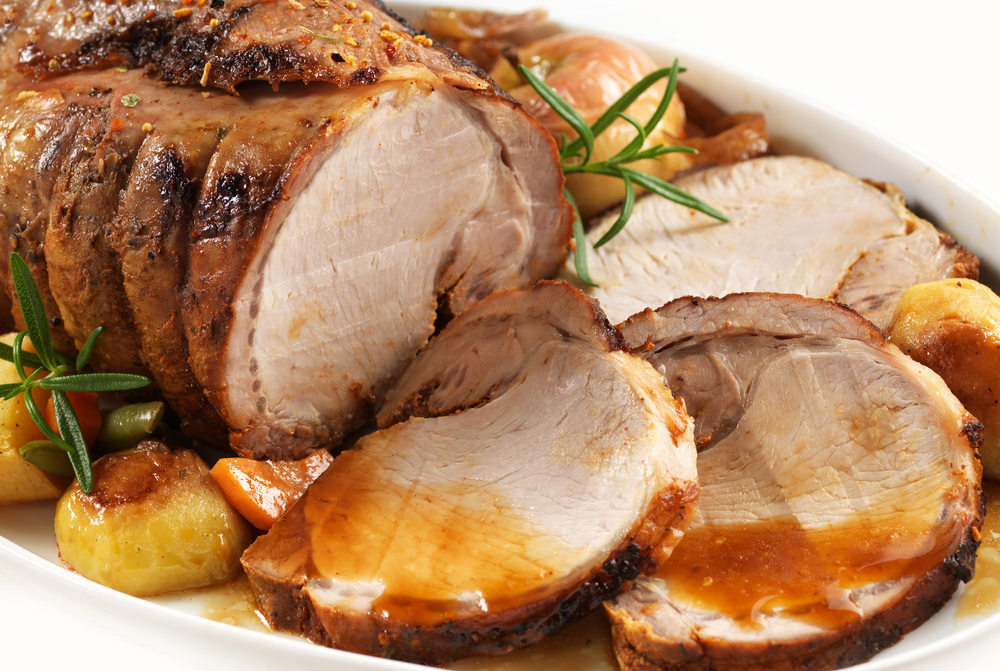
Spanish pork tenderloin gets the VIP treatment here. They rub it with salt, garlic, and pimentón, stuff it in natural casings, then air-dry it. This brings out the pork’s sweetness while the spices add some warmth. Really popular in Extremadura and kind of like cecina but with pork instead of beef.
Like Go2Tutors’s content? Follow us on MSN
Bindenfleisch
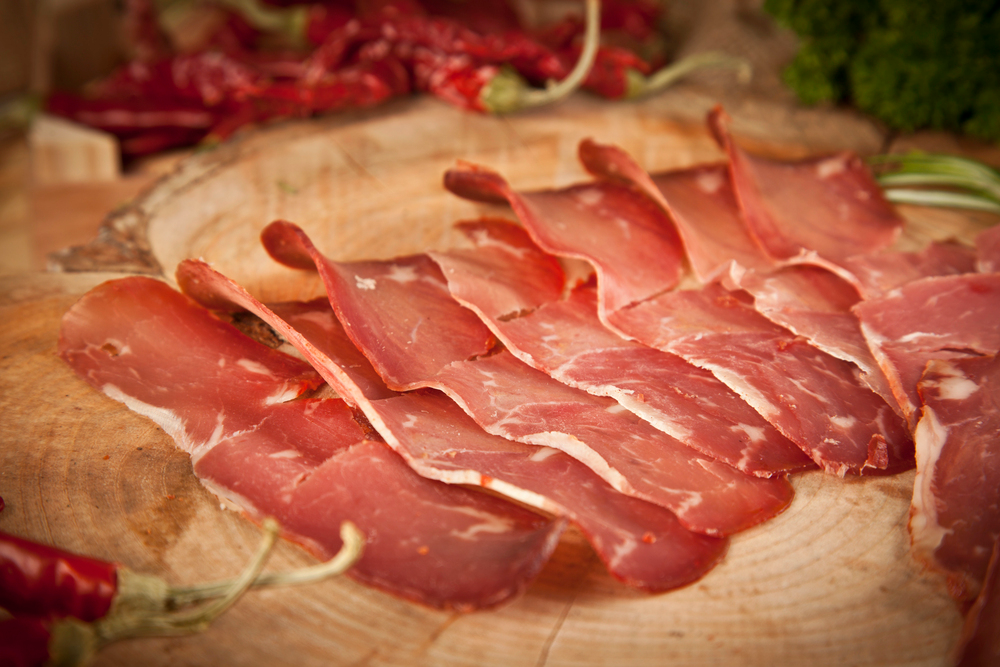
Switzerland’s mountain weather turned out perfect for making this air-dried beef. They make it in the Graubünden region using lean beef cuts rubbed with salt and spices, then hang it to dry in that crisp mountain air. Tastes like bresaola but with its own Swiss thing going on that comes from those clean mountains.
Culatello
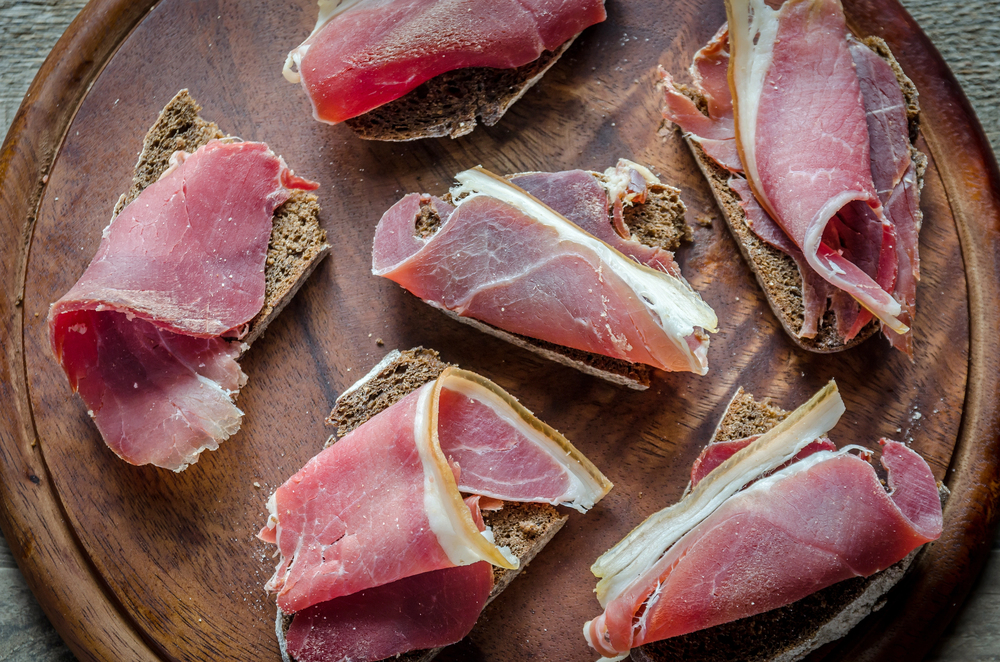
They call this the king of Italian cured meats, and it’s made from the best part of a prosciutto leg – the thigh muscle. They only make it in certain towns near Parma and only in winter when the humidity is just right. Takes at least ten months to age, and you get this really rich flavor that explains why it costs so much.
Mangalitsa Bresaola
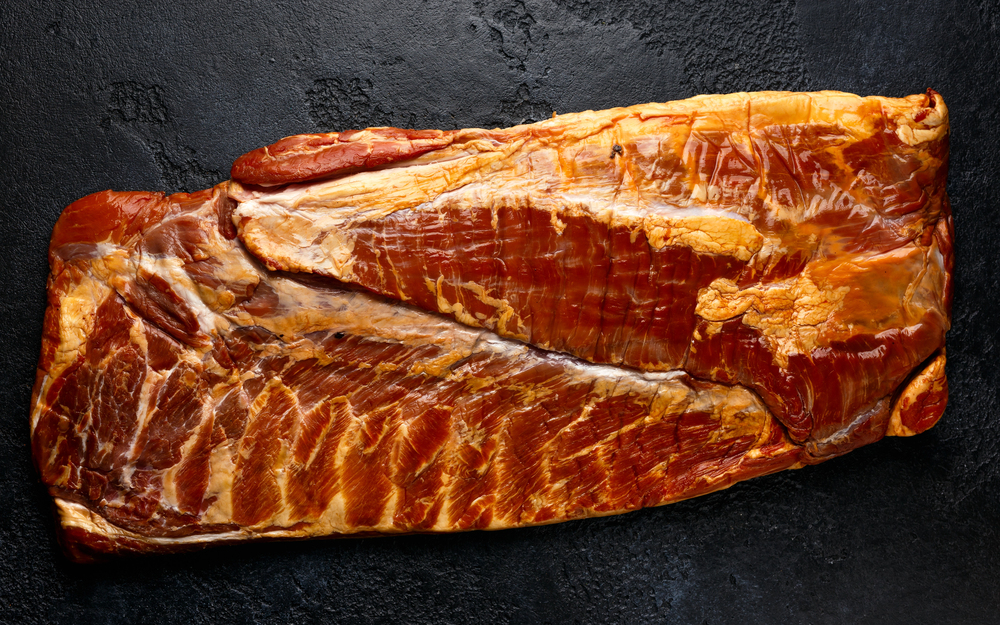
This uses meat from the Mangalitsa pig – they call it the ‘wooly pig’ because of its curly hair. These pigs have lots of good fat that makes the bresaola super tender with this melt-in-your-mouth feel that’s way different from regular beef bresaola. The fat makes it rich but still keeps that air-dried thing going.
Like Go2Tutors’s content? Follow us on MSN
Goat Violin
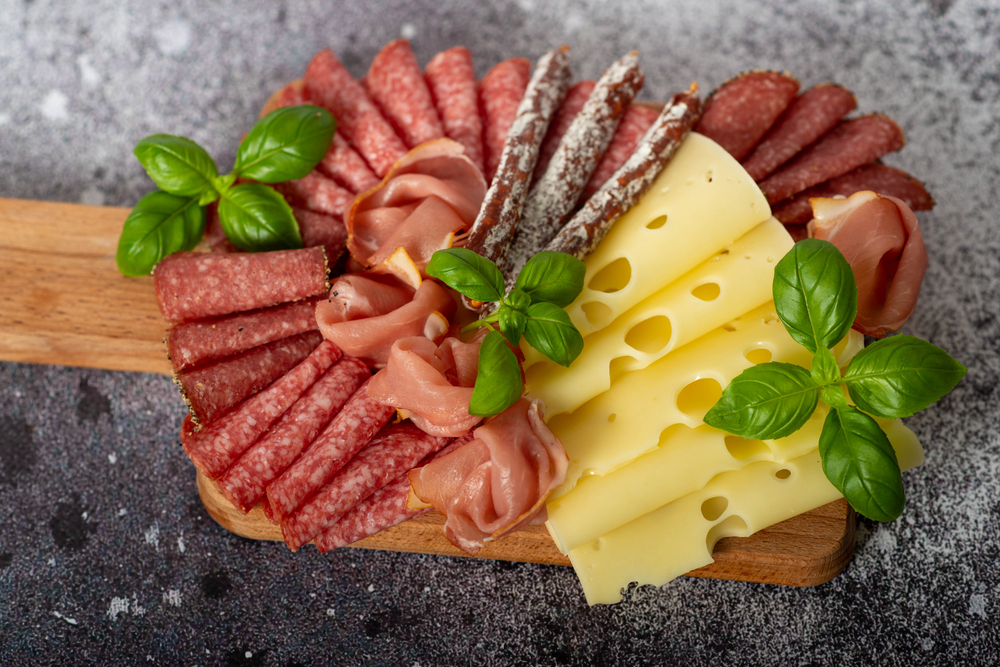
From Italy’s Valchiavenna area comes this weird cured meat made from goat thighs and shoulders. Gets its name from how they press and shape it while it’s curing. It’s dark, almost brown, smells really smoky, and feels surprisingly tender even though it looks dry. It tastes like game but not too wild.
Duck Bresaola
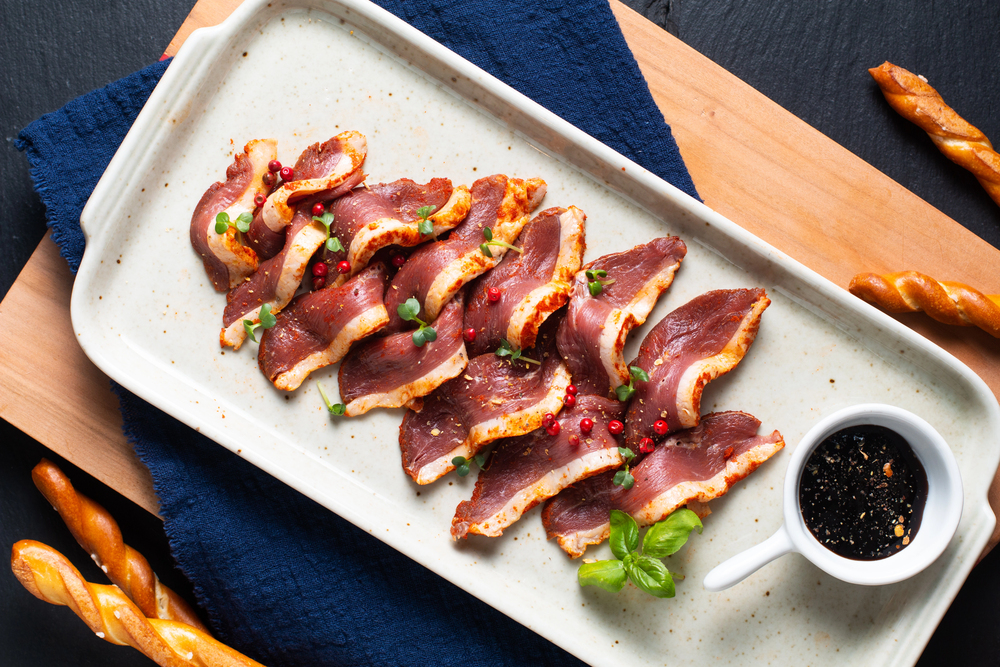
Smart producers took regular bresaola methods and used them on duck breast. Works the same way as beef bresaola but doesn’t take as long because duck meat is different. You get this delicate, pink meat with a fancy flavor that’s not as strong as regular bresaola but gives you something new to try.
Venison Chorizo
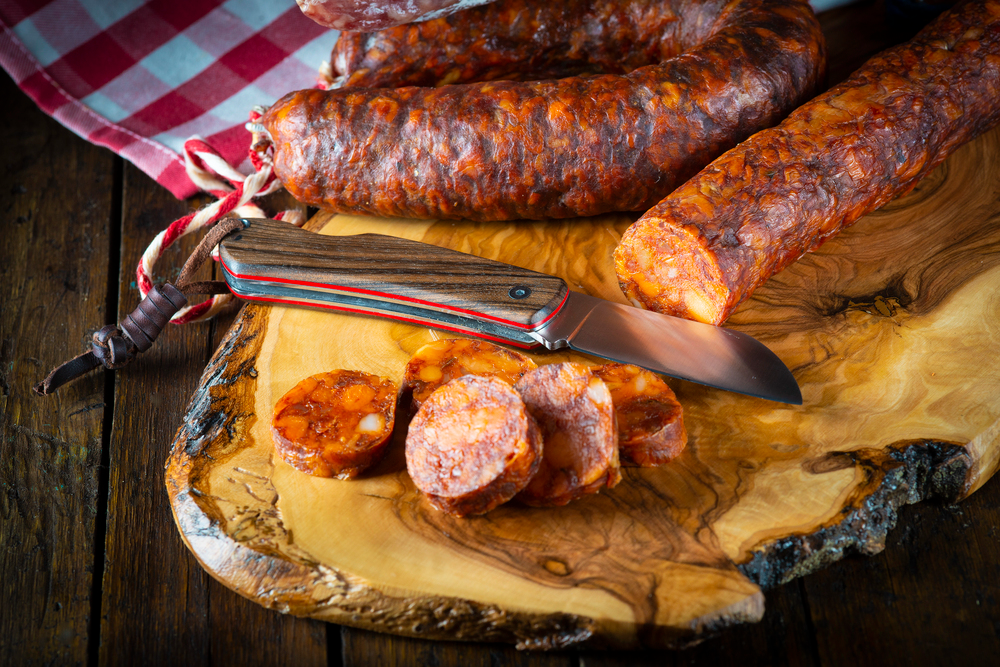
This mixes Spanish chorizo tricks with wild venison. They blend the lean game meat with pork fat and season it with smoked paprika, garlic, and other spices before stuffing it in casings and curing it. Balances out that clean, wild venison taste with the warm spices and richness you get from good chorizo.
Like Go2Tutors’s content? Follow us on MSN
Finocchiona
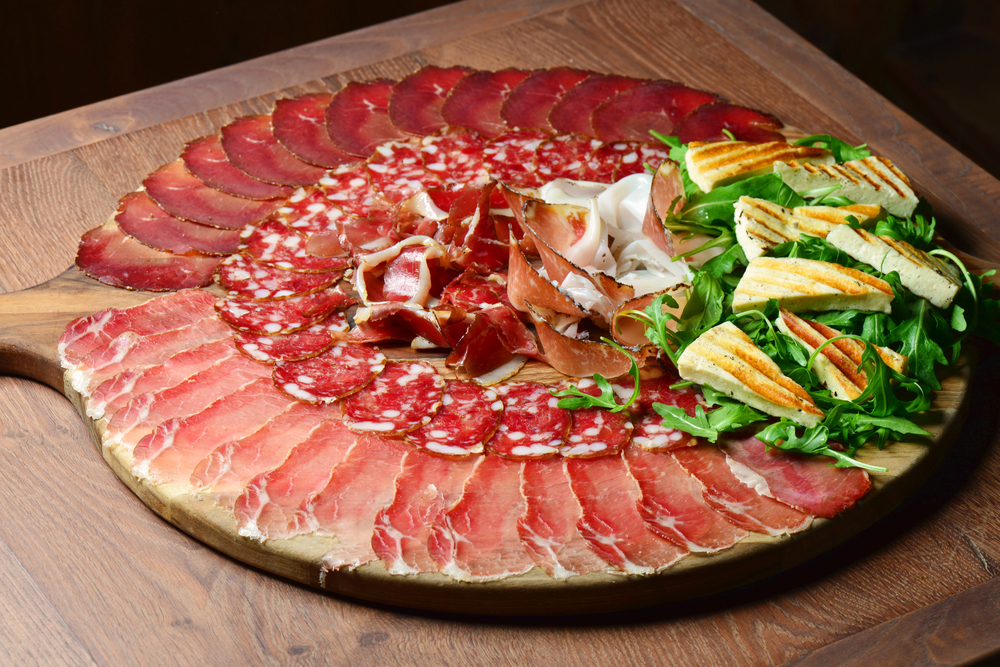
This Tuscan salami stands out because of the fennel flavoring that gives it its name and taste. Made with pork shoulder and back fat, seasoned with fennel seeds, black pepper, and garlic, then stuffed in natural casings and aged. The fennel makes it smell sweet and licorice-y in a way that’s easy to spot and gets addictive fast.
Wild Boar Prosciutto
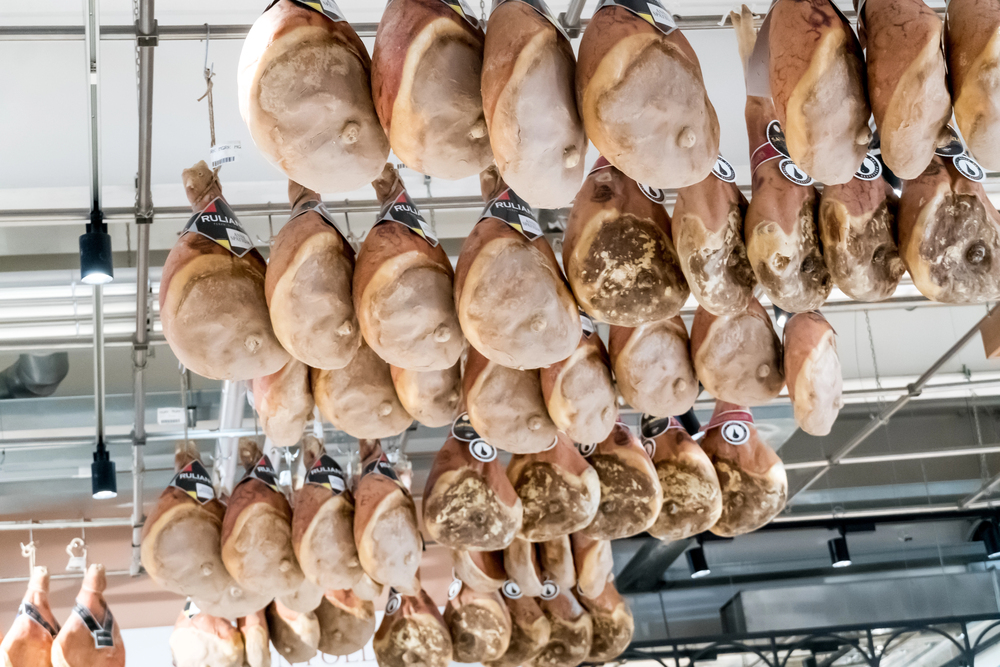
Take regular prosciutto methods and use wild boar instead. The meat’s natural wild taste gets better during curing, so you end up with a darker, richer flavor than regular pork prosciutto. Wild boar is leaner so you have to be careful with the curing, but when it works you get this fancy meat that shows what the animal ate and how it lived.
Still Going Strong Today
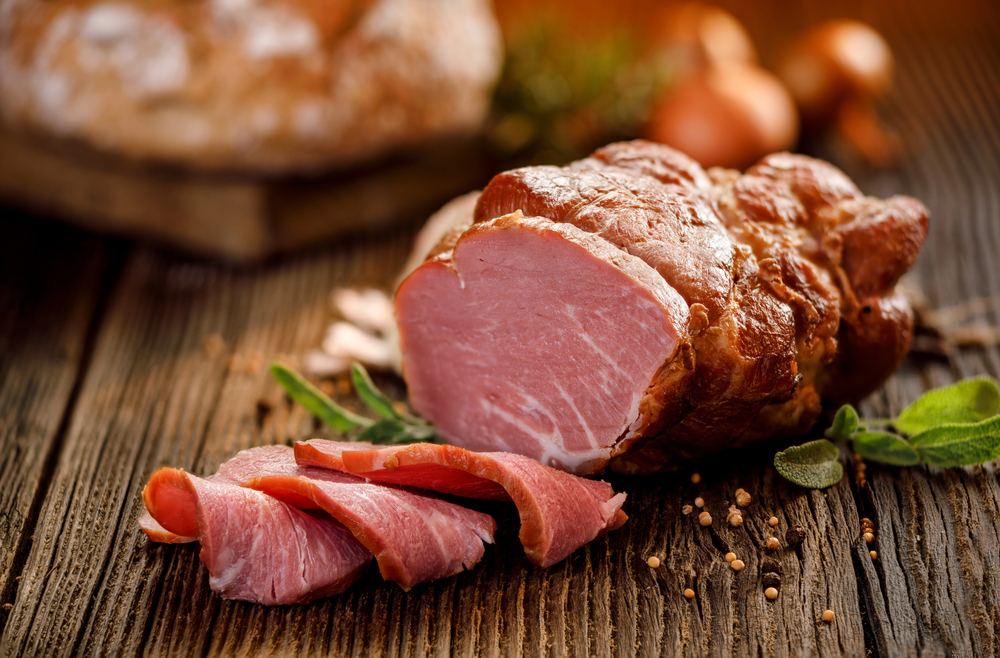
These weird cured meats aren’t just about keeping food from going bad – they connect us to how different places used to do things and still farm today. Lots of these almost disappeared when factories took over, but passionate meat makers brought them back because they know real flavor takes time, patience, and sticking to the old ways.
Whether you’re putting together a fancy meat board or just want to try new food, these special cured meats give you a taste of history and skill that factory stuff just can’t touch.
Like Go2Tutors’s content? Follow us on MSN
More from Go2Tutors!

- 16 Historical Figures Who Were Nothing Like You Think
- 12 Things Sold in the 80s That Are Now Illegal
- 15 VHS Tapes That Could Be Worth Thousands
- 17 Historical “What Ifs” That Would Have Changed Everything
- 18 TV Shows That Vanished Without a Finale
Like Go2Tutors’s content? Follow us on MSN