16 Facts About the 7 Wonders of the Modern World
The original Seven Wonders of the Ancient World were mostly destroyed centuries ago, leaving only the Great Pyramid of Giza standing today. By 2001, people figured it was time for an update.
What followed became the biggest global poll in history, with over 100 million people voting to choose new wonders that actually still exist and can be visited today.
The campaign sparked massive excitement worldwide, with countries launching national campaigns to get their landmarks chosen. When the results were announced in 2007, the new list showcased incredible human achievements from different continents and time periods.
Here are 16 facts about the 7 Wonders of the Modern World that show why these monuments captured the world’s imagination.
Over 100 Million People Voted Worldwide

The New7Wonders campaign became the largest poll in human history, with more than 100 million votes cast between 2001 and 2007. People could vote online or by text message, and some countries got so excited they stopped charging for votes.
Brazil launched a massive “Vote for Christ” campaign that had people waking up to text messages telling them to vote for Christ the Redeemer statue.
The Great Wall Took Over 2,000 Years to Build
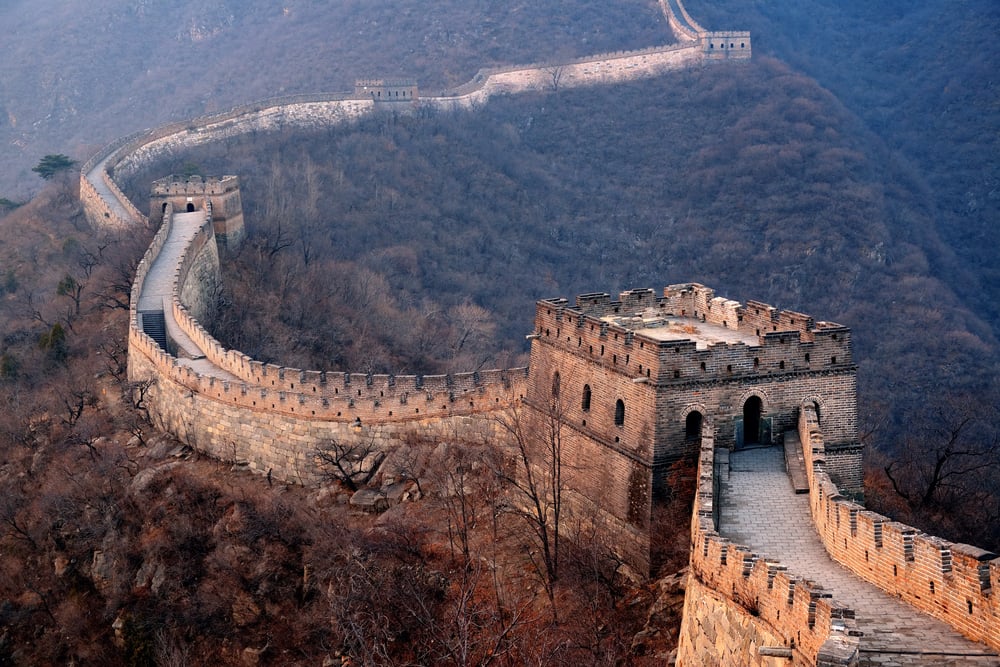
China’s Great Wall isn’t just one wall—it’s actually many walls built by different dynasties over more than 2,000 years. Construction started in the 7th century BC and continued until 1878.
The total length of all sections ever built adds up to about 13,000 miles, though the most famous Ming Dynasty sections that tourists visit today are about 5,500 miles long.
Like Go2Tutors’s content? Follow us on MSN.
You Can’t Actually See the Great Wall from Space
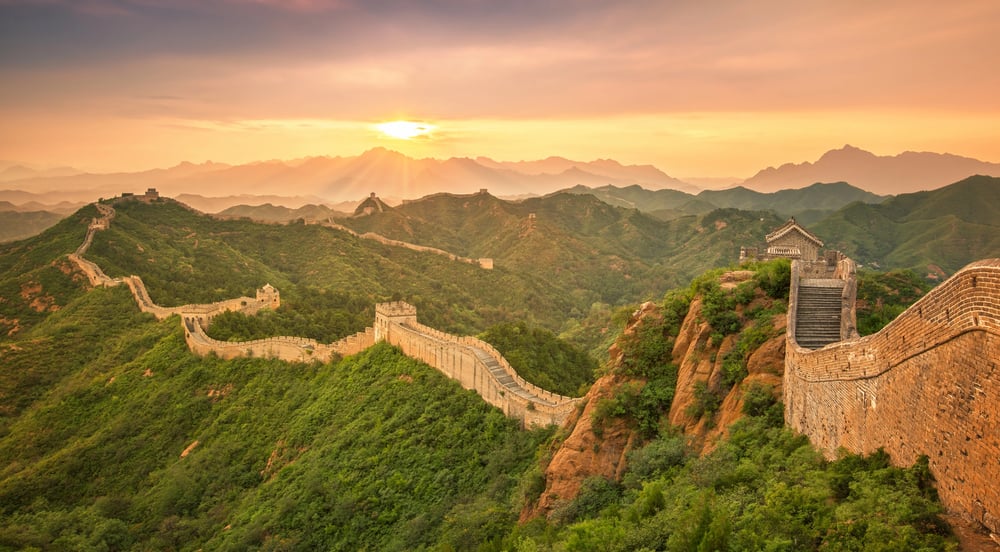
Despite what everyone says, astronauts can’t see the Great Wall from space with their eyes. The wall looks too much like the surrounding stone and dirt to stand out, even from low Earth orbit.
This myth has been thoroughly debunked, but it’s so ingrained in popular culture that people still repeat it constantly.
Chichen Itza Has a Built-In Calendar

The main pyramid at Chichen Itza, called El Castillo, is basically a giant stone calendar. Each of its four sides has 91 steps, and when you add the temple platform at the top, you get exactly 365 steps—one for each day of the year.
The Maya were incredible astronomers and mathematicians who built this knowledge right into their architecture.
The Pyramid Creates a Snake Shadow Twice a Year
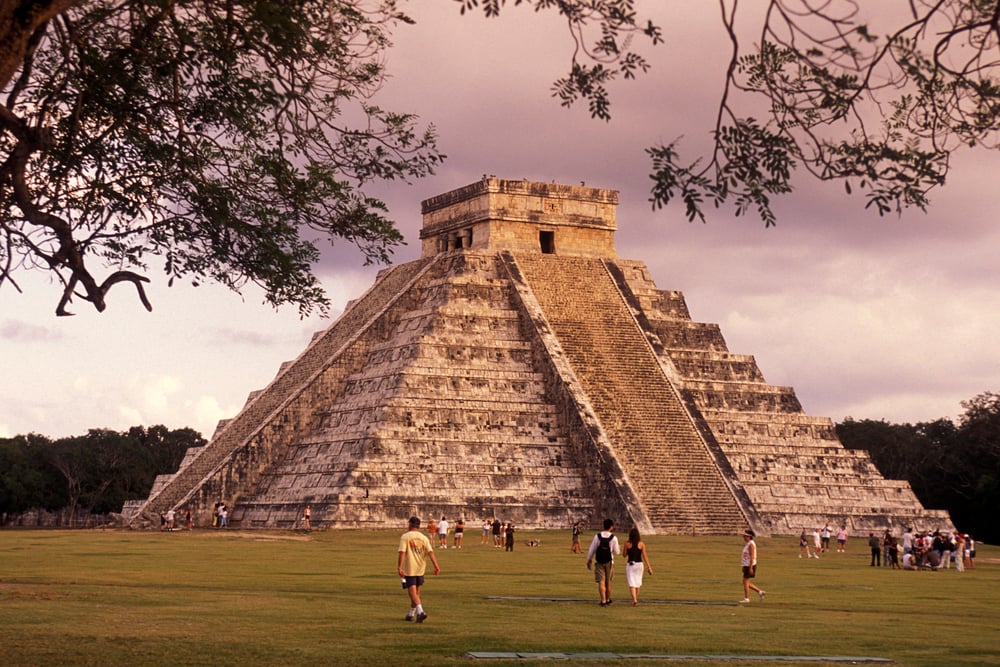
During the spring and fall equinoxes, the setting sun creates a shadow on El Castillo that looks exactly like a serpent crawling down the stairs. The shadow connects with carved serpent heads at the base, creating an illusion that the feathered serpent god Kukulkan is descending from the heavens.
Thousands of people gather to watch this phenomenon every year.
Like Go2Tutors’s content? Follow us on MSN.
Petra Was Lost to the Western World for Centuries
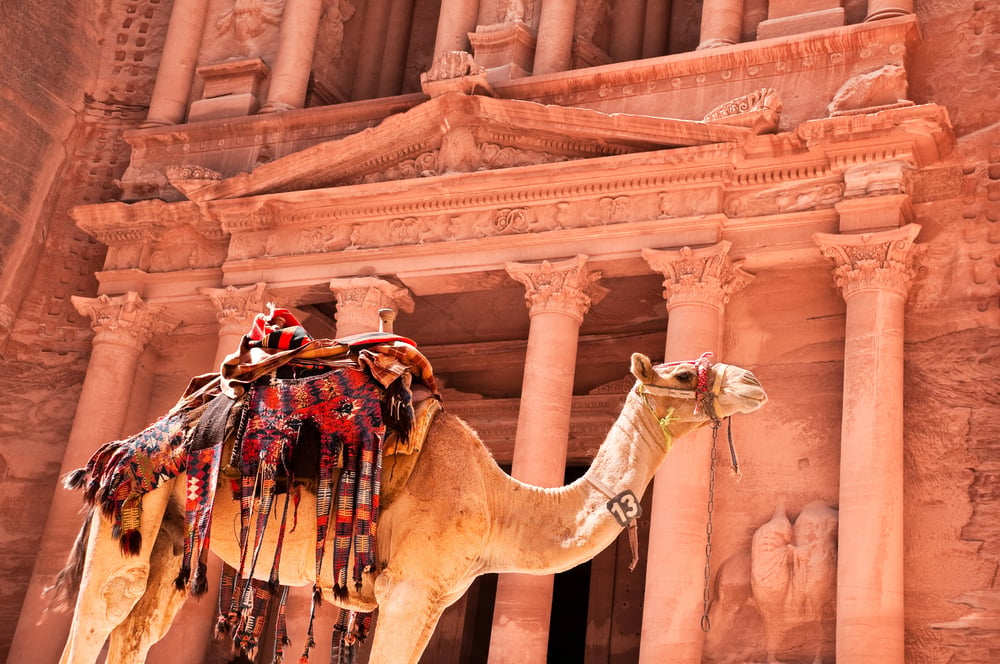
The “Rose City” of Petra was carved directly into pink sandstone cliffs by the Nabataeans around 300 BC. After earthquakes damaged the city in 363 AD and trade routes shifted, Petra was basically forgotten by the outside world.
Swiss explorer Johann Ludwig Burckhardt rediscovered it in 1812, making him the first Westerner to see the site in over 1,000 years.
The Taj Mahal Took 22 Years and 22,000 Workers to Build
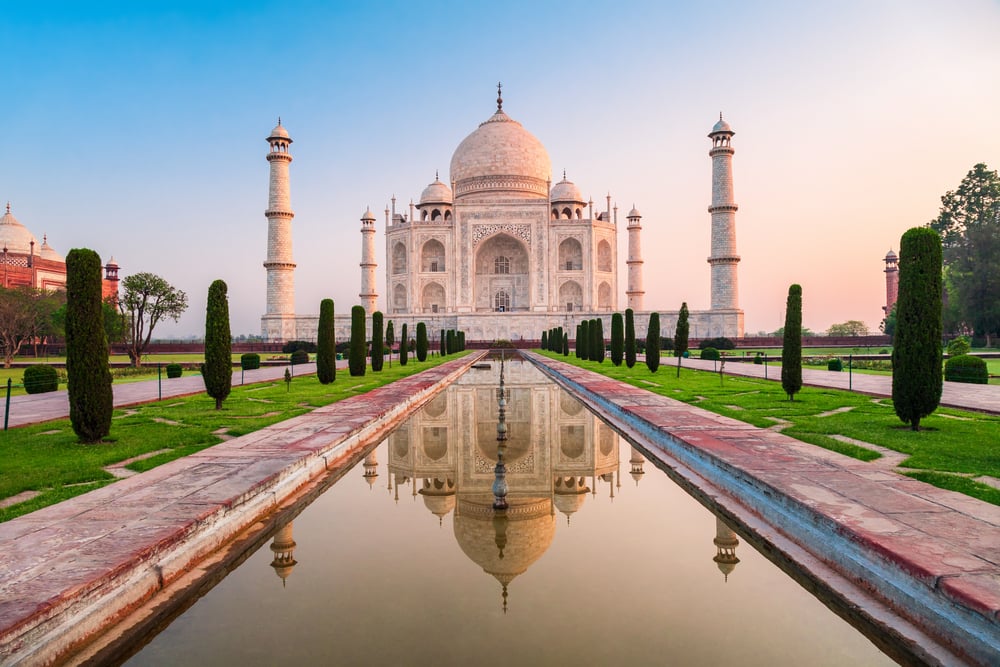
Shah Jahan commissioned the Taj Mahal in 1631 after his beloved wife Mumtaz Mahal died during childbirth. The project required over 22,000 workers and took 22 years to complete, finishing in 1653.
Materials came from all over the known world—white marble from India, jade from China, sapphires from Sri Lanka, and precious stones from across Asia.
Christ the Redeemer Is the Newest Wonder
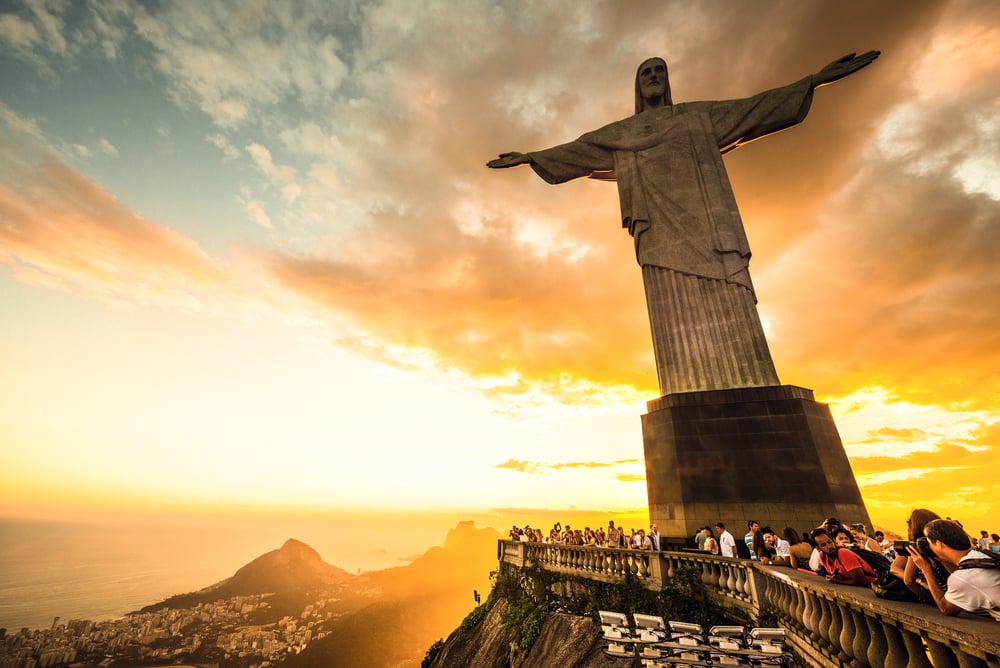
Completed in 1931, Christ the Redeemer in Rio de Janeiro is by far the newest of the seven wonders. The statue stands 98 feet tall on top of a 26-foot pedestal, with arms stretching 92 feet wide.
A French-Polish sculptor designed it, while Brazilian and French engineers figured out how to build it on top of Corcovado Mountain.
Like Go2Tutors’s content? Follow us on MSN.
The Colosseum Could Hold 80,000 Spectators
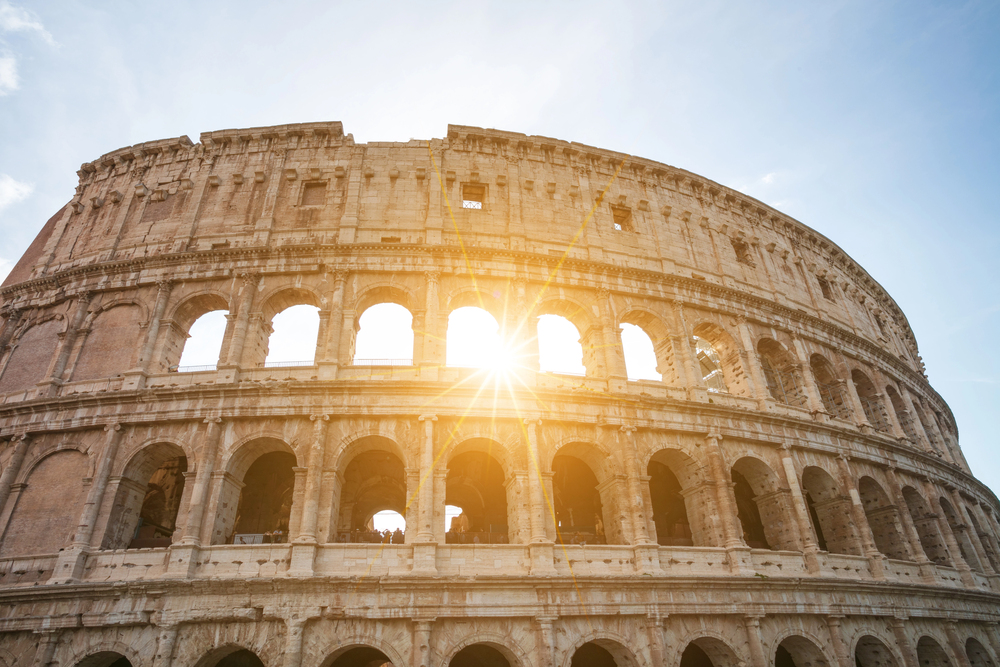
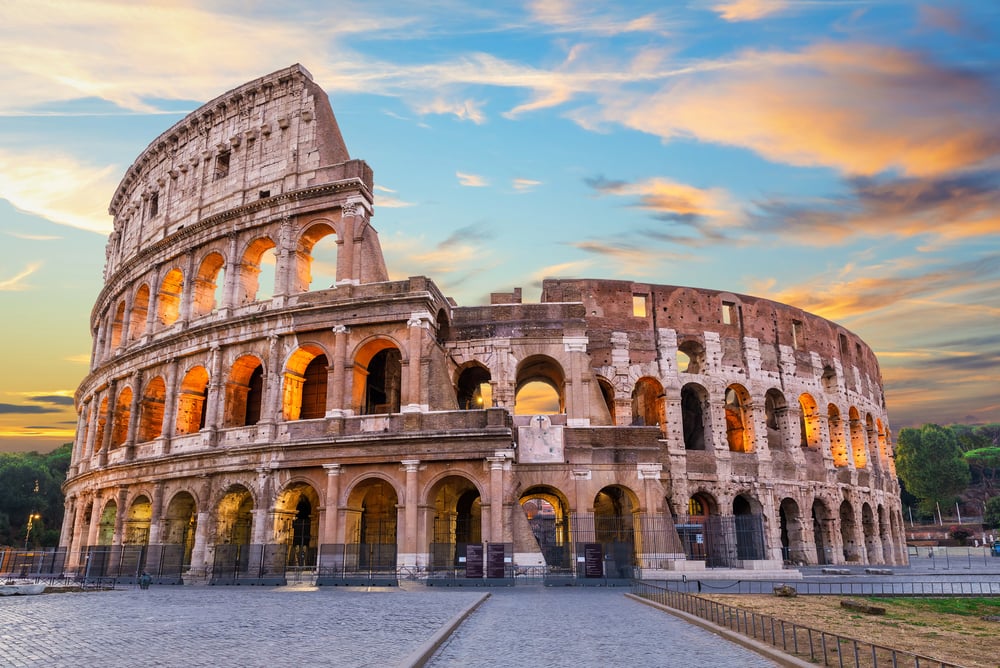
Rome’s Colosseum was the largest amphitheater ever built, holding up to 80,000 people for gladiator fights, animal hunts, and mock naval battles. Construction began in 72 AD under Emperor Vespasian and finished eight years later under Emperor Titus.
The arena had a complex system of underground tunnels and elevators to bring gladiators and animals up to the fighting floor.
Machu Picchu Was Only Inhabited for About 100 Years
The Inca built Machu Picchu around 1450 AD, but the city was abandoned just 100 years later during the Spanish conquest of Peru. The site was never actually “lost”—local people always knew about it—but American historian Hiram Bingham brought it to international attention in 1911.
Many people mistakenly call it the “Lost City of the Incas,” but that title actually refers to a different site called Vilcabamba.
UNESCO Wanted Nothing to Do with the Campaign
The United Nations Educational, Scientific and Cultural Organization officially distanced itself from the New7Wonders campaign, calling it a “private undertaking” that reflected only the opinions of people with internet access.
UNESCO worried the campaign was too much of a popularity contest and wouldn’t actually help preserve the sites that got chosen.
Like Go2Tutors’s content? Follow us on MSN.
Several Major Sites Got Snubbed
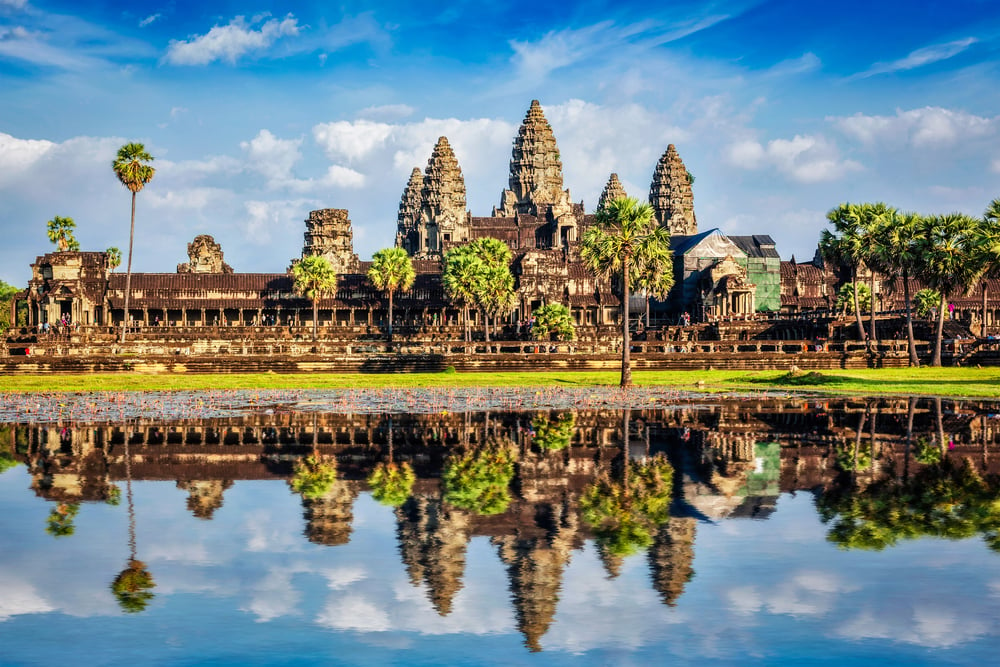
Some incredible monuments didn’t make the final cut, including Cambodia’s Angkor Wat, England’s Stonehenge, and Chile’s Easter Island statues. Even the Great Pyramid of Giza—the only surviving original wonder—didn’t make the new list, though it was given honorary status.
The results sparked some controversy, with many people arguing their favorite sites deserved to win.
Countries Launched Massive Campaigns

Nations treated the voting like a major election, launching campaigns to get their landmarks chosen. Jordan’s Queen Rania personally backed Petra, while Peru’s government organized a huge push for Machu Picchu.
India rallied behind the Taj Mahal with celebrities and news channels telling people to vote. The competition got pretty intense, with some countries spending millions on promotion.
The Campaign Started with 200 Candidates

The New7Wonders Foundation began with 200 monuments from around the world, which a panel of experts narrowed down to 77 candidates, then to 21 finalists. The final seven were announced on July 7, 2007 (7/7/07) at a ceremony in Lisbon, Portugal.
The foundation said it barely broke even on the project despite all the global attention.
Like Go2Tutors’s content? Follow us on MSN.
Each Wonder Represents Different Civilizations
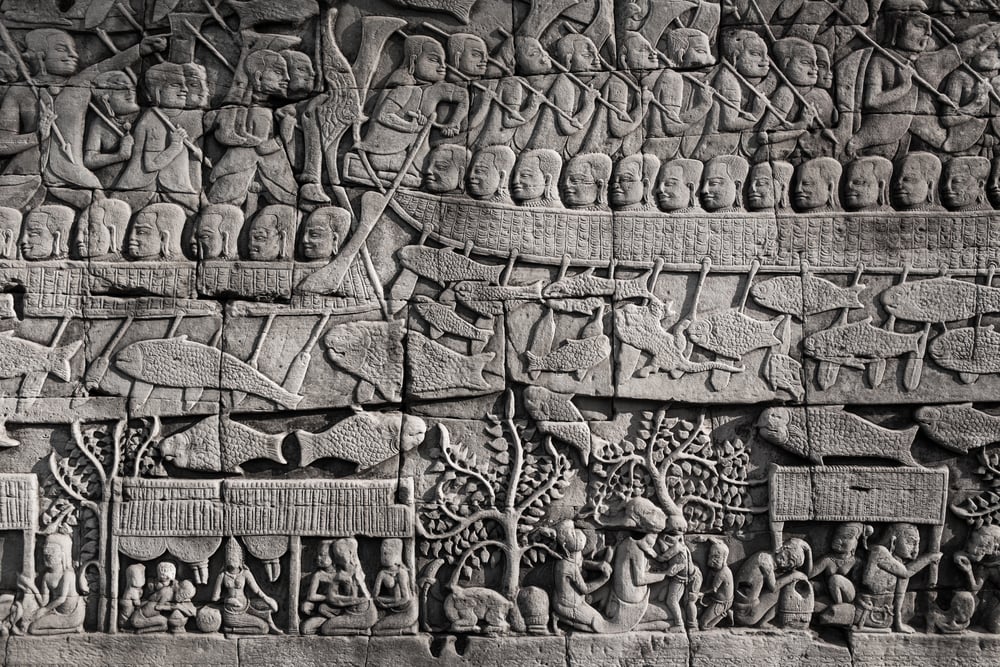
The seven wonders showcase the achievements of completely different cultures and time periods. You’ve got ancient Chinese engineering, Maya astronomy, Nabataean architecture, Inca stonework, Brazilian Art Deco, Roman construction, and Mughal craftsmanship.
Together, they represent thousands of years of human creativity and achievement across multiple continents.
They’re All Major Tourist Destinations Today

Unlike the original ancient wonders, all seven modern wonders are alive and thriving as major tourist attractions. Millions of people visit each site every year, generating huge amounts of tourism revenue for their countries.
The global recognition from being chosen as a wonder has boosted visitor numbers even higher, though it’s also created new challenges with overcrowding and preservation.
More Than Just a Popularity Contest

What started as a simple internet poll ended up highlighting humanity’s greatest architectural achievements across different cultures and continents. These seven sites prove that incredible things happen when people pour their creativity, resources, and dedication into building something that will last for generations.
Whether it’s the mathematical precision of Chichen Itza’s pyramid, the engineering marvel of the Great Wall, or the artistic beauty of the Taj Mahal, each wonder tells the story of what humans can accomplish when they dream big. The fact that over 100 million people took time to vote shows that in our digital age, people still care about preserving and celebrating the physical monuments that connect us to our shared history.
These aren’t just tourist attractions—they’re proof that some things really are worth calling wonders of the world.
More from Go2Tutors!

- 16 Historical Figures Who Were Nothing Like You Think
- 12 Things Sold in the 80s That Are Now Illegal
- 15 VHS Tapes That Could Be Worth Thousands
- 17 Historical “What Ifs” That Would Have Changed Everything
- 18 TV Shows That Vanished Without a Finale
Like Go2Tutors’s content? Follow us on MSN.