25 Foods That Are Illegal to Import Into the United States
Every seasoned traveler has stood at customs and quietly wondered how serious those declaration forms really are. The answer, it turns out, is very serious.
The United States maintains one of the most complex and strictly enforced food import systems in the world, and the list of what’s barred at the border is longer — and stranger — than most people expect. Some of these restrictions exist to protect American agriculture from foreign pests and disease.
Others are about food safety standards that simply don’t match up between countries. And a few feel almost personal, like the US drew a hard line just to make a point.
Either way, these are the foods you cannot legally bring into the country, no matter how good they tasted abroad.
Haggis
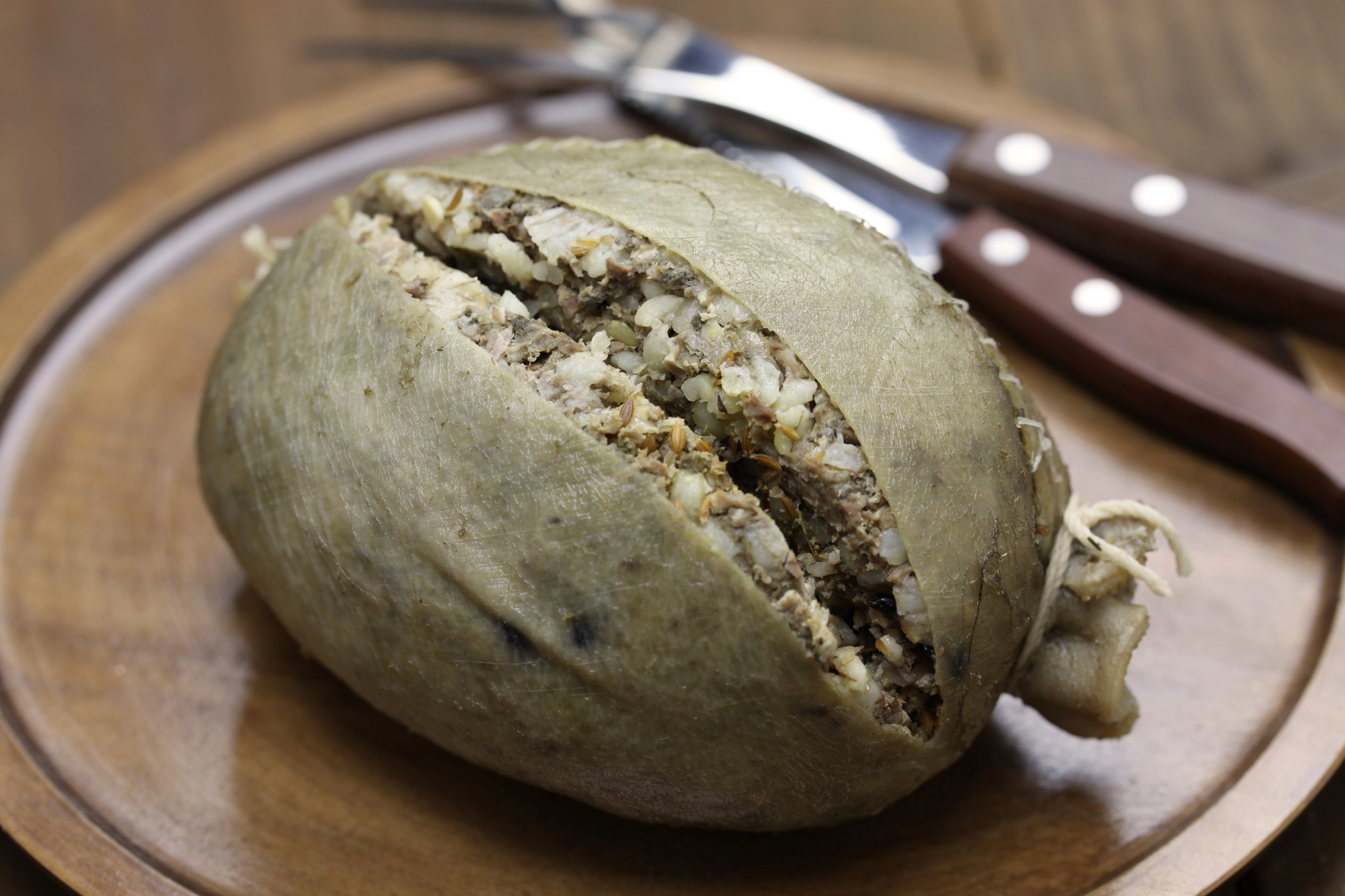
Scotland’s national dish is unwelcome here. The issue is the lung — haggis traditionally contains sheep lung, and the USDA banned livestock lungs from the human food supply back in 1971 over concerns about contamination during slaughter.
So the haggis you’d eat in Edinburgh and the version sold in some US specialty stores are not the same thing.
Kinder Surprise Eggs
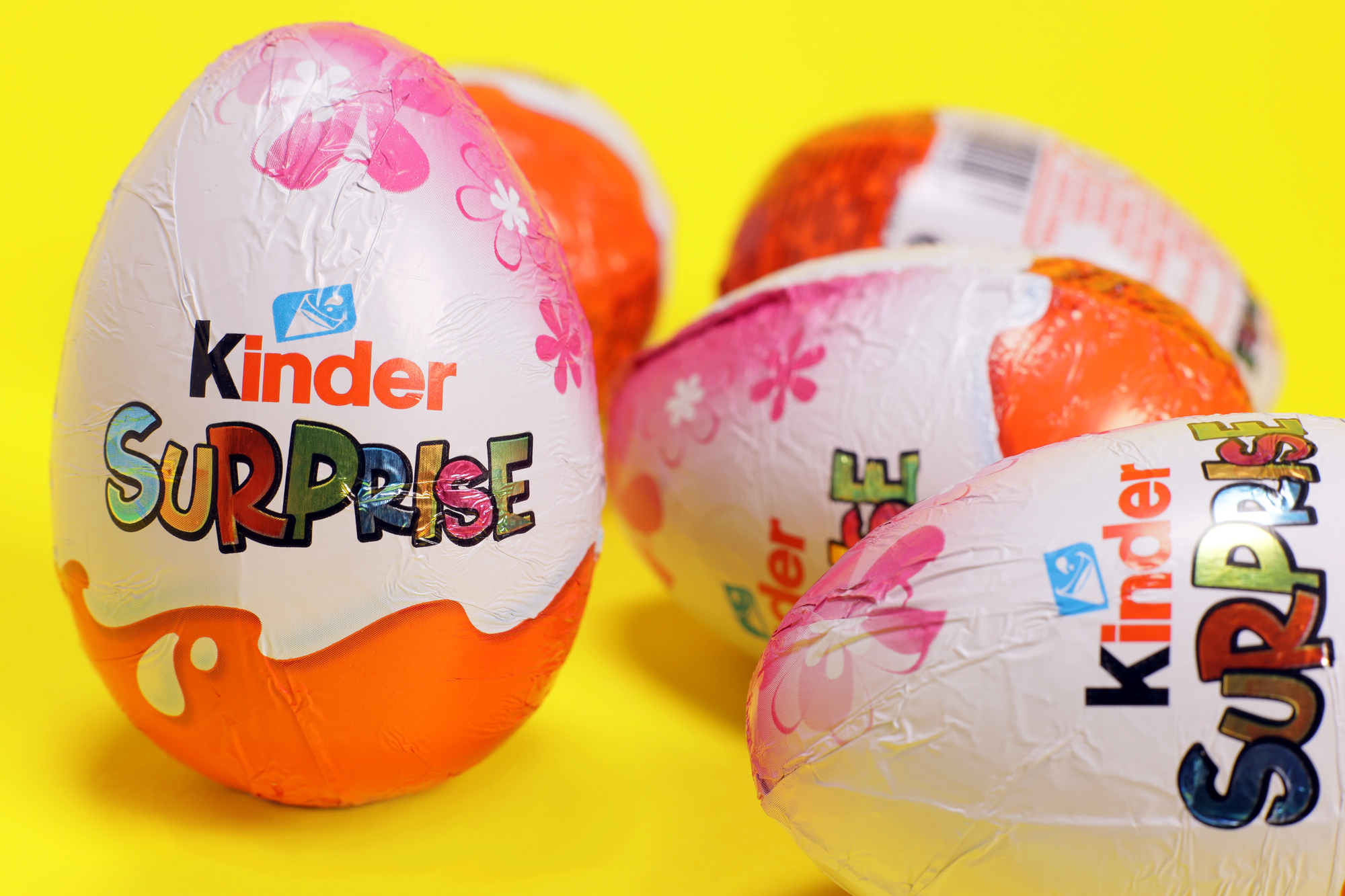
The chocolate shell exists. The toy inside exists.
But the FDA prohibits embedding non-food objects inside food products, full stop. The FDA prohibits embedding non-food objects inside food products under the Federal Food, Drug, and Cosmetic Act, and Kinder Surprises have been confiscated at the border for decades since their introduction to the market.
Unpasteurized Cheese Aged Under 60 Days
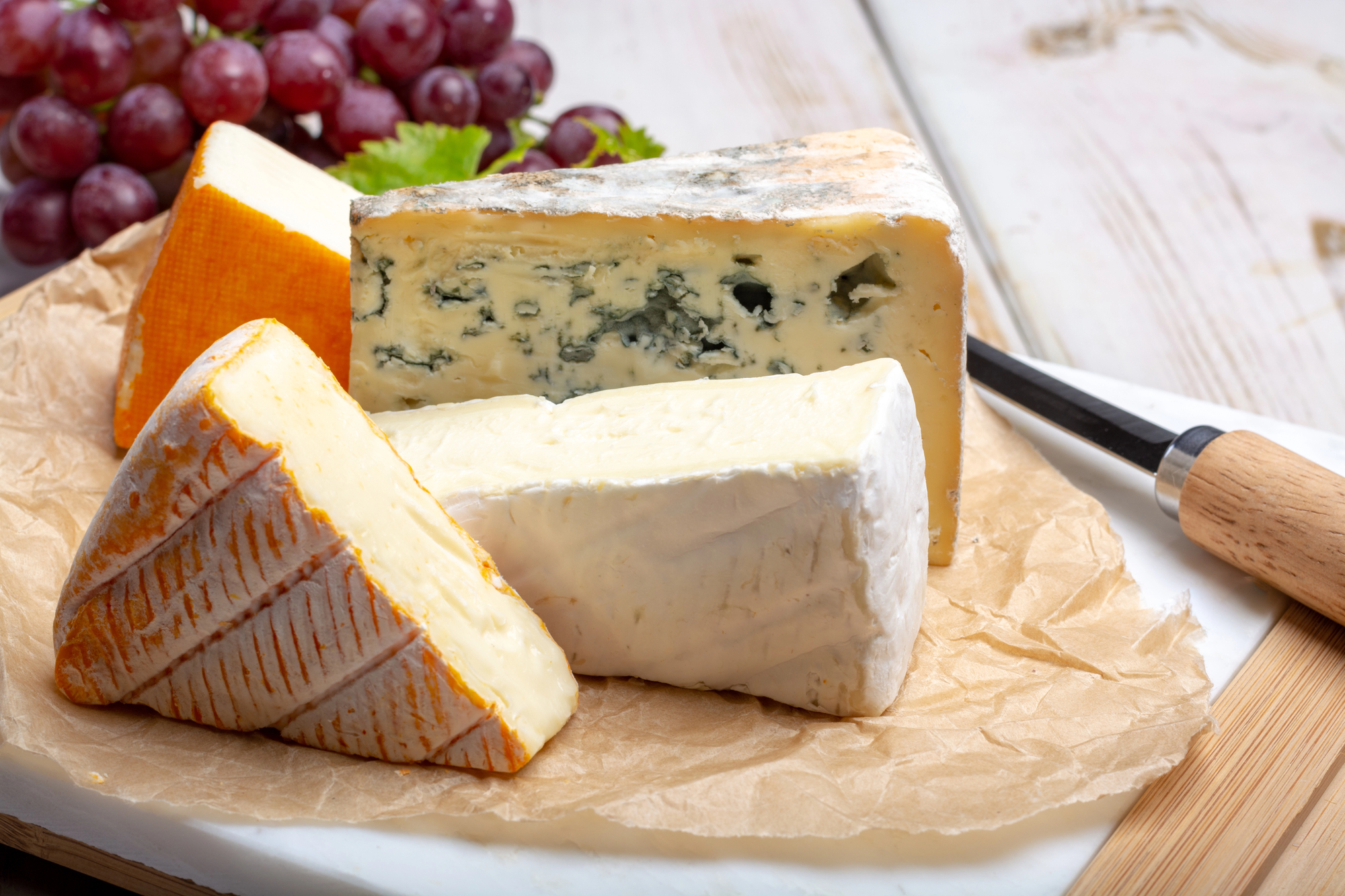
There’s a version of Brie and Camembert that the French consider the only real version — raw milk, soft, barely aged, still alive in the way good cheese is. And that’s exactly what the US won’t allow.
The FDA requires that cheeses made from unpasteurized milk be aged a minimum of 60 days, a rule that effectively cuts off an entire category of French and European farmhouse cheeses from the American market, which is a quiet tragedy that most people only discover when they travel.
Casu Marzu
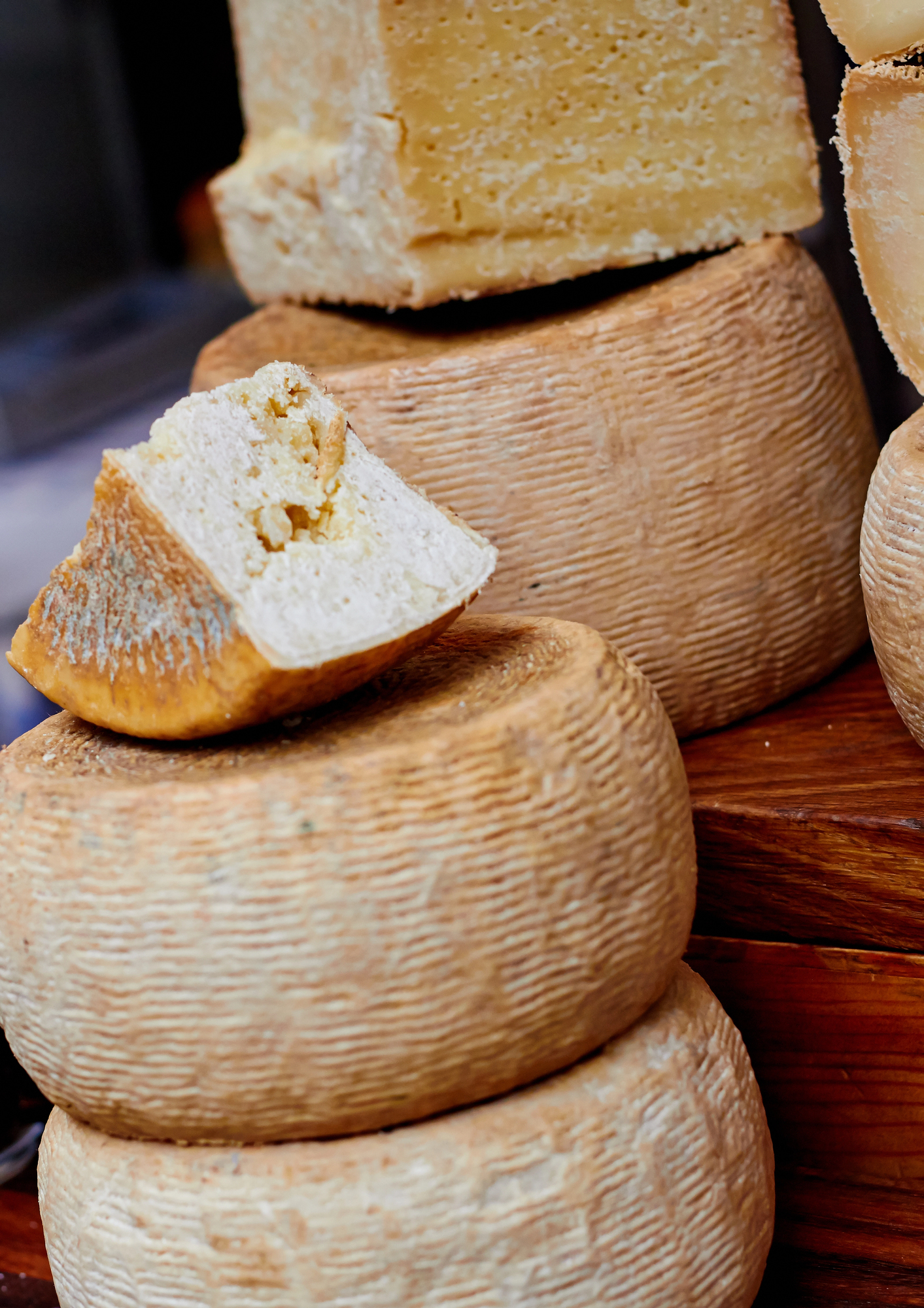
Sardinian tradition holds that this sheep’s milk cheese — left open to allow cheese flies to lay eggs inside it, fermented well past the point most would call safe — is a delicacy. The FDA holds a different view.
Casu marzu is banned on straightforward food safety grounds, and the live insect larvae it contains at the time of consumption make it ineligible for US import under multiple regulatory frameworks simultaneously.
Beluga Caviar
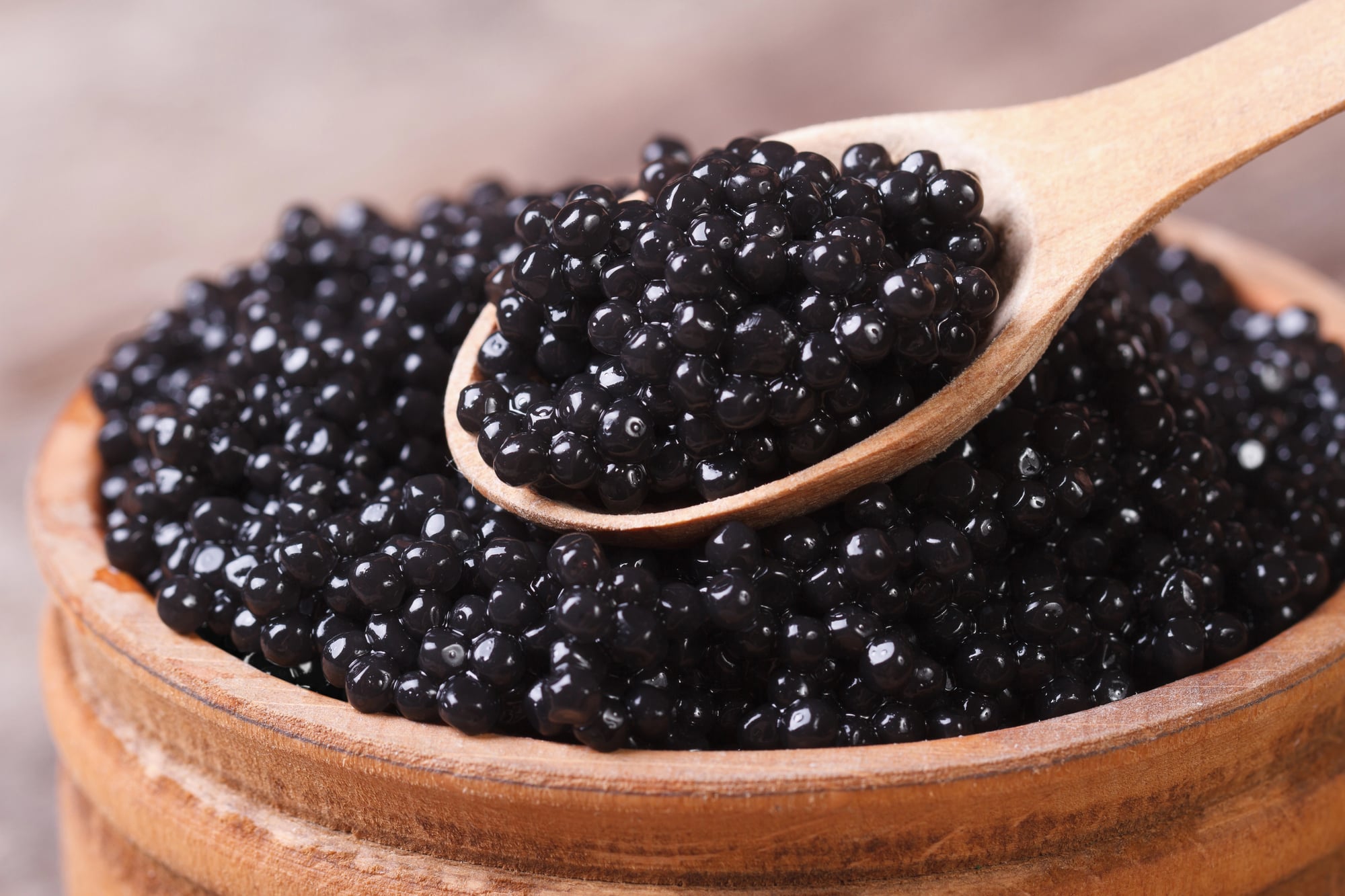
Beluga sturgeon, the source of the most prized caviar on earth, is listed as an endangered species. The US Fish and Wildlife Service banned beluga caviar imports in 2005 under the Endangered Species Act, and that ban has remained in place.
To be fair, the price tag alone would have kept it out of most kitchens regardless — but the legal barrier removes the option entirely.
Foie Gras From Certain Producers
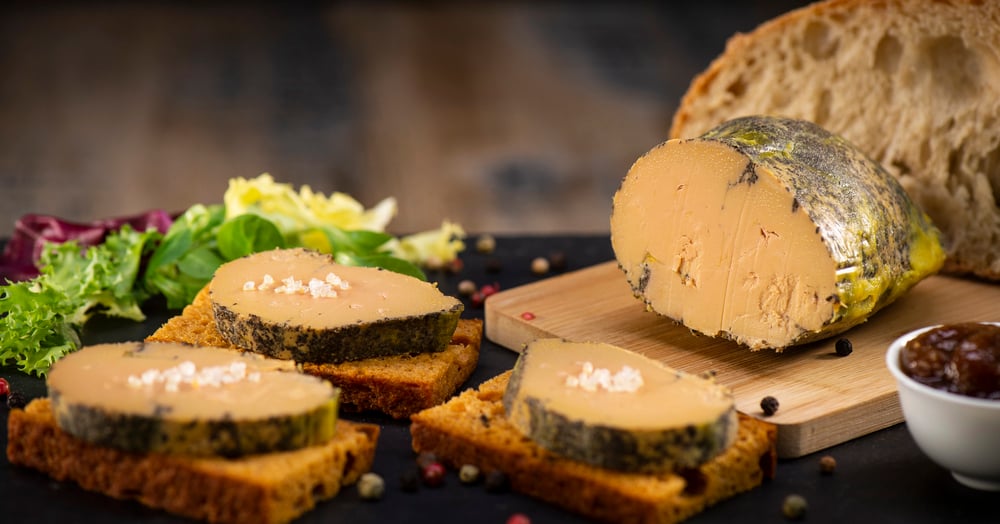
The legality of foie gras in the US is genuinely complicated — it’s not a nationwide federal ban, but import restrictions catch a significant portion of foreign-produced foie gras. The EU and US have clashed repeatedly over production standards, and products failing to meet USDA inspection requirements at the border are turned away.
California’s own state-level ban added another layer.
Cuban Rum and Cuban Cigars
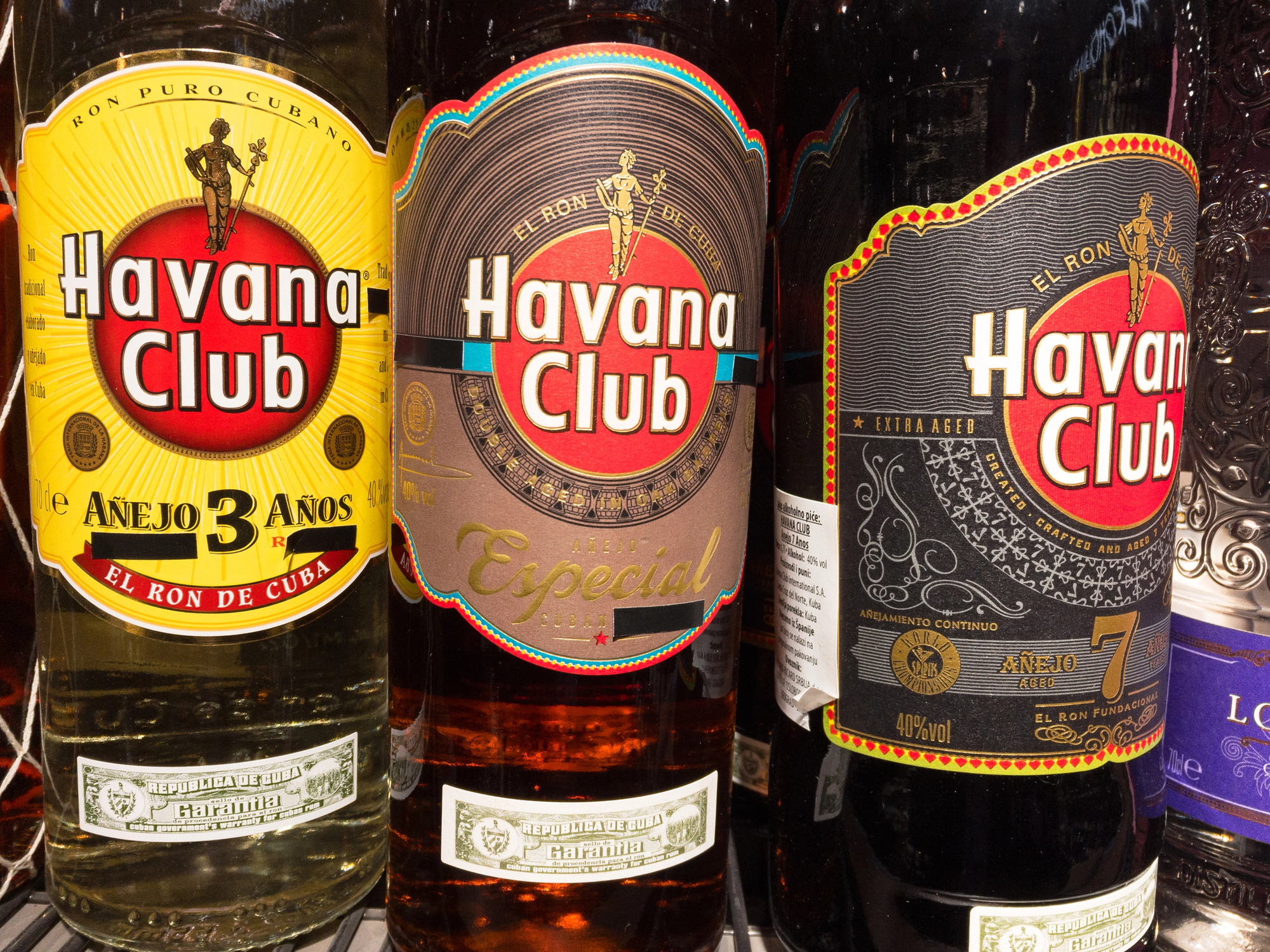
Decades of trade embargo have kept Cuban products out of American hands, and rum is no exception. The easing of restrictions under the Obama administration briefly allowed travelers to bring back limited quantities for personal use, but those rules have since tightened again — rum produced in Cuba remains subject to import bans tied to the broader embargo, not to food safety policy.
It’s geopolitics in a bottle.
Absinthe With Elevated Thujone
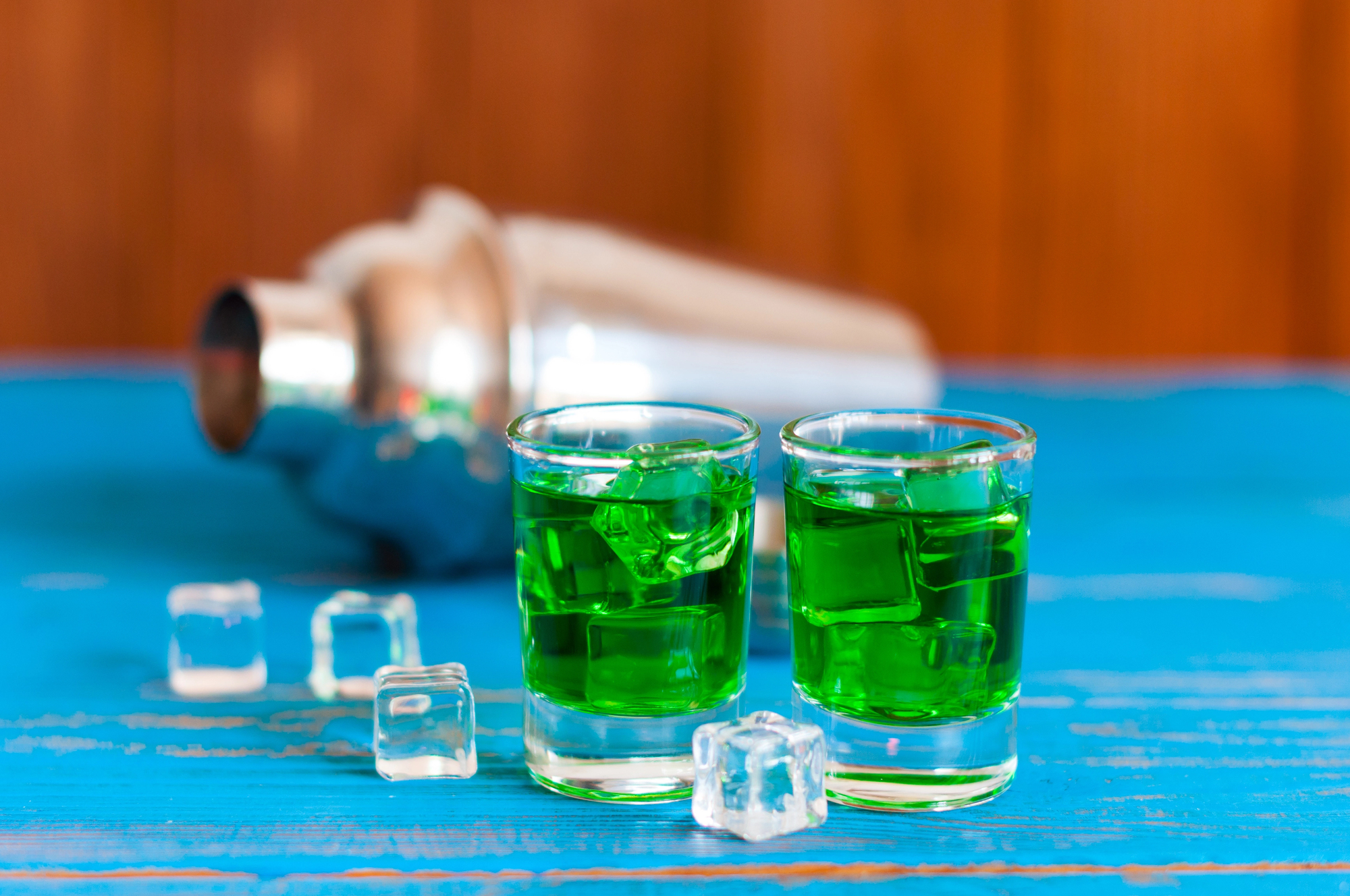
The mystique of absinthe — the green fairy, the Belle Époque artists, the alleged hallucinations — is inextricable from the plant that gives it its reputation: grand wormwood, which contains thujone. The TTB (Alcohol Tax and Trade Bureau) permits absinthe in the US only if thujone levels fall below 10 parts per million, which means traditional European absinthes with higher concentrations are blocked at the border, leaving behind something technically legal but spiritually compromised.
Fresh Ackee
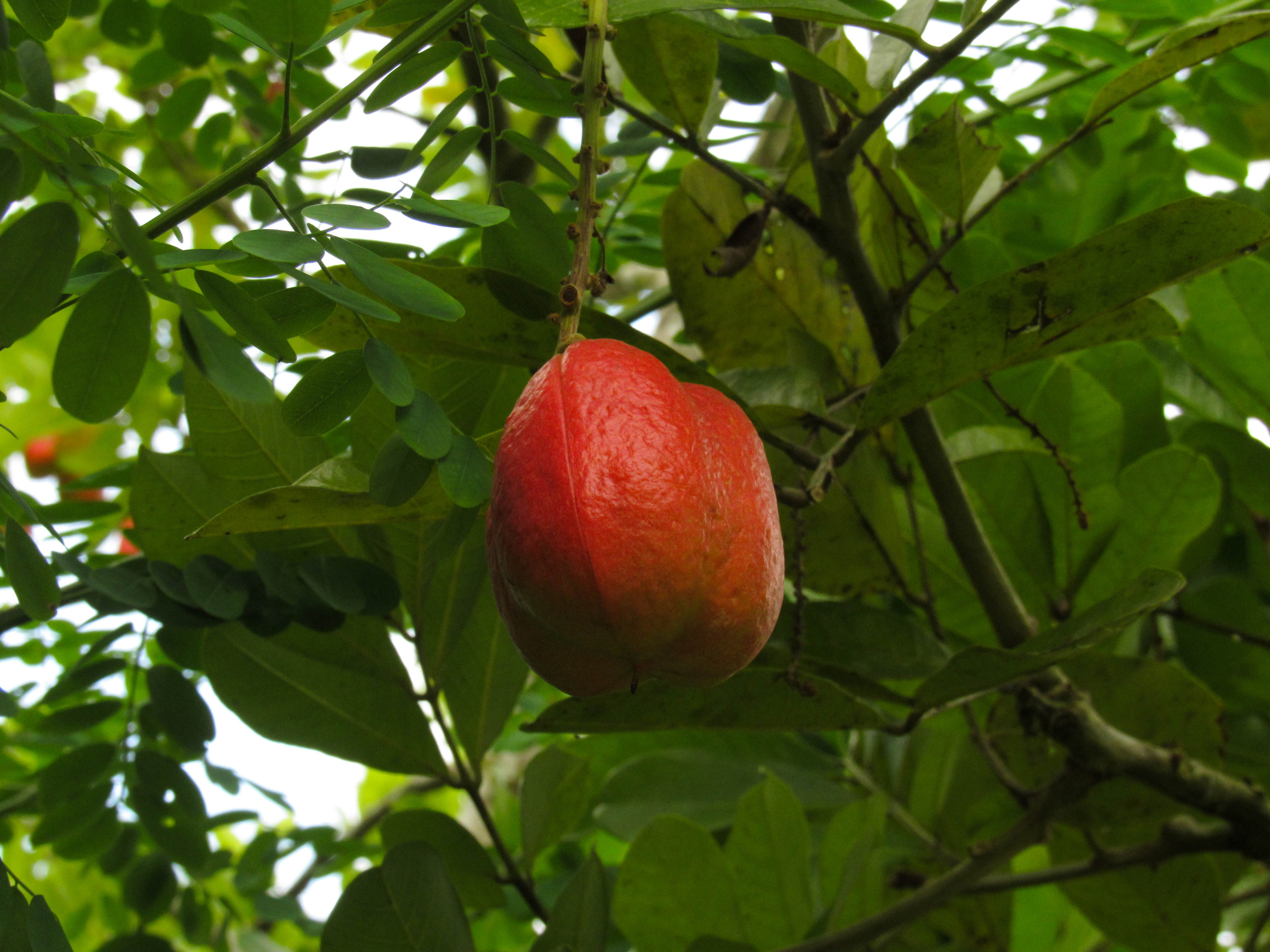
Jamaica’s national fruit is, under the wrong conditions, poisonous — the unripe arils contain hypoglycin A, a toxin that causes what’s known as Jamaican vomiting sickness. The FDA has historically restricted fresh ackee imports, permitting only canned ackee that has been processed to safe standards.
Fresh ackee, with its narrow window between dangerous and edible, doesn’t clear the regulatory threshold.
Mirabelle Plums
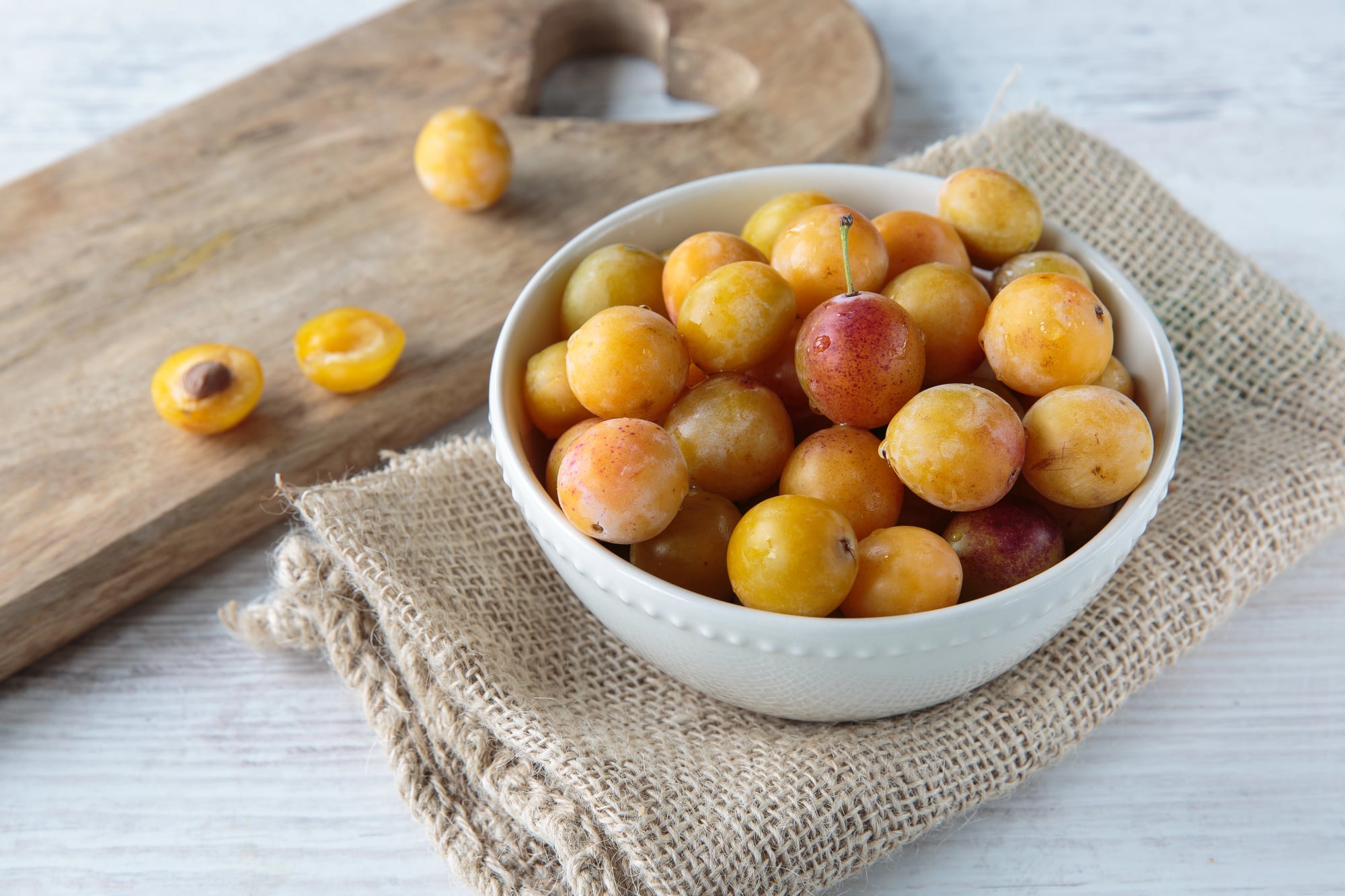
France is stubborn about its regional products, and Mirabelle plums — small, golden, intensely sweet, grown almost exclusively in Lorraine — are protected under French geographic indication laws. France has actively lobbied to restrict their export, arguing that Mirabelles grown elsewhere aren’t the real thing.
Fresh Mirabelles are essentially impossible to find in the US market; the combination of export restrictions and agricultural import rules keeps them away.
Bushmeat
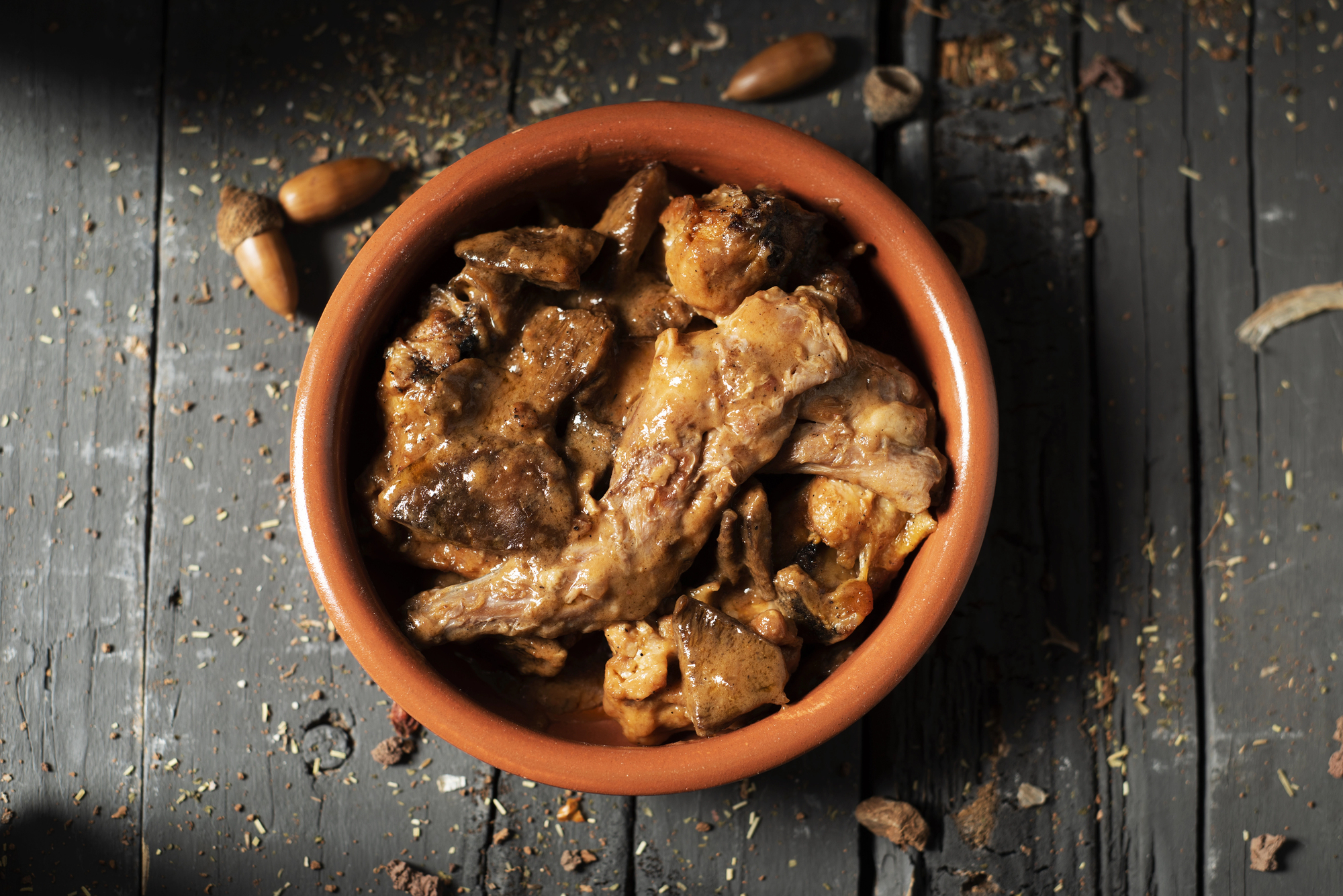
The term covers wild animal meat from Africa and elsewhere — primates, rodents, bats, and other species taken from the wild and sometimes smoked for preservation. The USDA prohibits importation of bushmeat due to the risk of introducing foreign animal diseases, and the CDC has flagged it as a potential conduit for zoonotic illness.
Customs agents have seized bushmeat in luggage at major airports for years.
Certain Varieties of Mangoes
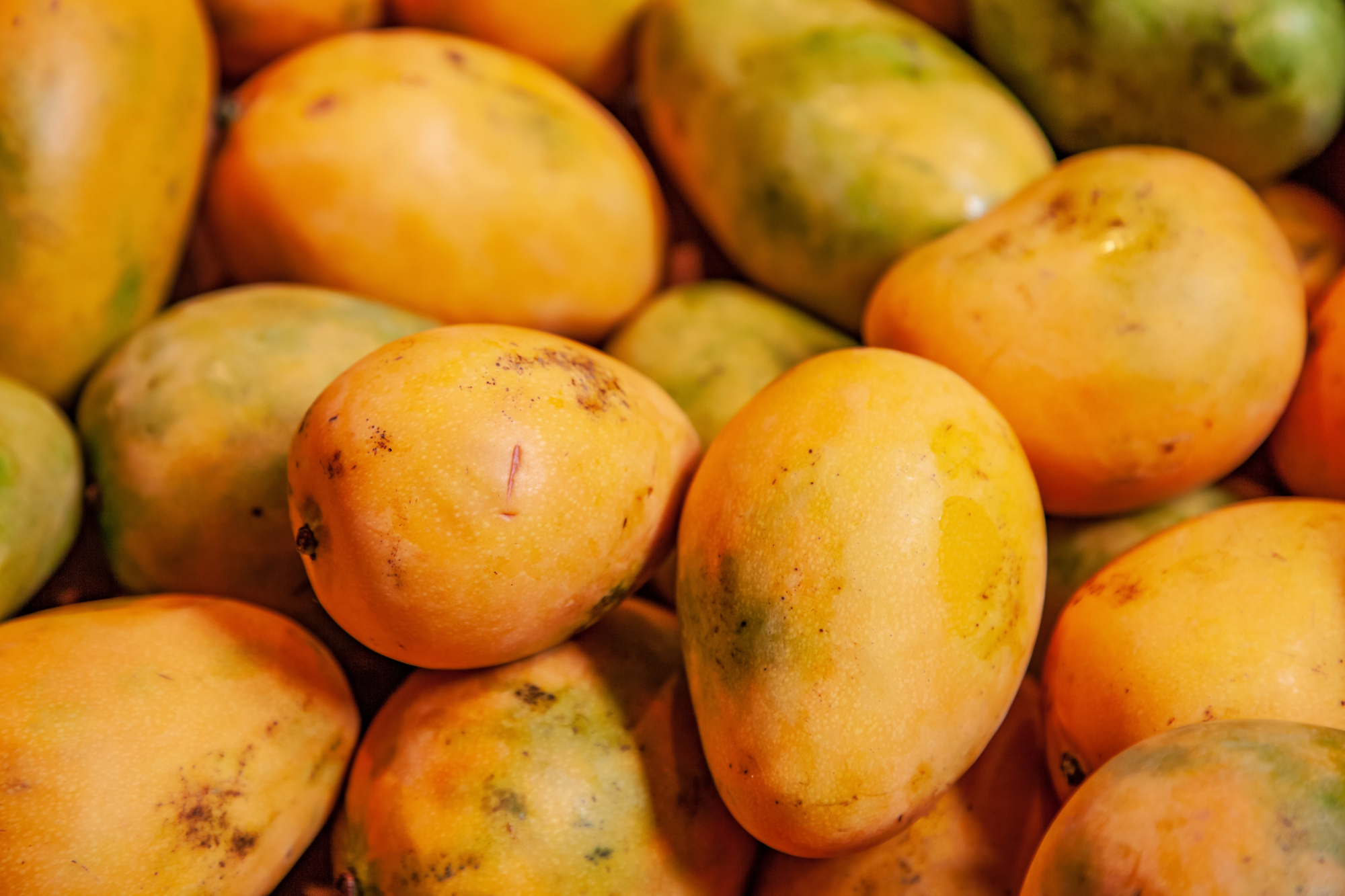
Not all mangoes are banned — plenty make it into the US just fine. But mangoes from specific countries require treatment before entry, typically either irradiation or hot water treatment, to eliminate the mango seed weevil and other agricultural pests.
Untreated mangoes from restricted regions, including parts of India and Pakistan, are not permitted entry. The mango itself isn’t the problem; what it might be carrying is.
Pig’s Blood Cake
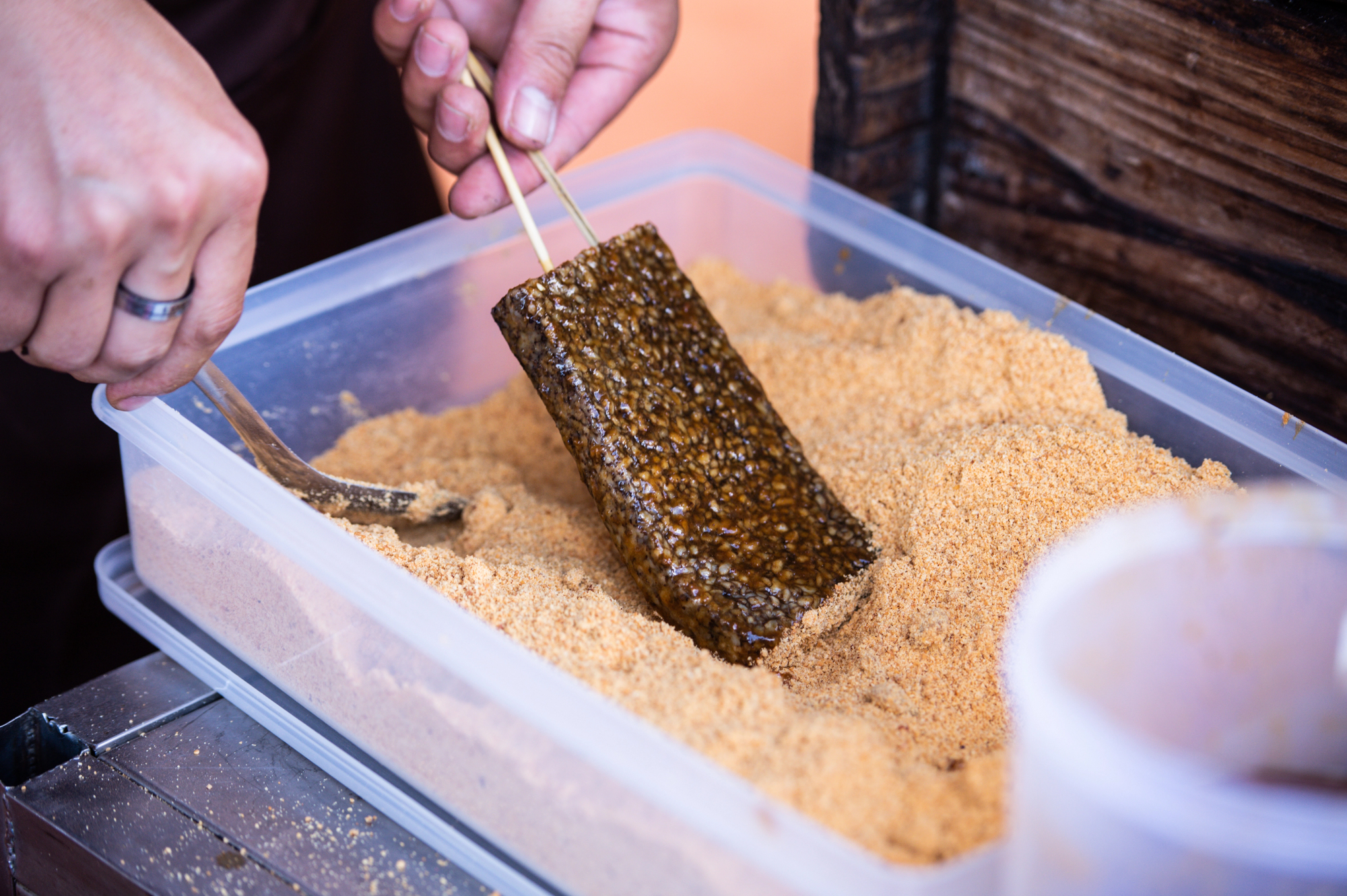
A beloved Taiwanese street food — glutinous rice and pig’s blood pressed into a block, skewered, and coated in peanut powder — runs directly into USDA regulations prohibiting blood-based food products from certain countries. The rule isn’t personal; it comes down to disease risk and the strict controls around animal blood in food.
But the result is that one of Taiwan’s most iconic snacks is effectively invisible in the American market.
Swallow Bird’s Nest (Uncertified)
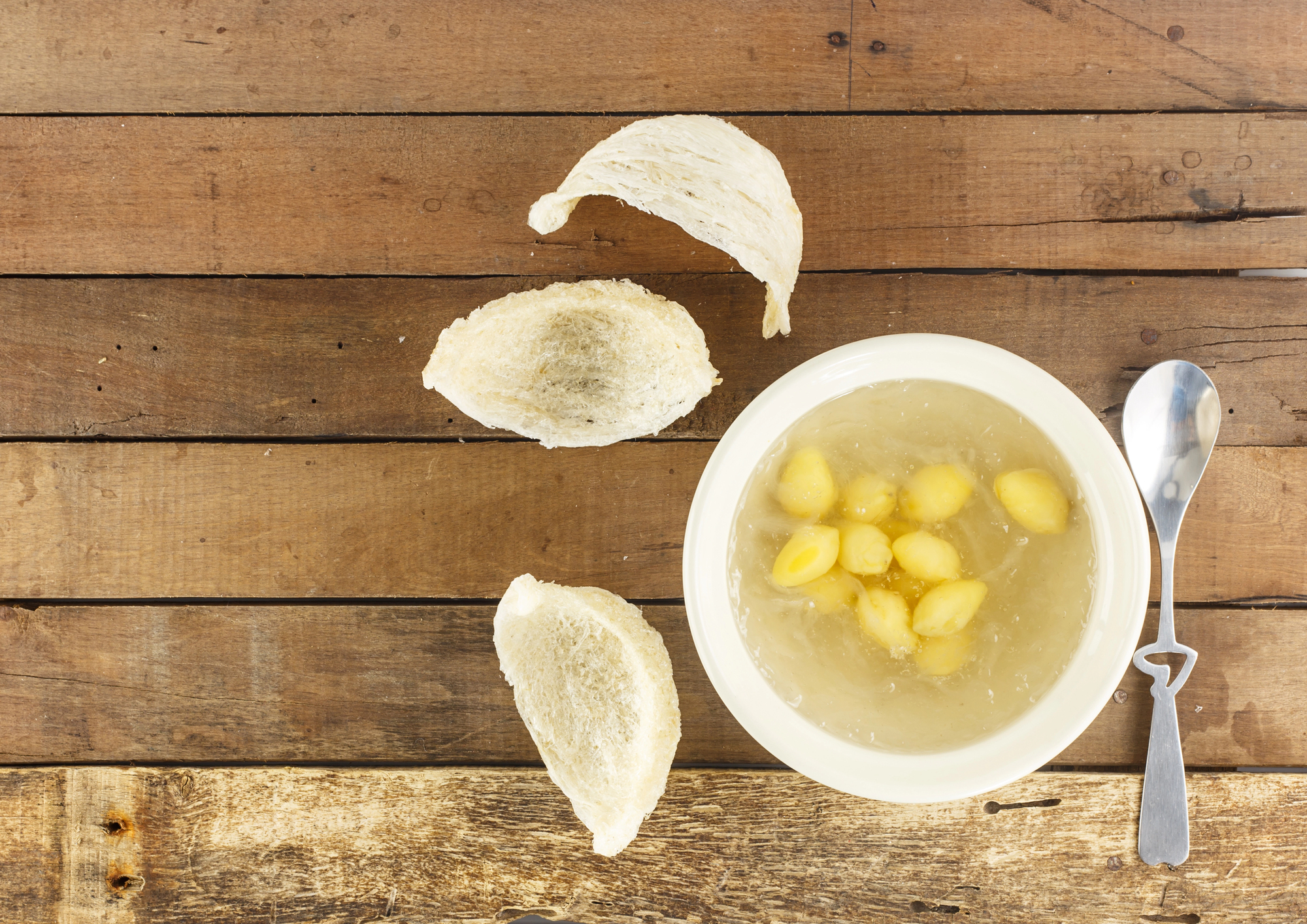
Bird’s nest soup, made from the dried saliva nests of swiftlets and considered a luxury item across much of East Asia, is not categorically banned — but importation is tightly regulated and most uncertified nests are stopped at the border. The FDA requires that bird’s nests undergo processing to eliminate the risk of avian disease, and nests arriving without proper certification are confiscated.
The approved versions that do reach the US carry price tags that reflect every step of that process.
Raw Milk
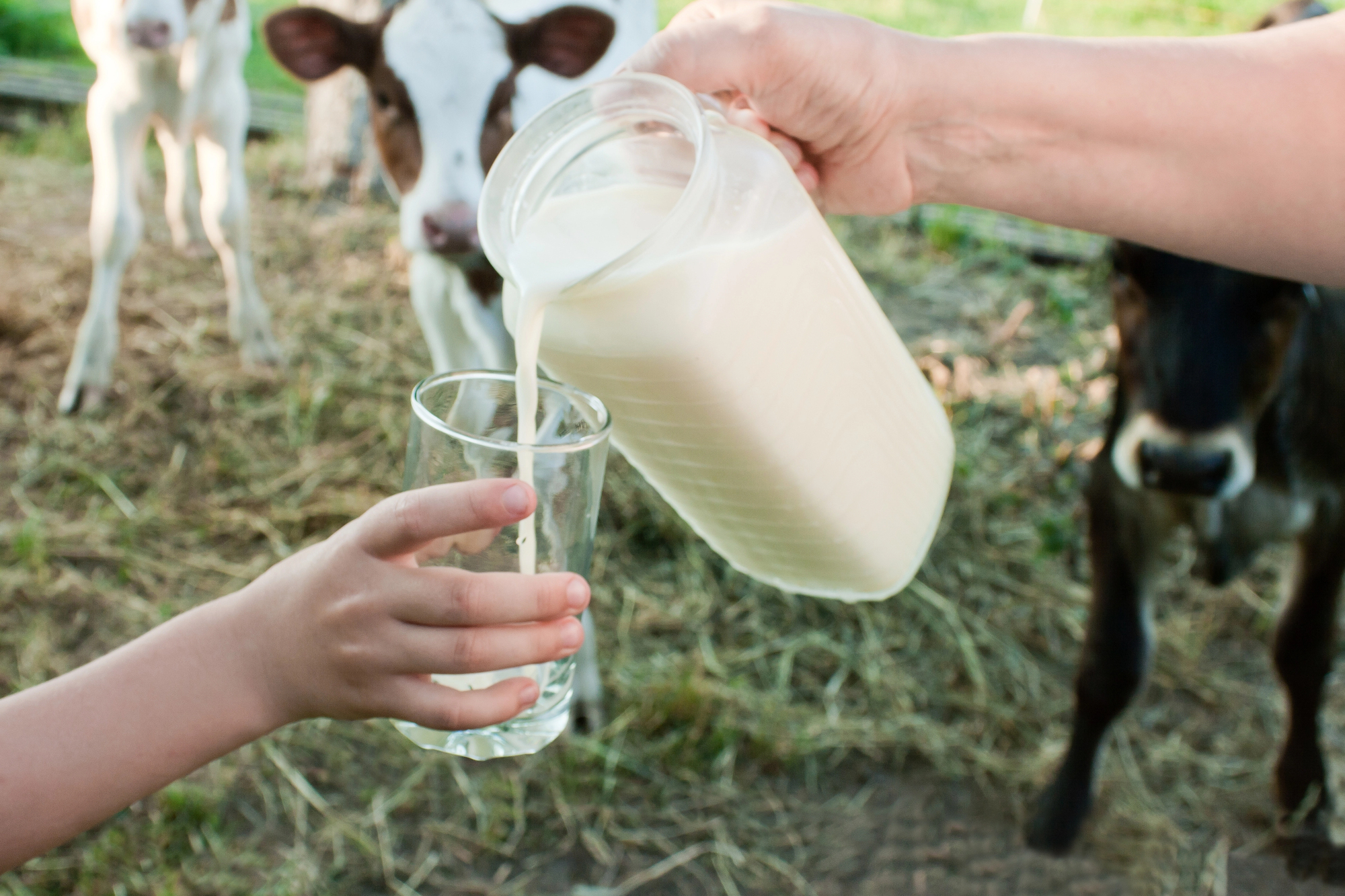
The US federal government prohibits the interstate sale and transport of raw milk for human consumption, and importing raw dairy products that don’t meet pasteurization standards follows the same logic. The FDA’s position is unambiguous: unpasteurized milk carries meaningful risk of E. coli, Salmonella, and Listeria.
Bringing raw milk across an international border and into US commerce is a federal offense, regardless of how common it is in the country of origin.
Puffer Fish (Fugu) From Non-Approved Processors
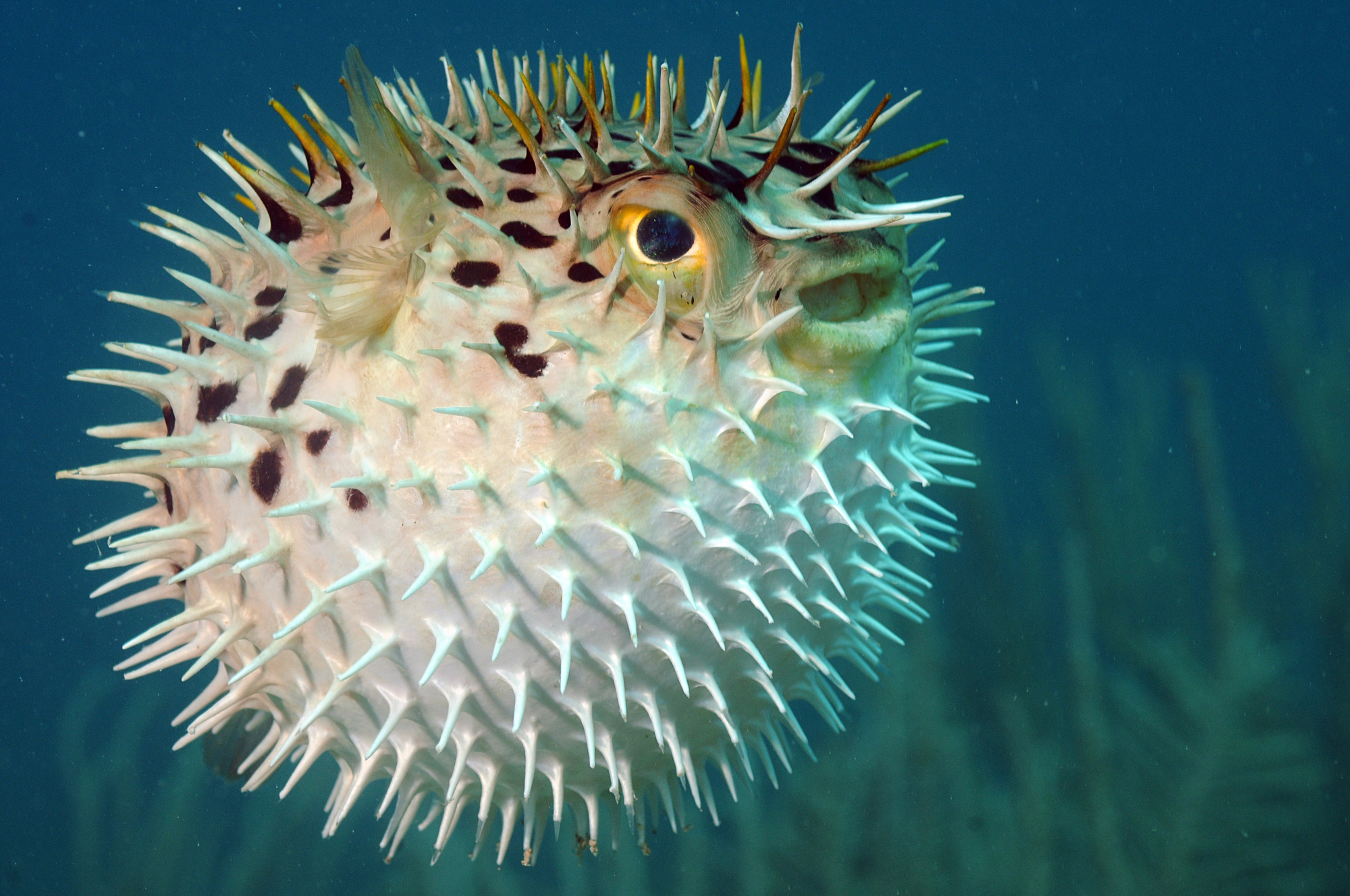
Fugu — the Japanese delicacy prepared from puffer fish containing lethal tetrodotoxin — is legal in the US only when processed by FDA-approved facilities in Japan. A tiny number of restaurants in the US are permitted to serve it.
But importing it from unapproved sources, or attempting to bring it in personally, is blocked. The margin between a properly prepared portion and a fatal one is apparently not something customs is willing to leave to chance.
Certain Wild Mushrooms
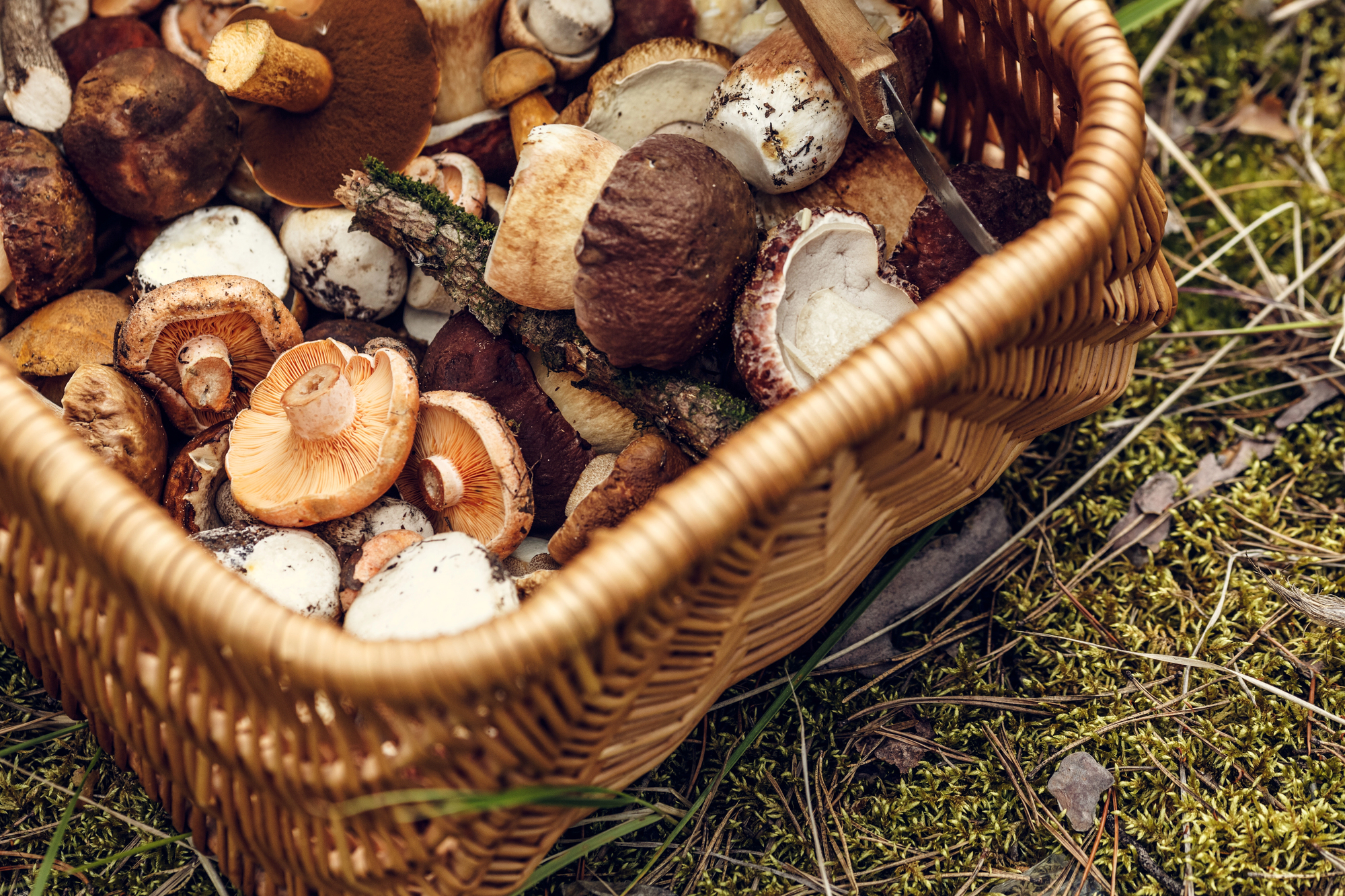
The US places restrictions on wild-harvested mushrooms imported from certain countries, particularly where traceability and species verification are concerns. Mislabeling is the core issue — some toxic species are visually similar to edible ones, and without rigorous inspection, the risk of contamination in a commercial shipment is real.
Dried mushrooms from specific origins have been held and rejected at ports of entry for failing to meet FDA labeling and safety requirements.
Horse Meat
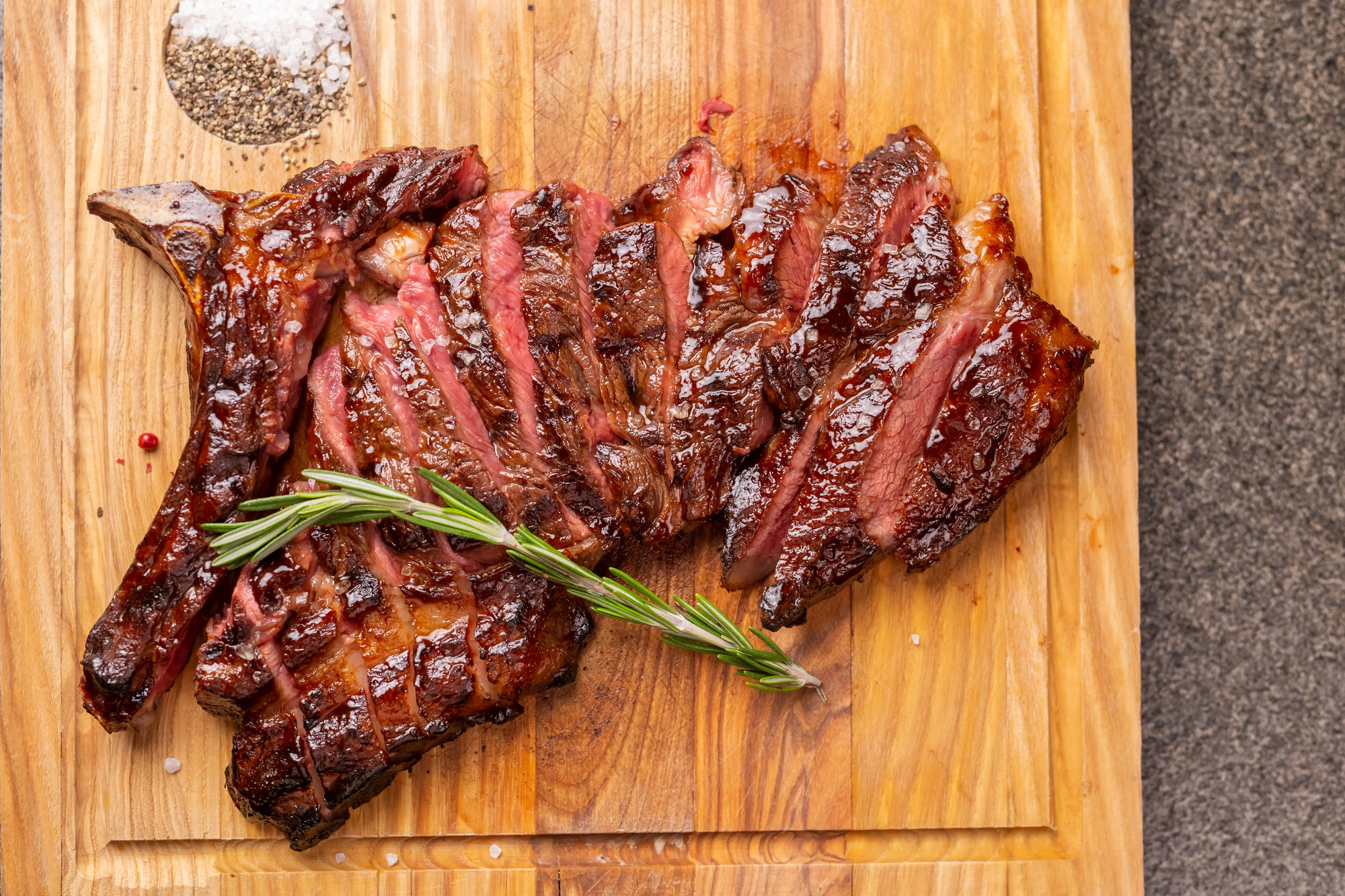
Selling horse meat for human consumption in the US occupies a strange regulatory space — it’s not federally banned outright, but Congress has repeatedly defunded USDA inspection of horse slaughter facilities, which effectively prevents any domestic or imported horse meat from entering the commercial food supply legally. Importing it from abroad without that inspection pathway is a non-starter.
The American relationship with horses makes this one feel more cultural than regulatory, even if the mechanism is bureaucratic.
South Asian Citrus Fruits
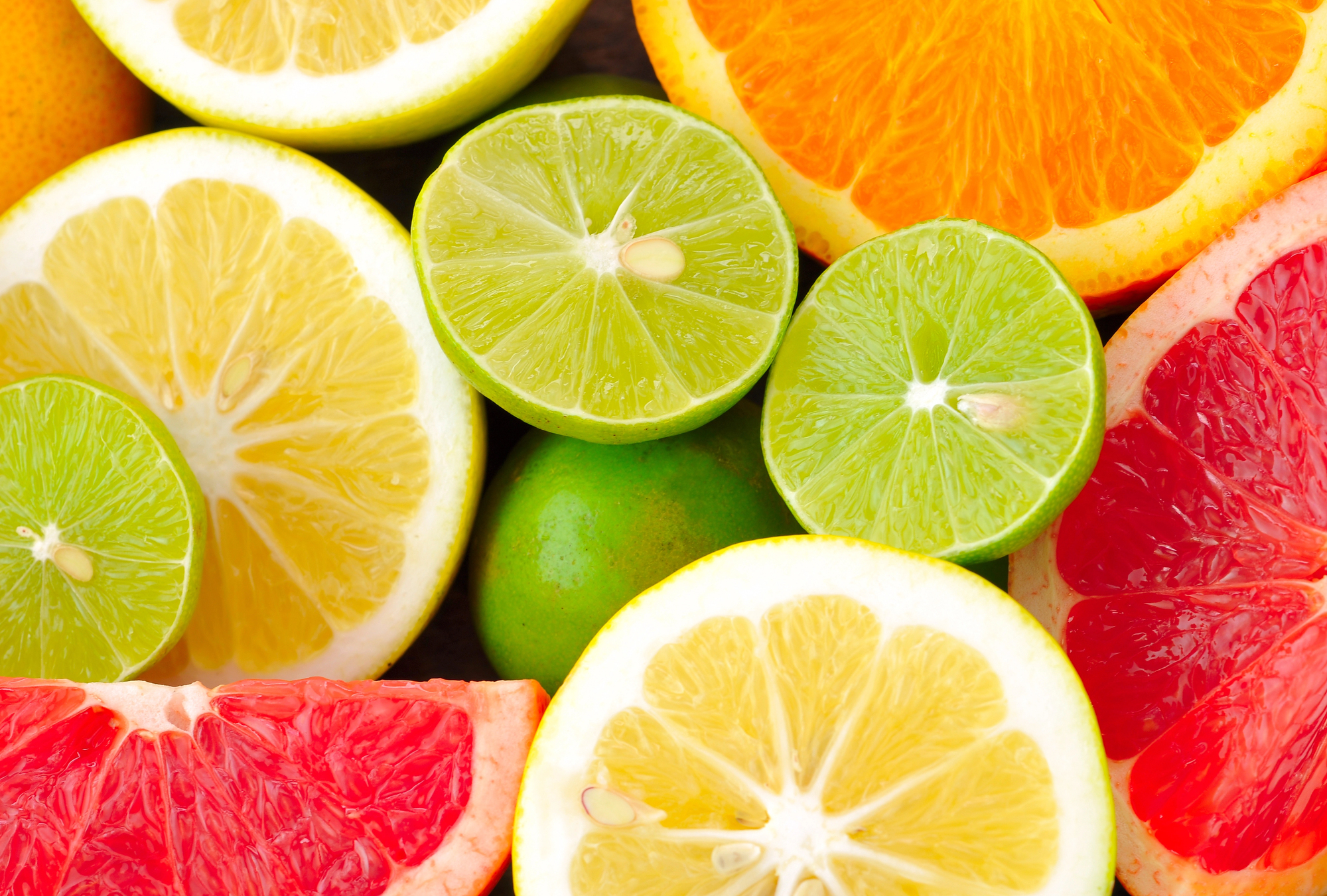
Certain citrus varieties from South and Southeast Asia are restricted due to the risk of citrus greening disease and the Asian citrus psyllid, an insect that devastates citrus crops. Once citrus greening takes hold in an orchard, recovery is nearly impossible — it’s the kind of agricultural threat the USDA treats as an existential one.
Fruits from restricted regions are stopped regardless of how they look, because the threat is microscopic.
Unpasteurized Fruit Juices
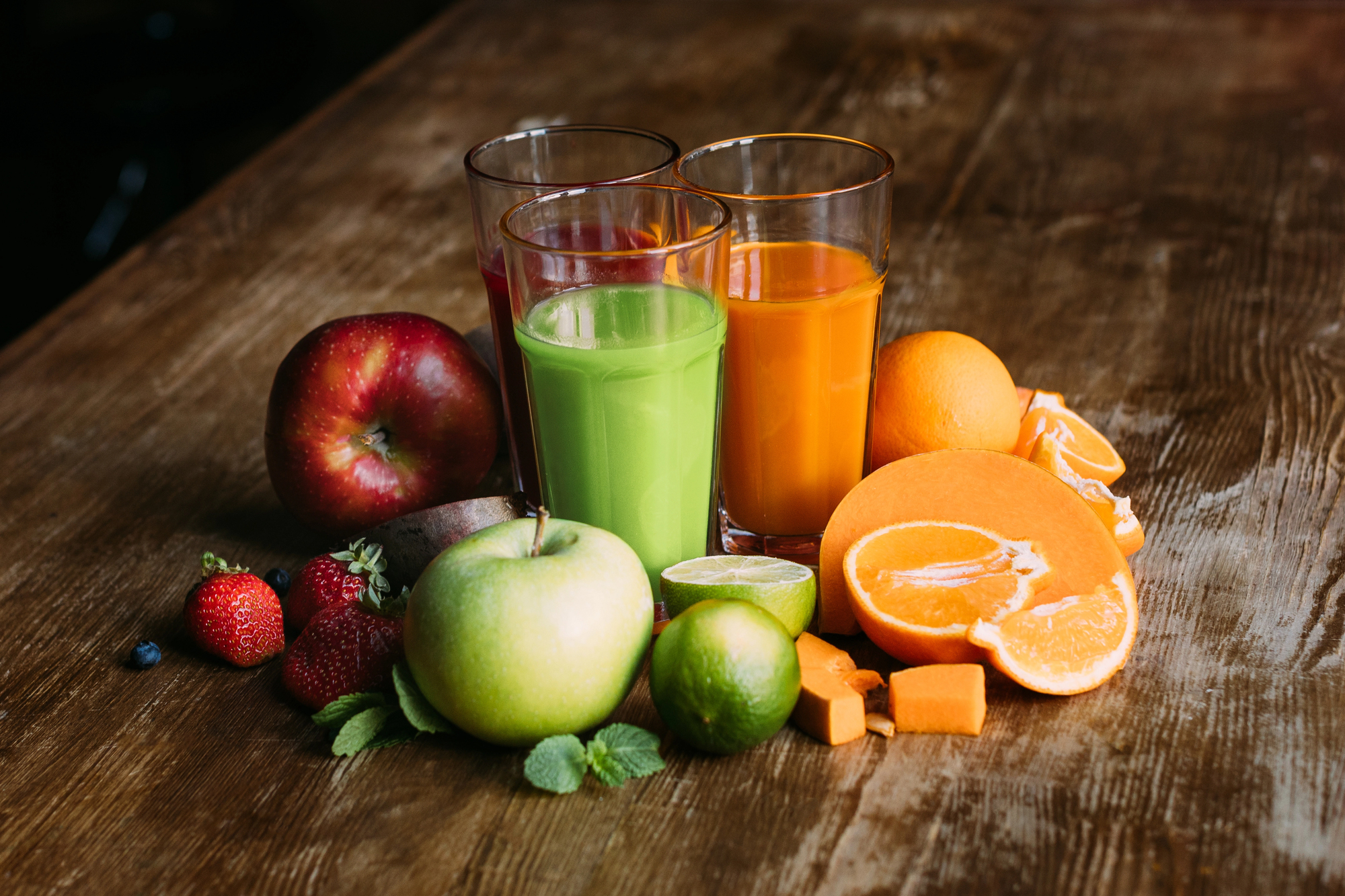
Fresh-pressed, unpasteurized juice is a common find in markets across Europe, Latin America, and Asia. In the US, the FDA requires warning labels on unpasteurized juices sold domestically and effectively prohibits their import for retail sale.
The risk of E. coli — most notoriously in apple cider, following a 1996 outbreak that killed several people — made the FDA’s position on this one permanent.
Dirt (Yes, Dirt)

In several cultures, particularly across parts of West Africa and the American South historically, consuming certain types of clay or earth is a recognized practice tied to pregnancy cravings, tradition, or mineral supplementation. Importing soil or dirt for human consumption is prohibited by the USDA and the FDA simultaneously — soil is a known vector for agricultural pests, parasites, and foreign pathogens.
Customs has confiscated packages of clay marketed as food products on multiple occasions.
Ortolan Bunting
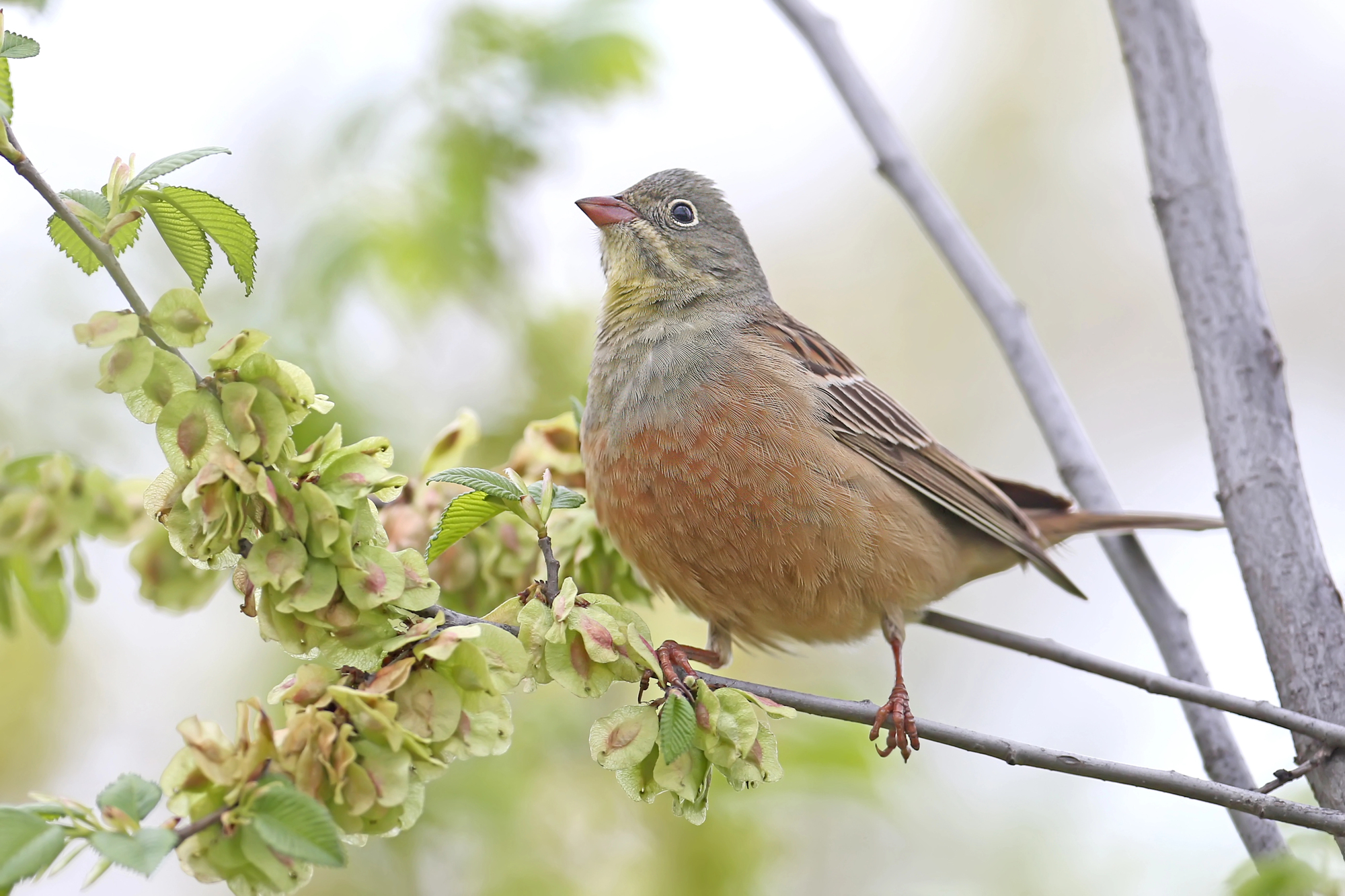
The ortolan is a small songbird, and the traditional French preparation — drowned in Armagnac, roasted whole, and eaten in a single bite beneath a cloth napkin — is one of the most notorious dishes in culinary history. It’s banned in France itself now, and importing it into the US is illegal under the Migratory Bird Treaty Act, which protects the species.
The napkin, legend holds, was to hide the act from God. Customs officers are less philosophical about it.
African Catfish
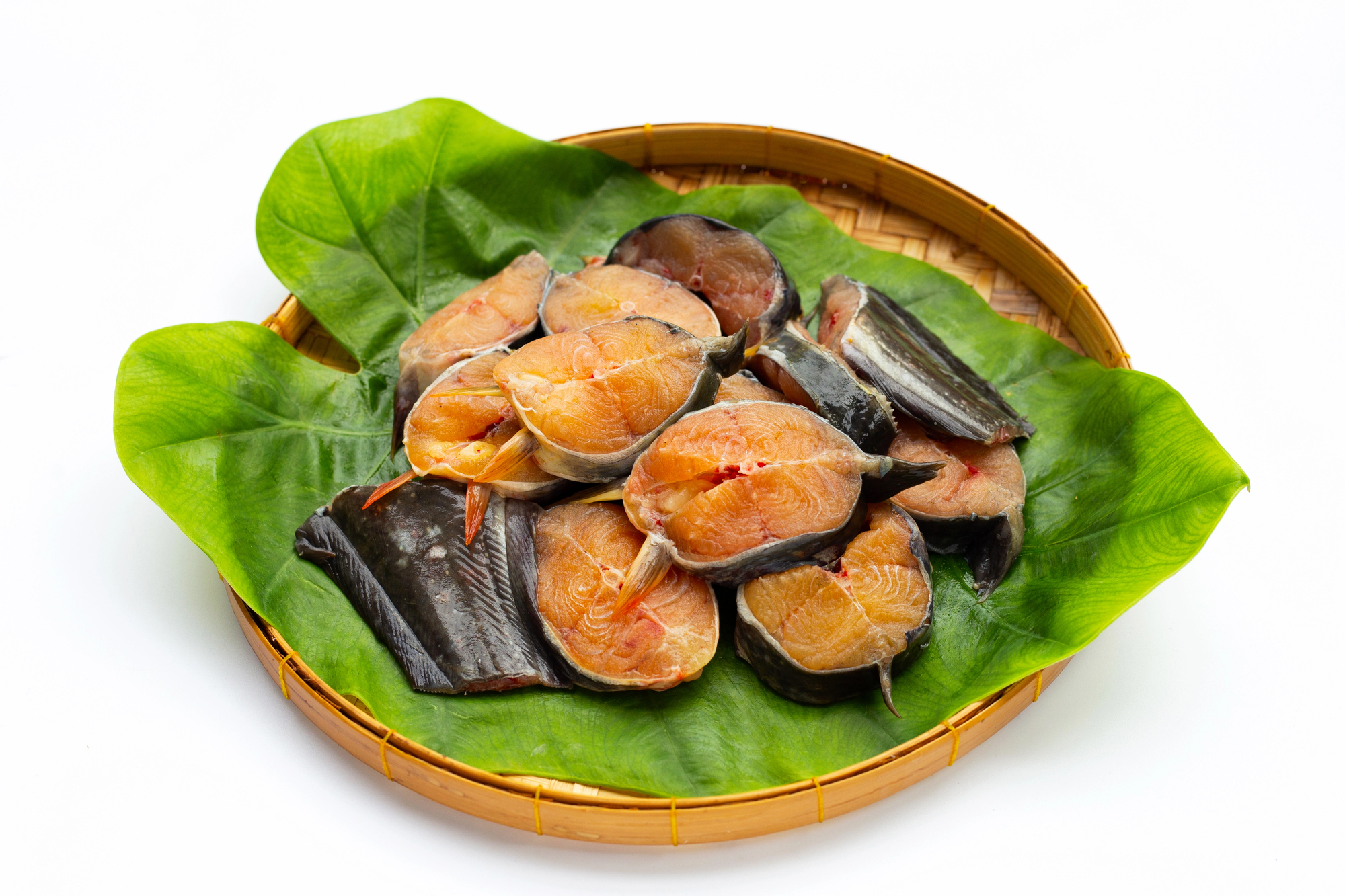
Certain species of African catfish are restricted from import due to concerns about invasive species and aquatic disease. The walking catfish in particular — capable of surviving on land long enough to travel between water sources — is classified as injurious wildlife under the Lacey Act.
Bringing it into the country alive, or in some cases even as food, triggers federal wildlife regulations rather than just agricultural ones.
Sassafras Oil
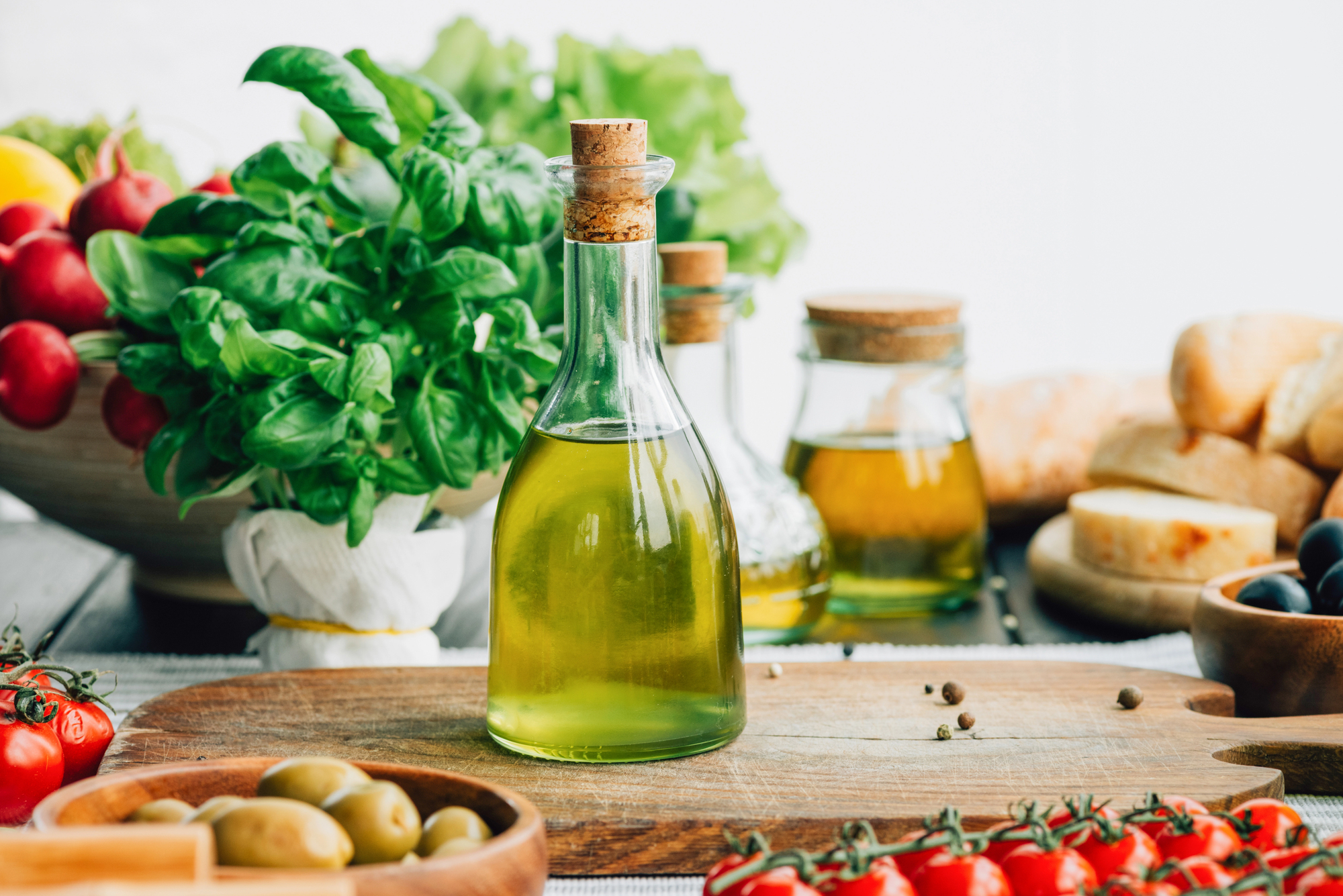
Sassafras oil — and, by extension, products containing safrole, the compound derived from sassafras root — was banned by the FDA in 1960 after studies linked safrole to liver cancer in animals. Traditional root beer was once made with sassafras, and some Caribbean and South American food products still use safrole-containing oils in ways that wouldn’t pass FDA import standards.
The oil itself cannot be legally imported for use in food or beverages.
Authentic Champagne (Technically)

This one requires precision: Champagne as a protected designation of origin belongs exclusively to the Champagne region of France, and the product itself can enter the US legally. What cannot exist in the US market, under label compliance rules enforced through trade agreements, is a domestically produced sparkling wine labeled “Champagne” — and some imported products that blur regional designation claims face scrutiny at the border.
The label is the product, in regulatory terms, and the rules around it are older and more entrenched than most realize.
A Border Worth Understanding
The US Customs and Border Protection website lists pages of restricted and prohibited agricultural products, and the list changes as new disease threats emerge, new trade agreements are signed, and new studies come in. Most of these restrictions exist for defensible reasons — the US agricultural industry, worth hundreds of billions of dollars annually, is genuinely vulnerable to foreign pests and pathogens in ways that aren’t always visible until something goes wrong.
But some of these bans carry a different weight: they represent food cultures, traditions, and flavors that Americans simply never get to encounter in their original form. That’s not a crisis, but it’s worth sitting with.
The world’s food is stranger, richer, and more varied than any border can fully account for.
More from Go2Tutors!

- The Romanov Crown Jewels and Their Tragic Fate
- 13 Historical Mysteries That Science Still Can’t Solve
- Famous Hoaxes That Fooled the World for Years
- 15 Child Stars with Tragic Adult Lives
- 16 Famous Jewelry Pieces in History
Like Go2Tutors’s content? Follow us on MSN.