Places Where Nature and Science Collide
Some locations on Earth exist at the perfect intersection of natural wonder and scientific discovery. These remarkable places serve as living laboratories where researchers unlock the mysteries of our planet while nature puts on spectacular displays that captivate the imagination. From steaming geysers to frozen research stations, these sites demonstrate how the boundaries between natural phenomena and scientific exploration often blur in the most fascinating ways.
Here is a list of incredible places where nature’s raw power meets humanity’s quest for knowledge, creating environments that advance our understanding of everything from climate change to the cosmos.
Yellowstone National Park, USA
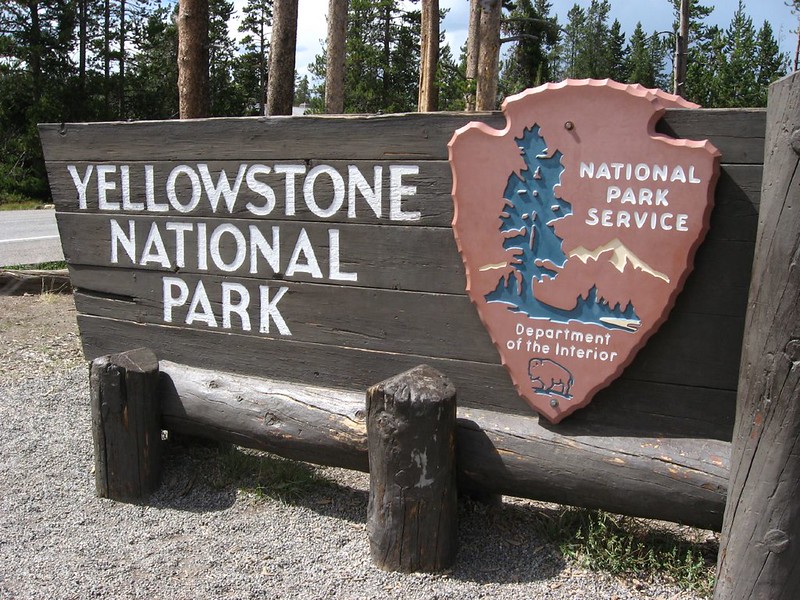
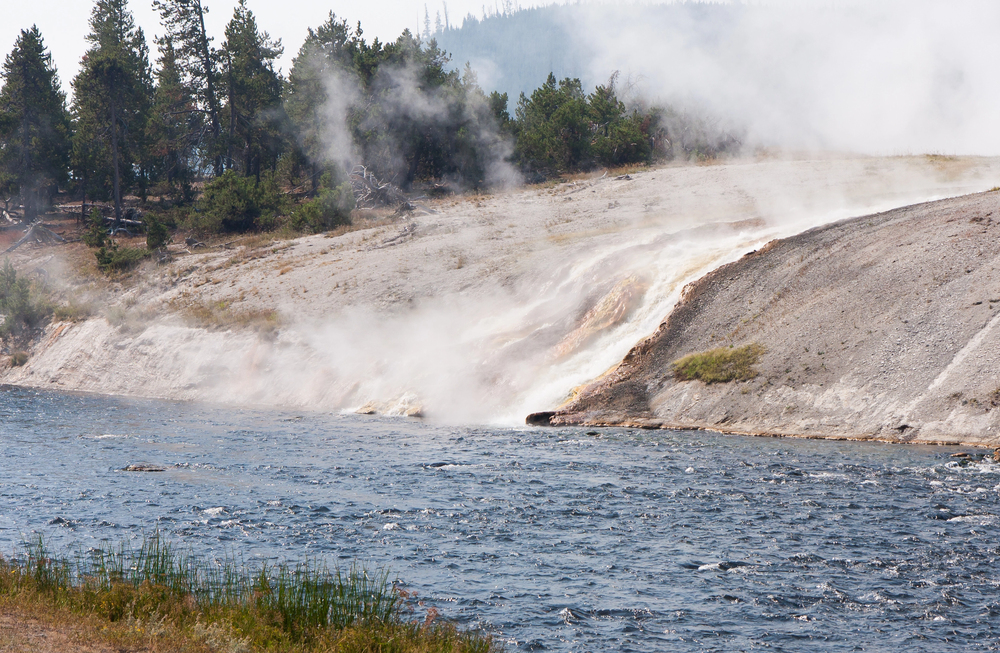
Yellowstone hosts more than 10,000 hydrothermal features including hot springs, geysers, fumaroles, and mud pots, with about half of the world’s geothermal features contained within the park’s boundaries. The park functions as a massive natural laboratory where scientists study everything from geothermal processes to volcanic activity. Researchers use the park’s geysers as natural laboratories to study processes that may be similar to those operating in volcanoes. The Yellowstone Volcano Observatory monitors the underground magma chamber that sits just 3-4 miles beneath visitors’ feet, using GPS stations and satellite technology to track ground movement within millimeters.
McMurdo Station, Antarctica
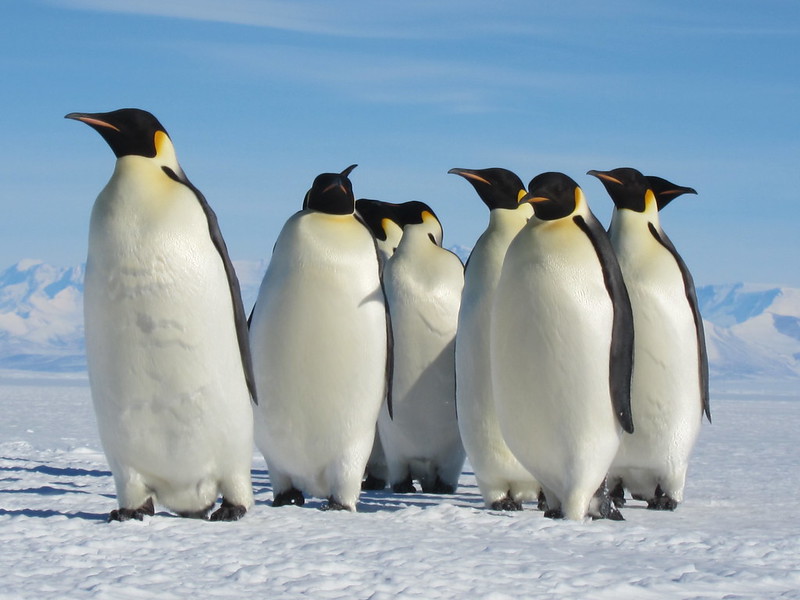
McMurdo Station is the largest community in Antarctica, capable of supporting up to 1,200 residents during the austral summer, serving as a key gateway and logistics hub for projects across Antarctica. This research base sits where extreme polar conditions meet cutting-edge scientific investigation. Scientists here study everything from ice core samples that reveal 120,000 years of climate history to Antarctic wildlife like Emperor penguins and unique marine life. The station serves as a site for studying Mount Erebus, an active volcano with an exposed lava lake, and geological formations such as ice caves formed by volcanic gases.
Arecibo Observatory, Puerto Rico
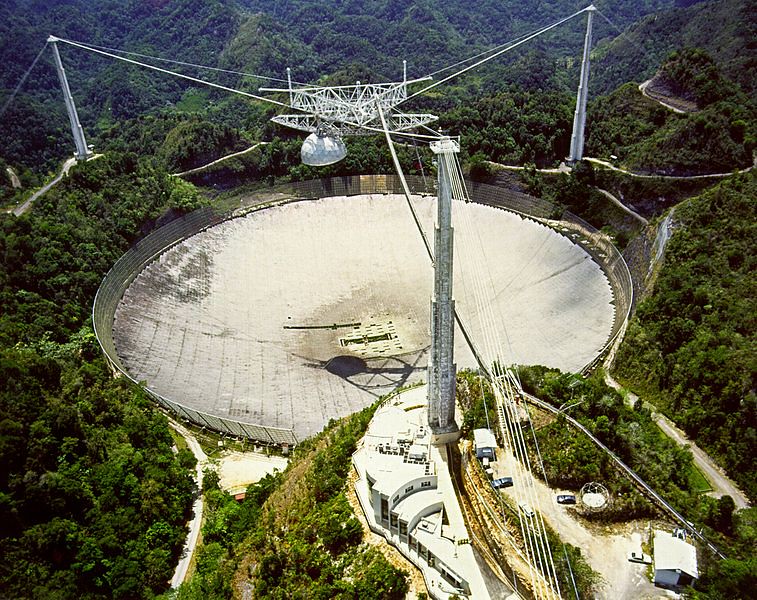
Before its collapse in 2020, the massive 305-meter radio telescope at Arecibo represented one of the most dramatic meetings of tropical nature and space science. Scientists using the Arecibo Observatory discovered the first extrasolar planets around the pulsar B1257+12 in 1992. The telescope, built into a natural sinkhole surrounded by lush Puerto Rican rainforest, made groundbreaking discoveries including detailed radar maps of the surface of Venus and Mercury and the discovery that Mercury rotated every 59 days instead of 88 days. Its unique setting demonstrated how human technology can harness natural geography for cosmic exploration.
Halley VI Research Station, Antarctica
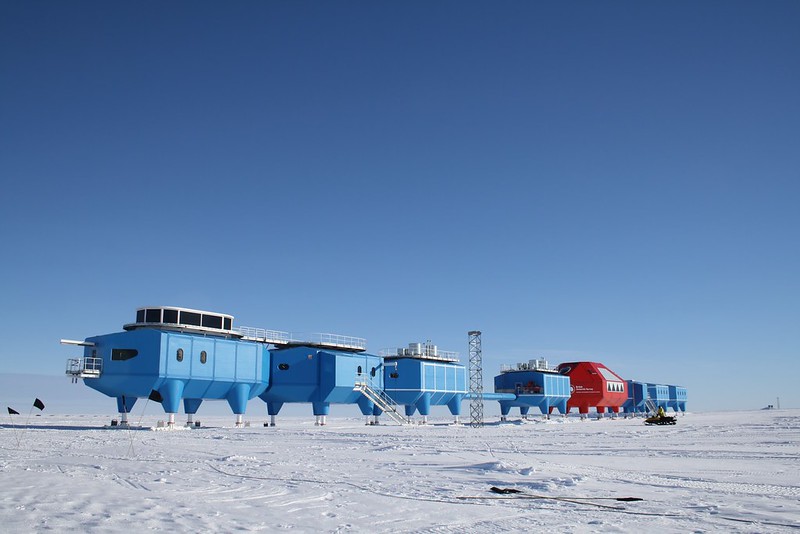
Halley Research Station is an internationally important platform for global earth, atmospheric and space weather observation in a climate sensitive zone, built on a floating ice shelf in the Weddell Sea. This remarkable facility moves with the ice while conducting world-changing research. It was research at Halley that led to the first of many scientific breakthroughs – with the pit in the ozone layer first discovered in 1985. The station’s innovative design allows it to be relocated as needed, adapting to the dynamic Antarctic environment while maintaining crucial atmospheric and space weather monitoring.
Death Valley National Park, USA
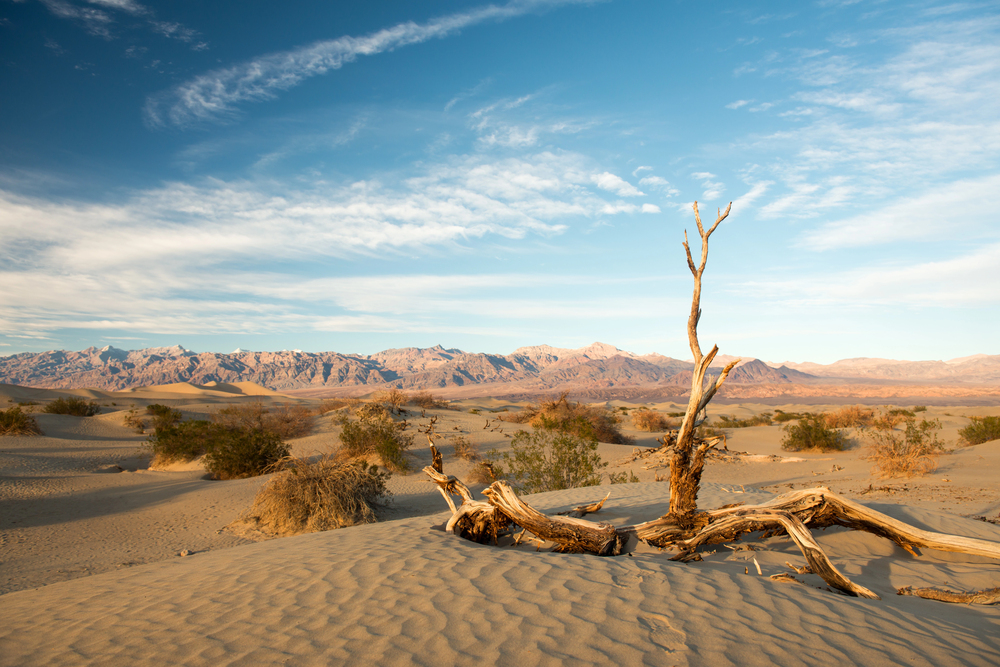
The sailing stones of Death Valley’s Racetrack Playa create one of nature’s most puzzling spectacles that scientists spent decades trying to solve. On the dry lakebed of Racetrack Playa, rocks sail across the desert floor propelled by a mysterious power, with some trails extending as long as 1,500 feet. In 2014, a time-lapse capture helped scientists determine the sailing stones were likely due to a perfect combination of ice, water, and wind. This harsh desert environment, where temperatures can be extreme, provides researchers with insights into geological processes that occur in one of Earth’s most unforgiving landscapes.
Norris Geyser Basin, Yellowstone
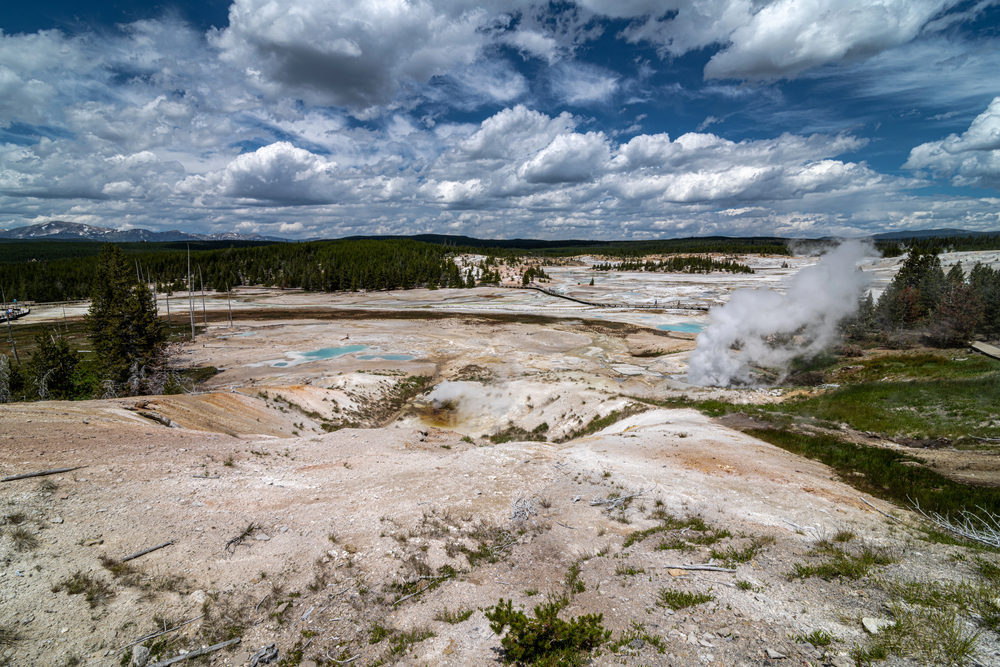
Norris Geyser Basin is the park’s oldest geothermal area and home to Steamboat Geyser, the world’s tallest geyser, which shoots water up to about 330 feet in the air on an unpredictable schedule. This dynamic thermal area constantly changes and evolves, with new features appearing regularly. In 2024, Yellowstone geologists discovered a new baby hydrothermal feature that formed between December 2024 and February 2025, creating a pool about 13 feet across filled with 109-degree-Fahrenheit water. Scientists use advanced monitoring equipment including seismic sensors and GPS stations to understand the complex underground plumbing system.
Vaadhoo Island, Maldives

The beaches of Vaadhoo Island glow with an otherworldly blue light that captivated both tourists and marine biologists alike. Known as bioluminescence, this biological light is produced by marine microorganisms called phytoplankton, which illuminate beaches around the world. Bioluminescent organisms emit light when they are stressed or when the water is unsettled, resulting in a glow-in-the-dark sprinkling of what looks like radioactive fairy dust. This natural phenomenon provides scientists with insights into marine ecosystems and the adaptive strategies of microscopic ocean life.
Brazil’s Atlantic Forest
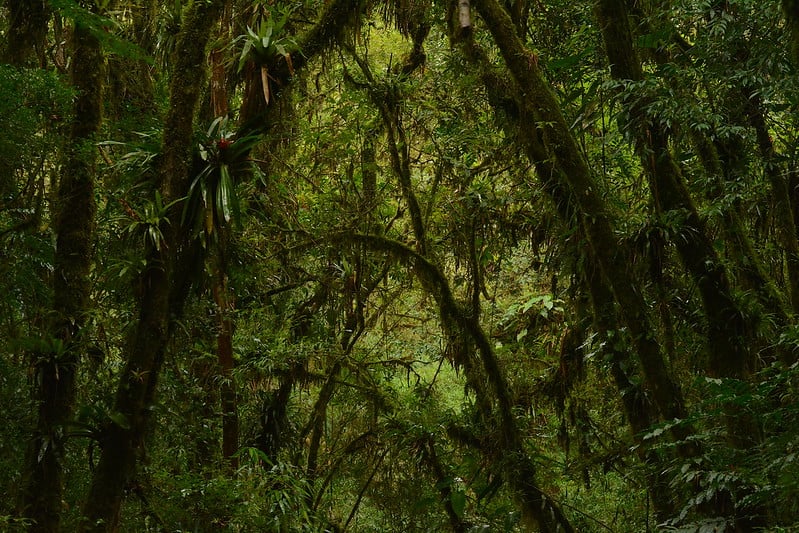
The Atlantic Forest houses one of nature’s most magical scientific phenomena: glowing mushrooms. Brazil’s Atlantic Forest contains about 20 species of bioluminescent fungi that flourish in humidity and grow on tree bark or fallen branches. Scientists recently discovered why this happens: the fungi produce light to attract insects and spiders that will then help spread their spores throughout the forest. These tiny organisms demonstrate how evolution creates remarkable solutions for reproduction and survival in dense forest environments.
Southwestern Research Station, Arizona
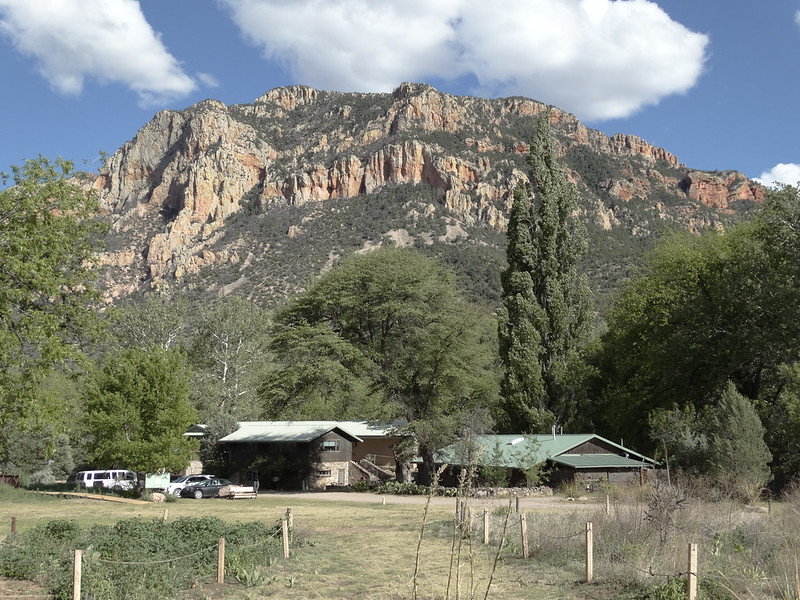
Located in the Chiricahua Mountains of southeastern Arizona, the Southwestern Research Station is situated in the heart of the Madrean Sky Island Archipelago stretching from the tropical Sierra Madre Occidental up to the Rocky Mountains. This biological field station provides researchers with access to incredible biodiversity where desert, mountain, and tropical ecosystems converge. Nearby habitats include an elevational gradient from low desert to alpine meadows, rich riparian areas, and a unique blend of Chihuahuan and Sonoran Desert species. Scientists here study everything from evolutionary biology to climate adaptation.
Lake Natron, Tanzania
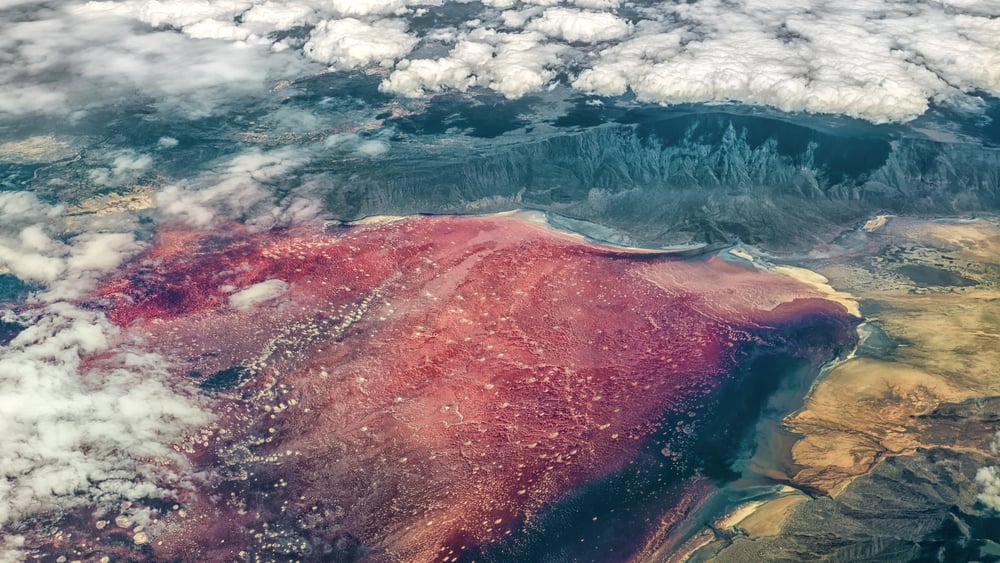
Lake Natron presents one of nature’s most extreme environments where life persists against incredible odds. Lake Natron is so alkaline that animals that die and fall into the lake don’t decompose, and photosynthesising pigment in cyanobacteria in the water produces the lake’s deep red color. This harsh soda lake serves as a natural laboratory for studying extremophile organisms and provides insights into how life might exist in similarly extreme environments elsewhere in the universe. The lake’s unique chemistry creates conditions that both preserve and support life in unexpected ways.
Iceland’s Geysir Geothermal Area
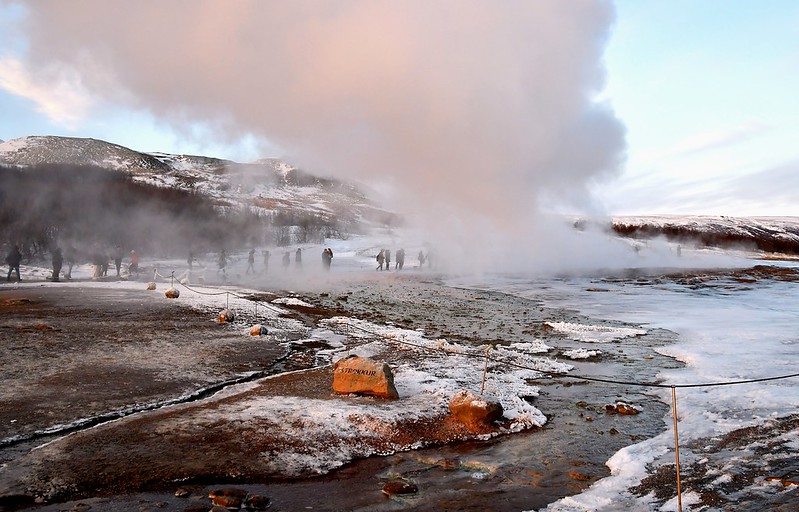
Iceland’s geothermal fields represent the perfect collision of volcanic activity and scientific research. The English word geyser is derived from Geysir, a name given by Icelanders in the seventeenth century to an intermittently discharging hot spring in southwest Iceland. This region sits along the Mid-Atlantic Ridge where tectonic plates meet, creating ideal conditions for studying geothermal processes. Scientists here investigate renewable energy applications while studying how underground water systems interact with volcanic heat to create spectacular surface displays.
Mount Erebus Research Sites, Antarctica
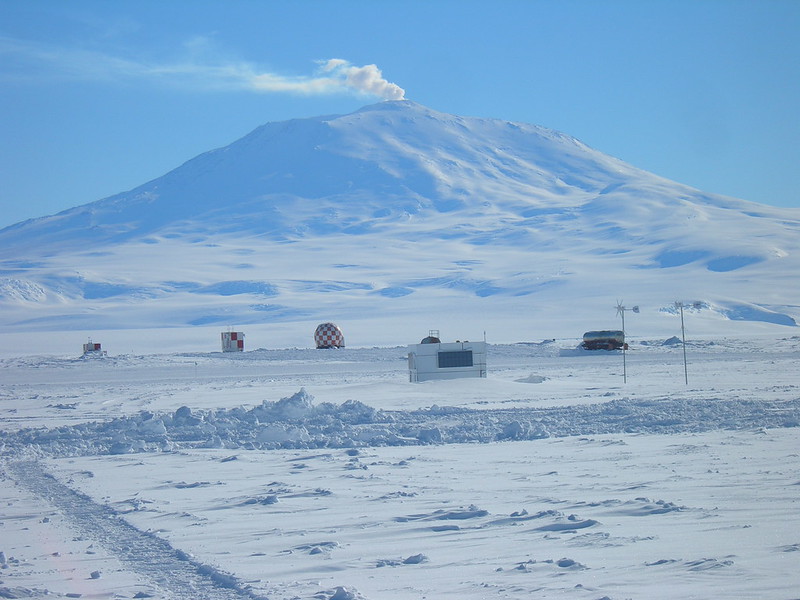
Mount Erebus, Antarctica’s active volcano, creates a unique research environment where ice meets fire. A 2017 study identified a network of subglacial caves in the vicinity of Mount Erebus, where steam from the active volcano excavated warm caverns up to 25 degrees Celsius (77 degrees Fahrenheit). Soil samples collected within these caves contained DNA from algae, mosses, and animal life. This remarkable location allows scientists to study how life adapts to extreme conditions and how volcanic activity shapes polar landscapes.
Bodega Marine Reserve, California
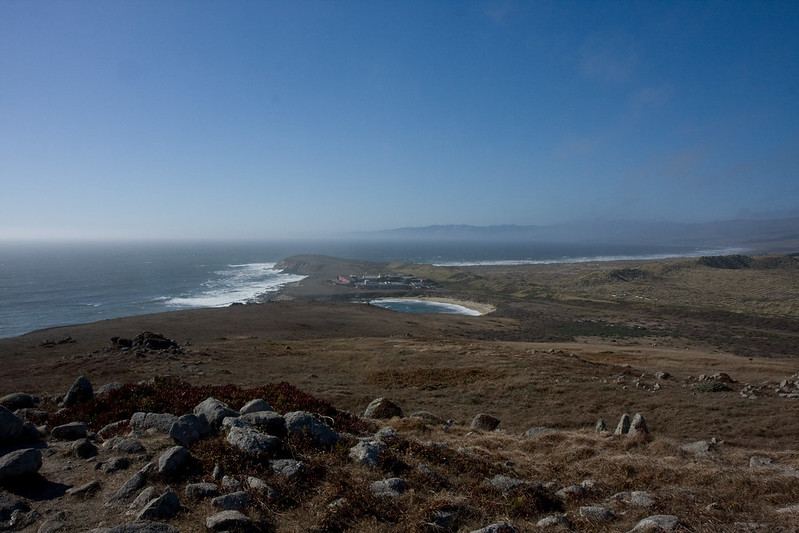
Bodega Marine Reserve includes coastal prairie, chaparral, coastal dunes, tidepools, and marshes, featuring one of the largest marine laboratories on the West Coast. This facility represents the perfect integration of natural coastal ecosystems with scientific research infrastructure. Marine biologists here study ocean acidification, climate change impacts on coastal environments, and marine biodiversity. The reserve’s location along California’s dynamic coastline provides access to both temperate and subtropical marine species.
Atacama Desert, Chile
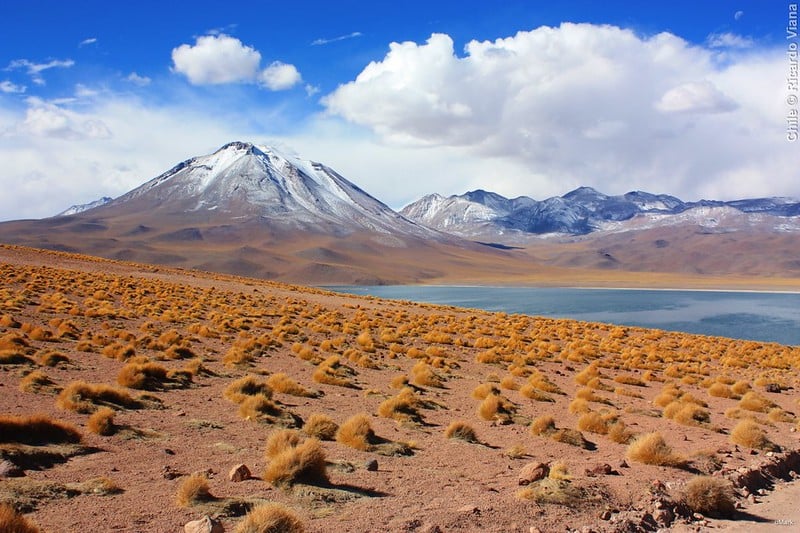
The Atacama Desert serves as both an astronomical observatory site and a natural laboratory for astrobiology research. This hyperarid environment, receiving virtually no rainfall, provides scientists with insights into how life might survive in extreme conditions similar to those on Mars. Multiple world-class observatories dot the desert’s high-altitude locations, taking advantage of clear, dry skies that offer unparalleled views of the cosmos. Researchers here study everything from extremophile bacteria to distant galaxies.
Churchill, Manitoba, Canada
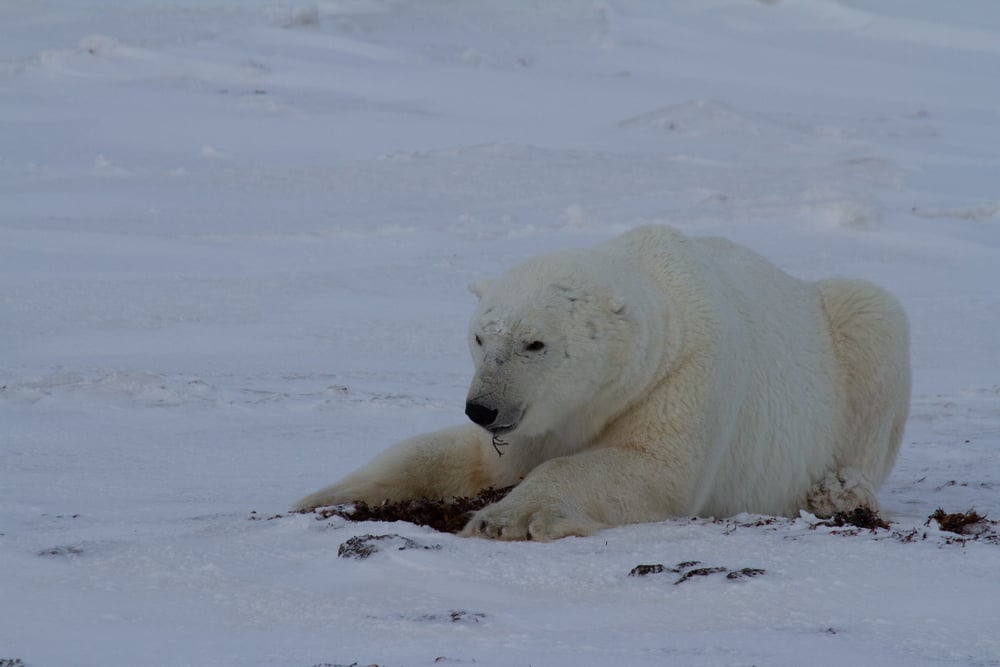
Churchill represents a unique convergence of Arctic wildlife and climate research. This remote town along Hudson Bay serves as a natural laboratory where scientists study polar bears, beluga whales, and the aurora borealis. In the Arctic, they’re known as the aurora borealis, or the northern lights, which occur when highly charged electrons from solar winds collide with Earth’s atmosphere. Researchers here monitor everything from sea ice dynamics to Arctic wildlife migration patterns, providing crucial data about climate change impacts on polar ecosystems.
Deep Ocean Research Vessels
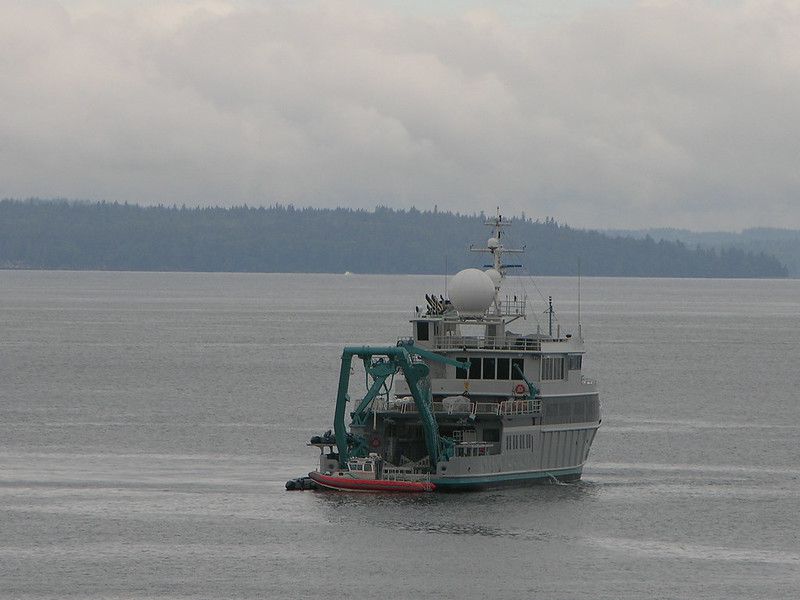
While not fixed locations, research vessels like those exploring deep ocean trenches represent mobile laboratories where crushing depths meet scientific discovery. These floating research stations venture into environments where life thrives under extreme pressure, in complete darkness, and around volcanic vents. Scientists aboard these vessels discover new species regularly and study how life adapts to conditions once thought impossible to survive. These expeditions reveal how Earth’s most extreme environments can harbor the most extraordinary forms of life.
Galapagos Islands, Ecuador
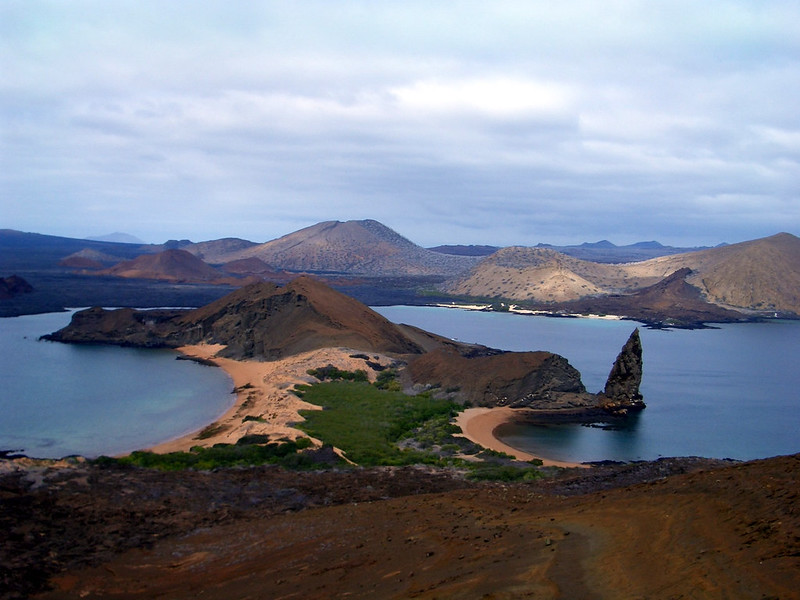
The Galapagos Islands continue to serve as nature’s ultimate laboratory, just as they did for Charles Darwin nearly two centuries ago. This volcanic archipelago isolates unique species that evolved in fascinating ways, providing scientists with living examples of evolutionary processes. Marine biologists, evolutionary researchers, and climate scientists work together on these islands to understand biodiversity, adaptation, and conservation. The meeting of unique wildlife with modern research methods continues to yield discoveries about how species adapt and survive in isolated environments.
Where Wonder Meets Understanding
These extraordinary locations demonstrate that the most profound scientific discoveries often occur where nature’s most dramatic displays meet human curiosity and ingenuity. From the depths of Antarctic ice to the heights of volcanic peaks, these places continue to challenge our understanding of life, climate, and the cosmos. They remind us that the natural world remains our greatest teacher, offering lessons about adaptation, survival, and the incredible diversity of life on Earth that we’re still working to fully comprehend.
More from Go2Tutors!

- 16 Historical Figures Who Were Nothing Like You Think
- 12 Things Sold in the 80s That Are Now Illegal
- 15 VHS Tapes That Could Be Worth Thousands
- 17 Historical “What Ifs” That Would Have Changed Everything
- 18 TV Shows That Vanished Without a Finale
Like Go2Tutors’s content? Follow us on MSN.



