17 Inventions Stolen from Their Creators
You know that feeling when someone takes credit for your idea at work? Now imagine that happening with world-changing inventions worth millions of dollars. That’s exactly what happened to dozens of brilliant minds throughout history who watched their life’s work get snatched away by people with better connections, sharper lawyers, or just plain greed.
We’re not talking about coincidental similar discoveries here. These are straight-up cases where inventors got their ideas stolen, their patents manipulated, or their trust betrayed by the very companies they approached for help. The gadgets in your pocket, the car in your driveway, even the lightbulb above your head—chances are the person who really invented them died broke while someone else got rich and famous.
Here is a list of 17 inventions that got ripped off from their actual creators.
Intermittent Windshield Wipers

Poor Robert Kearns just wanted to solve a problem. After a champagne cork blinded him in one eye during his 1953 wedding celebration, driving in light rain became torture because the constant wiping irritated his damaged vision.
So he invented wipers that paused between swipes, just like blinking. He took his brilliant idea to Ford, GM, and Chrysler in 1963, and they all said thanks but no thanks.
Then Ford rolled out the exact same system in 1969 without paying him a dime. Kearns spent the next 30 years fighting them in court, eventually winning $30 million, but the legal war destroyed his marriage and consumed his entire life.
Computer Mouse

Douglas Engelbart came up with the computer mouse in 1963, and it’s probably the most valuable invention nobody ever got paid for. Since he worked for Stanford Research Institute, they owned his patent and sold it to Apple for a measly $40,000—pocket change for what became the most essential computer accessory ever made.
By the time every computer had a mouse, Engelbart’s patent had expired and he was left with nothing but late-in-life recognition. The guy who revolutionized how we interact with computers never saw a penny in royalties.
Like Go2Tutors’s content? Follow us on MSN.
Telephone

Alexander Graham Bell gets all the glory, but Antonio Meucci actually built the first working telephone in 1860 and called it the ‘teletrofono.’ The Italian inventor was just too broke to pay for a full patent and could only afford a temporary filing that eventually lapsed.
Bell happened to share workshop space with Meucci, had access to all his work, and filed his own patent in 1876. Bell became incredibly wealthy while Meucci died in poverty, though Congress finally acknowledged the truth in 2002—only 118 years too late to matter.
Light Bulb

Thomas Edison’s reputation as the light bulb inventor is complete nonsense. Heinrich Goebel had already created a working version and actually tried selling it to Edison back in 1854, but Edison wasn’t interested.
After Goebel died, Edison swooped in and bought the patent from his widow for practically nothing, then claimed he’d invented the whole thing. Edison was brilliant at improving existing technology and marketing himself, but calling him the light bulb inventor is like saying the guy who put racing stripes on a car invented the automobile.
Sewing Machine

Isaac Singer built a sewing machine empire on completely stolen technology from Elias Howe, who’d patented his design in 1846. Singer just copied Howe’s lockstitch mechanism and other crucial parts, then started mass-producing machines and marketing the heck out of them.
When Howe finally sued, he won the right to royalties, but Singer had already made millions and branded himself as the sewing machine king. The irony? Howe probably stole parts of his design from an even earlier inventor named John Fisher.
Like Go2Tutors’s content? Follow us on MSN.
Radio
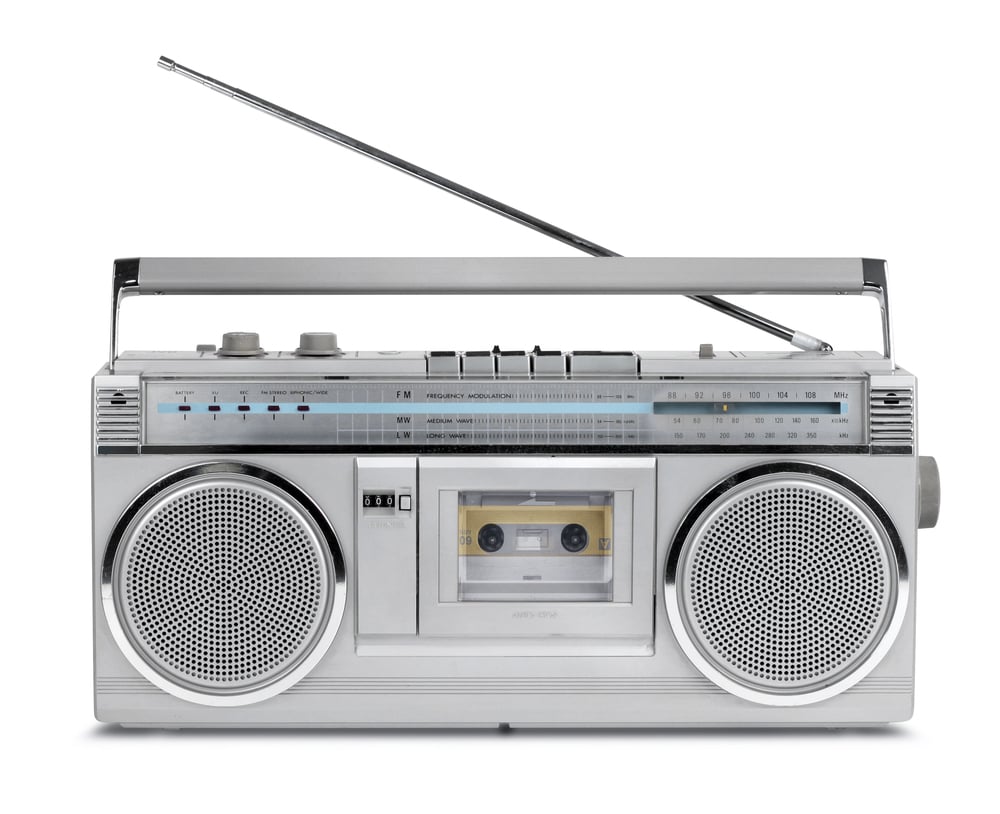
Nikola Tesla invented radio technology and had the patents to prove it by 1900, but Guglielmo Marconi somehow gets remembered as the radio pioneer. Marconi had wealthy backers who helped him get Tesla’s patents overturned in 1904 through legal maneuvering, letting Marconi claim credit for the invention.
Tesla tried fighting back but didn’t have the cash to take on well-funded opponents in court. The Supreme Court finally set the record straight in 1943—just months after Tesla died, naturally.

Mark Zuckerberg’s Facebook origin story is basically a masterclass in screwing over your business partners. Harvard classmates Cameron Winklevoss, Tyler Winklevoss, and Divya Narendra hired Zuckerberg to build their social networking site HarvardConnection.com.
Instead of finishing their project, Zuckerberg secretly built his own version called Facemash, which became Thefacebook. The twins and Narendra eventually settled for around $65 million, but Zuckerberg kept control of what became the biggest social network on the planet.
Television
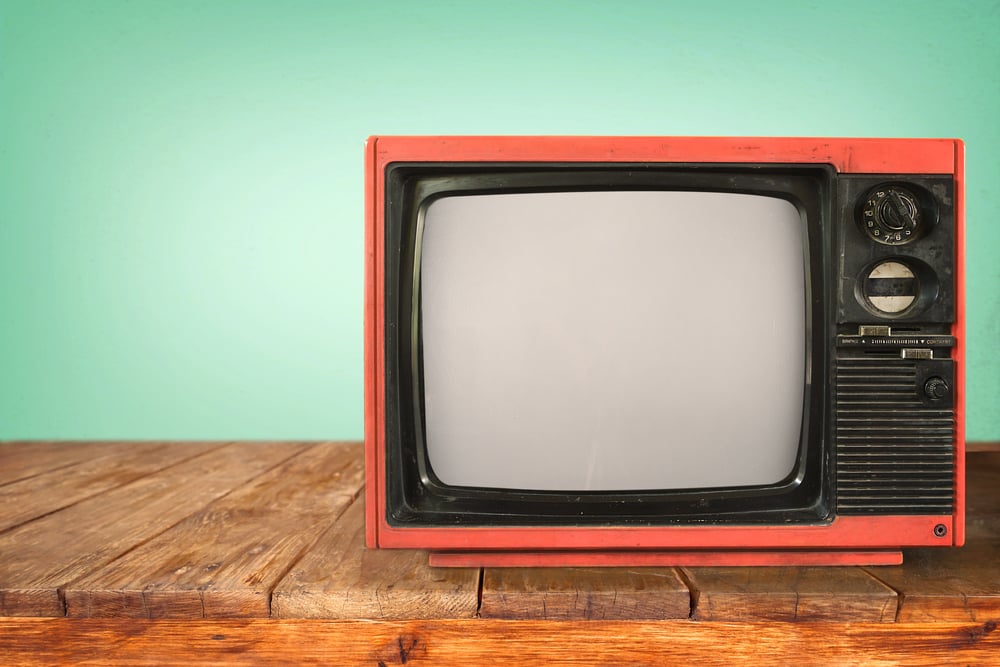
Forget what your history books say about Vladimir Zworykin inventing TV for RCA. The real inventor was Philo Taylor Farnsworth, who figured out electronic television when he was just 21 years old in 1927.
Zworykin visited Farnsworth’s lab in 1930, saw the amazing technology, and basically stole the core concepts for his corporate bosses. Farnsworth spent years in patent court fighting RCA’s army of lawyers, eventually getting some recognition, but the corporate giant had already steamrolled over the young inventor.
Like Go2Tutors’s content? Follow us on MSN.
Laser

Gordon Gould came up with the laser concept in 1957 and even coined the term, but he made one fatal mistake—waiting too long to file his patent. Two colleagues grabbed his idea and patented it in 1959, leaving Gould to fight a 30-year legal nightmare to get credit for his own invention.
He eventually won multiple patent cases and made millions in royalties, but spent most of his career watching other people get rich off his breakthrough while he battled in courtrooms.
Telescope

Galileo gets the telescope credit in every textbook, but Dutch optician Hans Lippershey actually invented it and applied for a patent in 1608. His application got mysteriously rejected without any good reason, and when word reached Italy, Galileo built his own version and successfully patented it.
Lippershey’s design was simple enough that anyone could copy it, but history forgot the Dutch guy while making Galileo famous as the telescope inventor.
Movie Projector

Here’s another Thomas Edison theft for the collection. Charles Francis Jenkins and Thomas Armat actually invented the movie projector, demonstrating their ‘Phantoscope’ in 1895.
They couldn’t afford to manufacture it themselves, so they sold the idea to The Kinetoscope Company, which needed Edison’s money to move forward. Edison agreed to fund it on one condition—he’d get credited as the sole inventor.
Jenkins and Armat got completely erased from history while Edison’s name went on the renamed ‘Vitascope.’
Like Go2Tutors’s content? Follow us on MSN.
AC Electrical System

Nikola Tesla created the alternating current system that powers our entire modern world, but Thomas Edison fought against it like a maniac to protect his inferior direct current setup. Edison actually held public demonstrations where he electrocuted dogs, cats, horses, and even an elephant to convince people that AC power was deadly dangerous.
Despite Edison’s gruesome propaganda campaign, Tesla’s superior system eventually won out, but Edison’s fame and business empire overshadowed Tesla’s world-changing electrical innovations.
Monopoly

Everyone thinks Charles Darrow invented Monopoly, but he totally ripped off Elizabeth Magie’s 1903 board game called ‘The Landlord’s Game.’ Magie designed it to teach people about the evils of land monopolies, but Darrow just took her existing game, tweaked it slightly, and sold it to Parker Brothers as his own creation in 1935.
The company actually knew about Magie’s earlier work but decided to credit Darrow anyway, making him wealthy while she got basically nothing for creating one of the world’s most popular games.
Penicillin Discovery Process

Alexander Fleming gets famous for discovering penicillin, but Sir Almroth Wright had been researching antibiotic mold properties long before Fleming’s supposedly accidental breakthrough. Plus, North African tribes had used similar treatments for thousands of years, and Ernest Duchesne had already proven penicillum glaucoma could cure typhoid back in 1897.
Fleming built on existing knowledge, and when he abandoned his research, other scientists finished the work while he somehow got most of the historical credit.
Like Go2Tutors’s content? Follow us on MSN.
Theory of Relativity
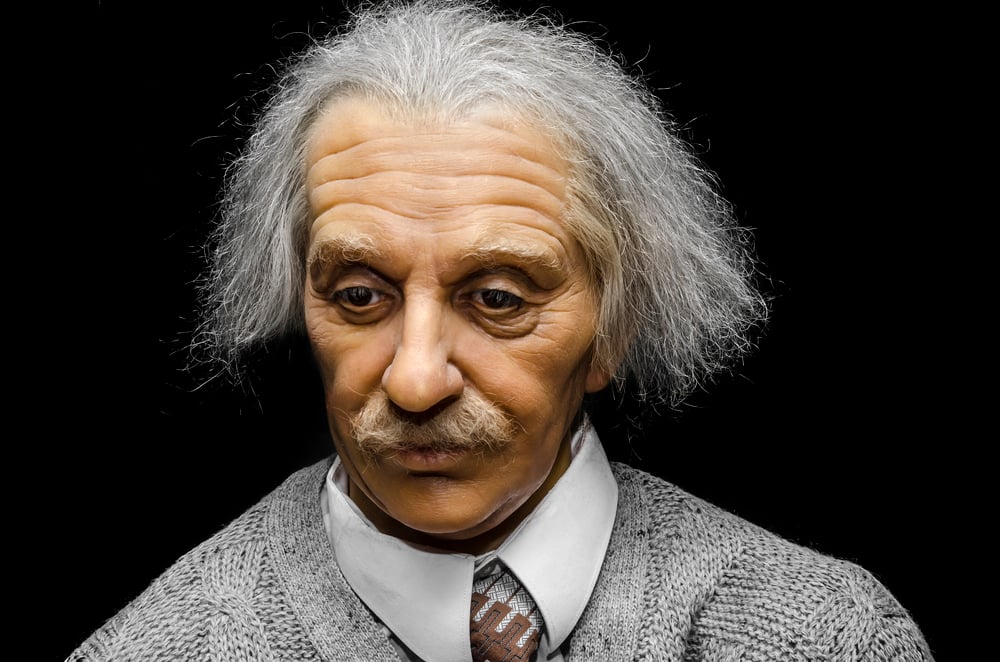
Albert Einstein’s relativity fame should really be shared with Henri Poincaré and Hendrik Lorentz, who had already figured out the fundamental principles Einstein built his theories on. Poincaré had written 30 books and over 500 essays about relativity before Einstein published his famous papers, and Lorentz had worked out much of the math.
Einstein never properly credited their earlier work, and since scientific theories weren’t patentable, he could claim discovery of ideas that heavily relied on their research.
Kevlar

Stephanie Kwolek actually invented Kevlar at DuPont in 1965, creating one of the most important materials ever made, but the corporate structure meant she got screwed financially. DuPont owned all her patents and made billions from Kevlar in bulletproof vests, tires, and countless other uses while she got her regular salary and some late-career recognition.
It’s particularly galling because Kevlar literally saves lives every day, yet the brilliant chemist who created it never saw the massive profits her invention generated.
The Pattern Continues Today

What’s really frustrating is how this stealing pattern keeps happening even now. Most of these inventors got crushed because they didn’t have enough money to protect their patents or fight long legal battles against corporate giants with unlimited resources.
These stories remind us that behind every ‘famous’ inventor, there might be a forgotten genius whose brilliant idea got stolen by someone with better business connections, deeper pockets, or fewer morals about taking credit for other people’s work.
Like Go2Tutors’s content? Follow us on MSN.
More from Go2Tutors!

- 16 Historical Figures Who Were Nothing Like You Think
- 12 Things Sold in the 80s That Are Now Illegal
- 15 VHS Tapes That Could Be Worth Thousands
- 17 Historical “What Ifs” That Would Have Changed Everything
- 18 TV Shows That Vanished Without a Finale
Like Go2Tutors’s content? Follow us on MSN.