How Pluto Lost its Planet Status
When Pluto got kicked out of the planet club in 2006, millions of people felt like their childhood had been betrayed. The little world at the edge of our solar system has been everyone’s favorite underdog planet since 1930. Kids learned the nine planets by heart, and Pluto always came last but never least. Then suddenly, scientists decided it wasn’t good enough anymore.
But the real story behind Pluto’s demotion isn’t about scientists being mean or changing their minds on a whim. It’s about discovery, precision, and what happens when we learn more about our cosmic neighborhood than we ever expected.
The discovery that started everything

Clyde Tombaugh found Pluto in 1930 while working at Lowell Observatory in Arizona. He spent months comparing photographs of the same patch of sky, looking for anything that moved against the background stars. When he spotted a tiny speck that had shifted position, he knew he’d found something special. The world celebrated the discovery of the ninth planet, and Pluto got its name from an 11-year-old girl in England who suggested it. Everyone thought the story was complete.
Size became a serious problem
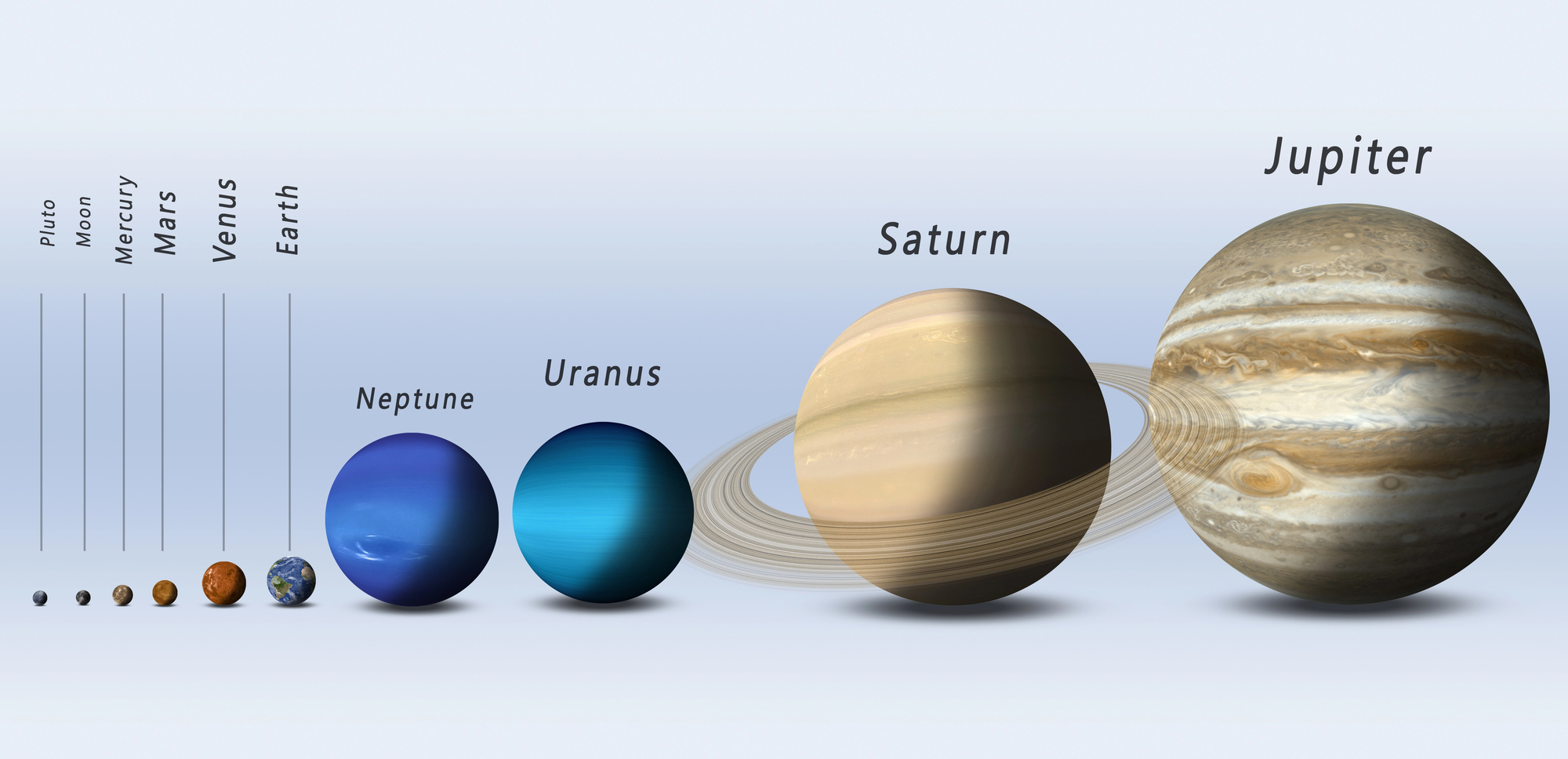
Right from the start, Pluto seemed oddly small for a planet. Early estimates suggested it might be similar in size to Earth, but better telescopes kept shrinking those numbers. By the 1970s, astronomers realized Pluto was much smaller than any other planet. It was even smaller than Earth’s moon. This raised uncomfortable questions about what exactly makes something deserve the title of planet.
The moon discovery changed everything
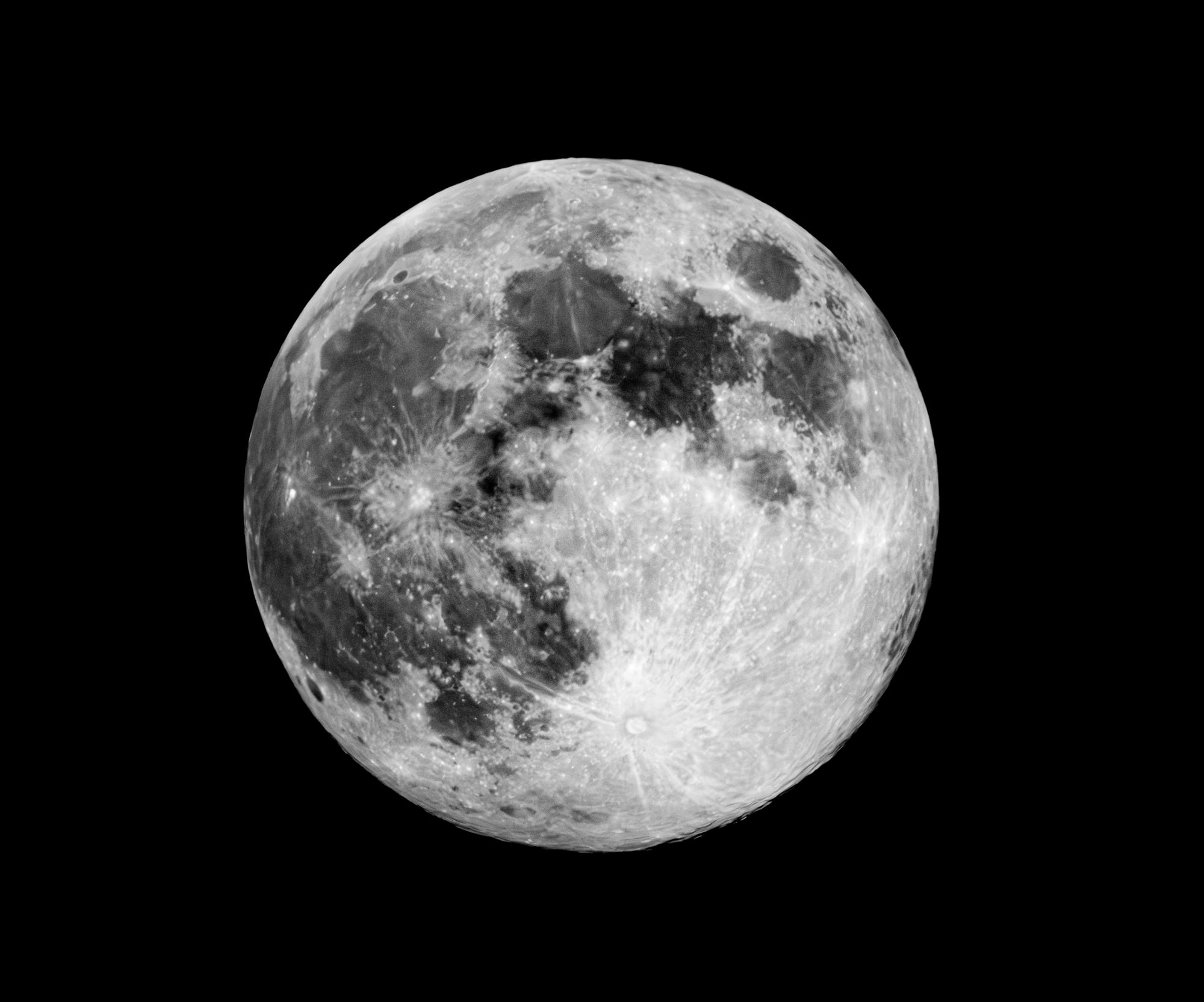
In 1978, astronomer James Christy discovered that Pluto had a moon, which scientists named Charon. This seemed like great news at first because it meant Pluto was more planet-like. But when they calculated the sizes of both objects, they found something weird. Charon was almost half the size of Pluto itself. Instead of a planet with a moon, it looked more like two objects dancing around each other in space.
The Kuiper Belt revealed Pluto’s true neighborhood

Scientists realized that Pluto wasn’t alone in the outer reaches of the solar system. It was actually part of a vast region called the Kuiper Belt, filled with thousands of icy objects left over from when the solar system formed. Pluto was just one member of this cosmic junkyard, albeit one of the larger pieces. This discovery fundamentally changed how astronomers viewed Pluto’s place in our solar system..
Three rules determined planetary status

The astronomers came up with three criteria that an object must meet to be called a planet. First, it must orbit the sun. Second, it must have enough mass that its gravity pulls it into a roughly round shape. Third, and most importantly, it must have cleared other objects out of its orbital path. This third rule became the deal-breaker for Pluto.
Pluto failed the clearing test
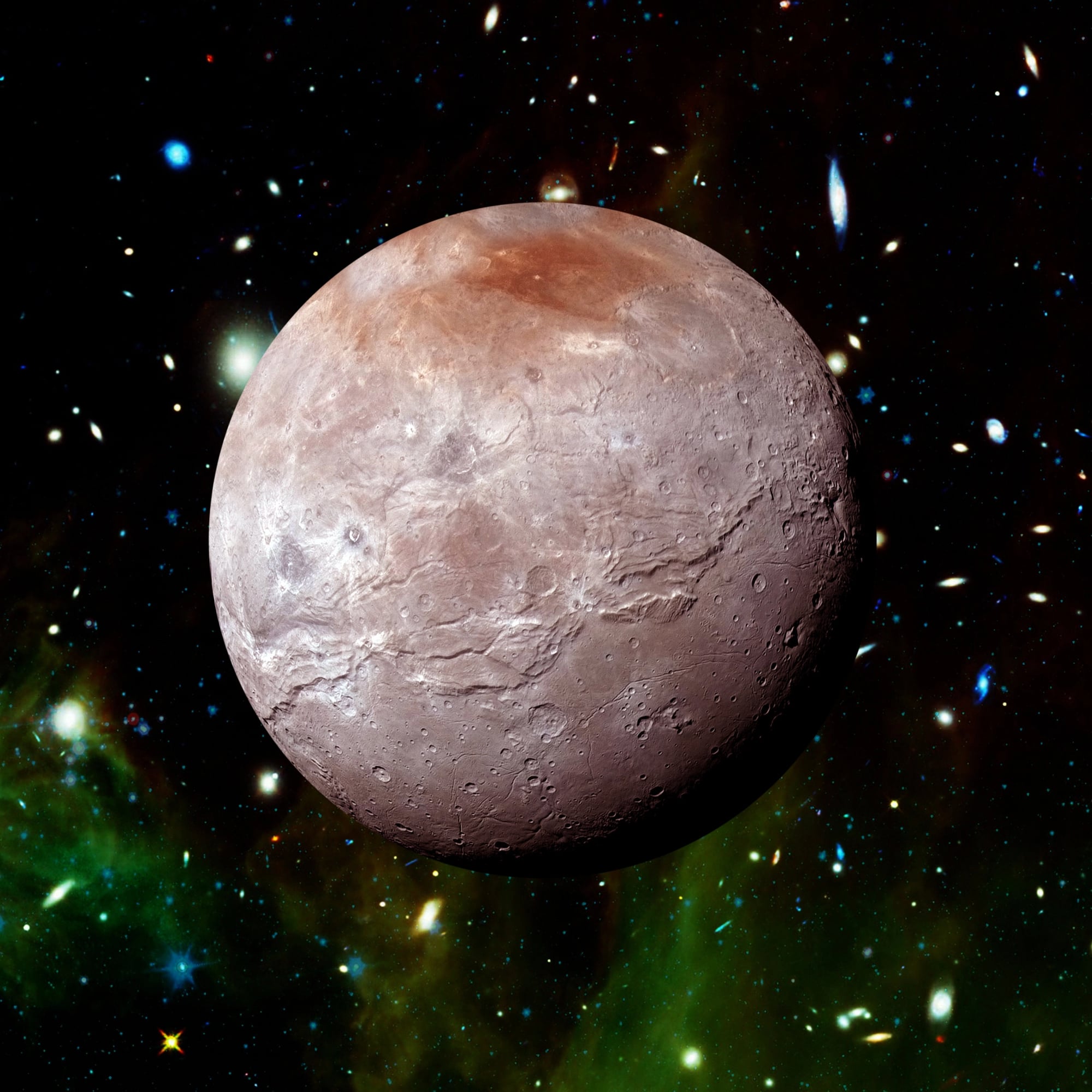
While Pluto easily met the first two criteria, it completely failed the third one. Its orbit is crowded with other objects, and Pluto hasn’t gravitationally dominated its neighborhood like the eight larger planets have. Jupiter, for example, has cleared its orbital zone or captured everything else as moons. Pluto shares its space with thousands of other Kuiper Belt objects and can’t boss them around.
The dwarf planet category was born

Instead of just demoting Pluto to nothing, the astronomers created a new category called dwarf planets. These objects orbit the sun and have enough gravity to be roughly spherical, but they haven’t cleared their orbital neighborhoods. Pluto became the most famous member of this new group, along with Ceres, Eris, and several other objects discovered since then.
Size wasn’t the only factor
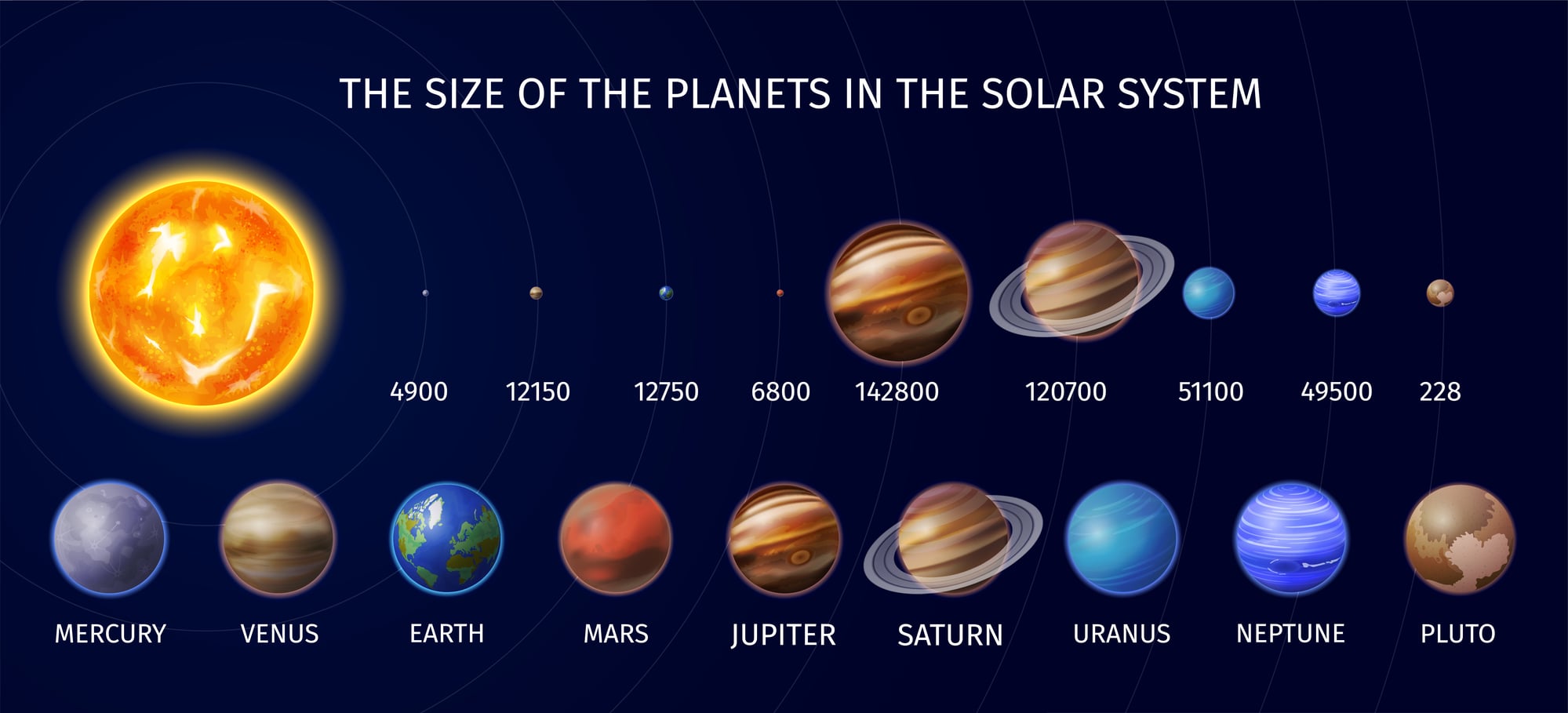
Many people think Pluto lost its planet status simply because it’s small, but that’s not the whole story. If size alone mattered, then Mercury would be in trouble too, since it’s not much bigger than some moons. The key issue was orbital dominance. The eight planets have gravitational influence that extends far beyond their physical size, while Pluto is just one of many similar objects sharing the same cosmic space.
The vote was closer than expected

When the astronomers finally voted on the new definition, only about 400 of the 2,400 conference attendees were still there to participate. The decision passed, but it wasn’t unanimous. Some scientists argued that the definition was flawed or that the vote happened too quickly. Others pointed out that many astronomers had already gone home and missed the crucial vote entirely.
Why the decision still matters today
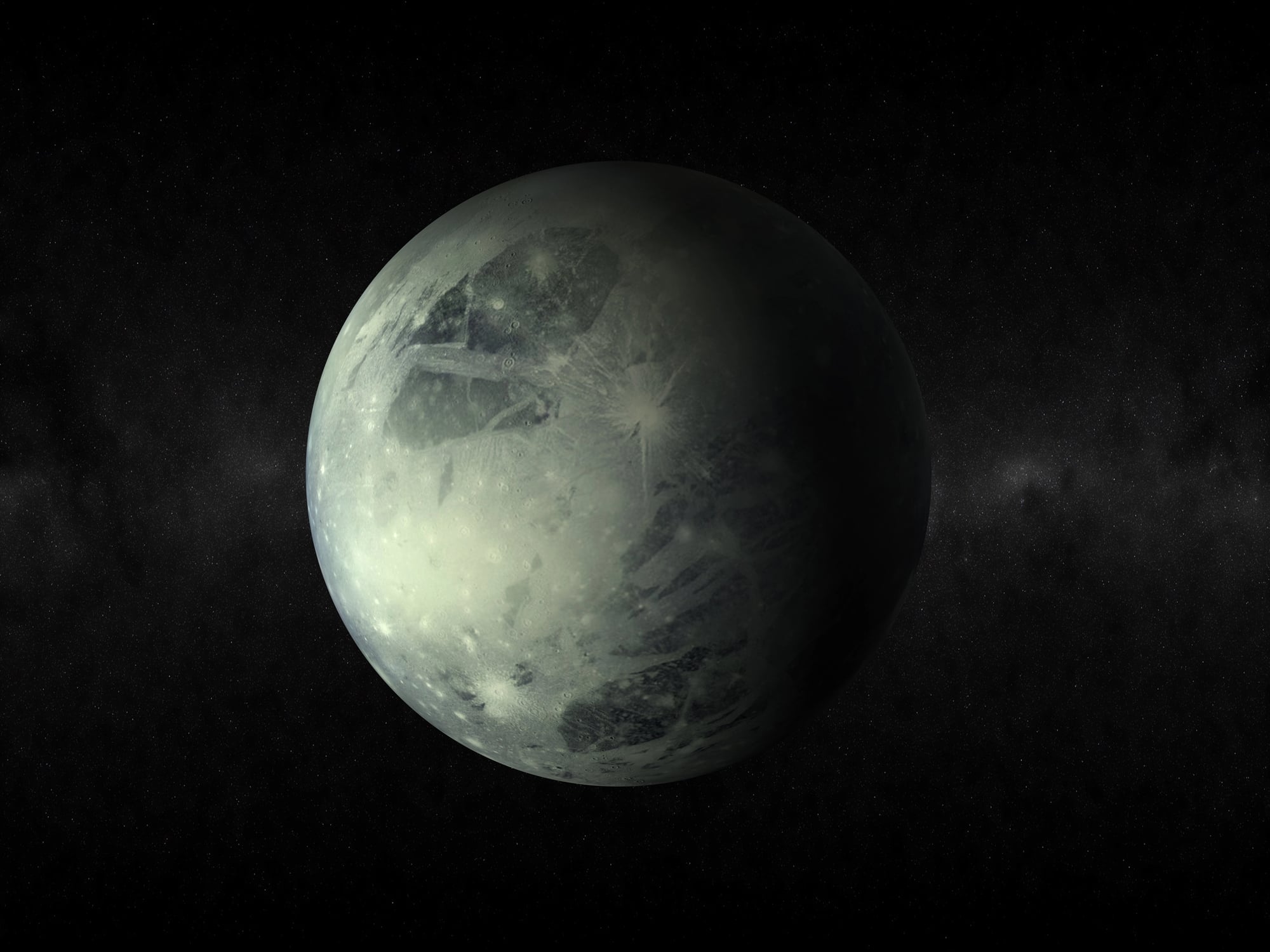
The debate over Pluto’s status reflects bigger questions about how science works and evolves. As we discover more about the universe, our understanding changes, and sometimes that means updating old ideas. The Pluto controversy shows that science isn’t just a collection of facts, but an ongoing process of refining our knowledge based on new evidence. What seemed settled in 1930 needed revision by 2006, and our understanding will likely continue to evolve as we explore further into space..
More from Go2Tutors!

- The Romanov Crown Jewels and Their Tragic Fate
- 13 Historical Mysteries That Science Still Can’t Solve
- Famous Hoaxes That Fooled the World for Years
- 15 Child Stars with Tragic Adult Lives
- 16 Famous Jewelry Pieces in History
Like Go2Tutors’s content? Follow us on MSN.