Unusual Traditions Around Life Events
Every culture has its own way of celebrating the big moments in life, from birth to marriage to death. While some traditions might seem normal to those who practice them, they can appear quite strange to outsiders looking in.
These customs often carry deep meaning and connect people to their ancestors, even when the original reasons have been forgotten over time. From baby ceremonies that would make most parents nervous to wedding rituals that involve plenty of mess and chaos, human creativity knows no bounds when it comes to marking special occasions.
Get ready to discover some of the most fascinating and unexpected ways people around the world celebrate life’s biggest moments. These traditions might surprise you with their creativity and meaning.
Throwing babies from temple roofs in India
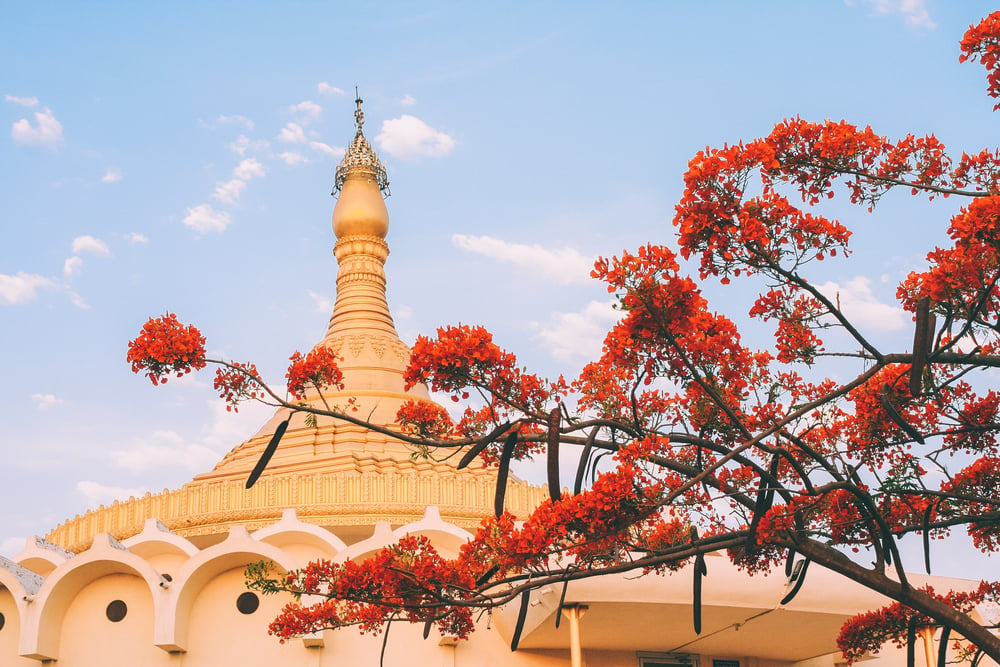
In certain regions of India, families participate in a tradition that would terrify most parents elsewhere in the world. They drop their newborn babies from temple roofs, trusting that people below will catch them safely in a large cloth.
This practice is believed to bring good health, courage, and prosperity to the child throughout their life. The babies are typically dropped from heights of about 30 feet, and communities report that no child has ever been injured during this ceremony.
Local authorities have tried to ban the practice, but many families continue to follow this ancient tradition.
Blackening the bride and groom in Scotland

Scottish couples in certain regions face a messy pre-wedding tradition called “blackening.” Friends and family members cover the soon-to-be married couple in horrible substances like molasses, flour, feathers, and sometimes even rotten food.
The idea behind this unpleasant ritual is that if the couple can handle being humiliated together, they can handle anything marriage throws at them. After the blackening, the couple gets paraded through town while people make noise with pots and pans.
This tradition is meant to ward off evil spirits and test the couple’s commitment to each other.
Like Go2Tutors’s content? Follow us on MSN.
Burying the groom up to his neck in sand
Some communities in certain parts of the world practice a wedding tradition that leaves grooms feeling buried in responsibility quite literally. The groom gets buried in sand up to his neck while friends and family members throw various substances at his head.
This ritual is supposed to symbolize the end of his carefree bachelor days and the beginning of his serious responsibilities as a husband. The groom must remain calm and patient during this ordeal, proving he has the temperament needed for married life.
Once the ceremony ends, he gets dug out and cleaned off before the actual wedding begins.
Crying marriages in China
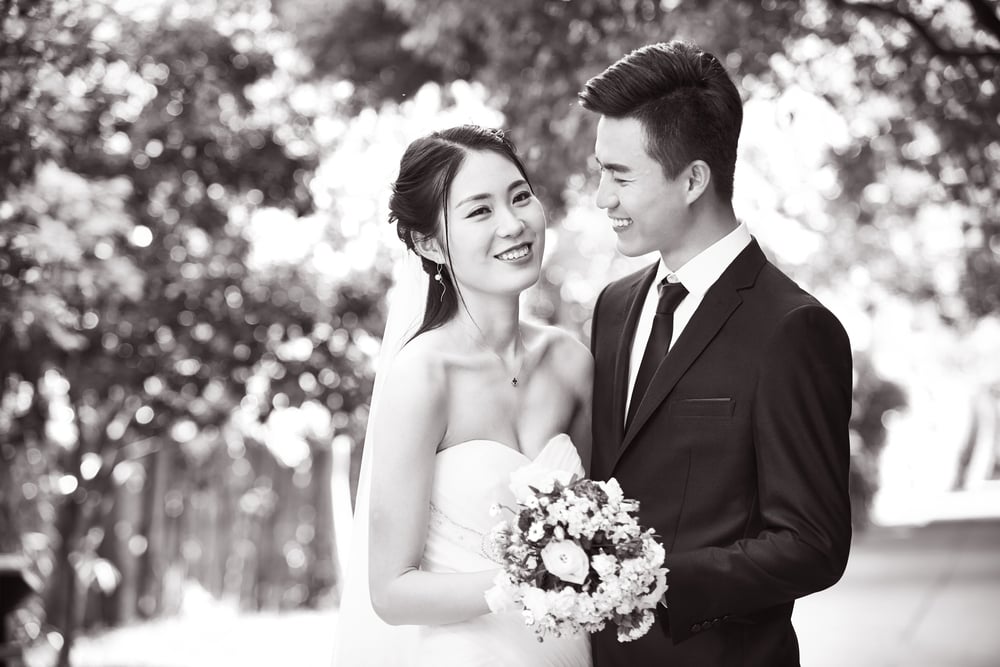
In the Tujia ethnic group of China, brides must cry for one hour every day for an entire month before their wedding. This tradition, called “crying marriage,” requires the bride to express sadness about leaving her family home.
Other female relatives join in the crying sessions, with mothers joining after ten days and grandmothers after twenty days. The crying is considered a form of singing, and different tones express different emotions and messages.
Women who cannot cry convincingly face criticism from the community for not showing proper respect for their families.
Spitting on newborns for luck
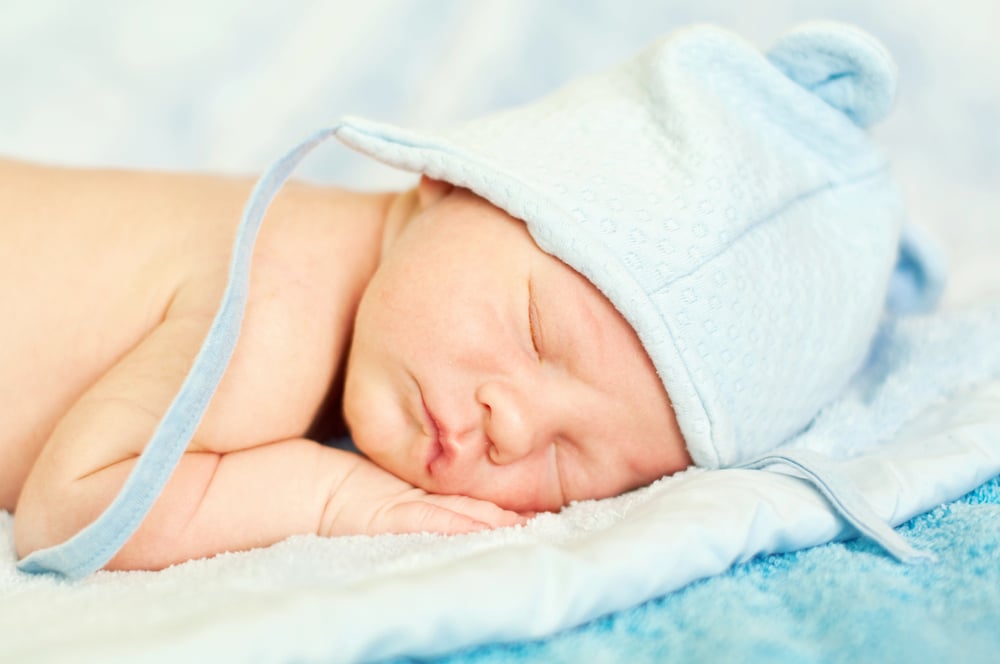
The Maasai people of Kenya and Tanzania have a greeting tradition for newborn babies that involves spitting on them. Elders spit on the baby’s head and chest while offering blessings and good wishes for the child’s future.
This practice is believed to bring good fortune and protect the baby from the evil eye. The saliva is considered sacred and carries the power of the elder’s wisdom and experience.
Parents welcome this tradition because they believe it gives their child the best possible start in life.
Like Go2Tutors’s content? Follow us on MSN.
Polterabend dish smashing in Germany
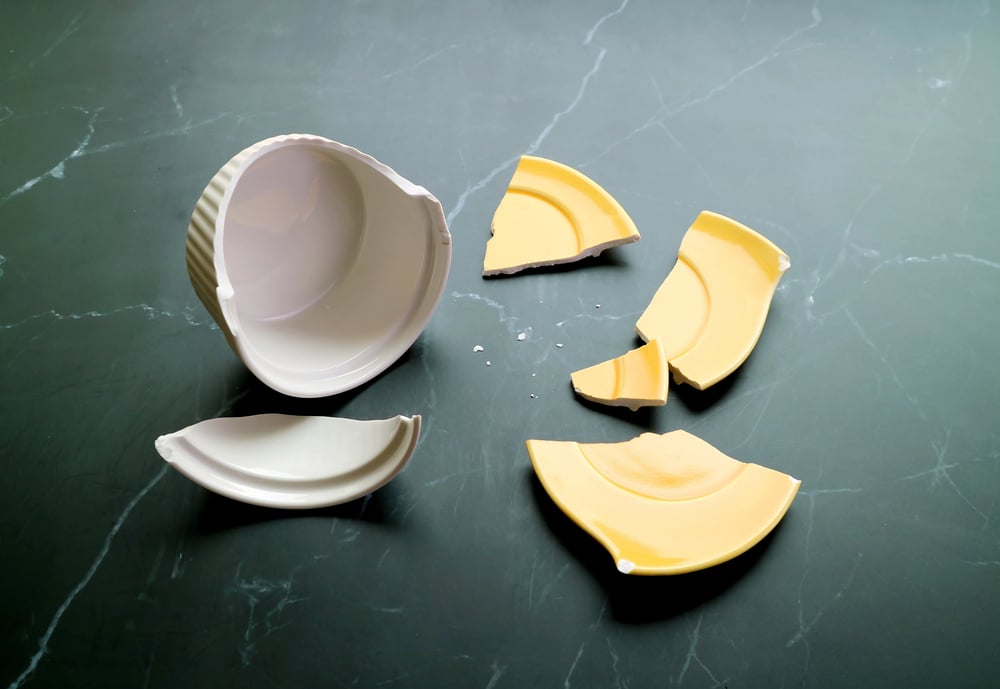
German couples experience a noisy pre-wedding tradition called Polterabend, where friends and family smash dishes and porcelain items outside the couple’s home. The breaking of dishes is supposed to bring good luck and ward off evil spirits before the wedding day.
However, there are strict rules about what can be broken – mirrors and glasses are forbidden because they represent bad luck. The couple must clean up all the broken pieces together, symbolizing their ability to work as a team through difficult times.
This tradition often turns into a big party with food, drinks, and lots of noise.
Tree marriage ceremonies in India
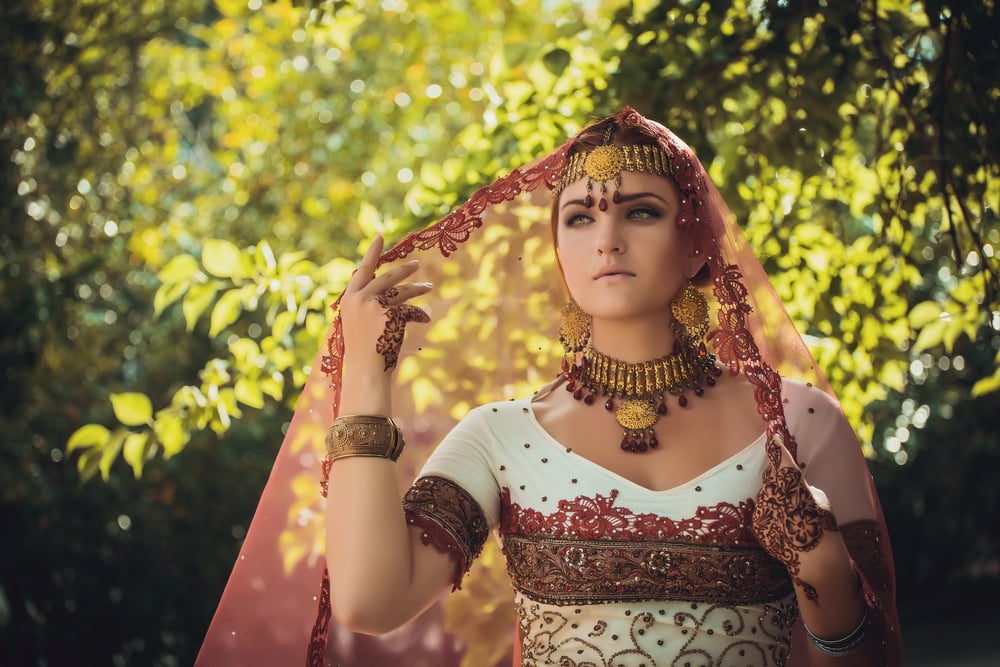
Some regions of India practice tree marriage, where people marry trees for various spiritual and practical reasons. Women who are considered unlucky in astrology might marry a tree before marrying a human to transfer the bad luck.
The ceremony includes all the traditional wedding rituals, with the tree decorated like a bride or groom. After the tree wedding, the person can proceed with their human marriage without fear of bringing misfortune to their spouse.
These ceremonies are taken seriously and include proper documentation and celebration.
La Tomatina food fight celebrations
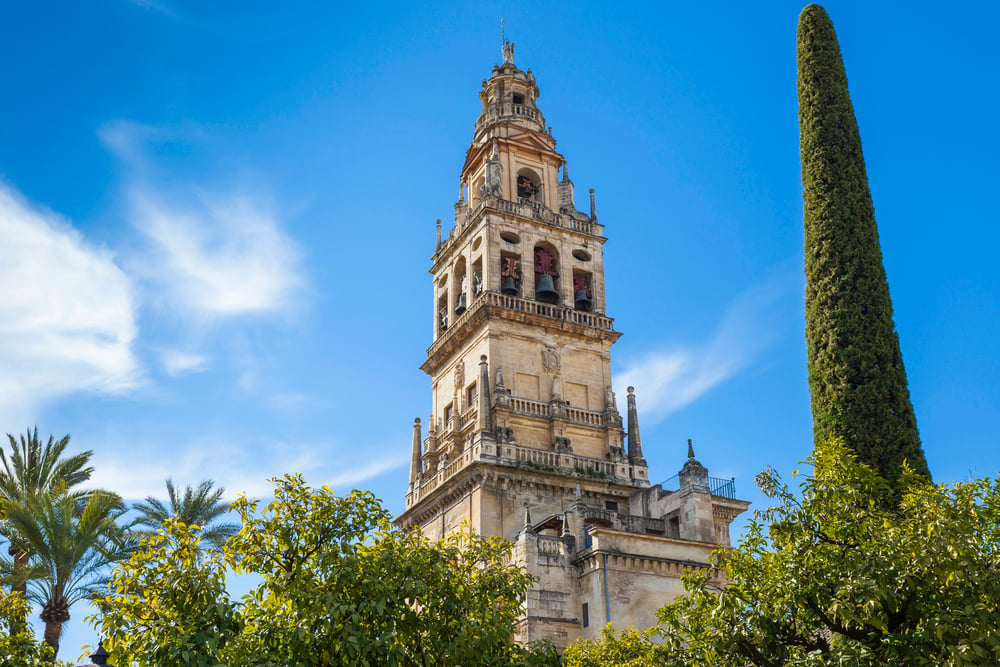
The Spanish town of Buñol hosts an annual tomato fight called La Tomatina, where thousands of people gather to throw overripe tomatoes at each other. This tradition started in 1945 during a local festival when young people began throwing tomatoes from a nearby vegetable stand.
The event now attracts visitors from around the world who come to participate in the world’s biggest food fight. Participants must follow specific rules, like squishing tomatoes before throwing them to avoid injuries.
The entire celebration lasts only one hour, but the cleanup takes much longer.
Like Go2Tutors’s content? Follow us on MSN.
Carrying wives over hot coals
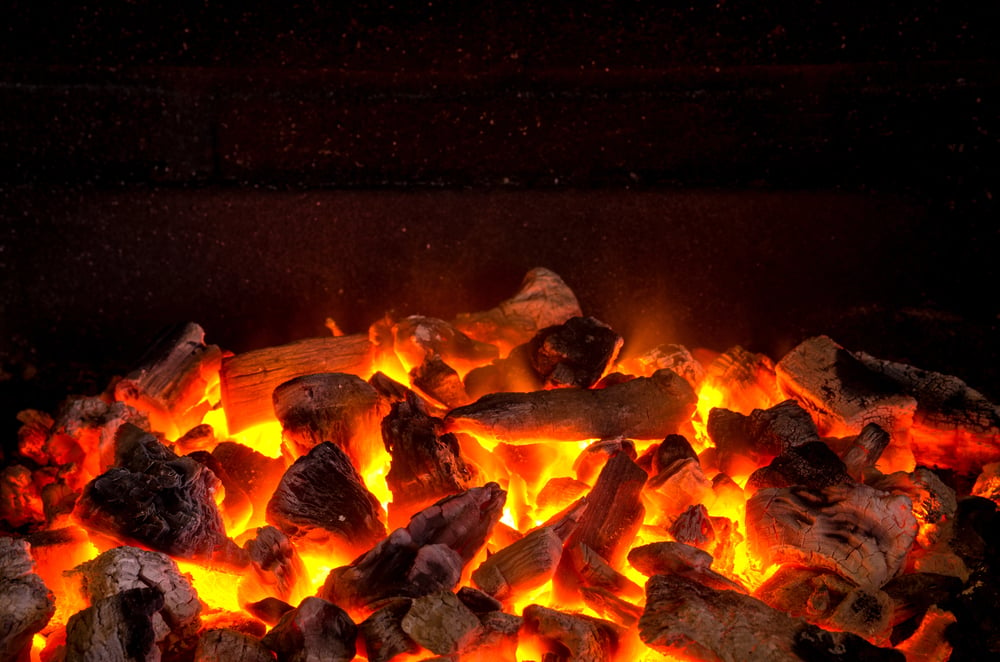
In some cultures, new husbands must carry their wives over a bed of hot coals to prove their strength and dedication. This dangerous tradition requires careful preparation and timing to avoid serious burns.
The coals must reach exactly the right temperature – hot enough to be impressive but not so hot that they cause injury. Community members prepare the coal bed and guide the couple through the proper technique for crossing safely.
Successfully completing this ritual is seen as proof that the husband will protect and care for his wife through any danger.
Finger cutting grief rituals

The Dani people of Papua New Guinea practice a tradition where female relatives cut off parts of their fingers when a family member dies. This painful ritual represents the physical pain of losing a loved one and shows respect for the deceased.
Before cutting, the fingers are tied tightly to numb them and reduce blood flow. The removed finger segments are either buried with the deceased or dried and kept as mementos.
While this practice has become less common due to modern influences, some community members still choose to follow this ancient tradition.
Teeth filing coming of age ceremonies

Several cultures around the world practice tooth filing as a rite of passage for young people entering adulthood. In Bali, this ceremony called “metatah” involves filing down the six upper front teeth to create a straight, even line.
The practice is believed to remove negative traits like greed, anger, and jealousy from the person’s character. Traditional healers perform the filing using special tools and techniques passed down through generations.
The ceremony includes prayers, offerings, and celebrations to mark the young person’s transition to adulthood.
Like Go2Tutors’s content? Follow us on MSN.
Baby jumping festivals in Spain
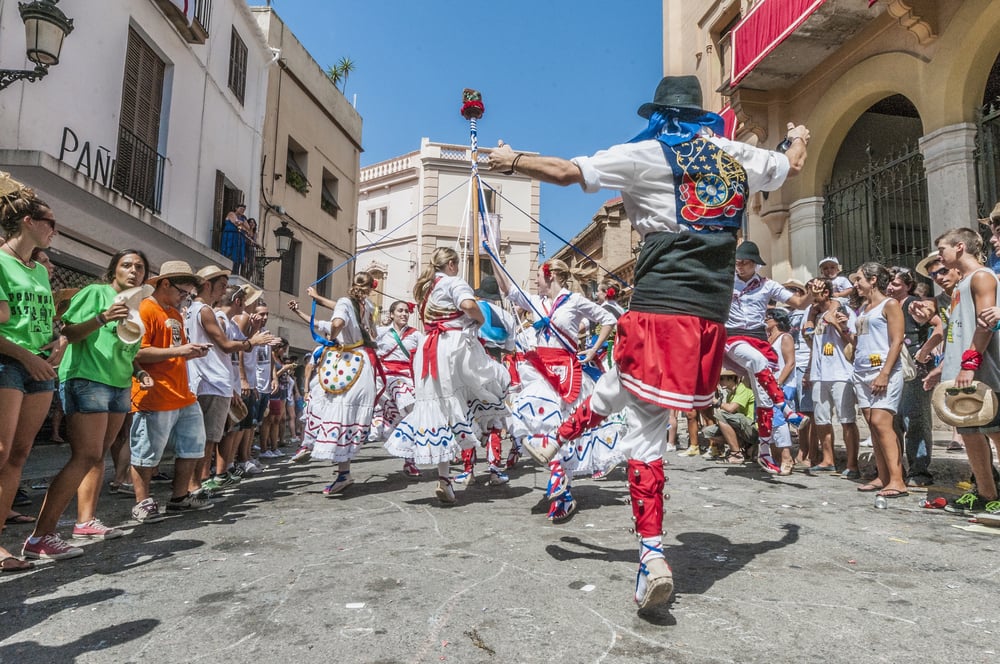
The village of Castrillo de Murcia in Spain hosts an annual festival called El Colacho, where men dressed as devils jump over babies born in the past year. This tradition, dating back to 1620, is meant to cleanse the babies of original sin and protect them from evil throughout their lives.
Parents place their infants on mattresses in the street while the “devils” run and leap over them. The Catholic Church officially disapproves of this practice, but local families continue to participate because they believe it brings their children good luck and health.
Mourning restrictions for widows

Many cultures impose strict rules on widows that can last for months or even years after their husband’s death. These restrictions might include wearing only white clothes, avoiding certain foods, or not participating in celebrations or social events.
In some communities, widows must remain in their homes for extended periods and can only venture out at specific times. The mourning period often includes rituals for purification before the widow can return to normal social activities.
While these traditions are changing in modern times, many older women still choose to follow them out of respect for their deceased husbands.
Ghost marriages for deceased singles
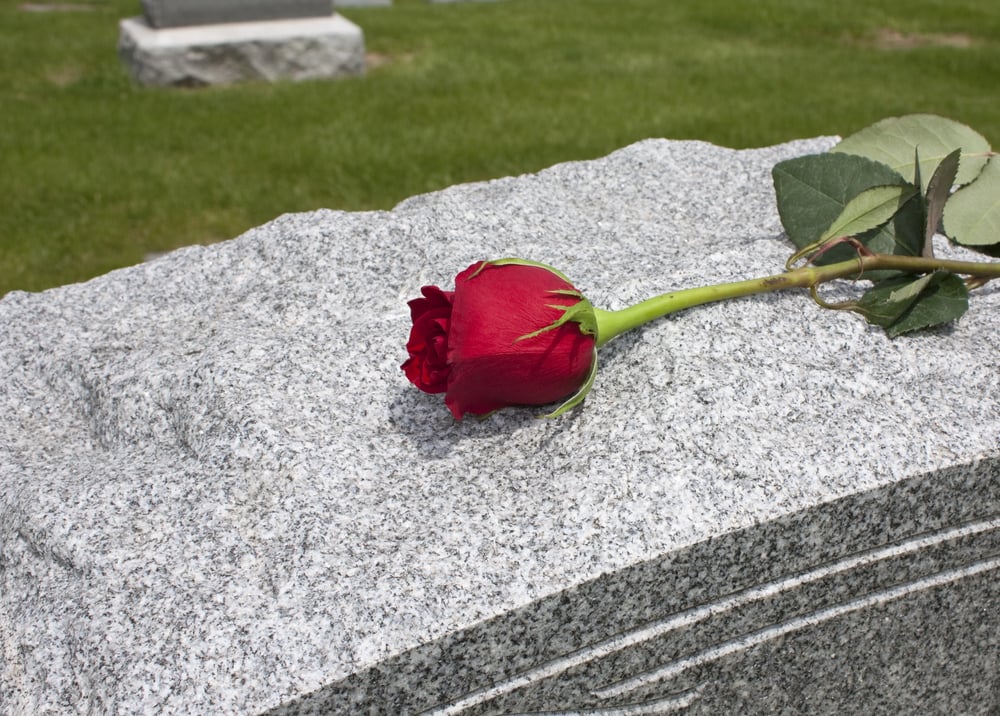
Some cultures practice posthumous marriages, where living family members arrange weddings for people who died while single. These ghost marriages ensure that the deceased person won’t be lonely in the afterlife and can join their ancestors with proper marital status.
The ceremonies include traditional wedding rituals, though obviously one participant cannot actively take part. Families often arrange these marriages between two deceased people who died single, creating spiritual unions in the afterlife.
This practice reflects strong beliefs about the importance of marriage and family connections that continue beyond death.
Like Go2Tutors’s content? Follow us on MSN.
Ancient wisdom meets modern life
These peculiar customs serve as a reminder that there are no restrictions on the creative ways in which people can commemorate significant events in life. Even though some of these customs may appear odd or even startling to outsiders, the communities that uphold them find great significance in them.
As traditional cultures around the world are impacted by modern life, many of these customs are gradually changing or going extinct. Nevertheless, whether through long-standing customs or recently developed ones, the human need to establish unique rituals for significant life events is still very much present.
These customs demonstrate that, despite significant regional variations in celebration techniques, commemorating life’s significant events is a universal human experience.
More from Go2Tutors!

- 16 Historical Figures Who Were Nothing Like You Think
- 12 Things Sold in the 80s That Are Now Illegal
- 15 VHS Tapes That Could Be Worth Thousands
- 17 Historical “What Ifs” That Would Have Changed Everything
- 18 TV Shows That Vanished Without a Finale
Like Go2Tutors’s content? Follow us on MSN.