15 Business Deals That Made Celebrities Even Richer
When we think about celebrities getting wealthy, movie paychecks and album sales usually come to mind. Yet the smartest stars understand something crucial — real wealth stems from owning businesses rather than simply working for them. The distinction between being rich and genuinely wealthy often hinges on one factor: equity.
Here’s a list of 15 business deals that transformed celebrities from highly paid entertainers into legitimate moguls.
Rihanna’s Fenty Beauty Empire

Rihanna didn’t just slap her name on some lipstick and walk away. She launched Fenty Beauty in 2017 while retaining a 50% ownership stake — a move that proved brilliant when LVMH valued the company at $2.8 billion just three years later.
The brand revolutionized cosmetics by offering 40 foundation shades at launch. This made inclusivity profitable in ways established brands had stubbornly ignored for decades.
Jay-Z’s Tidal Streaming Service

Most industry experts thought Jay-Z had lost his mind when he bought the struggling Tidal streaming service for $56 million in 2015. The platform was hemorrhaging both users and cash, though Jay-Z recognized something others missed — the immense value of controlling distribution channels.
Square’s acquisition of Tidal for $297 million in 2021 increased his initial investment more than fivefold.
Like Go2Tutors’s content? Follow us on MSN.
Jessica Simpson’s Fashion Brand
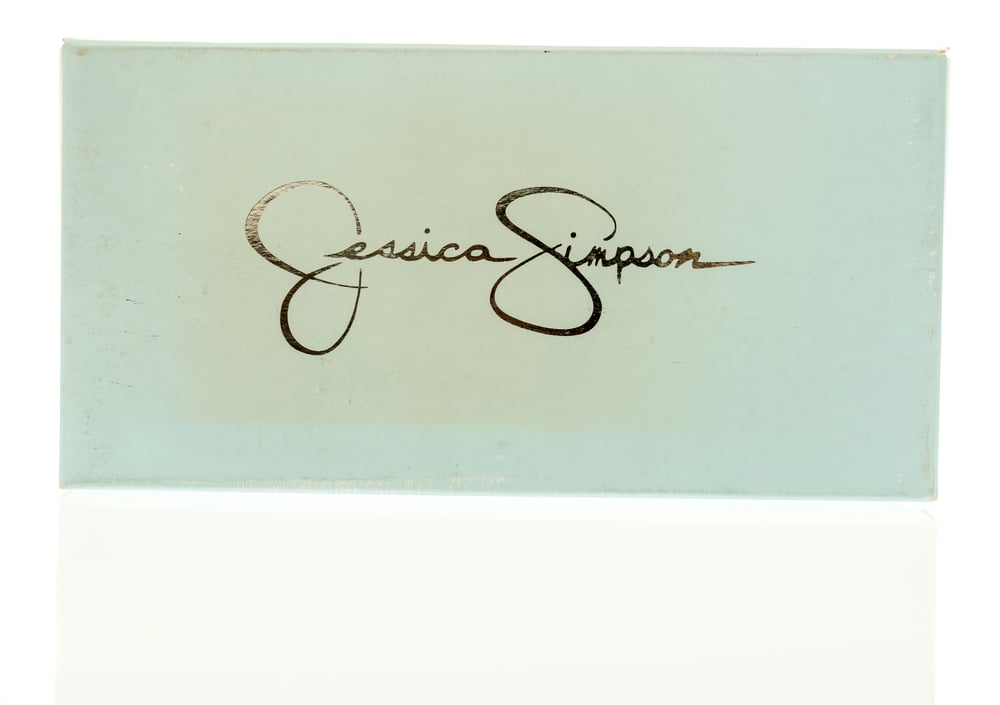
While tabloids fixated on her personal drama, Jessica Simpson quietly constructed a billion-dollar fashion empire. Her clothing and accessories line now generates over $1 billion annually — and Simpson maintains complete ownership rather than licensing her name to manufacturers.
It’s essentially the difference between renting versus owning property, except this particular house keeps appreciating.
Dr. Dre’s Beats Electronics

Dre grasped that headphones weren’t merely about audio quality. They represented fashion statements.
He co-founded Beats Electronics in 2008, and Apple’s $3 billion acquisition in 2014 transformed Dre into hip-hop’s first billionaire. Apple was essentially purchasing street credibility — plus a direct pipeline to younger demographics.
George Clooney’s Casamigos Tequila
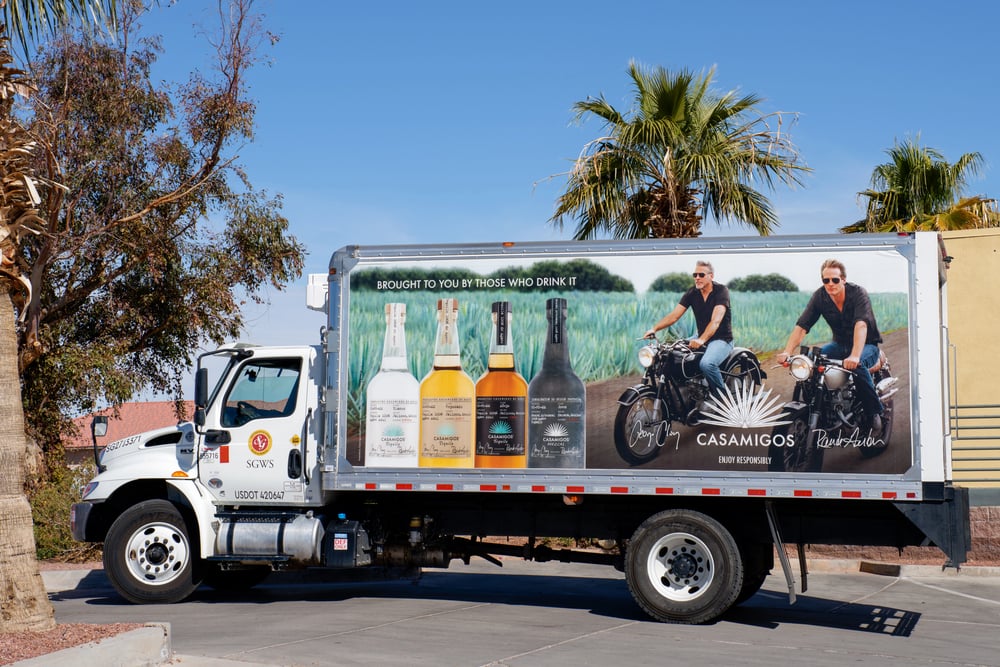
Clooney and business partner Rande Gerber initially created Casamigos as their private label tequila. They were literally just crafting spirits they’d enjoy drinking at their Mexican homes.
Diageo’s acquisition for up to $1 billion in 2017 turned Clooney’s casual side project into one of entertainment history’s most profitable ventures.
Like Go2Tutors’s content? Follow us on MSN.
Kylie Jenner’s Cosmetics Company

Kylie Cosmetics began with lip kits that vanished within minutes — leveraging Jenner’s enormous social media presence. She constructed the brand with minimal overhead by outsourcing manufacturing while maintaining creative control.
When Coty acquired 51% for $600 million in 2019, it valued the entire enterprise at $1.2 billion.
The Rock’s Teremana Tequila

Dwayne Johnson invested three full years developing Teremana Tequila before its 2020 debut — focusing intensively on quality and sustainable production methods. The brand moved 300,000 cases during its inaugural year, establishing it as one of the most successful spirit launches ever.
Johnson’s hands-on involvement and genuine product connection created immediate consumer confidence.
Gwyneth Paltrow’s Goop Lifestyle Brand

Paltrow transformed her simple newsletter into a wellness empire worth hundreds of millions. Goop now sells everything from skincare to supplements — tapping into premium lifestyle markets with products commanding substantial margins.
The company reached a $250 million valuation, demonstrating how controversy can actually amplify brand awareness when managed strategically.
Like Go2Tutors’s content? Follow us on MSN.
Ryan Reynolds’ Aviation Gin

Reynolds didn’t simply invest in Aviation Gin. He became its creative director and primary spokesperson.
His clever social media marketing campaigns drove sales skyward — transforming premium gin into a household name. Diageo’s acquisition for up to $610 million in 2020 multiplied Reynolds’ original investment many times over.
Ashton Kutcher’s Tech Investment Portfolio

Kutcher was backing tech startups before celebrity investing became trendy. His early stakes in companies like Uber, Airbnb, and Spotify through A-Grade Investments have generated hundreds of millions in returns.
Rather than treating venture capital as a hobby — he approached it like serious full-time work, conducting thorough due diligence on potential investments.
Oprah’s Weight Watchers Investment

When Oprah purchased a 10% Weight Watchers stake for $43 million in 2015, the company was battling declining membership. Her personal endorsement and board participation helped revitalize the struggling brand, and her investment peaked at over $400 million in value.
The deal succeeded because Oprah genuinely used and believed in the product.
Like Go2Tutors’s content? Follow us on MSN.
Justin Timberlake’s MySpace Investment

Timberlake joined the group that acquired MySpace from News Corporation for $35 million in 2011. Most observers had already dismissed the platform as a Facebook casualty.
While MySpace never reclaimed its former dominance, the investment provided Timberlake valuable digital media and tech investing experience that informed his subsequent business decisions.
50 Cent’s Vitamin Water Stake

Curtis Jackson received Glacéau equity in exchange for endorsing the brand and developing his own flavor. Coca-Cola’s $4.1 billion acquisition of Glacéau in 2007 made 50 Cent’s stake worth an estimated $60-100 million.
This deal illustrated how equity compensation could vastly exceed traditional endorsement fees.
Mark Wahlberg’s Performance Inspired Nutrition

Wahlberg co-founded Performance Inspired Nutrition to develop supplements matching his rigorous workout routine. The company emphasizes clean ingredients and transparent labeling, differentiating itself within a crowded marketplace filled with questionable products.
His authentic fitness connection provides credibility that purely celebrity-endorsed supplements typically lack.
Like Go2Tutors’s content? Follow us on MSN.
LeBron James’ Blaze Pizza Investment

James became an early Blaze Pizza investor when the chain operated just two locations. He believed in the fast-casual pizza concept before it gained widespread popularity.
His initial investment was reportedly under $1 million, yet as the franchise expanded to hundreds of locations, his stake became worth tens of millions. This demonstrated the tremendous power of early investment in promising franchise concepts.
When Fame Transforms into Fortune
These transactions demonstrate that entertainment’s biggest fortunes aren’t constructed on talent alone. They’re built through ownership.
Stars who’ve achieved lasting wealth recognized that earning well and building equity represent completely different strategies. They identified opportunities to convert fame into business ownership, transforming celebrity status from mere paycheck generator into sustainable competitive advantage.
The takeaway for observers is straightforward: genuine wealth requires owning assets that can appreciate independently.
More from Go2Tutors!

- 16 Historical Figures Who Were Nothing Like You Think
- 12 Things Sold in the 80s That Are Now Illegal
- 15 VHS Tapes That Could Be Worth Thousands
- 17 Historical “What Ifs” That Would Have Changed Everything
- 18 TV Shows That Vanished Without a Finale
Like Go2Tutors’s content? Follow us on MSN.