Famous Explorers Who Charted the Unknown
Throughout history, brave individuals have pushed beyond the edges of known maps, driven by curiosity, ambition, and the simple human need to see what lies beyond the next mountain or across the vast ocean.
These explorers didn’t just travel to new places; they opened doors to entire worlds that changed how people understood the planet they lived on.
Marco Polo

This guy basically took the ultimate gap year that lasted 24 years and changed European history forever.
Polo traveled from Venice to China and back, bringing stories of paper money, coal, and spices that sounded like complete fiction to people back home.
His travel stories became the medieval equivalent of a bestselling adventure novel, inspiring every wannabe explorer in Europe.
Some people still argue about whether he actually made it all the way to China or just hung out in trading posts collecting secondhand stories.
Either way, his book made people realize the world was way bigger and stranger than anyone had imagined.
Christopher Columbus
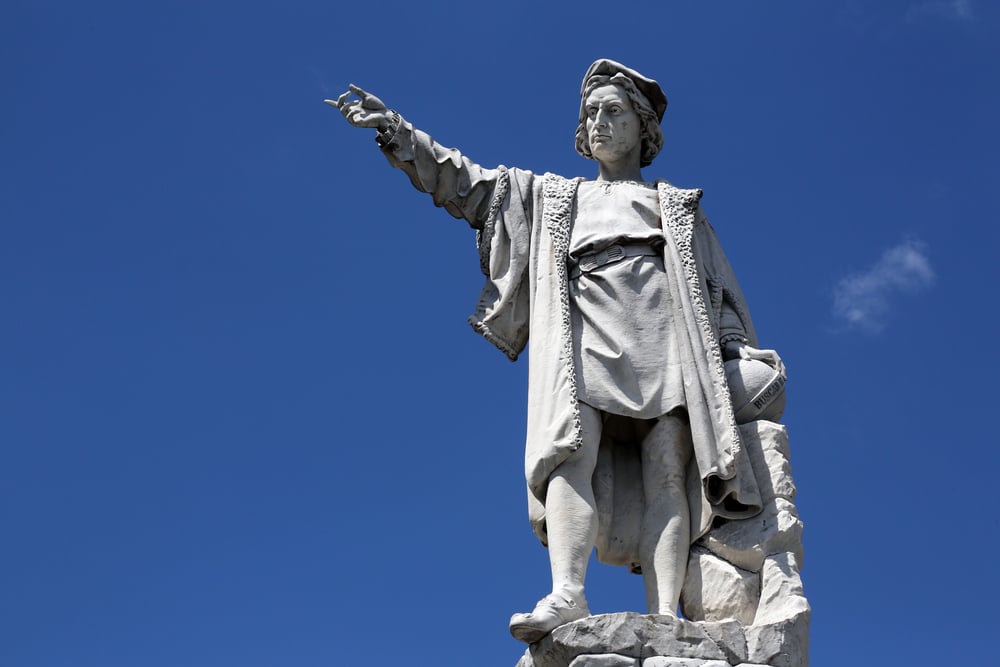
Columbus was basically that friend who’s absolutely convinced about something that turns out to be totally wrong, except his mistake changed the entire world.
He thought he could reach Asia by sailing west and was completely off about the distances involved.
The guy had no clue that two enormous continents were sitting right in his path.
His four trips between 1492 and 1504 accidentally connected two halves of the world that had been separate for thousands of years.
Columbus died still thinking he’d found a route to Asia, never realizing he’d stumbled onto something much bigger.
Like Go2Tutors’s content? Follow us on MSN.
Vasco da Gama
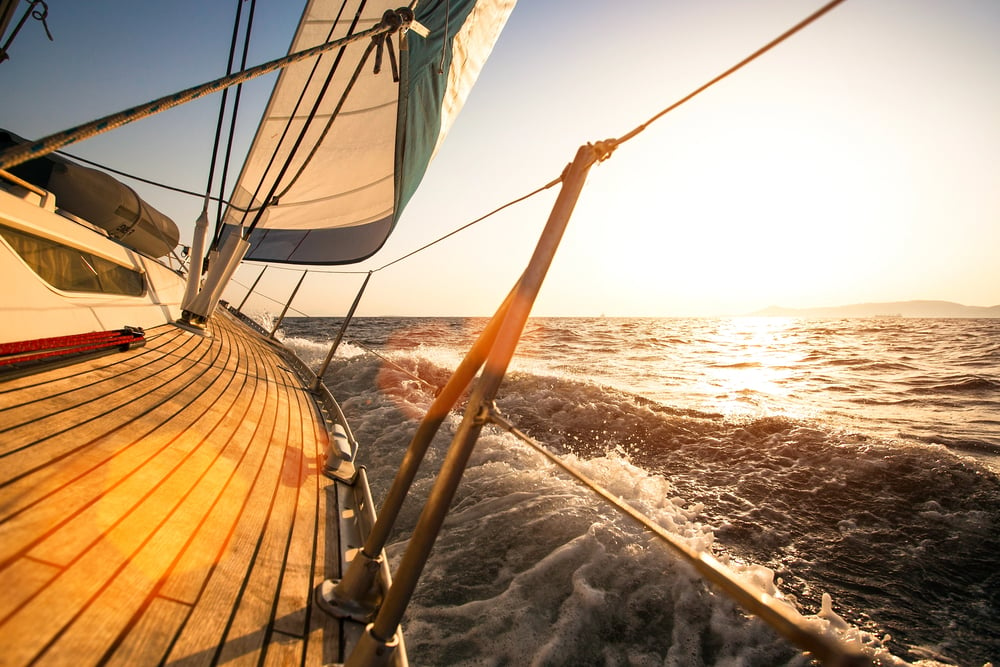
Da Gama pulled off what everyone said was impossible by sailing around Africa to reach India, breaking up the Middle Eastern spice trade monopoly in the process.
His journey was absolutely brutal, with crew members dropping like flies from diseases and terrible conditions.
But when he finally made it to India and loaded up with spices, he basically made Portugal rich overnight.
The sea route he found became Portugal’s secret weapon for building a trading empire.
Da Gama proved that sometimes the craziest ideas work out better than anyone expects, even when half your crew dies trying.
Ferdinand Magellan
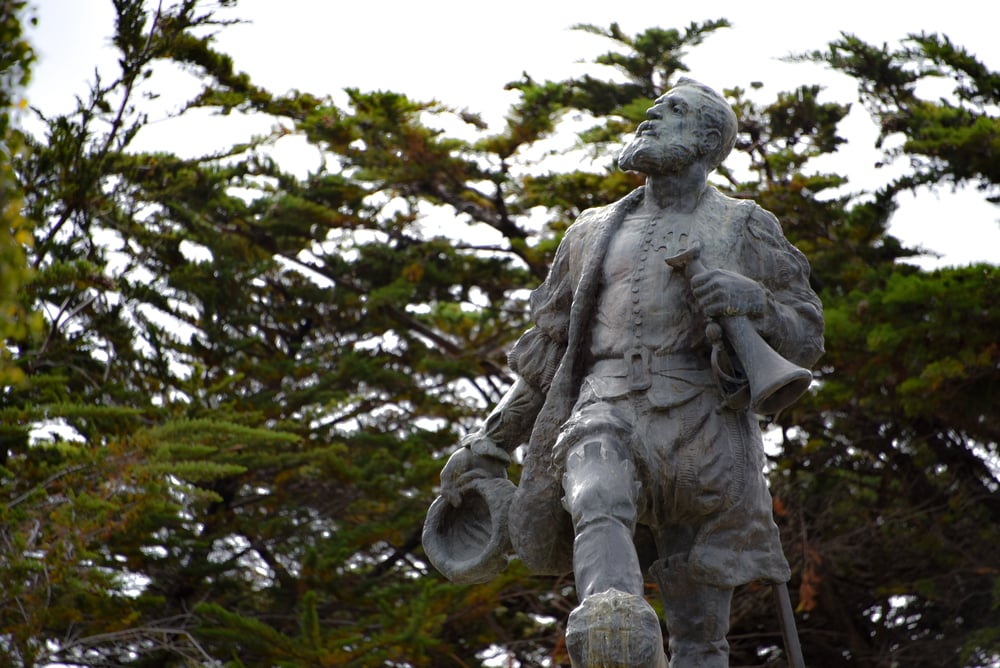
Magellan set out to prove the Earth was round by sailing all the way around it, which seemed like a reasonable plan until reality kicked in.
He died in the Philippines before finishing the job, but his crew kept going and became the first people to actually circle the entire planet.
The trip took three years and killed most of the people who started it, including Magellan himself.
His expedition revealed that the Pacific Ocean was absolutely massive, much bigger than anyone had guessed.
Magellan’s voyage showed that the Earth was way larger than all the smart people had calculated.
Hernán Cortés
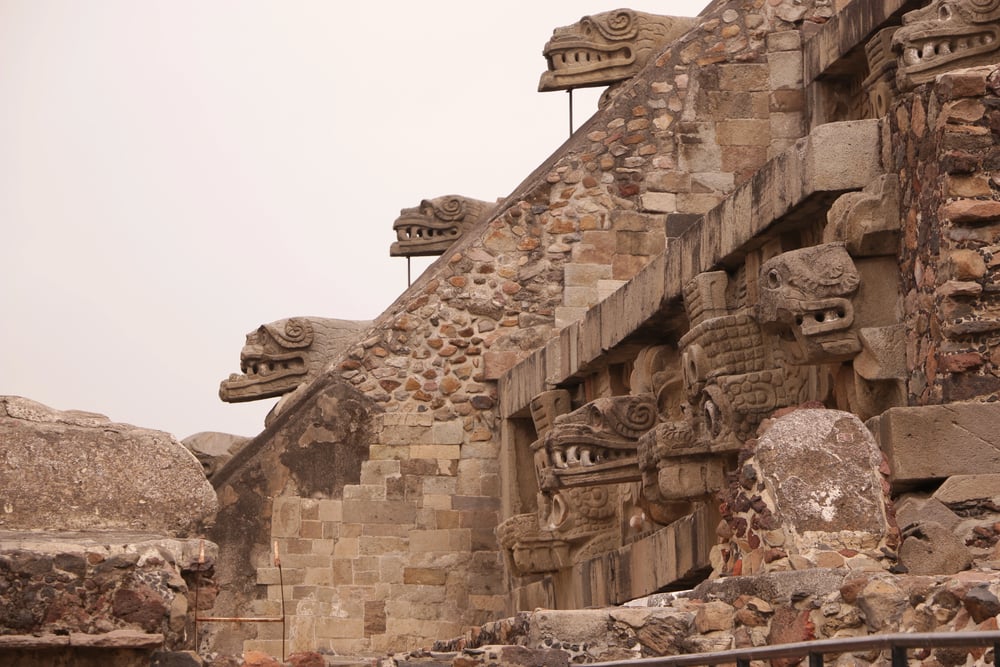
Cortés showed up in Mexico with a few hundred guys and somehow managed to topple one of the most powerful empires in the Americas.
His success came from a mix of superior weapons, clever alliances with local enemies of the Aztecs, and incredible luck.
The Aztecs had never seen horses or gunpowder before, which gave Cortés a huge advantage in battles.
Diseases that the Spanish carried also devastated the native population, making conquest much easier.
Cortés opened up the incredible wealth of Mexico to Spanish colonization and made Spain the richest country in Europe.
Like Go2Tutors’s content? Follow us on MSN.
Francisco Pizarro
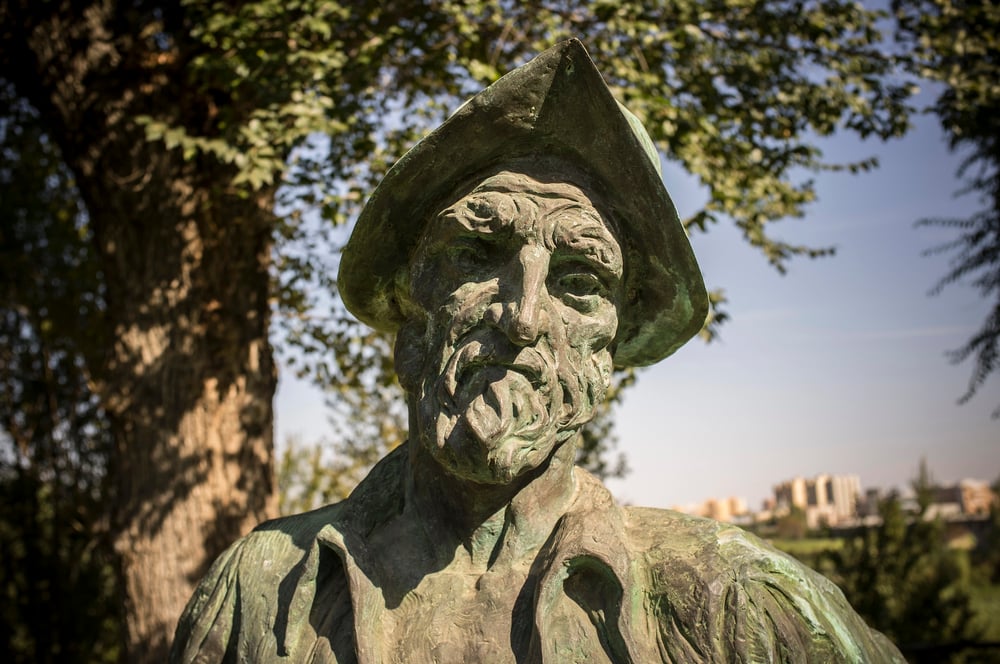
Pizarro conquered the Inca Empire with an even smaller army than Cortés used in Mexico, which sounds impossible until you learn how he did it.
He captured the Inca emperor during a meeting and basically held the entire empire hostage for a room full of gold.
The wealth Pizarro extracted from Peru funded Spanish adventures around the world for centuries.
His methods were often brutal, and he destroyed an advanced civilization in the process of getting rich.
Pizarro proved that sometimes a small group of determined people with better technology could defeat much larger forces.
Captain James Cook
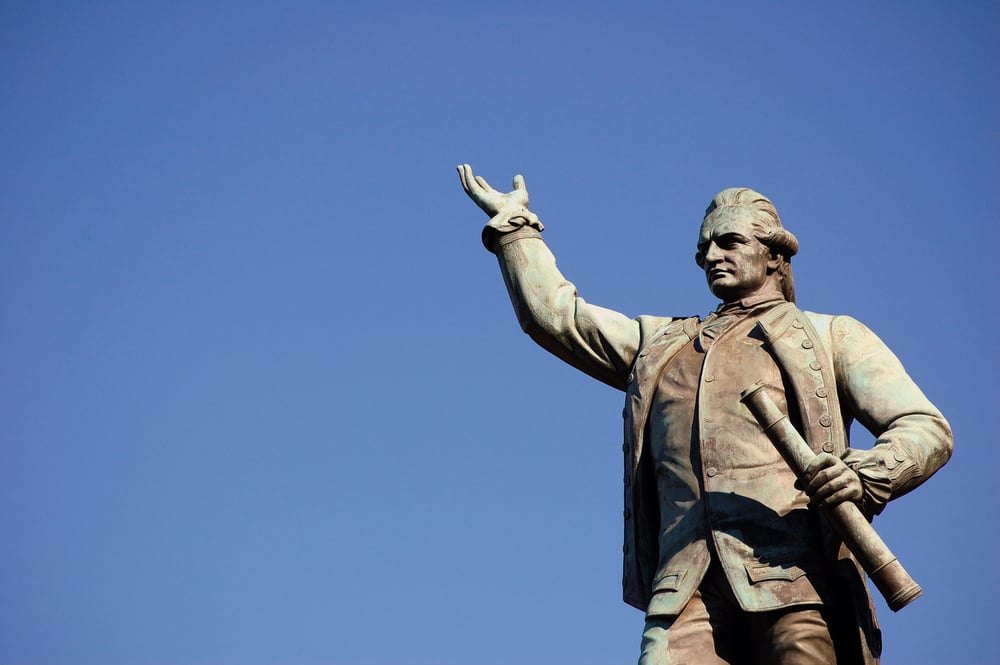
Cook made three trips to the Pacific that basically filled in all the blank spots on the map of the world’s biggest ocean.
He figured out that New Zealand and Australia were separate places, not parts of some giant southern continent that geographers had been guessing about.
Cook brought scientists along on his trips, making exploration about learning as much as finding new places to claim.
His detailed charts were so accurate that sailors used them for decades afterward.
Cook’s work filled in the last major unknown areas on world maps and showed how careful preparation could make exploration much safer.
Lewis and Clark
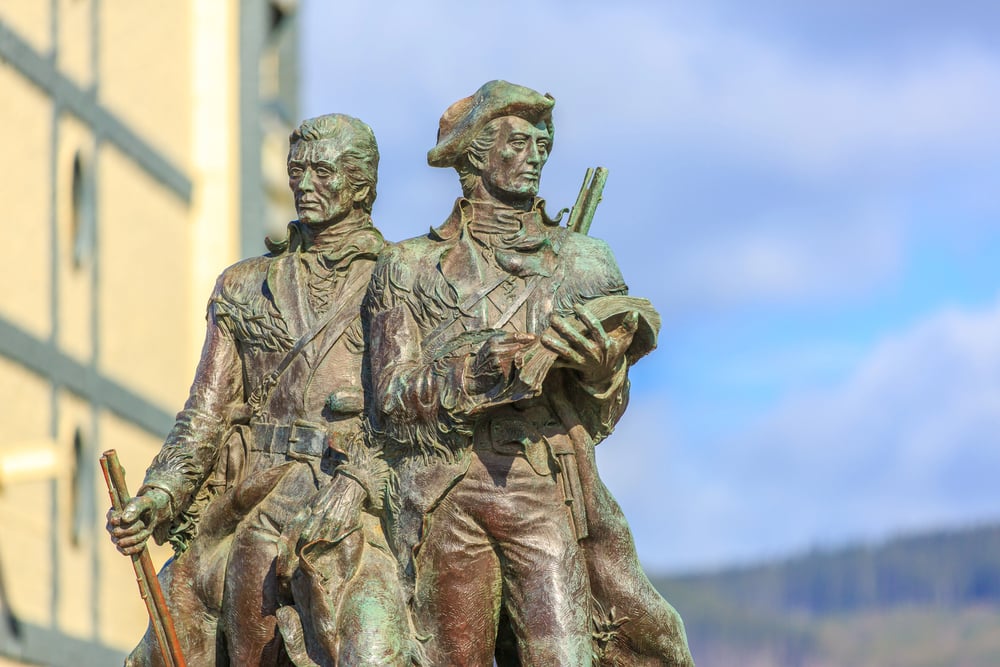
These two led what became America’s most famous road trip when President Jefferson sent them to explore the Louisiana Purchase territory.
Their job was to find a water route to the Pacific and make friends with the Native American tribes they met along the way.
They traveled over 8,000 miles through completely unknown territory with help from Sacagawea, a Shoshone woman who became the real hero of the expedition.
The team brought back maps, plant and animal specimens, and detailed notes about everything they saw.
Their success convinced thousands of Americans that heading west was worth the risk.
Like Go2Tutors’s content? Follow us on MSN.
David Livingstone
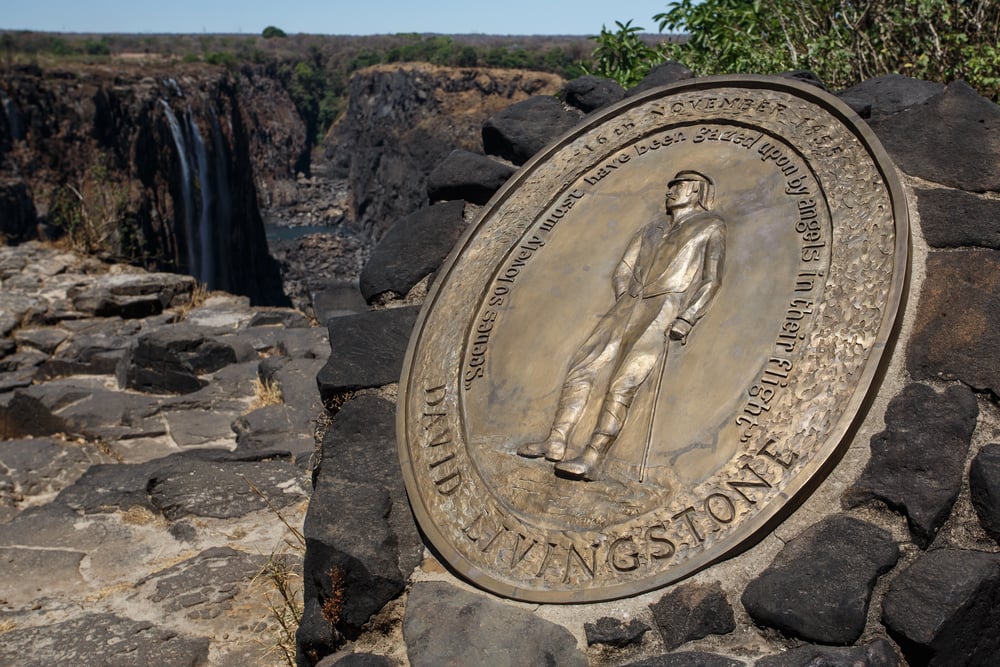
Livingstone spent over 30 years wandering around Africa, becoming the first European to see Victoria Falls and mapping huge chunks of the continent.
He was originally a missionary trying to spread Christianity and end the slave trade, but he became just as famous for his geographical discoveries.
When he disappeared for several years, it prompted the famous rescue mission where journalist Henry Morton Stanley supposedly said “Dr. Livingstone, I presume.”
His detailed journals showed Europeans that Africa was full of sophisticated societies and incredible natural wonders.
Livingstone’s work opened up the African continent to European exploration, though not always with positive results for local people.
Ernest Shackleton
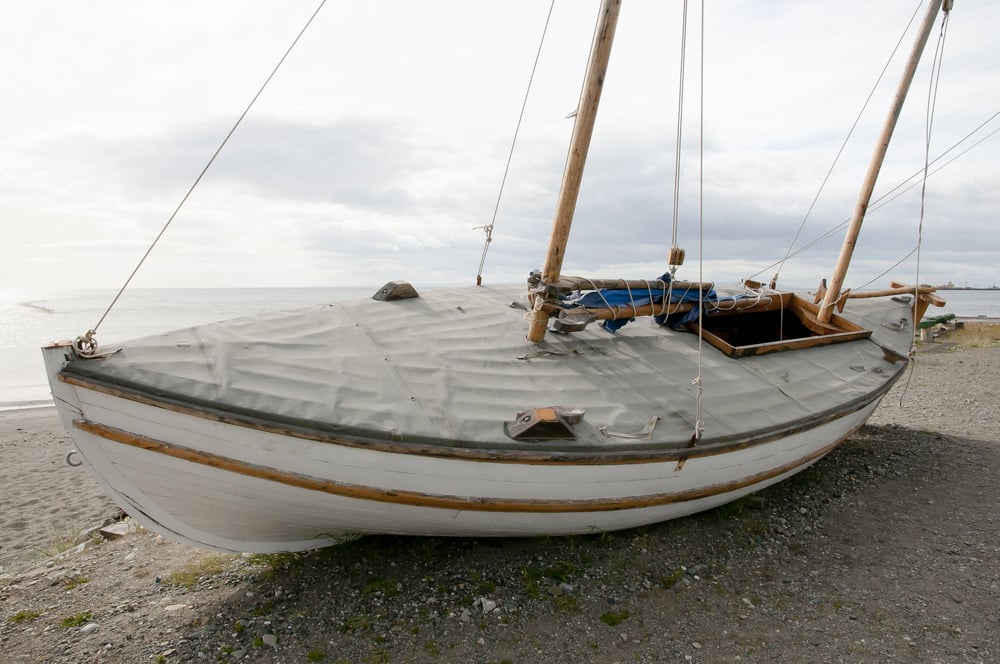
Shackleton led three expeditions to Antarctica, including one that became the greatest survival story in exploration history.
When his ship got trapped in ice, he kept his entire crew alive for nearly two years in conditions that would kill most people in days.
His leadership skills and absolute refusal to give up on any crew member made him a legend among explorers.
Even though he never achieved his goal of crossing Antarctica, his expeditions taught scientists tons about the continent.
Shackleton showed that sometimes the greatest achievements come from surviving disasters rather than reaching your original destination.
Roald Amundsen
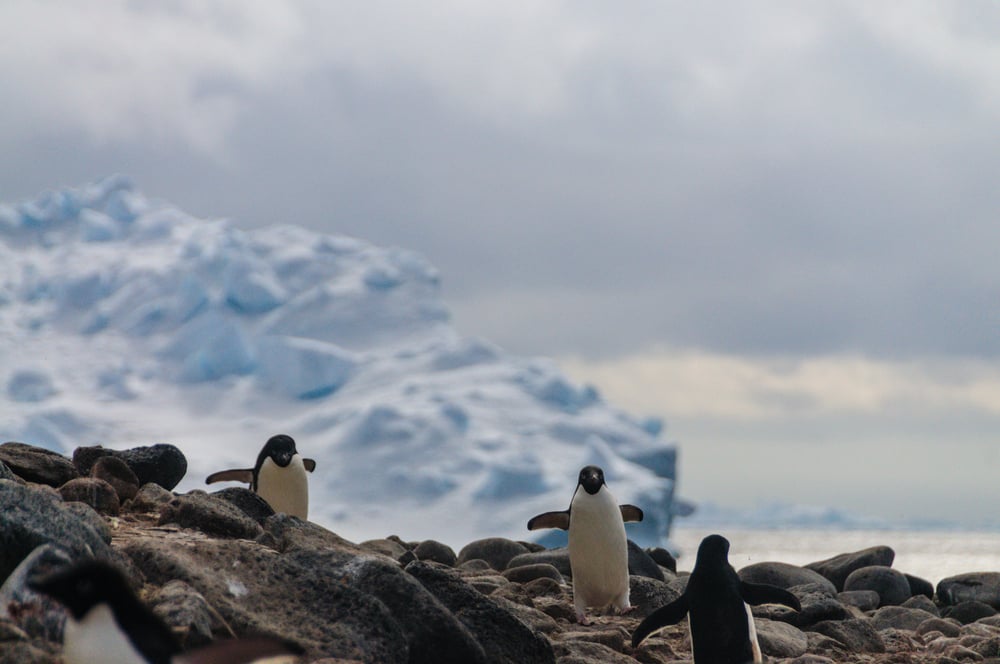
This Norwegian beat British explorer Robert Scott to the South Pole by just over a month, mainly because he planned better and used sled dogs instead of ponies.
Amundsen had originally wanted to reach the North Pole but switched plans when he learned someone else had already done it.
His Antarctic expedition was like a textbook example of how to explore polar regions without getting everyone killed.
The guy was obsessed with preparation and learning from people who actually knew how to survive in extreme cold.
Amundsen’s achievement marked the end of what historians call the heroic age of Antarctic exploration.
Like Go2Tutors’s content? Follow us on MSN.
Robert Peary
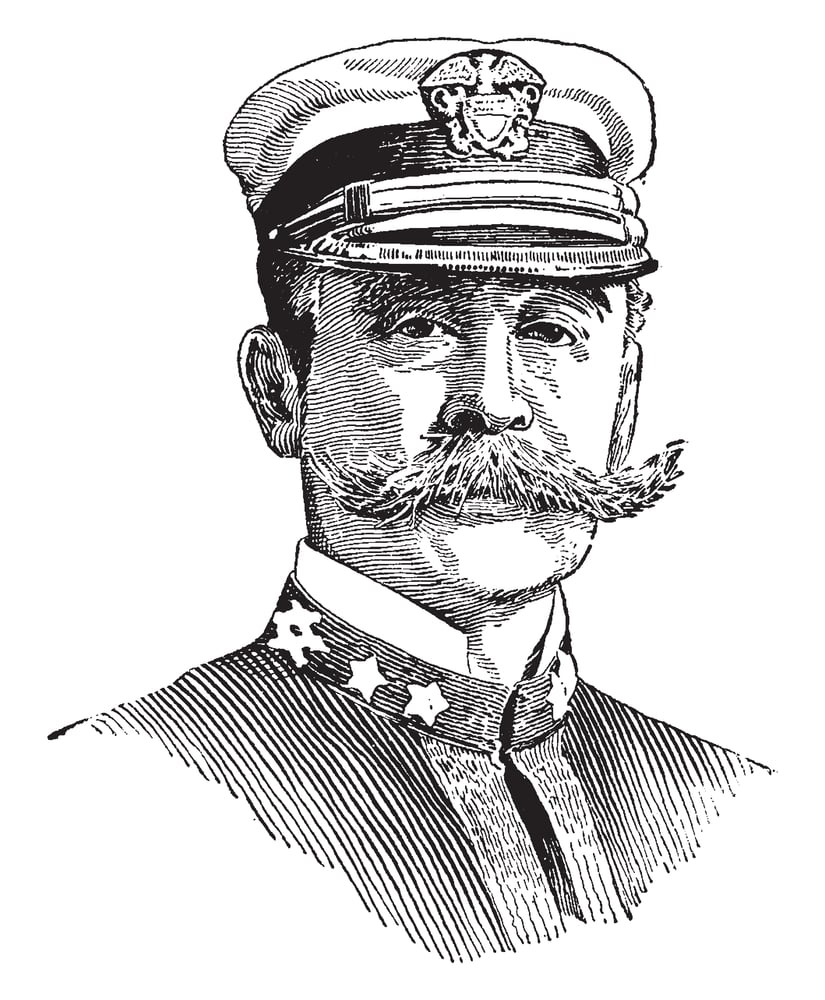
Peary claimed he reached the North Pole in 1909, though people still argue about whether he actually made it all the way or just got really close.
His Arctic expeditions lasted over 20 years and helped map most of the northern polar region.
Rich Americans funded his trips because they thought Arctic exploration would make the United States look good on the world stage.
Peary learned survival techniques from Inuit guides and developed new methods for traveling across ice.
Whether he reached the exact North Pole or not, his expeditions taught people how to survive and work in some of the harshest conditions on Earth.
Henry Hudson
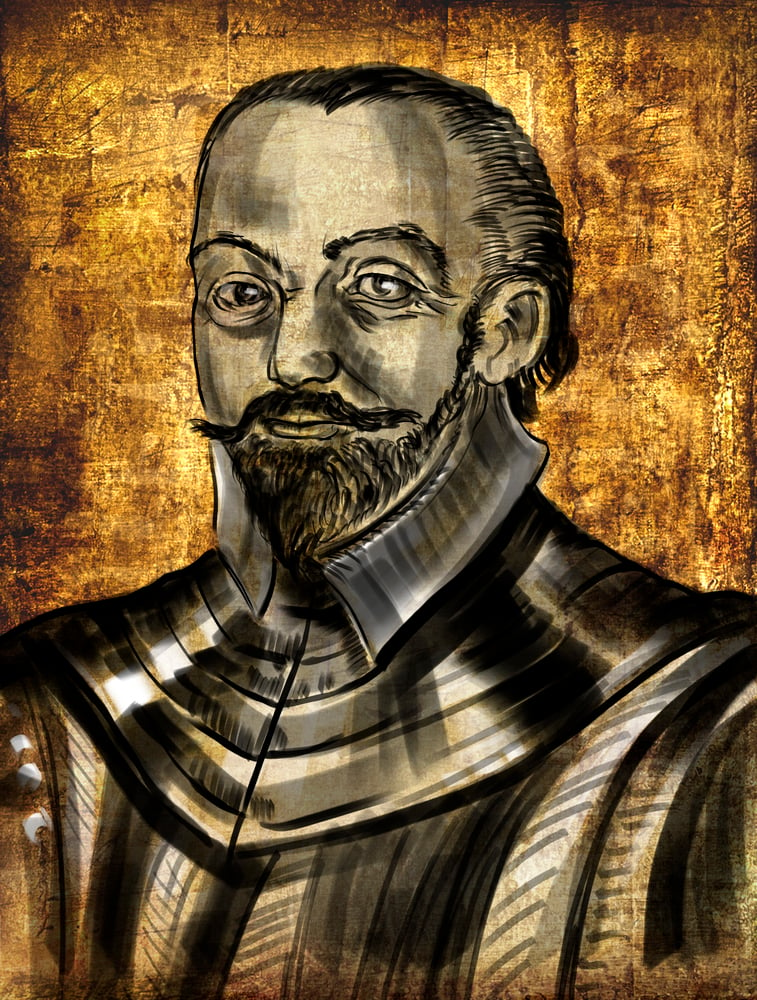
Hudson spent years searching for a northwest passage to Asia and ended up exploring areas that became major centers of trade and settlement.
His work on the Hudson River opened up the fur trade in what would later become New York State.
Hudson’s final voyage ended badly when his crew got fed up with him and set him adrift in a small boat in the bay that now bears his name.
Despite his unfortunate end, Hudson’s explorations gave Europeans crucial information about North American geography.
His work helped establish New York as one of the world’s great port cities.
From hand-drawn maps to GPS navigation
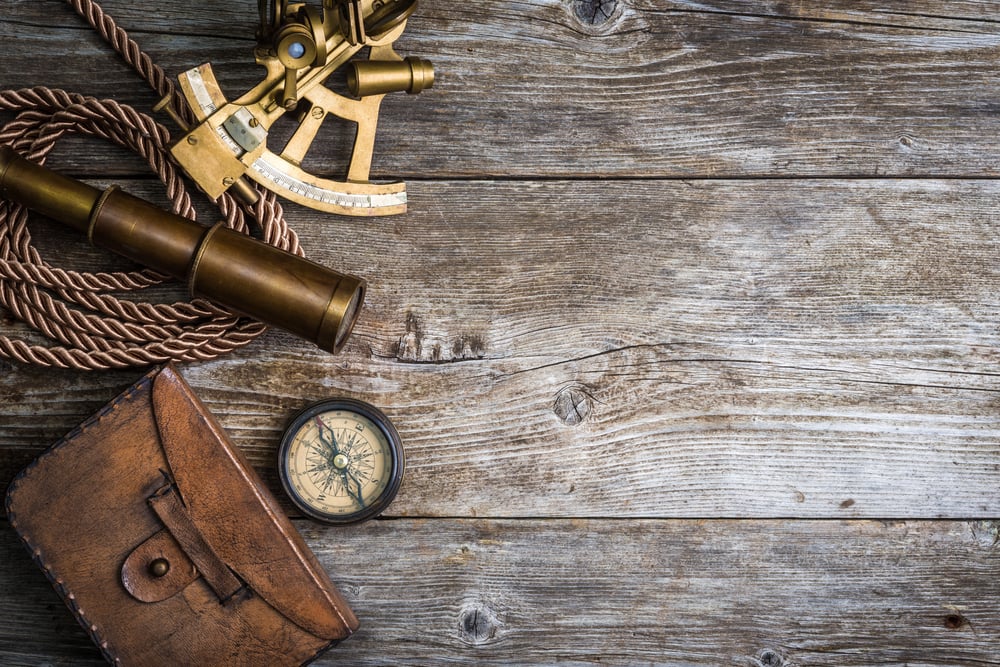
These explorers opened up a world that seemed impossibly huge and mysterious to people back then, but now anyone can visit their destinations with a plane ticket and a smartphone.
Their hand-drawn maps and careful notes became the foundation for our modern understanding of geography, while their willingness to risk everything for the unknown still inspires people today.
More from Go2Tutors!

- 16 Historical Figures Who Were Nothing Like You Think
- 12 Things Sold in the 80s That Are Now Illegal
- 15 VHS Tapes That Could Be Worth Thousands
- 17 Historical “What Ifs” That Would Have Changed Everything
- 18 TV Shows That Vanished Without a Finale
Like Go2Tutors’s content? Follow us on MSN.