Global Naming Trends That Reveal Cultural Roots
Names carry stories that stretch across continents and generations. While modern parents might scroll through apps for the perfect moniker, they’re increasingly drawn to choices that honor their heritage and celebrate global diversity.
Today’s naming landscape reflects a fascinating blend of ancient traditions and contemporary values, where a single name can bridge cultures and carry the weight of family history.Here is a list of global naming trends that showcase how cultural roots continue to shape the way we name our children, even in our interconnected world.
Traditional Grandparent Naming Patterns

Many cultures traditionally name babies after grandparents, with Greece following a pattern where the eldest boy or girl is named after their paternal grandfather or grandmother respectively. Irish families have historically followed a specific rotation: first son named after the paternal grandfather, second son after the maternal grandfather, with a similar pattern for daughters.
While these strict patterns have relaxed, modern parents still frequently honor older generations, often using grandparents’ names as middle names rather than first names.
Birth Star and Astrological Naming

In India, Hindu parents often consult astrologers to choose names that align with the child’s nakshatra, or the lunar constellation at the time of birth. Each of the 27 nakshatras has associated syllables that should begin the child’s name to bring good fortune.
For example, children born under the Ashwini nakshatra should have names starting with “chu,” “che,” “cho,” or “la.” This ancient practice demonstrates how astronomical beliefs continue to influence modern naming decisions across Indian communities worldwide.
Nature-Inspired Global Choices

Parents are continuing to embrace names tied to the natural world, with botanical, celestial and elemental names like River, Sage and Aurora reflecting a desire for grounding and connection in a fast-paced world. This trend spans cultures, from Scandinavian names like Bjorn (bear) to Japanese names like Sakura (cherry blossom) to Arabic names like Qamar (moon).
These natural names often carry similar meanings across different languages, making them perfect for multicultural families.
Saint and Religious Calendar Naming
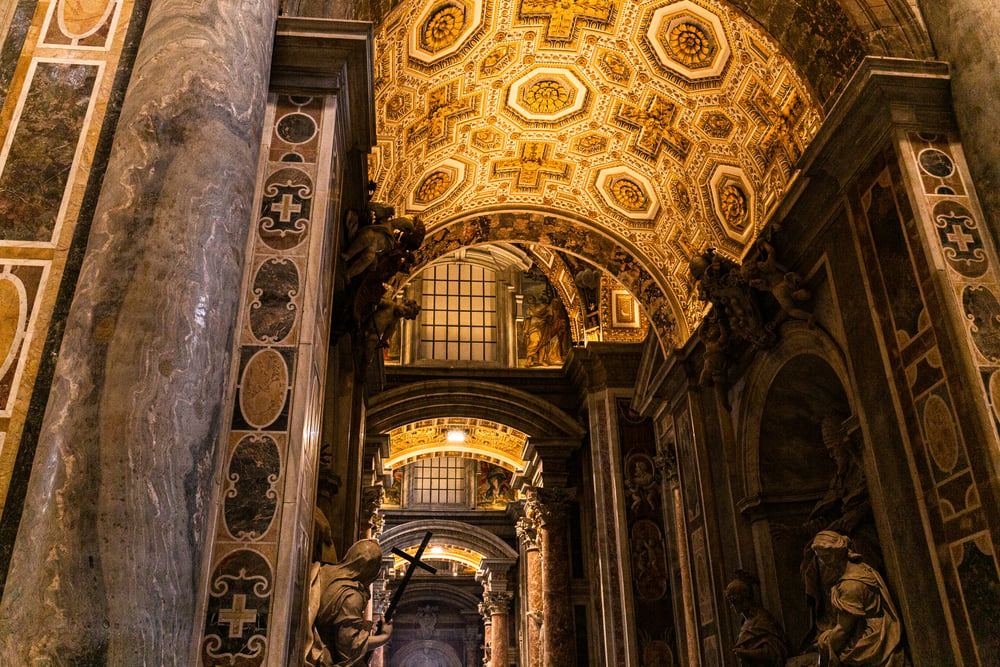
Children born in Catholic cultures are often named for saints associated with their birth or baptismal day, with boys born in early August potentially named for Saint Dominik whose feast day is August 4. Greek Orthodox families celebrate “name days” which can be more important than birthdays, while Hispanic families often add religious names like José or María during baptism.
This tradition shows how religious calendars continue to shape naming patterns across Christian communities globally.
Birth Order and Circumstantial Names

In Bali, children are commonly named for the order of their birth, with firstborns called Wayan or Putu, second children Made or Kadek, third children Nyoman or Komang, and fourth children Ketut. Similarly, in Nigerian Yoruba culture, twins receive specific names: Taiyewo for the first twin (meaning “taste the world”) and Kehinde for the second (“last to come”).These naming systems create immediate family connections and social understanding within communities.
Music and Pop Culture Global Influence
Music-inspired names continue to be a strong trend, with the epic rap battle between Drake and Kendrick Lamar influencing baby naming trends, showing Kendrick-inspired names seeing an 18% increase. However, this extends globally as K-pop influences Korean name adoption, Bollywood affects Indian diaspora naming, and Latin music stars inspire Hispanic families.
These cultural moments create naming waves that spread across ethnic communities worldwide.
French Olympic and Cultural Sophistication
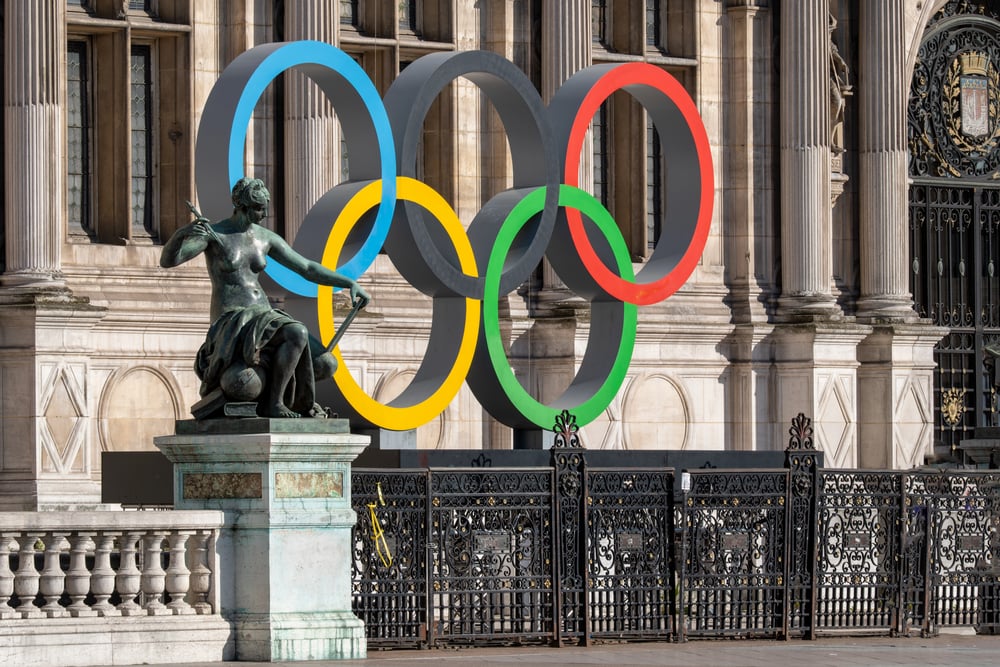
The influence of the Paris Olympics on baby naming trends is already evident, with French-inspired names gaining significant popularity, including Raphael climbing 121 spots in the U.S. to reach position 328. French names like Louis, Charlotte, and Simone benefit from their association with both athletic excellence and cultural sophistication.
This reflects how major cultural events can spark interest in specific national naming traditions.
Safe Haven and Peace-Seeking Names

After years of global conflict and political unrest, parents are reaching for names that evoke peace, comfort, and safety, choosing Safe Haven Names for their incantatory power to protect children from harm. Names like Eden, Dove, Shiloh, and Arcadia cross cultural boundaries while expressing universal desires for tranquility.
These choices often blend Western nature naming with biblical or mythological peace imagery.
Short Global Power Names
In an age of digital communication and social media, there is a growing preference for short, snappy names that offer simplicity and easy pronunciation while maintaining a strong individual identity. Names like Leo (Latin), Mia (multiple origins), Kai (pan-cultural), and Zoe (Greek) work across languages and cultures.
These brief but powerful names travel well in our connected world while maintaining cultural authenticity.
African Diaspora Meaning-Centered Names
Many parents throughout Africa believe a baby’s name should reflect their hopes for the child as well as current events, with the belief that a child’s name can influence both the child’s life and the entire family’s fortune. In Yoruba tradition, names like Abidemi (born while father is away) or Abiodun (born near celebrations) capture specific circumstances.
These meaningful naming practices have spread throughout African diaspora communities worldwide.
Chinese Fortune and Element Balancing
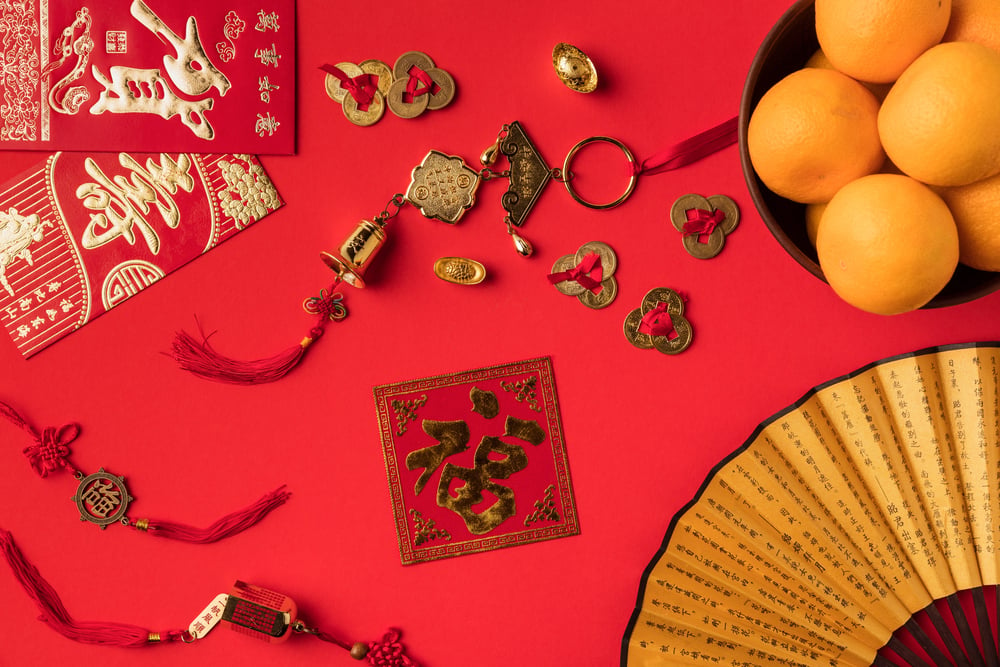
Some parents in China seek guidance from fortune tellers when naming children, believing that depending on when the child is born, their body may lack one of the main four elements, leading parents to choose names incorporating the deficient element. Traditional Chinese names also follow the pattern of family name first, then given name, with approximately 100 surnames making up 85% of the population.
This creates both uniformity in surnames and incredible diversity in given names.
Islamic Global Community Names
Names from Islamic tradition like Omar (“flourishing” in Arabic), Leila (“night” or “dark beauty”), and Ismail (Arabic form of Ishmael) demonstrate how religious communities maintain naming connections across continents. These names appear in multiple cultures – Omar has significance in both Islamic and Jewish traditions, while Leila appears in Persian poetry and has been widely adopted in Western cultures.
This shows how religious naming traditions create global cultural bridges.
Hispanic Catholic Fusion Traditions
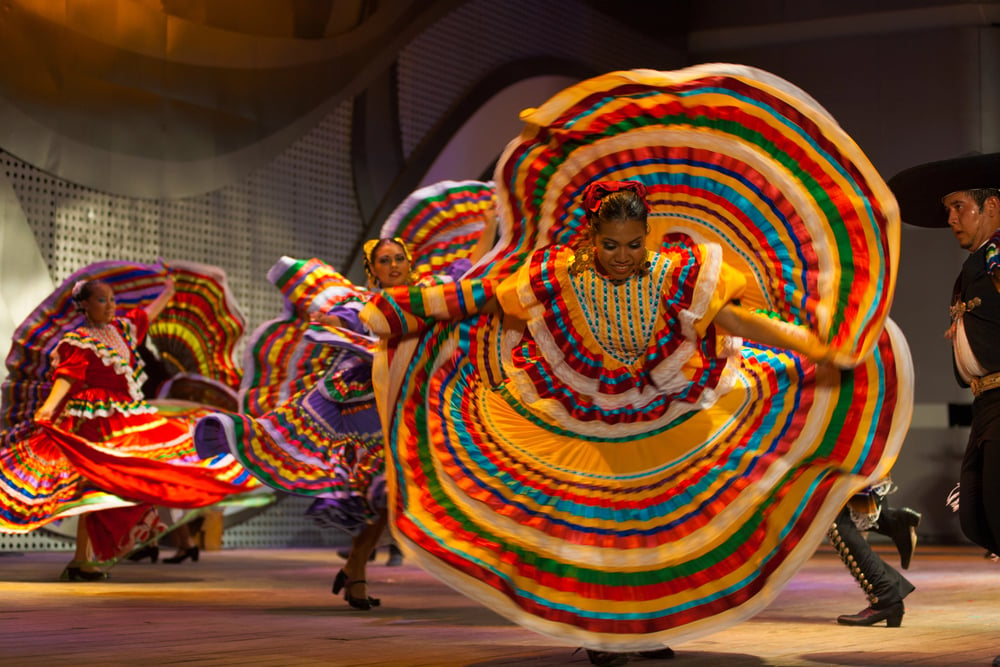
Hispanic families often combine multiple naming traditions, giving children one or two given names that may be derived from Catholicism, such as María José to honor Mary and Joseph. Spanish naming systems also include dual surnames from both parents, preserving family heritage from both sides.
At baptism, additional saint names might be added, creating complex naming structures that honor religious faith, family lineage, and cultural identity simultaneously.
Modern Meets Ancient Wisdom
Today’s global naming trends reveal how deeply our cultural roots continue to matter, even as the world becomes more connected. Parents are putting meaning into names – choosing options inspired by moments in time or modern plays on names from their cultural backgrounds that represent family heritage.
Whether it’s consulting ancient astrological charts, honoring deceased relatives, or blending multiple cultural traditions into a single name, modern families prove that our most personal choices remain powerfully tied to the wisdom of our ancestors. These naming trends show that in our quest to give children unique identities, we’re actually circling back to age-old human desires to connect our children to something larger than themselves.
More from Go2Tutors!

- 16 Historical Figures Who Were Nothing Like You Think
- 12 Things Sold in the 80s That Are Now Illegal
- 15 VHS Tapes That Could Be Worth Thousands
- 17 Historical “What Ifs” That Would Have Changed Everything
- 18 TV Shows That Vanished Without a Finale
Like Go2Tutors’s content? Follow us on MSN.