Lakes With Salt, Acid, or Pink Surprises
Most people picture lakes as calm blue waters surrounded by trees, perfect for a lazy afternoon. But nature has a way of breaking the rules and creating bodies of water that look like they belong on another planet.
These lakes challenge everything we think we know about what water should look like or how it should behave.Let’s dive into some of the strangest and most unusual lakes scattered across the globe.
Dead Sea
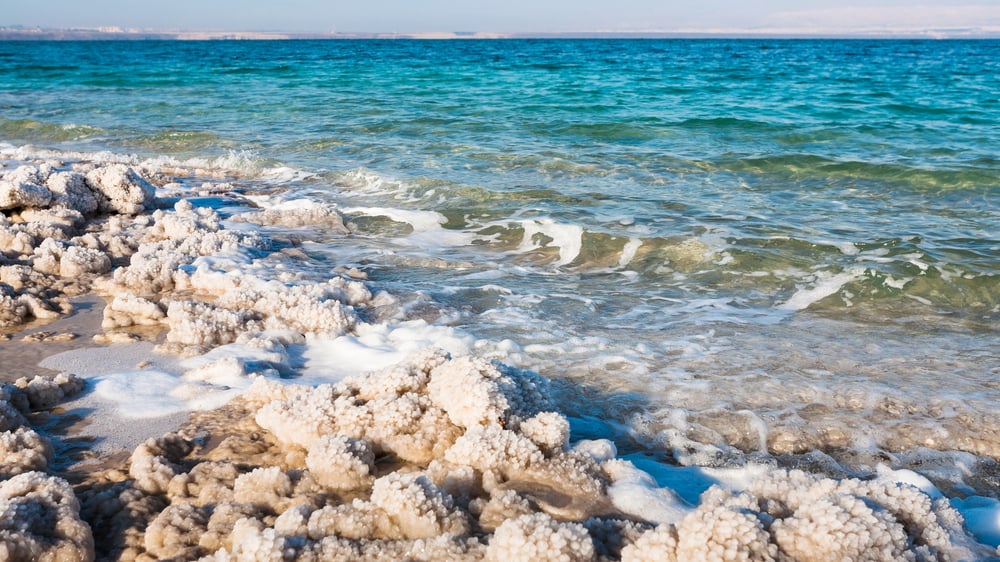
This famous body of water sits between Jordan and Israel, and calling it “dead” isn’t just dramatic. The salt content is so high that almost nothing can live in it.
People float on the surface like rubber ducks because the water is nearly nine times saltier than the ocean. The shores are covered in crusty white salt formations that look like snow but taste terrible.
Visitors cover themselves in the mineral-rich mud, which some believe has healing properties. The lake is actually shrinking every year, dropping about three feet annually.
Lake Hillier
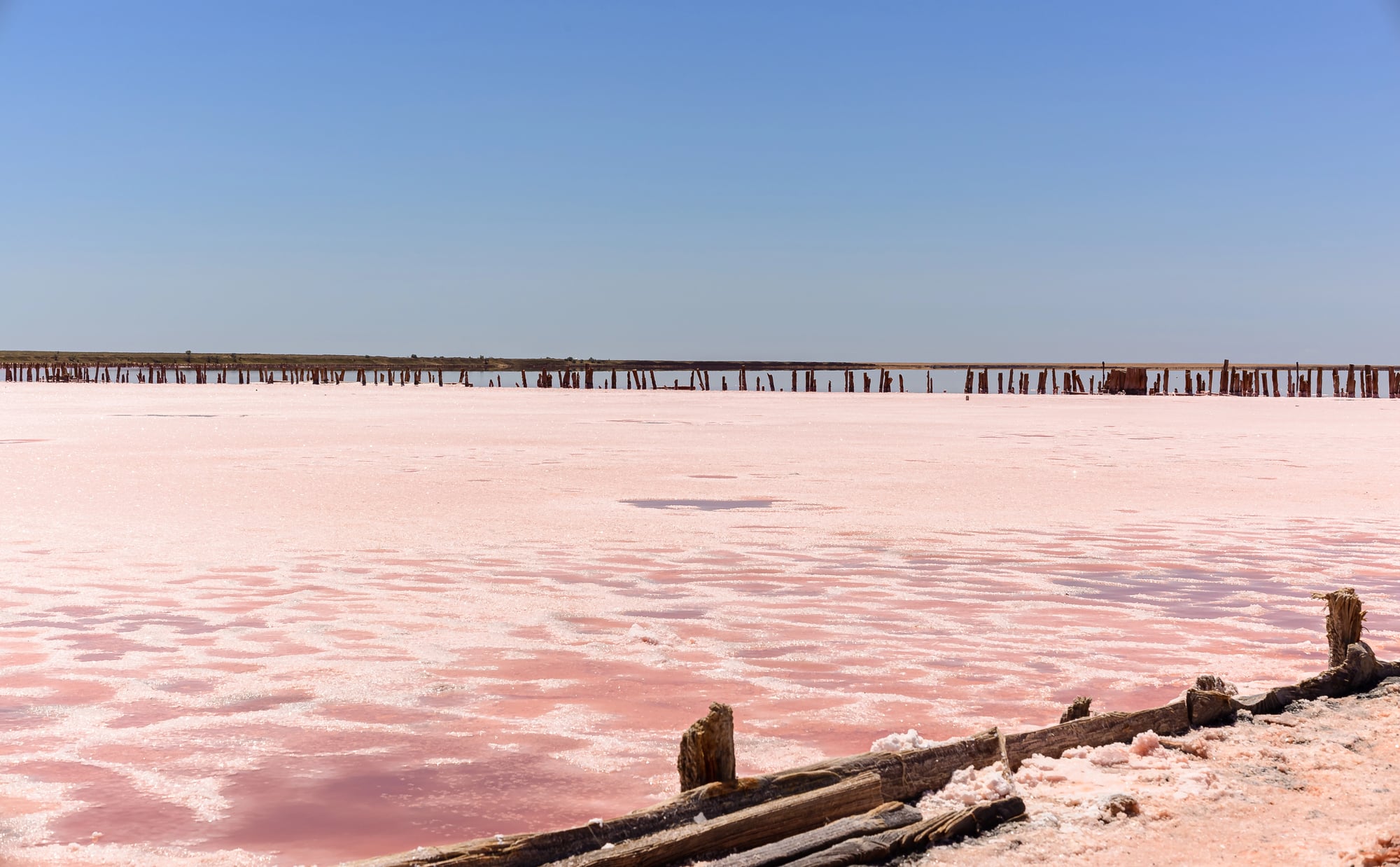
Located on Middle Island off the coast of Western Australia, this lake looks like someone dumped pink paint into the water. The bright bubblegum color stays vivid even when you scoop the water into a bottle.
Scientists believe the color comes from specific bacteria and algae that thrive in the salty environment. The lake is only about 2,000 feet long and sits right next to the bright blue ocean, creating a stunning contrast.
Thick forests surround the pink waters, making the whole scene look unreal.
Like Go2Tutors’s content? Follow us on MSN.
Laguna Colorada
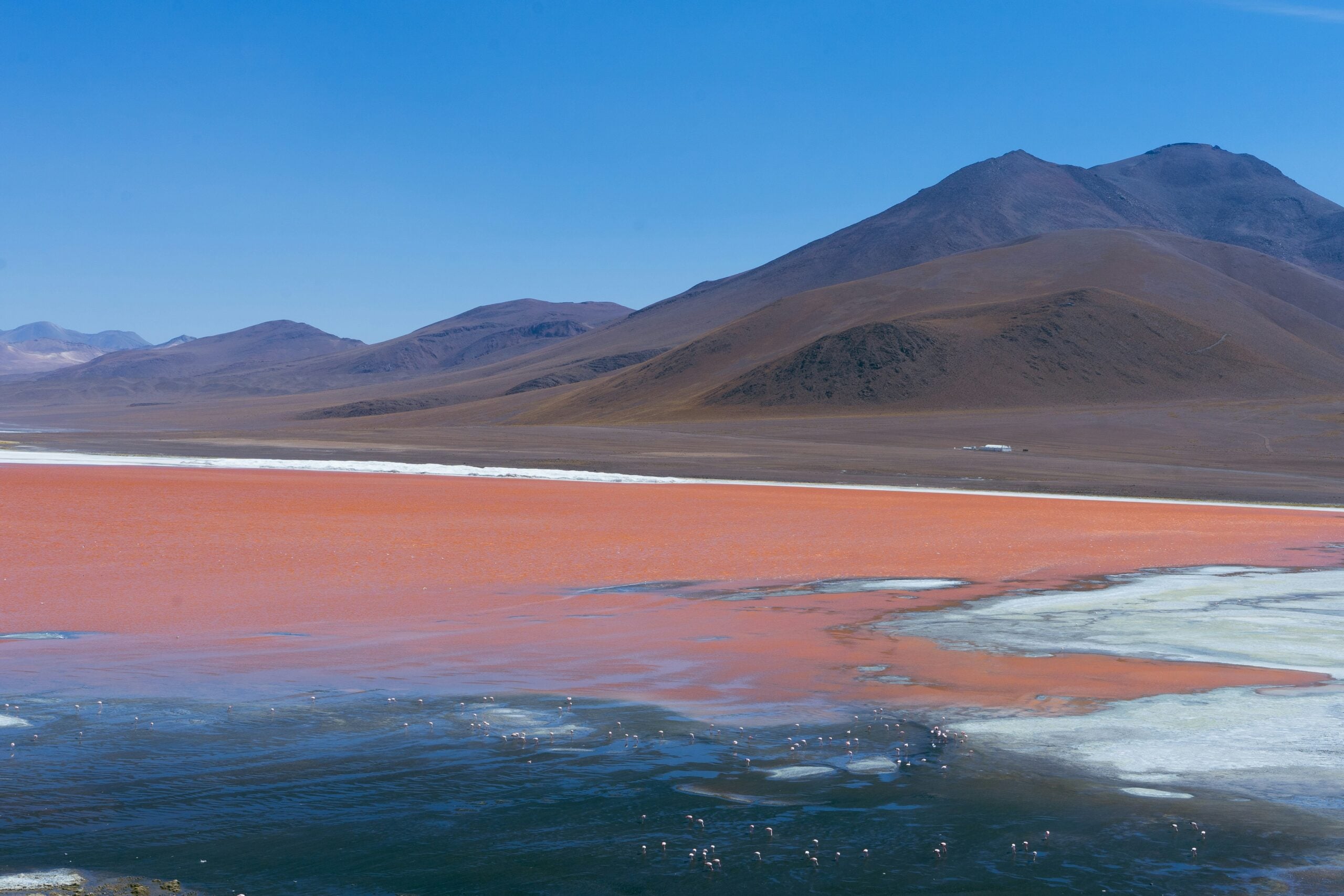
High up in the Bolivian Altiplano, this shallow salt lake turns various shades of red and orange. The color comes from red sediments and algae that love the mineral-rich water.
Thousands of flamingos gather here to feed on the algae, adding even more pink to the already colorful landscape. The lake sits at over 14,000 feet above sea level, where the air is thin and cold.
White borax islands dot the surface like floating icebergs in a red sea.
Lake Natron
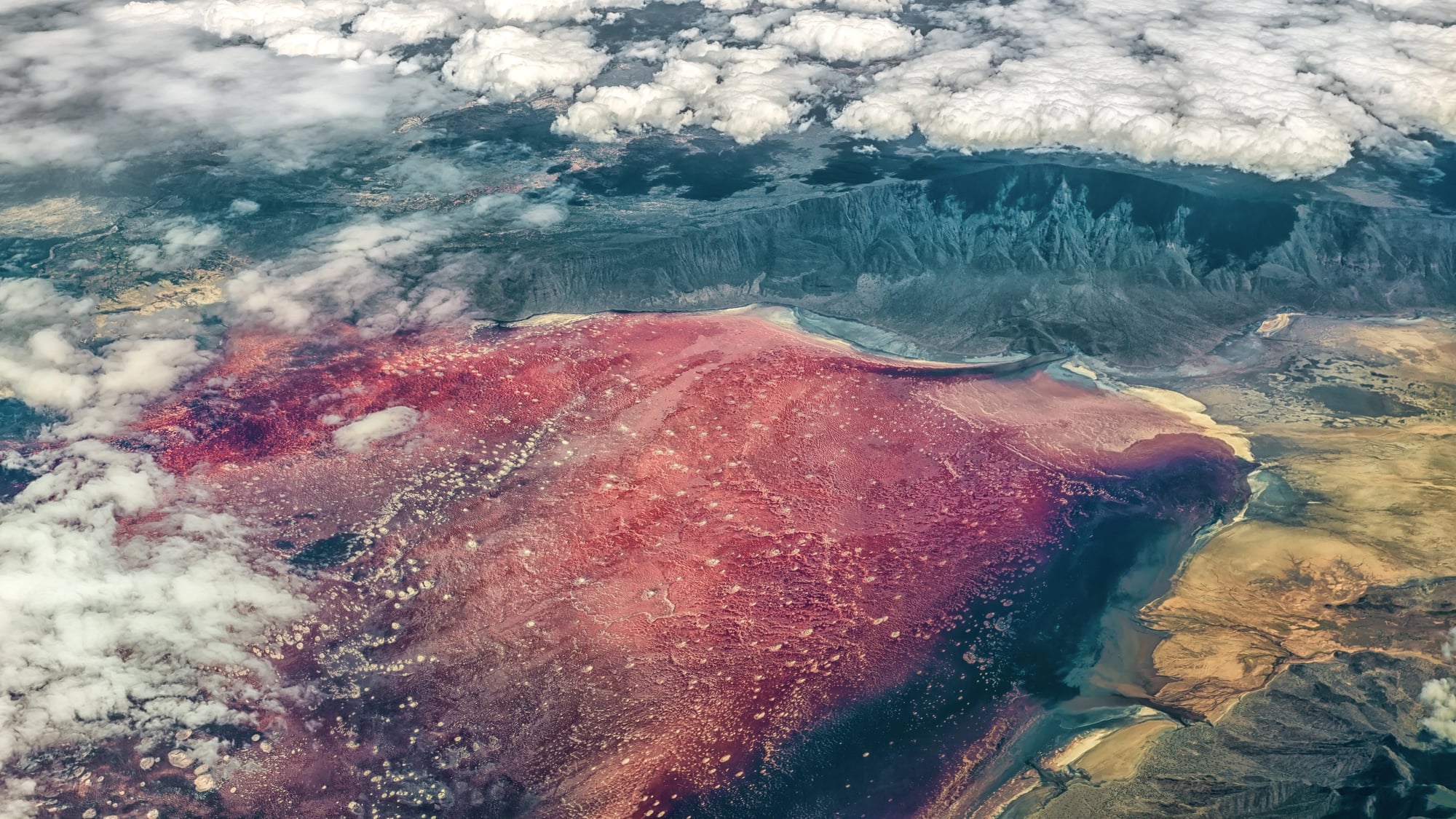
Tanzania’s Lake Natron has water so harsh it can turn animals into stone-like statues. The extreme alkalinity comes from volcanic ash in the area, pushing the pH up to 10.5.
Animals that die in the water become calcified and preserved, creating eerie sculptures along the shoreline. Despite the hostile conditions, millions of flamingos breed here because few predators can survive the environment.
The water temperature can reach 140 degrees Fahrenheit in some areas.
Don Juan Pond
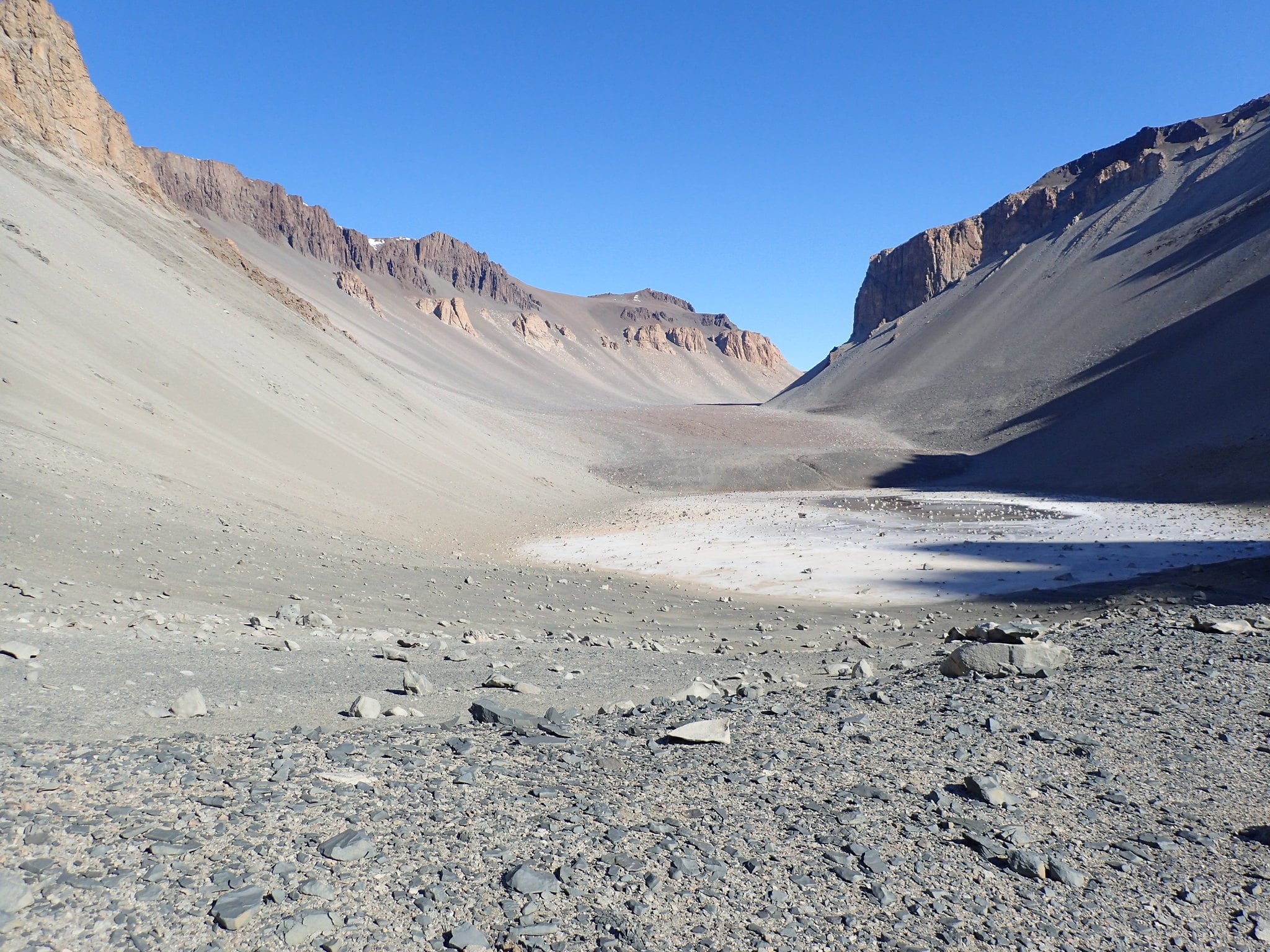
This small pond in Antarctica holds the title for the saltiest body of water on Earth. The water is so salty that it never freezes, even when temperatures drop to minus 50 degrees Fahrenheit.
Scientists study it because the conditions might be similar to potential lakes on Mars. The pond is only about four inches deep but maintains its liquid state year-round.
The water is about 18 times saltier than the ocean.
Like Go2Tutors’s content? Follow us on MSN.
Lake Retba
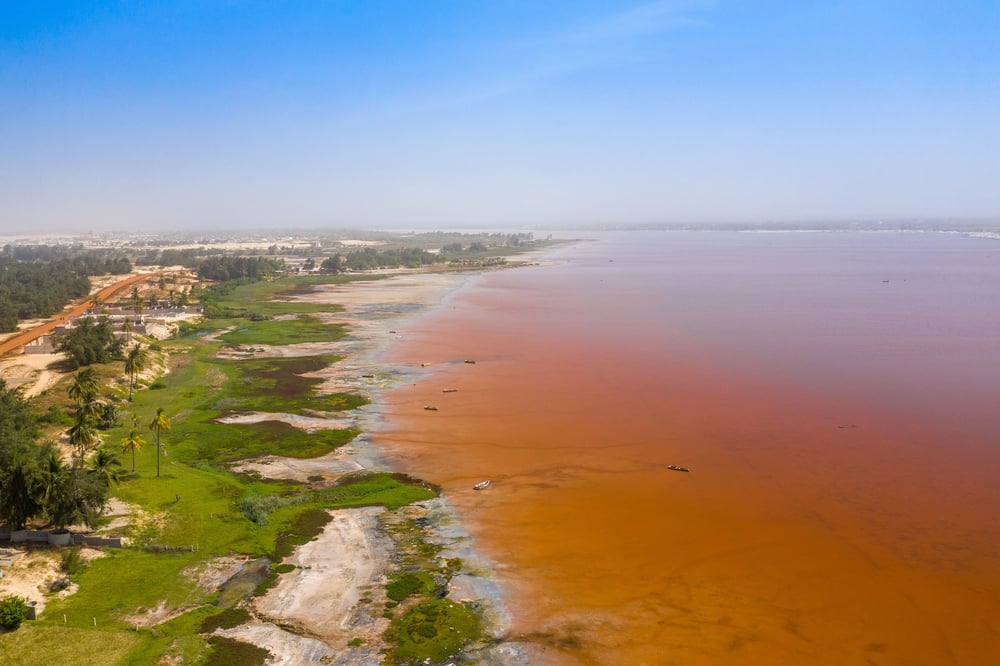
Just north of Dakar in Senegal, Lake Retba glows with a strawberry pink color that intensifies during the dry season. Salt collectors work in the lake daily, coating their skin with shea butter to protect against the high salt content.
The water can be as salty as the Dead Sea, depending on the season. Local workers harvest salt by hand, piling it into mountains along the shore.
The pink color comes from bacteria that produce a red pigment to absorb sunlight.
Kawah Ijen
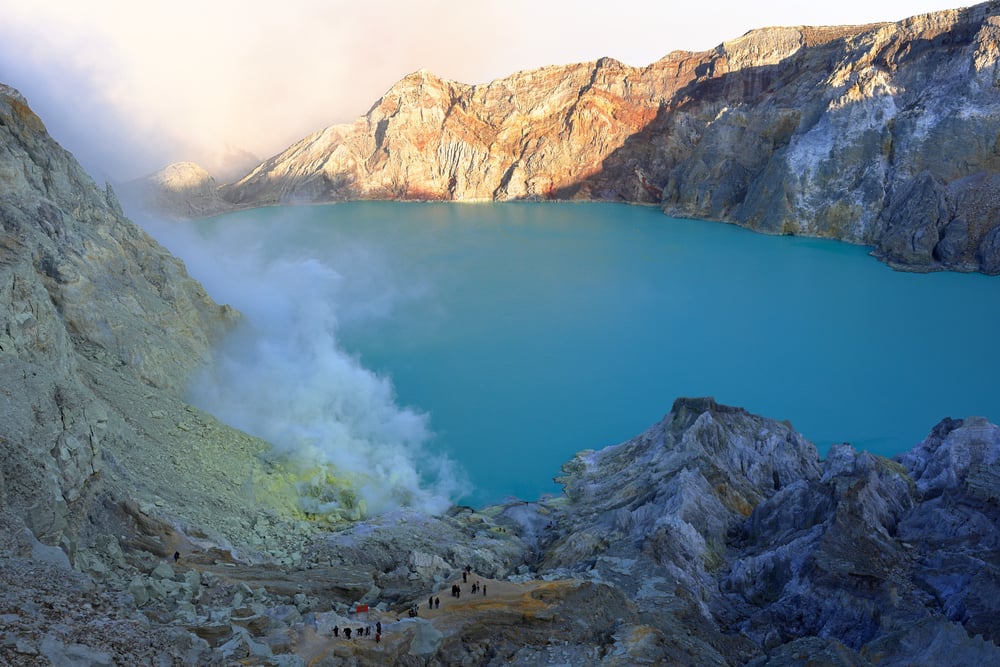
This Indonesian crater lake contains a turquoise pool of acid with a pH close to zero. The water is essentially battery acid mixed with other nasty chemicals from volcanic activity.
Blue flames emerge from sulfuric gases at night, creating an otherworldly light show. Miners risk their health collecting sulfur from the crater, carrying heavy loads up steep paths.
The lake is one of the most acidic bodies of water on the planet.
Lake Karachay
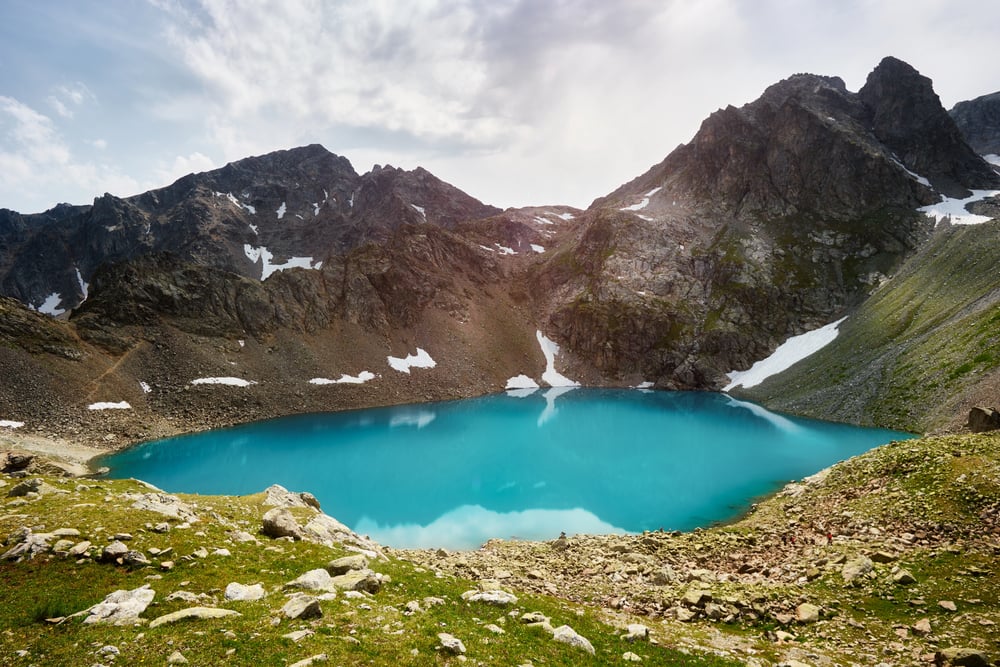
Hidden in Russia’s Ural Mountains, this lake became one of the most polluted places on Earth. The Soviet Union dumped nuclear waste here for years, making the water deadly to anyone who gets close.
Standing on the shore for just an hour could deliver a fatal dose of radiation. The government eventually filled parts of the lake with concrete to contain the contamination.
It remains a grim reminder of environmental disasters.
Like Go2Tutors’s content? Follow us on MSN.
Pink Lake
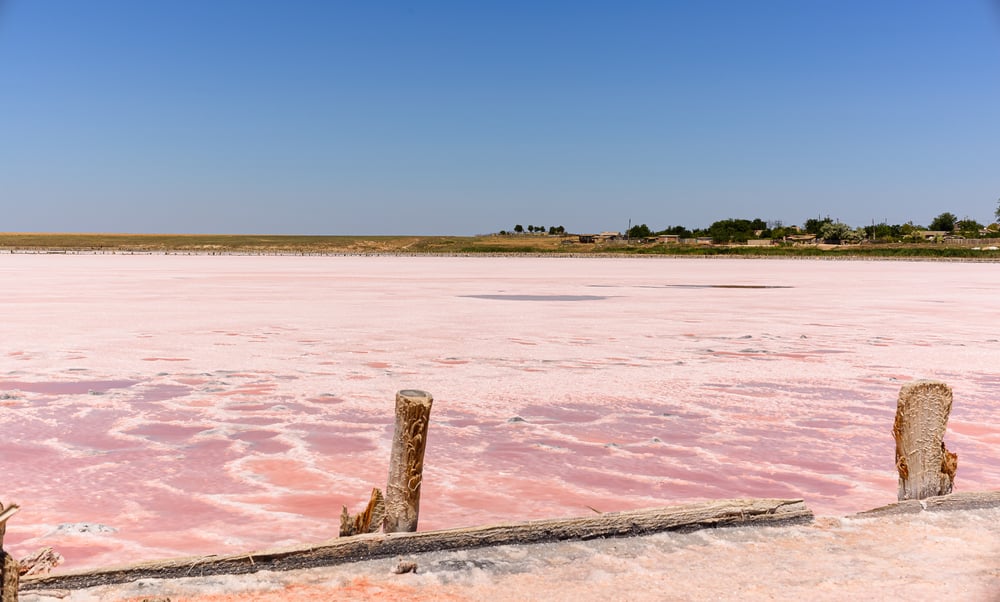
This Australian lake in Victoria once lived up to its name with bright pink water. The color has faded in recent years due to changes in the ecosystem and salt levels.
At its peak, the lake attracted tourists who wanted to see the bubble-gum colored water. The decline shows how delicate these unusual environments can be.
Scientists continue studying what caused the color change and whether it might return.
Pitch Lake
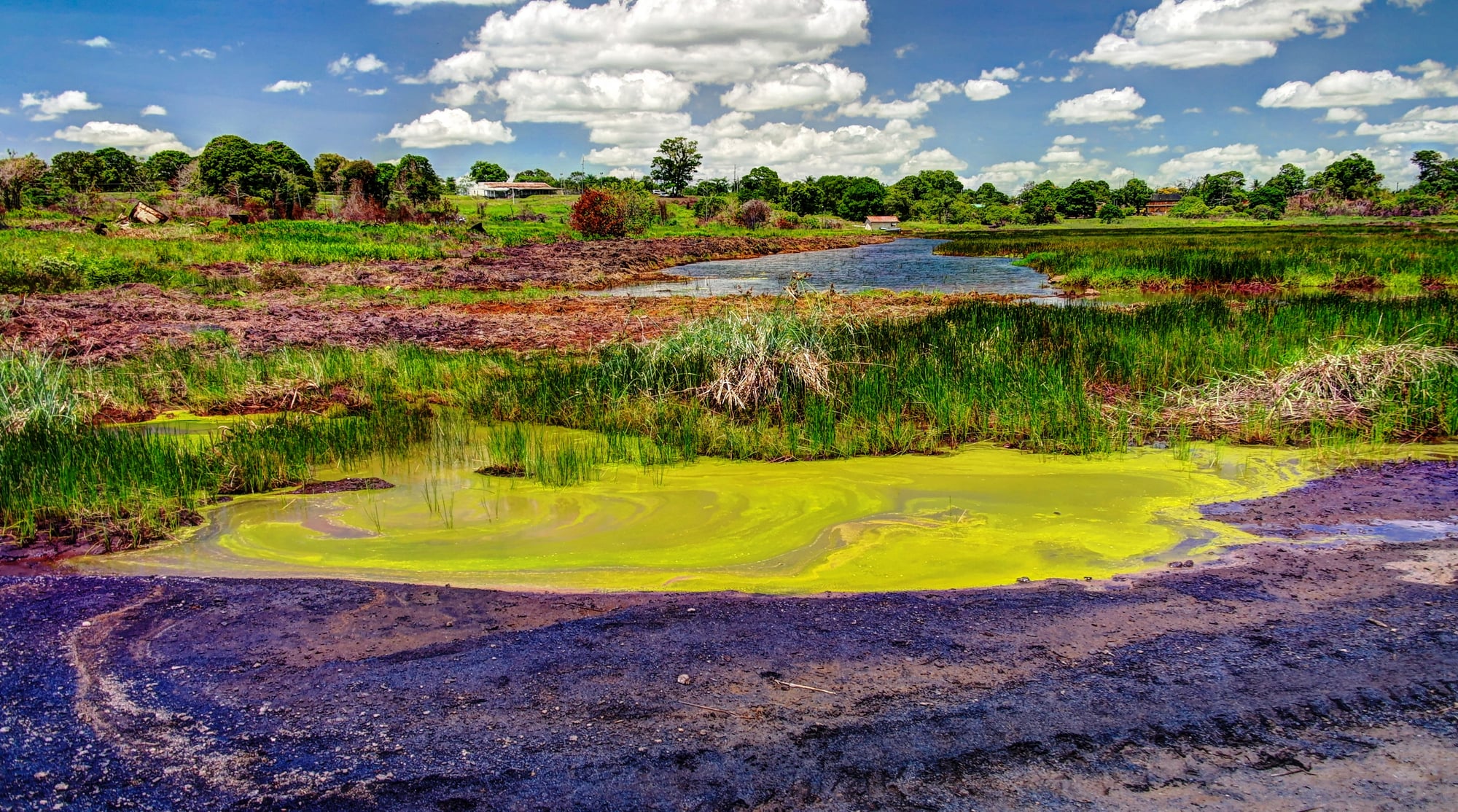
Trinidad’s natural asphalt lake is the largest of its kind in the world. The surface looks solid enough to walk on, but it’s actually a thick, slow-moving liquid.
This pitch has been harvested for over 400 years to pave roads around the world. The lake covers about 100 acres and reaches depths of approximately 250 feet.
Small pools of water on the surface contain unique microorganisms that can survive in the harsh tar.
Boiling Lake
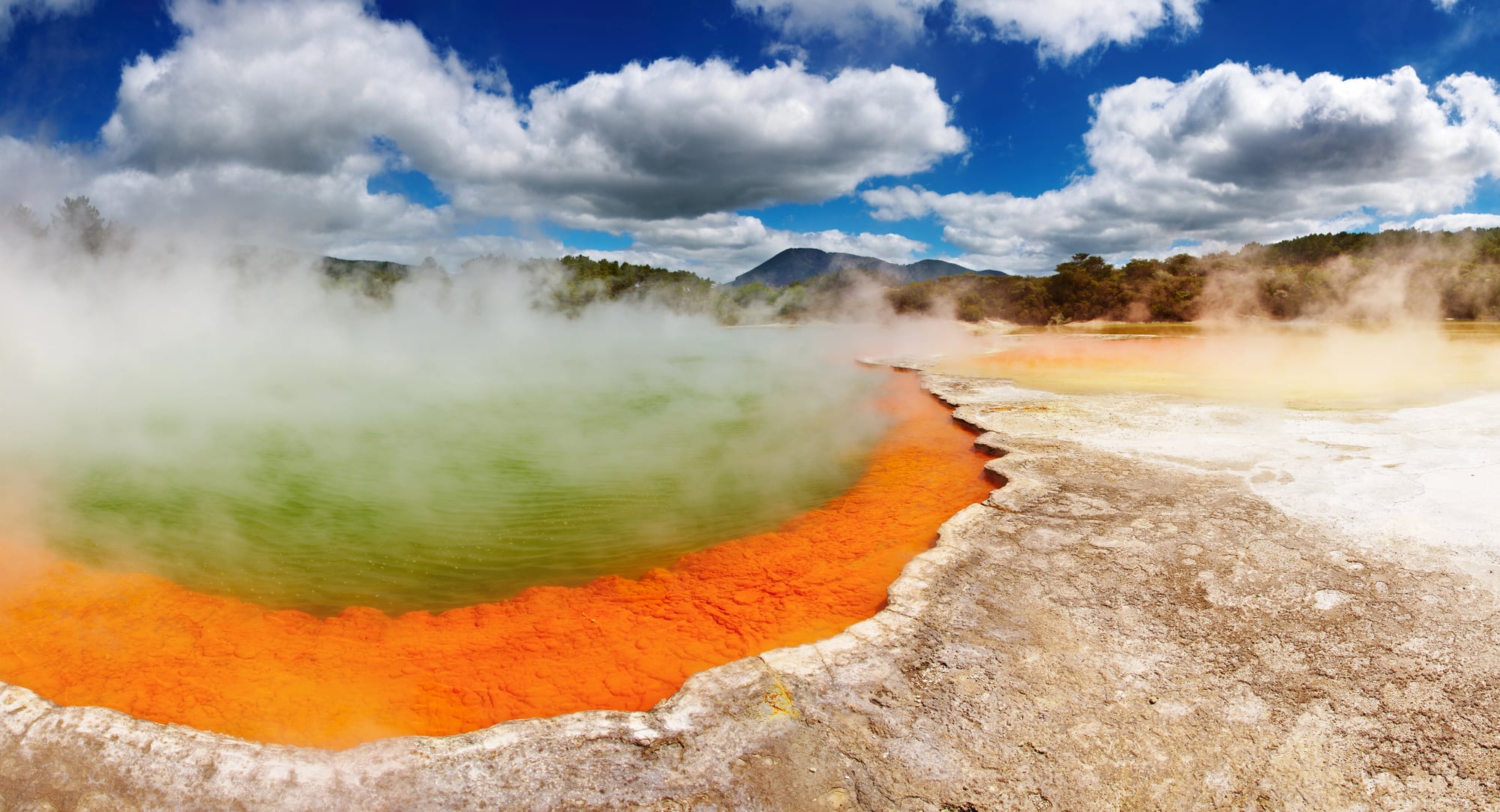
Deep in Dominica’s mountains lies a lake that actually boils like a giant pot of water. Volcanic gases and superheated rock below the surface keep the water at extremely high temperatures.
Steam rises constantly from the grey-blue water, creating a misty atmosphere. The lake’s temperature and water level fluctuate based on volcanic activity beneath it.
Hikers who make the challenging trek to see it often can’t get too close because of the intense heat.
Like Go2Tutors’s content? Follow us on MSN.
Mono Lake
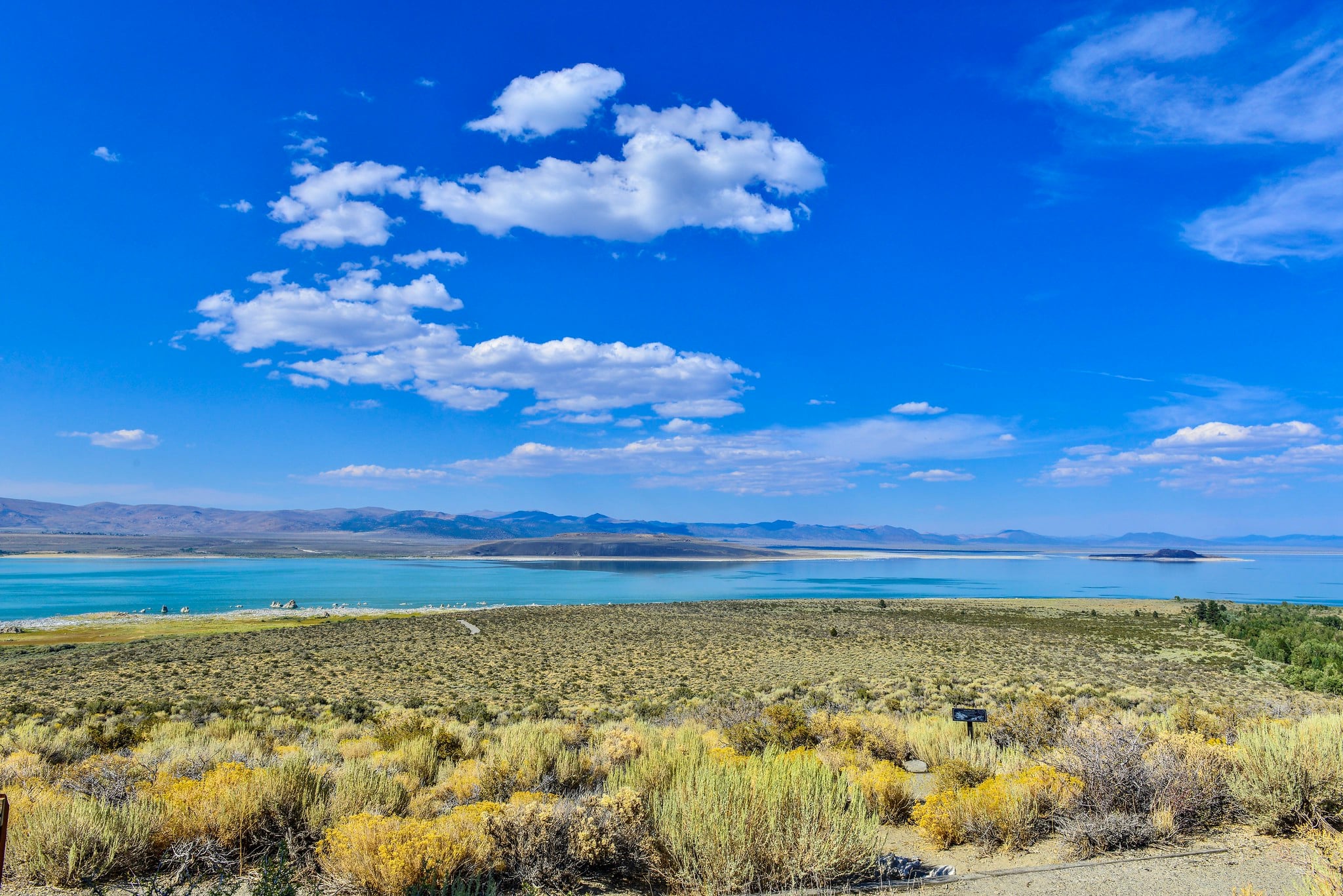
California’s Mono Lake is three times saltier than the ocean and extremely alkaline. Bizarre towers called tufa formations rise from the water like ancient cathedrals.
These limestone structures formed underwater and were exposed when water levels dropped. Trillions of brine shrimp live in the lake, supporting millions of migrating birds each year.
The lake has no outlet, so minerals and salts have concentrated over thousands of years.
Hutt Lagoon
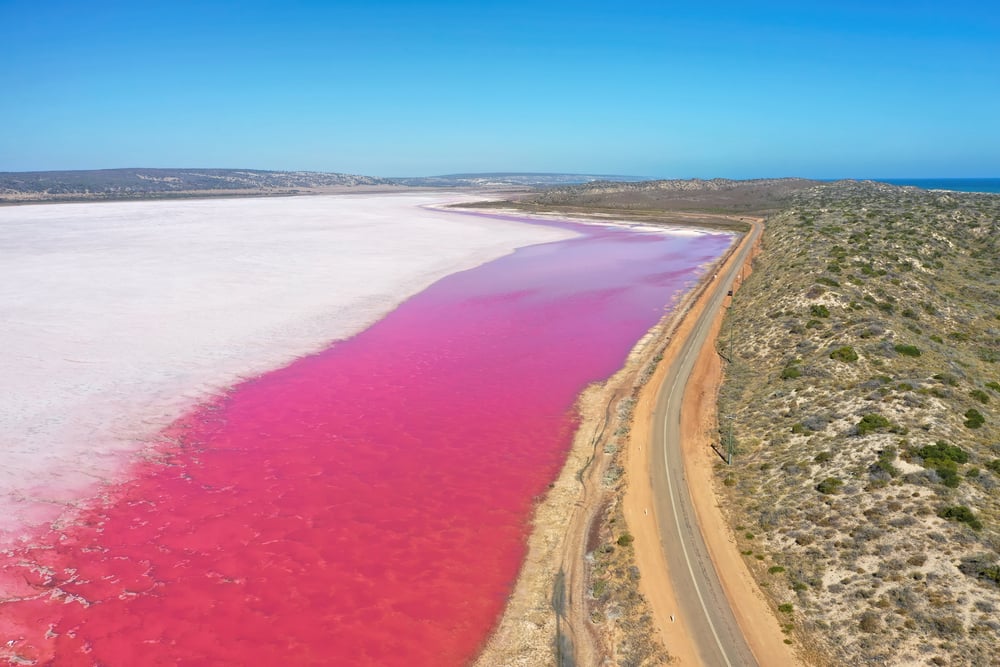
Western Australia’s Hutt Lagoon stretches for miles with water that ranges from pink to purple. The color intensity changes throughout the day and across seasons depending on sunlight and algae levels.
Salt production companies harvest the colorful salt, which retains its pink tint. The lagoon sits right next to the Indian Ocean, separated by just a thin strip of land.
Aerial views show the dramatic color difference between the pink lagoon and blue ocean.
A world still full of surprises
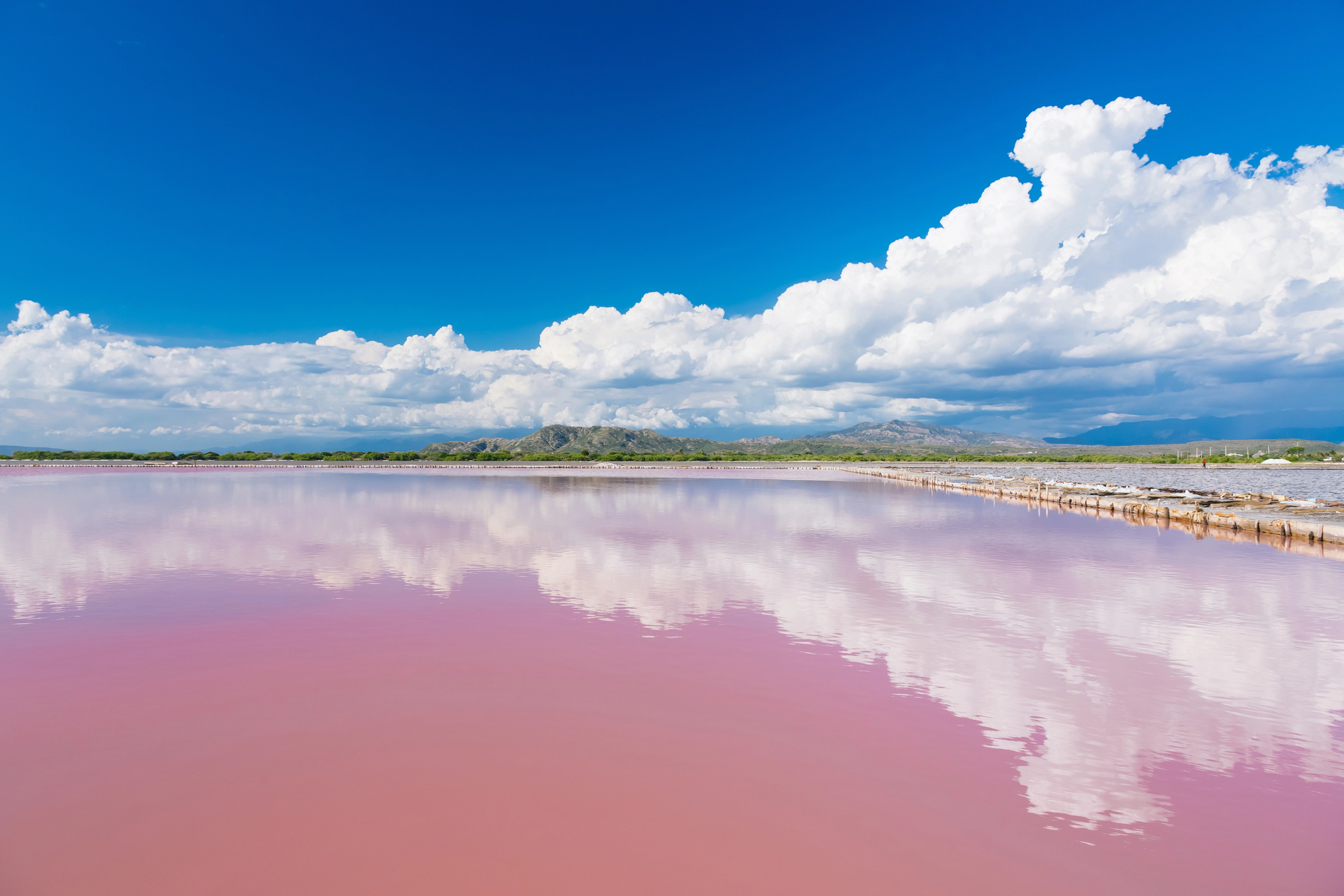
These unusual lakes prove that nature still has plenty of tricks up its sleeve. From pink waters that look like candy to acid pools that could melt metal, each lake tells a story about Earth’s diverse chemistry and geology.
Some of these places face threats from pollution, climate change, or human interference. Others remain remote and largely untouched, waiting for curious travelers to discover them.
The planet’s weirdest waters remind us that there’s always something new to learn about the world we live in.
Like Go2Tutors’s content? Follow us on MSN.
More from Go2Tutors!

- 16 Historical Figures Who Were Nothing Like You Think
- 12 Things Sold in the 80s That Are Now Illegal
- 15 VHS Tapes That Could Be Worth Thousands
- 17 Historical “What Ifs” That Would Have Changed Everything
- 18 TV Shows That Vanished Without a Finale
Like Go2Tutors’s content? Follow us on MSN.