Landmark Structures That Shaped Cities
When you think about the world’s great cities, certain buildings and monuments instantly come to mind. These aren’t just pretty structures that tourists flock to—they fundamentally changed how their cities developed, functioned, and saw themselves.
Some sparked economic booms, others redefined entire neighborhoods, and a few literally connected communities that geography had kept apart for centuries. Here is a list of landmark structures that didn’t just define their cities but actively shaped them into what they are today.
Eiffel Tower

Gustave Eiffel’s iron lattice tower wasn’t the only thing that defined Paris. Parisians actually detested it when it was erected in 1889 for the World’s Fair; intellectuals and artists signed petitions denouncing it as an eyesore.
Today, the tower attracts almost seven million visitors a year, making it the most popular paid monument on Earth and turning the Champ de Mars region into one of the most valuable real estate areas in the world.
Empire State Building

Beyond just providing King Kong with a place to climb, the Empire State Building accomplished more. When it opened in 1931 during the Great Depression, it was a sign that New York would continue to grow despite the economic catastrophe.
The building forced Manhattan’s development into a high-density, vertical model that other cities around the world would imitate and ignited a race for vertical supremacy that still defines the city’s skyline.
Sydney Opera House

Sydney’s harbor was just another operational waterfront prior to the arrival of Jørn Utzon’s sail-shaped masterpiece in 1973. The Opera House completely reimagined what the city could be beyond its British colonial roots and turned Bennelong Point into a cultural hub.
The structure now contributes more than $1 billion to the local economy each year, transforming Sydney from a remote port city into a true cultural hub.
Golden Gate Bridge

When San Francisco’s famous orange suspension bridge opened in 1937, it made Marin County accessible, which was revolutionary. The north bay remained remote and undeveloped prior to the bridge because crossing the Golden Gate Strait required taking a ferry.
The bridge significantly changed the growth trajectory of the area, sparked suburban expansion, established commuter patterns that persist to this day, and gave San Francisco its most iconic emblem.
Brooklyn Bridge
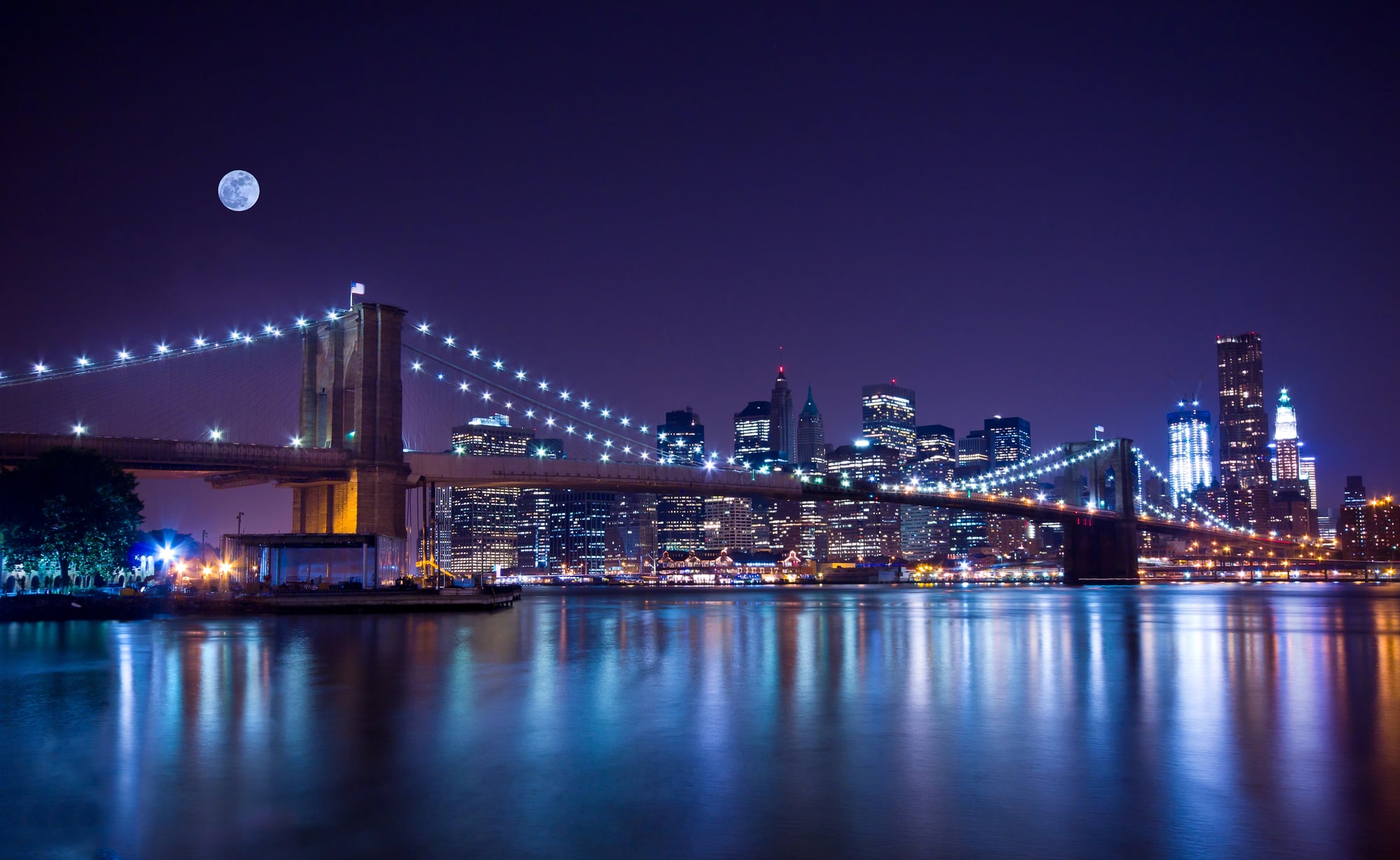
When John Roebling’s engineering marvel connected Manhattan and Brooklyn in 1883, it wasn’t just about crossing the East River more easily. The bridge made Brooklyn a practical place to live while working in Manhattan, which accelerated the consolidation of New York’s five boroughs in 1898.
This single structure essentially enabled New York to become the megalopolis it is today by proving that boroughs could function as one unified city.
Guggenheim Bilbao

Few buildings have transformed a city as dramatically as Frank Gehry’s titanium-clad museum in Bilbao, Spain. When it opened in 1997, Bilbao was a declining industrial port with double-digit unemployment.
The museum sparked what economists call the ‘Bilbao Effect’—where a single architectural landmark revitalizes an entire city’s economy. Tourism jumped 2,500 percent in the first three years, and the city shifted from rust belt to cultural destination practically overnight.
Burj Khalifa

Dubai’s 2,717-foot tower didn’t just break height records when it opened in 2010—it announced that Dubai had arrived as a global city. The building anchored the development of Downtown Dubai, created thousands of jobs, and proved that desert cities could compete with established global centers.
More importantly, it shifted Dubai’s economy away from oil dependency and toward tourism, real estate, and services.
Gateway Arch

St. Louis was losing population and relevance when Eero Saarinen’s 630-foot stainless steel arch was completed in 1965. The structure revitalized the city’s neglected riverfront and gave St. Louis a powerful symbol of its historical role as the ‘Gateway to the West.’
The surrounding Gateway Arch National Park now draws millions of visitors annually and sparked decades of downtown redevelopment that continues today.
CN Tower

Toronto had an identity problem in the 1970s—it was Canada’s largest city but lacked a defining landmark. The CN Tower solved that when it opened in 1976, becoming the world’s tallest free-standing structure and instantly putting Toronto on the global map.
The tower anchored development in the city’s downtown core and helped transform Toronto from a provincial Canadian city into an international metropolis.
La Grande Arche

Paris needed a modern business district but didn’t want to ruin its historic core, so it created La Défense just west of the city center. The Grande Arche, completed in 1989, became the centerpiece of this district and proved that Paris could embrace modernity without sacrificing its architectural heritage.
Today La Défense houses 180,000 office workers and three million square meters of office space, making it Europe’s largest purpose-built business district.
Marina Bay Sands
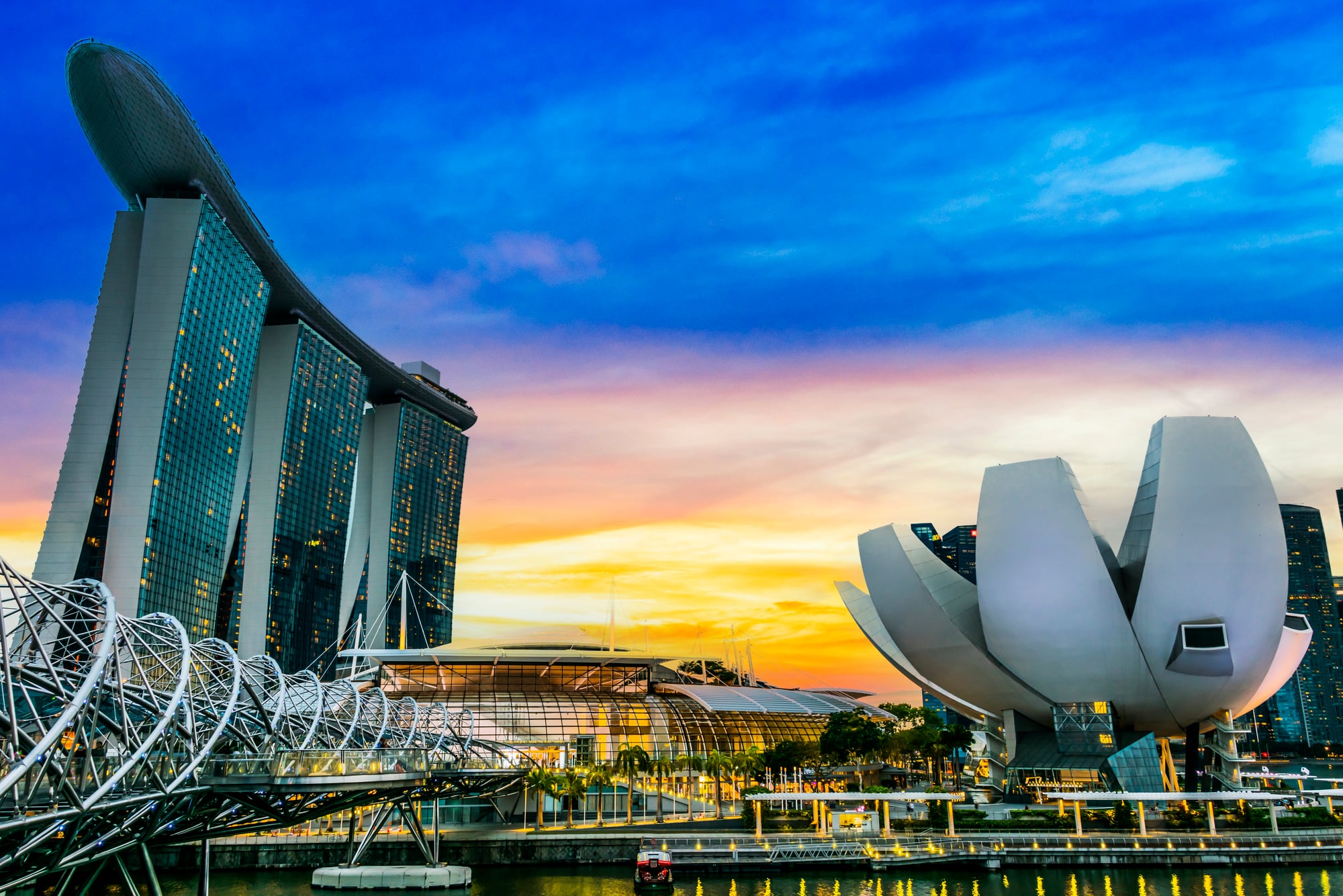
Singapore’s three-tower complex with its rooftop infinity pool became an instant icon when it opened in 2010. The development transformed Marina Bay from reclaimed land into Singapore’s premier destination and helped the city-state compete with Macau and Las Vegas for Asian tourism dollars.
The integrated resort model—combining hotels, casinos, convention space, and shopping—has since been copied across Asia and generated billions in economic activity.
Christ the Redeemer

Rio de Janeiro’s 98-foot Art Deco statue atop Corcovado mountain has been watching over the city since 1931. The monument transformed Rio into a pilgrimage destination and gave the city an instantly recognizable symbol that appears in virtually every piece of tourism marketing.
The statue’s construction also required building a railway up the mountain, which opened up new areas for development and made Corcovado one of Rio’s most visited attractions.
Space Needle
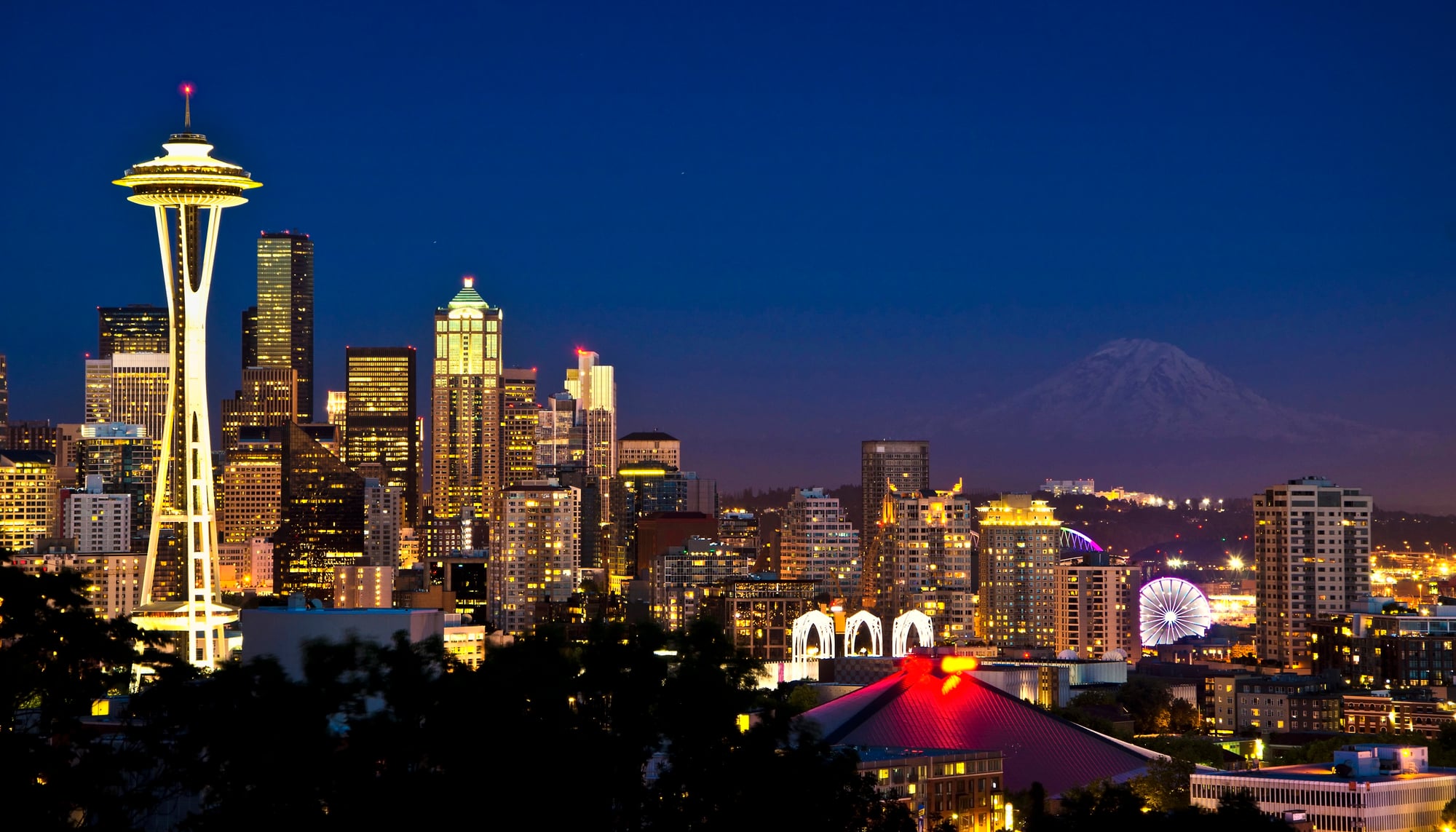
Seattle built its futuristic tower for the 1962 World’s Fair, and it completely reshaped how the city saw itself. The 605-foot structure transformed Seattle from a sleepy Pacific Northwest port into a forward-thinking tech hub—decades before Microsoft and Amazon made that reputation concrete.
The Space Needle anchored development of the Seattle Center and helped establish the city’s identity as a place that embraces innovation and looks toward the future.
Atomium

Brussels needed to reinvent itself after World War II, and the Atomium delivered when it opened for the 1958 World’s Fair. This 335-foot structure shaped like an iron crystal magnified 165 billion times symbolized Belgium’s embrace of atomic energy and scientific progress.
The building helped Brussels position itself as a modern European capital and paved the way for it to become the de facto capital of the European Union.
Sagrada Familia

For 142 years and counting, Barcelona has been shaped by Antoni Gaudí’s incomplete basilica. Even though the church won’t be finished until at least 2026—construction started in 1882—it has already made Barcelona’s Eixample neighborhood one of the most valuable in the city.
Nearly five million tourists visit the Sagrada Familia each year, solidifying Barcelona’s reputation for unique architecture and making tourism one of the city’s main industries.
The Shard

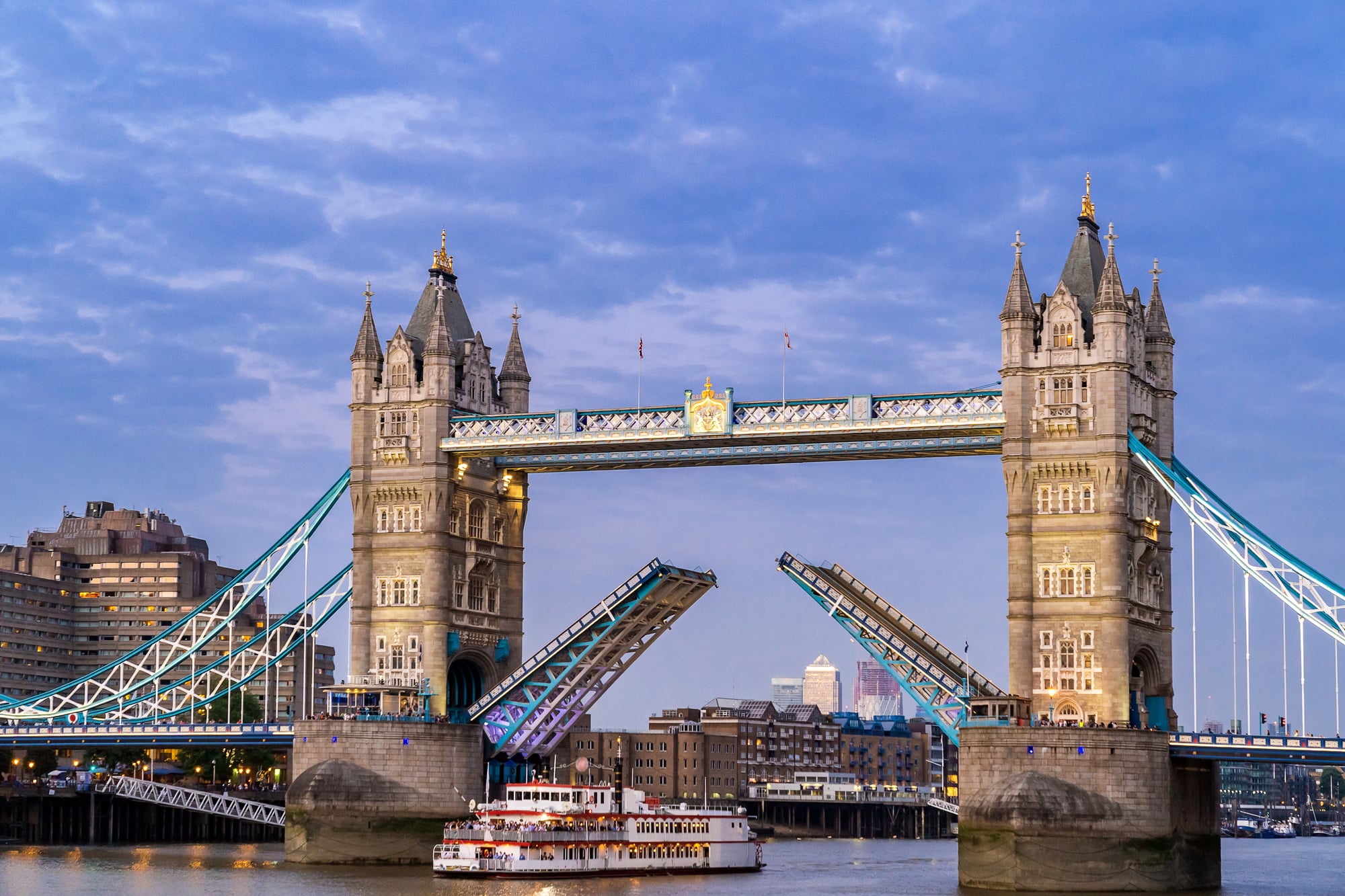
When London’s 1,016-foot glass pyramid opened in 2012, it completely changed the way the city approached vertical development. In order to preserve views of St. Paul’s Cathedral, London kept buildings relatively low for centuries.
However, The Shard upended this custom and gave rise to a new wave of extremely tall skyscrapers. The structure signaled that London would compete with Asian and Middle Eastern cities in the race for height and revitalized the once-neglected London Bridge area.
How Steel and Vision Built Tomorrow
These structures prove that architecture does more than provide shelter or office space—it fundamentally alters how cities function and grow. What started as controversial experiments or temporary exhibition pieces became permanent features that redirected development, attracted millions of visitors, and gave cities powerful symbols of identity.
The landmarks that shape cities tomorrow are probably being sketched right now, waiting for someone brave enough to build them despite the inevitable criticism that greets every bold architectural vision.
More from Go2Tutors!

- The Romanov Crown Jewels and Their Tragic Fate
- 13 Historical Mysteries That Science Still Can’t Solve
- Famous Hoaxes That Fooled the World for Years
- 15 Child Stars with Tragic Adult Lives
- 16 Famous Jewelry Pieces in History
Like Go2Tutors’s content? Follow us on MS



