13 Brands That Sparked Political Protests
Corporate America has always walked a tightrope between profit and politics. Brands occasionally take public stances on controversial issues or make business decisions that ignite fierce political reactions. What starts as a marketing strategy or corporate policy can quickly spiral into nationwide protests, boycotts, and heated debates about the role of business in society.
Some companies discover that staying neutral isn’t always possible when their actions speak louder than their public relations statements. Here’s a list of 13 brands that sparked political protests significant enough to make national headlines and change corporate strategies.
Nike’s Colin Kaepernick Campaign
Athletic wear giant Nike featured the former NFL quarterback in their Just Do It anniversary campaign after he’d been effectively blacklisted for kneeling during national anthems. Conservative groups organized massive boycotts while burning Nike products in public demonstrations — the company’s stock initially dropped though it recovered as younger consumers supported the message.
Political divisions over police reform and patriotism turned sneaker purchases into ideological statements. Nike discovered both the risks and rewards of aligning with a controversial figure.
Chick-fil-A’s Traditional Marriage Stance
The fast-food chain’s executives publicly supported traditional marriage definitions while donating to organizations that opposed LGBTQ+ rights. Pride activists organized nationwide protests and ‘kiss-ins’ at restaurant locations — several cities attempted to block new franchise openings based on the company’s political positions.
The controversy forced Chick-fil-A to eventually change their donation policies, though debates continued for years. Public perception remained politically charged despite policy adjustments.
Target’s Bathroom Policy
The retail giant announced that transgender customers could use bathrooms matching their gender identity, sparking immediate backlash from conservative groups. Protesters organized boycotts while others staged demonstrations supporting the inclusive policy — the company faced both praise and condemnation depending on political perspectives.
Sales reportedly declined temporarily as the bathroom issue became a national political flashpoint. Corporate inclusion efforts collided with cultural resistance.
Starbucks’ Refugee Hiring Promise

Coffee chain executives announced plans to hire thousands of refugees in response to immigration policy changes under the Trump administration. Conservative customers organized boycotts while liberal supporters launched ‘buycotts’ to show solidarity — the company became a symbol in immigration debates despite trying to frame hiring as humanitarian rather than political.
Store locations experienced both protests and counter-protests nationwide. Hiring policies became statements of global alignment.
Hobby Lobby’s Religious Freedom Case
The craft store chain challenged healthcare mandates requiring contraceptive coverage for employees based on religious objections. Feminist groups organized protests while religious freedom advocates supported the company’s legal battle — the Supreme Court case became a national symbol of religious liberty versus women’s health debates.
Store locations faced demonstrations from both sides of the reproductive rights divide. Business operations were pulled into legal and moral battles.
Disney’s LGBTQ+ Content Controversy

The entertainment giant faced criticism from conservative groups over inclusive content in children’s programming while also being criticized by progressive activists for insufficient representation. Florida’s government targeted the company with legislative retaliation after Disney opposed education policies — the controversy highlighted how cultural issues could trigger government intervention against corporate political positions.
Theme park attendance and streaming subscriptions became political battlegrounds. Family entertainment turned into political lightning rods.
Gillette’s Toxic Masculinity Campaign
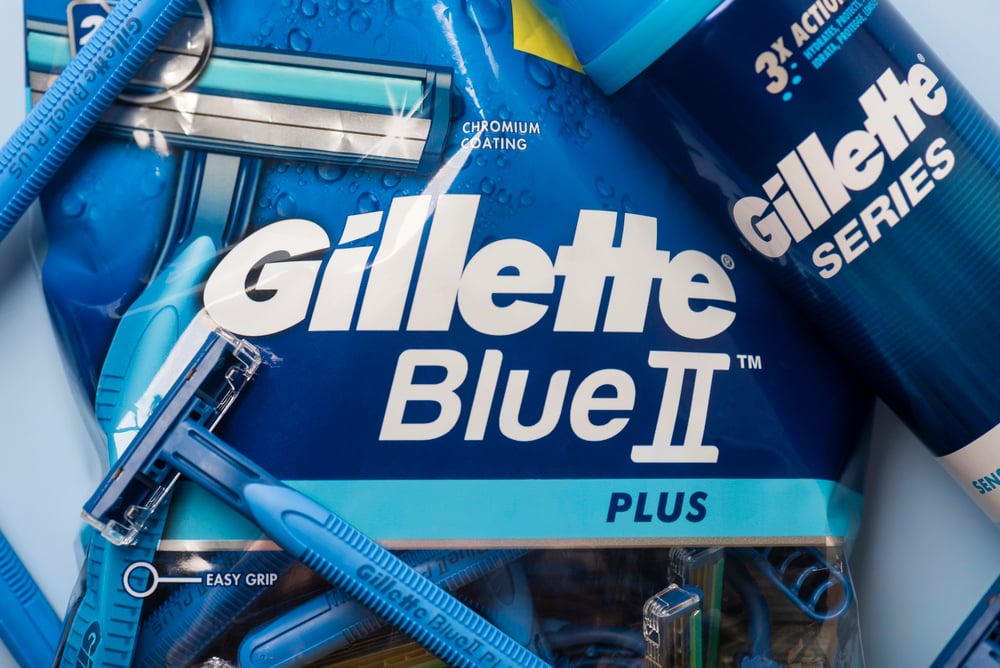
The razor company’s advertisement challenging traditional masculine behaviors sparked immediate backlash from men’s rights groups and conservative commentators. Social media campaigns called for boycotts while others praised the message about healthy masculinity — the controversial ad generated millions of views though product sales reportedly declined.
Marketing attempting to address social issues proved financially risky for traditional male-oriented brands. Social progress messaging came with commercial consequences.
Goya Foods’ Political Endorsement
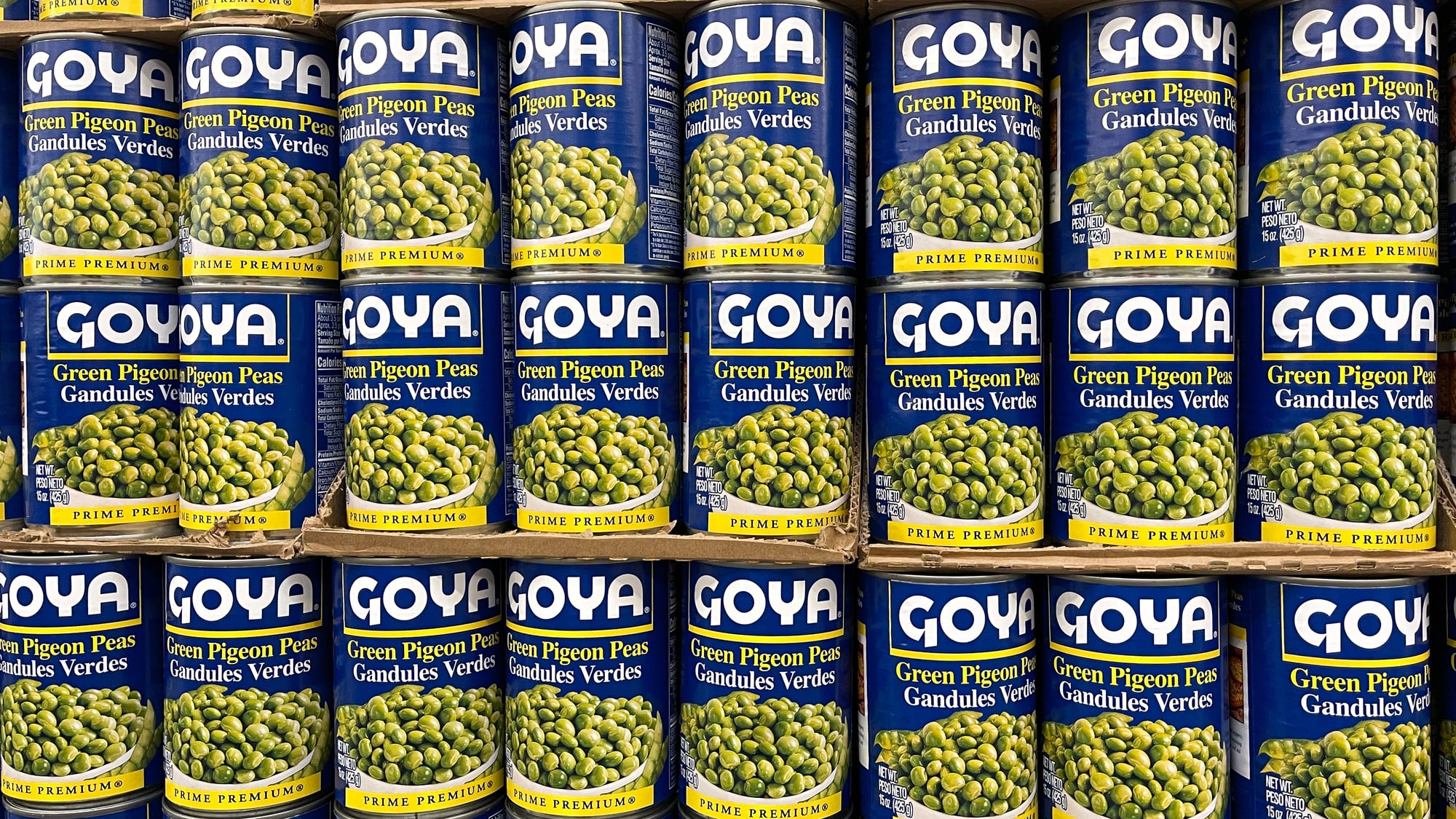
The Hispanic food company’s CEO praised political figures at White House events, triggering boycotts from Latino customers who felt betrayed by the endorsement. Progressive activists organized ‘Goya-bye’ campaigns while conservative supporters launched counter-boycotts — the controversy split the company’s traditional customer base along political lines.
Family-owned businesses discovered that political statements could alienate core demographics regardless of personal beliefs. Endorsements blurred lines between personal and corporate voice.
MyPillow’s Election Claims
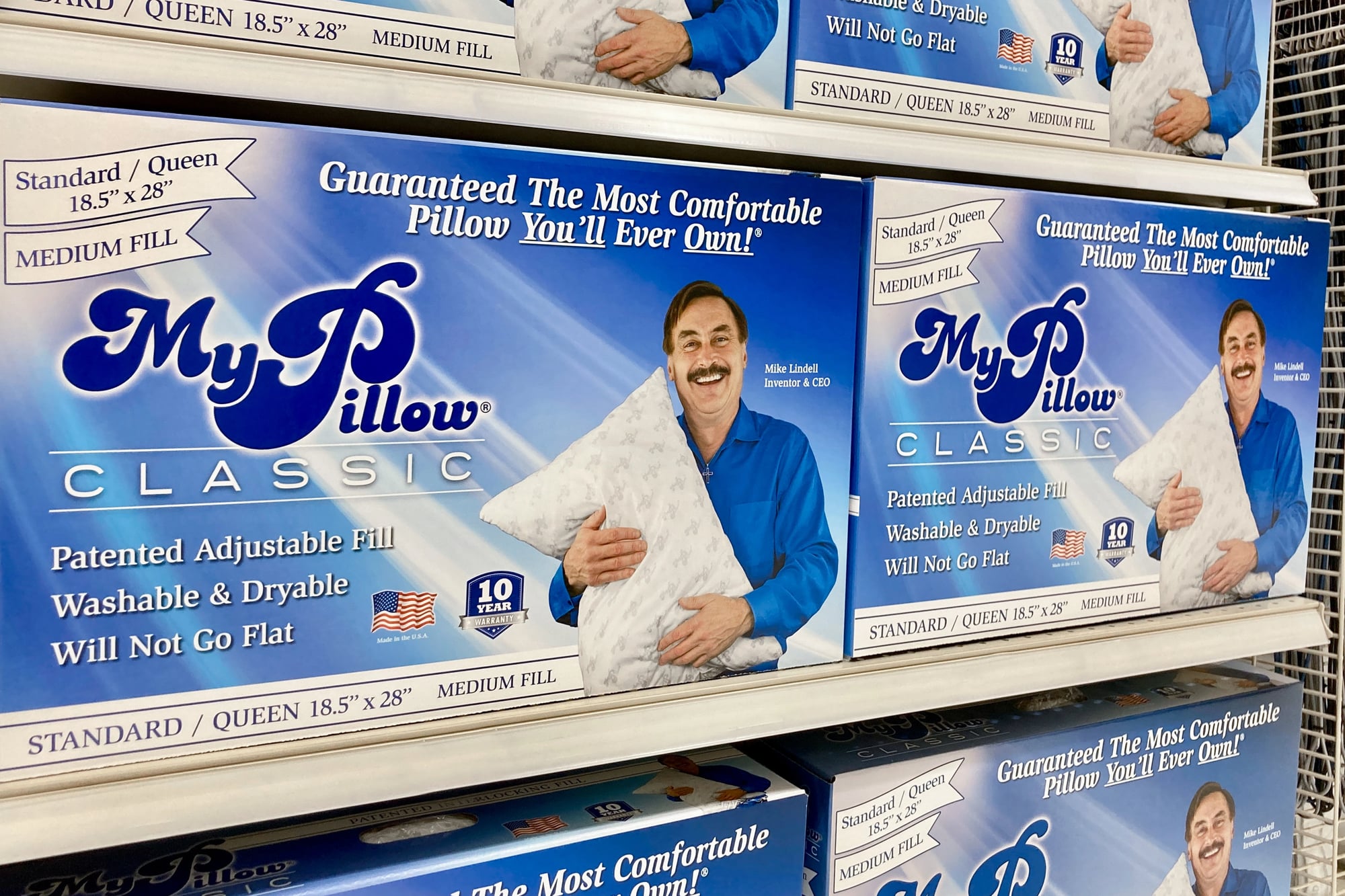
The bedding company’s CEO promoted conspiracy theories about election fraud while appearing at political rallies and funding related investigations. Retailers dropped the products while conservative customers increased purchases through direct sales — the company became a symbol of post-election political divisions despite selling household goods.
Political positioning transformed a mundane product into a partisan statement about democratic institutions. Consumer goods became stand-ins for ideologies.
Tesla’s Political Polarization

The electric vehicle company and its CEO became lightning rods for both environmental progressives and political conservatives through social media statements and policy positions. Liberal customers appreciated the environmental mission while others criticized the leadership’s political commentary — the brand attracted both devoted supporters and fierce critics based on political rather than automotive considerations.
Electric vehicle adoption became entangled with broader political identity markers. Brand loyalty extended beyond product performance.
Coinbase’s Political Neutrality Policy

The cryptocurrency company announced they would avoid political activism and focus solely on business operations, sparking criticism from employees who wanted the company to take social justice stances. Progressive activists criticized the neutrality policy while conservative supporters praised the business-focused approach — several employees resigned over the political stance while others applauded the decision.
Workplace activism debates highlighted tensions between corporate political engagement and employee expectations. Even neutrality became a political act.
Major League Baseball’s All-Star Game Move
The sports organization relocated their annual showcase game from Georgia to protest voting law changes, triggering massive political backlash from conservative groups and government officials. Georgia politicians condemned the decision while civil rights advocates praised the symbolic protest — the controversy highlighted how sports organizations could become political actors through business decisions.
Economic boycotts targeted both the league and alternative host cities. The playing field became a forum for civic debate.
Facebook’s Content Moderation Controversies

The social media platform faced criticism from both conservative users claiming censorship and liberal users demanding stronger action against misinformation and hate speech. Political figures from multiple parties organized hearings and threatened regulatory action — the company’s content policies became central to debates about free speech, political bias, and corporate responsibility.
Platform governance decisions triggered protests from users across the political spectrum. Tech platforms became arbiters of truth and targets of outrage.
Corporate Politics Reshape Brand Loyalty

These protest movements demonstrate how political polarization has transformed the relationship between brands and consumers in contemporary America. Companies can no longer assume that business decisions will be evaluated purely on commercial merits rather than political implications.
Brand loyalty increasingly depends on political alignment rather than product quality or customer service, forcing corporations to navigate ideological minefields that previous generations of executives never faced. The trend suggests that political neutrality may become increasingly difficult for major brands to maintain as consumers demand corporate positions on social and political issues.
More from Go2Tutors!

- The Romanov Crown Jewels and Their Tragic Fate
- 13 Historical Mysteries That Science Still Can’t Solve
- Famous Hoaxes That Fooled the World for Years
- 15 Child Stars with Tragic Adult Lives
- 16 Famous Jewelry Pieces in History
Like Go2Tutors’s content? Follow us on MSN.