Biggest Holiday Movie Releases of the 90s
The 1990s brought holiday films that filled theaters, sold out VHS shelves, and carved their way into seasonal traditions. Some delivered laughs, others tugged at heartstrings, and a few managed both at once.
Below are some of the biggest holiday movie releases of the decade that turned festive storytelling into box office magic.
Home Alone
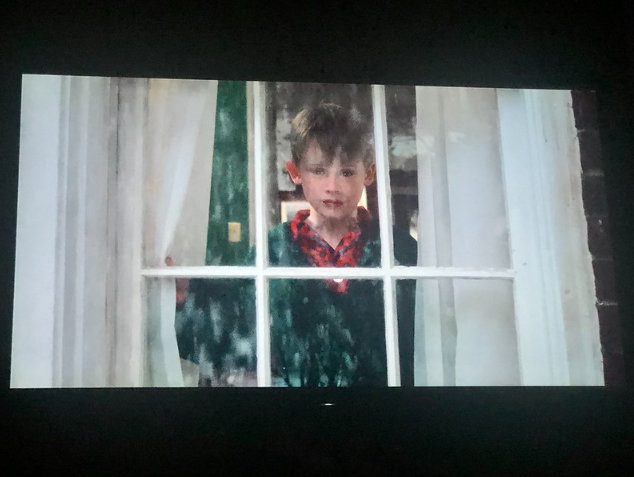
Released in 1990, Home Alone became an instant holiday juggernaut. A boy left behind while his family vacations in Paris, two bumbling burglars, and one suburban house turned into a booby-trapped fortress—it was simple and brilliant.
The slapstick comedy gave way to genuine warmth, especially in Kevin’s quiet moments of missing his family. Not great for child supervision. Still, unforgettable.
The Santa Clause

In 1994, The Santa Clause gave audiences a new take on the man in red. Tim Allen played an ordinary dad who accidentally caused Santa’s disappearance and found himself slowly transforming into the holiday icon.
The concept was odd, yet charming. Watching a reluctant father grow a beard overnight, gain weight magically, and step into the role blended humor with heart. Snow, elves, and a surprisingly bittersweet message about belief made it one of the decade’s most enduring Christmas films.
Like Go2Tutors’s content? Follow us on MSN.
Jingle All the Way
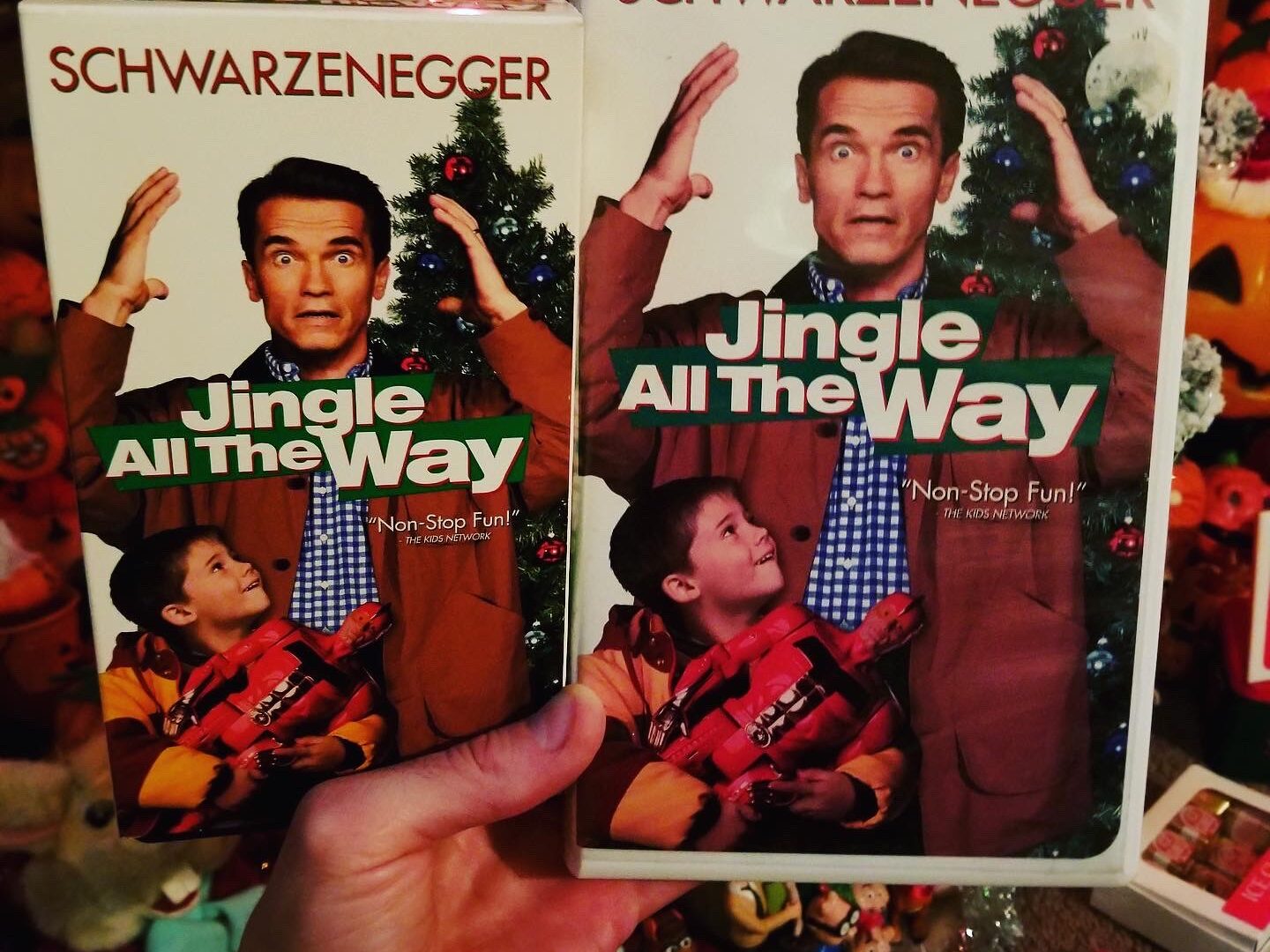
Two fathers racing through malls on Christmas Eve for the last Turbo Man doll—that was Jingle All the Way in 1996. Arnold Schwarzenegger’s larger-than-life presence clashed with Sinbad’s frantic energy in a satire of consumer culture disguised as slapstick comedy.
It leaned into chaos. Shoppers pushing. Lines stretching forever.
The feeling of fluorescent mall lights buzzing overhead. The movie exaggerated holiday madness, but it didn’t feel that far off.
Miracle on 34th Street
The 1994 remake of the 1947 classic arrived with polished sets and a fresh cast. Richard Attenborough’s gentle performance as Kris Kringle carried the story, keeping the central question alive: is Santa real?Even so, remakes are tough.
Some felt nostalgic loyalty to the original, while others embraced the updated version as a holiday staple. Either way, the courtroom showdown over belief kept audiences invested.
Dr. Seuss’ How the Grinch Stole Christmas
In 2000, Jim Carrey’s take on the Grinch technically closed out the 90s era but embodied its over-the-top energy. Bright costumes, elaborate sets, and Carrey’s manic performance turned Whoville into a surreal spectacle.
Mini highlights from the release included:
- Carrey’s prosthetic-heavy transformation.
- A box office smash that became the highest-grossing holiday film at the time.
- A darker, more satirical edge than the animated classic.
The makeup alone reportedly took hours, though the payoff was a Grinch impossible to forget.
Like Go2Tutors’s content? Follow us on MSN.
The Nightmare Before Christmas

Tim Burton’s stop-motion tale, released in 1993, blurred the lines between Halloween and Christmas. Jack Skellington’s attempt to take over the holiday created a gothic fairy tale that felt unlike anything else.
The handmade quality of the animation gave it a tactile charm—you could almost feel the texture of the puppets on screen. Strange, eerie, and oddly sweet, it carved a space as both a holiday movie and a cult classic.
Jack Frost
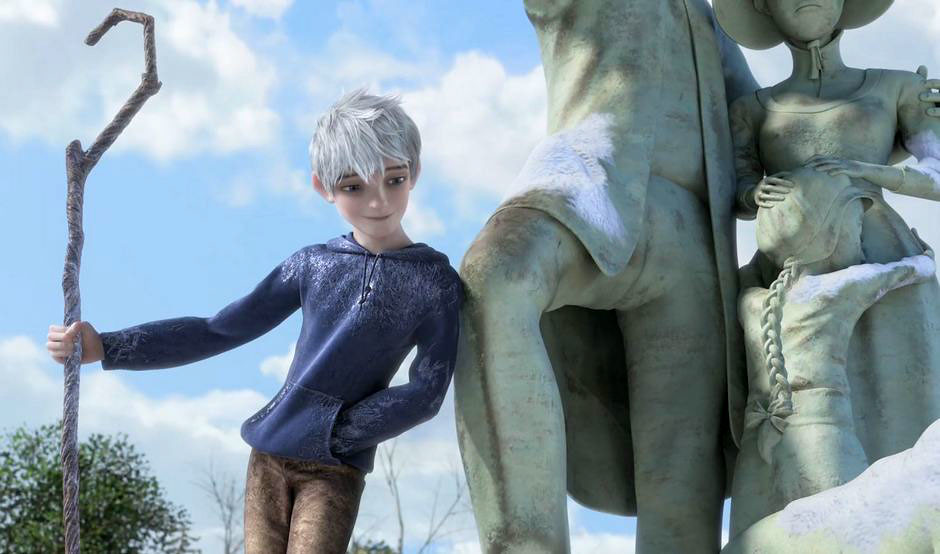
Released in 1998, Jack Frost was a peculiar mix of sentiment and surrealism. Michael Keaton played a father who dies in a car accident but returns as a snowman to reconnect with his son.
The story was touching, yet the execution left audiences divided. A talking snowman that looked slightly unsettling didn’t help. Still, the film carried enough emotional weight to linger in holiday memory.
When Holidays Went Hollywood

The 90s made holiday movies bigger, louder, and often stranger, turning seasonal stories into blockbuster events. Some leaned on slapstick, others on sentiment, but together they transformed festive cinema into a tradition as enduring as the holidays themselves.
Audiences weren’t just watching—they were making memories.
More from Go2Tutors!

- 16 Historical Figures Who Were Nothing Like You Think
- 12 Things Sold in the 80s That Are Now Illegal
- 15 VHS Tapes That Could Be Worth Thousands
- 17 Historical “What Ifs” That Would Have Changed Everything
- 18 TV Shows That Vanished Without a Finale
Like Go2Tutors’s content? Follow us on MSN.