Odd Stamps of Nature: Strange Plant & Animal Hybrids
Nature has a weird sense of humor sometimes. There are creatures out there that look like someone took two completely different things and smashed them together just to see what would happen.
Ready to meet some of the strangest combinations the natural world has to offer? These aren’t science experiments gone wrong but real living things that have been around for ages.
The sea anemone looks like a flower but stings like a jellyfish
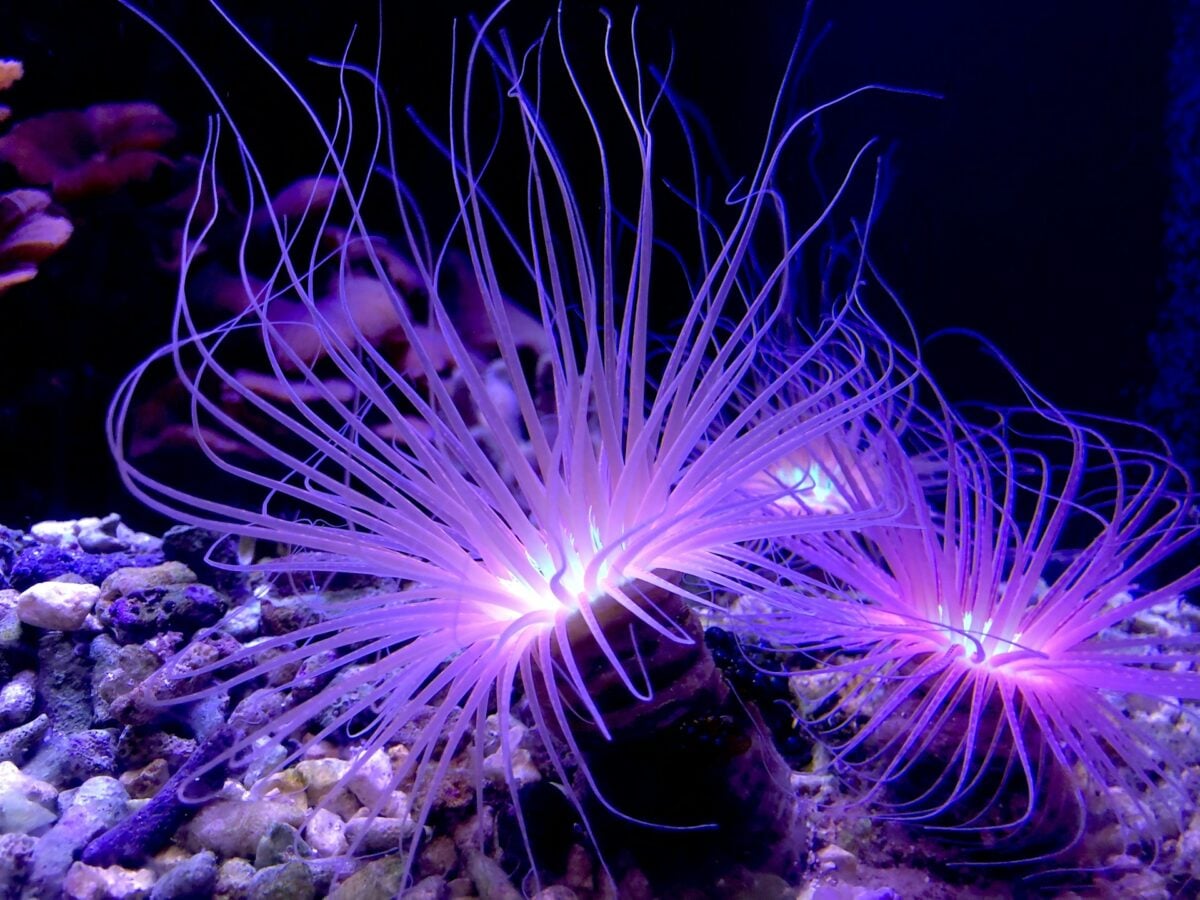
Sea anemones have fooled people for centuries with their colorful, petal-like tentacles that wave gently in ocean currents. They stick to rocks and coral, never moving, which made early naturalists think they were some kind of underwater flower.
But these creatures are definitely animals. They have mouths, they hunt for food, and they pack a venomous punch in those pretty tentacles to paralyze small fish and shrimp.
Some species can live for over 50 years in the same spot, just swaying and waiting for dinner to swim by.
Coral might look like colorful rocks but it’s actually tiny animals working together
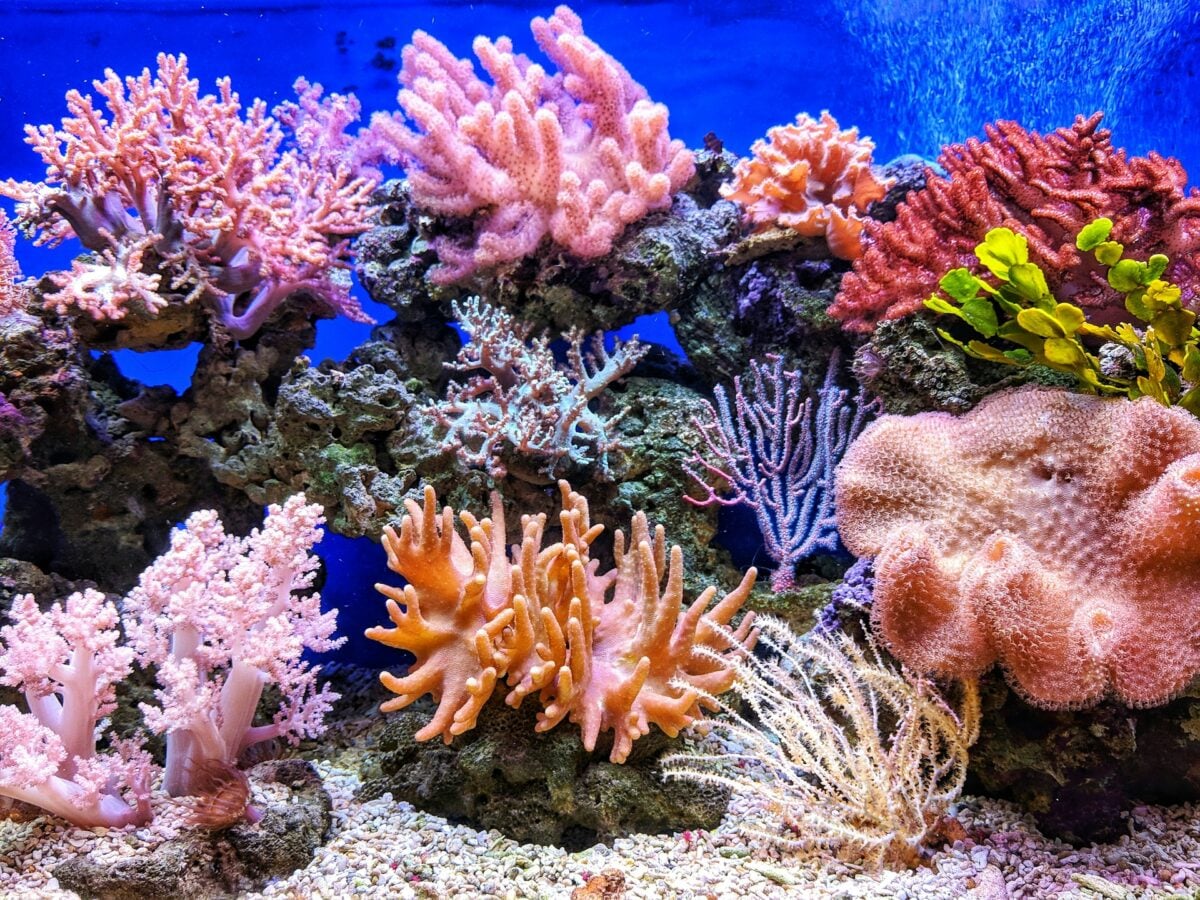
Most people walk past coral in stores or see it in aquariums and assume it’s just a fancy type of stone or mineral. Nope.
Each piece of coral is made up of thousands of tiny animals called polyps that build limestone skeletons around themselves. These polyps are related to jellyfish and sea anemones, which explains why they have tentacles too.
The bright colors come from algae living inside them, and the two organisms help each other survive in a partnership that has existed for millions of years.
Like Go2Tutors’s content? Follow us on MSN.
Venus flytraps snap shut like jaws when insects land on them
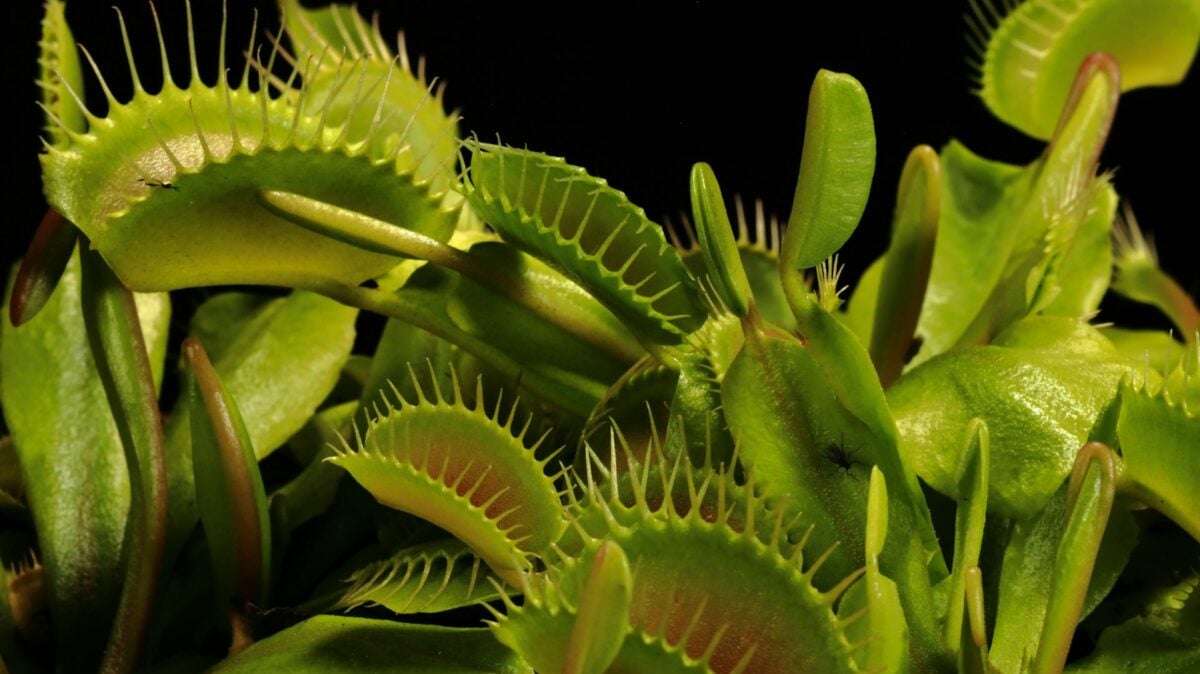
This plant from North Carolina does something most plants never do: it moves fast. The Venus flytrap has leaves that look like tiny open mouths with spiky teeth around the edges.
When an insect touches the sensitive hairs inside twice within 20 seconds, the trap slams shut in less than a second. Then the plant releases digestive juices to break down its meal over the next week or so.
It needs to eat bugs because the soil where it grows doesn’t have enough nutrients, so it has to get creative about finding food.
The Portuguese man o’ war isn’t one creature but a colony pretending to be one
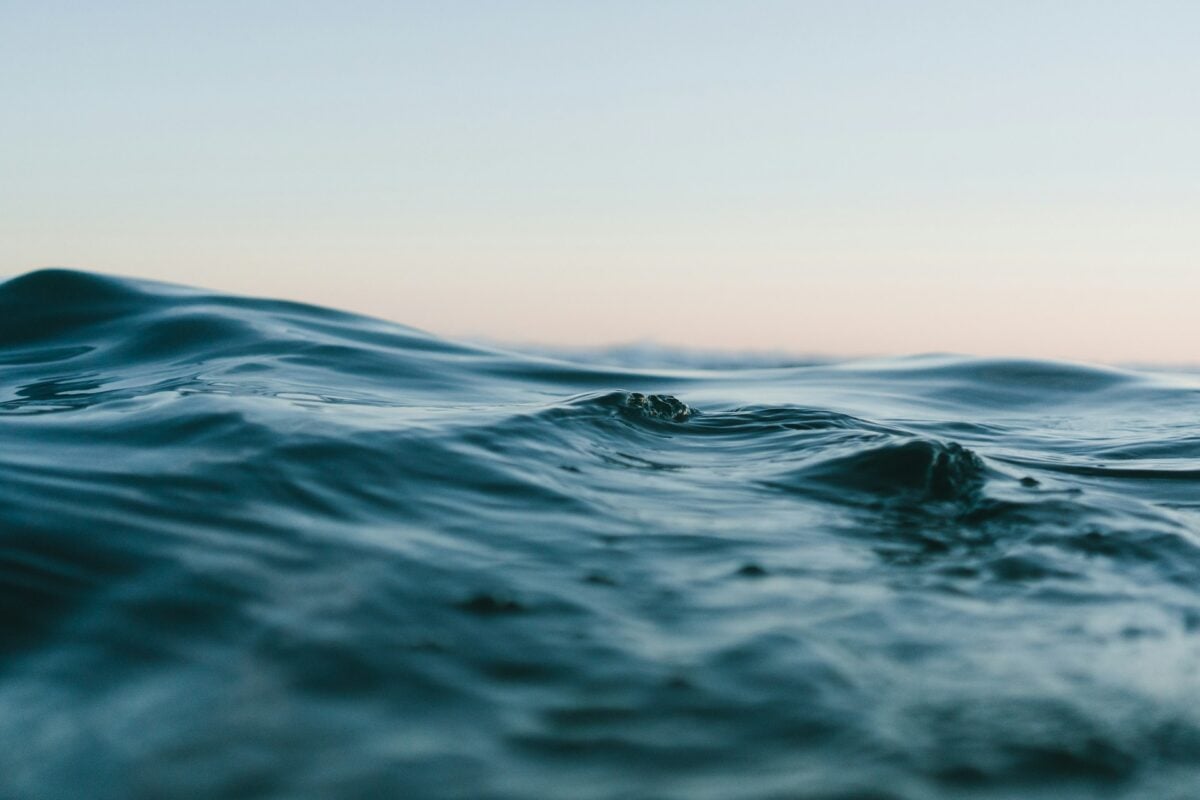
This ocean drifter looks like a single jellyfish with a balloon-like float on top and long stinging tentacles below. Here’s the wild part: it’s actually four different types of organisms living together as one unit.
Each type has a specific job, like catching food, digesting it, reproducing, or keeping the whole colony afloat. They can’t survive without each other.
Those tentacles can stretch 100 feet below the surface and deliver a sting painful enough to send someone to the hospital.
Leafy sea dragons wear their camouflage like fancy costume jewelry
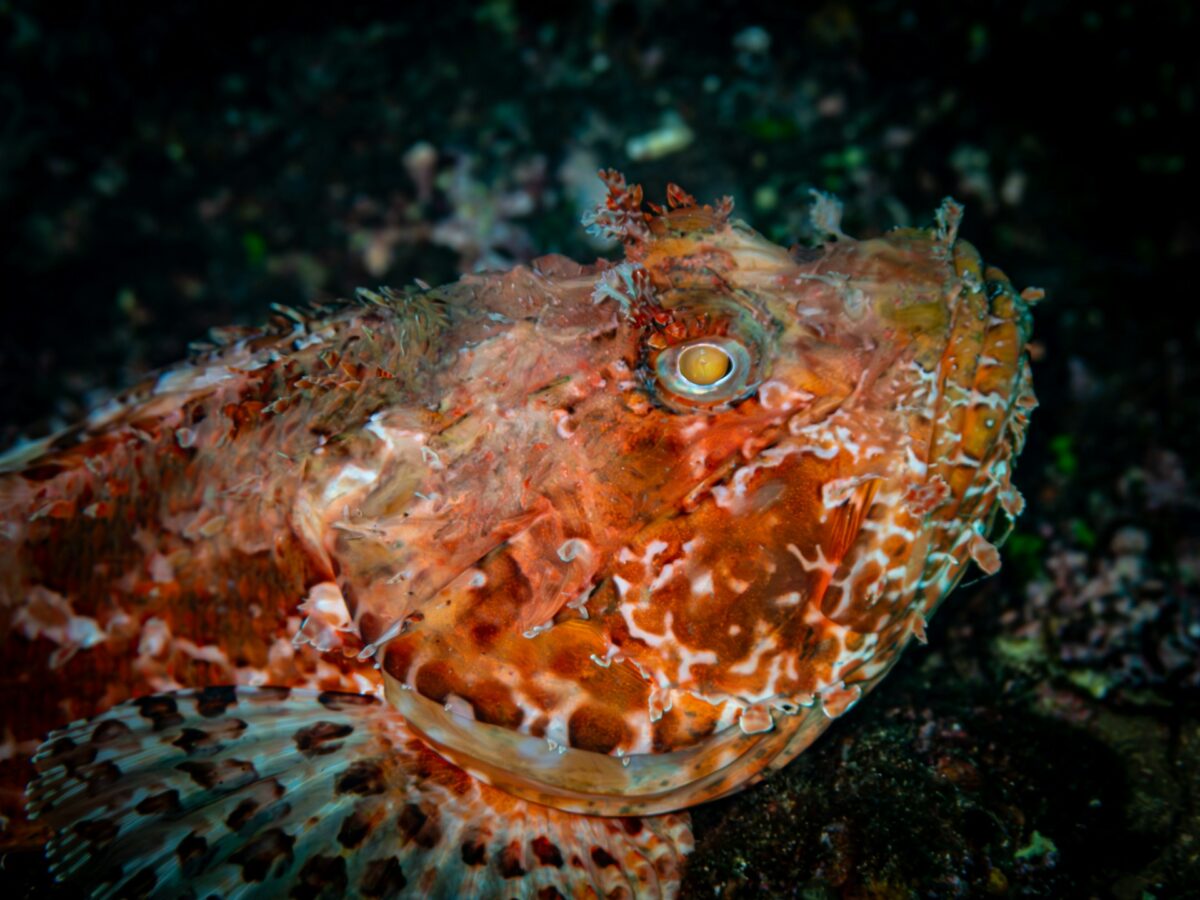
These Australian fish are related to seahorses but took the disguise game to another level. They have long, leaf-shaped fins sticking out all over their bodies that make them look exactly like floating seaweed.
The fins aren’t even used for swimming. They just drift along using tiny, almost invisible fins while their leafy decorations make predators swim right past them.
Males carry the eggs on their tails until they hatch, just like their seahorse cousins do.
Like Go2Tutors’s content? Follow us on MSN.
The axolotl keeps its baby features for its entire life
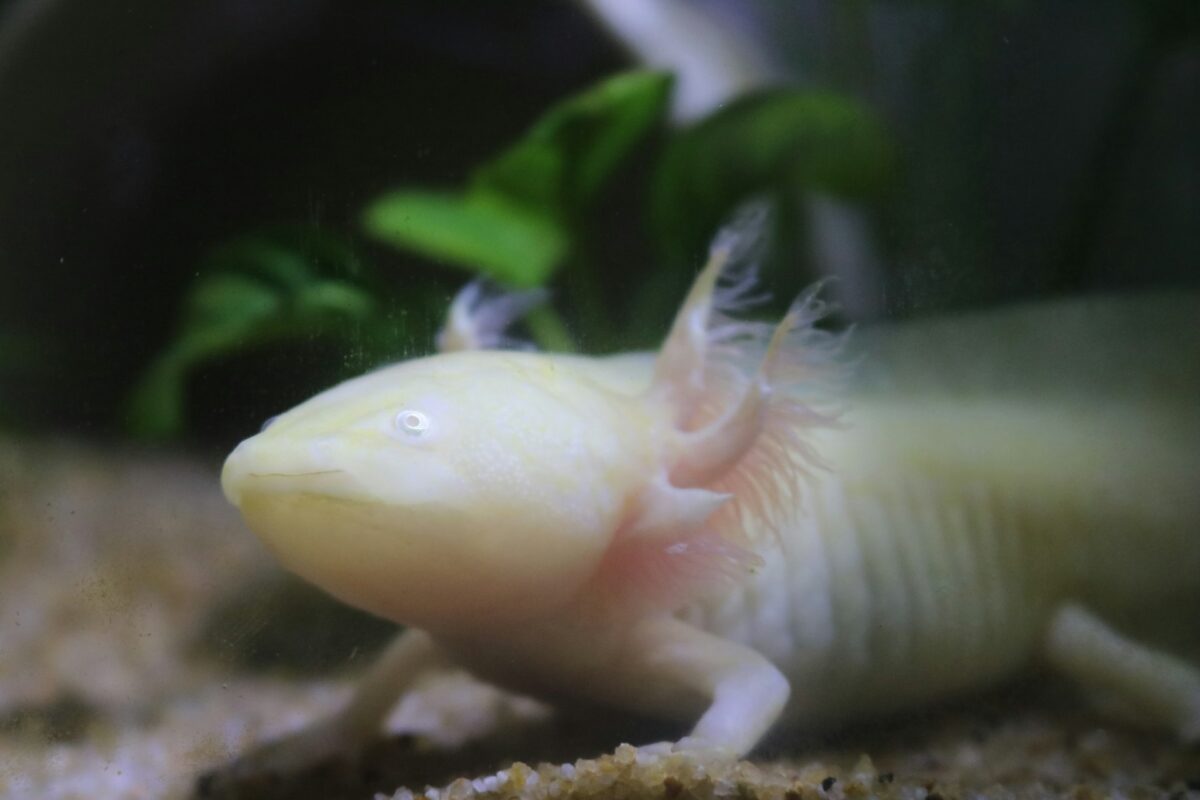
This Mexican salamander never really grows up in the traditional sense. Most amphibians start as water-breathing larvae and then develop lungs to live on land.
The axolotl just says no thanks and keeps its feathery external gills, living underwater forever. It looks like a smiling cartoon character with frilly pink gills sticking out from its head.
These creatures can regrow entire limbs, parts of their heart, and even portions of their brain if damaged, which has made scientists study them intensely for years.
Pitcher plants create death traps that look like elegant vases
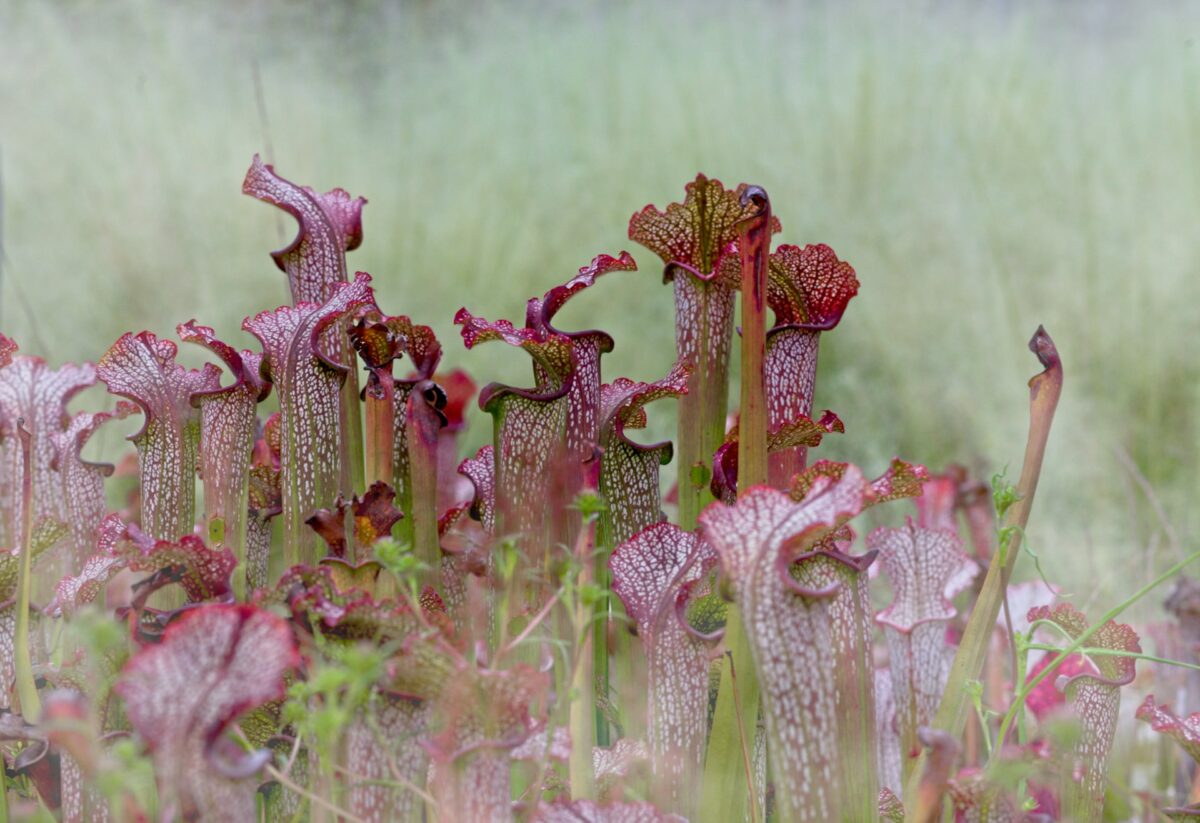
These plants grow leaves shaped like tall pitchers or tubes that fill with liquid. Insects get attracted by the sweet smell and bright colors, then slip on the waxy rim and fall into the pool below.
They can’t climb back out because of downward-pointing hairs lining the inside. The plant then dissolves them with enzymes and absorbs the nutrients.
Some pitcher plants in Southeast Asia grow big enough to trap rats and small birds, though they mainly stick to insects and the occasional frog.
The mimic octopus can impersonate at least 15 different animals
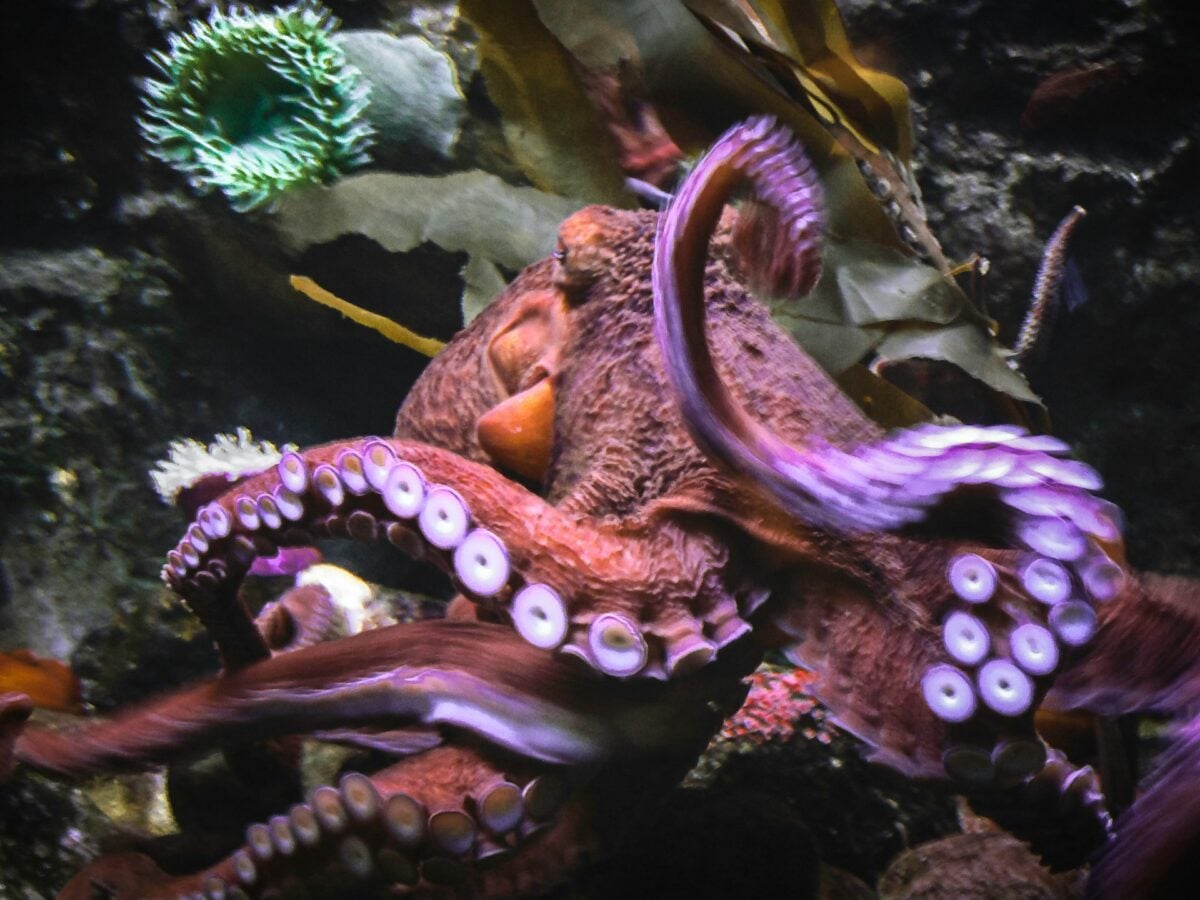
This Indonesian octopus doesn’t just change color like its relatives. It actually changes its body shape and behavior to look like completely different creatures.
Need to scare off a predator? Transform into a venomous lionfish by spreading out arms and swimming differently. Want to hide? Flatten out and move like a stingray gliding across the sand.
Scientists discovered this species in the 1990s and are still finding new animals it can copy.
Like Go2Tutors’s content? Follow us on MSN.
Slime molds move and hunt despite having no brain or nervous system
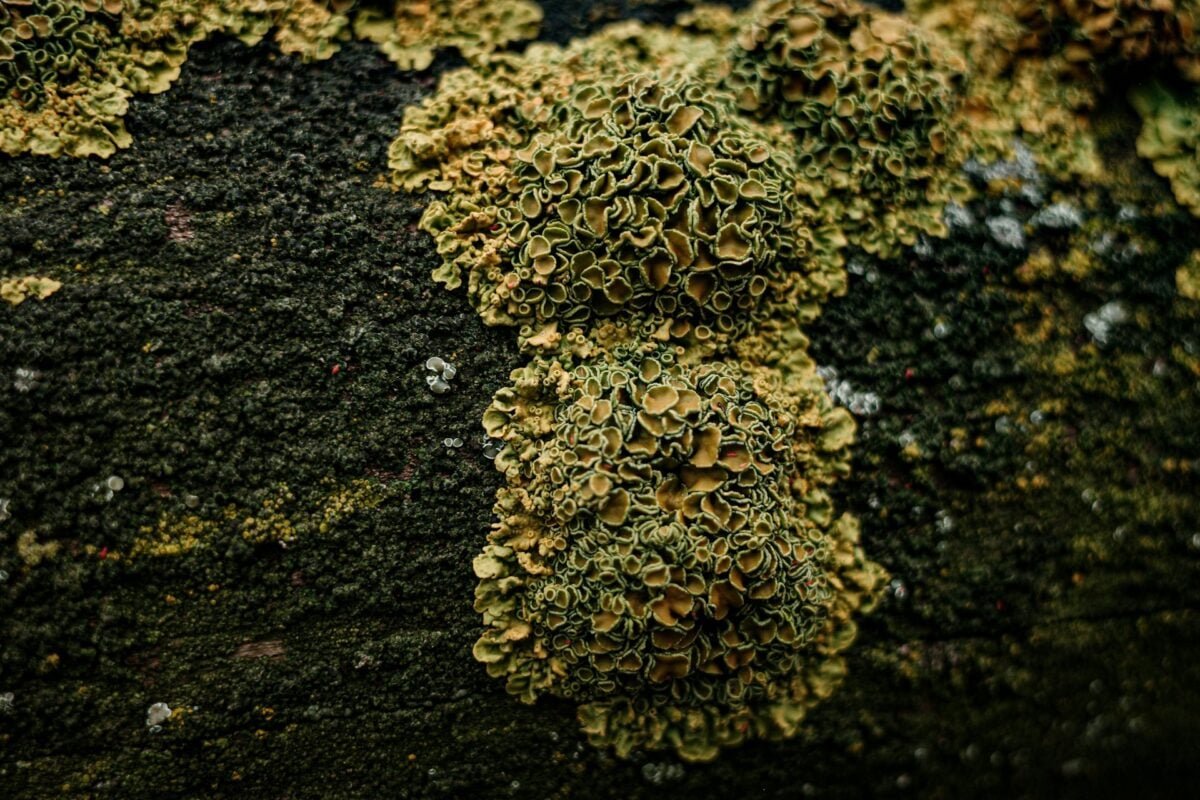
These organisms spend most of their lives as single cells scattered around rotting logs and forest floors. When food gets scarce, thousands of individual cells merge together into one blob that can crawl around, find food, and even solve mazes in laboratory experiments.
Scientists can’t quite agree if they’re animals, plants, or fungi. They reproduce by making spores like fungi, but they move and hunt for food like animals.
One species can grow to cover several square feet and has been spotted in bright yellow creeping across lawns.
The orchid mantis evolved to look exactly like a flower petal
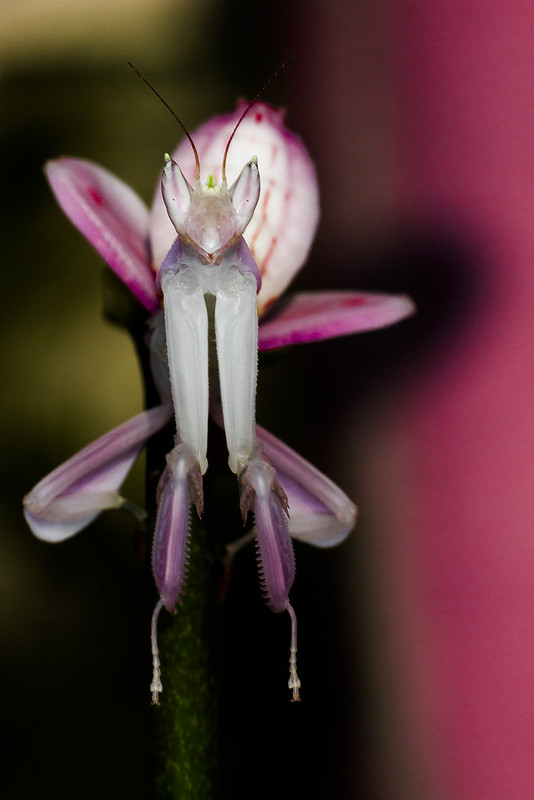
This insect from Southeast Asia doesn’t just hide among orchid flowers. It looks so much like the flower itself that other insects land on it thinking they’ve found nectar.
The mantis has flat, petal-shaped legs and comes in white or pink to match different orchid species. Bees and butterflies can’t tell the difference until it’s too late.
Female orchid mantises grow much larger than males and can change their color slightly over several days to match different flowers.
Sponges filter water through their bodies but are definitely animals
Ancient Greeks thought sponges were plants. It’s an easy mistake since sponges don’t have heads, mouths, eyes, or anything that looks remotely animal-like.
They just sit attached to rocks and pump water through their porous bodies to filter out food particles. But DNA testing proves they’re animals with specialized cells that work together.
A single sponge can filter thousands of gallons of water every day. Some species in the Caribbean have been alive for over 2,000 years, making them among the oldest living animals on Earth.
Like Go2Tutors’s content? Follow us on MSN.
The walking stick insect takes camouflage to uncomfortable levels of perfection
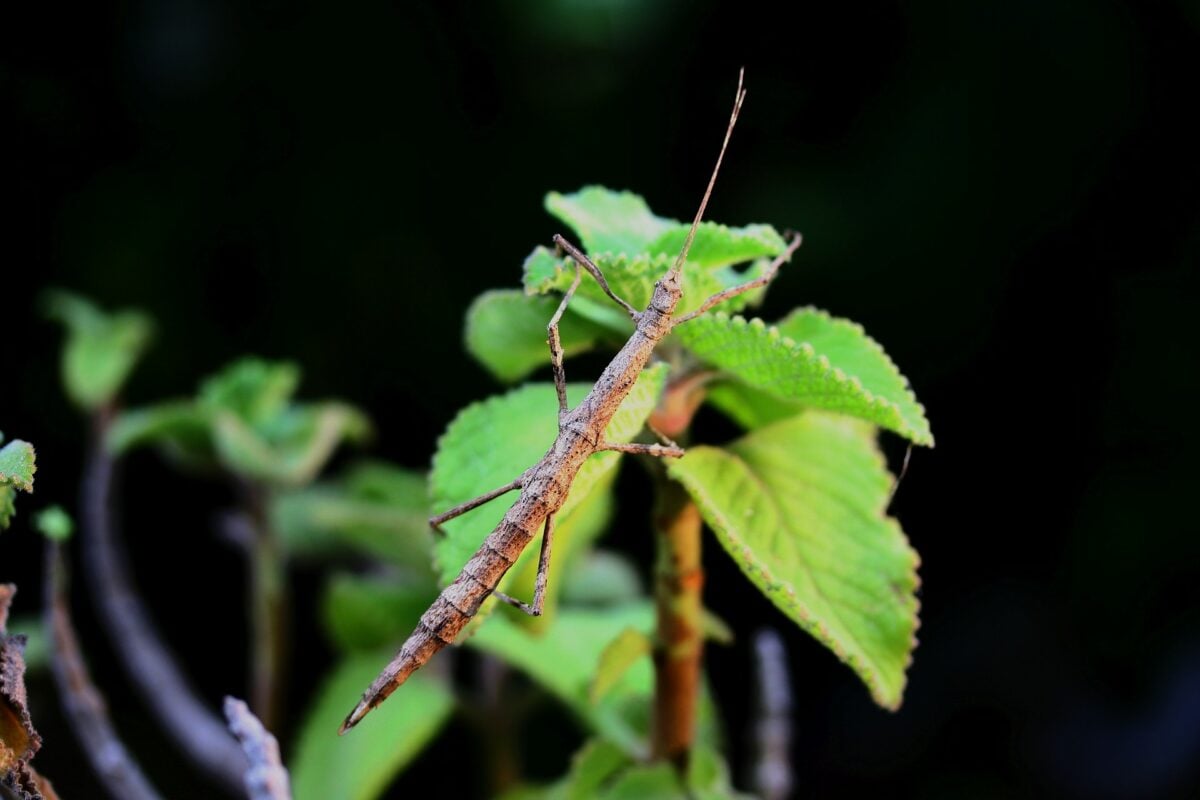
These insects look so much like twigs and branches that people can stare right at them and not see anything. Some species even sway back and forth to mimic branches moving in the wind.
They come in brown, green, and gray to match different types of vegetation. The longest walking stick ever found measured over two feet from end to end.
When threatened, some species can shed a leg to escape and then grow it back during their next molt.
Sundew plants use sticky tentacles that sparkle like morning dew
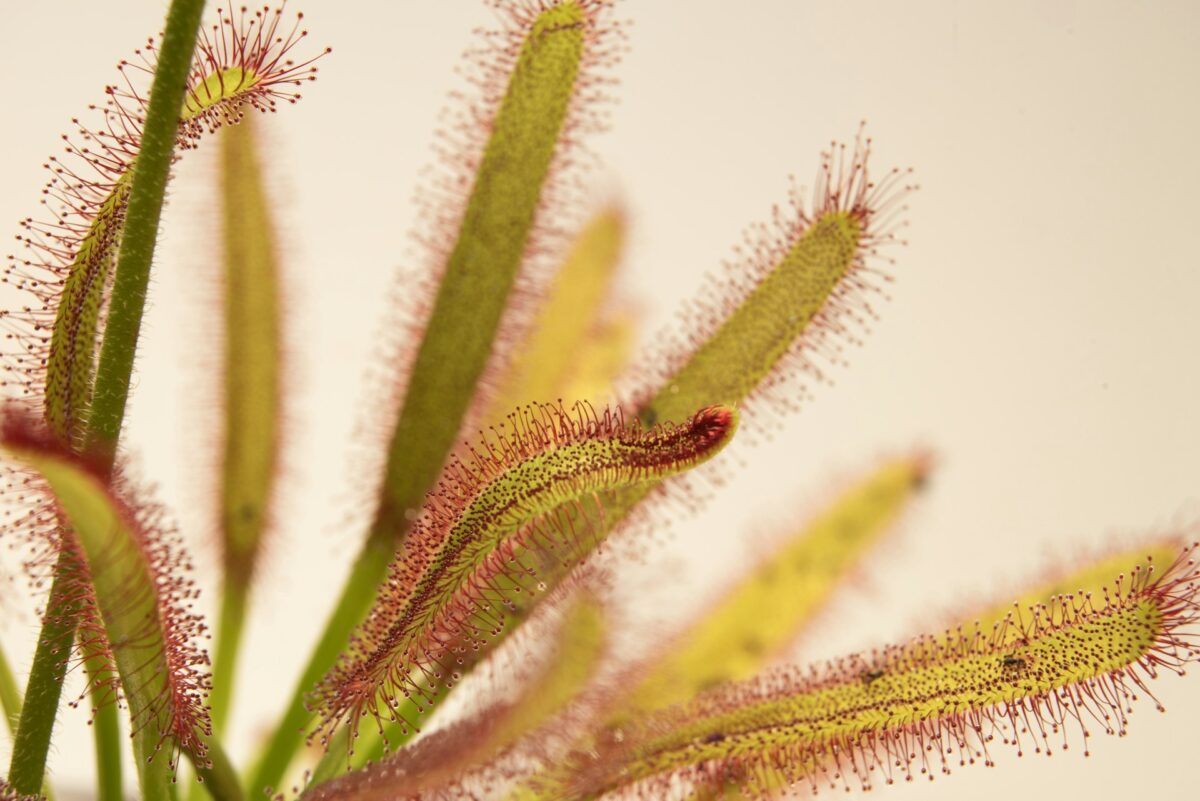
These small plants grow in nutrient-poor bogs and have leaves covered in hair-like tentacles tipped with glistening droplets. Insects see the sparkle and think it’s water or nectar.
Big mistake. The droplets are actually super sticky glue that traps them instantly.
The tentacles then slowly curl inward over several hours, bringing the insect to the leaf surface where digestive enzymes go to work. Charles Darwin was fascinated by sundews and spent years studying them in his greenhouse.
The glass frog has see-through skin showing all its internal organs
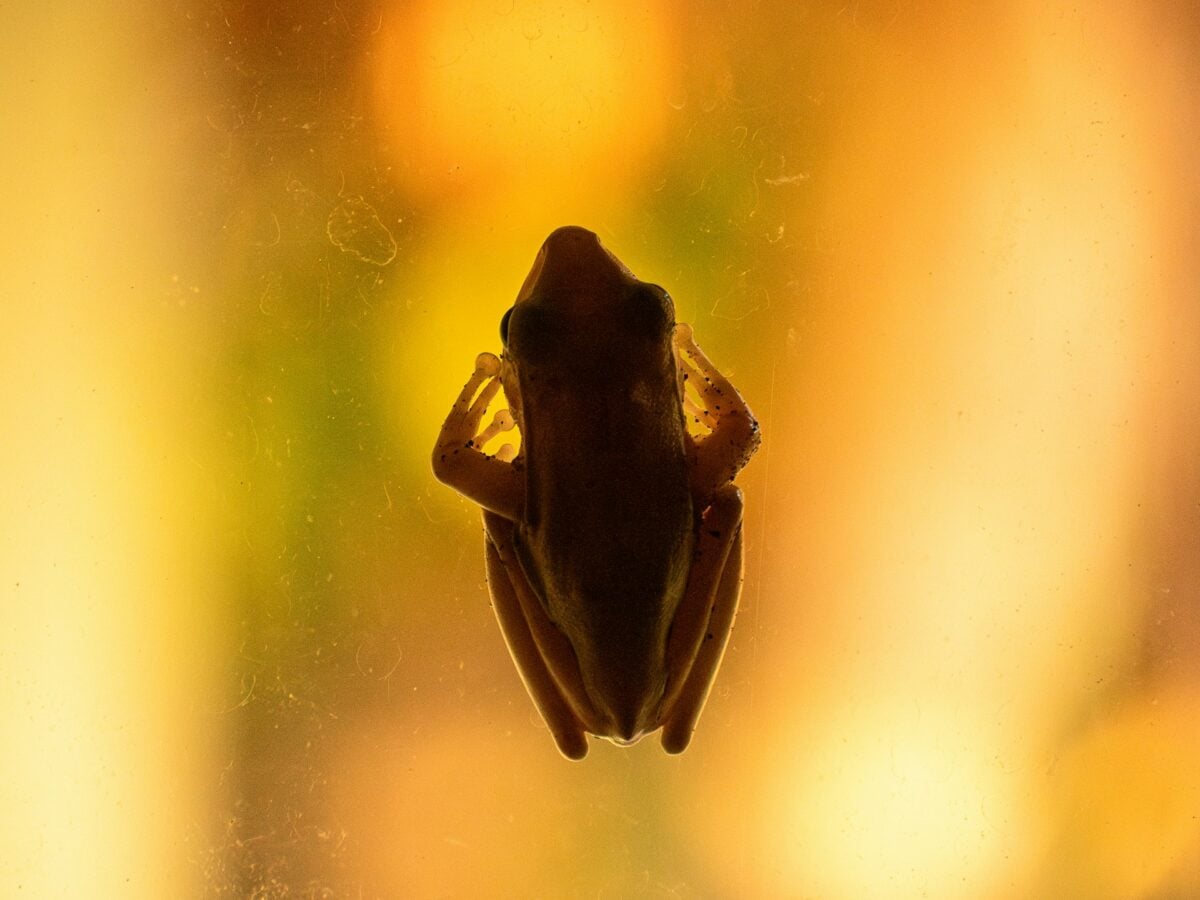
These tiny frogs from Central and South American rainforests have transparent skin on their bellies. Look at one from below and you can see its heart beating, its liver, its intestines, and even its eggs if it’s a female.
The tops of their bodies are usually lime green to blend in with leaves, but flip them over and it’s like looking at a living anatomy diagram. Scientists still don’t fully understand why this transparency evolved, though it probably helps them hide from predators looking up from below.
Like Go2Tutors’s content? Follow us on MSN.
Where boundaries dissolve and new understanding grows
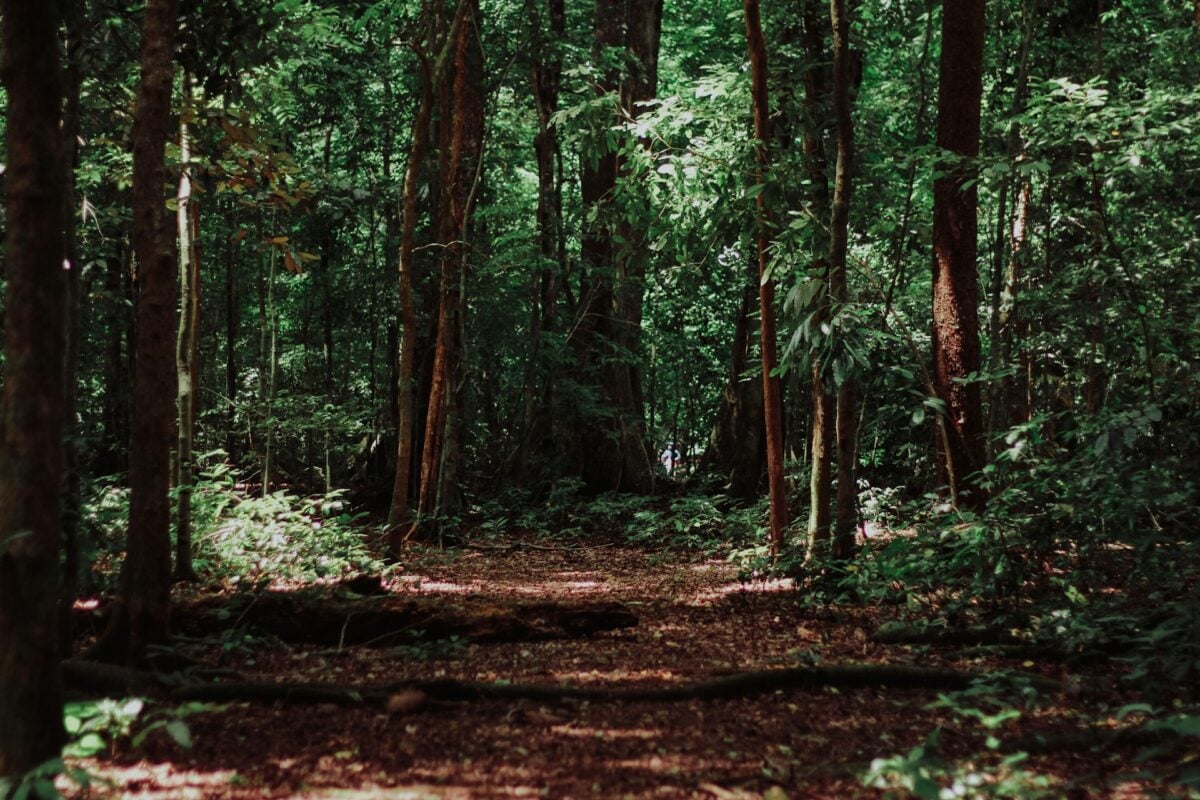
These strange creatures remind everyone that nature doesn’t follow the neat categories humans like to create. Organisms have been blurring the lines between plant and animal for hundreds of millions of years, developing whatever features help them survive in their specific environments.
More from Go2Tutors!

- 16 Historical Figures Who Were Nothing Like You Think
- 12 Things Sold in the 80s That Are Now Illegal
- 15 VHS Tapes That Could Be Worth Thousands
- 17 Historical “What Ifs” That Would Have Changed Everything
- 18 TV Shows That Vanished Without a Finale
Like Go2Tutors’s content? Follow us on MSN.


