Animals That Can Survive Extreme Temperatures
Temperature extremes test the limits of what living things can endure. While most creatures prefer moderate climates, some animals have adapted to conditions that would kill the rest of us in minutes.
These survivors aren’t just tough—they’ve developed remarkable biological strategies that rewrite the rules of what’s possible.
The Tardigrade’s Microscopic Mastery
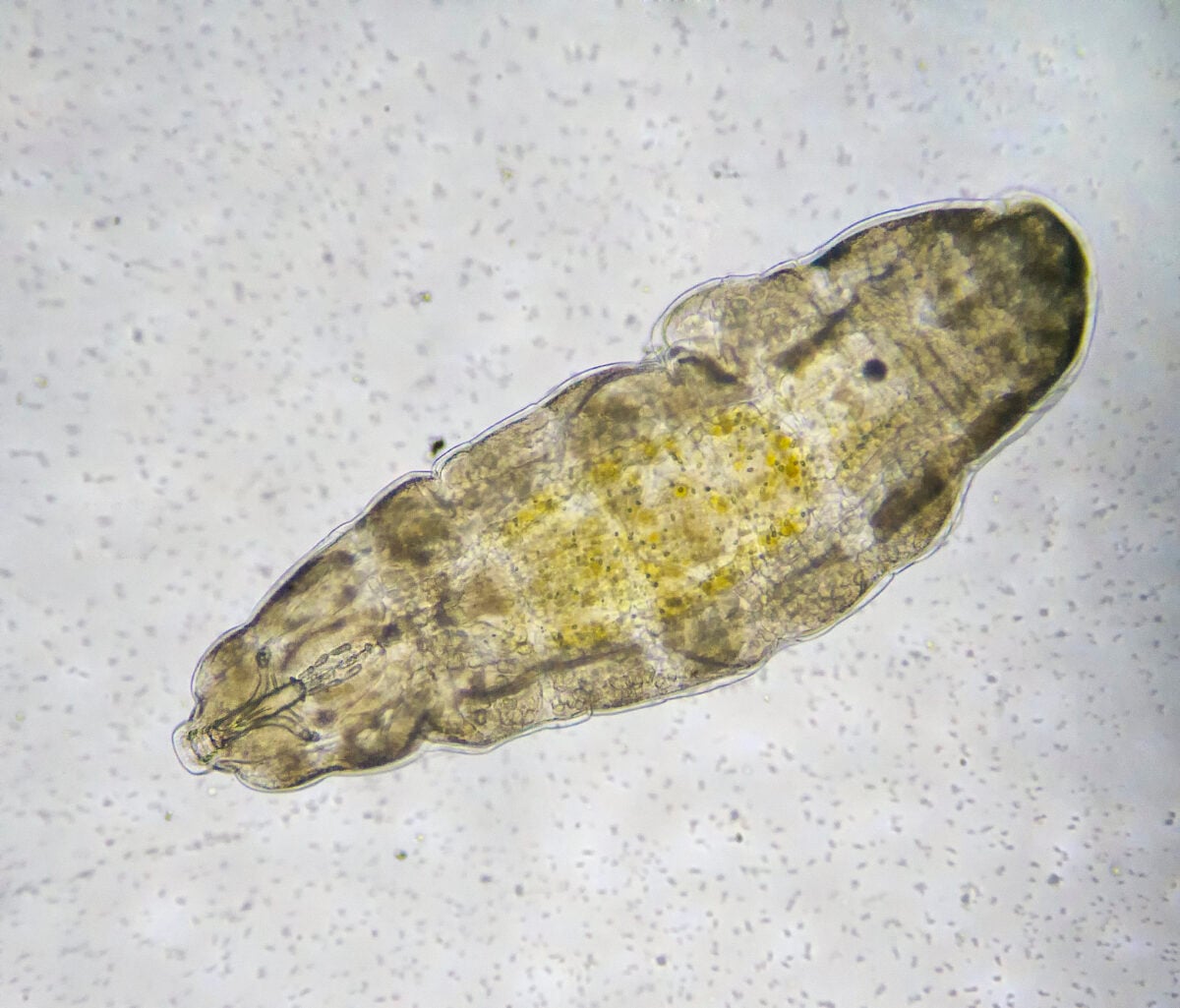
Tardigrades measure less than a millimeter long, but they survive temperatures from near absolute zero to over 300 degrees Fahrenheit. When conditions turn harsh, they enter a state called cryptobiosis—essentially shutting down all metabolic processes.
Scientists have revived tardigrades after decades of dormancy. They’ve survived the vacuum of space, crushing pressures, and radiation doses that would obliterate most life forms.
Arctic Ground Squirrels and Supercooling
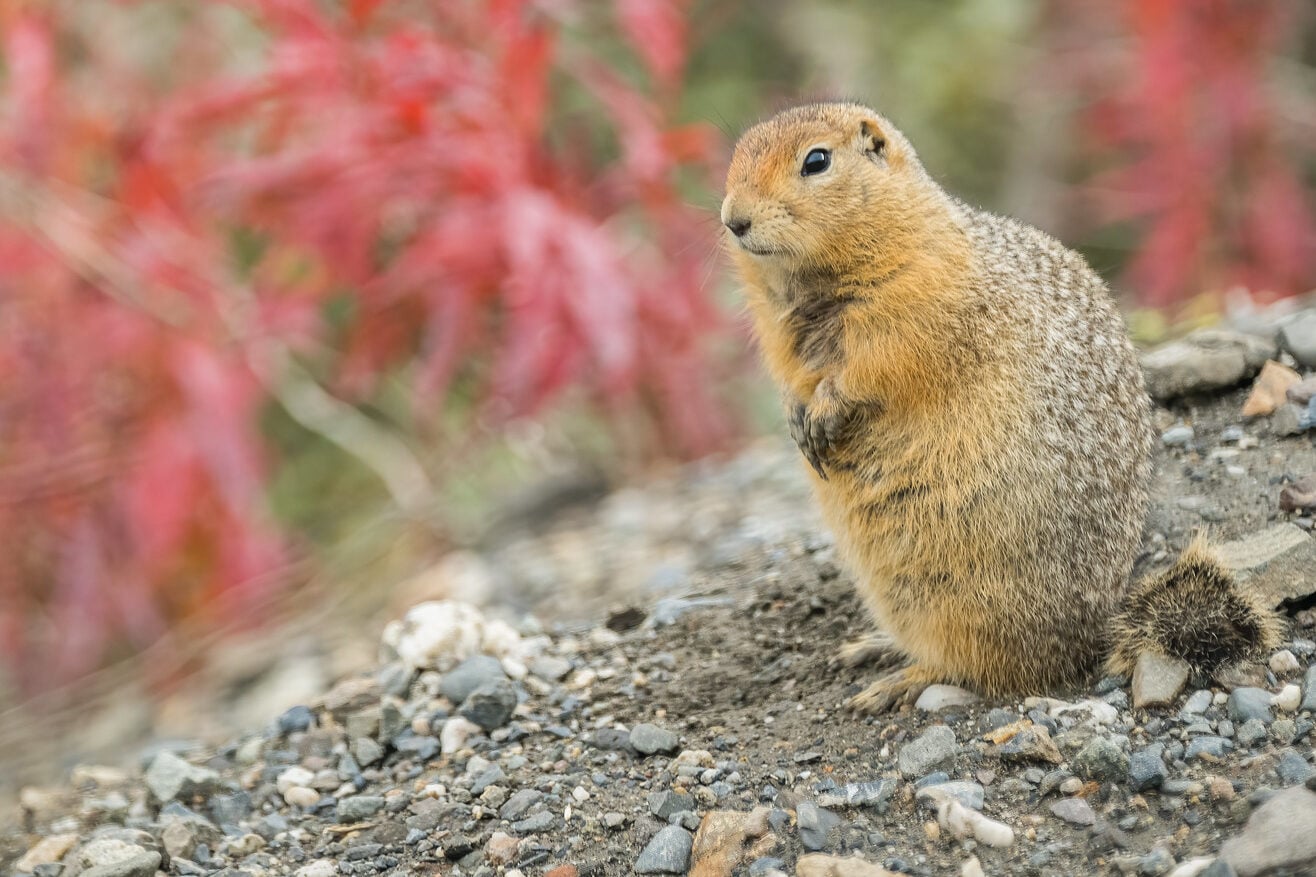
The Arctic ground squirrel takes hibernation to an extreme level. Its body temperature drops below freezing—sometimes reaching minus 3 degrees Celsius—without forming ice crystals in its tissues.
This ability to supercool relies on specialized proteins that prevent ice formation in cells. The squirrel’s heart rate drops to just one beat per minute during the coldest months.
Emperor Penguins in Antarctic Winters
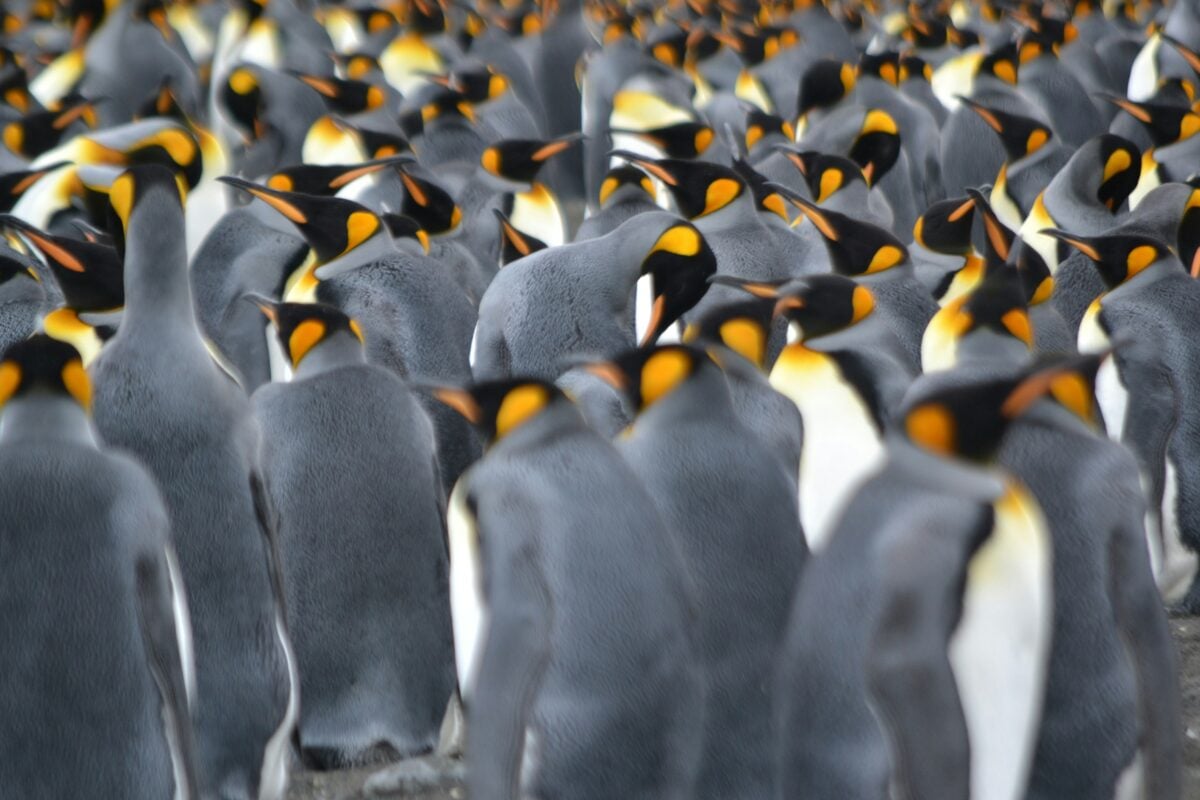
Emperor penguins endure Antarctic winters where temperatures plummet to minus 40 degrees Fahrenheit. They huddle together in groups of thousands, constantly rotating positions so every bird gets time in the warmer center.
Their feathers provide exceptional insulation—four layers deep with about 100 feathers per square inch. Males stand on the ice for two months straight during breeding season, fasting while incubating eggs on their feet.
Pompeii Worms at Hydrothermal Vents

Deep in the ocean, Pompeii worms live on hydrothermal vents where temperatures reach 176 degrees Fahrenheit. Their tails sit in near-boiling water while their heads stay in cooler currents just inches away.
They secrete a bacterial fleece that covers their backs, possibly providing insulation and chemical protection. These worms withstand the most extreme temperature gradient of any animal on Earth.
Desert Ants in Saharan Heat
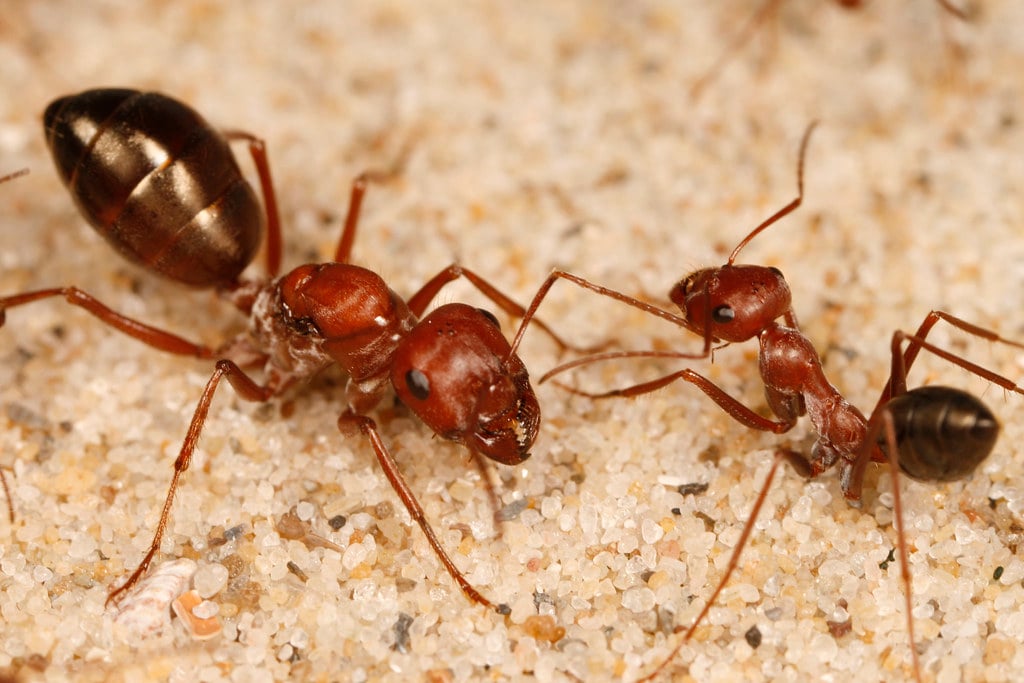
Saharan silver ants forage on sand that reaches 140 degrees Fahrenheit. They venture out during the hottest part of the day when predators seek shelter, spending just ten minutes above ground to find food.
Their silver hairs reflect sunlight and dissipate heat. Long legs keep their bodies elevated above the scorching sand, and they move at speeds up to 3 feet per second.
Wood Frogs and Freeze Tolerance

North American wood frogs survive being frozen solid during winter. Up to 70 percent of their body water turns to ice, and their hearts stop beating completely.
They produce glucose and urea as natural antifreeze to protect their organs. When spring arrives, they thaw from the inside out and resume normal activity within hours.
Bactrian Camels of the Gobi Desert
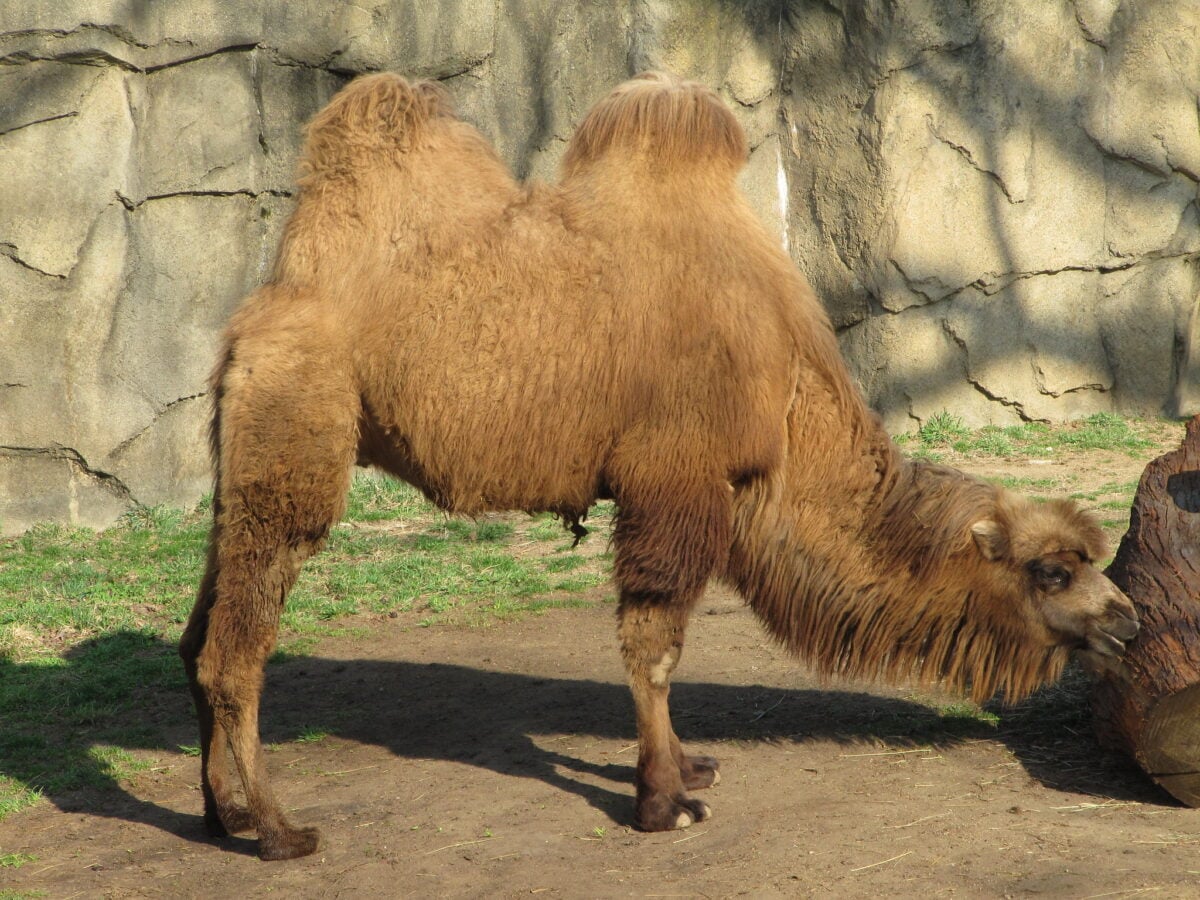
Bactrian camels face summer temperatures over 100 degrees and winter cold below minus 20 degrees Fahrenheit. Their shaggy coats provide insulation against both extremes.
They can drink 30 gallons of water in 13 minutes and survive losing 40 percent of their body weight through dehydration. Their blood cells are oval-shaped, allowing circulation even when dehydrated.
Antarctic Scale Worms

Antarctic scale worms thrive in waters just above freezing. They produce antifreeze glycoproteins that bind to ice crystals, preventing them from growing large enough to damage cells.
These worms live under sea ice and in freezing sediments. Their proteins work so effectively that scientists study them for potential applications in organ preservation and cryogenics.
Himalayan Jumping Spiders at High Altitudes
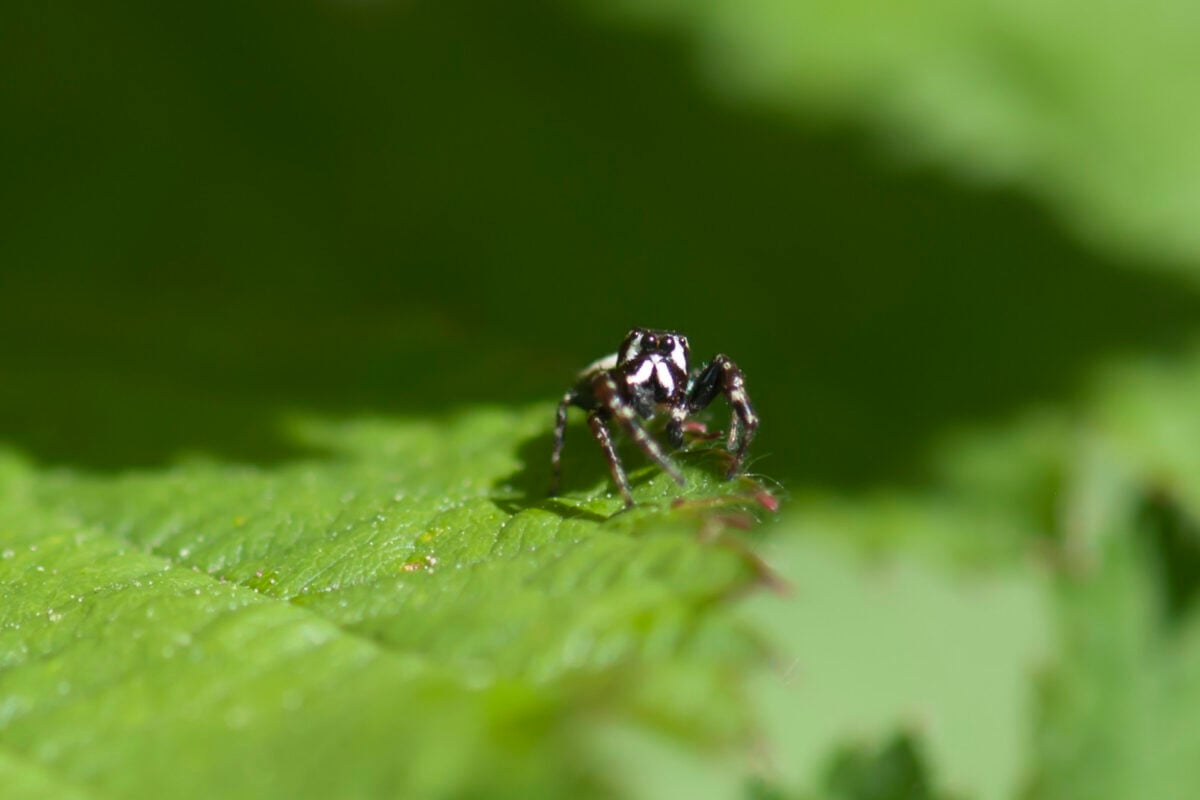
Himalayan jumping spiders live at elevations up to 22,000 feet where temperatures swing dramatically. They’ve been found on Mount Everest, making them one of the highest-dwelling animals on the planet.
These spiders survive by seeking shelter in rock crevices and producing antifreeze compounds. They feed on insects blown up the mountain by wind currents.
Thermophilic Bacteria in Hot Springs
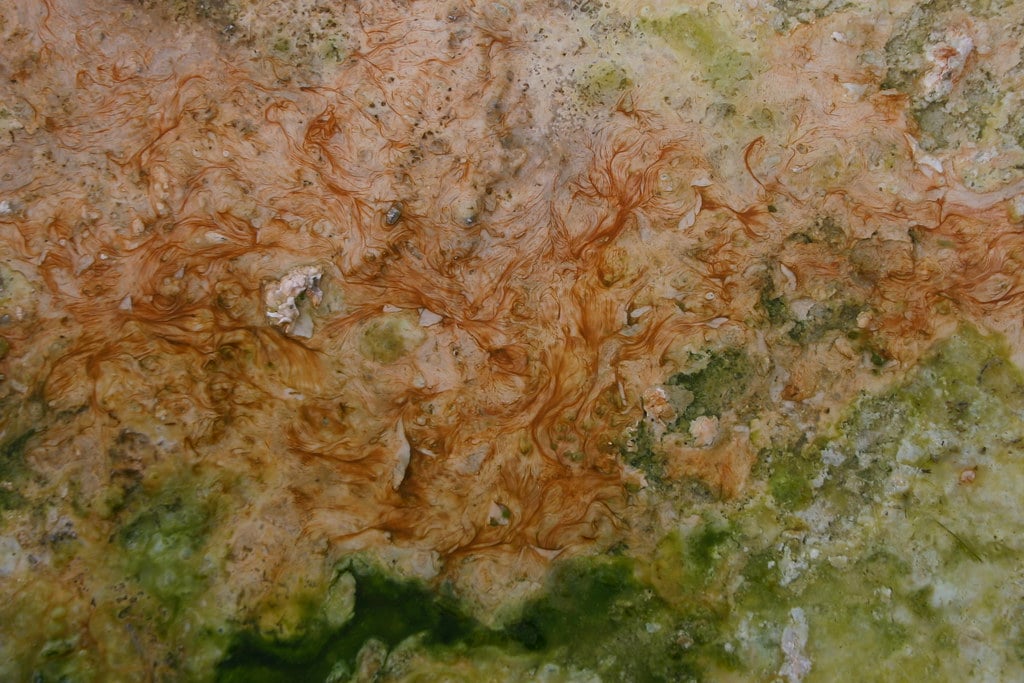
Thermophilic bacteria flourish in hot springs and geysers at temperatures up to 230 degrees Fahrenheit. Their cellular structures remain stable in conditions that would denature most proteins.
Some species have been found in volcanic vents and deep-sea smokers. Their heat-resistant enzymes have become valuable tools in molecular biology and industrial processes.
Arctic Cod Under Sea Ice
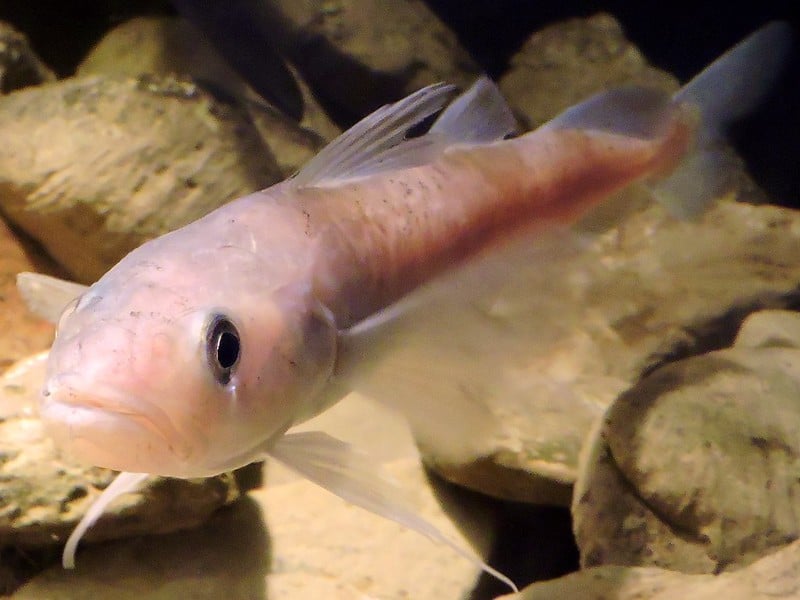
Arctic cod spend their entire lives in water between 28 and 35 degrees Fahrenheit. They produce multiple types of antifreeze proteins that work together to prevent ice formation in their blood.
Young cod actually hide inside ice crystals in the water column, using them as shelter from predators. They’re a crucial food source for seals, whales, and seabirds in Arctic ecosystems.
Red Flat Bark Beetles in Alaska
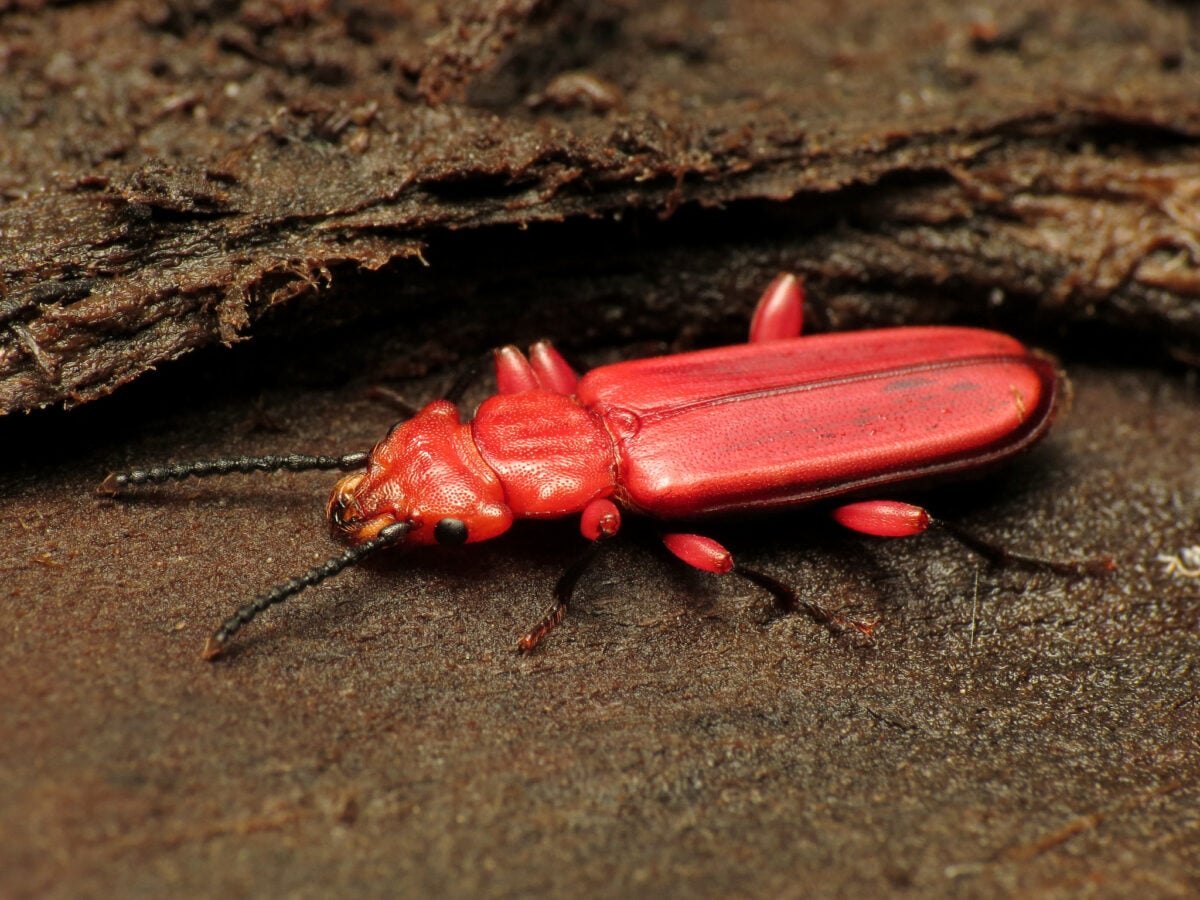
Alaskan red flat bark beetles survive winters at minus 100 degrees Fahrenheit. They remove almost all water from their bodies and produce antifreeze compounds including glycerol.
These beetles can remain frozen for years and still recover. They spend winters under tree bark, where they enter a state of suspended animation until spring warmth triggers revival.
Saharan Desert Snails in Dormancy
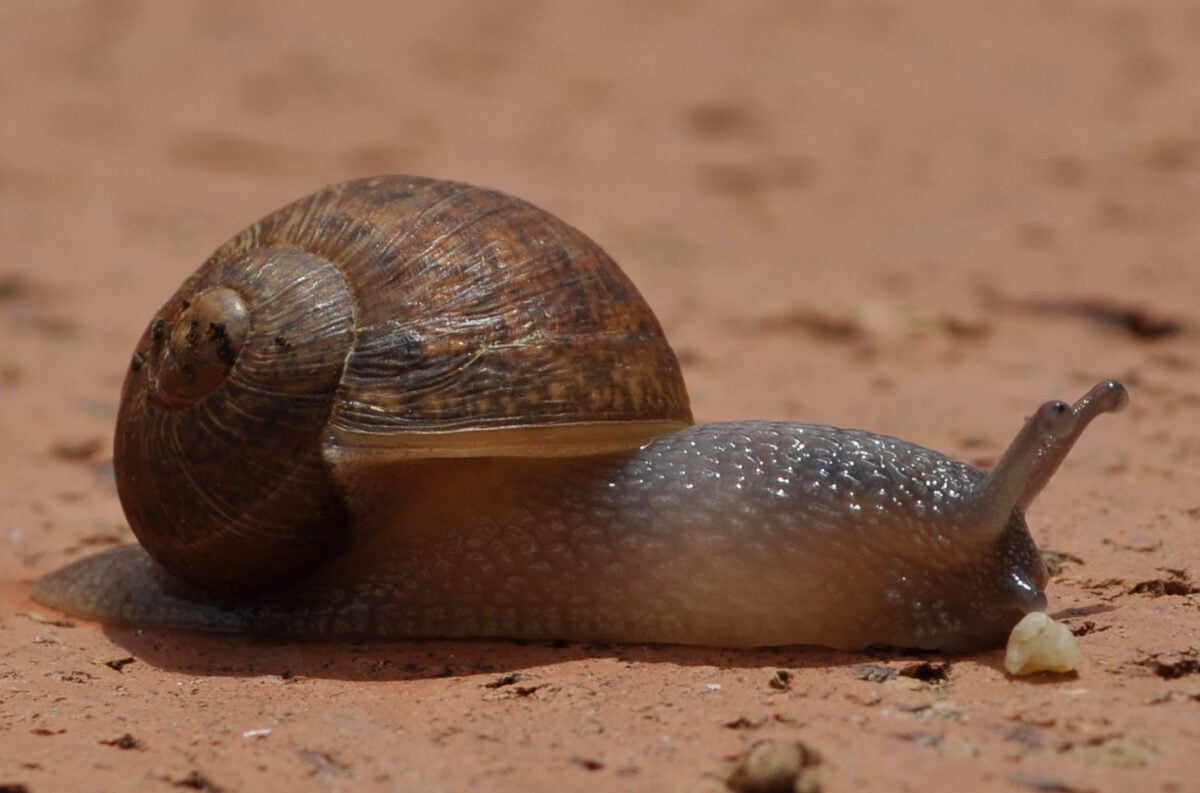
Desert snails in the Sahara tuck into their shells when it gets way too hot. When conditions dry out, they stay inactive – sometimes for years – till the next rainfall wakes them up.
A museum sample came back to life after sitting dry for four years. Yet these creatures slow their body processes almost completely, living off reserves till dampness reappears around them.
Where Temperature Meets Tenacity
Life finds a way to grow, no matter how harsh things seem. Facing tough spots head-on – these beings prove survival comes through wild shifts, totally unpredictable.
Their moves aren’t random quirks; they hint at mysteries we’ve barely started to see.
More from Go2Tutors!

- The Romanov Crown Jewels and Their Tragic Fate
- 13 Historical Mysteries That Science Still Can’t Solve
- Famous Hoaxes That Fooled the World for Years
- 15 Child Stars with Tragic Adult Lives
- 16 Famous Jewelry Pieces in History
Like Go2Tutors’s content? Follow us on MSN.



