Famous Landmarks that Barely Survived Complete Destruction
History has a way of testing everything, including the most well-known places on Earth. Natural disasters, wars, accidents, and even plain old bad luck have come close to wiping some of the world’s most famous landmarks off the map.
Some were damaged so badly they almost didn’t make it. Others were literally inches away from being turned to rubble. It’s surprising how close the world came to losing some of these iconic places.
Let’s take a look at the stories behind landmarks that nearly disappeared forever.
The Eiffel Tower
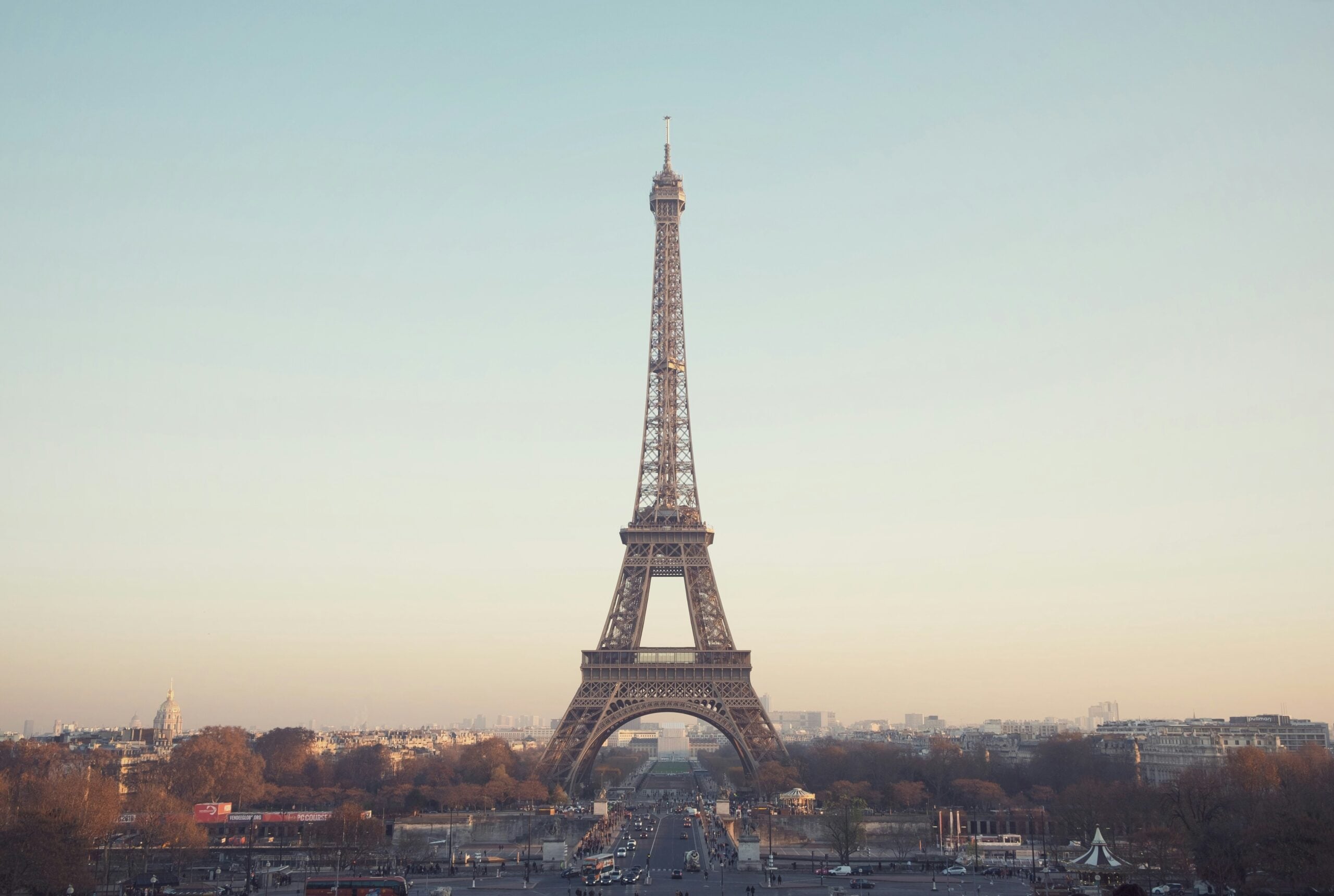
During World War II, the Eiffel Tower was on Hitler’s radar. He wanted it torn down as a symbol of France’s defeat.
Thankfully, the order was never followed through. French resistance fighters even cut the lift cables so Nazi soldiers had to climb the stairs.
The tower stood strong while the world around it fell apart.
The Statue of Liberty
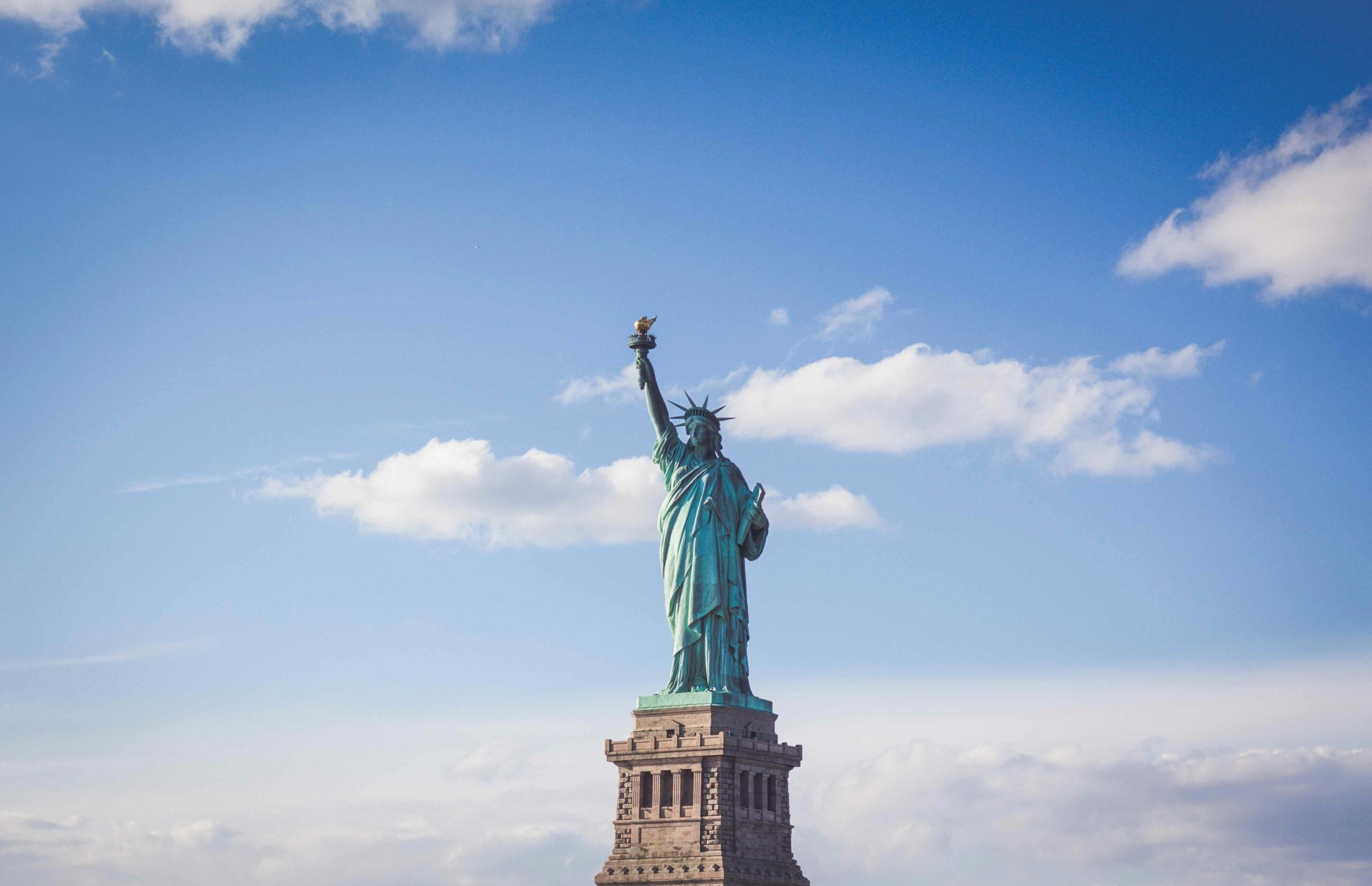
In 1916, an explosion at a nearby munitions depot rocked New York Harbor. The blast, caused by German saboteurs, damaged the statue so badly that access to her torch has been closed ever since.
The structure shifted slightly and parts of her arm were cracked. It could have been much worse if the explosion had been closer. Lady Liberty almost lost her arm, literally.
Like Go2Tutors’s content? Follow us on MSN.
The Colosseum
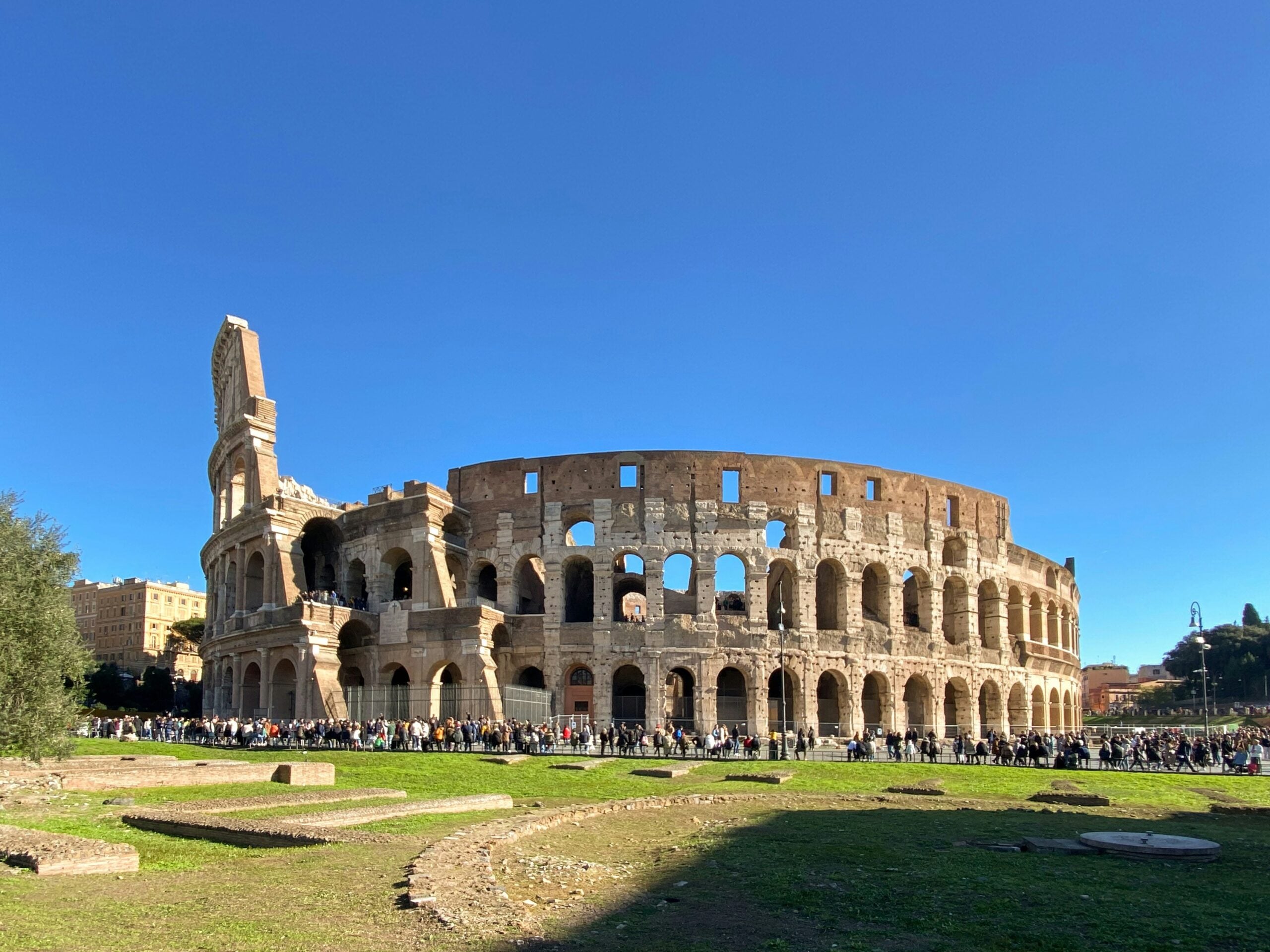
This ancient arena has survived earthquakes, fires, and stone robbers. But the worst threat came from centuries of neglect.
People took stones from it to build other structures across Rome. At one point, the Colosseum was used as a dump.
If the Italian government hadn’t stepped in during the 18th century, it might have vanished piece by piece.
The Leaning Tower of Pisa
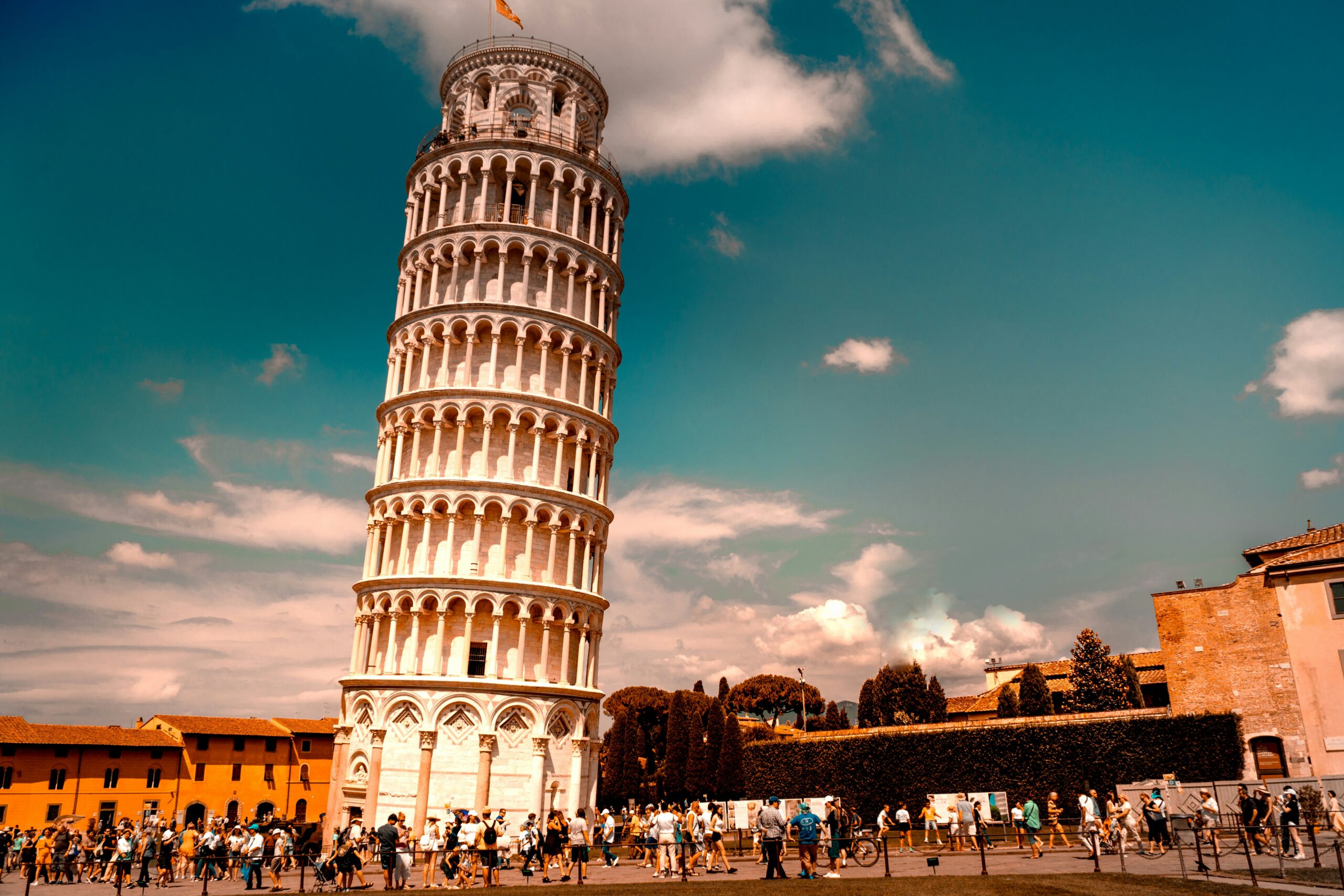
Everyone knows it leans, but at one point it leaned too much. By the 1990s, it was dangerously tilted and at risk of collapsing.
Engineers closed it to the public and spent years carefully pulling it back into a safer position. Soil under the tower was removed inch by inch.
Without that fix, today it might just be a pile of fancy marble blocks.
The White House
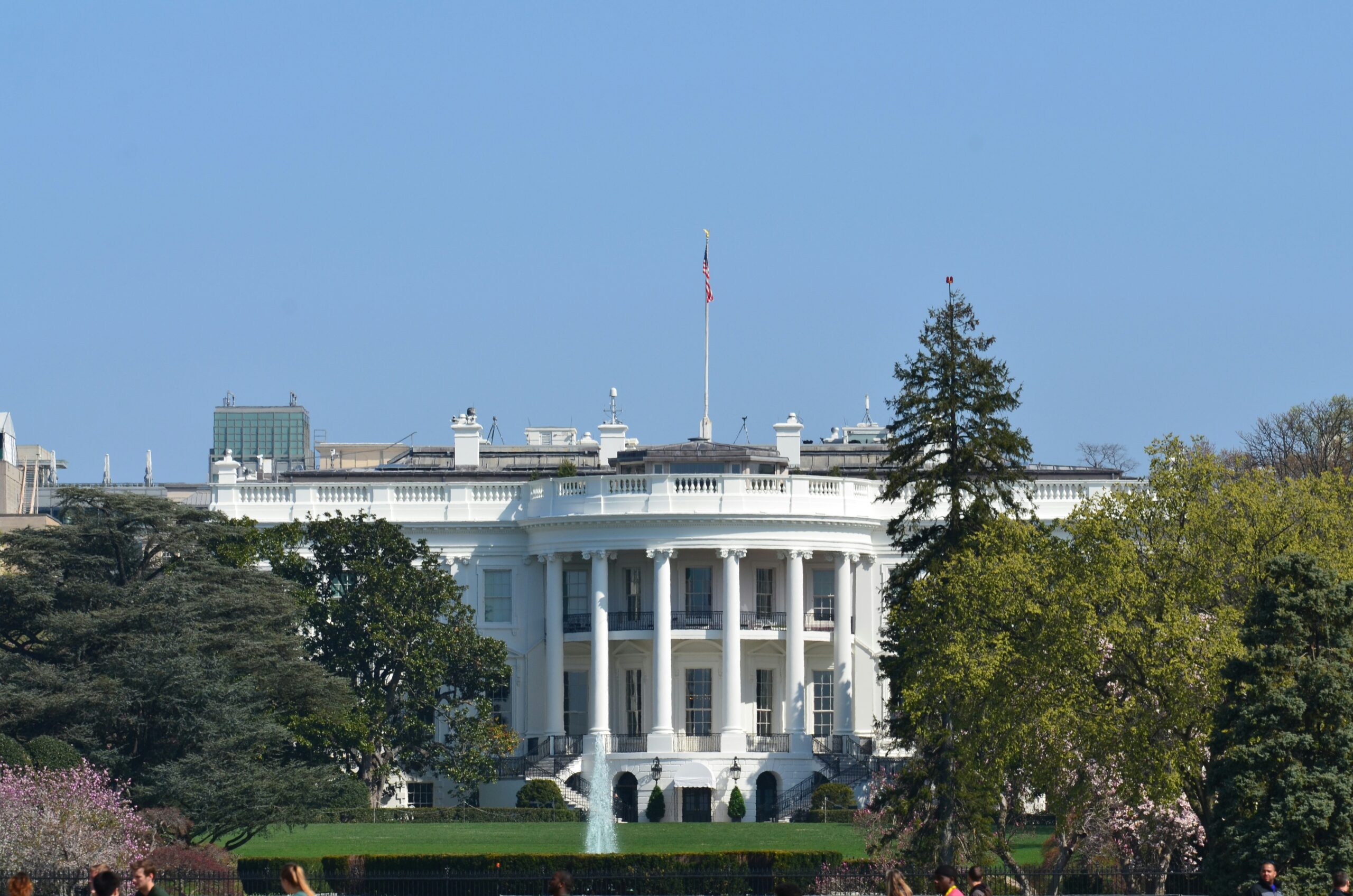
During the War of 1812, British troops set fire to the White House. The building burned badly and only the exterior stone walls remained.
Rebuilding took years, and for a while, the U.S. President had no official home. Today, you’d never guess how close it came to total destruction.
The iconic structure was nearly reduced to ash.
Like Go2Tutors’s content? Follow us on MSN.
Notre-Dame Cathedral
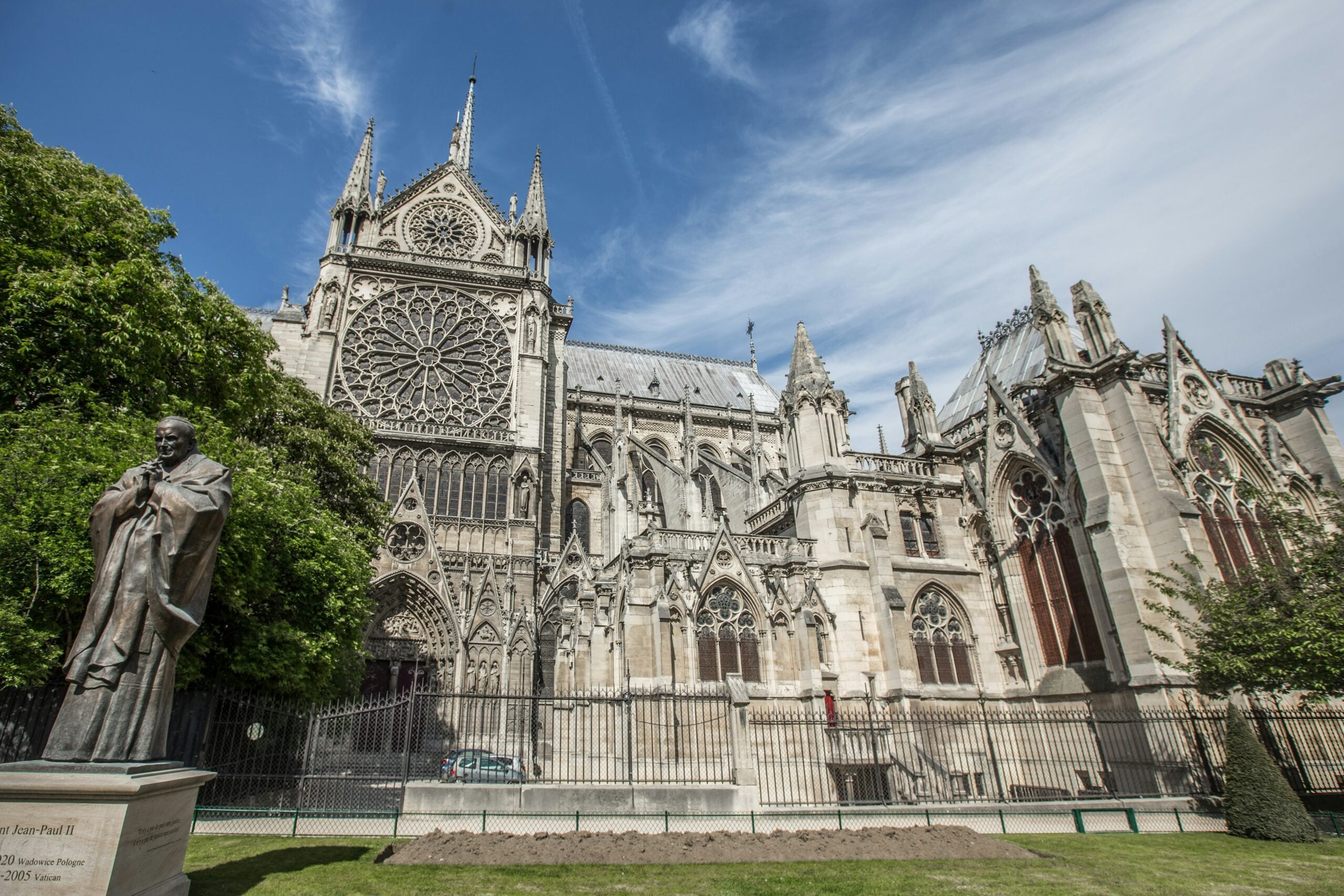
In 2019, the world watched in shock as flames tore through the roof of Notre-Dame. The fire destroyed the spire and much of the wooden interior.
It was feared that the entire structure would collapse. Thanks to brave firefighters and a fast response, most of the stone walls and towers survived.
Still, the damage was nearly irreversible.
The Parthenon
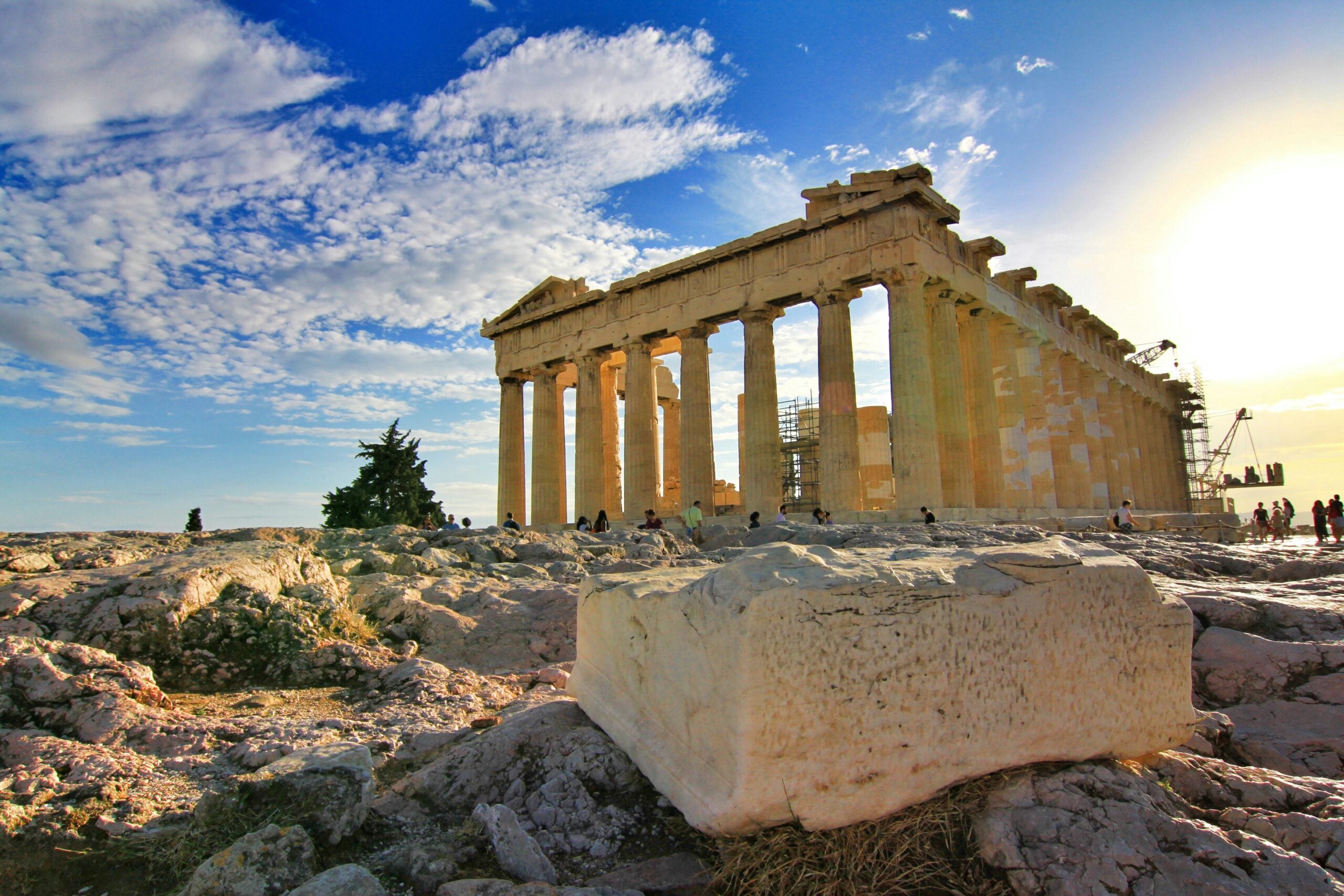
This ancient Greek temple has stood for over 2,000 years. But in 1687, a cannonball hit a storage area inside that held gunpowder.
The explosion blew apart huge sections of the building. The blast caused more damage in seconds than centuries of weather ever had.
If the powder had been placed differently, the Parthenon might not be here today.
The Kremlin
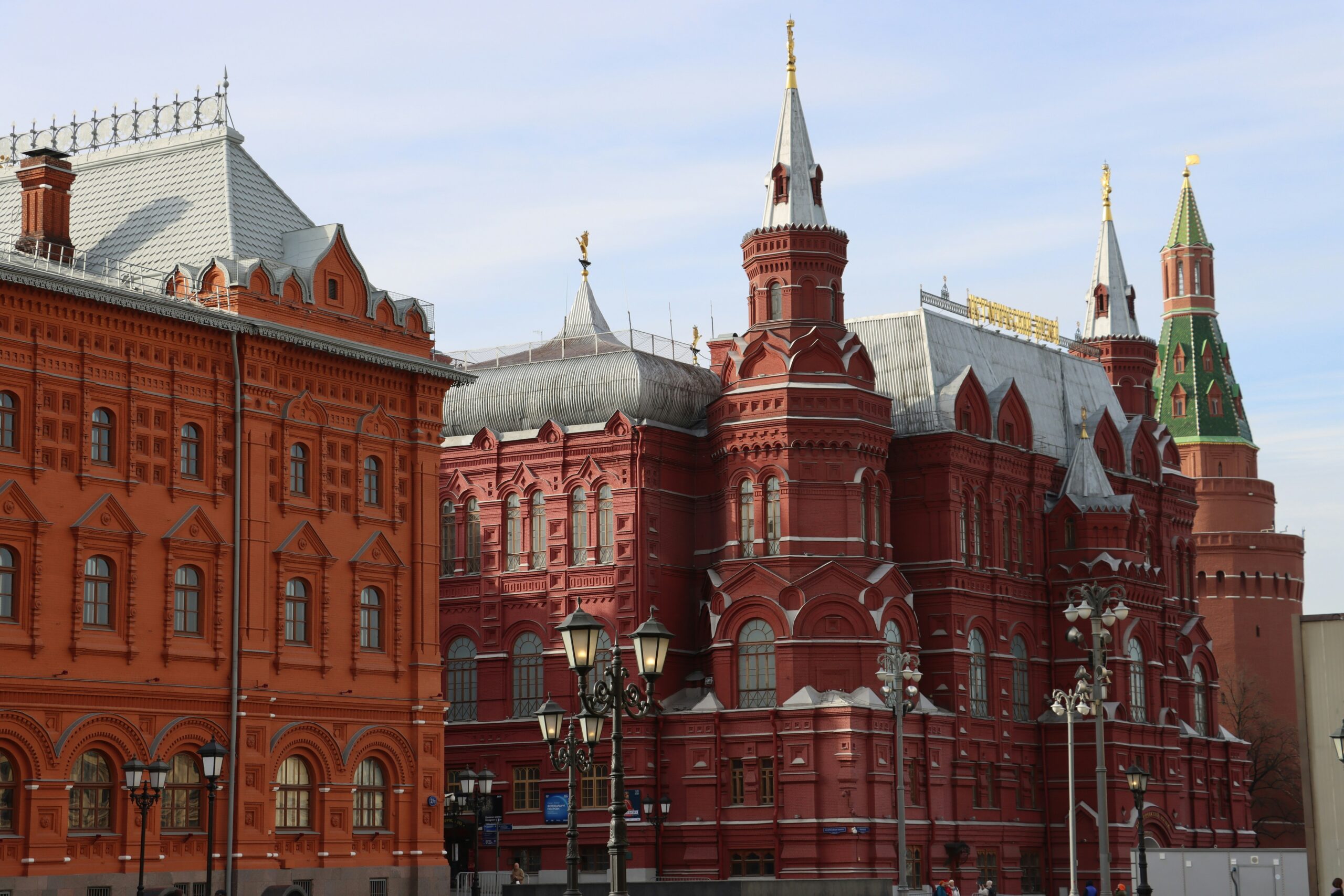
Napoleon’s retreat from Moscow in 1812 included one last act—he tried to blow up the Kremlin. His troops planted explosives throughout the complex.
Some buildings were badly damaged, but several charges failed to go off. Pure luck saved large parts of this historic site.
The Kremlin narrowly escaped total ruin.
Like Go2Tutors’s content? Follow us on MSN.
The Great Wall of China
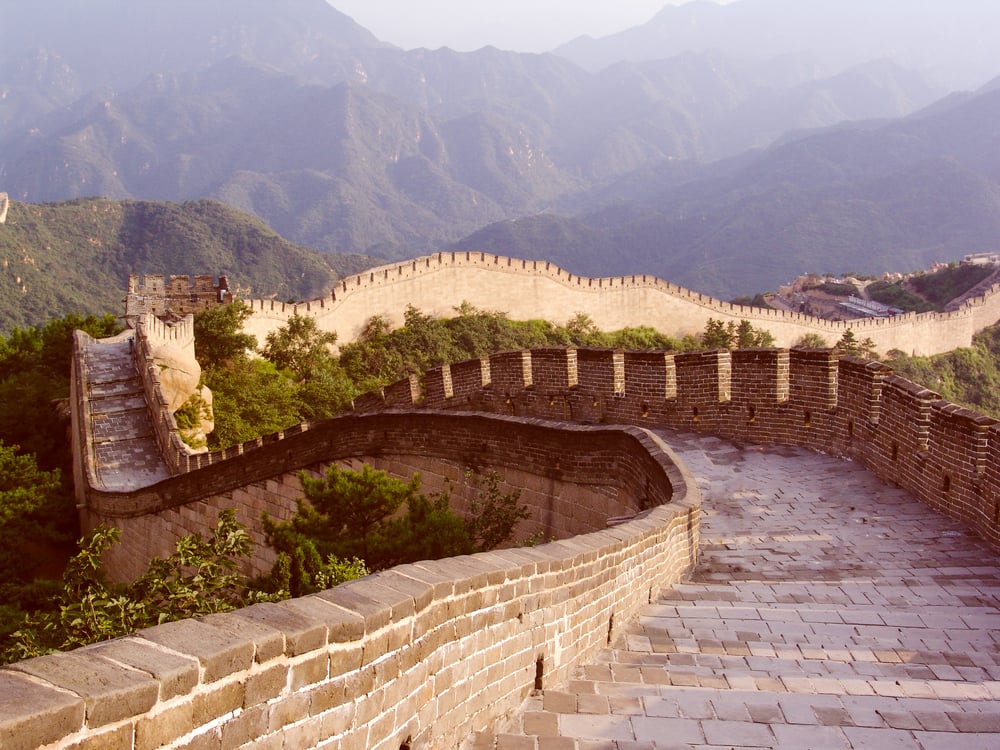
Over the years, huge portions of the Great Wall were torn down by locals needing building materials. Some parts were even lost to farming.
In certain areas, barely any of the original wall remains. If not for protection laws passed in recent decades, more of the wall would be gone.
It came frighteningly close to disappearing without a trace.
Big Ben
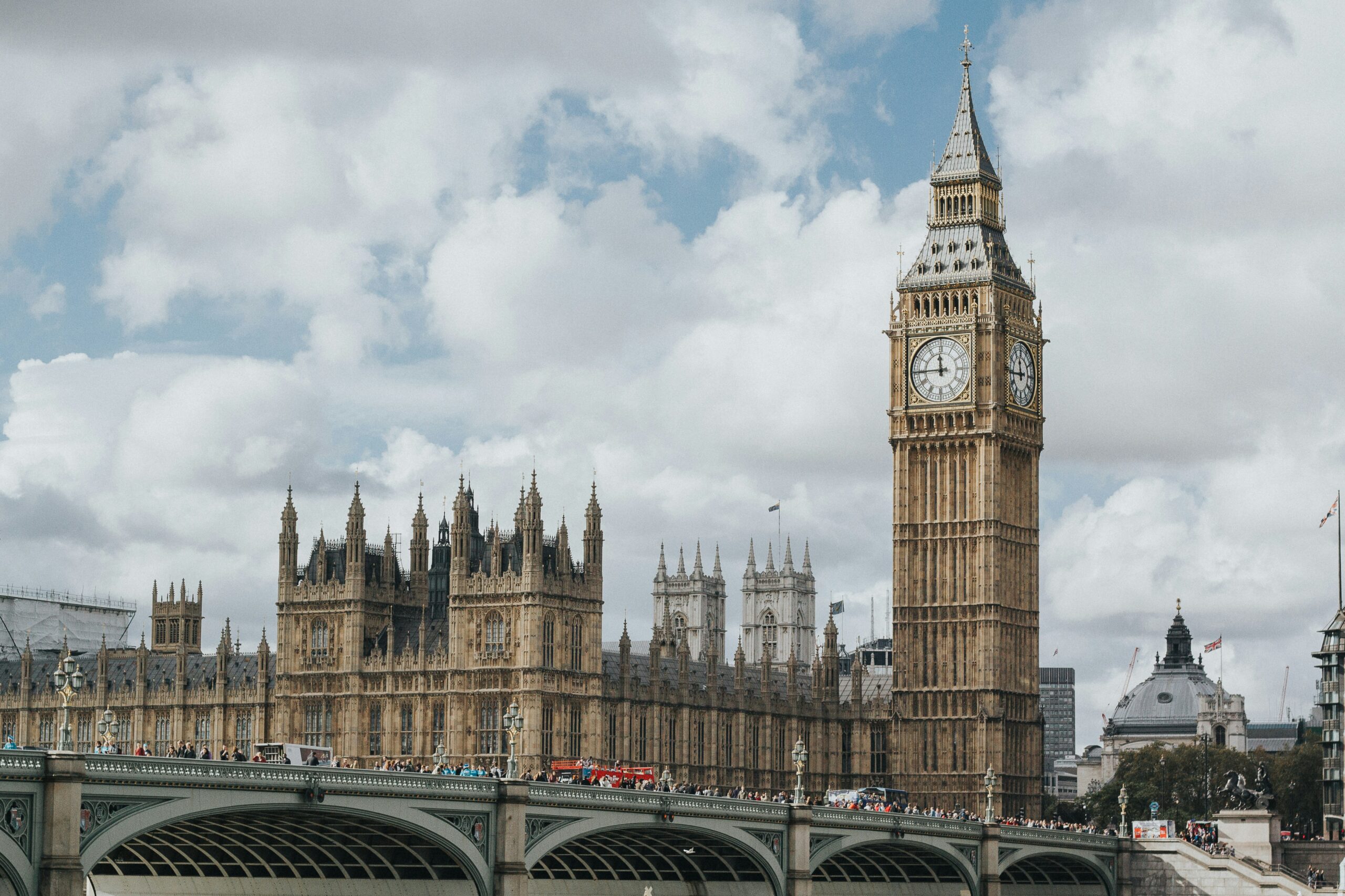
During World War II, German bombs fell all around Big Ben and the Houses of Parliament. One strike hit nearby and shattered glass, damaged the roof, and caused fires.
The clock was unharmed, but it could’ve easily been knocked off balance or destroyed. Londoners were lucky—it remained a symbol of hope in a dark time.
The Taj Mahal
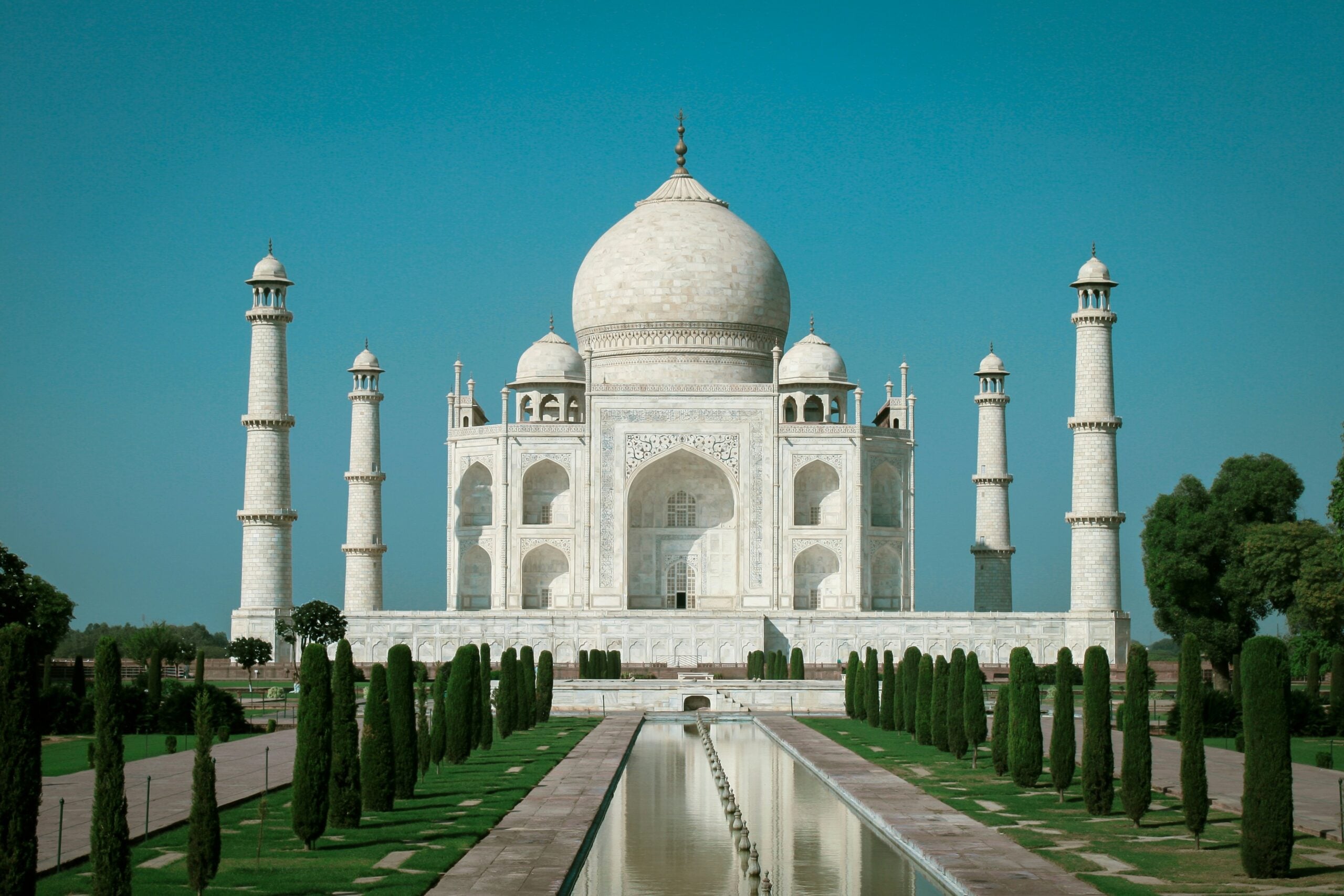
Air pollution, acid rain, and even insect droppings have threatened this world wonder. But the most serious danger came during past conflicts with Pakistan.
Military forces set up defense systems to protect it from possible air strikes. In wartime, nothing is sacred, and the Taj Mahal was on the list of possible targets.
Its survival was not guaranteed.
Like Go2Tutors’s content? Follow us on MSN.
The Berlin Wall (East Side Gallery section)
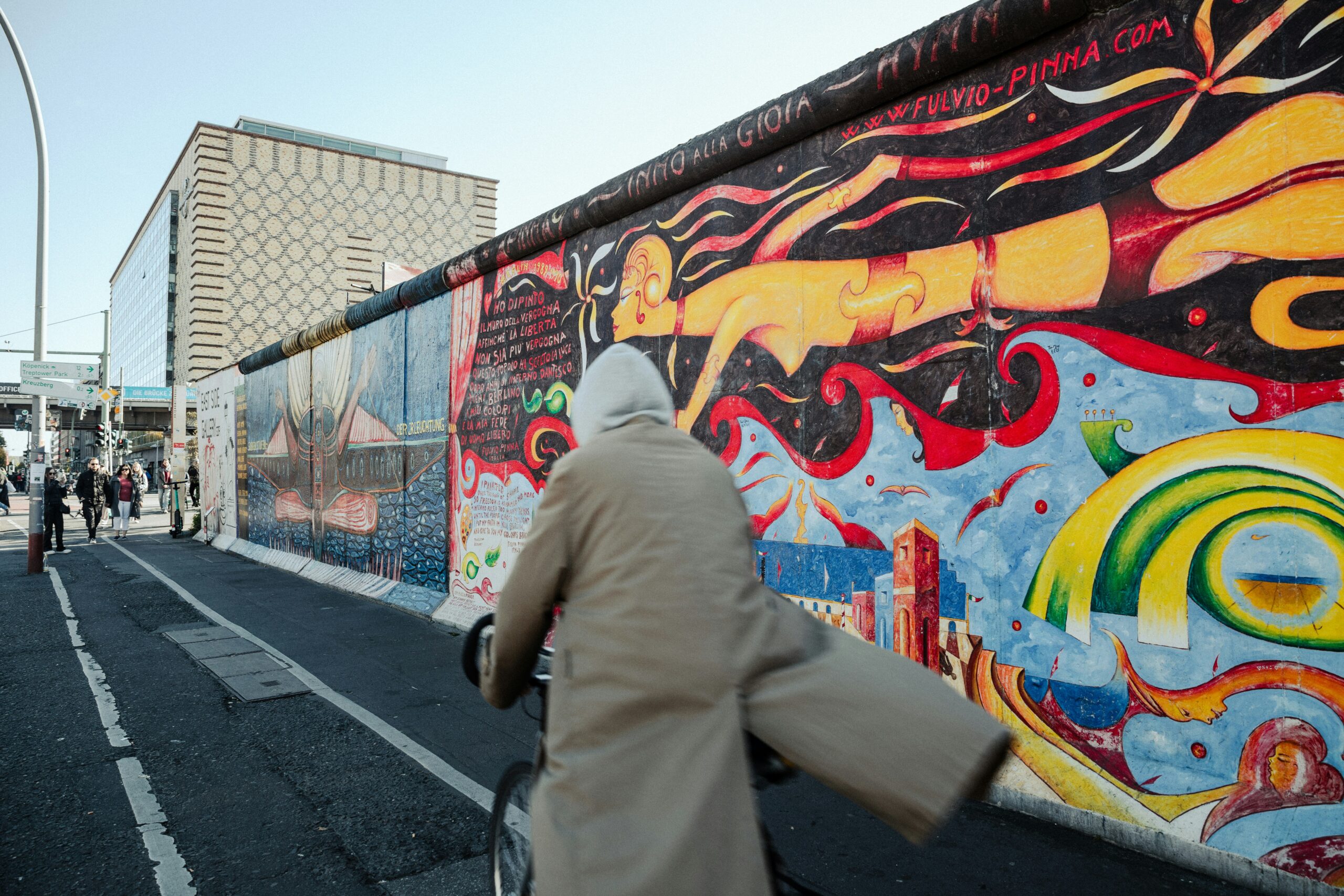
Most of the Berlin Wall was torn down in 1989. But one part, the East Side Gallery, was saved and covered in murals.
In later years, it faced threats from real estate developers and road expansions. Activists fought hard to preserve it.
Without public pressure, this important piece of history might have been bulldozed.
The Hiroshima Peace Memorial (Genbaku Dome)
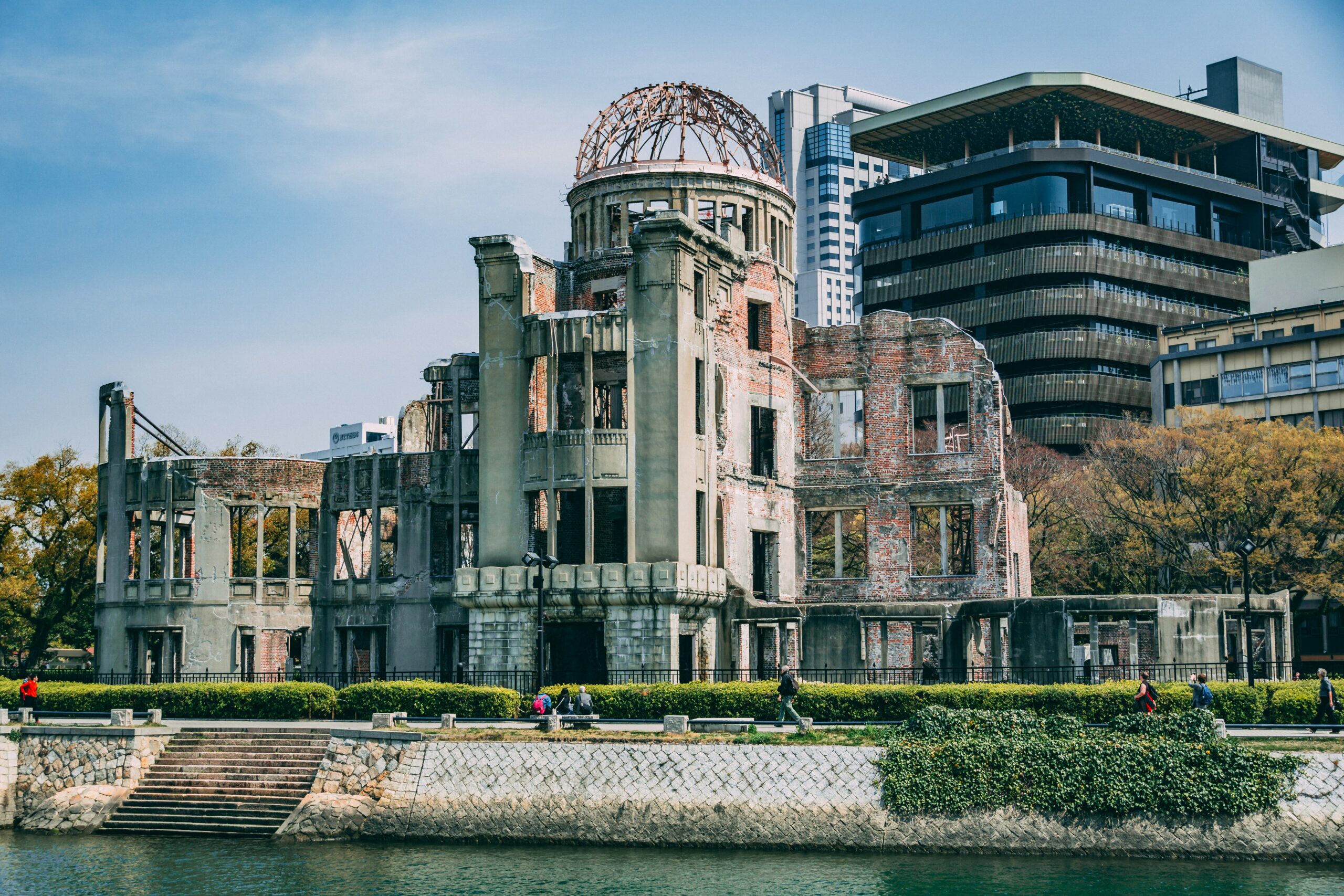
This structure was one of the few buildings left standing near the atomic bomb blast in 1945. For years, there was debate over whether to demolish it.
Many felt it was too painful to keep. Others believed it was important to remember.
Thankfully, it was preserved as a reminder of what happened and what must never happen again.
The Sydney Opera House
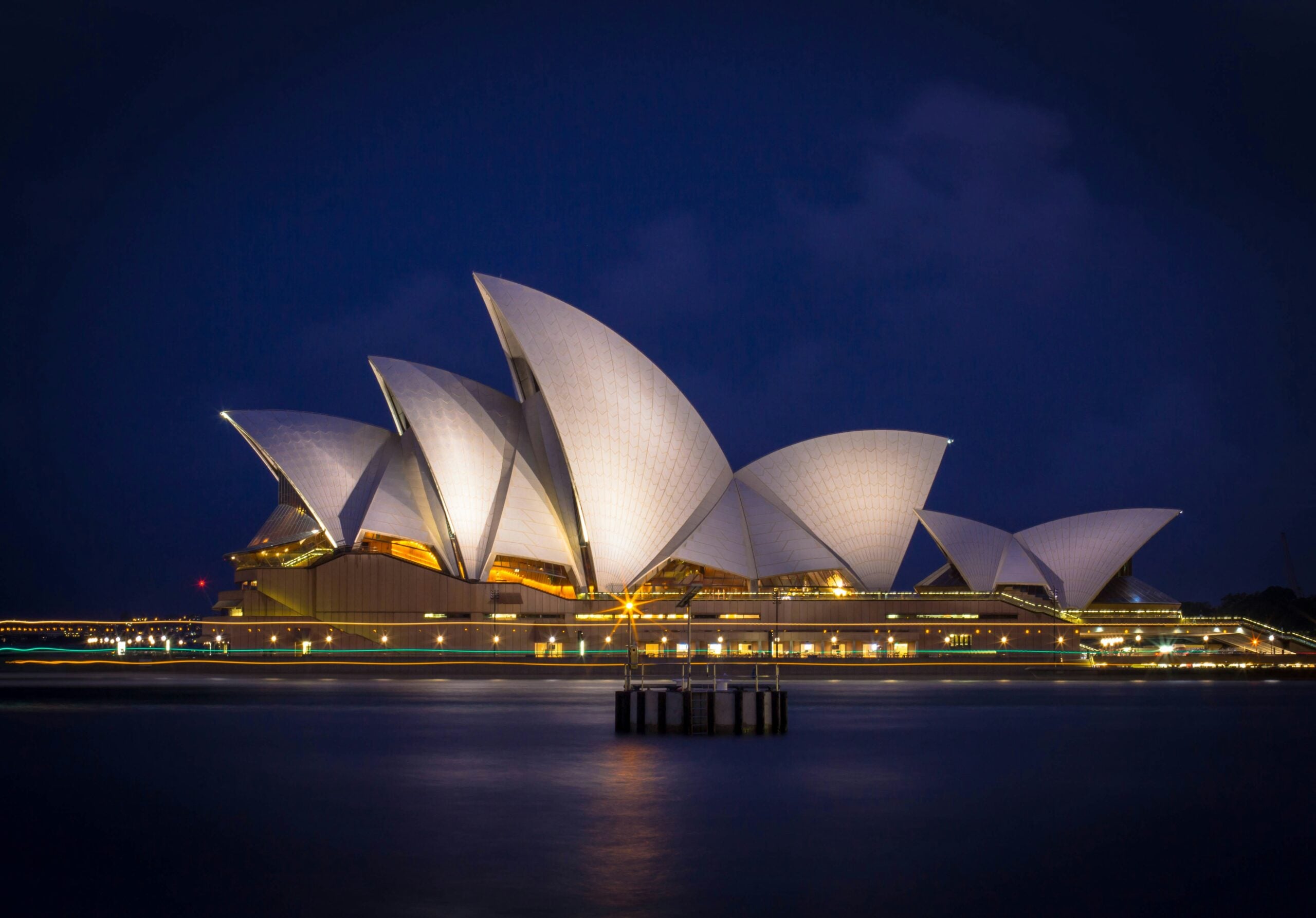
Built in a tricky location with a challenging design, the Opera House faced serious construction problems. There were moments during the build when it seemed like it would never be finished.
Funding dried up, plans changed, and the lead architect even left the project. But somehow, it all came together. It almost didn’t.
Like Go2Tutors’s content? Follow us on MSN.
Stonehenge
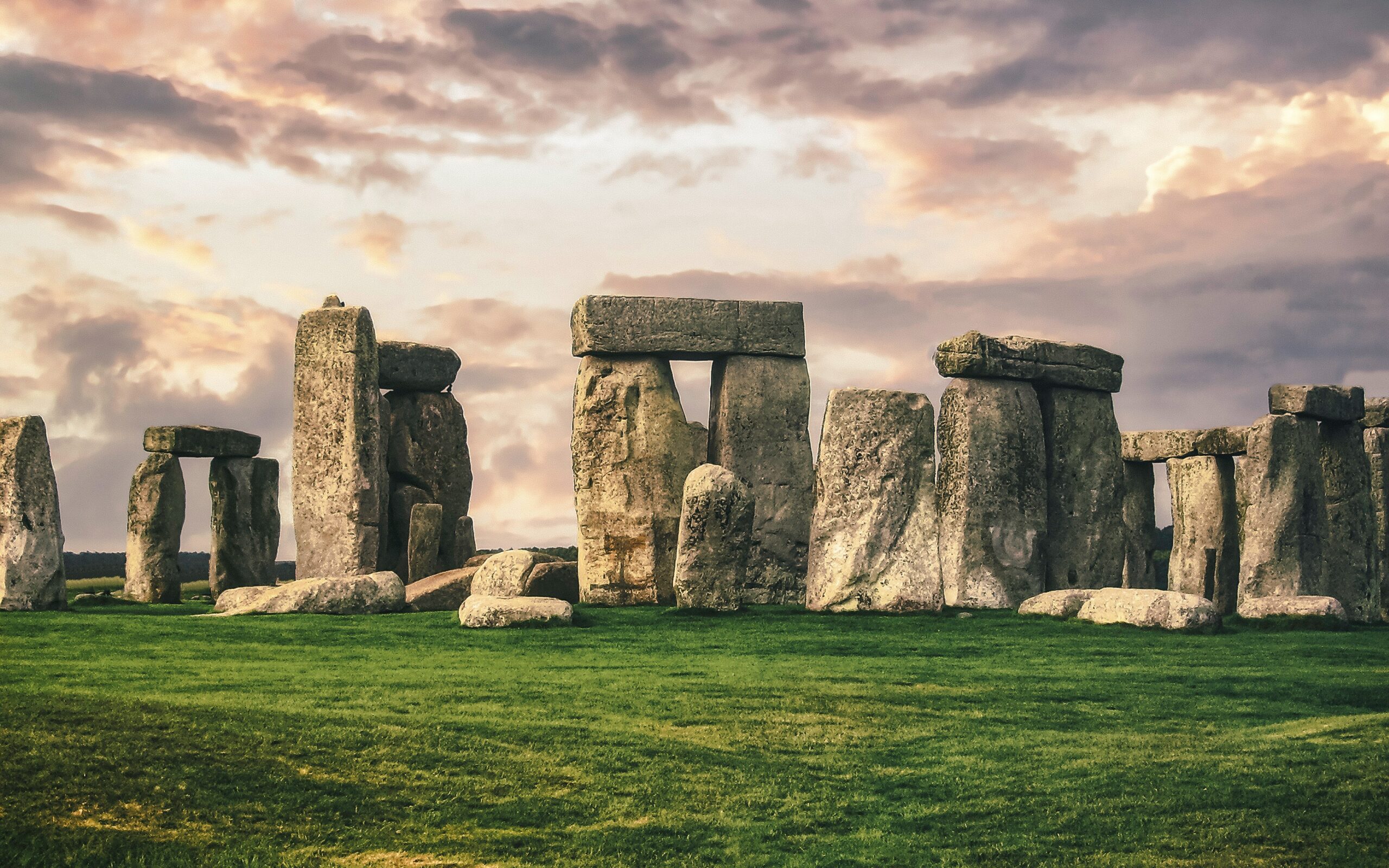
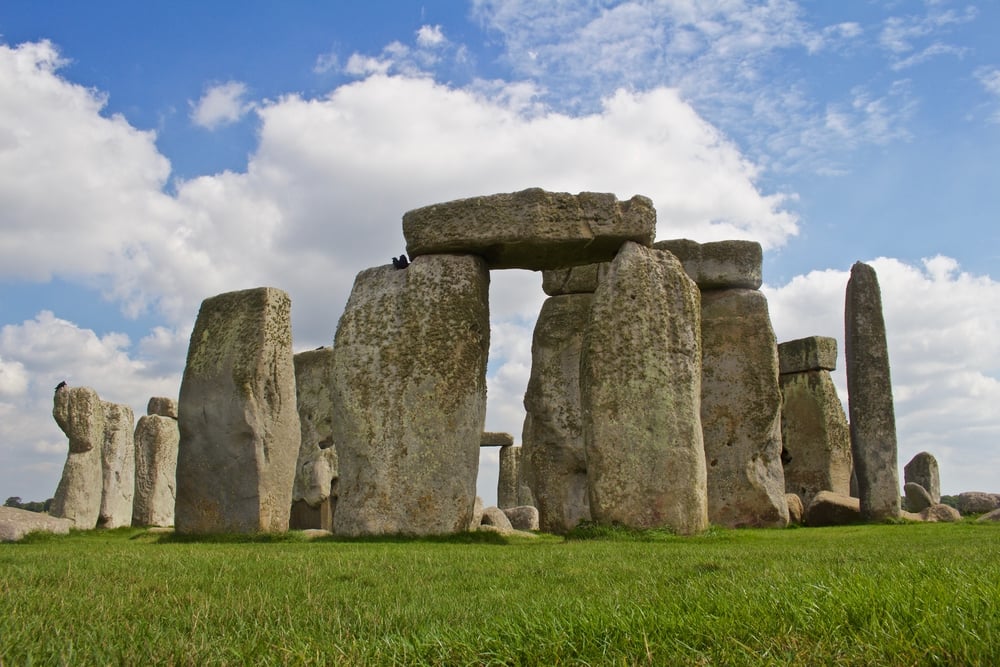
This ancient site was nearly destroyed not by war or weather, but by tourism and nearby construction. In the early 1900s, people climbed on the stones and chipped off pieces as souvenirs.
Road projects also threatened the area. Luckily, protection efforts kicked in just in time. What’s left today could have been a much smaller pile of rocks.
The Pentagon
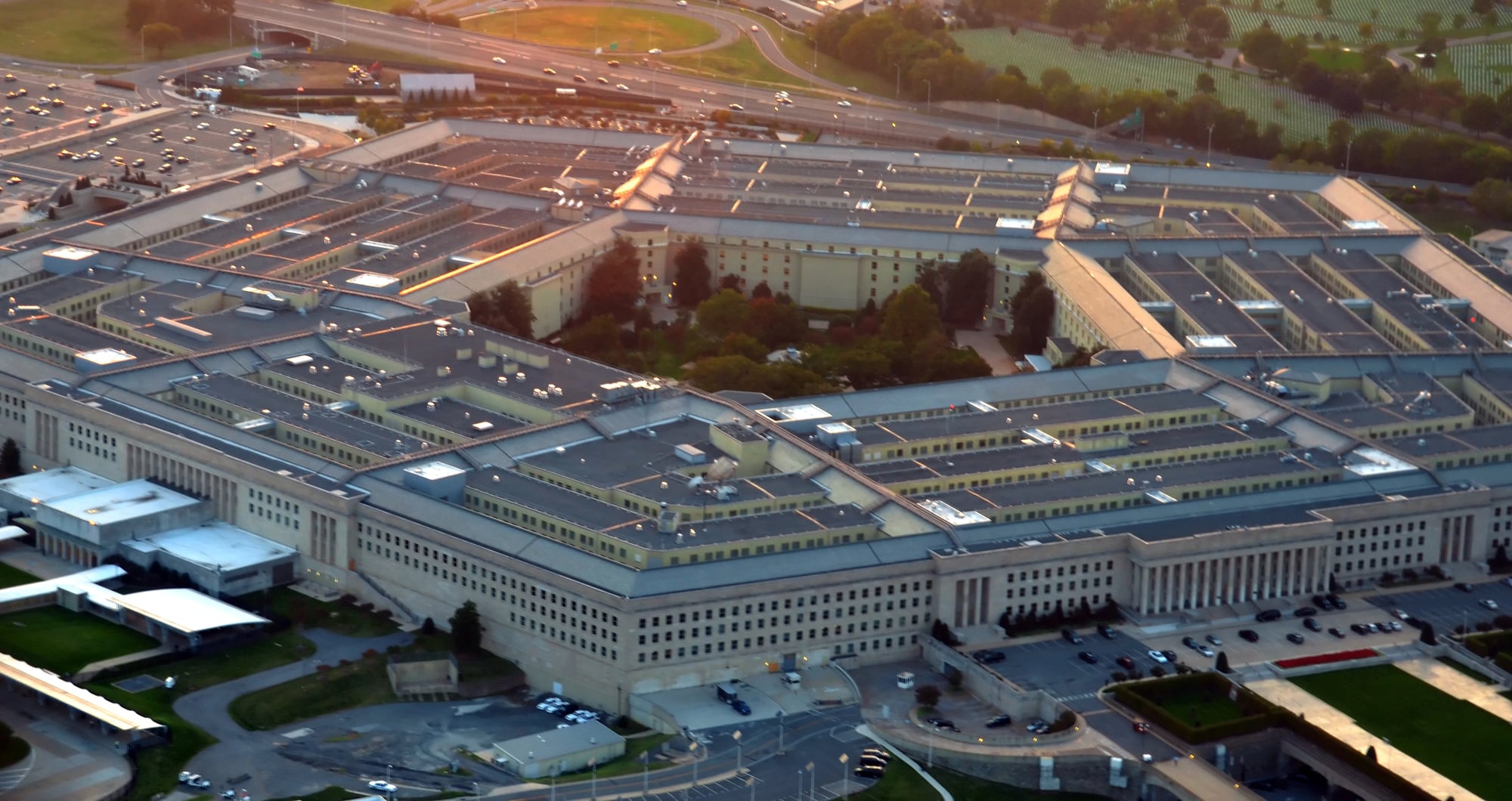
On September 11, 2001, one side of the Pentagon was severely damaged by a terrorist attack. Fires burned for hours and part of the structure collapsed.
If the plane had hit at a different angle or time, the damage could have been far worse. Quick response teams and strong building design helped avoid total disaster.
Even then, it was a close call.
Machu Picchu
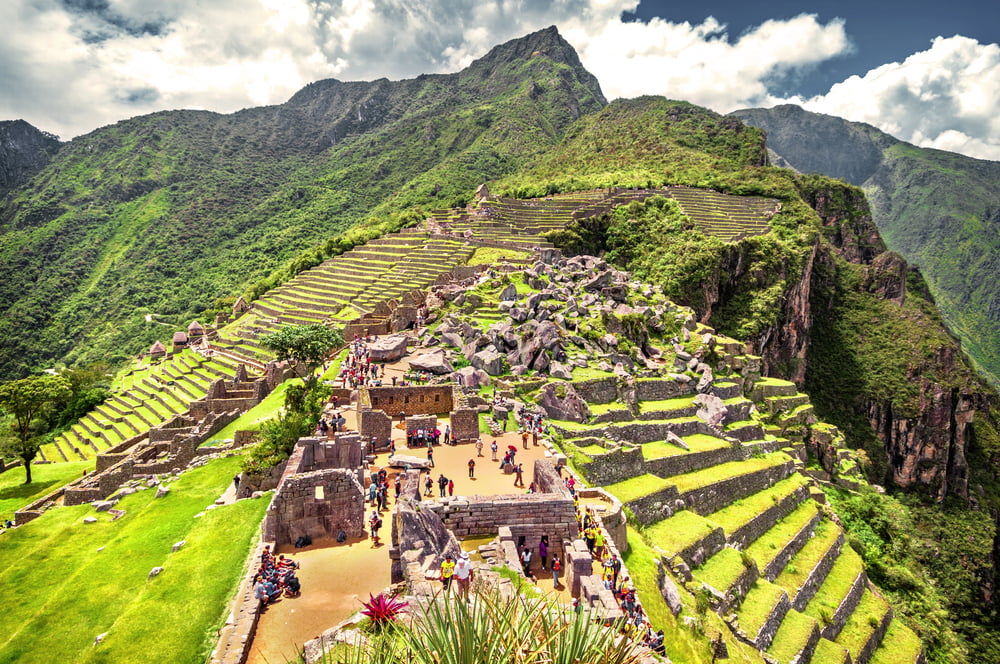
Heavy rains, landslides, and foot traffic from tourists have all endangered this ancient Inca city. At one point, officials considered shutting it down to preserve it.
The soil beneath the structures is unstable, and too many visitors add stress to the site. Careful management has kept it open so far. But it came close to being shut forever.
Like Go2Tutors’s content? Follow us on MSN.
What Still Stands Tells the Story
Looking at these landmarks now, it’s hard to imagine how close they came to vanishing. They survived not just because they were strong, but because people cared enough to save them.
Wars ended, plans changed, and sometimes pure luck played a role. Today, these places are more than tourist spots—they’re reminders of what almost wasn’t. And maybe that makes them even more powerful.
More from Go2Tutors!

- 16 Historical Figures Who Were Nothing Like You Think
- 12 Things Sold in the 80s That Are Now Illegal
- 15 VHS Tapes That Could Be Worth Thousands
- 17 Historical “What Ifs” That Would Have Changed Everything
- 18 TV Shows That Vanished Without a Finale
Like Go2Tutors’s content? Follow us on MSN.