Facts About Creatures Thought to Be Myth
Travelers and explorers have always brought back wild stories about strange animals that seemed too good to be true. The scientific community rejected many of these accounts as exaggerations, misidentifications, or outright fabrications.
However, these “mythical” creatures repeatedly proved to be real, living examples of how the truth can sometimes be stranger than fiction.The distinction between myth and reality has never been as clear-cut as we once believed. These sixteen creatures were once thought to be merely mythical.
Giant Squid
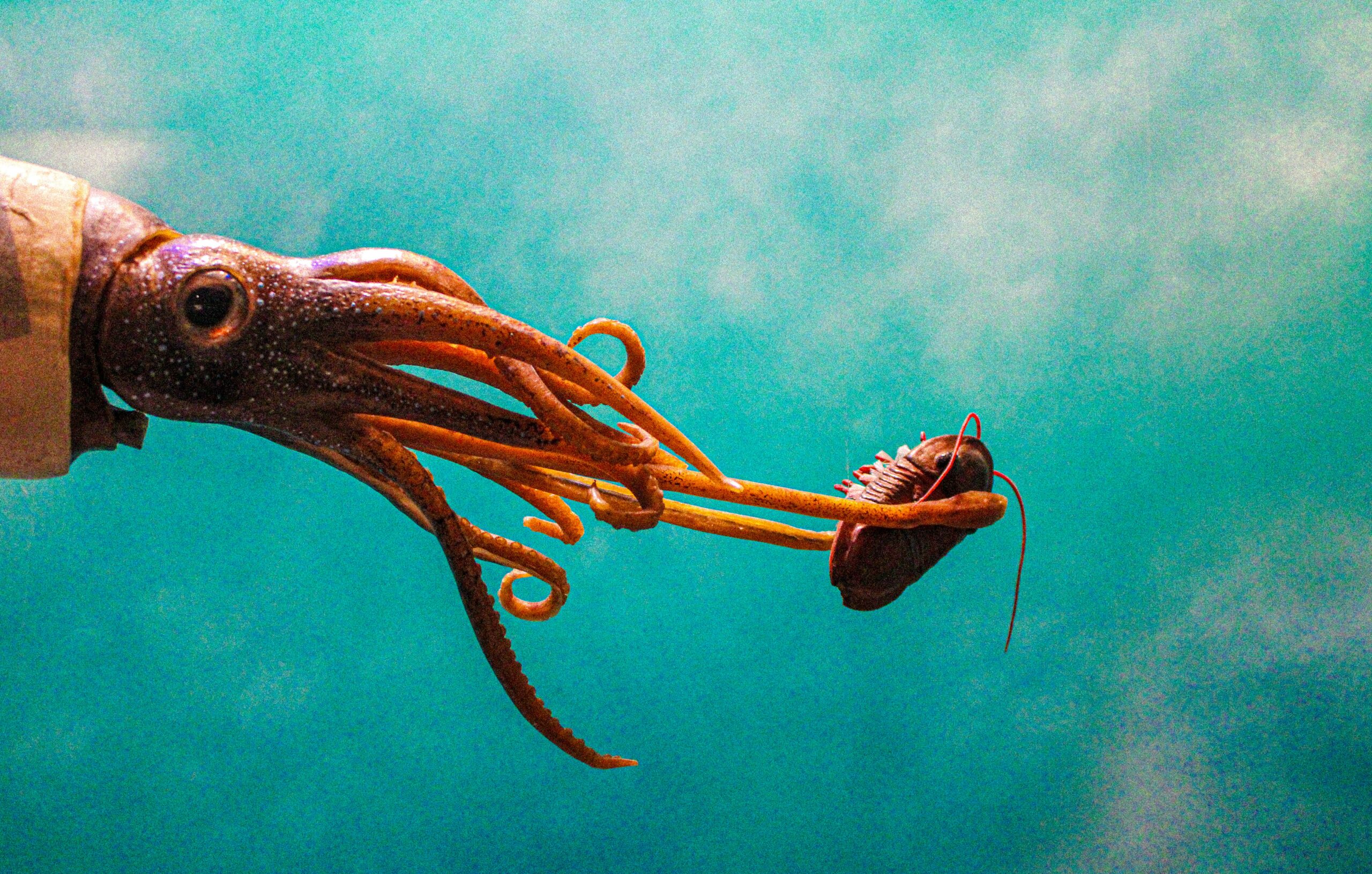
For centuries, sailors told terrifying stories of massive sea monsters with enormous eyes and tentacles that could drag entire ships to the ocean floor. Scientists dismissed these tales as drunken fantasies or misidentified whales until Japanese researchers finally captured the first photographs of a living giant squid in its natural habitat in 2004.
These deep-sea creatures can grow up to 43 feet long and have eyes the size of dinner plates, making them the largest eyes in the animal kingdom.
Okapi
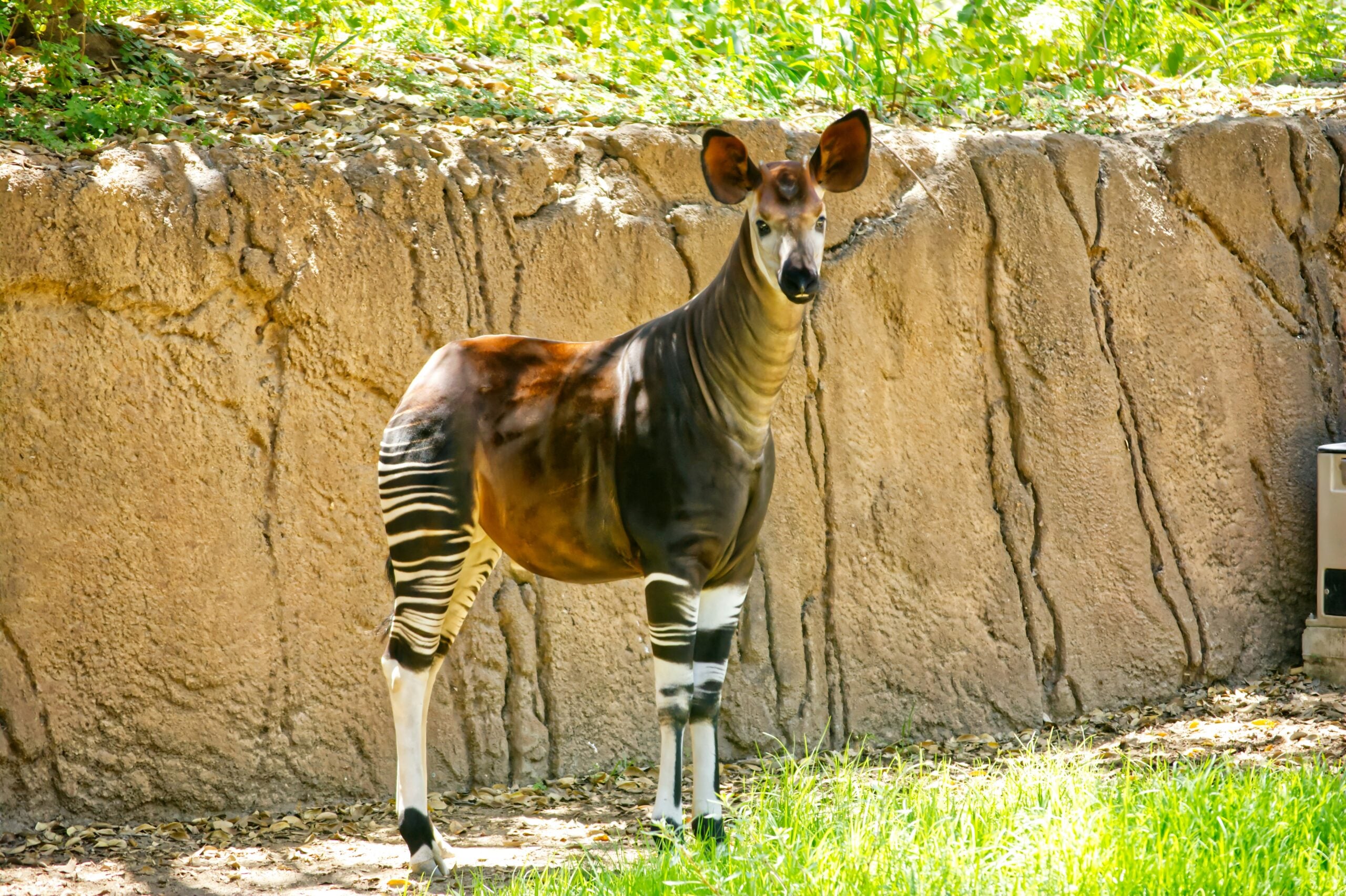
When European explorers in the Congo first described a horse-like animal with zebra stripes on its legs, scientists thought they were talking about a hoax or misidentified known species. Sir Harry Johnston officially described the okapi in 1901 after expeditions to the Ituri Forest in the Democratic Republic of Congo, and even then, many doubted its existence until live specimens were captured.
This relative of the giraffe has a purple tongue that can reach its own eyes and ears, which seems almost too weird to be true.
Like Go2Tutors’s content? Follow us on MSN.
Platypus
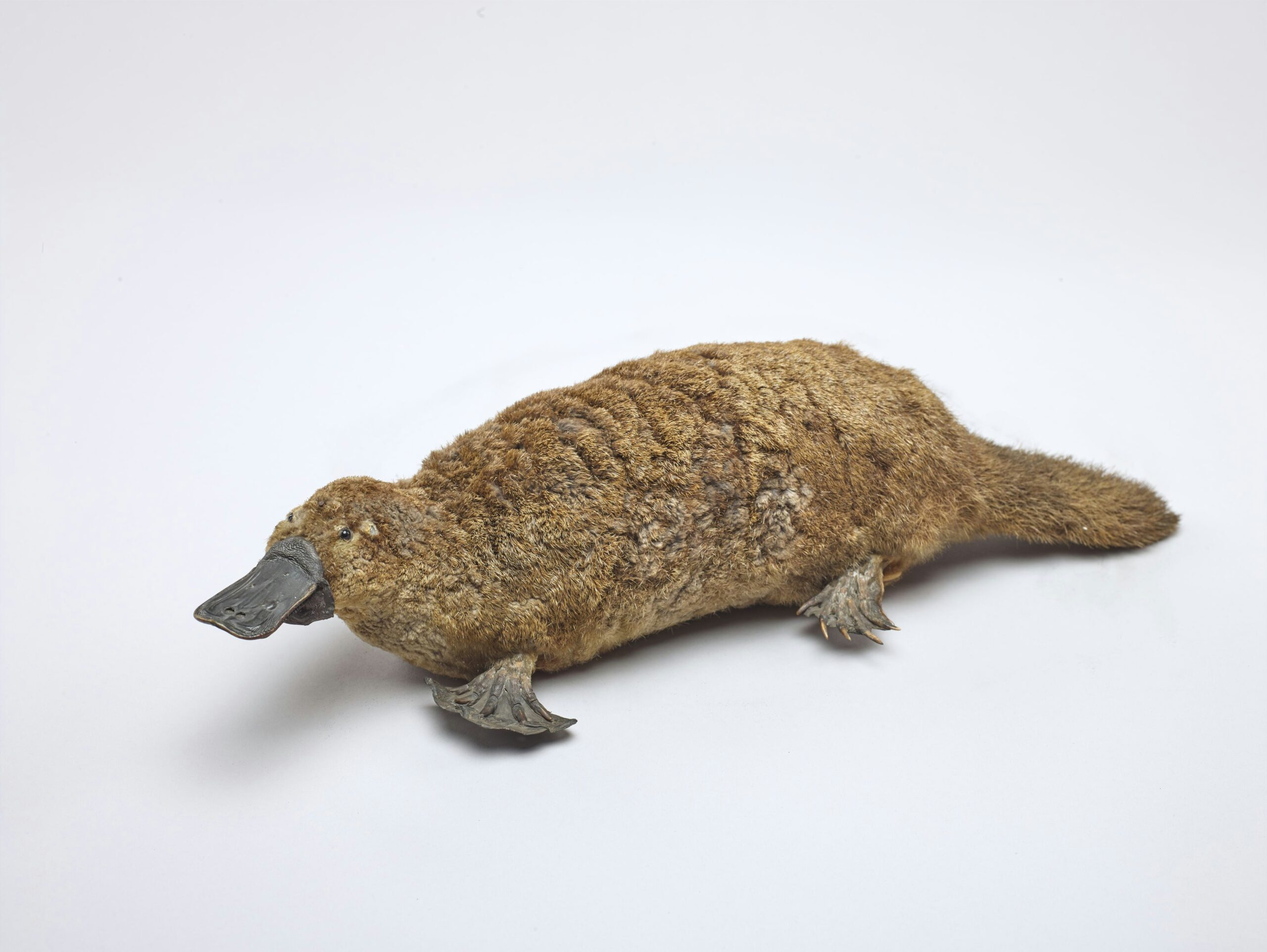
When the first platypus specimen arrived in Britain in 1799, scientist George Shaw literally checked it for stitches because he was convinced someone had sewn a duck’s bill onto a beaver’s body as a joke. The idea of an egg-laying mammal with a bill and webbed feet seemed like nature had thrown random parts together.
Male platypuses have venomous spurs on their hind legs that can cause excruciating pain in humans, adding another layer of weirdness to an already bizarre animal.
Komodo Dragon
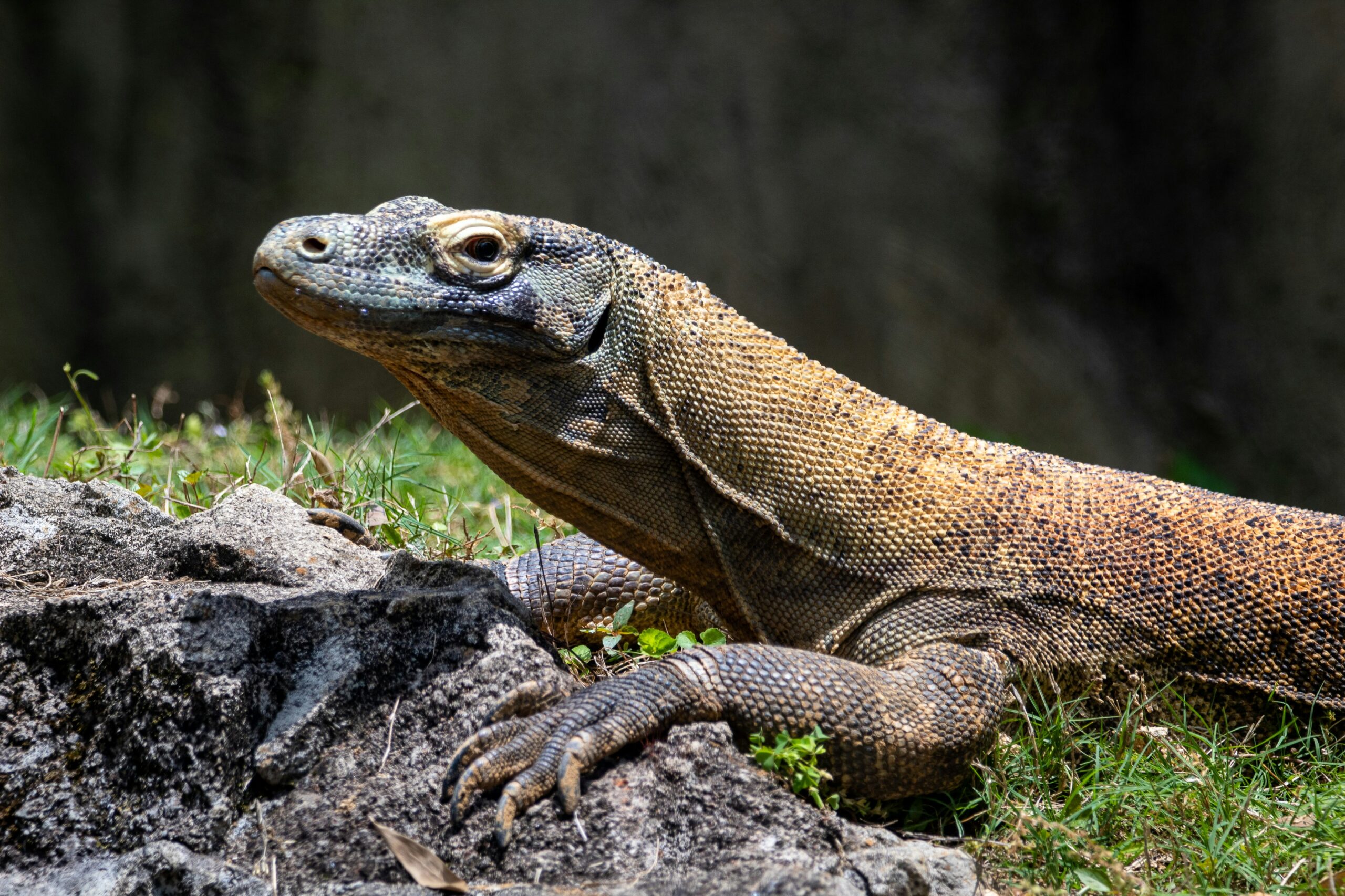
Local legends in Indonesia spoke of land crocodiles that could take down water buffalo and devour humans whole. Western scientists dismissed these stories as exaggerated folklore until the species was formally described in 1912 after specimens were collected.
These massive lizards can grow over 10 feet long and kill prey using venom glands in their lower jaws that cause rapid blood loss and shock, not the bacteria-filled saliva that people mistakenly believed for years.
Mountain Gorilla
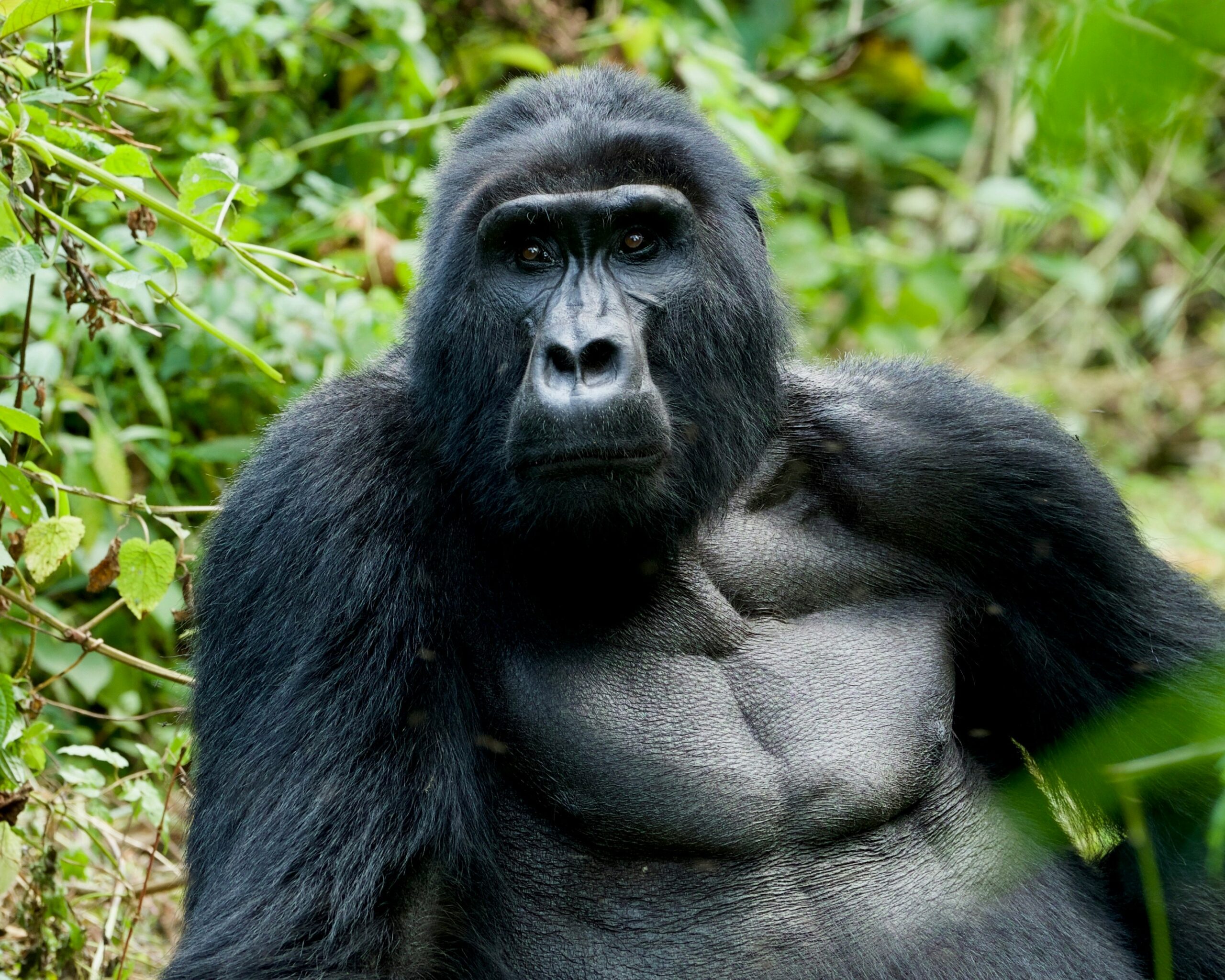
Despite local African accounts of massive apes living in misty mountain forests, European scientists refused to believe such creatures existed until 1902. German officer Robert von Beringe shot two of these giant primates during an expedition, finally proving they were real.
Mountain gorillas can weigh up to 440 pounds and eat primarily vegetation, though they’ll occasionally snack on insects for extra protein.
Like Go2Tutors’s content? Follow us on MSN.
Narwhal
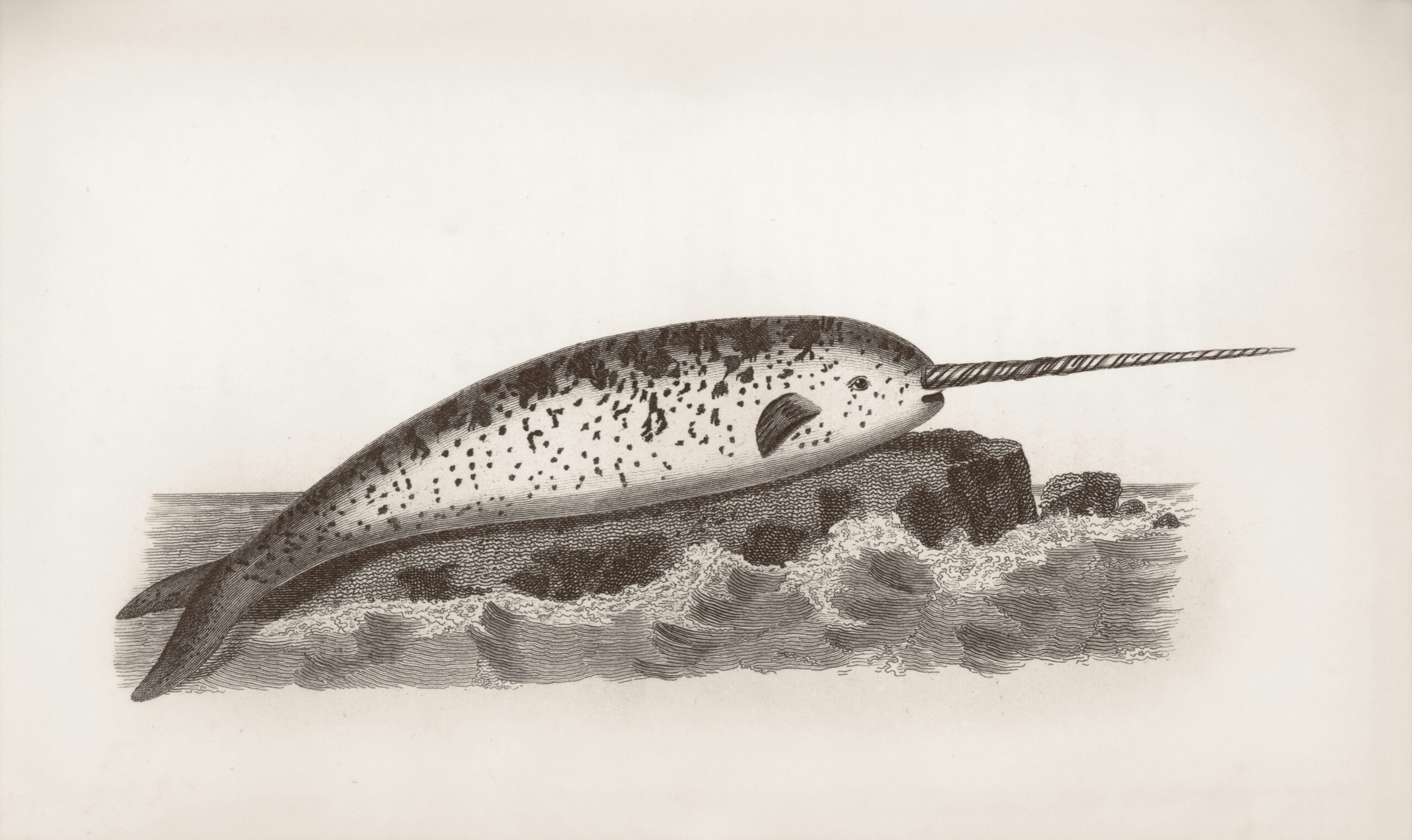
Medieval Europeans believed unicorns were real, partly because Viking traders sold narwhal tusks as ‘unicorn horns’ for astronomical prices. These spiral tusks, which are actually elongated left upper incisors that can reach 10 feet long, seemed too fantastical to come from a real sea creature.
The narwhal uses its tusk to sense changes in water temperature and salinity, acting like a built-in thermometer rather than a weapon.
Coelacanth
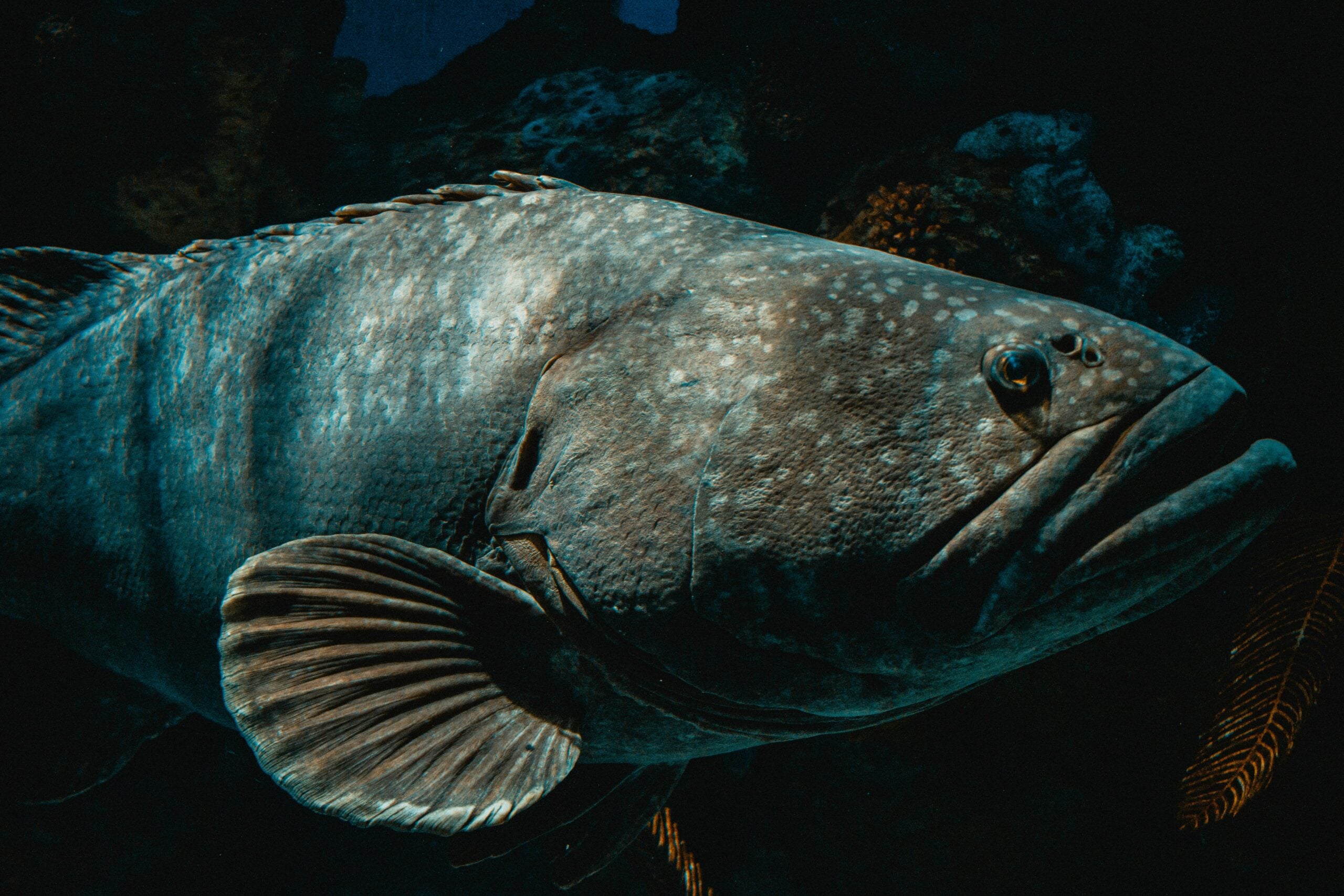
Scientists were absolutely certain this prehistoric fish had gone extinct with the dinosaurs 66 million years ago. Then in 1938, a South African museum curator named Marjorie Courtenay-Latimer found one in a fisherman’s catch and nearly fell over.
These ‘living fossils’ can live up to 100 years and give birth to live young after a pregnancy that scientists confirmed in 2021 lasts about five years, making it the longest gestation period of any animal.
Gorilla
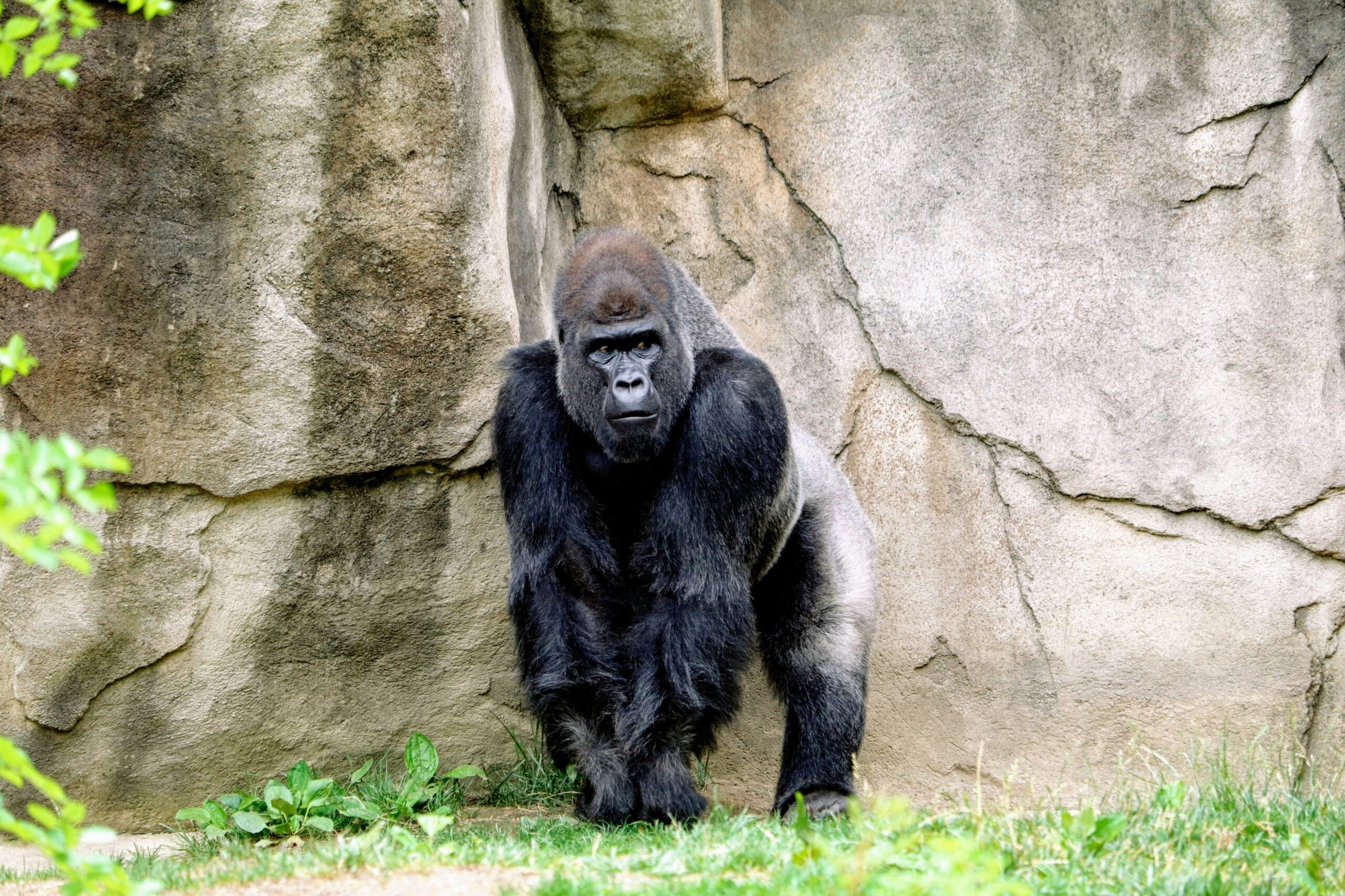
Before their official recognition in 1847, Western science considered gorillas to be mythical monsters from African folklore. Thomas Savage formally described the western gorilla species that year, though mountain gorillas wouldn’t be discovered until Robert von Beringe’s expedition in 1902.
Early descriptions painted them as savage, violent beasts that kidnapped women and fought elephants, but in reality, gorillas share 98.3% of their DNA with humans and are actually pretty chill unless you threaten their family.
Like Go2Tutors’s content? Follow us on MSN.
Giant Oarfish
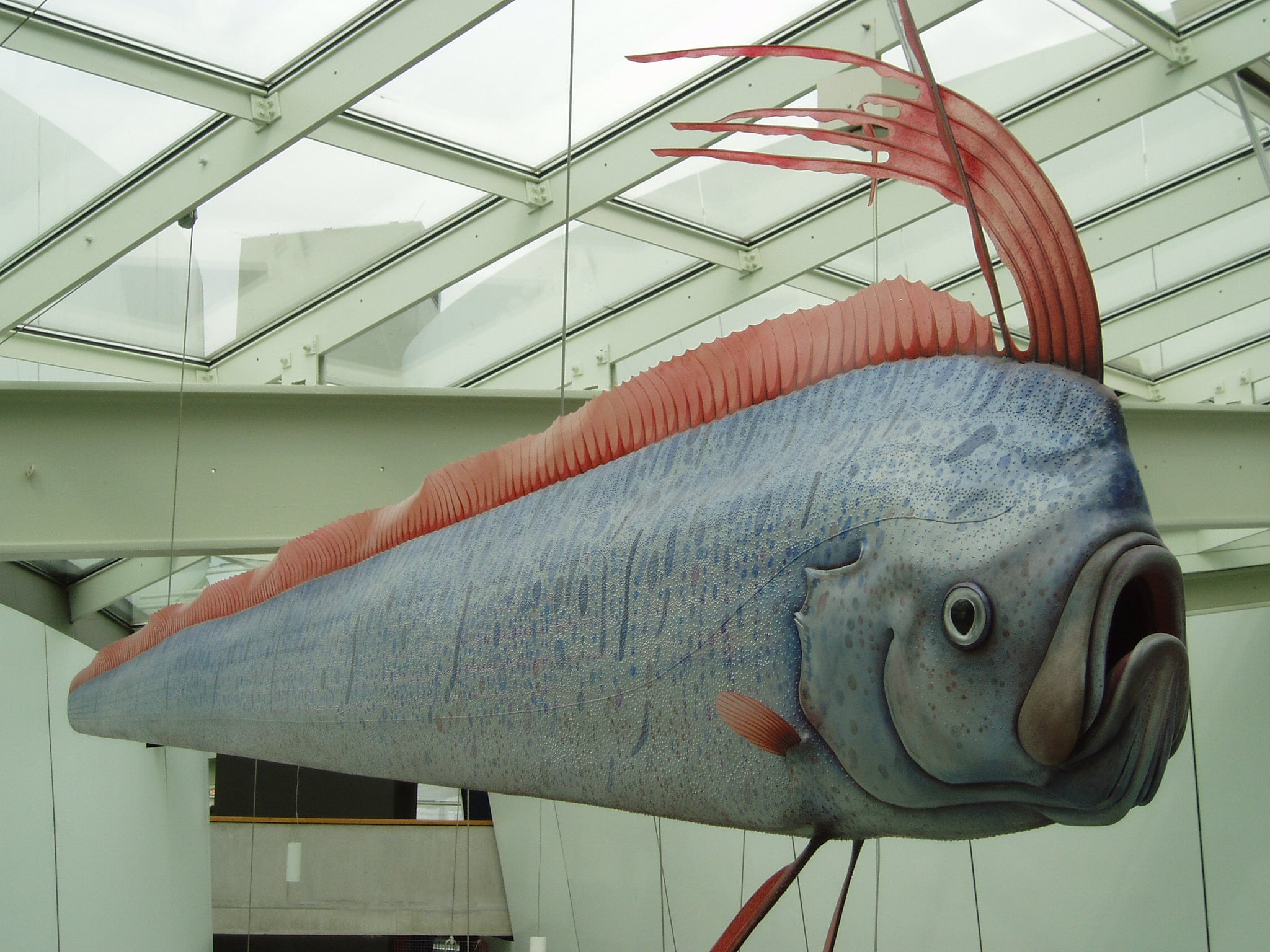
Japanese folklore called them ‘Messengers from the Sea God’s Palace’ and believed they surfaced before earthquakes and tsunamis, though there’s no scientific evidence backing up this connection. These ribbon-like fish can reach lengths of 36 feet, making them the longest bony fish in the ocean, and they were thought to be sea serpents for centuries.
They live at depths of up to 3,000 feet and swim vertically, looking like something out of a fever dream when they occasionally wash ashore.
Tasmanian Tiger
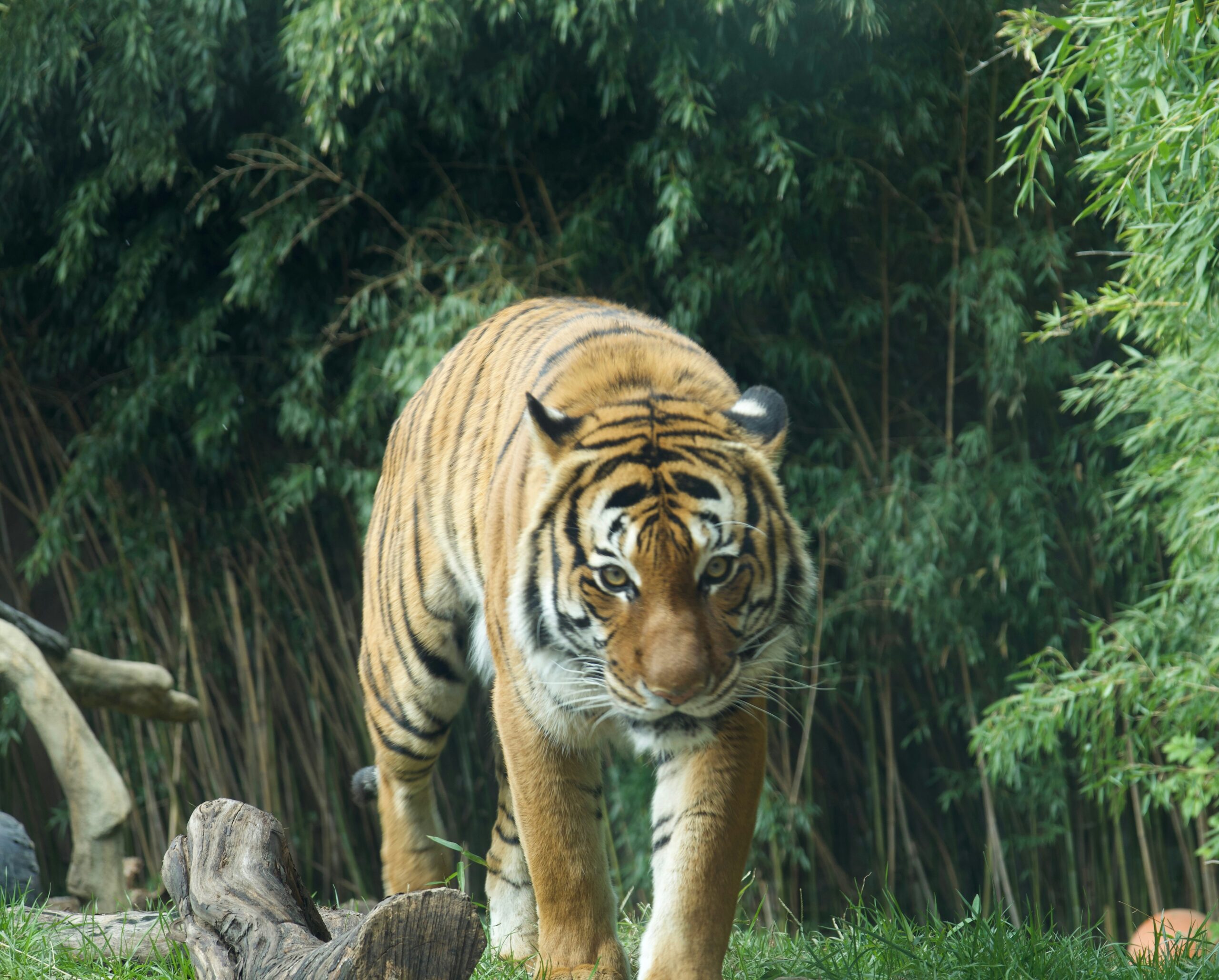
This one’s backwards—scientists knew it existed, but now it’s considered mythical again because the last known specimen died at Hobart Zoo in 1936. The species was officially declared extinct by the IUCN in 1982, yet people in Tasmania regularly report sightings, treating it like their version of Bigfoot.
This wolf-like marsupial had stripes like a tiger and could open its jaws to a terrifying 120-degree angle.
Frilled Shark
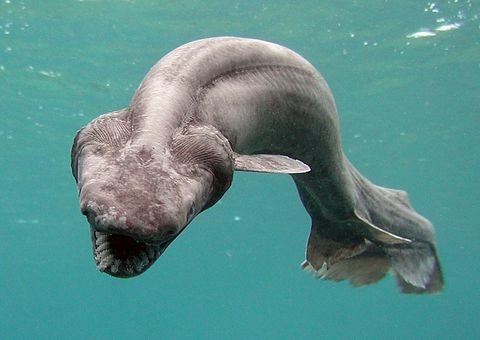
This deep-sea predator looks like it swam straight out of the prehistoric era, and sailors who glimpsed them probably thought they’d seen sea serpents. Japanese scientists first documented these sharks in 1879, though their deep-water habitat kept them mysterious for decades.
With 300 trident-shaped teeth arranged in 25 rows and a body that can reach 6.5 feet long, these sharks have been around virtually unchanged for 80 million years.
Like Go2Tutors’s content? Follow us on MSN.
Giant Salamander
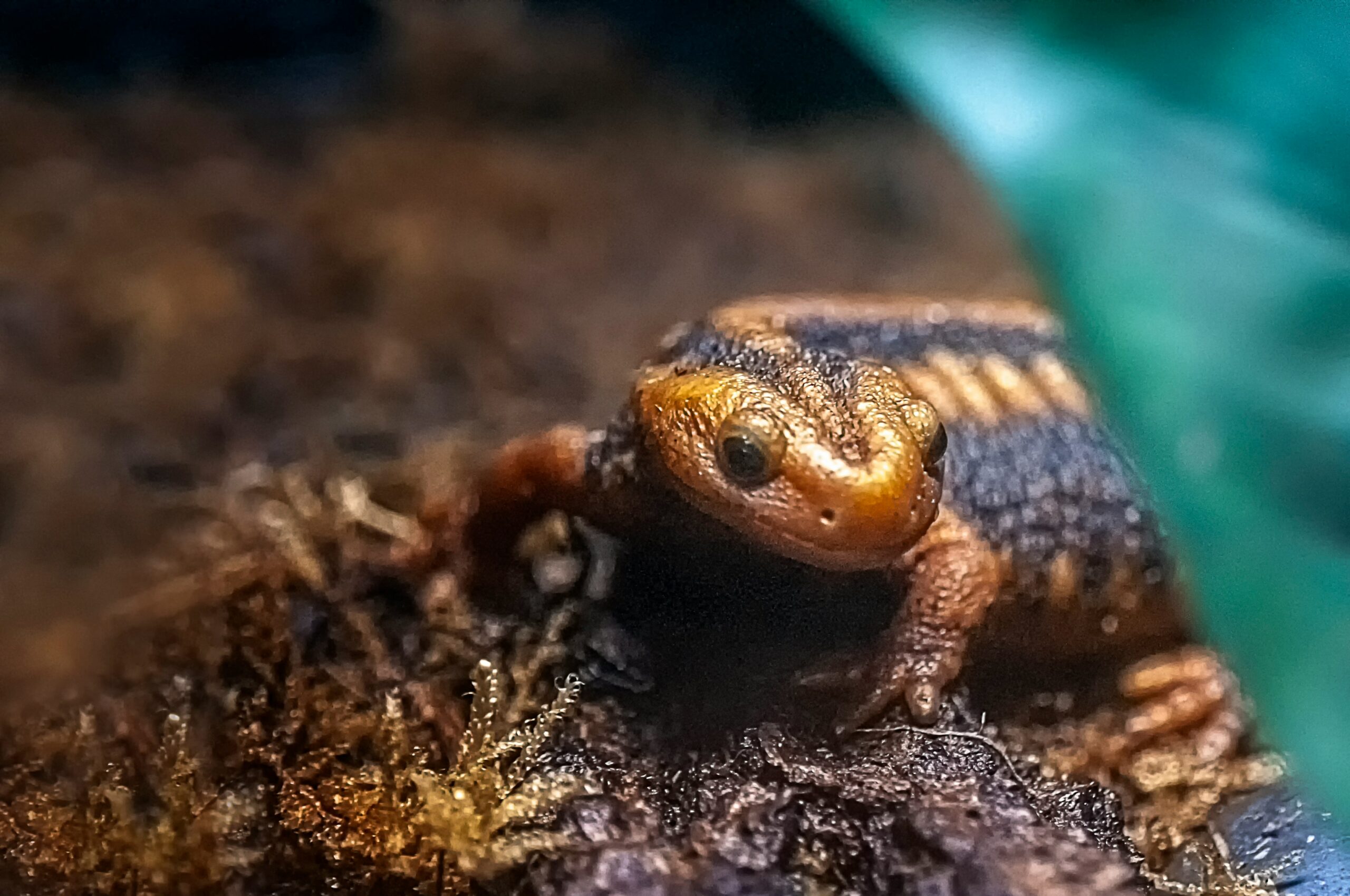
Chinese legends spoke of enormous salamanders living in mountain streams, but these accounts were dismissed as tall tales for generations. The Chinese giant salamander can grow up to 6 feet long and weigh over 130 pounds, making it the largest amphibian on Earth.
These living fossils have been around for 170 million years and several regional species have been confirmed in recent years.
When Legends Walk Among Us
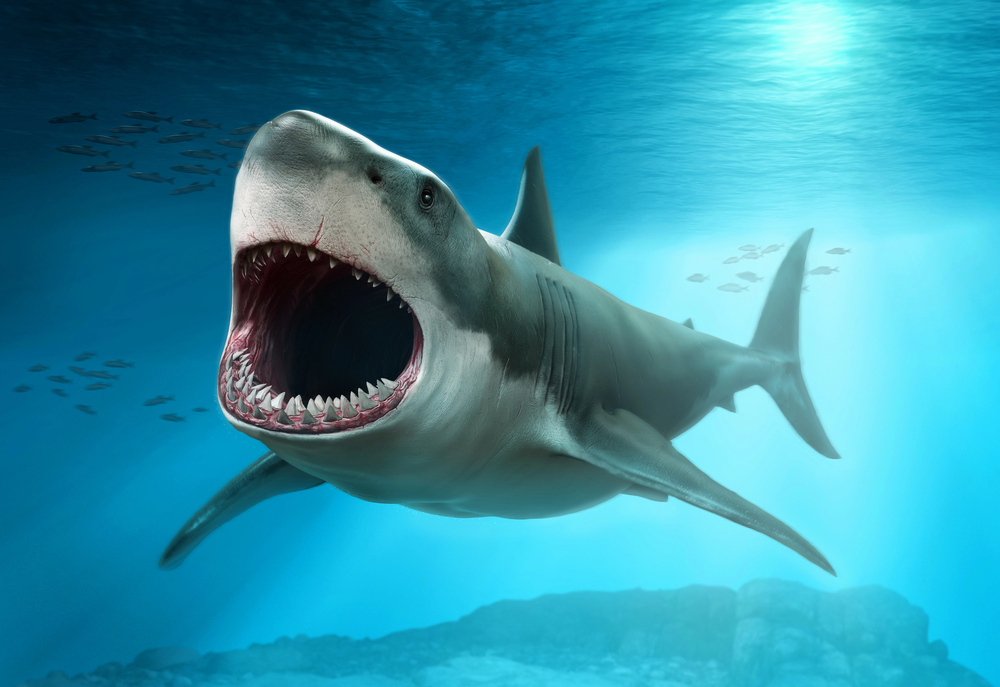
Even in a time when we believe we have mapped and cataloged everything, these animals serve as a reminder that there are still surprises to be found in the natural world. It says something about whose knowledge is taken seriously that local communities and indigenous peoples frequently knew about these animals for centuries before Western science “discovered” them.
The platypus used to sound as absurd as Bigfoot does now, so it might be worth listening to the next time someone tells you about a strange creature they’ve seen. There are probably still creatures out there waiting to go from myth to confirmed species because nature has a way of being far more inventive and strange than we could ever imagine.
More from Go2Tutors!

- 16 Historical Figures Who Were Nothing Like You Think
- 12 Things Sold in the 80s That Are Now Illegal
- 15 VHS Tapes That Could Be Worth Thousands
- 17 Historical “What Ifs” That Would Have Changed Everything
- 18 TV Shows That Vanished Without a Finale
Like Go2Tutors’s content? Follow us on MSN.