Treasures of the Vatican Beyond Public View
Behind the grand halls and gilded frescoes of Vatican City lies another world—one few will ever see. While millions visit each year to marvel at St. Peter’s Basilica and the Sistine Chapel, hidden vaults and sealed archives guard a wealth of history still locked away from public eyes.
Here’s a list of the Vatican’s most fascinating treasures that remain out of sight, quietly shaping centuries of art, faith, and power.
The Vatican Secret Archives
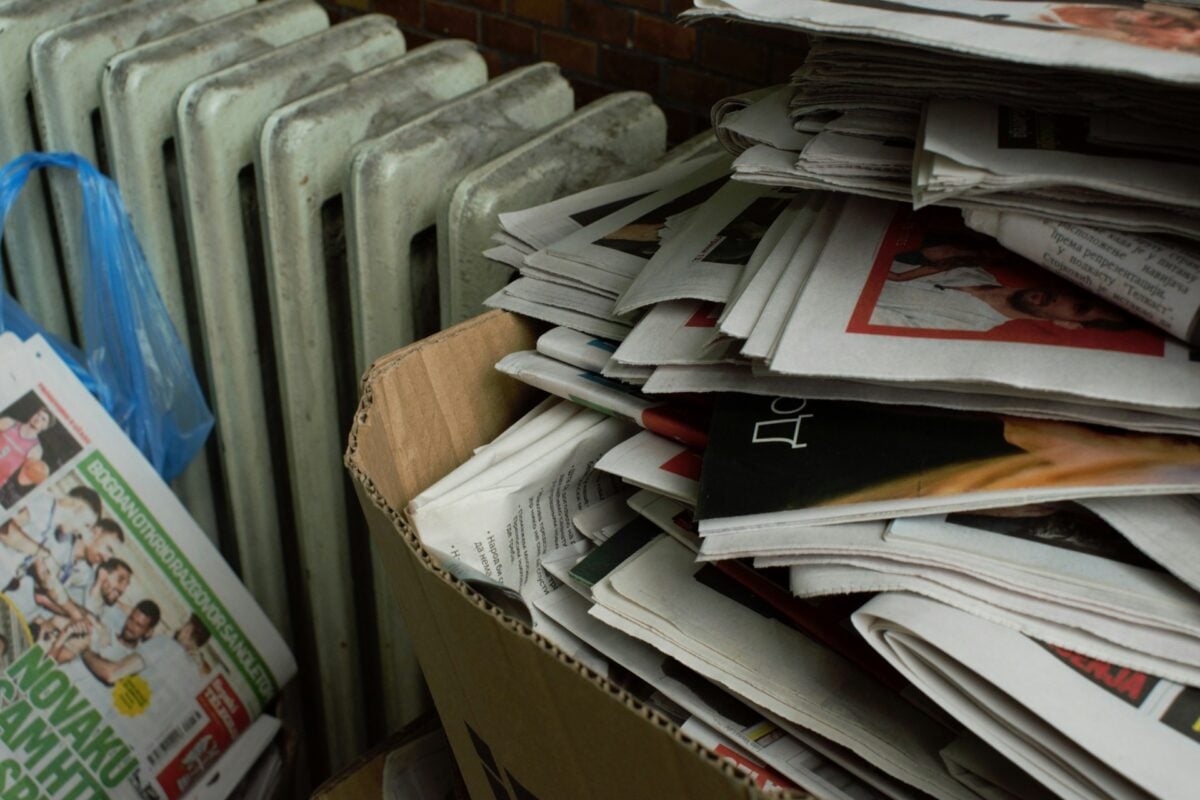
Despite the ominous name, this collection isn’t filled with conspiracies—it’s filled with paper. Millions of documents, some dating back over a thousand years, stretch for nearly fifty miles of shelving.
Letters from emperors, notes from Galileo’s trial, the correspondence that helped shape modern Europe—it’s all here.
But entry is restricted to qualified scholars. And even then, only a sliver of it can be viewed. Imagine standing before history itself—and being told you can peek at just one page.
The Papal Tiara Collection
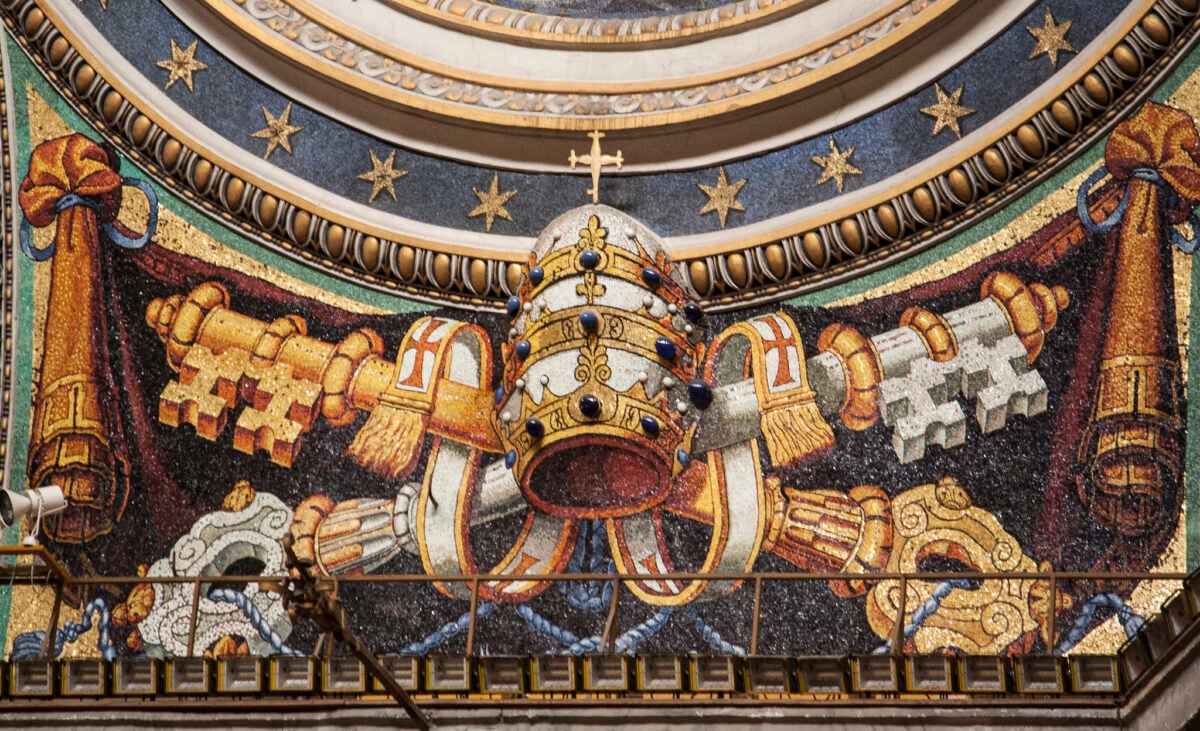
Locked in private chambers, these elaborate crowns symbolize the old authority of the papacy. Crafted in gold and silver, studded with diamonds, pearls, and sapphires, each tiara once represented a new pope’s reign.
Most haven’t been worn in decades. Still, their presence lingers—reminders of a time when popes ruled kingdoms, not just cathedrals.
Like Go2Tutors’s content? Follow us on MSN.
The Apostolic Library’s Restricted Wing
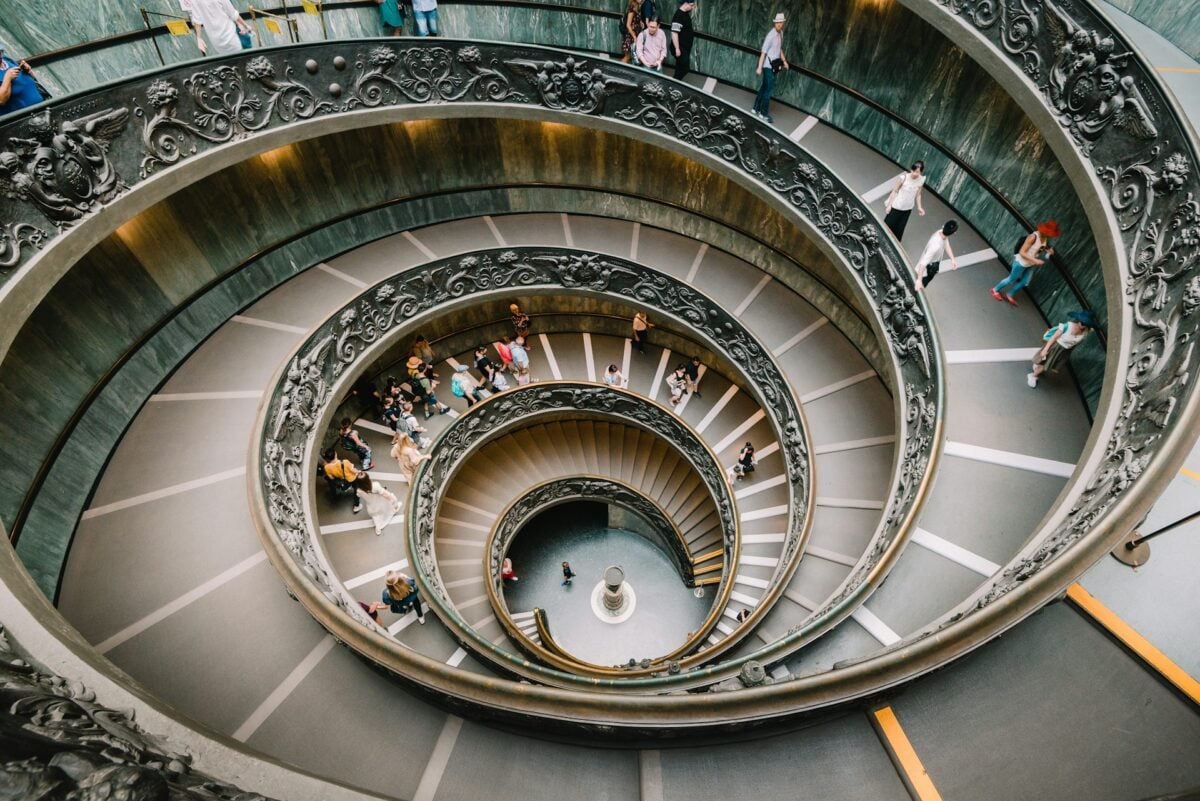
The Vatican Library is open to researchers, yes—but not all of it. A portion is sealed off, containing manuscripts too fragile or too politically sensitive to display.
Inside are ancient maps, illuminated texts, and forgotten translations of Greek and Arabic works that once bridged civilizations. Somewhere within, a fragment of lost philosophy or science might still be waiting to be rediscovered.
The Papal Observatory Archives
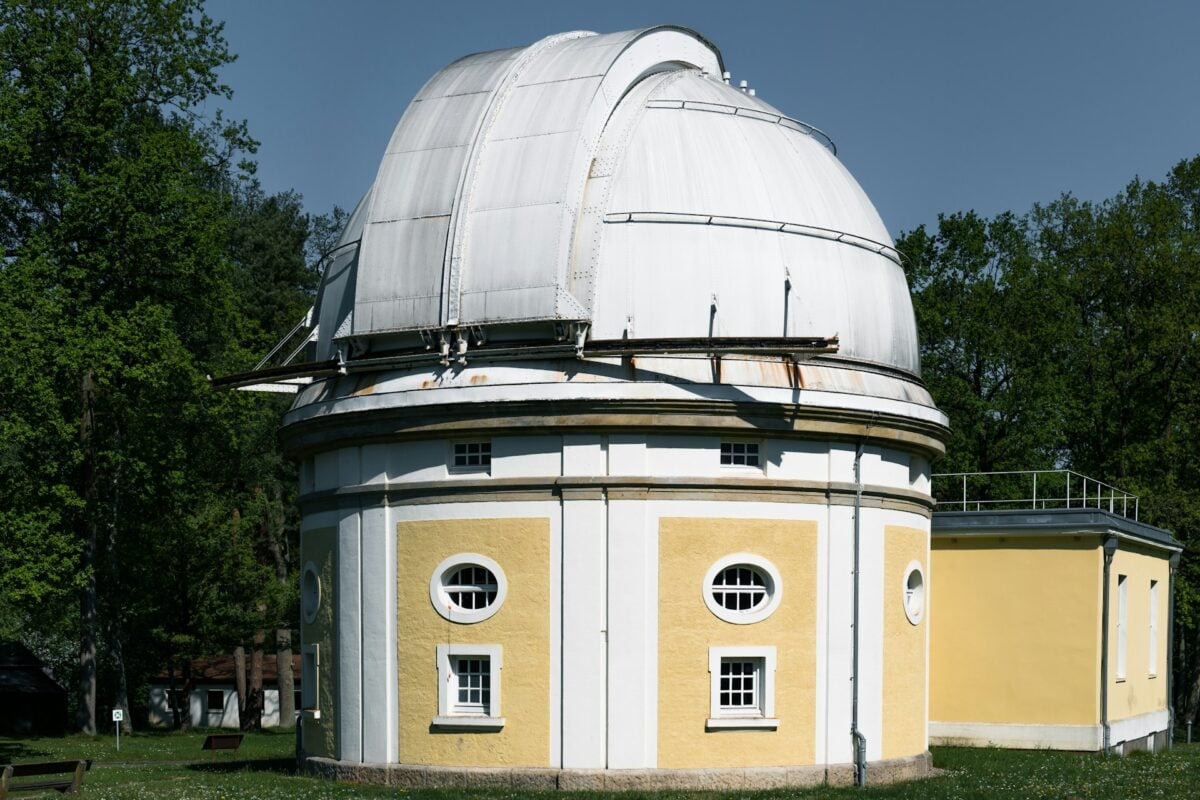
Few realize the Vatican has one of the world’s oldest observatories. Founded in the late 16th century, it still studies the heavens—but beneath its telescopes lies a trove of handwritten star charts, meteor observations, and early cosmological theories.
Even so, most of these remain tucked away. Dusty, brittle, but astonishingly precise—proof that faith and science once shared the same sky.
The Necropolis Beneath St. Peter’s
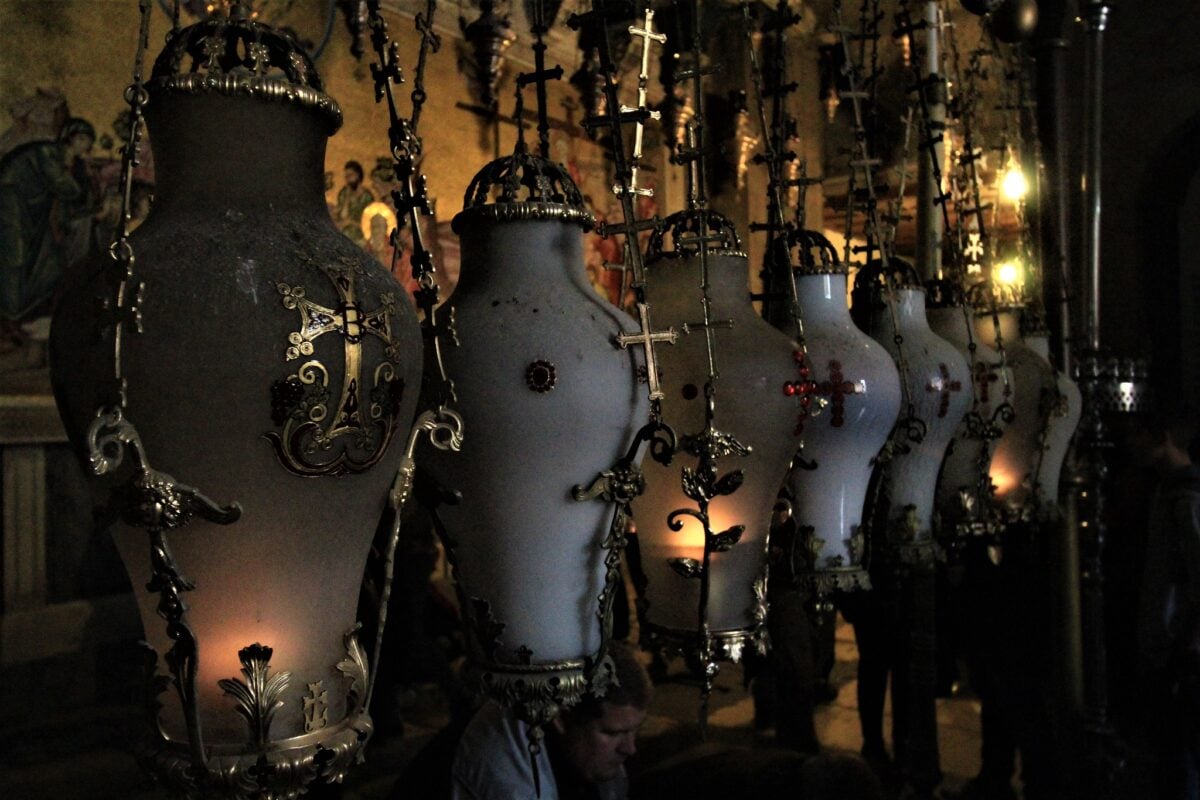
Beneath the basilica lies a labyrinth of tombs, pagan mausoleums, and Christian shrines—an entire city of the dead. Excavations in the mid-20th century revealed what many believe to be the resting place of St. Peter himself.
Tours are limited, and access is tightly controlled. Still, the air down there feels older than time—damp, close, almost whispering.
Like Go2Tutors’s content? Follow us on MSN.
The Private Papal Apartments
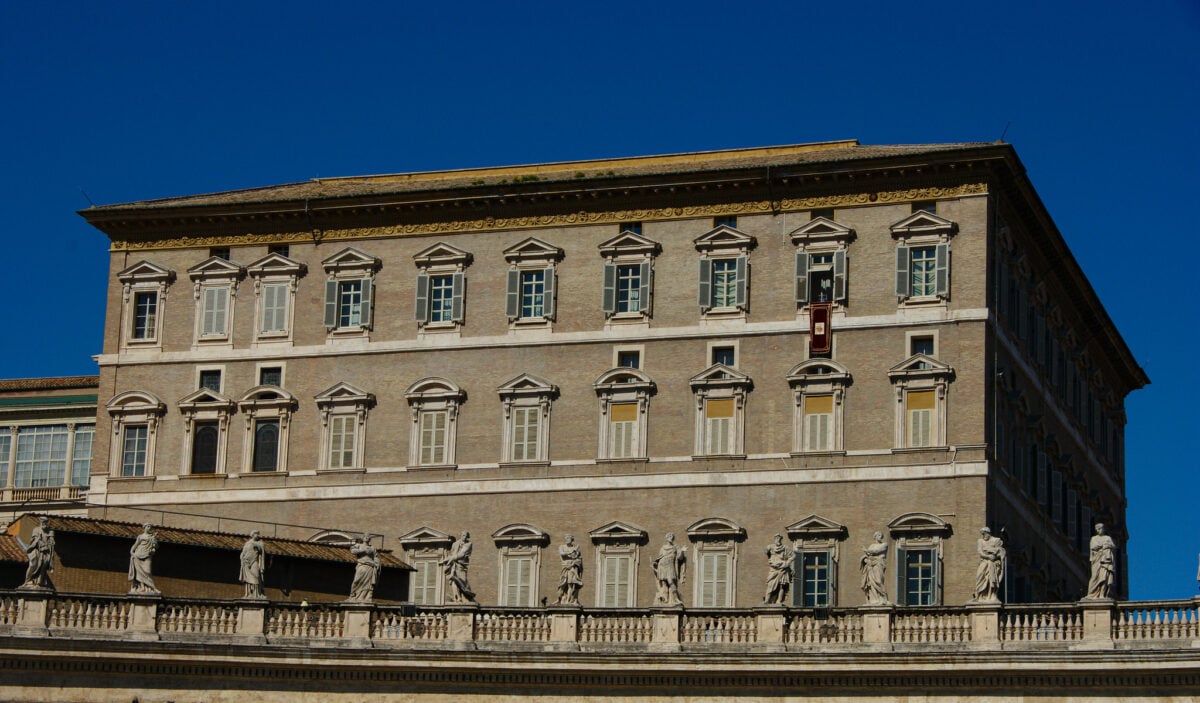
Few rooms have seen as much power shift quietly as these. Behind the frescoed walls and velvet curtains, popes have made decisions that altered the course of nations.
The décor? Baroque, mostly—rich fabrics, ornate clocks, gilded crucifixes.And tucked into corners are gifts from monarchs long dead.
A jeweled sword. A porcelain lion. Tiny tokens of diplomacy frozen in time.
The Vatican Mosaic Studio
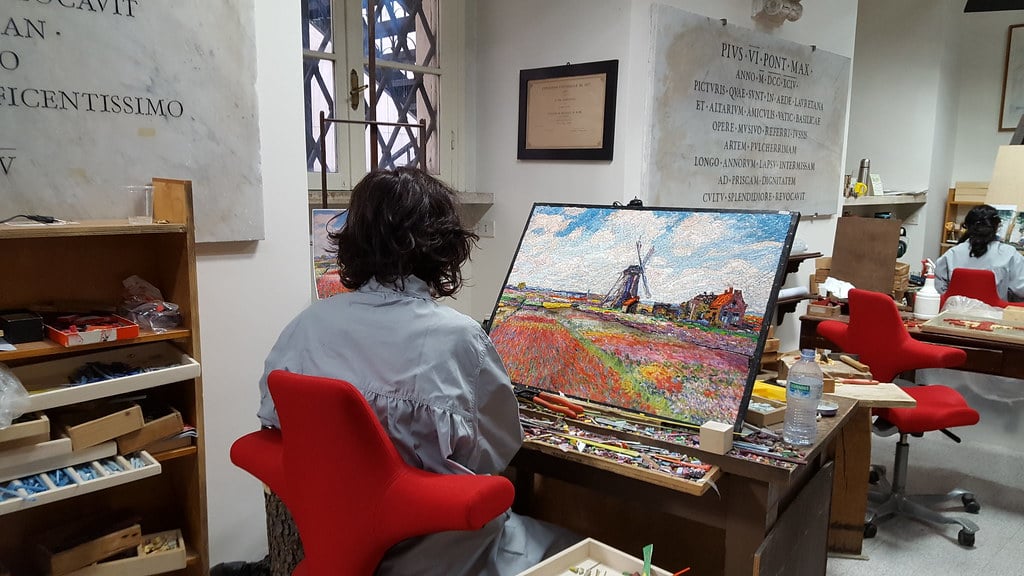
Hidden behind St. Peter’s Basilica is a workshop where artisans still craft and restore the mosaics that decorate Vatican walls and domes. The tradition dates back to the Renaissance, using tiny tesserae—chips of glass and stone—cut and arranged by hand.
Few outsiders enter. The work is slow, meticulous, almost meditative. You can hear only the faint scrape of tools and the occasional sigh.
The Room of Tears
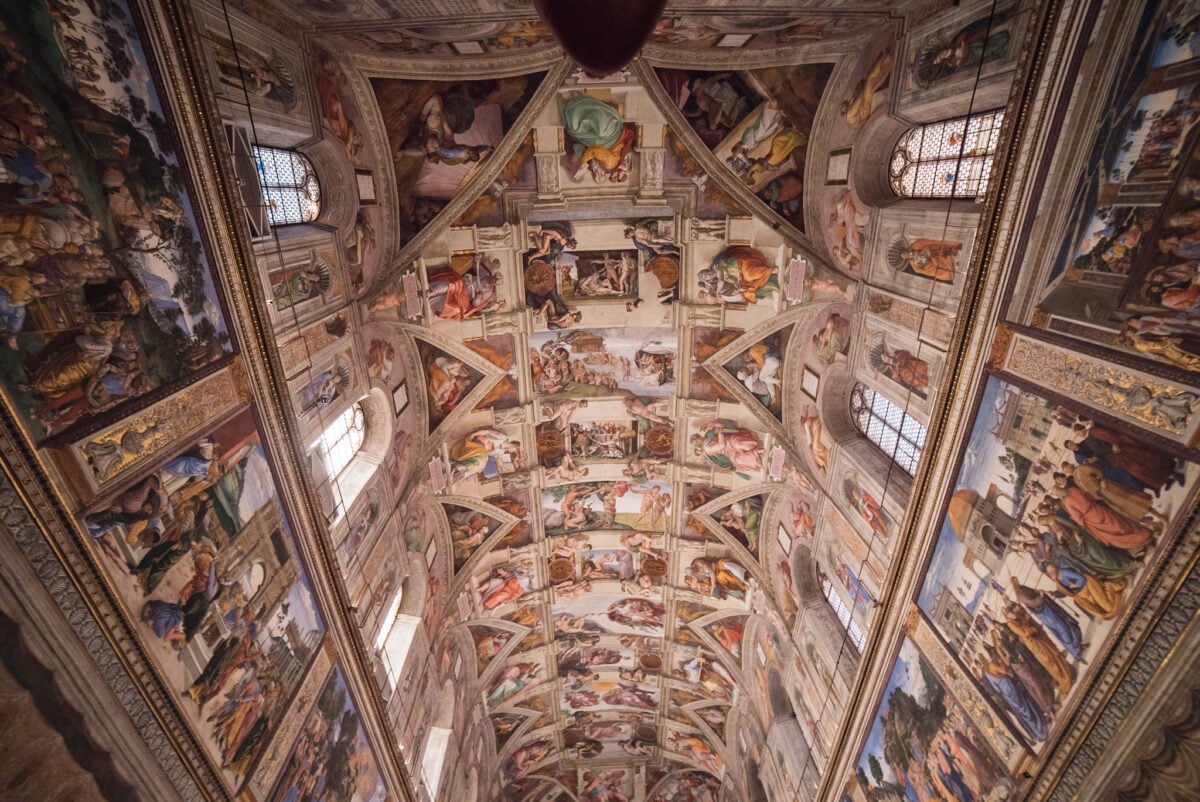
When a new pope is elected, he retreats to a small chamber beside the Sistine Chapel to change into papal vestments. It’s known as the Room of Tears—a space for solitude and, often, shock.
Inside, three sets of white robes await in different sizes. A strange detail, perhaps, but practical.
After all, no one knows who will emerge through the chapel doors until the smoke rises.
Like Go2Tutors’s content? Follow us on MSN.
The Apostolic Palace Art Deposits
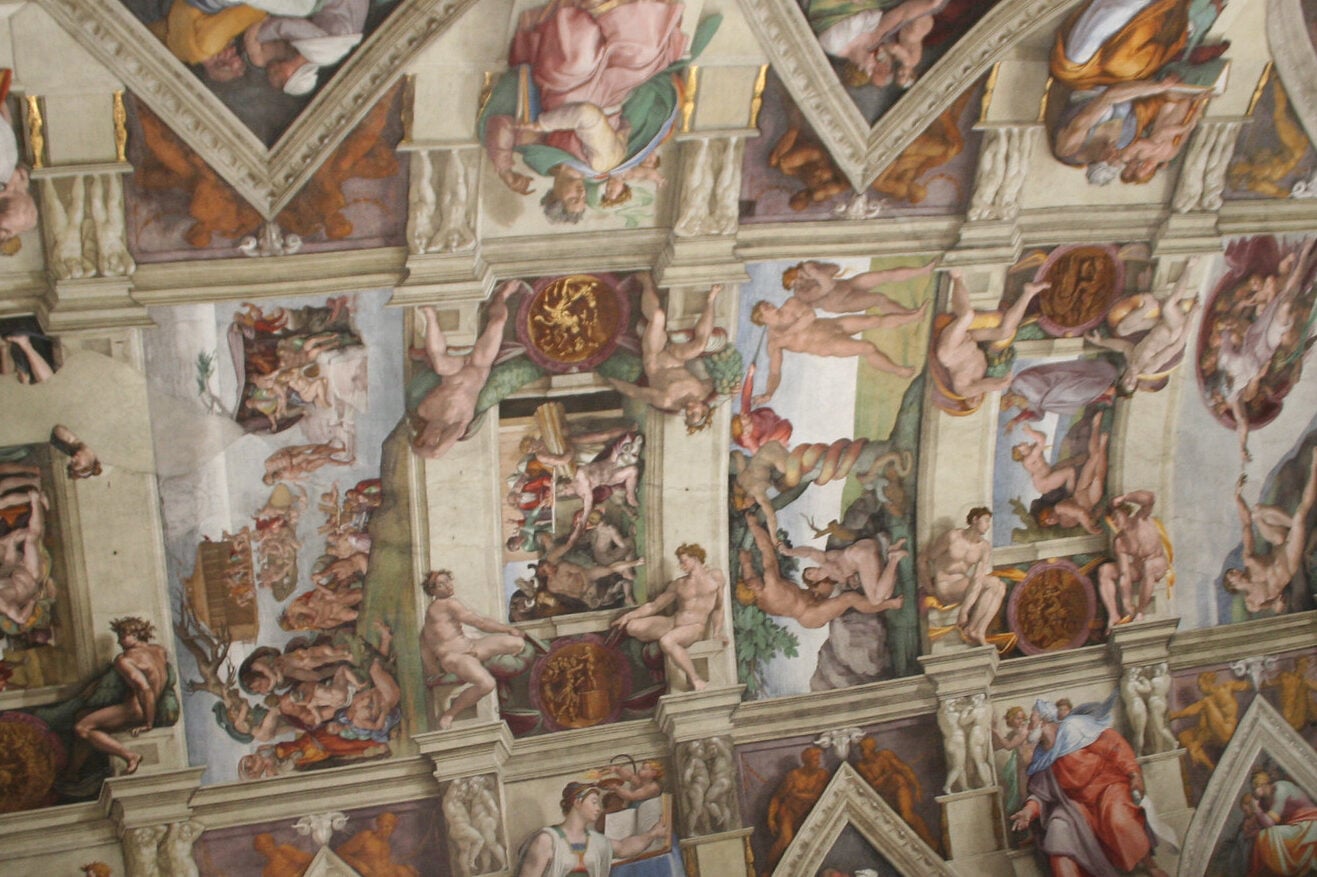
Not every masterpiece fits on Vatican walls. Thousands of artworks—portraits, sculptures, liturgical objects—are stored beneath the palace in climate-controlled rooms.
A few are damaged, some merely forgotten, others awaiting restoration. Hidden masterpieces by Raphael, da Vinci, and Titian likely rest there, unseen yet perfectly preserved in shadow.
The Vatican Bank’s Gold Vault
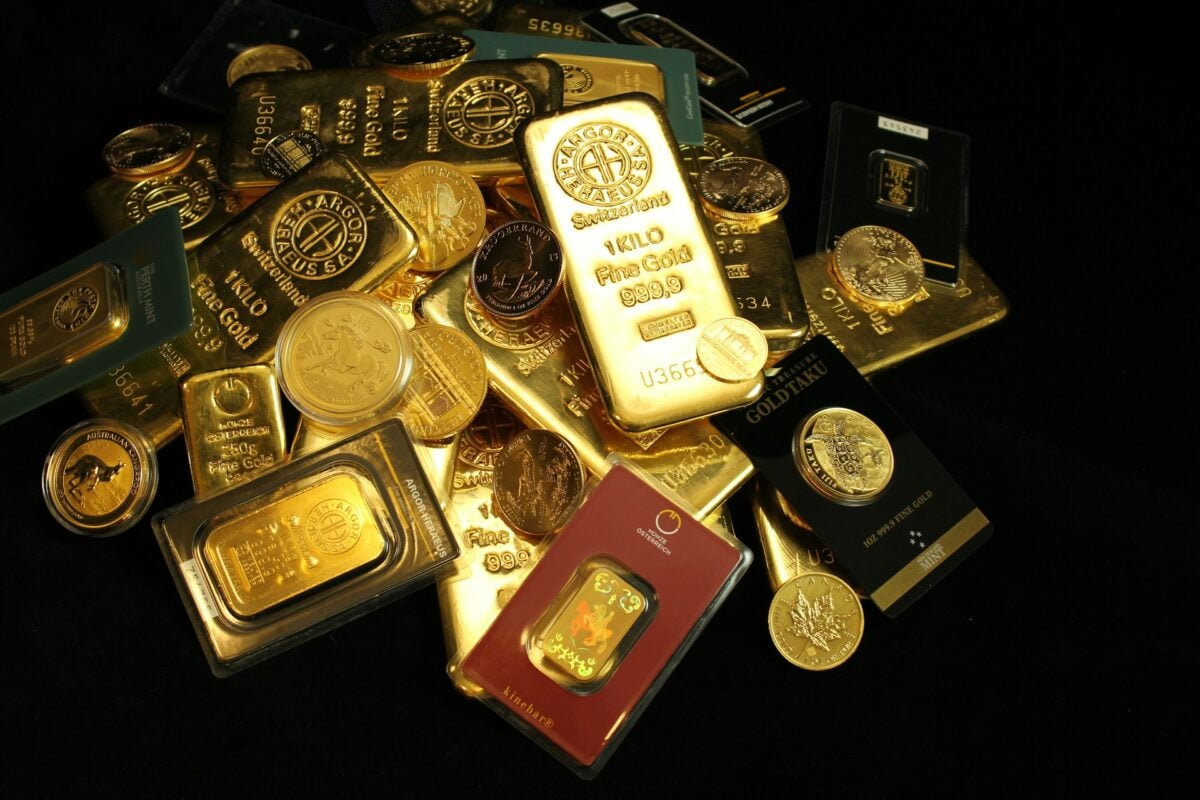
An institution both secretive and controversial, the Vatican Bank manages the finances of the Holy See. Deep within its structure lies a vault rumored to hold gold reserves, historical coins, and centuries-old financial records.
Access? Almost nonexistent. Even most bank employees will never see it.
Still, it stands as a physical reminder that faith and finance have always shared a complicated bond.
Beyond the Keyhole
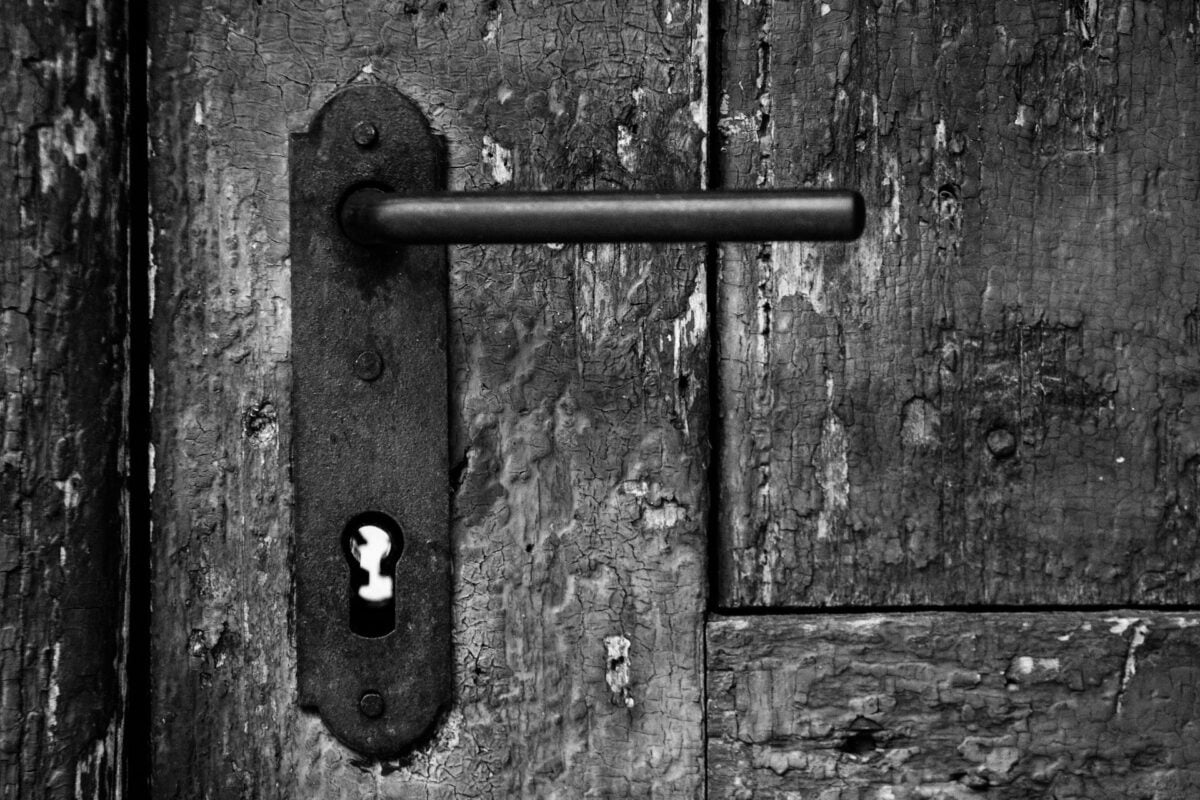
The Vatican’s visible grandeur is only half the story. Beneath its chapels, behind its frescoed corridors, and within its locked vaults lies a world still shrouded in mystery—a mirror image of power, beauty, and secrecy.
Some treasures are meant to be displayed. Others, it seems, are meant to remain unseen.
More from Go2Tutors!

- 16 Historical Figures Who Were Nothing Like You Think
- 12 Things Sold in the 80s That Are Now Illegal
- 15 VHS Tapes That Could Be Worth Thousands
- 17 Historical “What Ifs” That Would Have Changed Everything
- 18 TV Shows That Vanished Without a Finale
Like Go2Tutors’s content? Follow us on MSN.