Nikola Tesla Inventions That Were Never Built
Nikola Tesla filed hundreds of patents and described countless devices in his notebooks. Some became reality.
Others remained sketches and ideas that never made it past the planning stage. Money ran out, investors lost interest, or the technology simply wasn’t feasible with available materials.
These unbuilt inventions ranged from practical to bizarre, and many still capture imaginations today.
Wardenclyffe Tower and Wireless Power
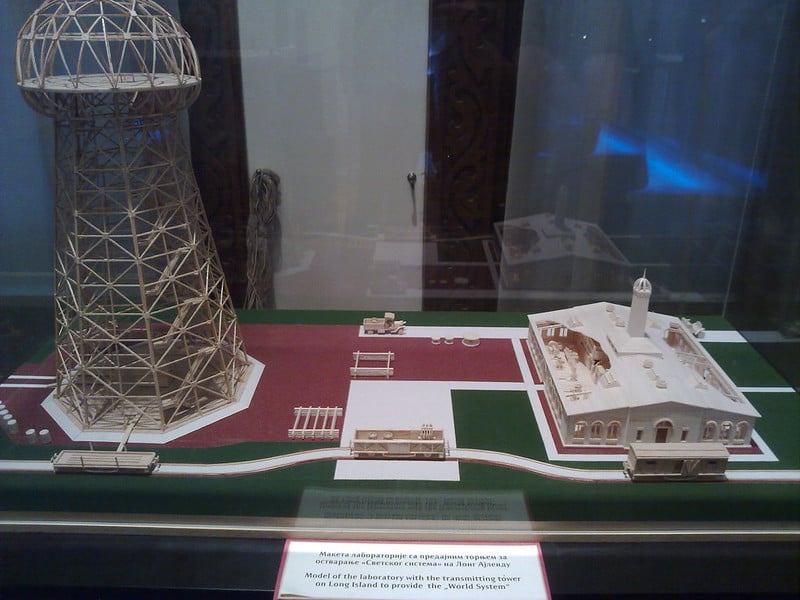
Tesla designed Wardenclyffe Tower to transmit electrical power wirelessly across the globe. The tower stood 187 feet tall on Long Island, and Tesla believed it could send power to receivers anywhere on Earth.
He started construction in 1901 with funding from J.P. Morgan. The project collapsed when Morgan pulled funding after realizing there was no way to meter and charge for wireless power.
Tesla couldn’t find other investors willing to back something that couldn’t generate clear revenue. The tower was demolished in 1917.
The physics behind wireless power transmission works on small scales, but sending usable amounts of electricity across continents remains impractical.
The Teleforce Weapon
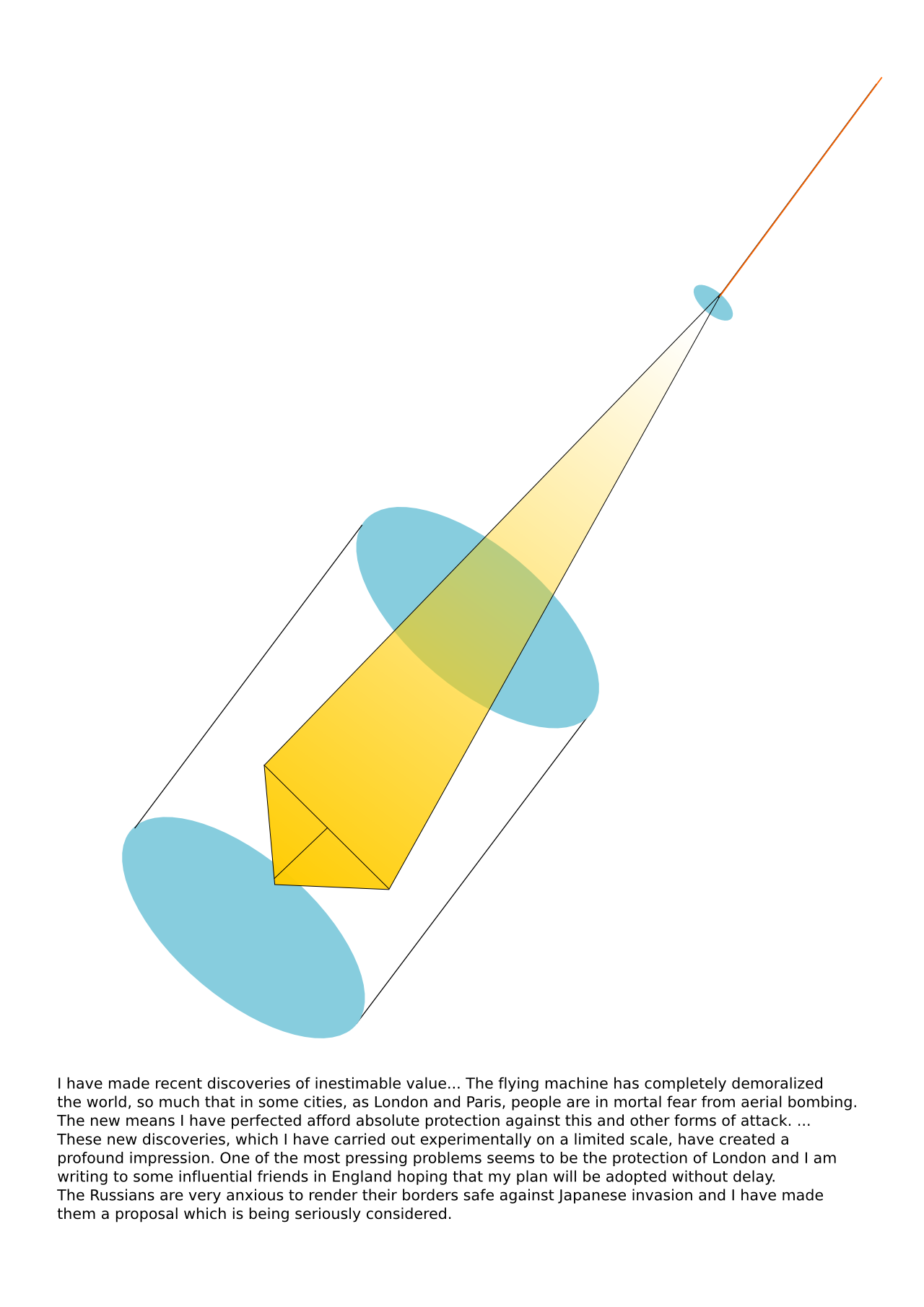
Tesla claimed he developed plans for a particle beam weapon in the 1930s. He called it “teleforce” but newspapers dubbed it the “death ray.”
According to Tesla, the device could shoot concentrated beams of particles at targets hundreds of miles away, destroying aircraft or armies. He tried to sell the weapon to several countries including the United States, the United Kingdom, and the Soviet Union.
Nobody bought it. After Tesla died in 1943, the FBI seized his papers and classified them.
Whether the weapon could have actually worked remains unknown. Modern particle beam weapons exist but require enormous power and don’t match Tesla’s descriptions of range and portability.
Earthquake Machine

Tesla supposedly built a small oscillator that could match the resonant frequency of buildings and shake them apart. He claimed he tested it in his New York laboratory and had to destroy the device with a hammer before it brought down the building.
The story is probably exaggerated, but the physics makes sense. Everything has a resonant frequency.
Apply force at that frequency and the vibrations amplify. Bridges can collapse from marching soldiers stepping in rhythm.
Buildings can fail during earthquakes when ground motion matches their natural frequency. But building a portable device that could reliably find and exploit resonant frequencies in different structures would be extremely difficult.
Thought Photography Device

Tesla believed he could build a machine that would photograph thoughts. The device would detect electromagnetic patterns in the brain and project them onto a screen.
He described the concept in interviews but never built a working prototype. Modern brain imaging can show which areas light up during different thoughts, but converting neural activity into recognizable images of what someone is thinking remains science fiction.
The brain doesn’t store visual information the way cameras capture images. Reading thoughts would require decoding complex neural patterns that vary between individuals.
Supersonic Airship

Tesla designed an aircraft powered by electricity that could take off vertically and fly faster than sound. The plans included descriptions of a turbine-powered system that would draw power from ground stations.
The craft would hover using electromagnetic forces rather than traditional wings or rotors. The design predated helicopters and jet aircraft, but relied on wireless power transmission that never became viable.
Without that, the airship couldn’t work as designed. Modern VTOL aircraft exist but use conventional propulsion rather than Tesla’s electromagnetic approach.
Electric Vehicle Without Batteries

Tesla claimed he converted a gasoline car to run on electricity drawn from the atmosphere. The car allegedly ran for a week at speeds up to 90 miles per hour without any visible power source.
He pulled a small antenna from a box under the hood and the car drove using only this mysterious receiver. The story appears in various sources but lacks documentation.
If Tesla built such a device, he never explained how it worked or reproduced the results. Modern electric cars need large battery packs because extracting meaningful power from ambient electromagnetic fields is not possible with current technology.
Weather Control System

Tesla proposed using electrical towers to control weather patterns. The system would ionize the atmosphere in specific areas, creating or dispersing clouds, generating rain, or changing wind patterns.
He believed this could end droughts and prevent destructive storms. Modern weather modification is limited to cloud seeding, which can sometimes increase rainfall from existing clouds.
Creating weather patterns from nothing or significantly altering large-scale systems remains beyond current capabilities. The energy required would be astronomical, and unintended consequences could be catastrophic.
Global Communication Network

Tesla envisioned a worldwide wireless communication system decades before radio became common. His system would allow people to send messages, images, and even music across the planet instantly.
Each person would carry a small receiver tuned to their personal frequency. Parts of this became reality through radio, television, and eventually the internet.
But Tesla’s specific implementation using earth conduction and atmospheric transmission never materialized. His approach required enormous power and suffered from interference problems.
Radio waves transmitted through the air proved more practical.
Improved Ozone Generator
Tesla developed ozone generators that he claimed could purify air and treat health conditions. He sold some units to hospitals and wealthy individuals.
But he planned much larger systems that would clean the air in entire cities and cure diseases through ozone therapy. Ozone is toxic at concentrations needed for significant air purification.
The health benefits Tesla claimed were exaggerated or false. Large-scale ozone generation would create more problems than it solved.
Modern air purification uses filtration and other methods that don’t involve producing reactive gases.
Bladeless Turbine Engine
Tesla patented a bladeless turbine design that used smooth discs instead of bladed rotors. Fluid would spiral between closely-spaced discs, transferring energy through viscosity and adhesion.
He claimed it was more efficient than conventional turbines. Small versions were built and tested.
They worked but weren’t significantly better than bladed turbines and had manufacturing challenges. The design never scaled to practical sizes for power generation or propulsion.
Modern turbines still use blades because they’re more efficient for most applications.
Mechanical Oscillator for Healing
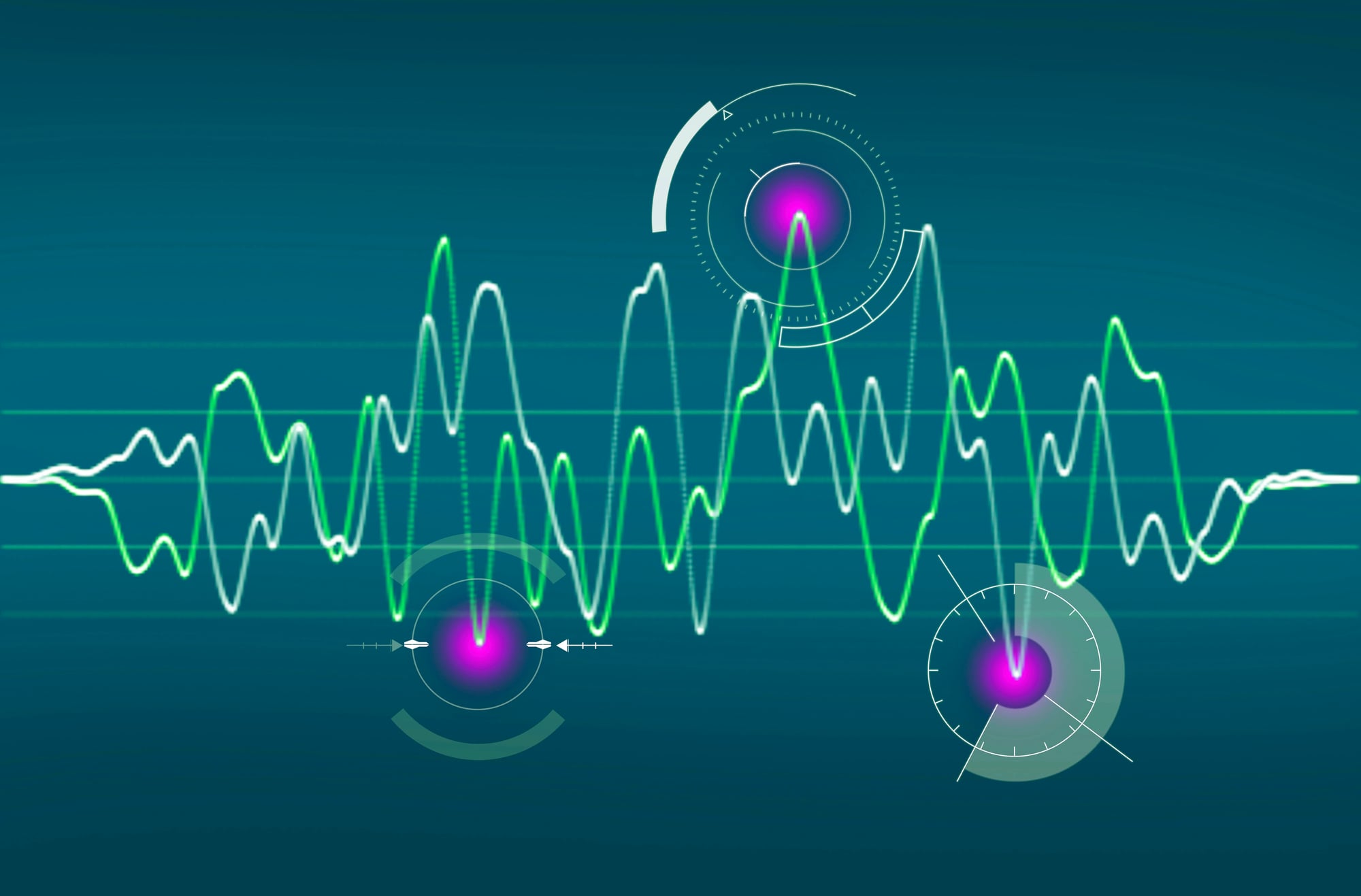
Tesla believed vibrations at specific frequencies could cure diseases and improve health. He designed mechanical oscillators that would shake the entire body at controlled frequencies.
The treatment supposedly improved circulation, digestion, and overall vitality. Some physical therapy uses controlled vibration, but nothing like Tesla’s ambitious claims.
Shaking someone at random frequencies won’t cure diseases. Tesla’s understanding of biology wasn’t as sophisticated as his grasp of electrical engineering.
The oscillators he built were demonstrations of mechanical principles, not medical devices.
Remote Controlled Weapons Systems
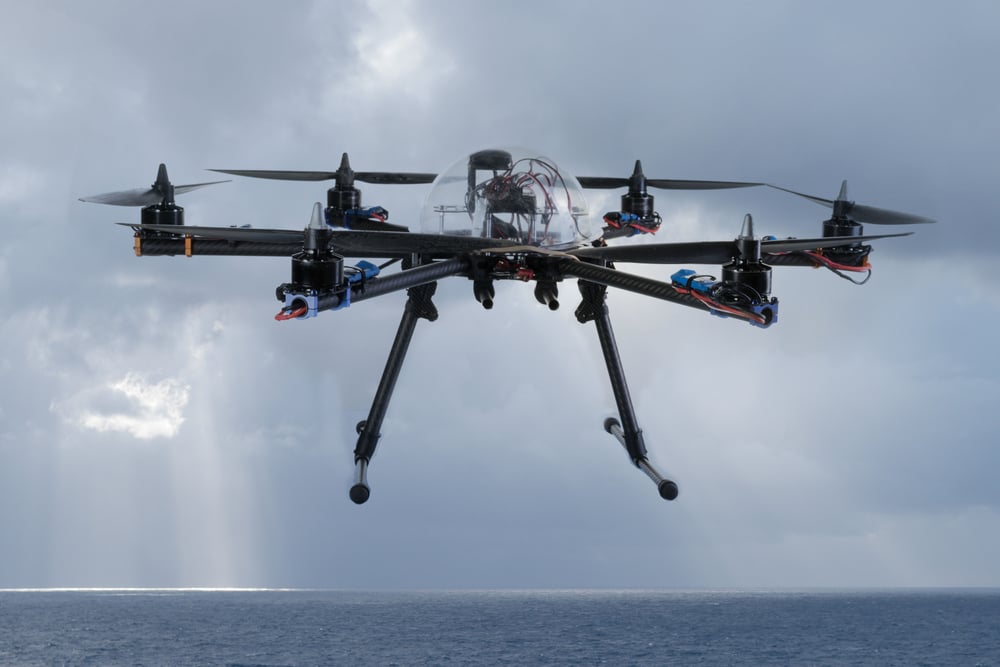
Tesla demonstrated a radio-controlled boat in 1898 and proposed fleets of unmanned vehicles for military use. These would be controlled from safe distances and could carry explosives or weapons.
He envisioned submarines, aircraft, and ground vehicles all operated remotely. The basic concept was sound and eventually became reality with drones and unmanned vehicles.
But Tesla’s specific designs couldn’t be built with 1900s technology. Radio control was unreliable, power sources were inadequate, and guidance systems didn’t exist.
Modern militaries use remotely controlled weapons extensively, but they look nothing like Tesla’s proposals.
Enhanced Magnifying Transmitter

Tesla built several versions of his magnifying transmitter, a device that could generate extremely high voltages and frequencies. He claimed a perfected version could transmit power across unlimited distances, communicate with other planets, and create artificial auroras.
The transmitters worked as described for local demonstrations but couldn’t achieve the global effects Tesla predicted. Electrical energy dissipates rapidly when transmitted through air or ground.
Creating artificial auroras would require manipulating the ionosphere on scales we still can’t manage. Communicating with other planets would need receivers that don’t exist.
Artificial Tidal Wave Generator

A single idea came to him – ocean ripples made by hidden blasts below the surface. These surges might crush warships or seaside structures without warning.
Instead of wires or engines, energy pulses under water shaped the force. Writings held the plan, yet no model ever moved in test tanks.
Pages stayed filled with lines, while nothing rose from workshops. Waves that big need a huge burst of power right where it counts.
Underwater nukes have been tried, yet their punch fades fast before forming anything like a real tsunami. The method Tesla imagined using electromagnetic fields falls short – it just can’t pack the necessary push into one spot.
Moving ocean-scale water takes more focused strength than such techniques deliver.
What These Ideas Reveal
Dreams outpaced tools in Tesla’s unrealized projects. Far beyond most peers, his grasp of electromagnetism fueled visions too bold for the age’s limits.
Yet many designs clashed with nature’s rules – asking for strength or energy that simply wasn’t available. A few concepts bloomed years later, reborn through new methods.
Mistakes crept in when earth processes, living systems, or air behavior were misread. Even so, Tesla’s brilliance with electricity never showed up elsewhere.
Medical gadgets? Total fantasy. Weather schemes missed real-world messiness altogether.
That quake maker – likely nowhere near as wild as he said. Yet currents shifted everything, regardless of his boldest dreams falling short.
Stillness in wires, signals through air, waves at speed – that was all it took. Left on paper, those unmade machines linger as quiet reminders: vision sometimes runs ahead of reality.
More from Go2Tutors!

- The Romanov Crown Jewels and Their Tragic Fate
- 13 Historical Mysteries That Science Still Can’t Solve
- Famous Hoaxes That Fooled the World for Years
- 15 Child Stars with Tragic Adult Lives
- 16 Famous Jewelry Pieces in History
Like Go2Tutors’s content? Follow us on MSN.



