Essential 90s Fashion Item Must-Haves
The 1990s didn’t just give us unforgettable music and questionable hairstyles.
It completely rewired how people thought about getting dressed.
After the shoulder-padded excess of the 1980s, the 90s arrived with a collective exhale, trading glitz for something looser, scrappier, and far more personal.
Fashion shifted toward minimalism and low-maintenance style, creating looks that somehow managed to feel both effortless and iconic at the same time.
From Seattle basements to New York runways, the decade churned out trends that still show up in closets today, proving some things really don’t go out of style.
Let’s dig into the pieces that defined an entire generation’s wardrobe.
Flannel Shirts
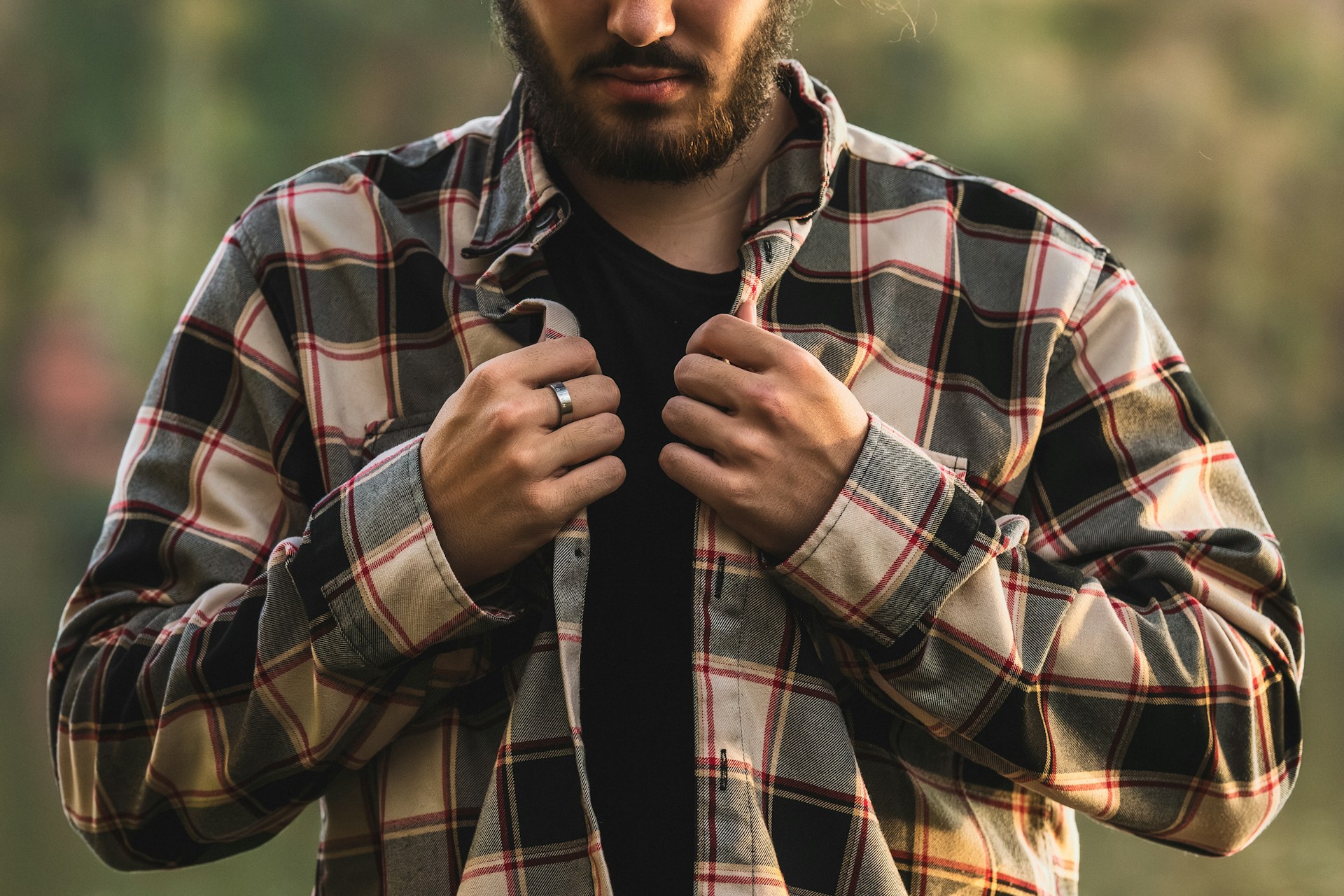
Nothing says 90s quite like an oversized flannel thrown over basically anything.
The grunge movement popularized flannel shirts alongside other casual pieces, and suddenly everyone from actual Seattle musicians to suburban teenagers was drowning in plaid.
The beauty of flannel was its versatility.
You could wear it buttoned up, left open over a band tee, tied around your waist, or layered under a leather jacket.
The fit mattered less than the vibe, which meant thrift stores became treasure troves for perfectly worn-in versions.
Kurt Cobain made this look legendary, but it spread far beyond the grunge scene, becoming a unifying garment across different style tribes throughout the decade.
Combat Boots
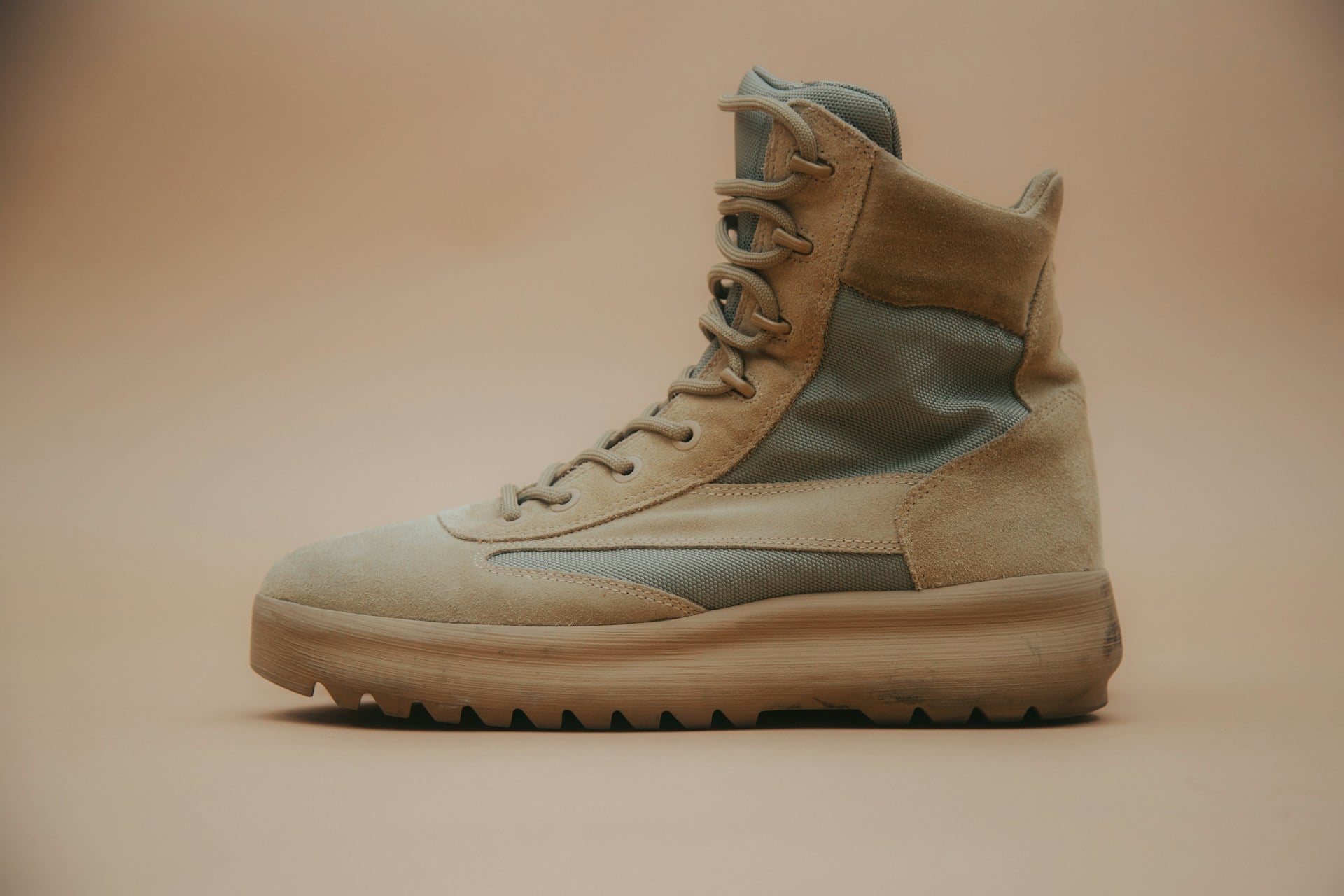
Heavy, clunky, and unapologetically tough, combat boots became the footwear of choice for anyone who wanted to add some edge to their outfit.
Combat boots were considered the ultimate 90s accessory, often worn ankle-high or higher, and Doc Martens specifically became almost synonymous with the era.
These boots worked with everything from floral dresses to ripped jeans, creating that contrast between feminine and masculine that defined so much of 90s style.
They were functional enough for actual walking but made enough of a statement that they elevated even the most basic outfit.
The chunky sole and worn leather gave off an air of not trying too hard, which was exactly the point.
Slip Dresses
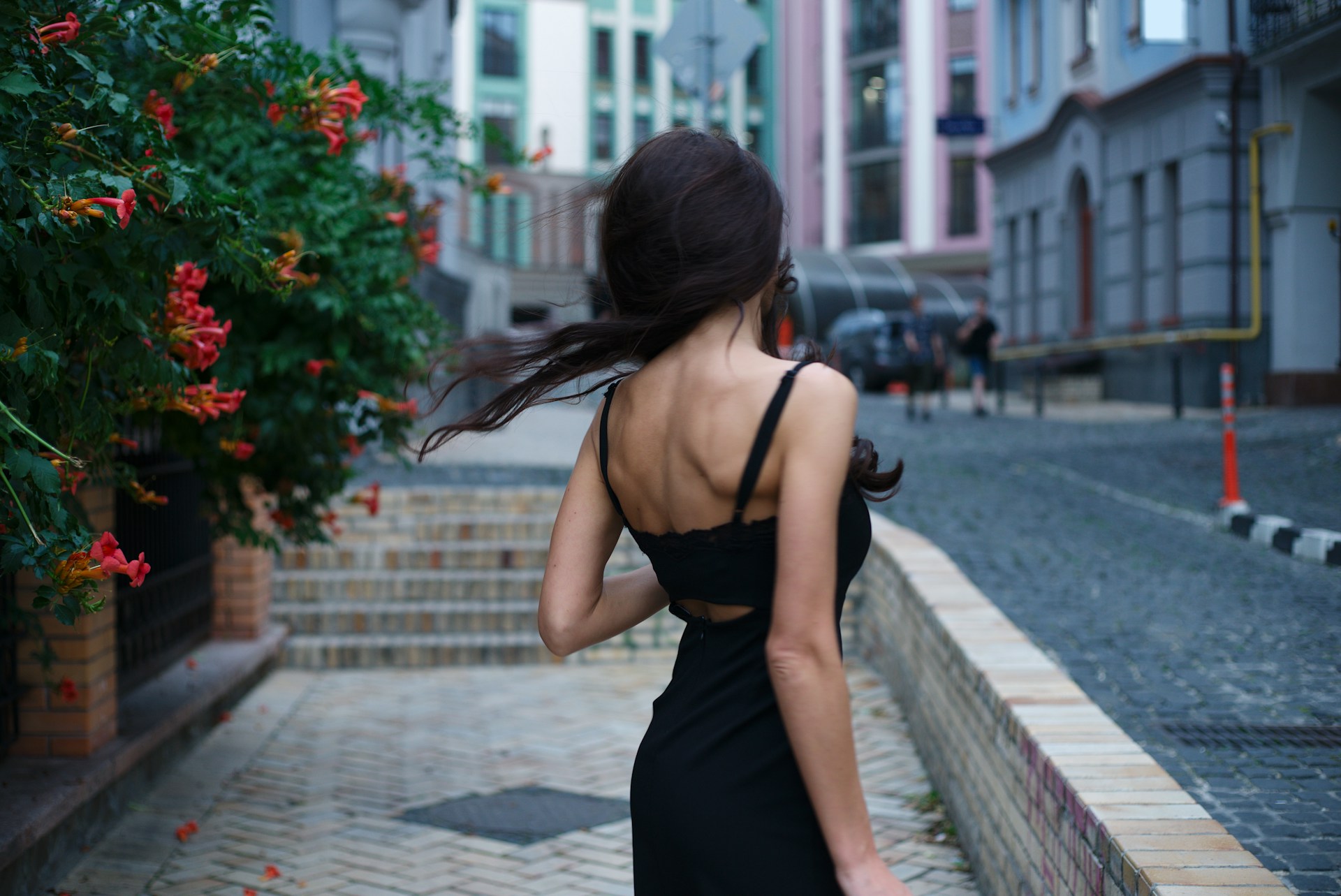
On the opposite end of the spectrum from combat boots sat the slip dress, delicate and deceptively simple.
Slip dresses with spaghetti straps became defining items of the decade, embodying the minimalist aesthetic that designers like Calvin Klein and Helmut Lang were pushing.
Kate Moss made the slip dress iconic when she wore a transparent silver version with just black underwear underneath, creating one of the most talked-about fashion moments of the decade.
The genius of the slip dress was its adaptability.
Layer it over a white tee for daytime, pair it with a leather jacket for edge, or wear it alone with strappy heels for evening.
It walked the line between underwear and outerwear in a way that felt fresh and slightly rebellious.
Cargo Pants
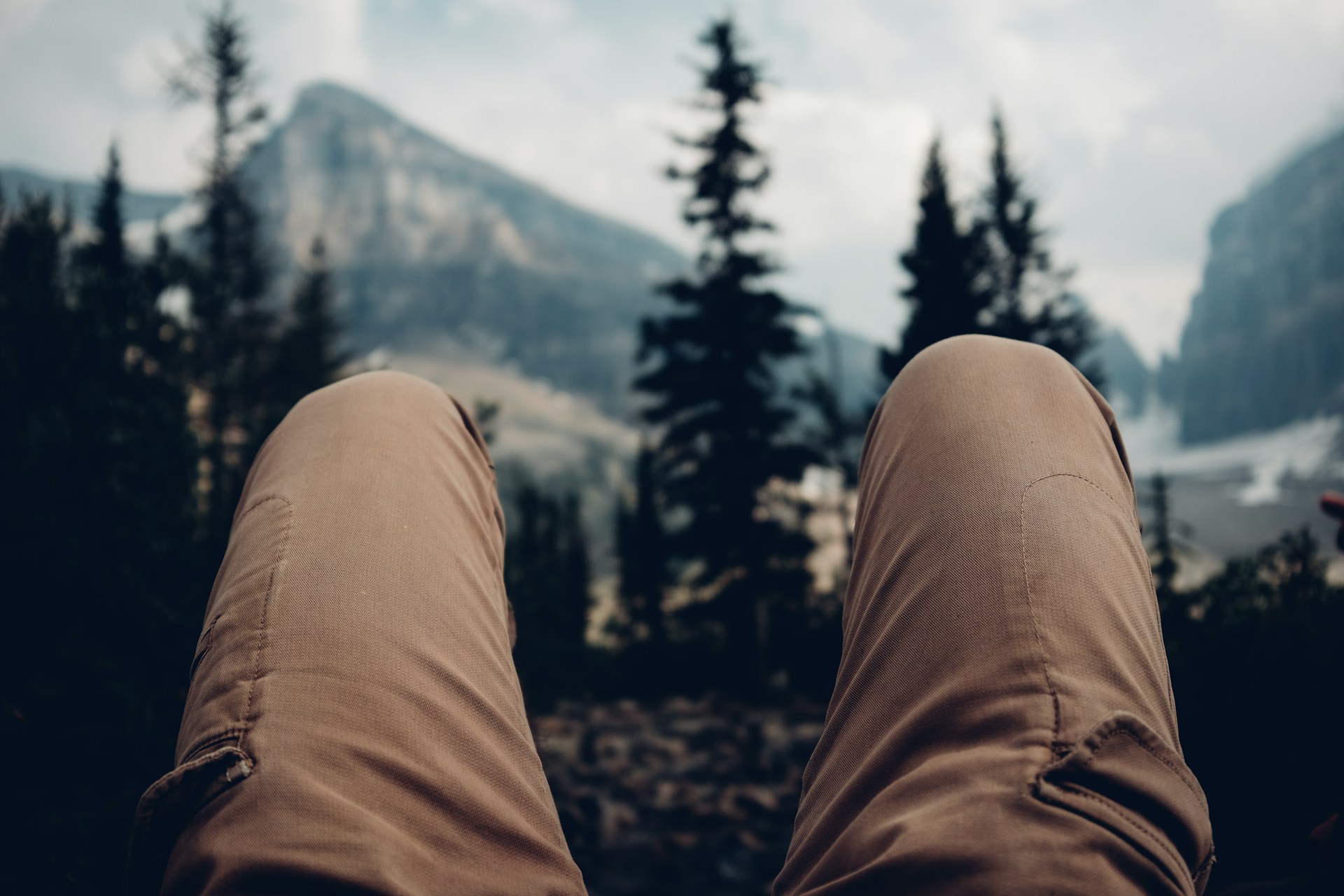
Utility met style when cargo pants stomped onto the scene, bringing all those pockets nobody really needed but everybody wanted.
Cargo pants emerged as utilitarian styles gained popularity, offering a relaxed alternative to the structured trousers of previous decades.
Hip-hop culture embraced cargos early, and the trend spread from there, with baggy fits becoming increasingly popular as the decade wore on.
The extra pockets on the thighs added visual interest and suggested a readiness for adventure, even if most people just stuffed them with candy wrappers and folded notes.
Cargo pants represented the decade’s move toward comfortable, functional clothing that still managed to make a statement.
Chokers
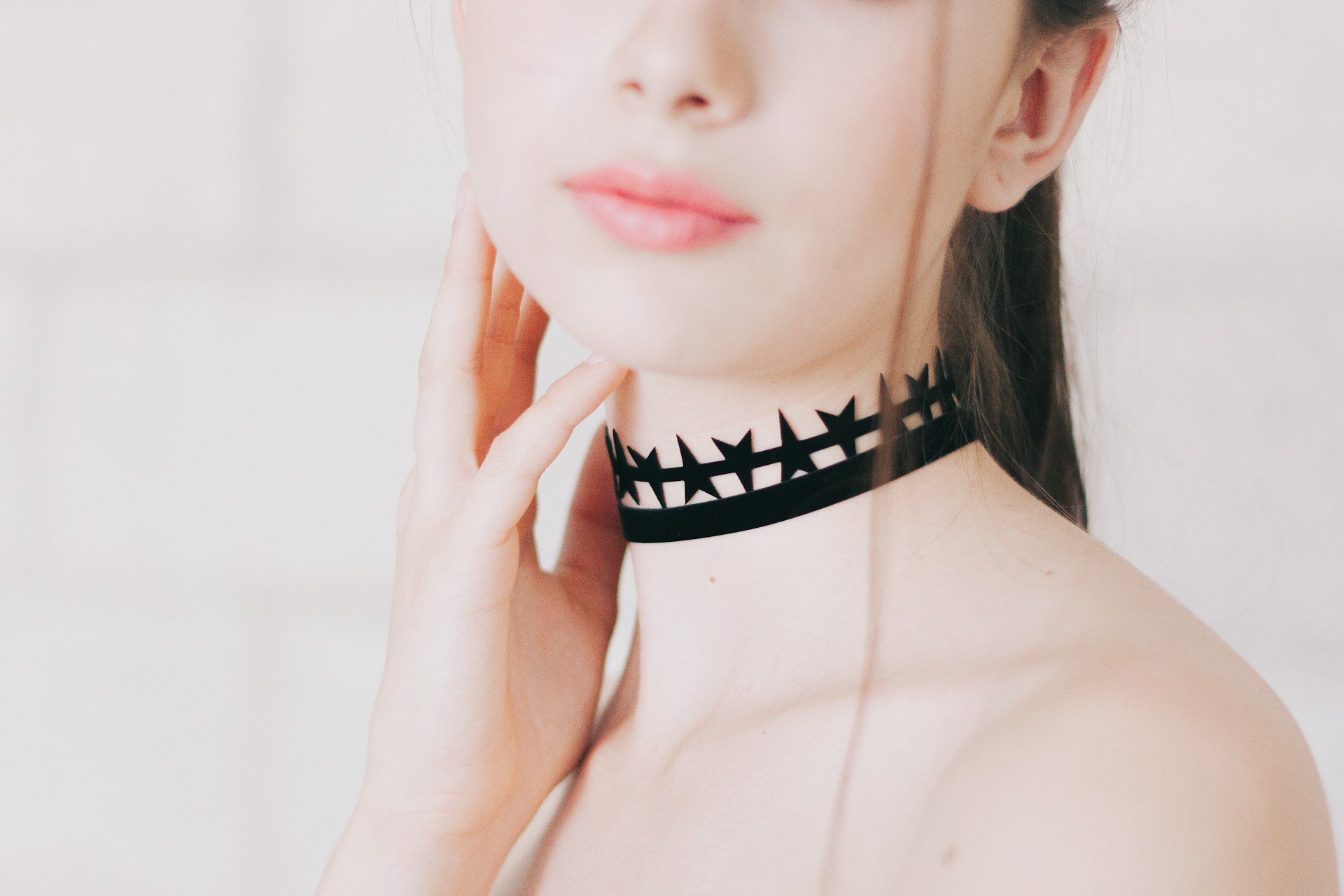
Few accessories scream 90s louder than a choker wrapped tight around the neck.
Choker necklaces became recognizable trends, working their way back into modern wardrobes, and they came in every material imaginable: black velvet, plastic, tattoo-style, beaded, or metal.
The choker added instant edge to any outfit, whether you were wearing a slip dress or a baby tee.
It sat at that perfect intersection of slightly goth, vaguely alternative, and totally mainstream.
Everyone from supermodels to suburban teens wore them, making chokers one of those rare accessories that transcended different style categories.
The tightness around the neck created a bold visual line that somehow made every outfit feel more put together.
Oversized Everything
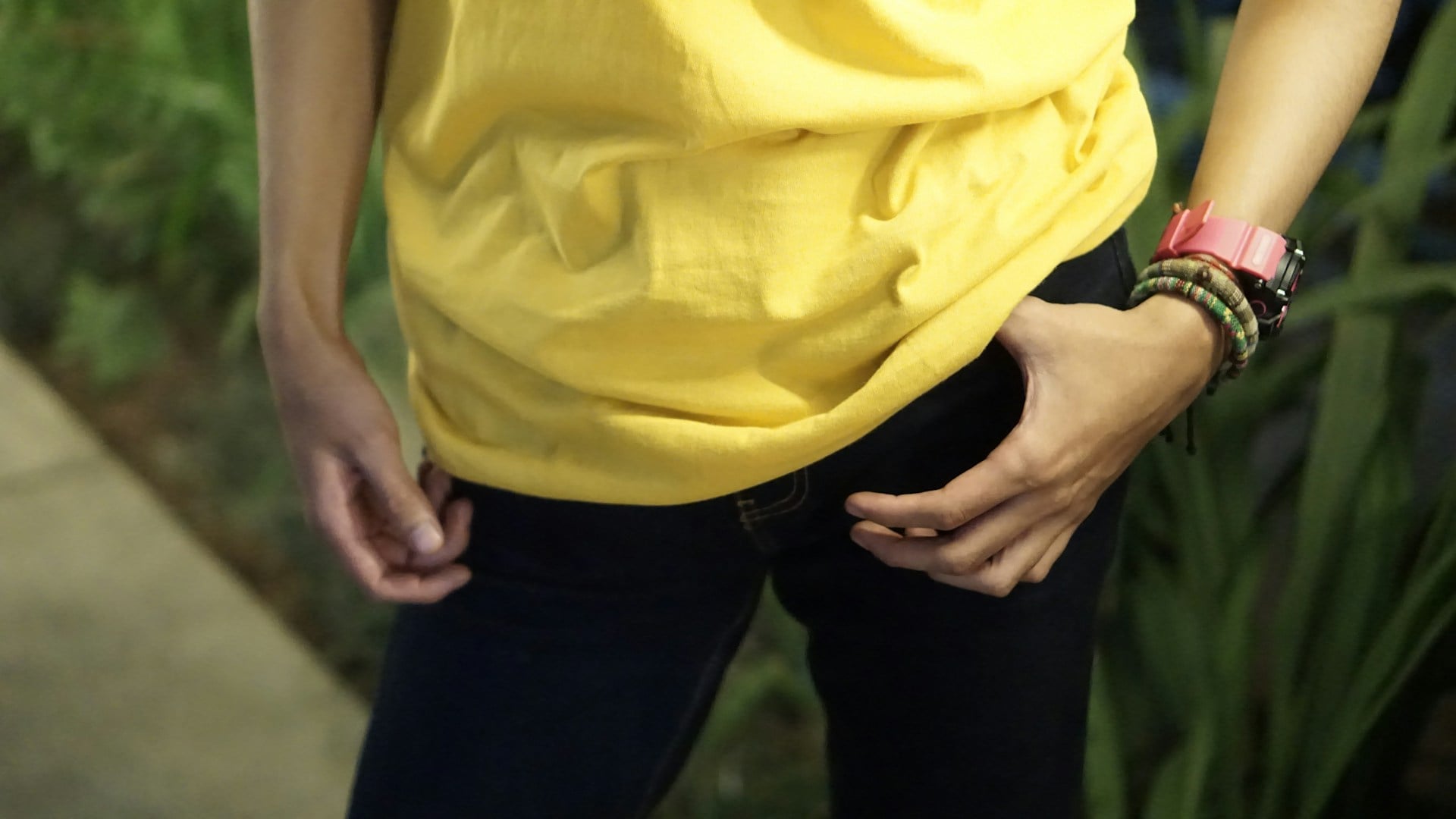
Forget tailoring.
The 90s loved clothes that looked like they belonged to someone twice your size.
Casual chic included oversized items like hoodies and sweatshirts, creating silhouettes that prioritized comfort over structure.
Oversized band tees, baggy jeans, massive sweatshirts, and boyfriend blazers all found their moment.
This wasn’t about sloppiness but rather a rejection of the body-conscious fits that dominated the 80s.
The oversized trend worked particularly well layered, with people throwing on multiple loose pieces to create depth and texture.
It made fashion feel more democratic too, since sizing became less about fitting into something specific and more about finding the right amount of slouch.
Platform Shoes
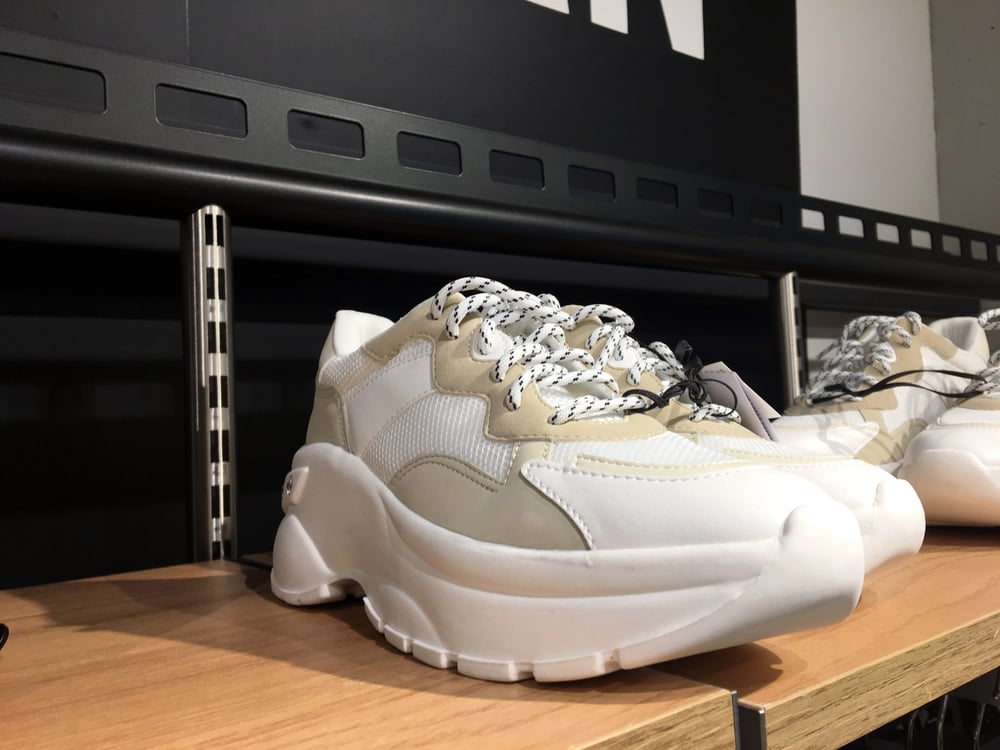
If the 90s taught us anything about footwear, it’s that height came in chunky packages.
Chunky platform sandals and trainers became defining footwear of the decade, adding inches without the discomfort of traditional heels.
The Spice Girls made platforms mainstream, turning them into symbols of girl power and bold self-expression.
These weren’t subtle shoes.
They were statement pieces that changed your entire posture and presence.
Whether it was platform sneakers, sandals, or boots, the thick soles added a cartoonish element that somehow worked perfectly with the decade’s aesthetic.
They made everyone feel taller, bolder, and a little bit dangerous.
Baby Tees
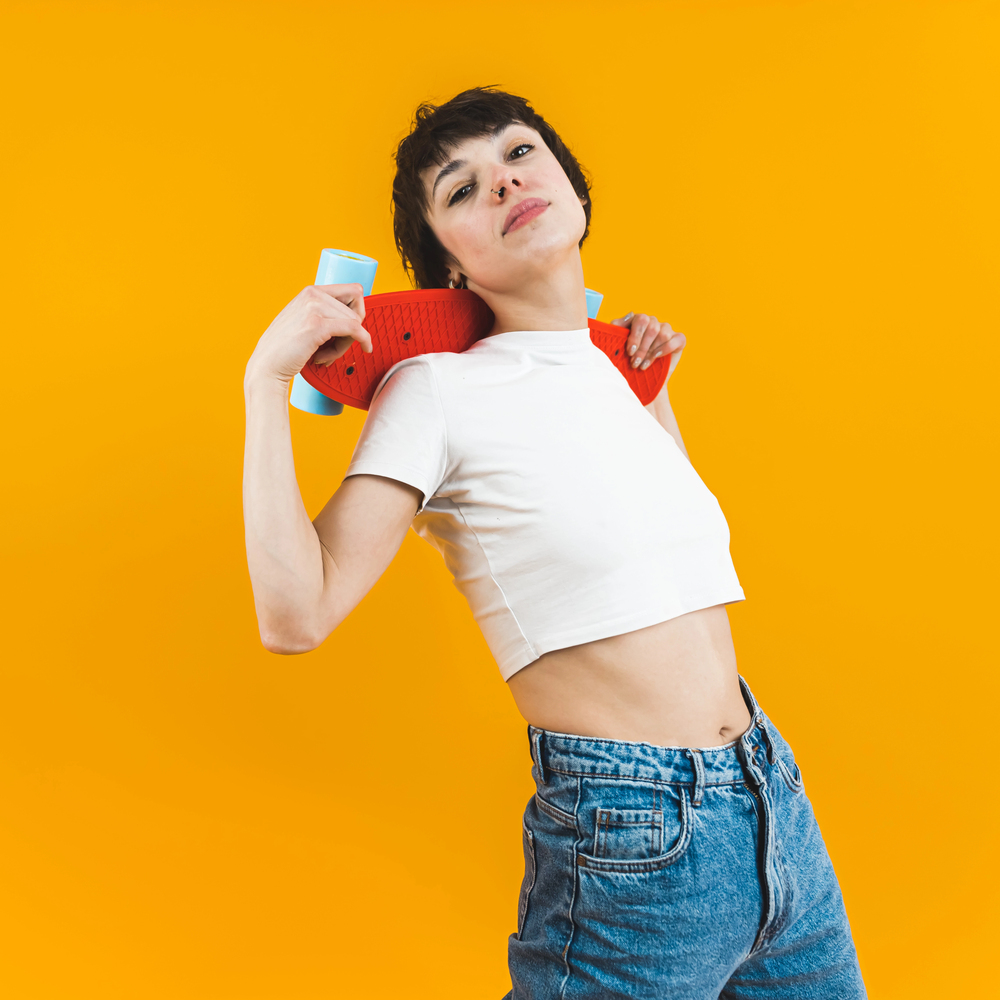
Tiny, fitted, and often emblazoned with logos or slogans, baby tees became the go-to top for a generation.
Baby tees with spaghetti straps and simple designs reflected the minimal aesthetic that contrasted sharply with the oversized trend happening simultaneously.
These shirts stopped right at the waist or above, creating the perfect pairing for high-waisted jeans or cargo pants.
The tight fit celebrated a more casual approach to showing skin, less overtly provocative than previous decades but still confident.
Brands like Calvin Klein turned logo baby tees into status symbols, making underwear branding into outerwear fashion.
The snug fit and cropped length made them perfect for layering or wearing solo when temperatures climbed.
High-Waisted Jeans
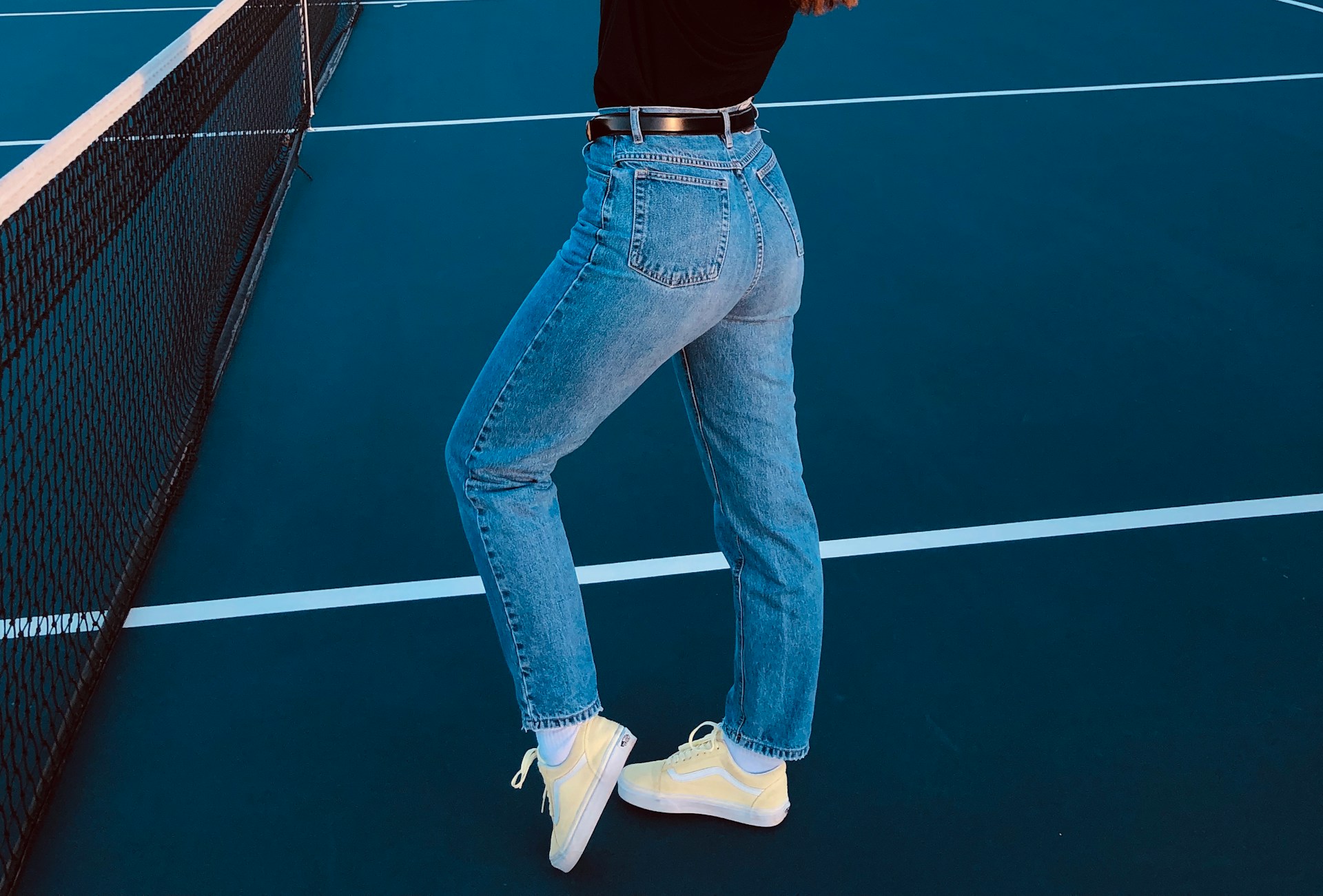
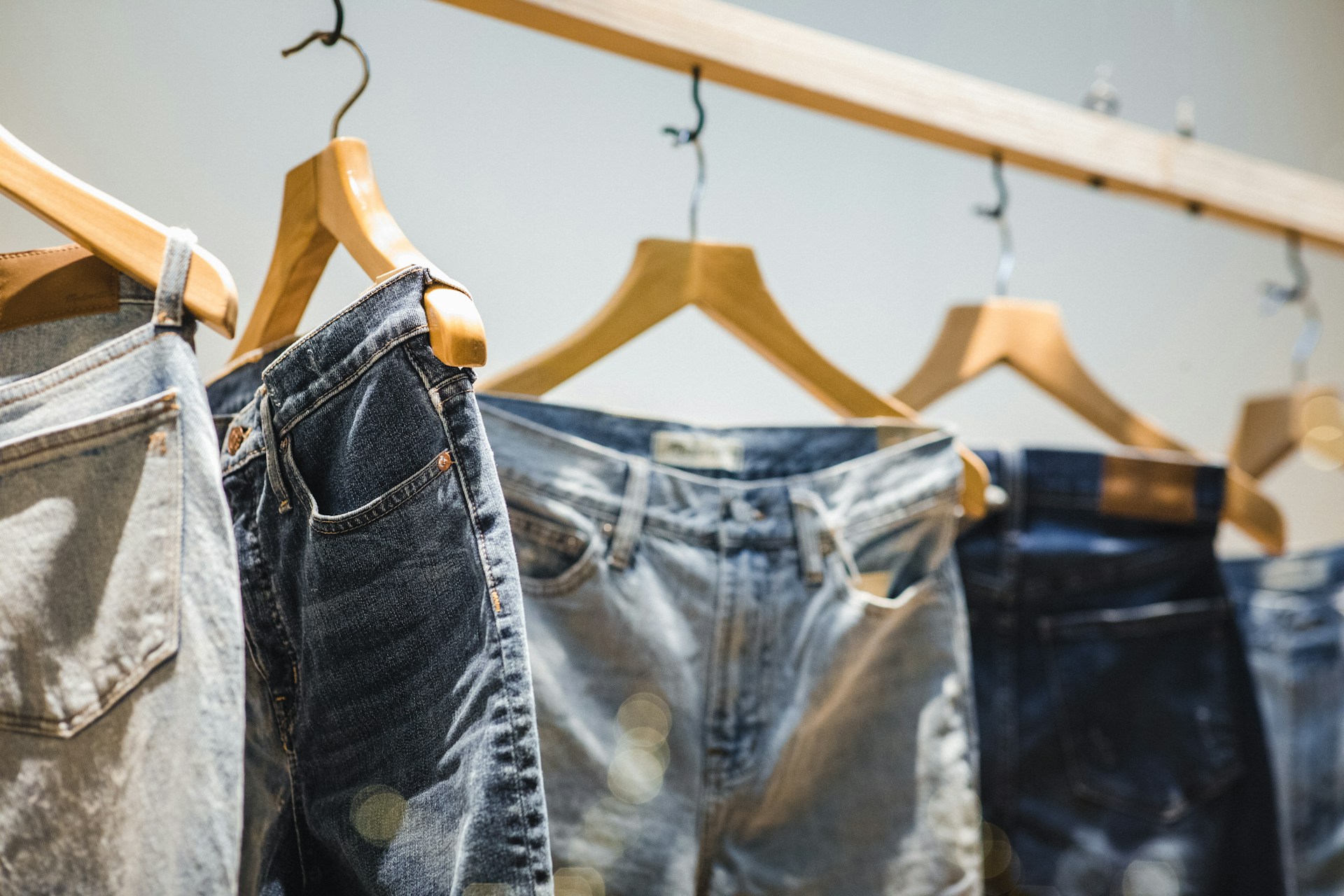
Denim got a makeover in the 90s, trading the mom jean stereotype for something intentionally retro and actually flattering.
High-waisted jeans became popular as the decade recycled styles from the 1960s and 1970s, offering a silhouette that elongated legs and cinched waists.
These weren’t your skinny jeans either.
The cuts ranged from straight to wide-leg, with baggy fits gaining serious traction as the decade progressed.
The higher rise created a different proportion than the low-rise trend that would follow in the 2000s, offering more coverage while still looking intentionally styled.
Pair them with a tucked-in baby tee or a cropped tank, and you had the quintessential 90s silhouette locked down.
Denim Jackets
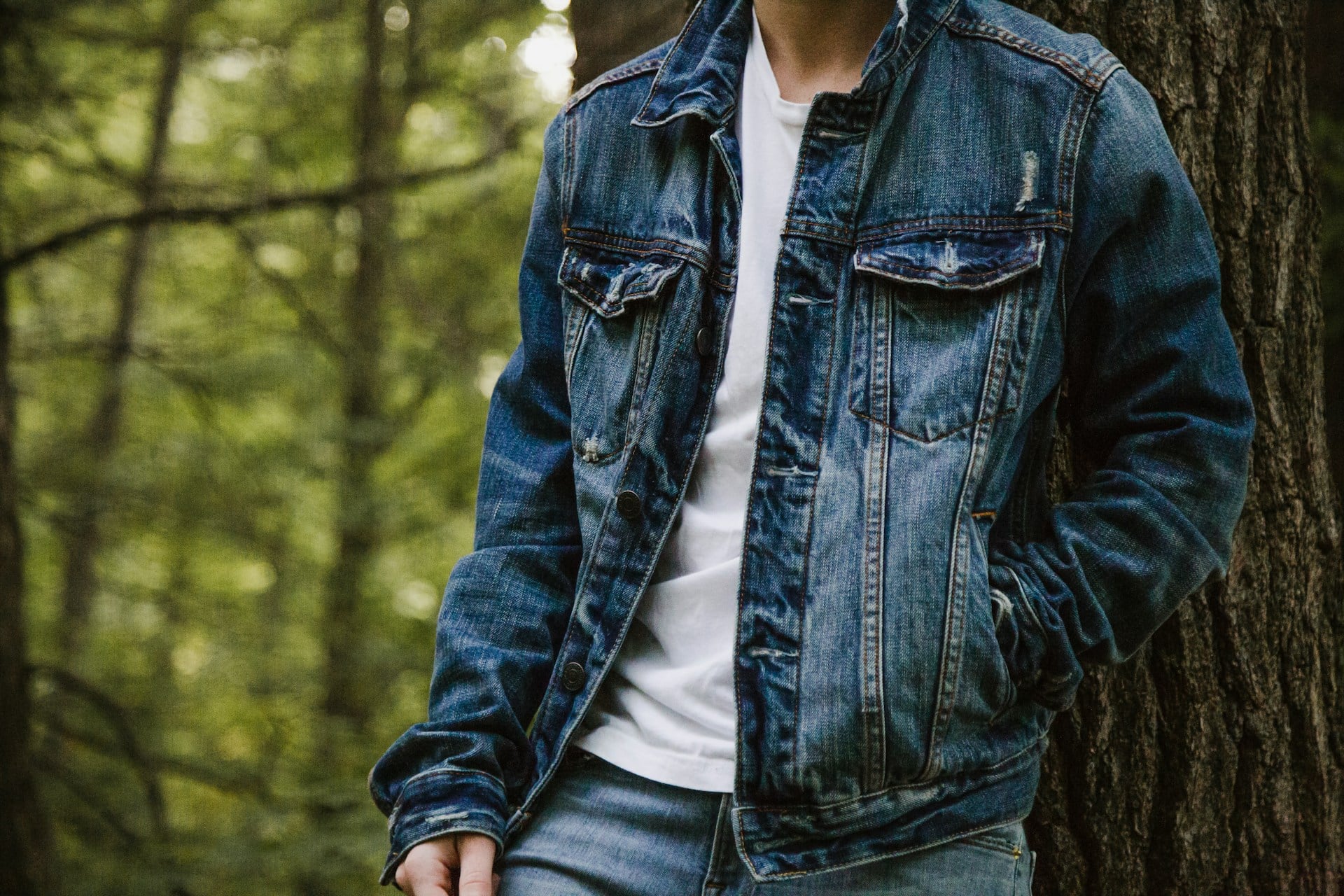
The denim jacket became the ultimate layering piece, working as well over a slip dress as it did with a flannel and combat boots.
Denim jackets remained popular throughout the decade, offering a casual cool that suited nearly every style direction the 90s explored.
The beauty was in the versatility.
Oversized denim jackets gave off grunge vibes, while more fitted versions leaned preppy or polished.
People customized them with pins, patches, and paint, making each jacket a personal statement.
The light blue wash became particularly iconic, though darker rinses and even black denim had their moments.
It was the kind of piece you could throw on without thinking and instantly look more put together.
Bucket Hats
Before they became ironic fashion statements, bucket hats were just part of the 90s uniform.
Caps, especially snap-back hats, were extremely popular in the 90s, but bucket hats carved out their own space with a more laid-back, festival-ready vibe.
The soft, downward-sloping brim framed faces in a way that felt both protective and stylish.
Hip-hop artists and ravers embraced them early, and the trend trickled into mainstream fashion from there.
They came in everything from plain cotton to wild prints, adding personality without much effort.
The bucket hat worked perfectly with the decade’s casual aesthetic, practical enough for actual sun protection but cool enough to wear just for style.
Plaid Everything
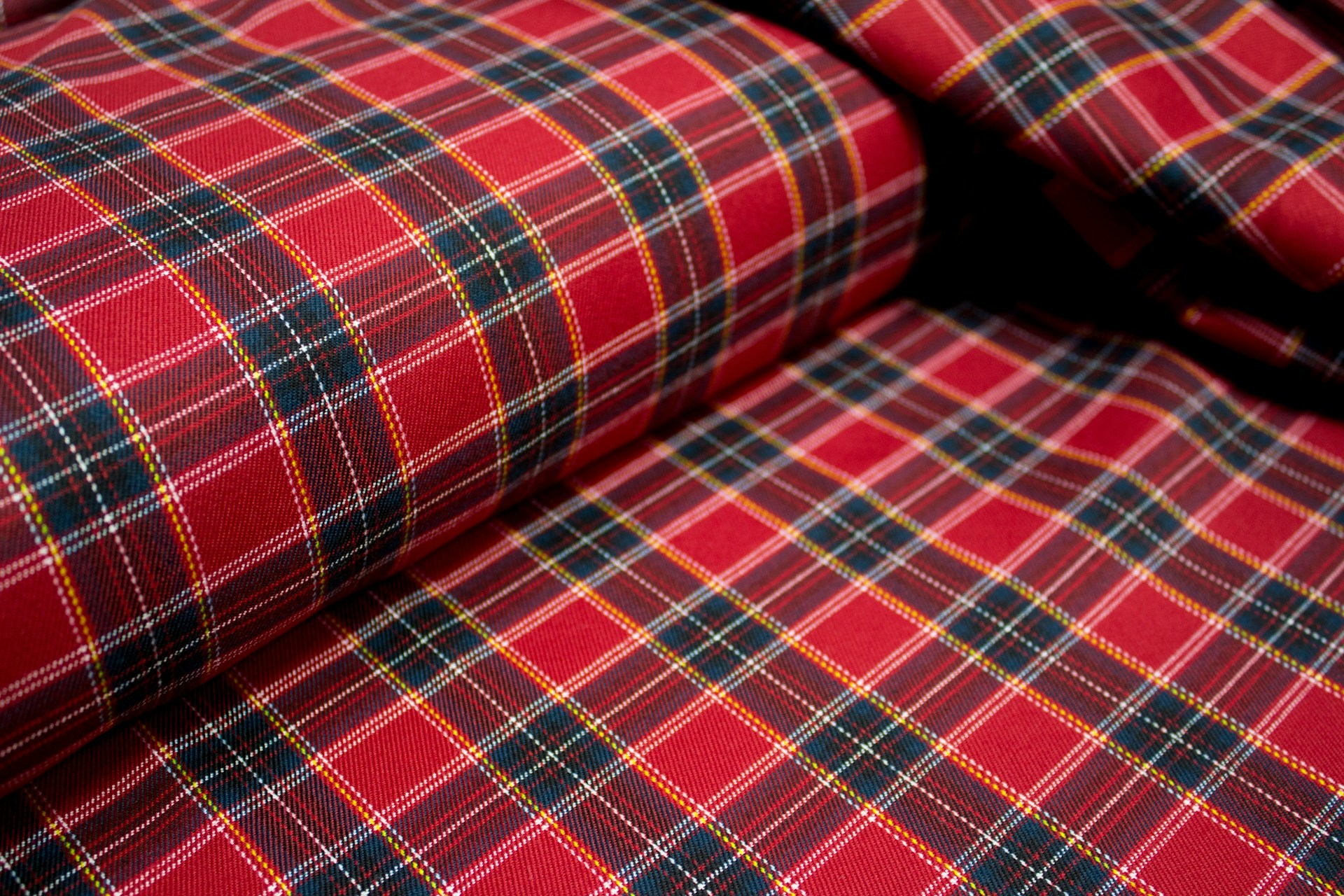
If flannel shirts introduced plaid to the 90s, the pattern quickly expanded far beyond.
Plaid skirts from films like Clueless became iconic fashion moments, bringing preppy style into the mainstream alongside grunge.
Plaid showed up on pants, skirts, jackets, accessories, and even shoes.
The pattern bridged different subcultures, working equally well for grunge kids in Seattle and prep school students on the East Coast.
Red and black buffalo check became particularly associated with grunge, while smaller plaids in school uniform colors got the Clueless treatment.
The versatility of plaid meant it could signal different messages depending on how you wore it, making it one of the decade’s most adaptable patterns.
Leather Jackets
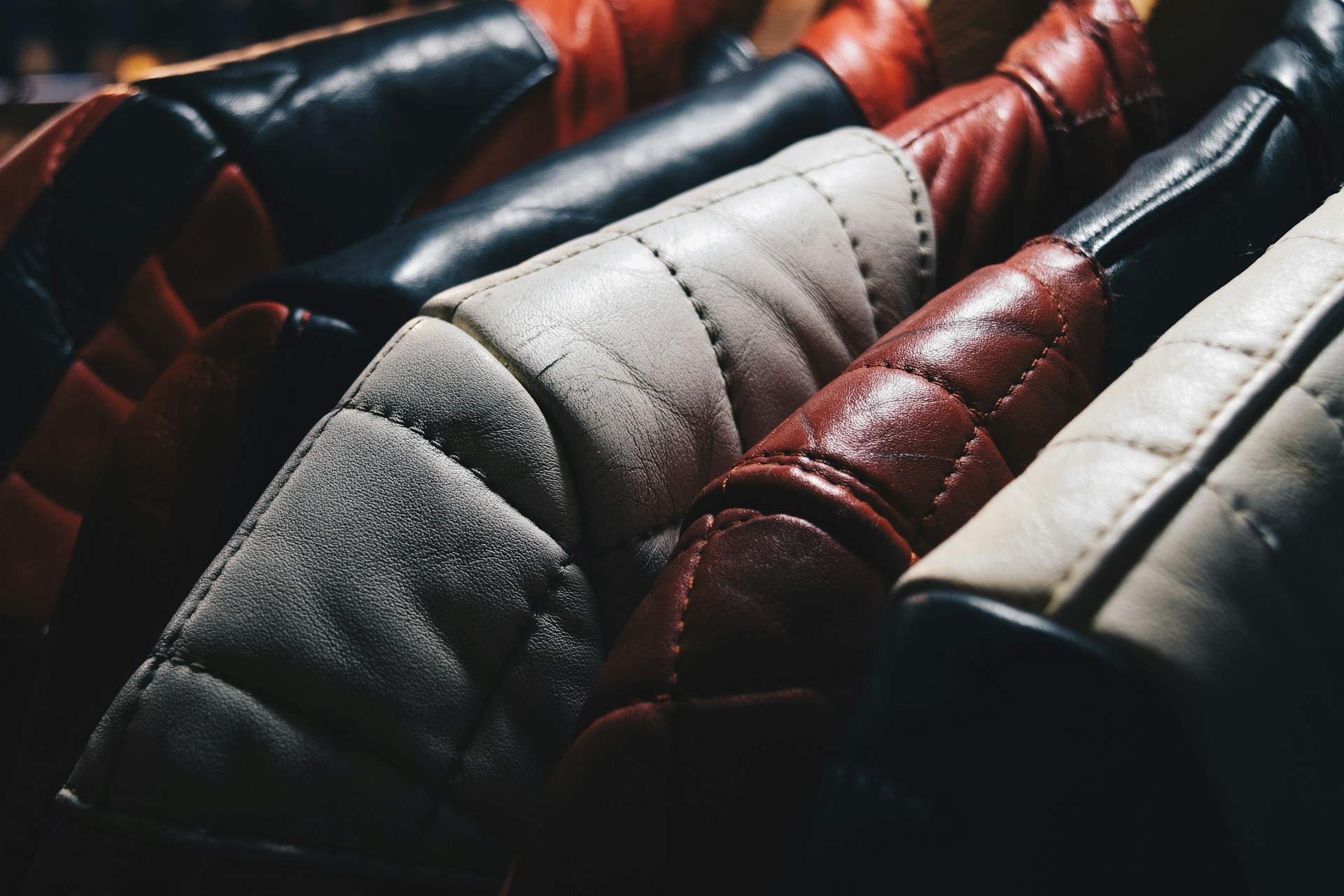
Nothing added instant cool like a leather jacket, and the 90s wore them in every possible iteration.
Leather jackets appeared frequently in grunge and alternative fashion, but they also showed up in preppy outfits, hip-hop looks, and minimalist ensembles.
The classic black motorcycle jacket remained timeless, but brown leather, cropped versions, and oversized styles all had their moment.
Leather jackets worked as the ultimate finishing piece, transforming any outfit from ordinary to edgy.
Whether worn over a slip dress, paired with baggy jeans, or layered under a denim jacket for extra texture, leather added weight and attitude.
The worn-in look was particularly prized, with vintage finds often outranking anything new.
Scrunchies
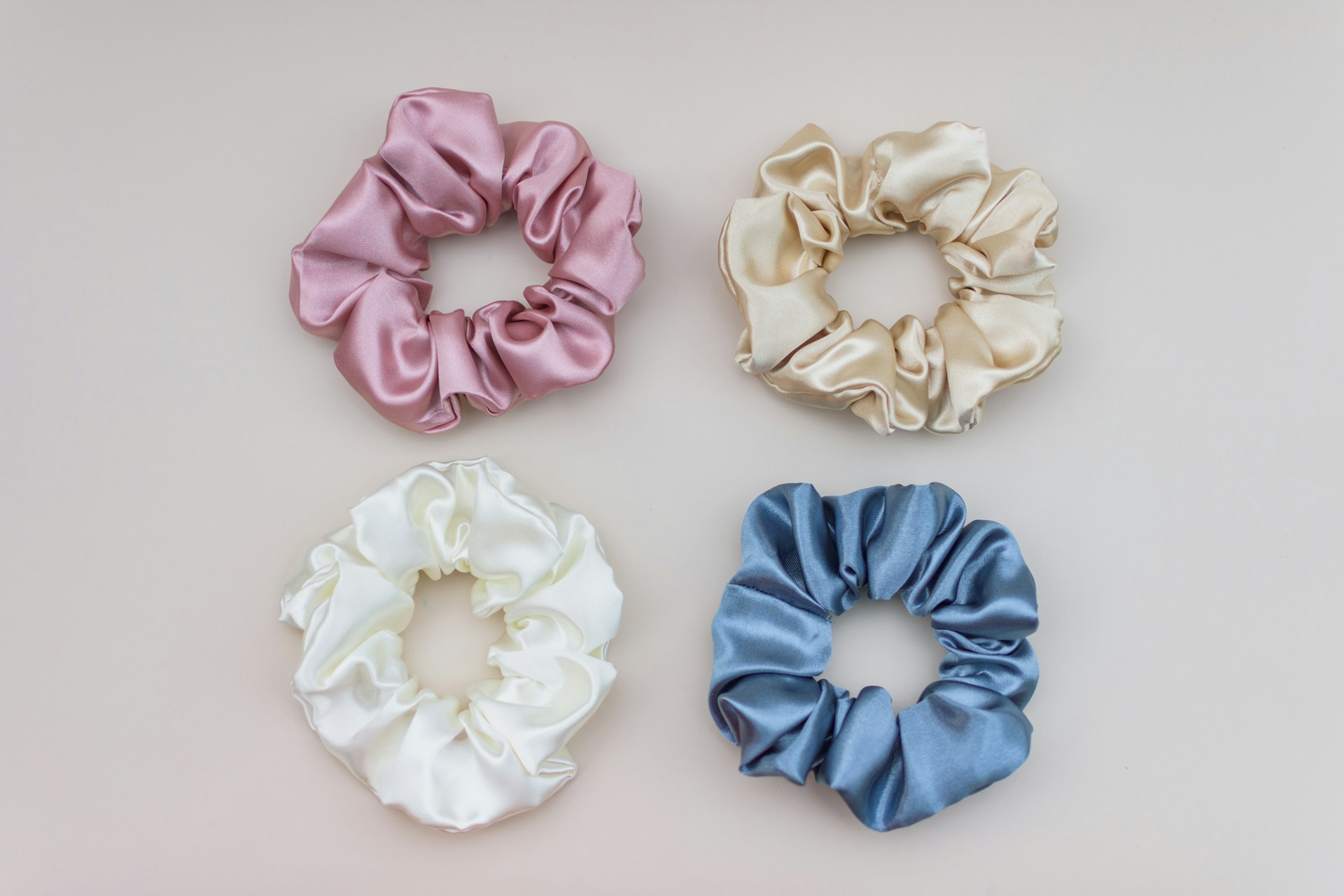
Hair accessories reached peak importance with the humble scrunchie, that fabric-covered elastic that held ponytails without the pain of regular hair ties.
Scrunchies became recognizable accessories of the 90s, appearing in every color and pattern imaginable.
The bulk of a scrunchie added visual interest to any hairstyle, creating those iconic high ponytails and messy buns that defined the decade.
They were practical enough for everyday wear but decorative enough to coordinate with outfits.
Velvet scrunchies felt fancy, while athletic versions worked for gym class.
The fact that you could match your scrunchie to your outfit showed how seriously the 90s took even the smallest style details.
Overalls
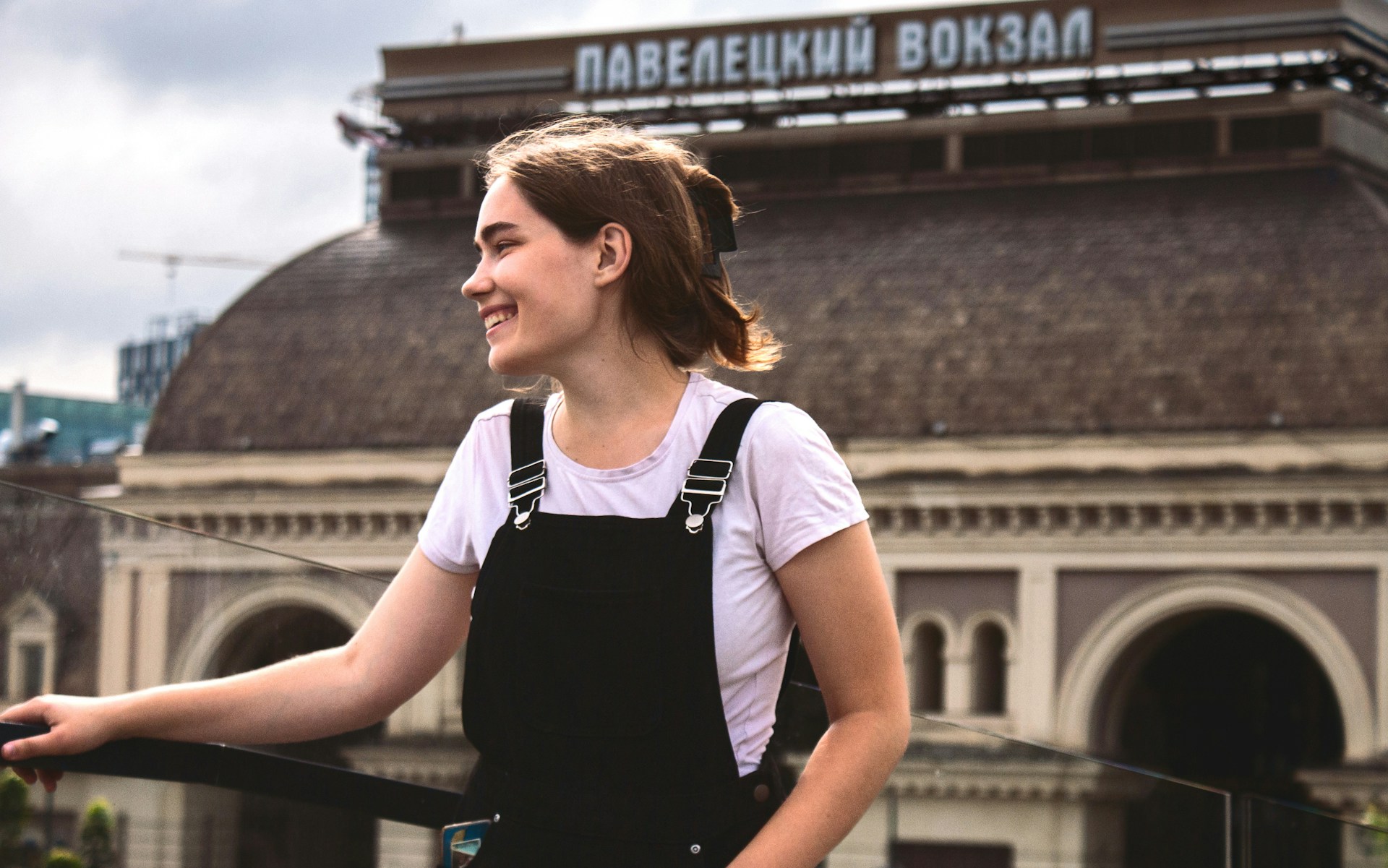
Whether worn with both straps fastened or with one hanging loose, overalls became a wardrobe staple that somehow worked for everyone.
Overalls paired well with work boots, creating functional and fashionable combinations, though they were just as likely to show up with platform sneakers or even heels.
The beauty of overalls was their blank canvas quality.
What you wore underneath changed the entire vibe, from striped tees for a casual look to crop tops for something more daring.
Hip-hop culture particularly embraced overalls, often wearing them with one strap undone in a relaxed, effortlessly cool way.
The utilitarian roots of overalls got a fashion makeover, turning workwear into streetwear without losing the practical appeal.
Why The 90s Still Matters
The pieces that defined 90s fashion weren’t just clothes.
They represented a shift in how people approached getting dressed, prioritizing personal expression and comfort over rigid style rules.
Many 90s trends continue working their way back into modern wardrobes, proving that the decade’s casual, mix-and-match approach to fashion had staying power beyond just nostalgia.
The 90s taught fashion to be more democratic, showing that style didn’t require a massive budget or perfect body.
Thrift store finds could be just as cool as designer pieces, oversized could be just as flattering as tailored, and sometimes the best outfit was the one that felt most like yourself.
That lesson kee
More from Go2Tutors!

- The Romanov Crown Jewels and Their Tragic Fate
- 17 Halloween Costumes Once Considered Taboo
- Famous Hoaxes That Fooled the World for Years
- 15 Child Stars with Tragic Adult Lives
- 16 Famous Jewelry Pieces in History
Like Go2Tutors’s content? Follow us on MSN.