The Strangest Materials Used for Building Homes
Building a home usually means bricks, wood, or concrete. Simple, strong, and predictable.
But some architects and builders like to think outside the box, turning everything from mud to bottles into walls, floors, and roofs. These unusual materials make houses stand out and sometimes even survive extreme conditions.
It might seem a little crazy at first, but there’s a method to the madness. Let’s explore some of the strangest materials people have actually used to build homes around the world.
Straw bales
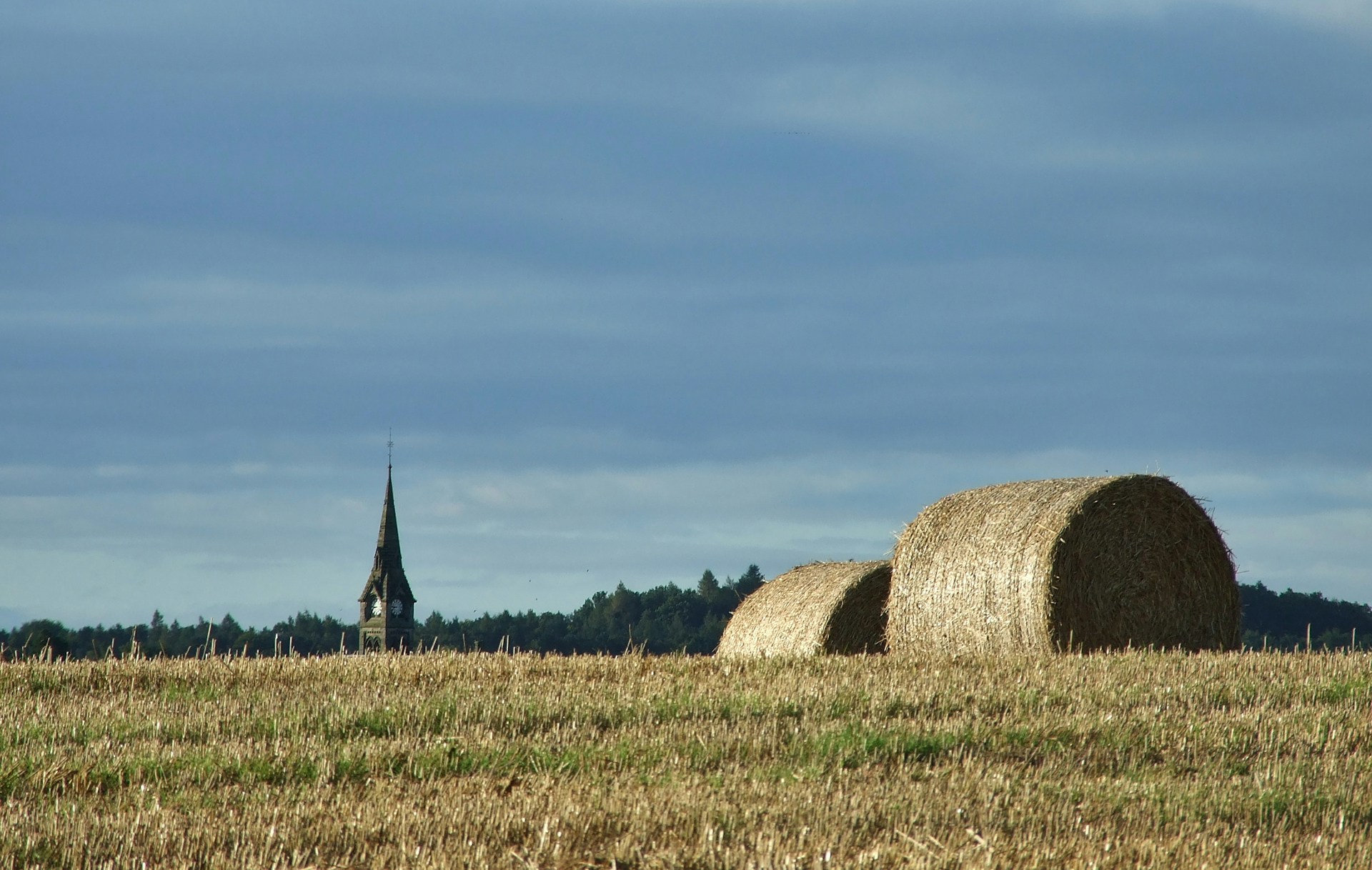
Straw might seem too soft or flimsy for a house, but when tightly packed into bales, it creates strong, insulating walls. Builders cover the bales with plaster or clay to protect them from weather and pests.
Straw bale homes are cheap, eco-friendly, and surprisingly cozy in both summer and winter.
Shipping containers

Old shipping containers are being recycled into homes in cities and remote areas alike. They are sturdy, modular, and can be stacked to create multi-story buildings.
With the right insulation and interior work, a metal box can become a surprisingly comfortable living space.
Earthbags
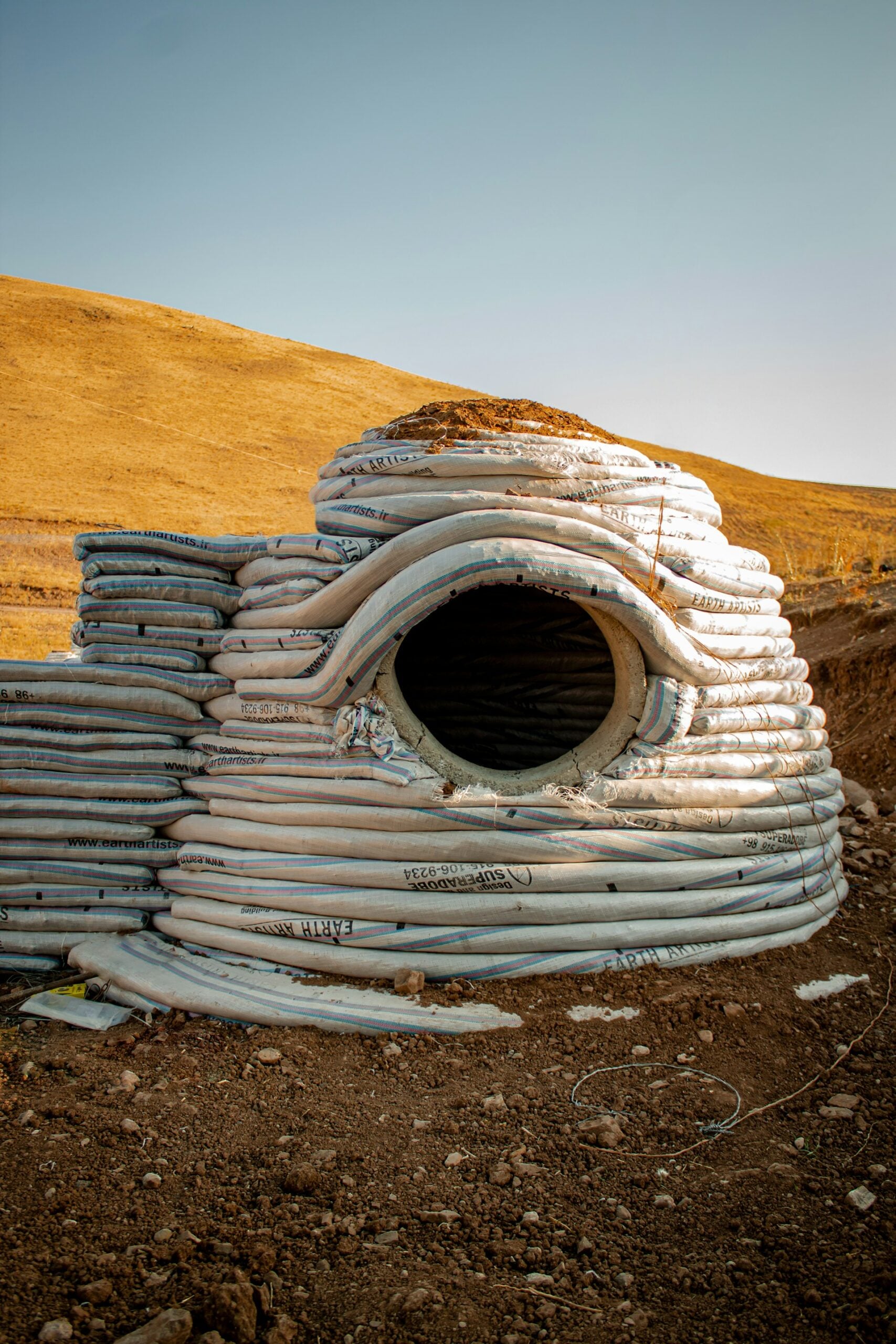
Earthbags are sacks filled with dirt or sand, stacked like bricks, and then plastered over. They are highly durable and can resist earthquakes and floods.
These homes are common in areas where traditional building materials are expensive or scarce.
Ice blocks
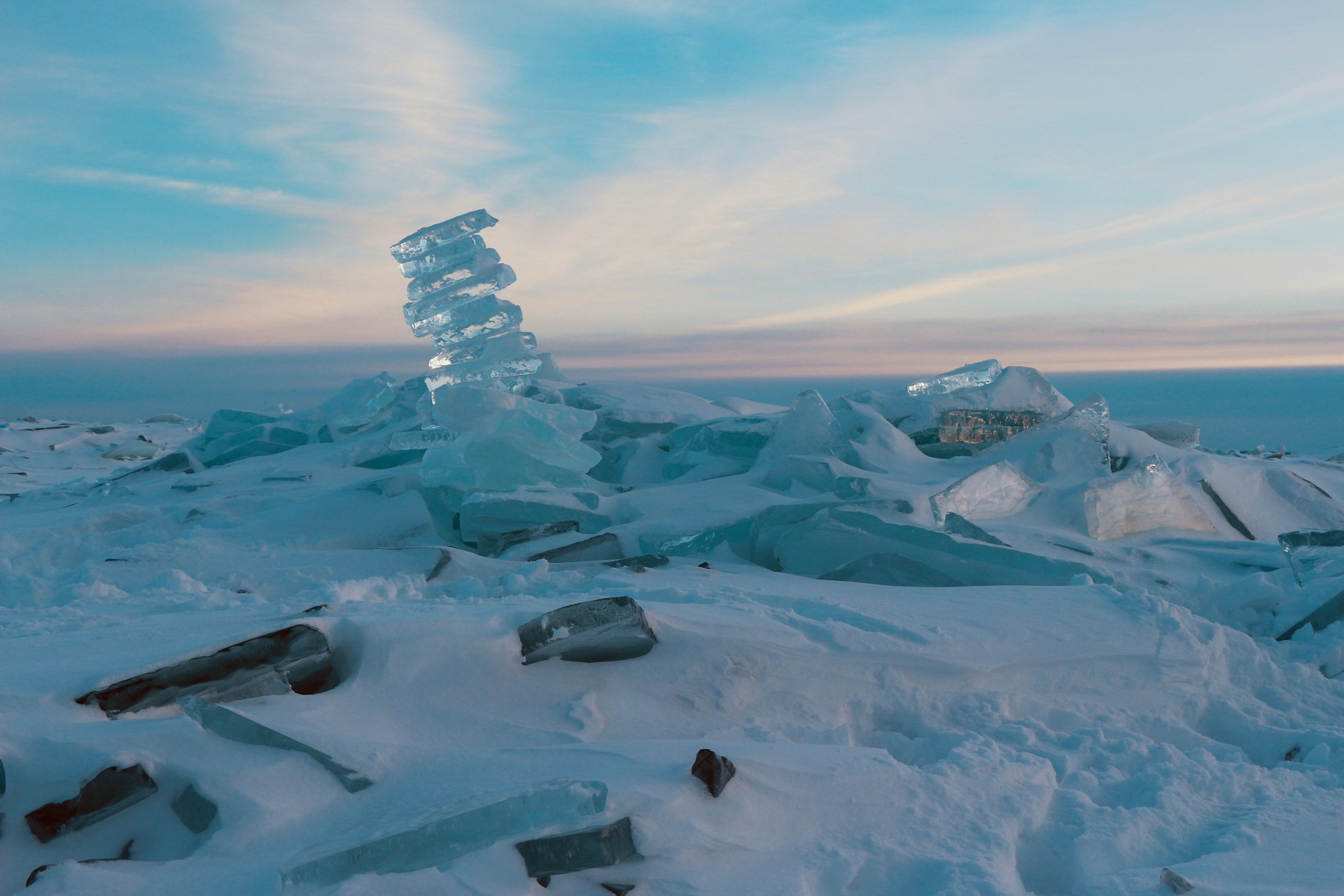
In Arctic regions, ice blocks have been used for centuries to build igloos. The ice acts as both structure and insulation, keeping the interior surprisingly warm compared to outside temperatures.
Modern designers sometimes use large ice bricks for temporary or experimental homes as well.
Bottles
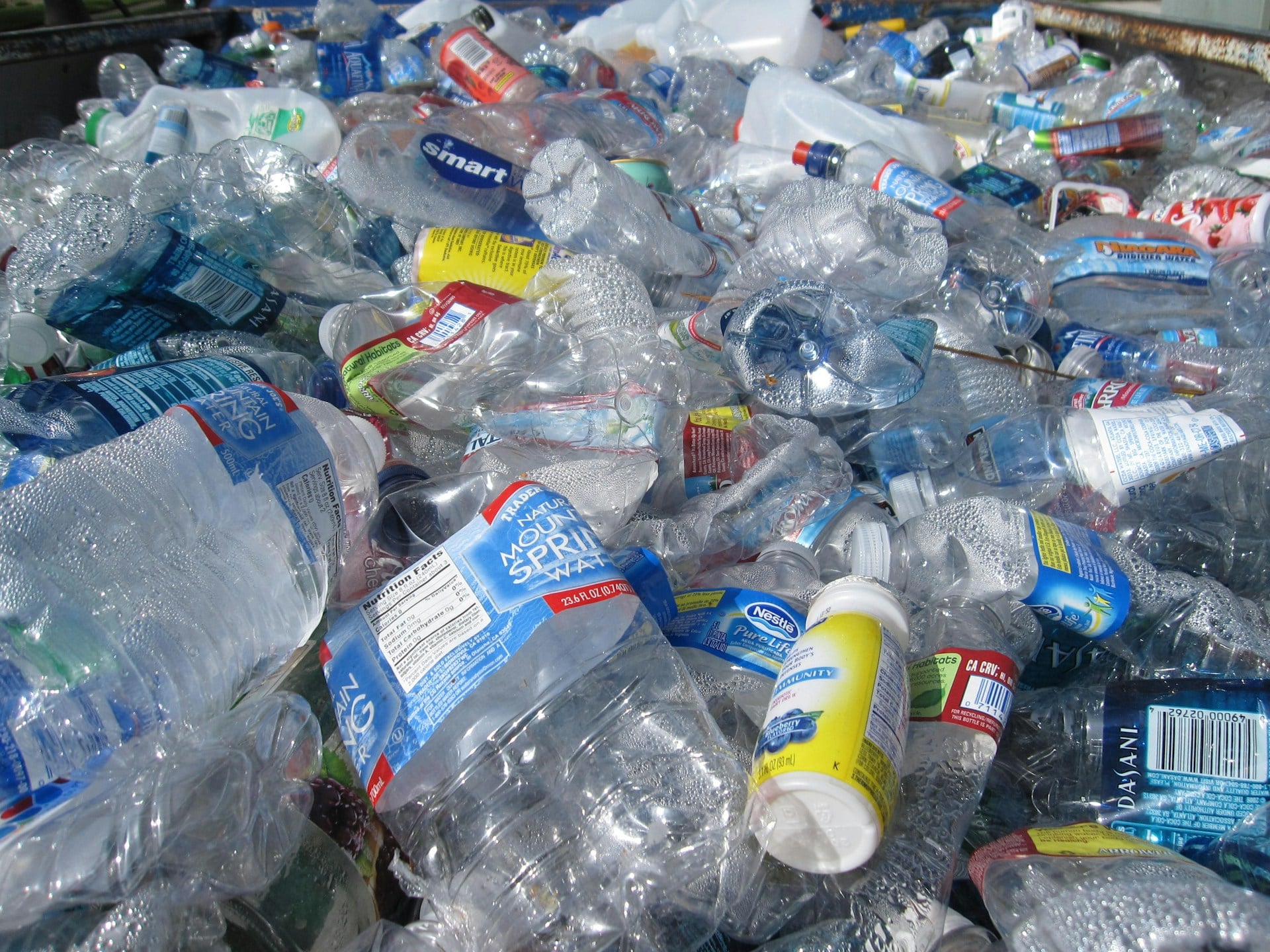
Glass and plastic bottles can be embedded in mortar to form walls that let in light. This method turns trash into a functional building material.
Bottle walls are surprisingly strong and colorful, creating patterns that make a house look unique and bright.
Bamboo
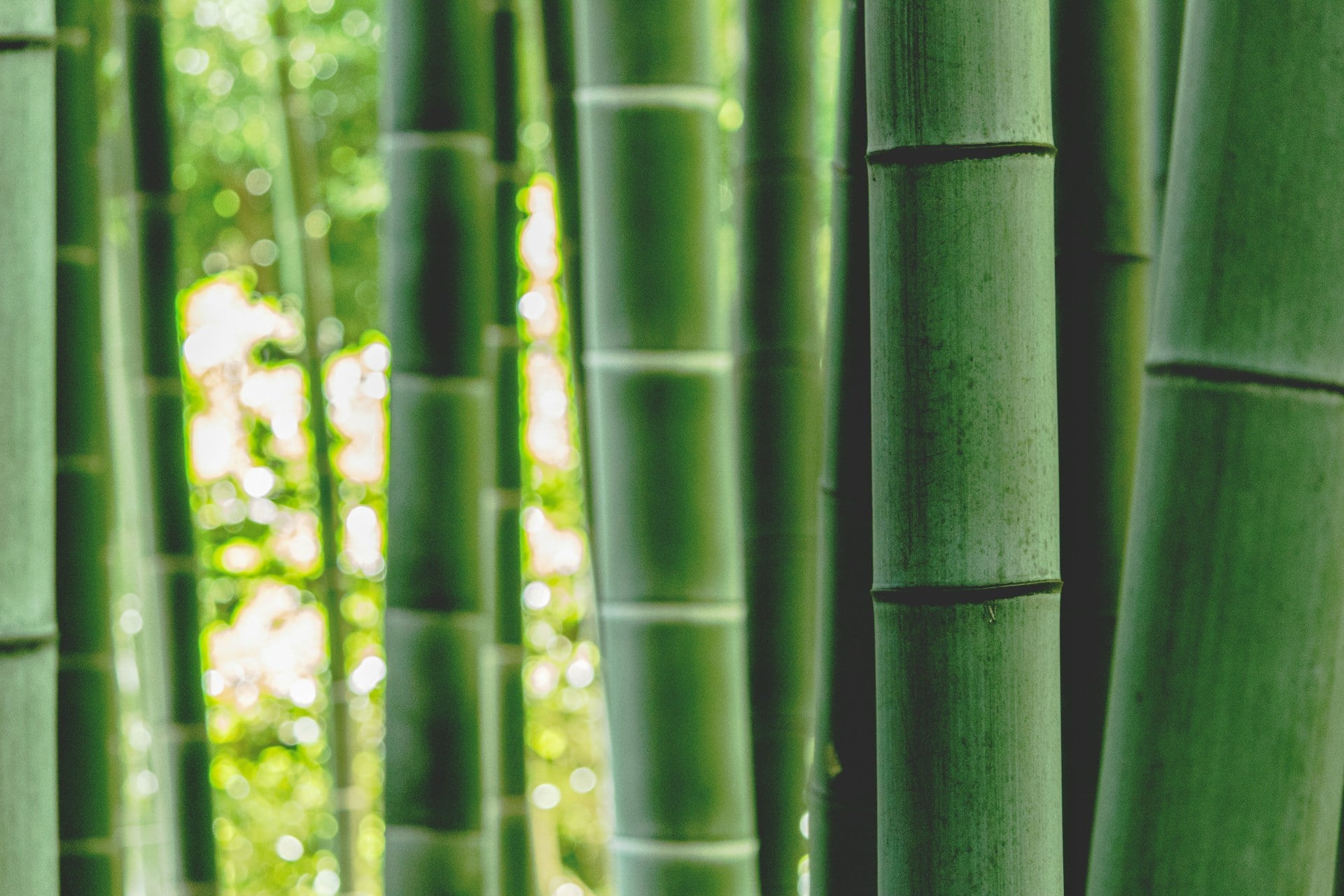
Bamboo grows fast and can be as strong as steel in certain conditions. Many Asian countries use bamboo for homes, bridges, and scaffolding.
Its flexibility makes it ideal for areas prone to earthquakes.
Recycled tires
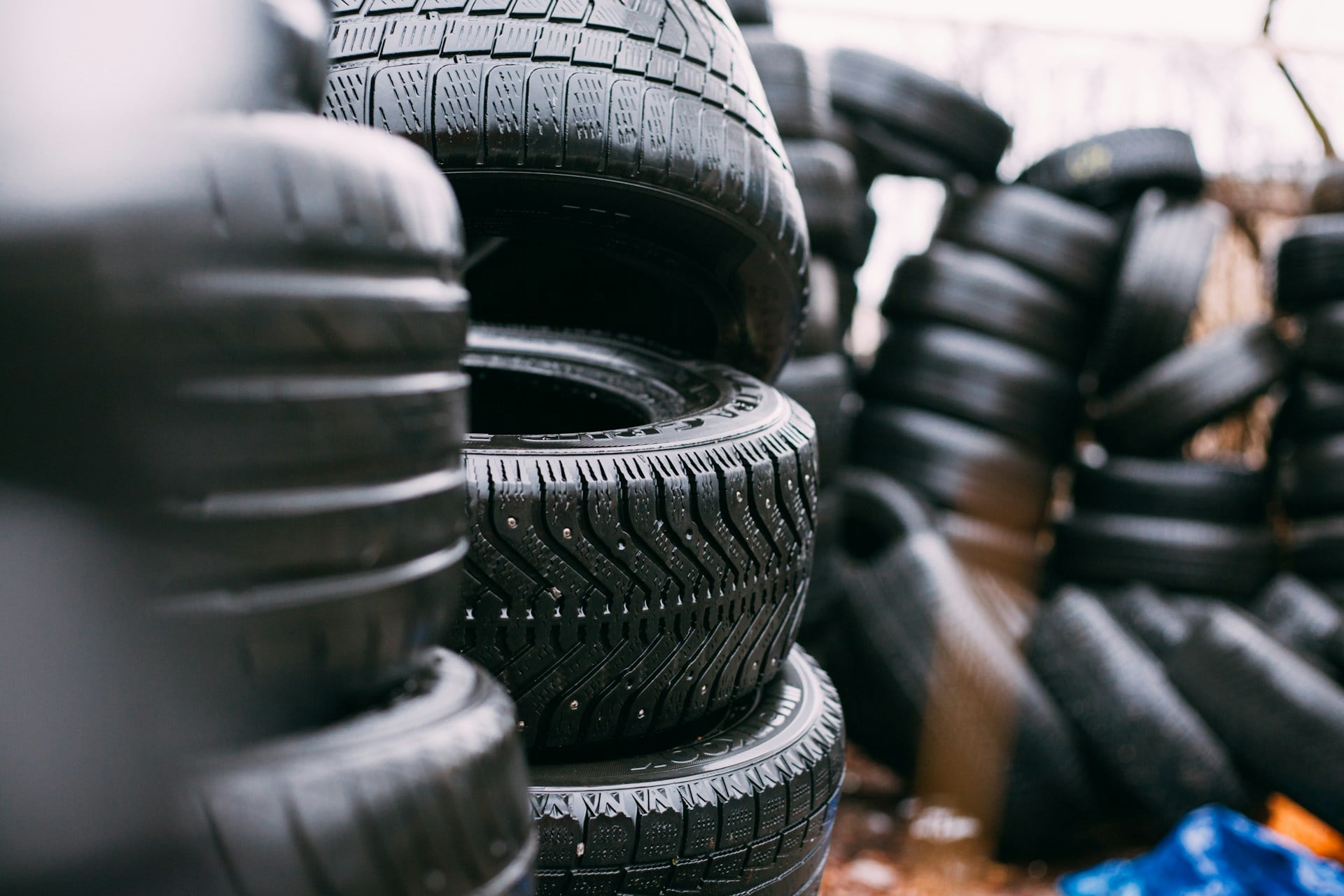
Old tires filled with earth, called earthships, form walls that are heavy and insulating. They are fireproof and resistant to severe weather.
Besides sustainability, earthships have a distinctive look that’s instantly recognizable.
Papercrete
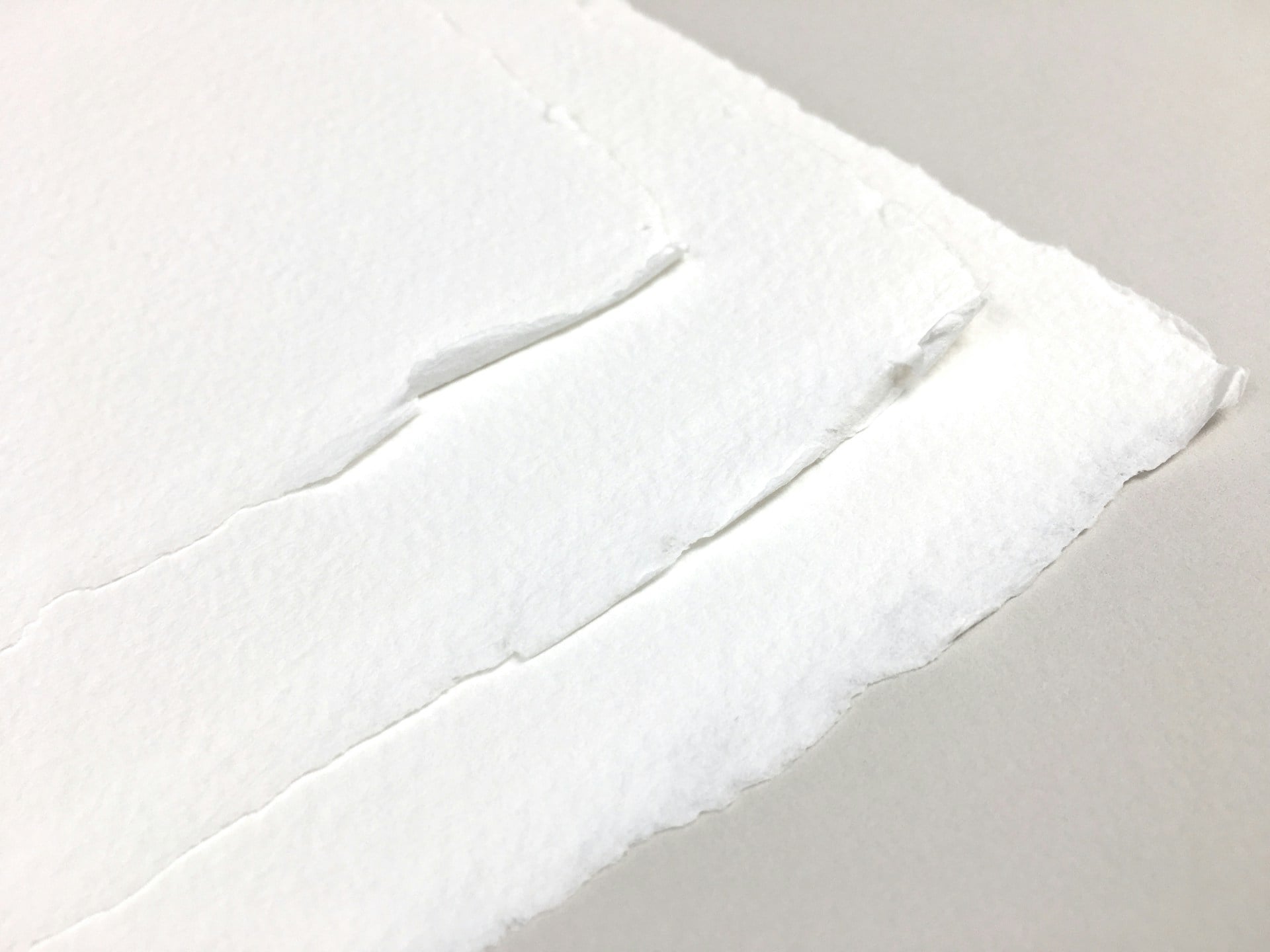
Papercrete is a mixture of paper pulp, water, and cement. It is lightweight, insulating, and easy to mold into unusual shapes.
Builders often use it for walls or small houses, making it a practical choice for eco-conscious designs.
Cob
Cob is a mix of clay, sand, straw, and water. It has been used for centuries and allows builders to sculpt organic shapes.
Cob houses are breathable, fire-resistant, and blend beautifully with natural surroundings.
Seashells
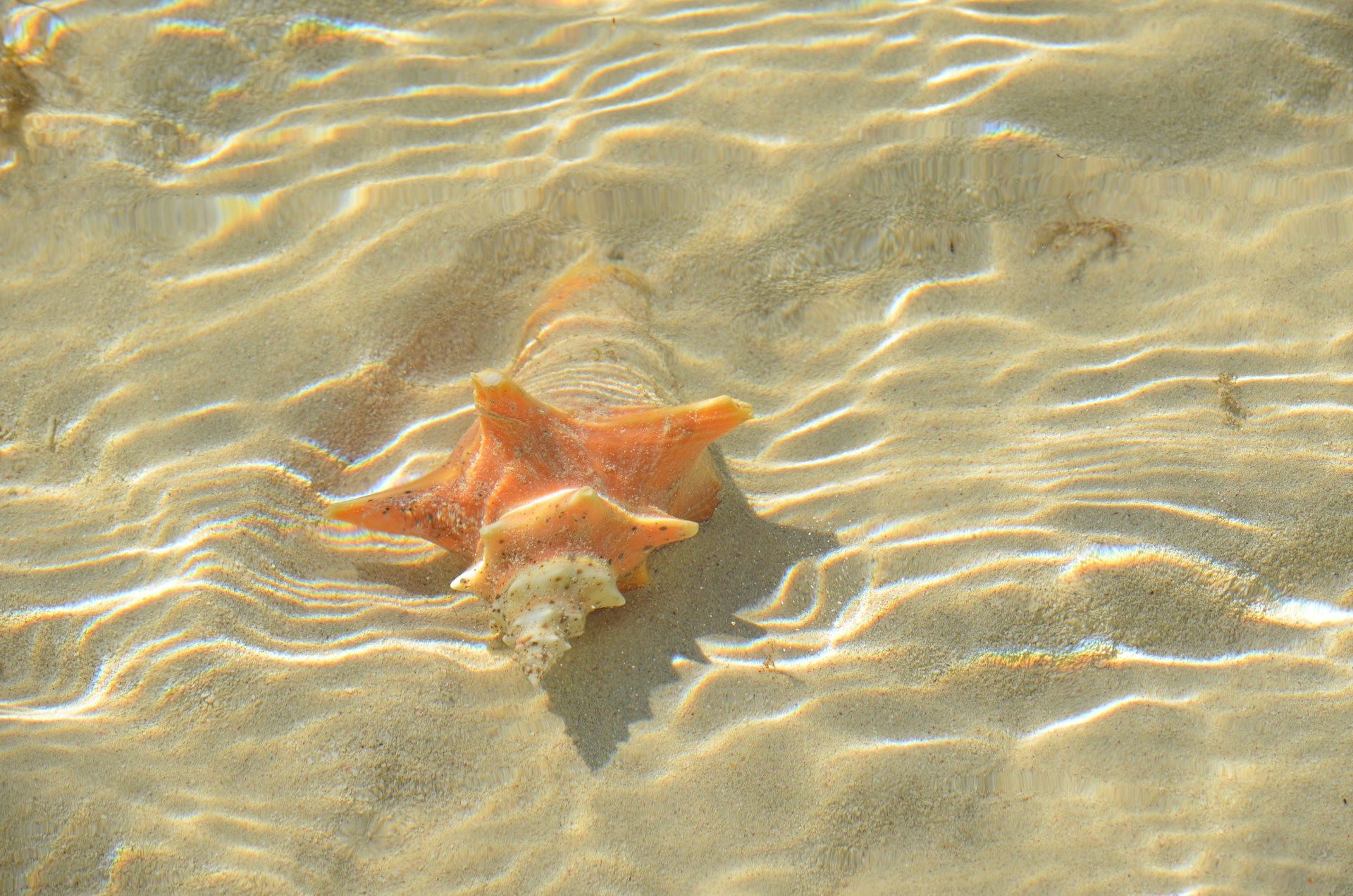
In coastal regions, large seashells have been used as a building material. They are ground into lime or stacked into walls for texture and strength.
Some beachside homes still use this material to keep a connection with the sea.
Paper tubes
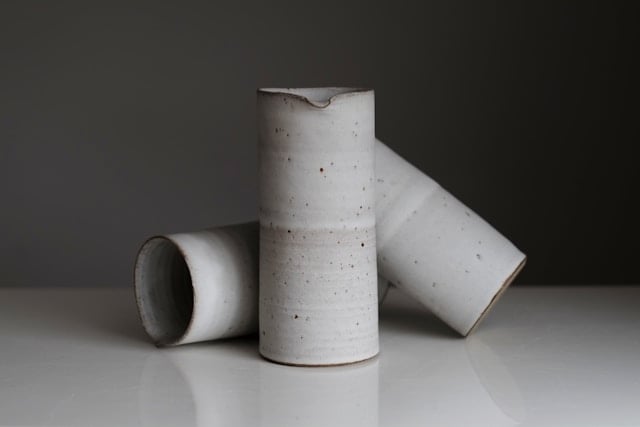
Paper tubes might sound fragile, but when layered and sealed, they can create surprisingly strong walls. Architects sometimes use them for temporary or experimental structures.
They are lightweight, cheap, and fully recyclable.
Cow dung

While it might seem unpleasant, cow dung mixed with mud has been used for thousands of years in rural areas. It keeps walls smooth, pest-free, and cool during hot days.
This material is cheap, renewable, and surprisingly effective.
Icecrete
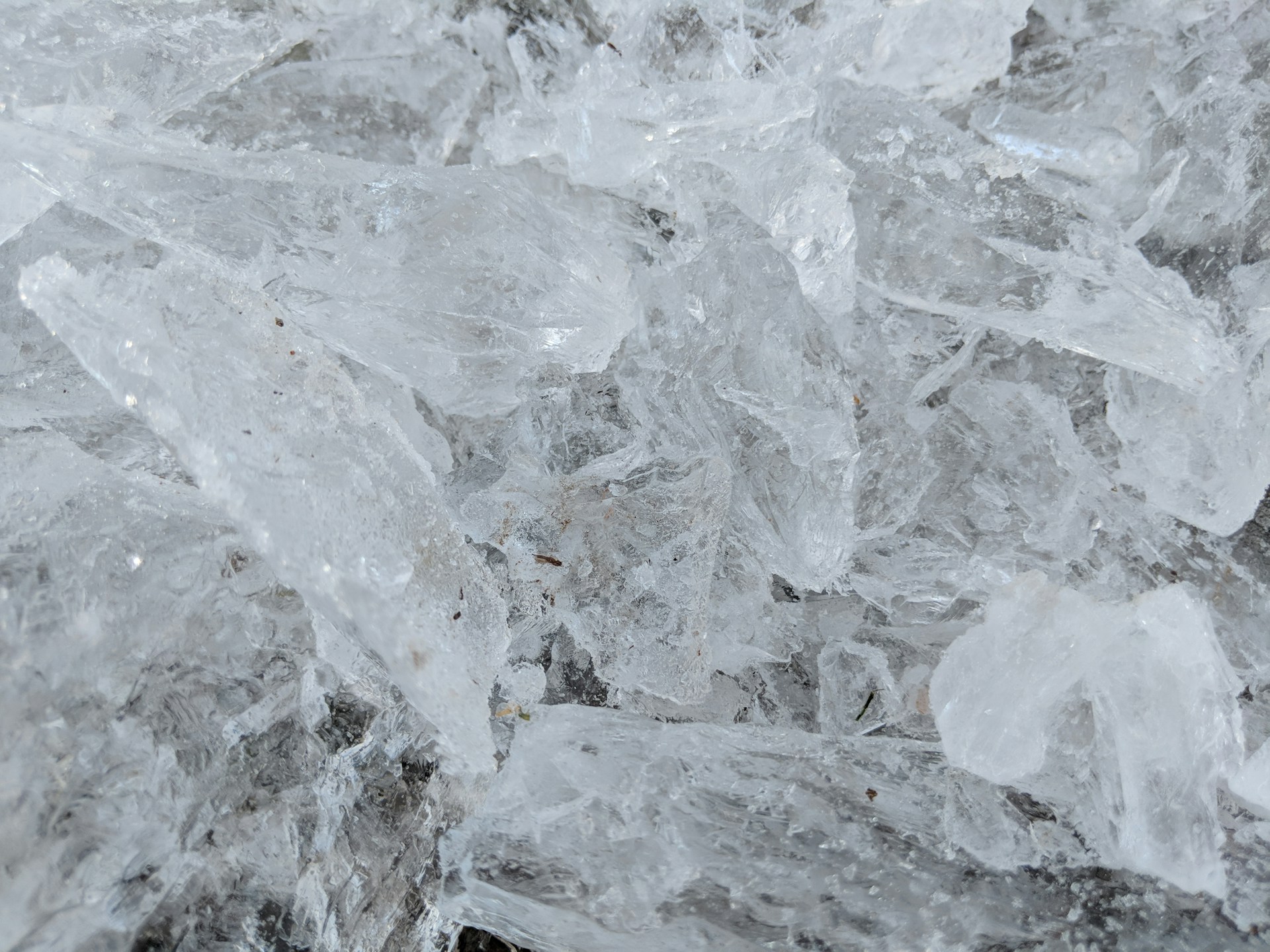
Icecrete combines ice and concrete to make a temporary yet strong material. It can support heavy loads in cold climates until it melts or is replaced.
Some polar research stations use icecrete for emergency or seasonal shelters.
Recycled plastic
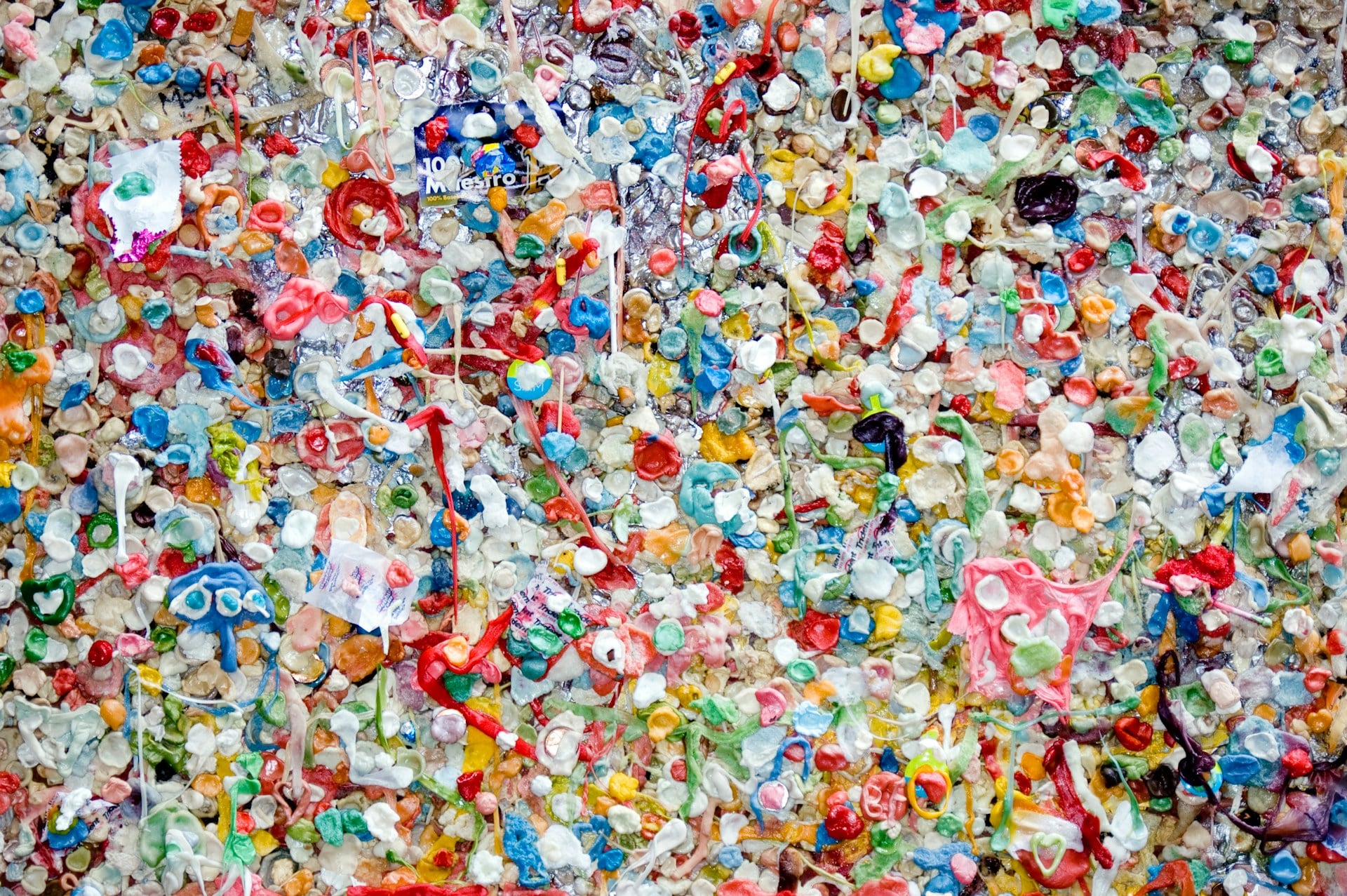
Plastic bottles and bags can be melted or compacted into bricks. These bricks can form walls and furniture, reducing waste while creating durable structures.
Homes built with recycled plastic are popping up in areas that struggle with garbage management.
Mushroom mycelium
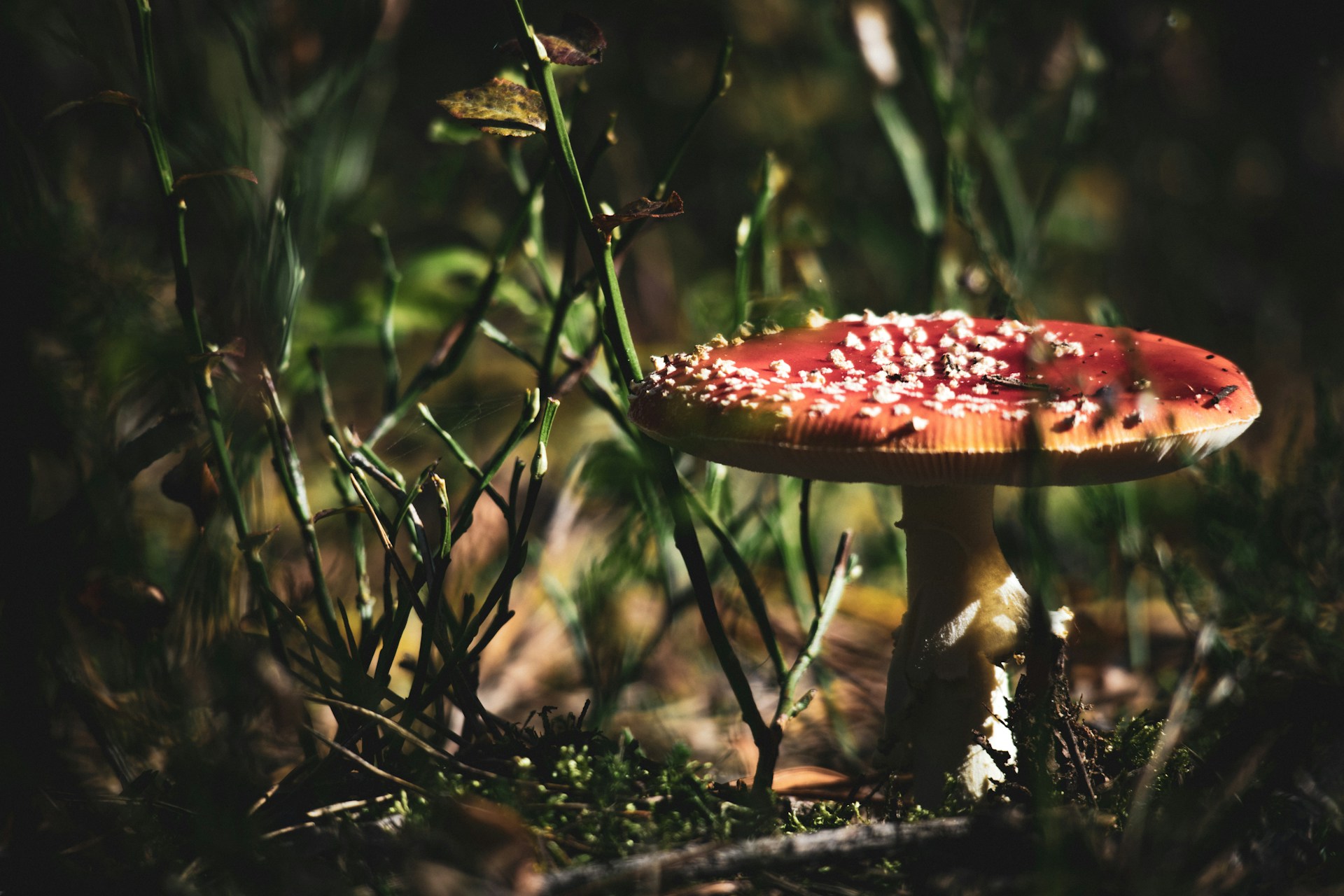
Mycelium, the root structure of mushrooms, can be grown into bricks and panels. Once dried, it becomes lightweight, strong, and fire-resistant.
It’s also fully biodegradable, making it an eco-friendly alternative to conventional materials.
Hempcrete
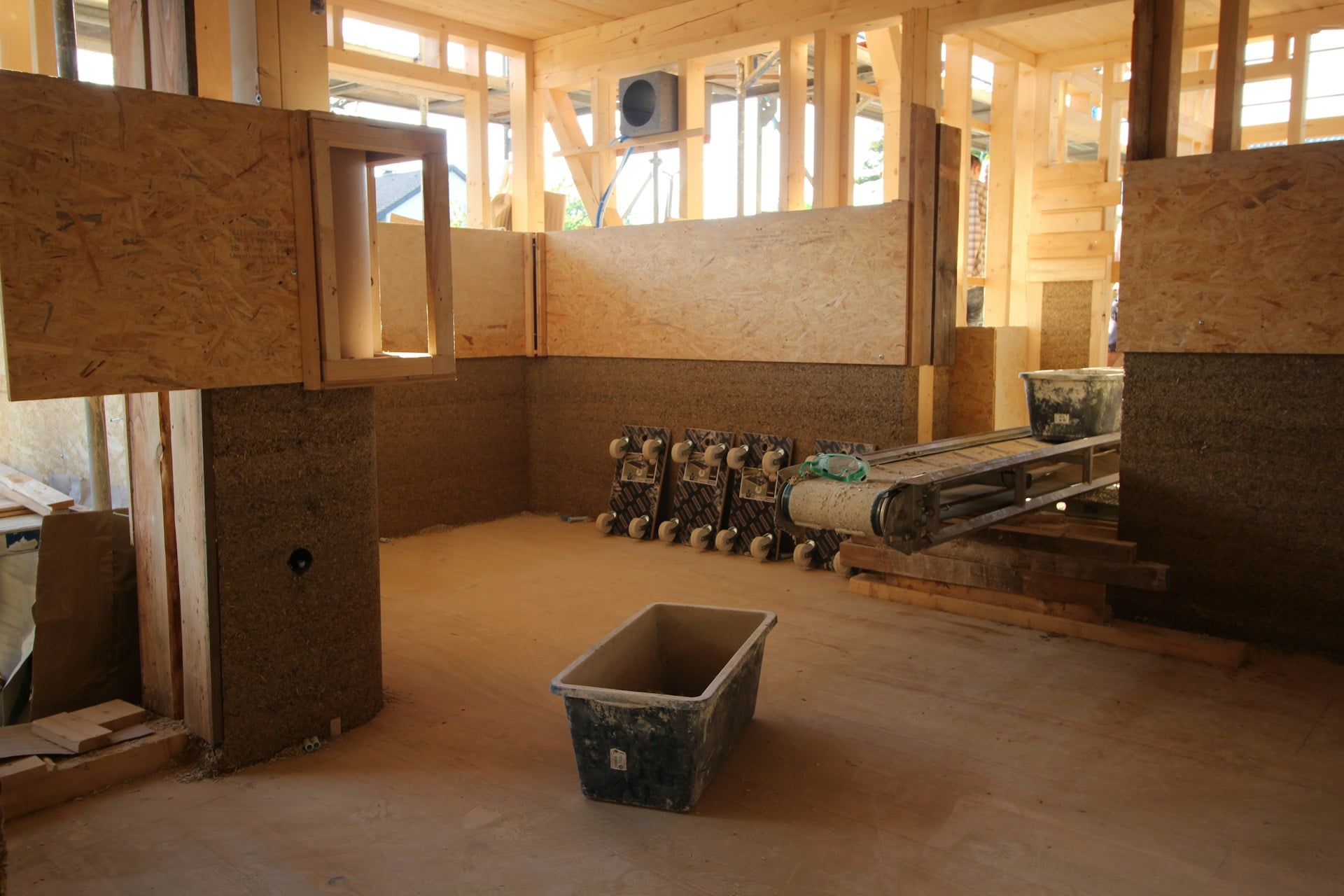
Hempcrete is a mix of hemp fibers and lime. It’s lightweight, insulating, and resistant to mold.
Builders use it for walls and insulation in eco-friendly homes around the world.
Rammed earth
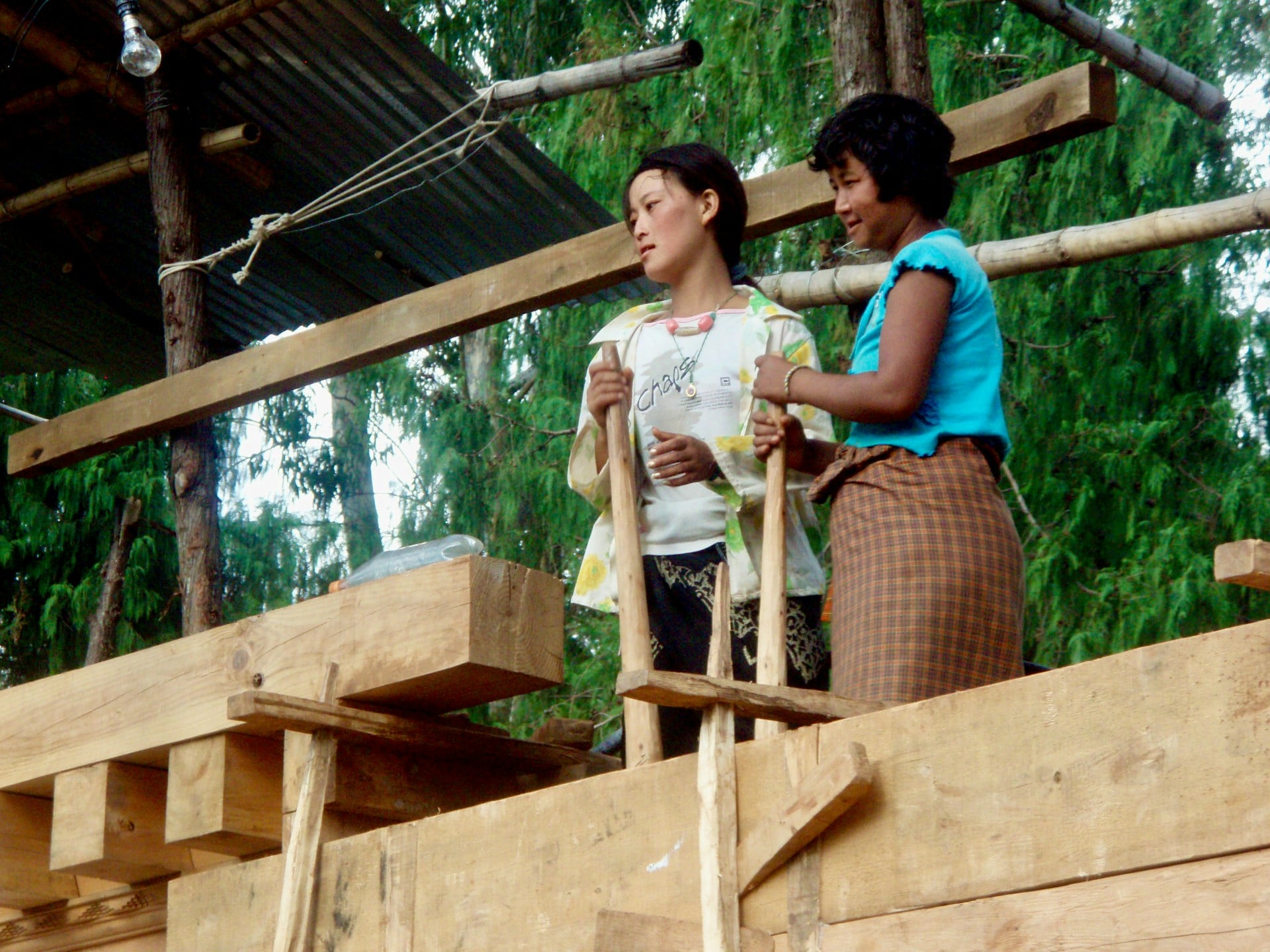
Rammed earth involves compressing layers of soil into solid walls. It’s ancient, strong, and temperature-regulating.
Modern homes use it for both structural walls and decorative features.
Sandbags
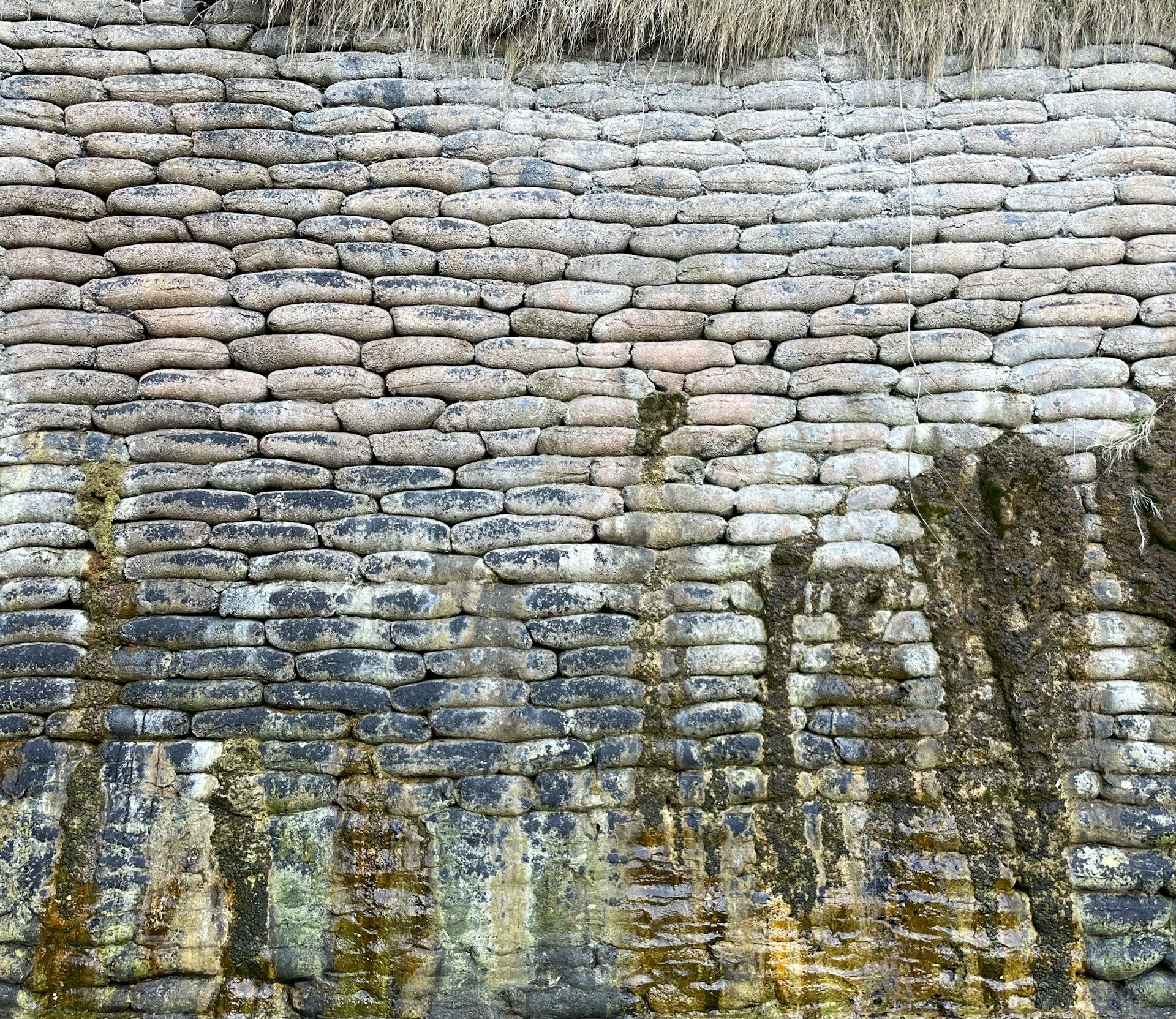
Sandbags can be stacked and plastered to make temporary or emergency homes. They are simple, cheap, and surprisingly effective in flood-prone areas.
In some countries, sandbag houses have even become permanent structures.
Living homes
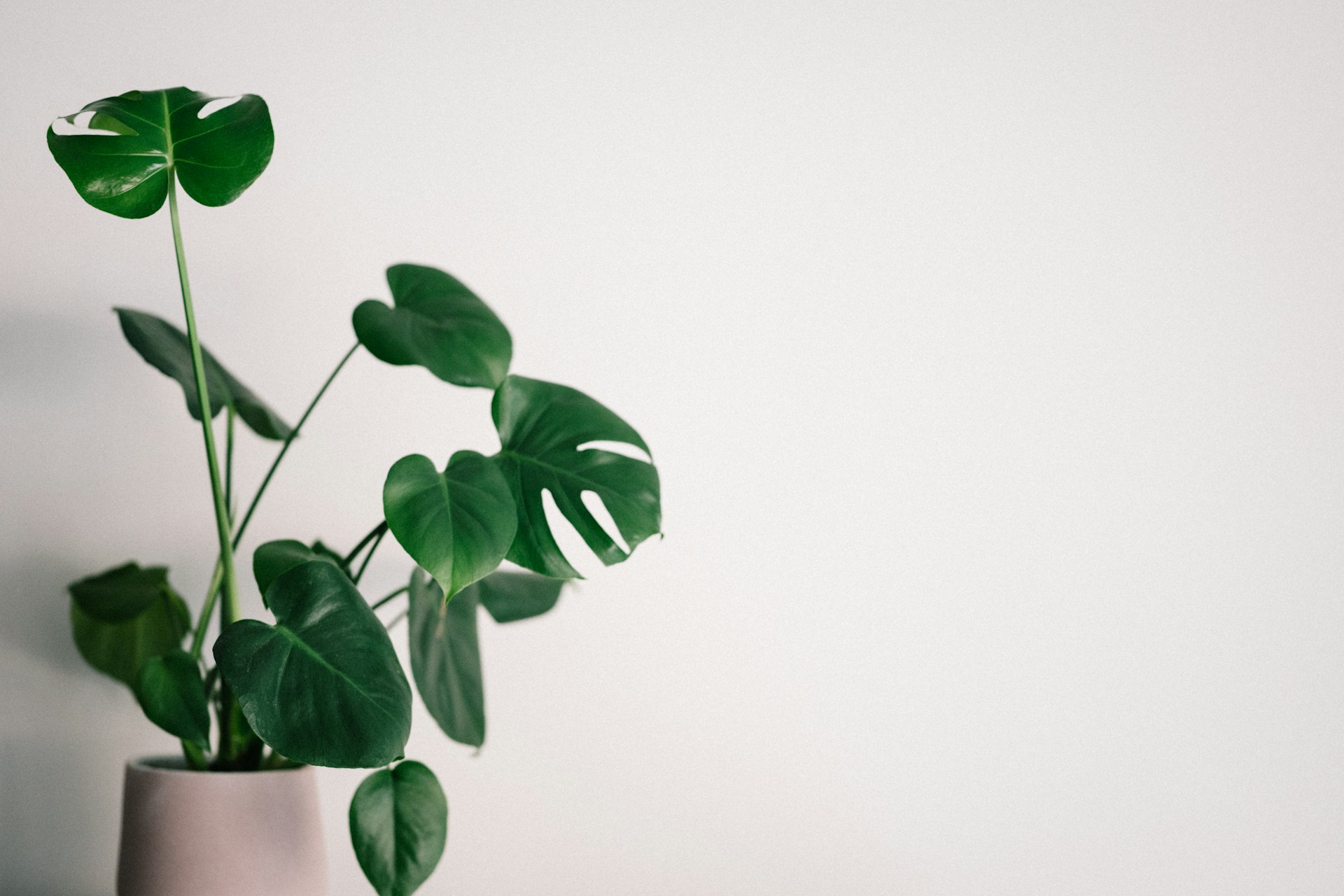
Some architects grow homes from trees or plants, letting roots and vines form natural walls. These homes take years to mature but are fully integrated into their surroundings.
They blur the line between architecture and nature.
When unusual becomes practical
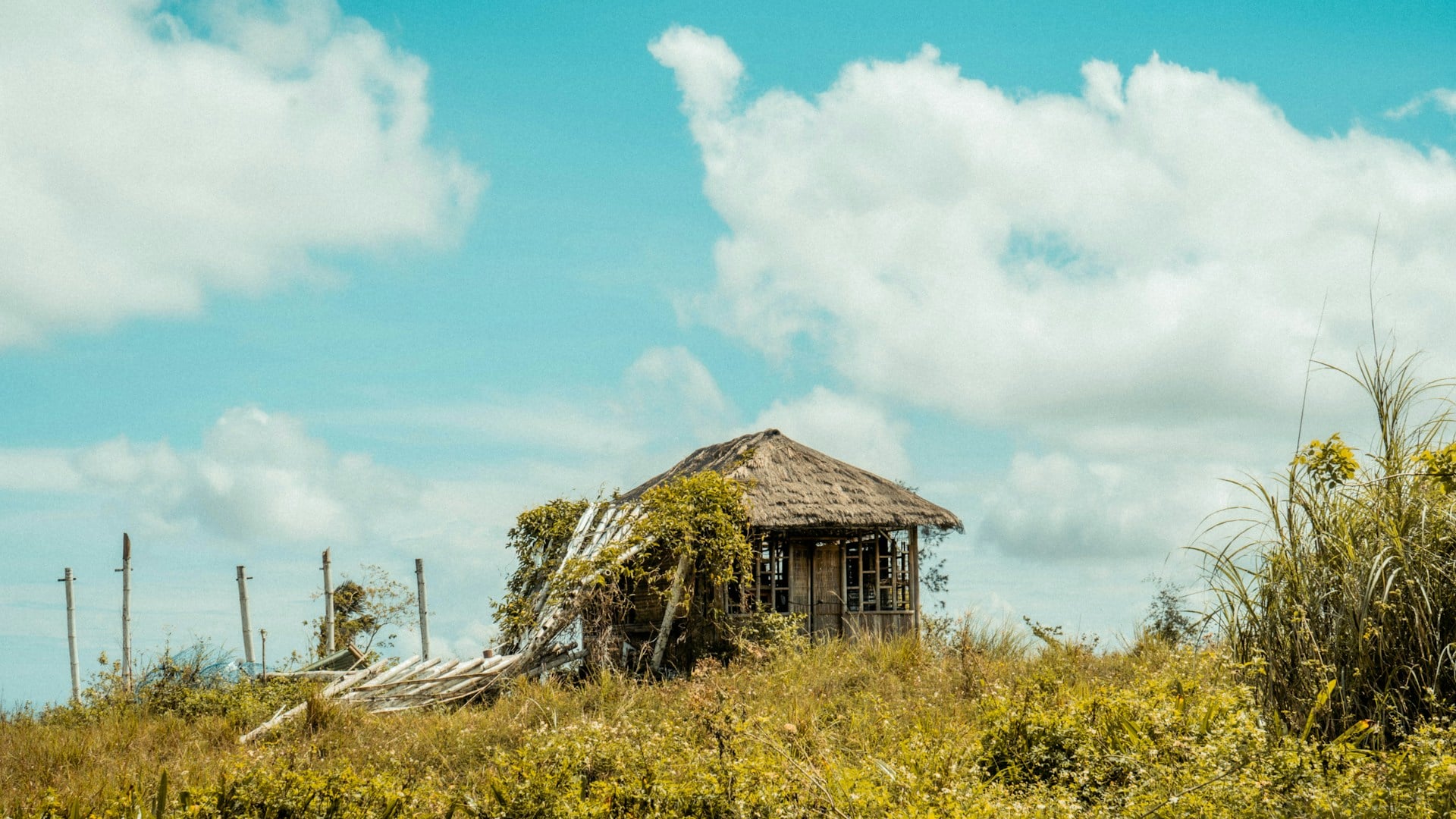
These strange materials show that building a home doesn’t always need bricks and concrete. Many are cheaper, eco-friendly, and surprisingly effective.
They remind people that creativity can turn the simplest materials into a shelter that lasts for years. The oddest homes often combine function with a story worth sharing.
More from Go2Tutors!

- The Romanov Crown Jewels and Their Tragic Fate
- 13 Historical Mysteries That Science Still Can’t Solve
- Famous Hoaxes That Fooled the World for Years
- 15 Child Stars with Tragic Adult Lives
- 16 Famous Jewelry Pieces in History
Like Go2Tutors’s content? Follow us on MSN.