Forgotten Royal Titles Explained
Modern royalty uses familiar titles—kings, queens, princes, dukes. These ranks make sense to most people.
But history overflows with royal titles that have disappeared from use, titles so specific or obscure that even historians occasionally need to look them up. Some described roles that no longer exist.
Others belonged to kingdoms that fell centuries ago. These forgotten titles reveal how complex royal hierarchies once were and how different societies organized power and prestige.
Margrave
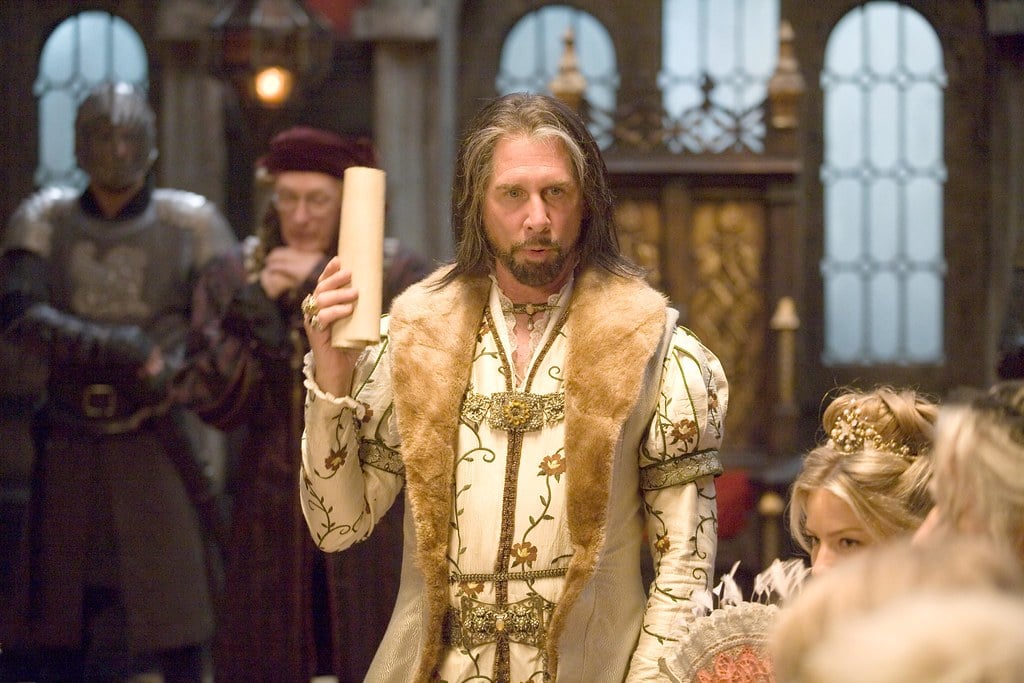
Margraves ruled border territories in medieval Germany and the Holy Roman Empire. The title literally means “border count.”
These weren’t just administrative positions—margraves commanded military forces and defended frontier regions against invasion. The role combined civilian governance with military command, making margraves more powerful than regular counts but below dukes.
Brandenburg had margraves who eventually became kings of Prussia. The title disappeared as European borders solidified and the Holy Roman Empire collapsed.
Modern Germany has no margraves, though some families still use the title as a courtesy. The position made sense when empires had contested borders requiring local military leaders with authority to act independently.
Palatine
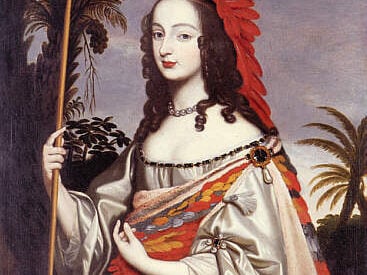
A palatine held authority over a territory called a palatinate, but the title’s meaning varied dramatically by location and era. Some palatines governed provinces.
Others held ceremonial court positions. The Count Palatine of the Rhine ranked among the most powerful nobles in the Holy Roman Empire, even helping elect emperors.
Poland had palatines who acted as provincial governors. Hungary used the title for high-ranking nobles with judicial authority.
The term comes from “palace,” reflecting these officials’ close connection to royal courts. Most palatinates disappeared during 19th-century European unification and the redrawing of borders after various wars.
The title survives mainly in historical records and the occasional noble family tree.
Hospodar
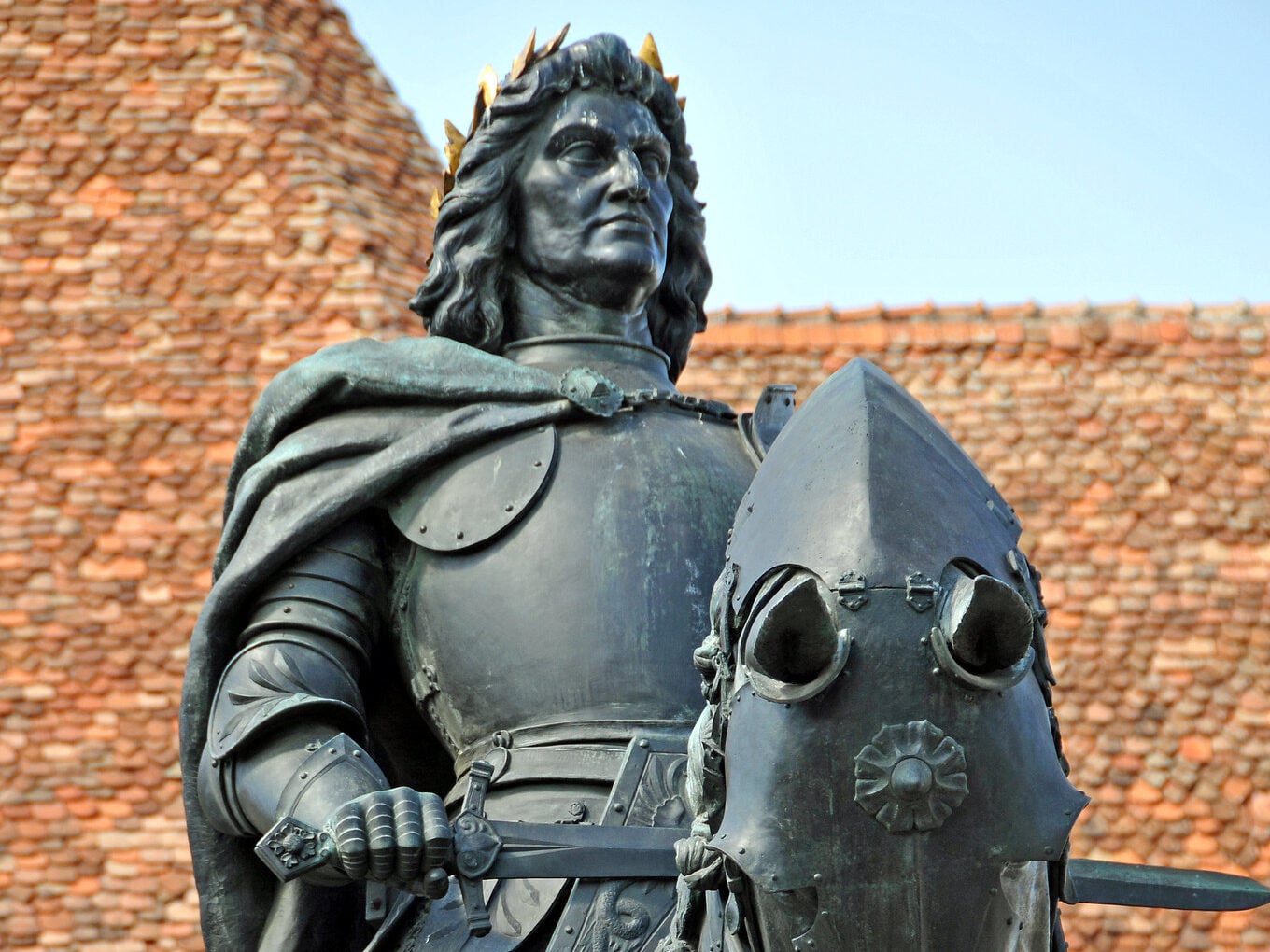
Hospodar was the title for rulers of Moldavia and Wallachia, principalities in what is now Romania. The term comes from a Slavic word meaning “lord” or “master.”
Hospodars governed semi-autonomous territories within the Ottoman Empire, paying tribute to the sultan while maintaining local control. The position required diplomatic skill.
Hospodars balanced Ottoman demands against local interests while fending off interference from neighboring powers. The title ended in the 19th century when Moldavia and Wallachia united to form Romania.
These rulers navigated complex political situations that make modern diplomatic challenges look straightforward.
Basileus
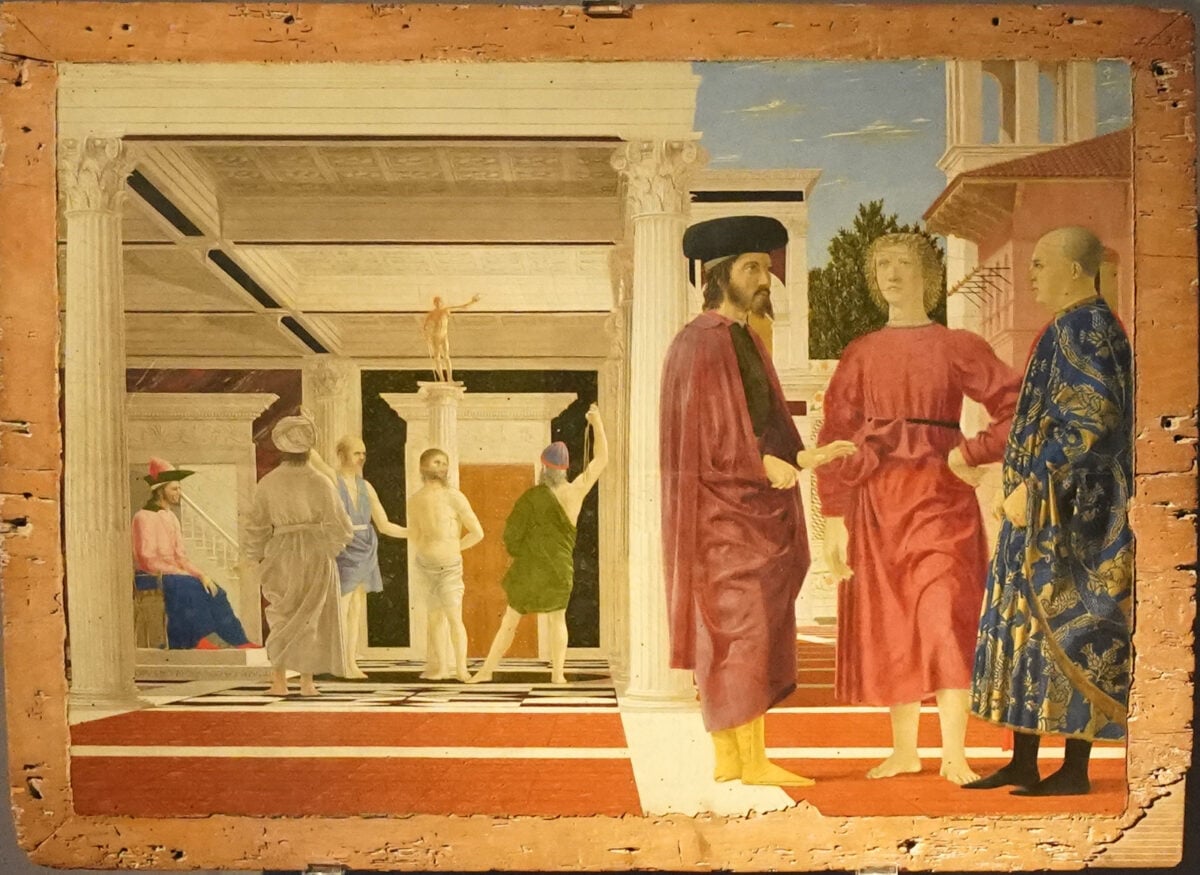
Ancient Greek city-states used basileus for kings, but the term’s meaning shifted over time. Byzantine emperors adopted basileus as their primary title, emphasizing their connection to Greek heritage rather than Roman traditions.
The title carried religious connotations—Byzantine basileis saw themselves as God’s representatives on Earth. The word appears in ancient texts with varying meanings, from tribal chiefs to absolute monarchs.
After Constantinople fell in 1453, the title disappeared from active use. Greek kings in the modern era used different terminology.
Basileus remains important for understanding ancient and medieval history, but you won’t find anyone using it as an actual title today.
Burgrave
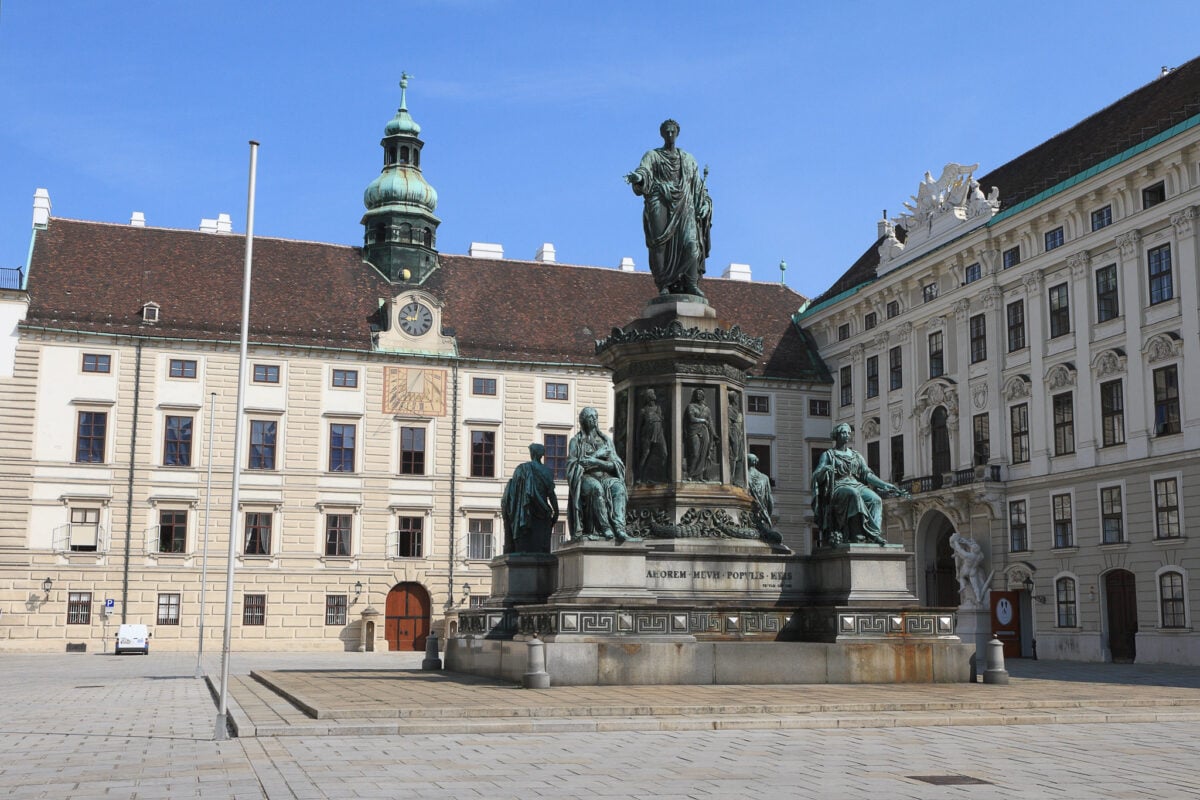
Burgraves commanded castles and the surrounding territories in medieval Germany. The title translates roughly to “castle count.”
These officials collected taxes, administered justice, and maintained fortifications. Some burgraves held hereditary positions that passed through family lines.
Others served at the emperor’s pleasure and could be removed. The most famous burgraves ruled from Nuremberg, eventually becoming electors of the Holy Roman Empire and later kings of Prussia.
As castles became less militarily important and administrative systems modernized, the position became obsolete. A few German noble families retain burgrave as part of their historical titles, but the actual role vanished centuries ago.
Exarch
The Byzantine Empire created exarchs to govern distant territories. These weren’t just provincial administrators—they wielded military and civilian authority, essentially serving as viceroys.
The Exarchate of Ravenna in Italy and the Exarchate of Africa operated with considerable independence from Constantinople. Exarchs needed this autonomy because communication with the capital took weeks or months.
They made decisions in the emperor’s name without waiting for approval. The system worked until external pressures and internal conflicts weakened Byzantine control.
The exarchates fell to invaders, and the title disappeared. It represented an interesting solution to governing far-flung territories before modern communications technology.
Grand Duke
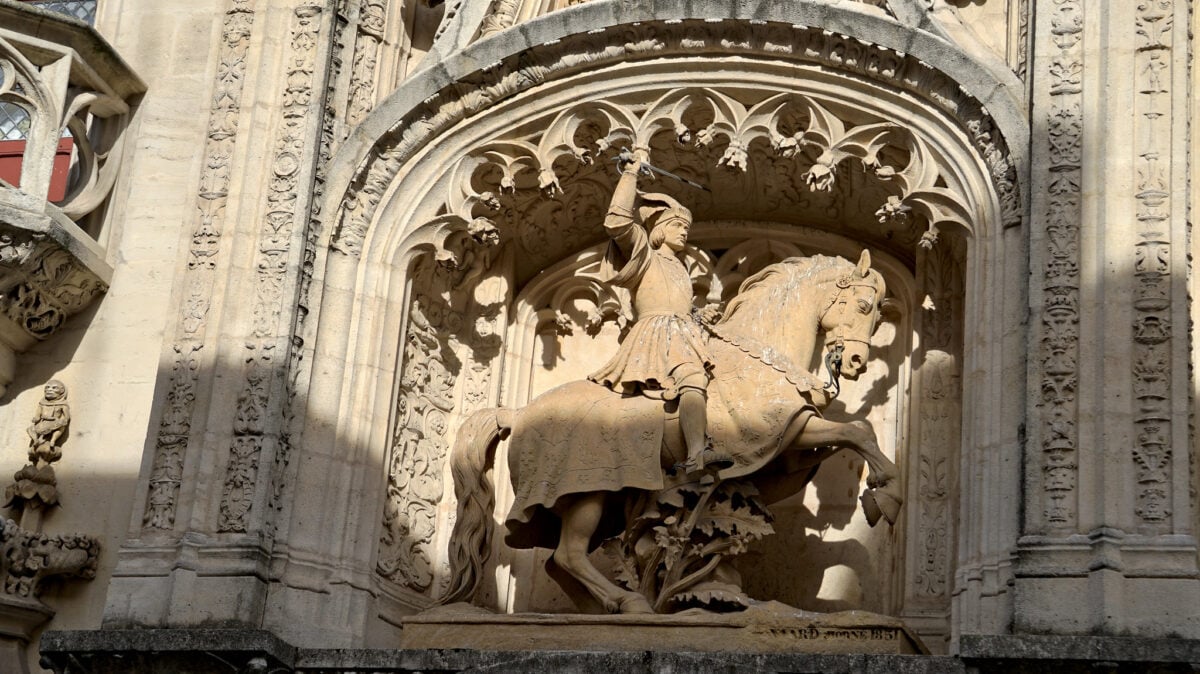
Grand dukes ranked above regular dukes but below kings. The title appeared in various European countries with different levels of prestige.
Russia had grand dukes as members of the imperial family. Luxembourg’s ruler uses “Grand Duke” as their primary title to this day, making it one of the few surviving examples.
Several German states had grand dukes until World War I ended the monarchy. Tuscany had grand dukes until Italian unification.
The title filled a gap in the aristocratic hierarchy for rulers who controlled significant territory but didn’t quite merit calling themselves kings. Most grand duchies either became kingdoms, got absorbed into larger nations, or disappeared entirely.
Tsar
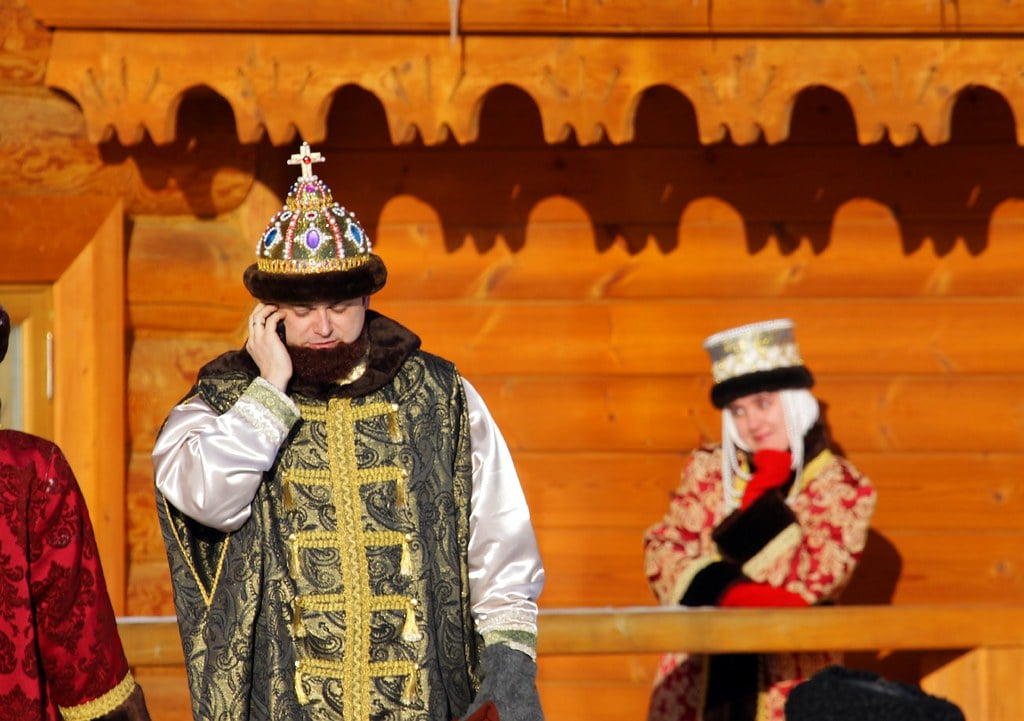
Tsar derives from Caesar and signified emperors of Russia and Bulgaria. Russian rulers adopted the title to claim succession to the Byzantine Empire after Constantinople fell.
The term conveyed absolute authority and religious sanction—tsars ruled by divine right. Bulgaria used tsar earlier than Russia, and Bulgarian rulers returned to the title in the early 20th century.
The Russian Revolution ended the tsarist system in 1917, and Bulgaria abolished its monarchy in 1946. The title carries enormous historical weight, associated with both imperial grandeur and autocratic repression.
Nobody holds the title now, but it remains instantly recognizable.
Voivode
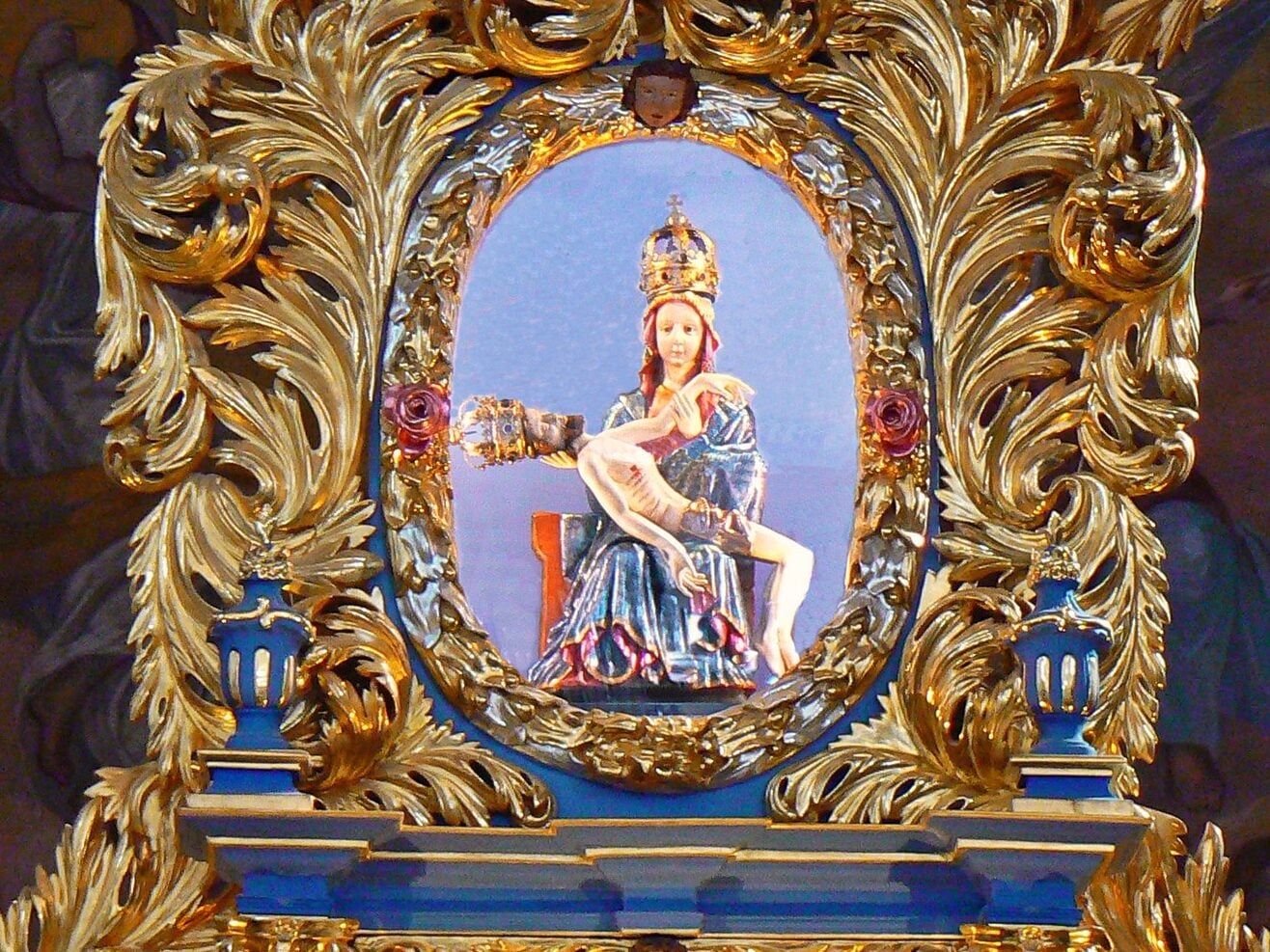
Voivode means “warlord” in Slavic languages and described military commanders who became regional rulers. The title appeared across Eastern Europe—Poland, Hungary, Serbia, and the Romanian principalities all had voivodes.
Their authority varied from military command to provincial governance. Vlad the Impaler, famous as the inspiration for Dracula, was Voivode of Wallachia.
The title emphasized martial strength and leadership. As European administrative systems modernized, voivode gradually disappeared from official use, though some regions kept it as an honorary title.
The term captures an era when military prowess and political power were inseparable.
Landgrave
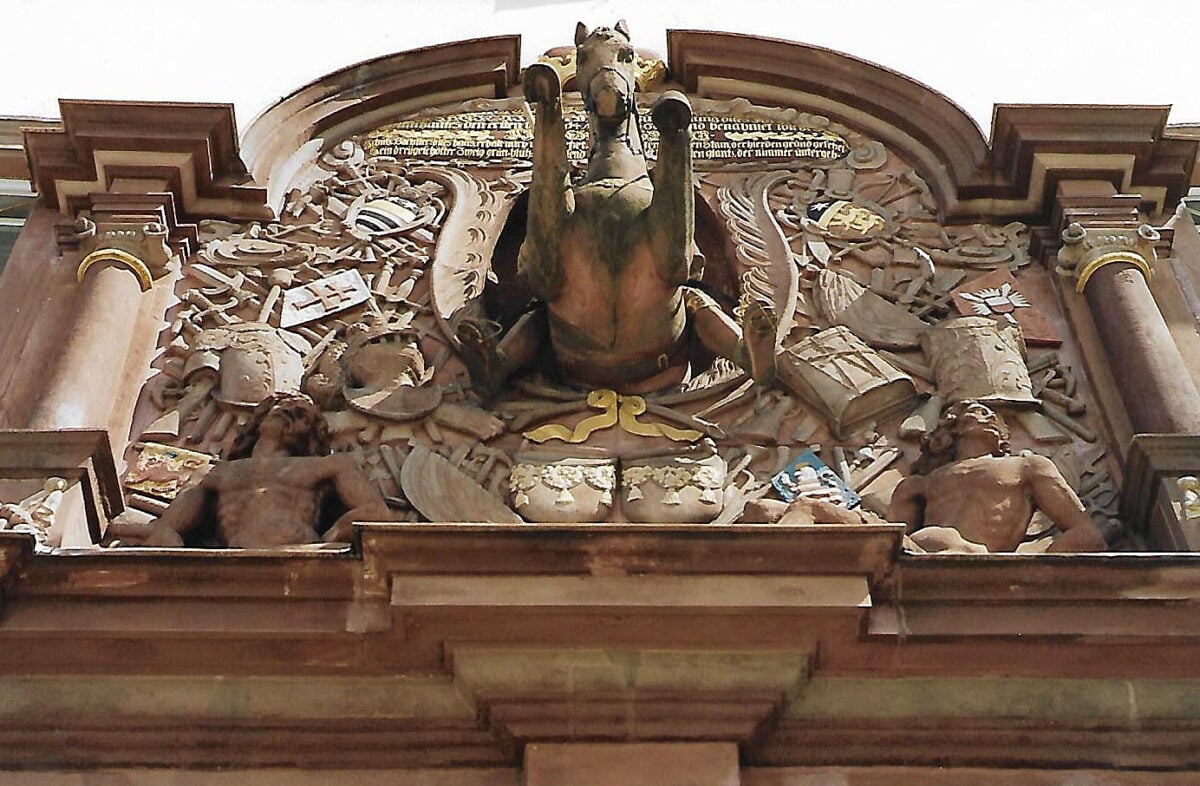
Landgraves ruled territories in the Holy Roman Empire, roughly equivalent to counts but with greater independence. The title meant “land count” and distinguished these nobles from regular counts who might govern smaller areas.
Hesse and Thuringia had powerful landgraves who played significant roles in German politics. The title disappeared when the Holy Roman Empire dissolved and German states reorganized.
Some families maintain landgrave in their titles, but it’s purely historical. The position represented a specific level in the intricate hierarchy of German nobility that no longer exists in a world of simplified governmental structures.
Despot
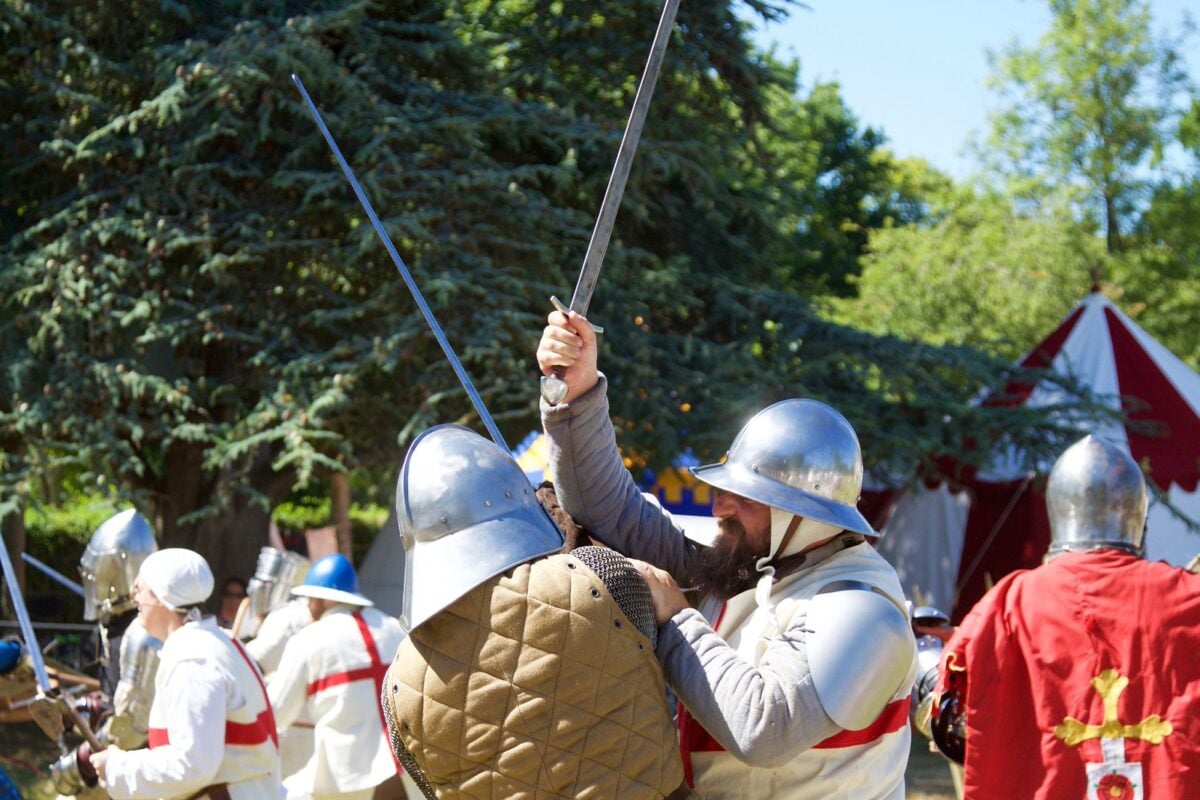
In medieval times, despot was actually a prestigious title in the Byzantine Empire and neighboring regions. It didn’t mean “tyrant”—that negative connotation came later.
Despots governed provinces with considerable authority, similar to exarchs but often with hereditary rights. Serbia had despots who ruled semi-independently while acknowledging Byzantine overlordship.
The title gradually fell out of use as the Ottoman Empire conquered these territories. Modern usage of “despot” as a negative term has completely overshadowed its original meaning as a legitimate royal title.
This linguistic evolution shows how dramatically word meanings can shift.
Electorate
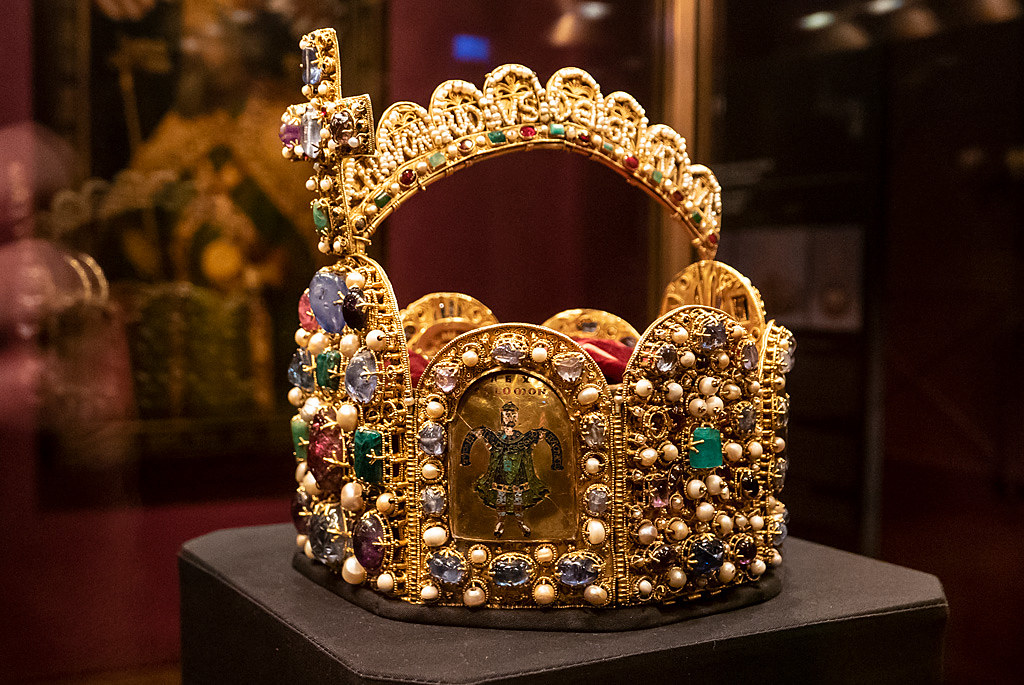
An elector wasn’t exactly a title like king or duke—it described a role. Electors in the Holy Roman Empire had the right to choose the emperor.
Only seven initially held this privilege, later expanded to nine. Being an elector brought enormous political influence even if your territory wasn’t the largest or wealthiest.
The electors included archbishops and secular rulers. This system attempted to prevent the empire from becoming a hereditary monarchy, though in practice, the same families often secured election.
Napoleon’s reorganization of Germany eliminated the Holy Roman Empire and the electoral system. The concept of electing monarchs survives in some places, but the specific title and system are gone.
Ban
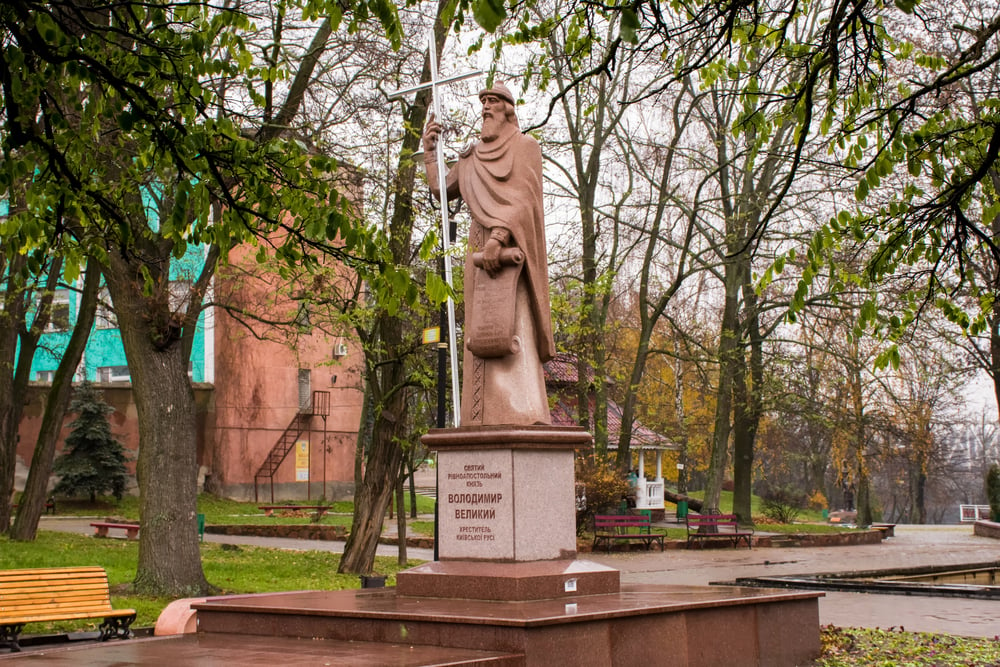
Ban was the title for rulers of Croatia and other South Slavic territories. The position combined military command with civilian governance.
Bans reported to Hungarian kings for much of Croatian history but exercised substantial local control. The title remained in use longer than many others on this list, lasting until World War I.
Bans defended borders, collected taxes, and administered justice. The role required military skill and political acumen.
When Austria-Hungary collapsed, the kingdom of Croatia disappeared and the title of ban went with it. The term appears frequently in Croatian historical records and remains part of the national historical consciousness.
Khedive
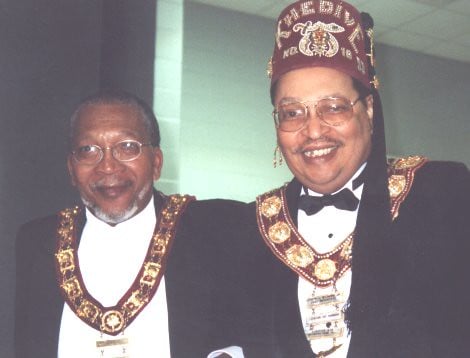
Khedive meant leader of Egypt when it was loosely controlled by the Ottomans during the 1800s and early 1900s. They gave this name to Muhammad Ali’s family, sort of acknowledging they ran things on their own – yet still pretending the Ottoman Empire was in charge.
These leaders had real power locally, updated systems across the nation, also pushed big efforts such as building the Suez Canal. The title sat in an odd political spot – khedives weren’t fully self-ruling, yet held more power than regular regional leaders.
Because Britain tightened its grip on Egypt, things got even messier. After Britain made Egypt a protectorate in 1914, the ruler shifted from khedive to sultan, then eventually took the label “king.”
The term khedive reflects one unique phase in Egypt’s tangled journey from Ottoman rule toward becoming its own country.
Where Titles Go to Rest

Those forgotten titles aren’t just weird old relics. Still, they reveal how authority worked, where borders shifted, while systems of rule evolved.
A margrave made sense near unstable frontiers. As colonial conflicts rose, roles such as the khedive became more common.
Each title carried weight back in the day – location and era decided its purpose. When changes hit, most of these titles vanished quietly.
Understanding their meaning reveals shifts in power systems through history. Today’s monarchies grew from messy arrangements that originally showed who was really in charge
More from Go2Tutors!

- The Romanov Crown Jewels and Their Tragic Fate
- 13 Historical Mysteries That Science Still Can’t Solve
- Famous Hoaxes That Fooled the World for Years
- 15 Child Stars with Tragic Adult Lives
- 16 Famous Jewelry Pieces in History
Like Go2Tutors’s content? Follow us on MSN.