Luxury Designers Who Quit Their Own Brands
A compelling origin story is highly valued in the fashion industry.
A forward-thinking designer creates a label, sketches their ideas, and starts an empire from nothing.
However, when success comes with a cost, the fairy tale becomes more complicated.
Private equity firms and luxury conglomerates have been circling independent labels more and more over the past three decades, making offers that promise international expansion but have conditions attached.
The brand that bears a designer’s name frequently becomes the property of someone else through licensing agreements or majority equity sales, and the designer becomes an employee of their own company.
It sounds dramatic, if not unthinkable, to abandon the brand you have built.
However, it occurs more frequently than most people think, and typically for reasons that are more related to losing control than creative burnout.
Here’s a closer look at the reasons behind some of the most significant designers in fashion abandoning their namesake labels.
When Your Name Isn’t Yours Anymore
The moment a designer sells their brand, they’re essentially handing over their identity as intellectual property.
It’s not just the logo or the designs that transfer ownership.
The designer’s actual name becomes a trademark controlled by investors, conglomerates, or private equity groups.
In some cases, designers have been legally barred from using their own names on future ventures.
Joseph Abboud couldn’t use his name for nearly a decade after selling his menswear brand.
The arrangement works smoothly until creative visions clash with profit margins, which they inevitably do.
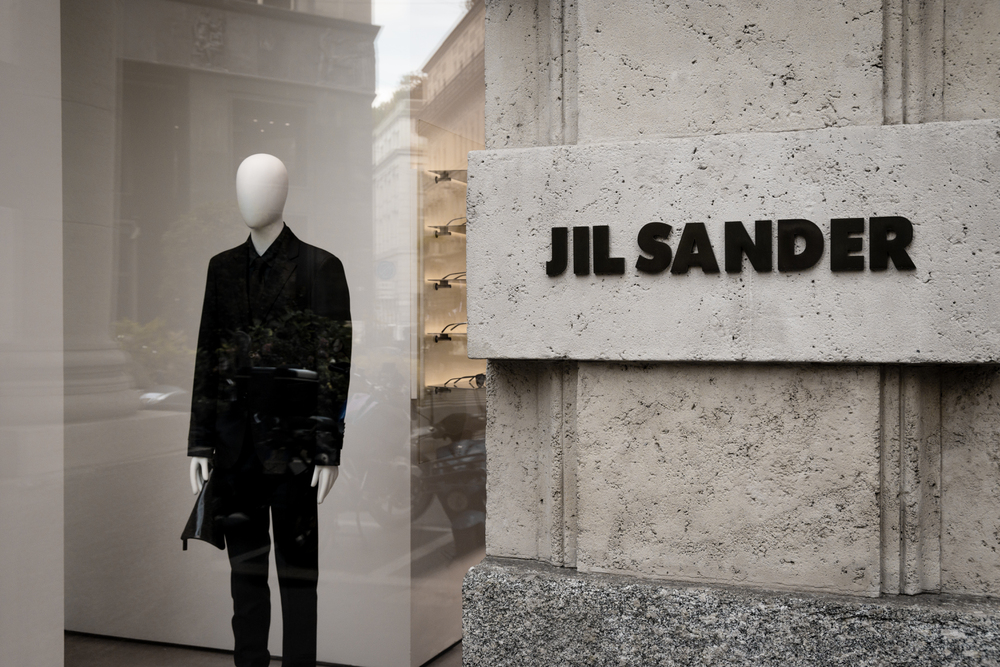
Jil Sander experienced this tension repeatedly throughout her career.
After founding her minimalist label in Hamburg in 1968, she sold a 75% stake to Prada Group in 1999, only to leave in 2000 citing incompatible views with management.
She returned in 2003, left again in 2004, came back briefly in 2012, and departed permanently in 2013.
Each exit stemmed from the same fundamental issue: creative autonomy versus corporate expectations.
When someone else owns your name, they also own the final say on what that name represents.
The brand has since found new life under the creative direction of Luke and Lucie Meier, who’ve successfully revived its minimalist ethos.
Helmut Lang faced a similar reckoning.
The Austrian designer sold his avant-garde label to Prada Group in 1999, then left in 2005.
He didn’t just quit fashion temporarily.
He walked away entirely, pivoting to art and never designing clothes again.
The brand continued without him for years, churning out collections that bore his name but none of his vision.
It’s identity as commodity, a name operating independently of the person who built it.
The Corporate Machine Moves Fast
Luxury conglomerates operate on quarterly earnings reports and growth projections.
Designers operate on intuition, cultural moments, and sometimes just stubborn belief in an idea that won’t sell immediately.
These timelines rarely sync up, and when they don’t, the designer usually loses.
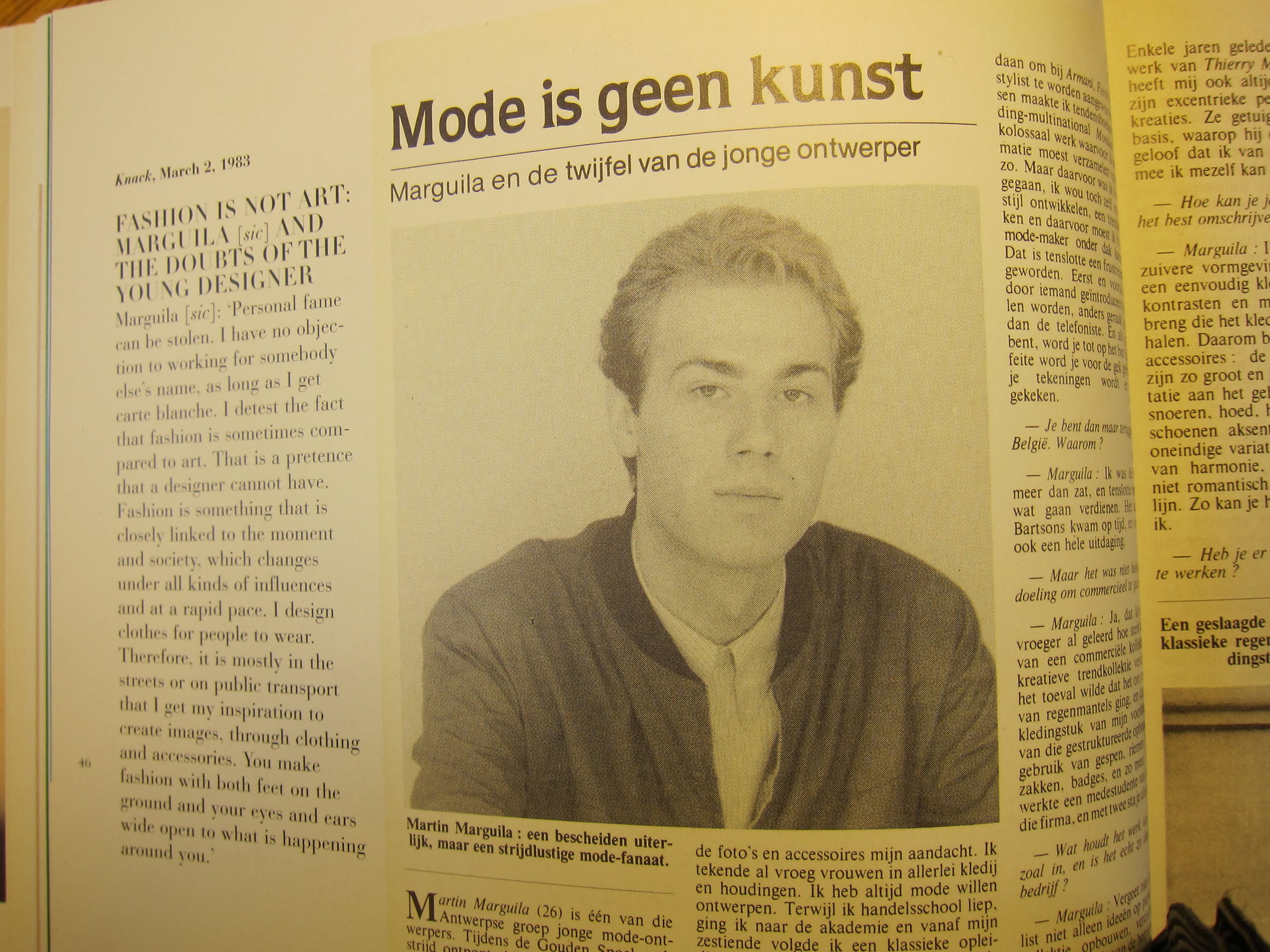
Martin Margiela built one of fashion’s most influential houses on anonymity and conceptual experimentation.
His deconstructed designs challenged everything the industry stood for, and his refusal to appear publicly or give interviews made him a cult figure.
After OTB Group, Diesel’s parent company, acquired a majority stake in 2002, the pressure to expand and commercialize intensified.
Margiela left quietly in 2009, though his departure wasn’t publicly confirmed until 2010.
The house he built on radical ideas about authorship ended up erasing its own author.
John Galliano arrived as creative director in 2014, producing critically acclaimed collections that nonetheless represented a fundamental shift from Margiela’s quiet conceptualism.
Tom Ford’s exit came with more fanfare but similar underlying tensions.
After transforming Gucci and launching his own label in 2005, Ford built a luxury empire that extended from fashion to beauty to film.
When Estée Lauder acquired the Tom Ford brand for $2.8 billion in 2022, Ford stayed on briefly as creative director before stepping down in 2023.
He retained his film production company and certain fragrance licensing rights, having secured both his fortune and legacy on his own terms.
Still, the brand continues designing without him, proving once again that a name can outlive its owner’s involvement.
Burnout Is Real, Even at the Top
Not every departure stems from corporate warfare.
Sometimes designers simply exhaust themselves maintaining the relentless pace the industry demands.
Multiple collections per year, constant travel, media obligations, and the pressure to stay relevant in an era of viral trends creates an unsustainable grind.
Ann Demeulemeester left her Belgian label in 2013 after three decades of creating dark, poetic collections that influenced an entire generation of designers.
She cited personal reasons but also spoke about needing time to think, to breathe, to exist outside the fashion calendar’s tyranny.
She returned briefly as a consultant in 2020 before retiring fully.
The brand continued under new creative direction, but something essential vanished with her exit.
You can’t replicate someone’s inner world, no matter how skilled the replacement.
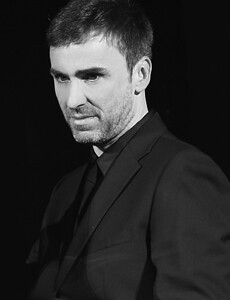
Raf Simons has experienced this cycle from multiple angles.
He announced the closure of his namesake label in November 2022 via Instagram after financial struggles made continuing impossible, despite critical acclaim and industry respect.
Earlier, he’d departed Dior in 2015 after just three years despite success, overwhelmed by the maison’s demanding schedule and citing creative exhaustion.
Even creative directors at heritage brands aren’t immune to the unrelenting production cycle.
When Simons closed his own label, he acknowledged that the current fashion model simply doesn’t support independent voices the way it once did, if it ever really did.
The Ghost in the Atelier
What’s particularly strange about these exits is how the brands carry on.
New creative directors arrive, study the archives, and attempt to channel the founder’s DNA.
Sometimes it works commercially.
The clothes sell, the runway shows generate buzz, and shareholders stay happy.
But something intangible disappears when the original vision-keeper leaves.
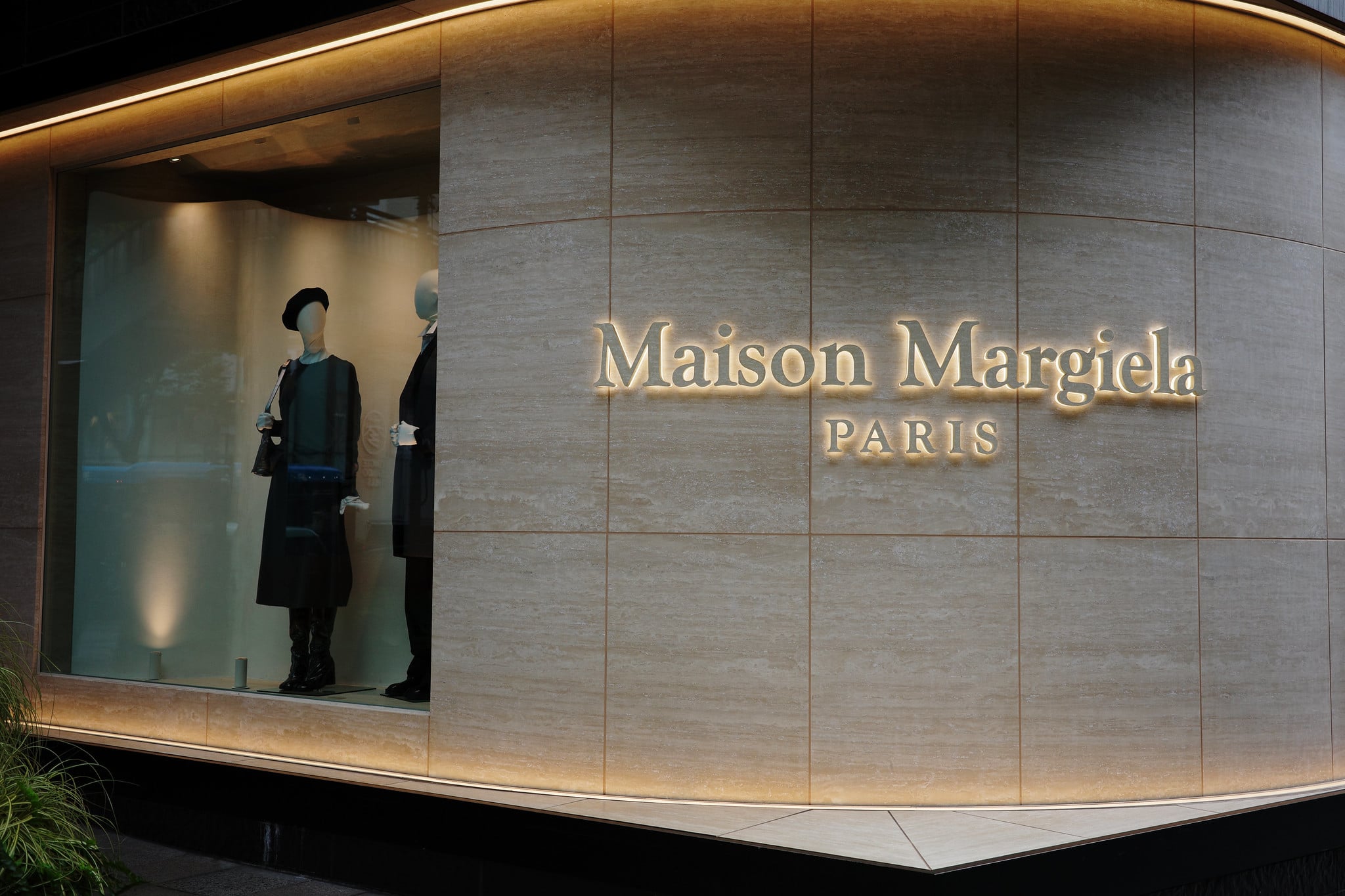
Maison Margiela thrived commercially under John Galliano’s tenure beginning in 2014, producing collections that were technically brilliant and wildly inventive.
Yet Galliano’s theatrical maximalism fundamentally contradicted Margiela’s quiet conceptualism.
The brand succeeded by becoming something entirely different, which raises an uncomfortable question: at what point does a namesake label become a brand identity detached from its original creator?
Even Phoebe Philo’s departure from Céline, though she didn’t found the house, illustrated how a designer’s absence can fundamentally reshape a brand’s legacy and meaning.
This phenomenon isn’t unique to fashion.
We see it across creative industries whenever a founder’s equity becomes more valuable than their actual presence.
But fashion makes it especially visible because the product literally bears the person’s name season after season, year after year, long after they’ve moved on.
The Price of Independence
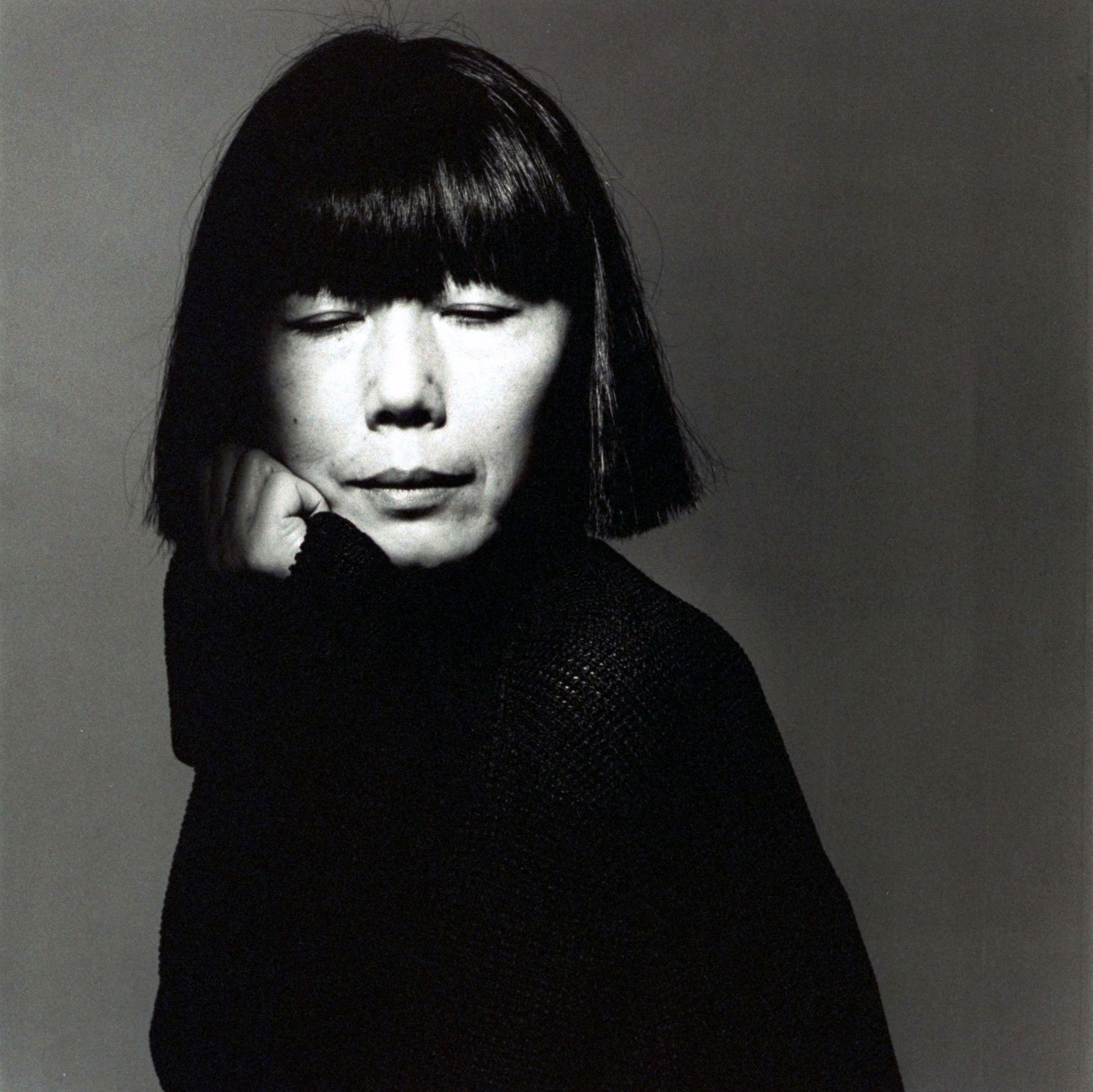
Some designers avoid this fate entirely by refusing to sell or by maintaining iron-clad control over their businesses.
Rei Kawakubo still runs Comme des Garçons.
Giorgio Armani, who turned 90 in 2024, remains firmly in charge of his empire and owns 100% of his company privately.
Issey Miyake maintained independence through ISSEY MIYAKE Inc. throughout his career.
But these exceptions illustrate how rare full independence remains in contemporary fashion.
The capital required to compete globally, the infrastructure needed to manufacture and distribute, the marketing budgets necessary to stay visible all push designers toward partnerships that eventually compromise their autonomy.
Even partial sales come with complications.
Dries Van Noten sold a majority stake to Puig in 2018 but retained significant creative control, demonstrating that some middle ground exists.
Still, such arrangements require careful negotiation and aren’t available to every designer.
What Gets Left Behind

When designers leave their namesake brands, they rarely speak openly about the experience.
Legal agreements, professional courtesy, and simple exhaustion keep most departures diplomatically vague.
The industry has adopted ‘creative differences’ as its standard euphemism for conflicts that usually involve profit versus creative vision.
But occasionally the truth surfaces in interviews years later, and it’s almost always the same story: fundamental disagreements over the brand’s direction and identity.
The designers who walk away usually do so after concluding that the brand no longer represents their vision and never will again.
Joseph Abboud’s decade-long legal prohibition from using his own name stands as a stark reminder of what designers risk when they sell.
They choose silence or new ventures over continuing to work on something that no longer feels like theirs.
It’s a principled stand, though one that comes with significant financial and emotional cost.
The world keeps wearing their names, even when their vision has long departed.
Why It Keeps Happening

The fashion industry’s business model essentially guarantees these splits.
By 2024, LVMH, Kering, Richemont, OTB, and Capri Holdings control over 65% of the global luxury market share, concentrating unprecedented power in the hands of a few conglomerates.
Investors want growth, designers want integrity, and those goals only align briefly during the honeymoon phase of any partnership.
Once the brand reaches a certain size, it demands compromises that creative purists find impossible to make.
The system isn’t designed to support visionaries long-term.
It’s designed to commercialize and scale creativity as a replicable asset.
This dynamic won’t change until the incentive structures change, which seems unlikely given fashion’s increasing corporatization.
We’ll probably see more designers launch brands with no intention of keeping them, treating labels as temporary projects or auditions for larger creative director roles.
Others will stay independent and small deliberately, accepting limited reach in exchange for complete control.
But the middle path, where a designer builds something significant and maintains ownership, grows narrower every year.
The designers who quit their own brands aren’t failures.
They’re refusing to accept a deal that turned out far different than promised.
Walking away from your name takes extraordinary courage, especially when that name has become an industry unto itself.
These departures reveal everything about how fashion values creativity in theory but rewards compliance in practice.
Until the business of fashion rewards longevity over quarterly growth, this cycle will continue.
More from Go2Tutors!

- The Romanov Crown Jewels and Their Tragic Fate
- 13 Historical Mysteries That Science Still Can’t Solve
- Famous Hoaxes That Fooled the World for Years
- 15 Child Stars with Tragic Adult Lives
- 16 Famous Jewelry Pieces in History
Like Go2Tutors’s content? Follow us on MSN.