Deadliest Marine Predators Living in the Pacific
The Pacific Ocean stretches across one-third of Earth’s surface, containing depths that remain largely unexplored and creatures that evolved millions of years before humans walked upright. Within these waters swim some of the most efficient killers nature has ever produced — predators so perfectly adapted to their hunting grounds that they’ve remained virtually unchanged for eons.
From microscopic assassins to titans that dwarf city buses, the Pacific hosts a collection of marine predators that would make any horror writer jealous. These aren’t mindless monsters, though.
They’re precision instruments of survival, each one a masterclass in evolutionary engineering.
Great White Shark
Great whites don’t negotiate. They strike with the force of a freight train and the precision of a surgeon’s blade.
Their bite delivers approximately 4,000 pounds per square inch of pressure — enough to easily penetrate seal and sea lion flesh.
Pacific great whites patrol from California to Japan, following predictable migration routes that bring them close to popular beaches every summer. They hunt seals, sea lions, and occasionally surfers who happen to be in the wrong place when dinner time arrives.
Blue-Ringed Octopus
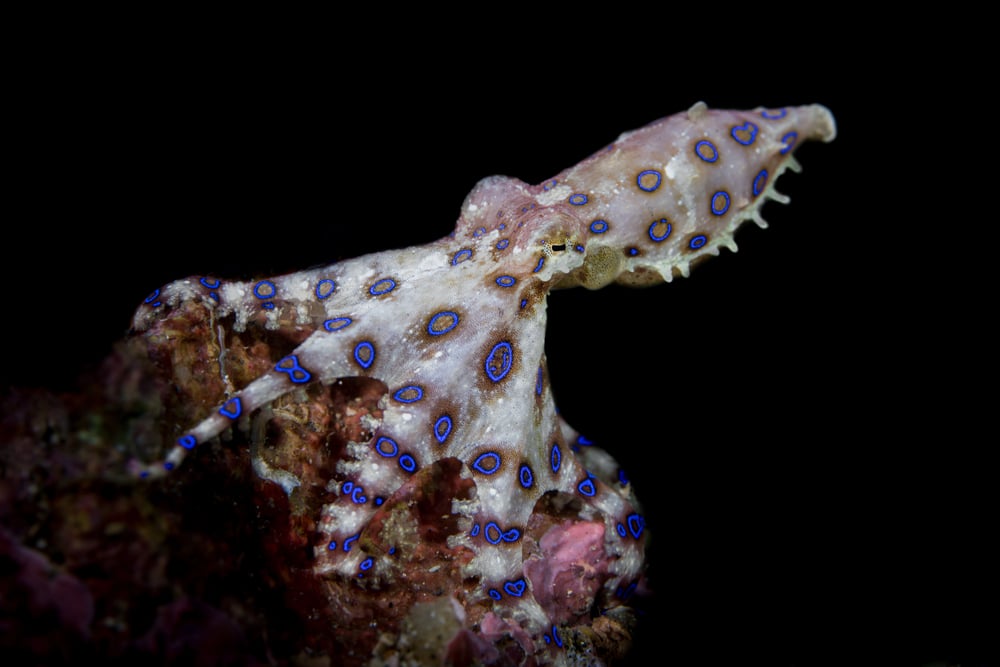
Here’s something unsettling: one of the Pacific’s deadliest predators weighs less than an ounce and fits comfortably in your palm (though putting one there would be spectacularly stupid, even by human standards). The blue-ringed octopus carries enough venom to kill 26 adults within minutes, and there’s no antidote — which really says something about nature’s sense of fair play.
These tiny killers inhabit tide pools and shallow reefs throughout the Pacific, from Australia to Japan. They hunt small crustaceans and fish, but they’ll bite anything that threatens them.
The bite itself feels like a mild pinprick.
Then your nervous system shuts down. To be fair, they do flash those brilliant blue rings as a warning, but most people mistake it for pretty colors rather than a death threat.
The venom contains tetrodotoxin — the same compound that makes pufferfish lethal — and it works by blocking sodium channels in nerve cells. Paralysis follows, then respiratory failure.
Box Jellyfish
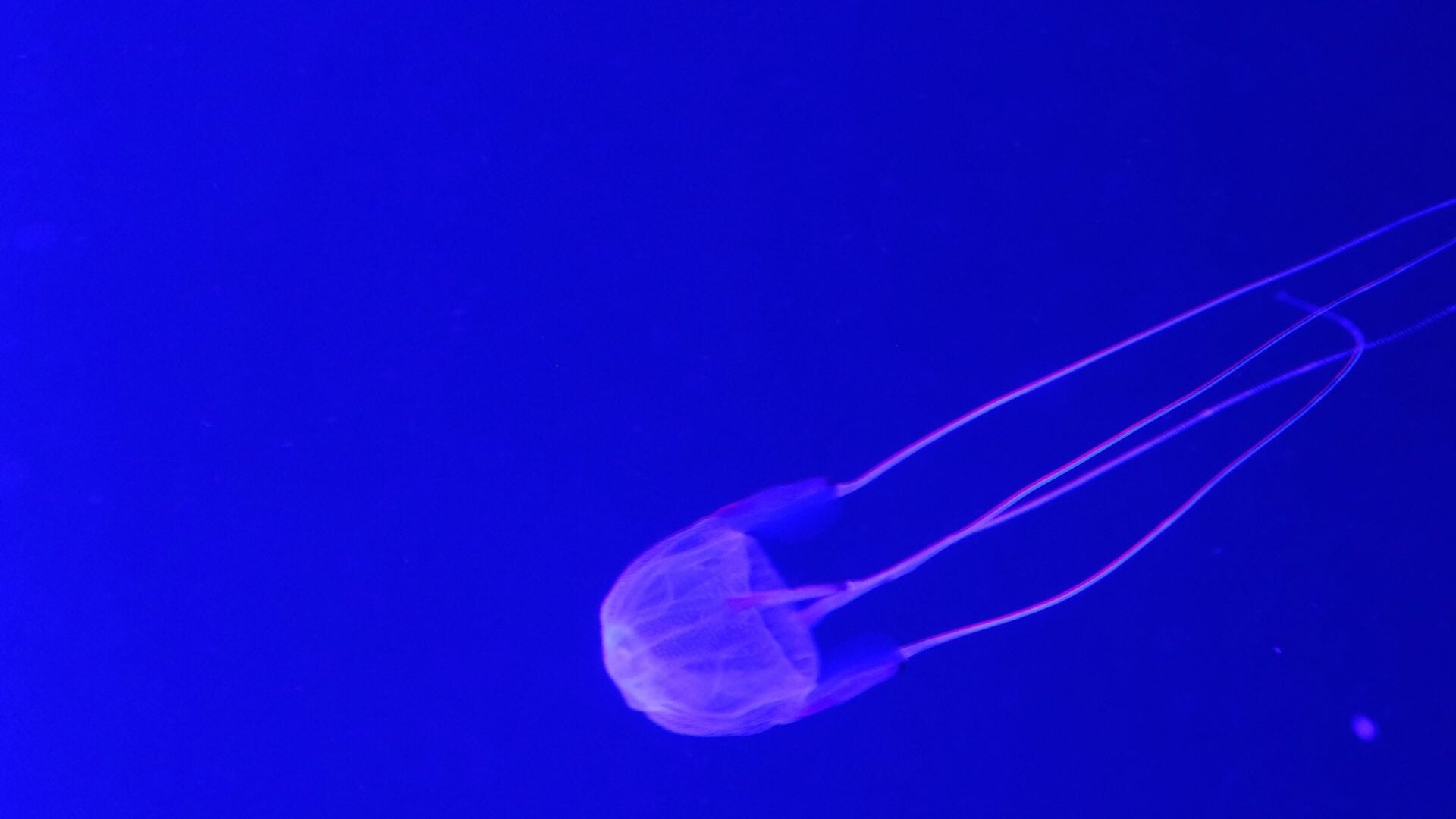
Think of the box jellyfish as the ocean’s own electrical storm — silent, nearly invisible, and carrying enough voltage to stop a human heart in minutes. Its tentacles, which can stretch fifteen feet in any direction, are lined with millions of stinging cells called nematocysts that fire like microscopic harpoons when triggered by the slightest contact.
What makes box jellies particularly ruthless isn’t just their venom (though that’s certainly lethal enough). It’s their hunting style.
Unlike most jellyfish that drift passively with the current, box jellies actively hunt. They have primitive eyes — 24 of them — that can detect light, shadow, and movement.
So when you’re swimming in the warm coastal waters of the Pacific, from northern Australia to the Philippines, you’re being watched by something that moves with surprising speed and purpose. And that venom? It attacks the nervous system, cardiovascular system, and skin cells simultaneously.
Most victims go into shock before they can even make it back to shore.
The antidote exists, but it has to be administered quickly — and most people don’t realize they’ve been stung until the venom is already coursing through their bloodstream.
Saltwater Crocodile

Saltwater crocodiles have been perfecting the art of killing for 200 million years. They haven’t needed to evolve much because the original design was already flawless.
These apex predators cruise the Pacific’s coastal waters from northern Australia to Southeast Asia. They can grow to 23 feet long and weigh over 2,000 pounds.
Their bite force exceeds 3,700 pounds per square inch — among the strongest of any modern animal, though the T. rex exceeded it with an estimated 12,000+ psi.
They hunt by patience. A saltwater crocodile will float motionless for hours, looking like a floating log, waiting for something to come close enough.
When it strikes, the attack lasts seconds. Death roll, game over.
Cone Snail
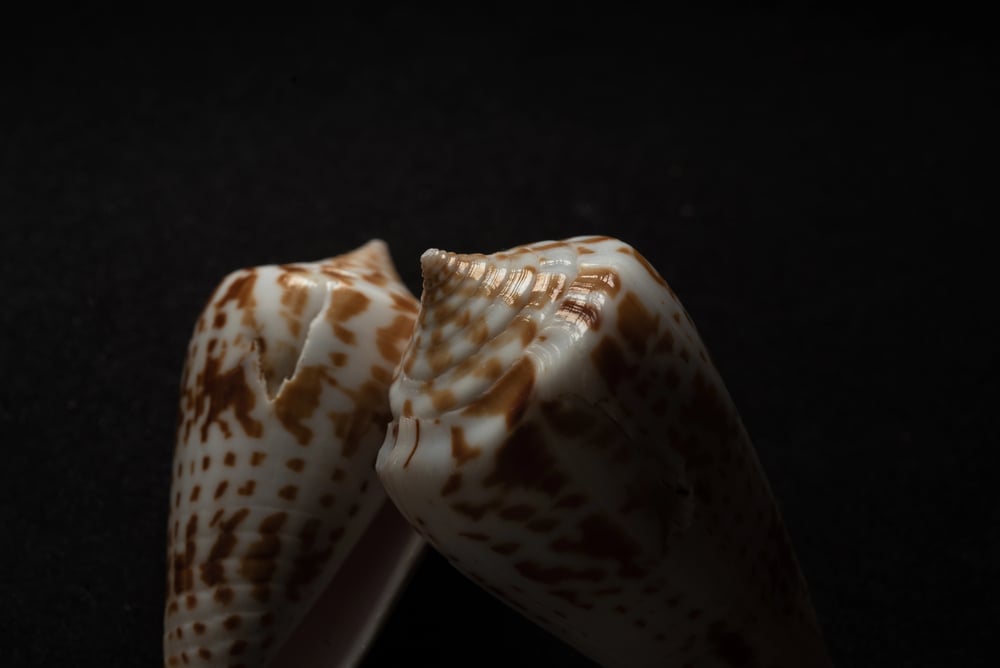
There’s a particular cruelty to how cone snails operate — they’re essentially underwater snipers disguised as harmless seashells, and they’ve turned the simple act of feeding into something that resembles a precision military operation. These mollusks (and yes, it feels strange to describe a snail as one of the ocean’s deadliest predators) have evolved a hunting method that’s both ingenious and terrifying: they fire a venomous harpoon at their prey with enough accuracy to nail a fish swimming several inches away.
But here’s what makes them genuinely dangerous to humans wandering through Pacific tide pools: cone snails don’t distinguish between a fish and a curious hand reaching for what looks like a pretty shell. The venom they inject contains conotoxins — compounds so potent that a single sting from certain species can kill an adult within hours.
The really unsettling part? The venom acts as both a paralytic and a pain killer, so victims often don’t realize they’ve been envenomed until they start losing motor function.
And there’s no antidote. Medical treatment amounts to life support until the toxins work their way out of the system — assuming the victim makes it that long.
Tiger Shark
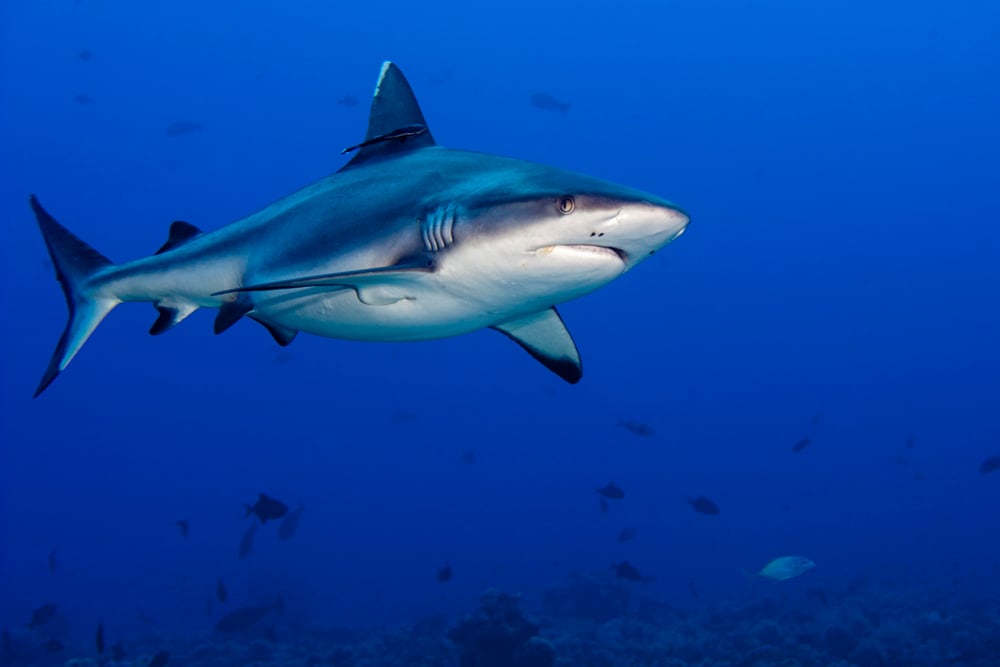
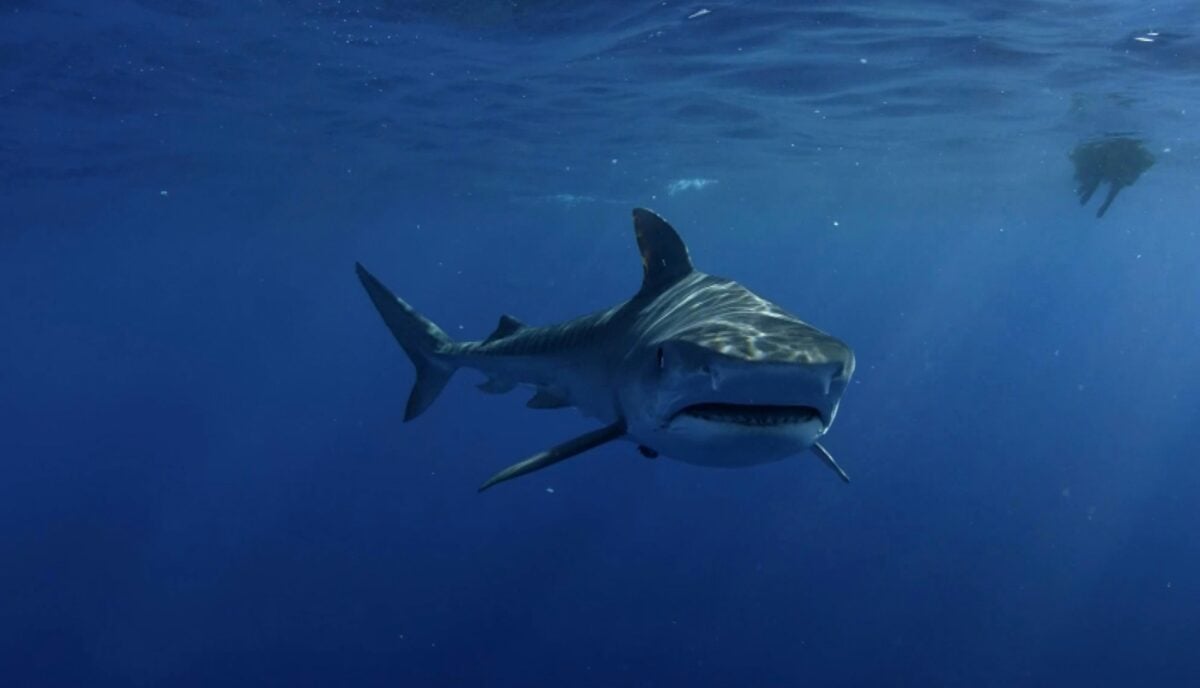
Tiger sharks earn their reputation as the ocean’s garbage disposals, but that reputation misses the point entirely. These aren’t indiscriminate scavengers — they’re opportunistic apex predators with a hunting strategy that’s both methodical and terrifyingly effective.
What sets tiger sharks apart from their great white cousins is their willingness to eat absolutely anything that moves, and quite a few things that don’t. License plates, tires, entire seabirds, sea turtles, other sharks — tiger sharks treat the Pacific like an all-you-can-eat buffet with no closing time.
This dietary flexibility makes them particularly dangerous to humans because they don’t have the great white’s tendency to bite once and retreat. Tiger sharks bite, taste, and often decide to finish what they started.
They patrol the Pacific’s warm waters from Hawaii to Australia, often coming close to shore at night to hunt in shallow lagoons and coral reefs. Their striped pattern fades with age, but their appetite doesn’t.
Sea Snake
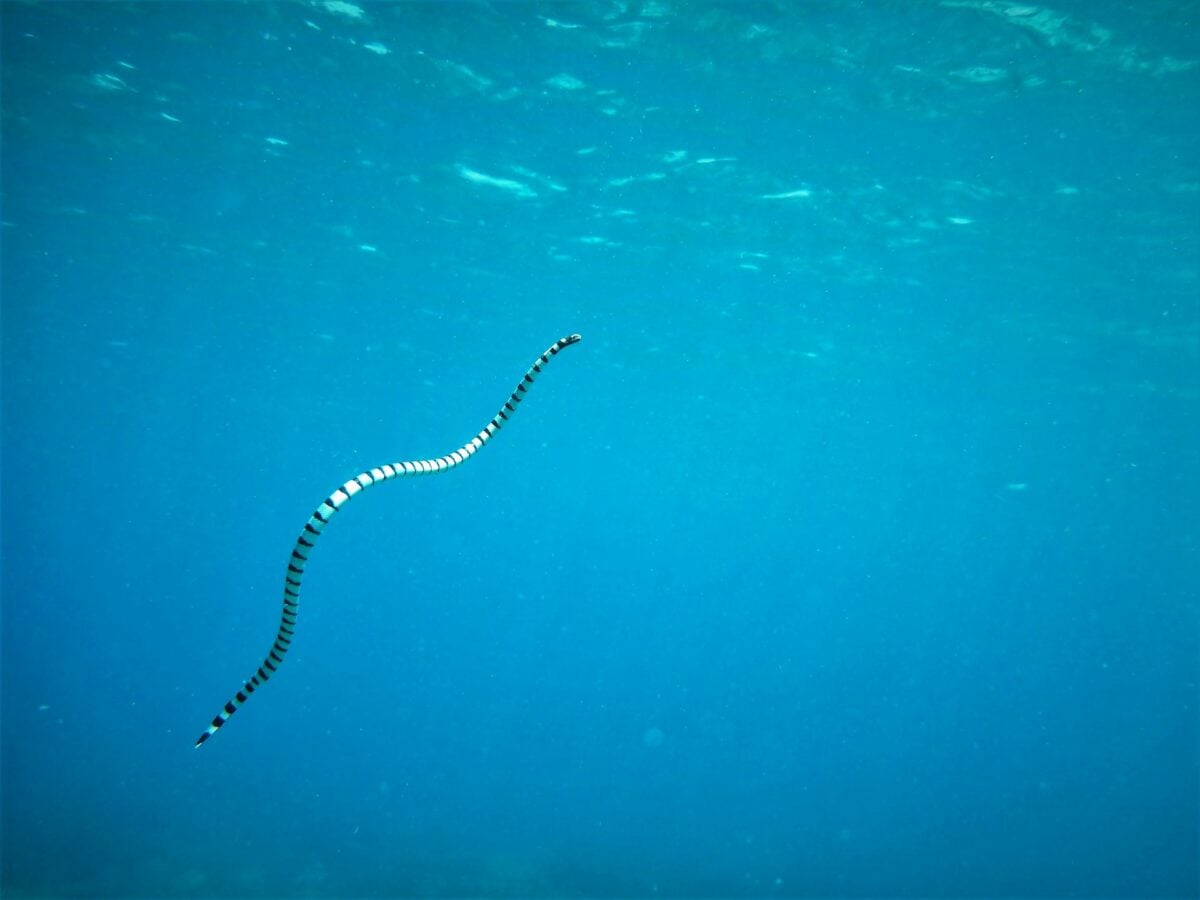
Sea snakes carry venom that makes their terrestrial cousins look like house pets — some species pack neurotoxins up to ten times more potent than a king cobra’s bite, which puts things into perspective rather quickly. These serpents evolved from land snakes that took to the ocean millions of years ago, and they’ve spent that time perfecting underwater assassination techniques that would impress a professional hitman.
The beaked sea snake, common throughout the Pacific from the Persian Gulf to northern Australia, delivers venom that shuts down the nervous system while simultaneously destroying muscle tissue. Victims experience paralysis, respiratory failure, and muscle breakdown — often simultaneously, and usually within hours of being bitten.
The venom is so concentrated that a single bite contains enough toxin to kill 50 adults, though sea snakes rarely inject their full payload (small mercies, considering).
What makes encounters particularly dangerous is that sea snakes are naturally curious. They’ll approach divers and snorkelers not out of aggression, but out of what appears to be genuine interest.
The problem arises when curious humans try to handle them or when the snakes feel trapped or threatened. Their bite is quick, often painless, and delivers venom through small fangs that leave marks so subtle that victims sometimes don’t realize they’ve been envenomed until symptoms appear.
Most sea snake bites occur when fishermen pull in nets or when beachcombers encounter snakes washed up on shore.
Stonefish

Stonefish practice the fine art of looking exactly like something else — in this case, a chunk of coral or a piece of rubble sitting motionless on the sea floor, which works brilliantly right up until some unsuspecting fish (or human) gets close enough to discover their mistake. The stonefish doesn’t chase its prey; it simply waits, sometimes for weeks, until something edible swims within striking distance.
But it’s not their hunting technique that makes stonefish genuinely terrifying — it’s their backup plan. When threatened, stonefish deploy thirteen venomous spines along their dorsal fin, each one capable of injecting a neurotoxin so potent that stepping on one can kill an adult human within hours if left untreated.
The pain, according to survivors, is indescribable. Victims report agony so intense that they beg for amputation of the affected limb. The venom attacks nerve cells, muscle tissue, and the cardiovascular system simultaneously, causing tissue death around the wound site while sending the victim into potentially fatal shock.
Stonefish inhabit shallow coral reefs and rocky areas throughout the Pacific, from Australia’s Great Barrier Reef to the coastal waters of Southeast Asia. They’re masters of camouflage — so effective that marine biologists sometimes have trouble spotting them even when they know exactly where to look.
The antivenom exists, but it needs to be administered quickly, and most stonefish encounters happen in remote locations where medical care isn’t immediately available.
Blue Shark
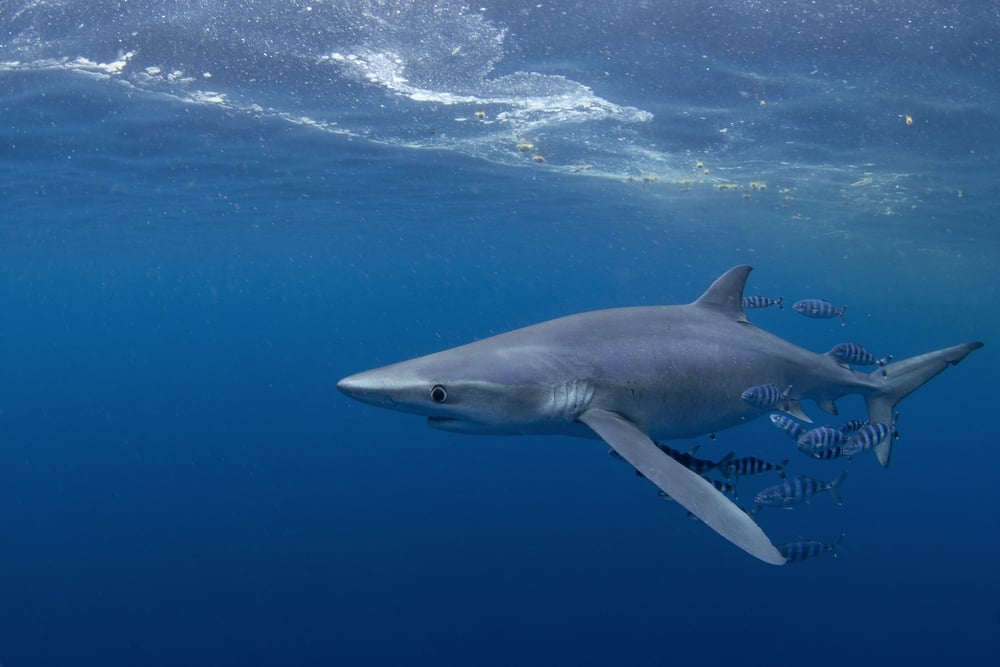
Blue sharks hunt with the efficiency of a well-oiled machine and the patience of a professional stalker. They’ll follow fishing boats for days, picking off wounded fish and anything else that falls overboard.
Their streamlined bodies can hit speeds of 25 mph when they decide to close in on prey.
These predators roam the entire Pacific, from surface waters to depths of 1,200 feet. They’re responsible for more open-ocean attacks on humans than any other species, though most encounters involve shipwreck survivors or people stranded at sea.
Blue sharks have an unsettling habit of circling their prey before attacking. They’ll make passes, each one closer than the last, until they finally commit to the strike.
That methodical approach has earned them a reputation as one of the ocean’s most calculating predators.
Portuguese Man o’ War
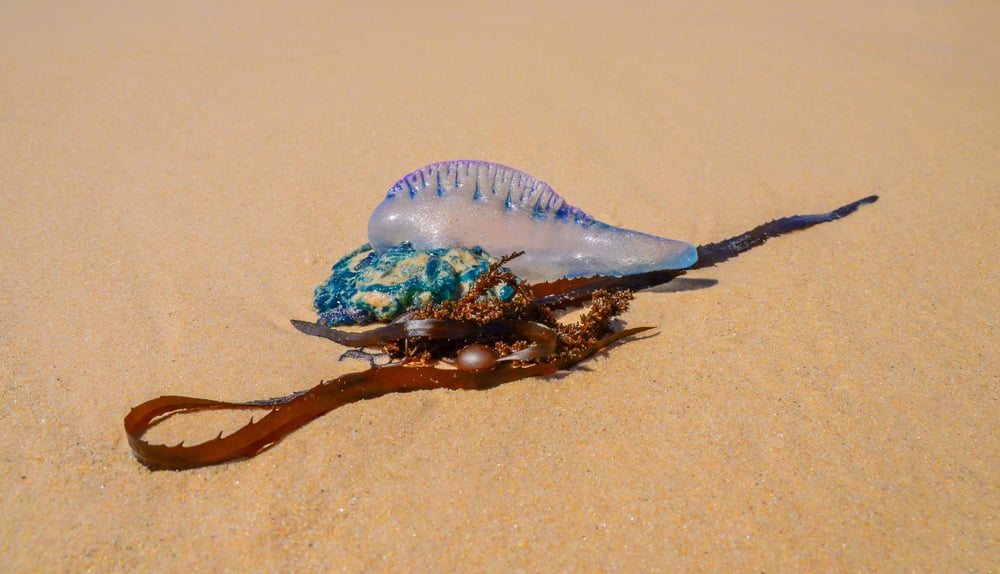
The Portuguese man o’ war operates like a floating minefield — those trailing tentacles, which can stretch up to 165 feet behind the creature’s balloon-like float, are essentially trip wires loaded with enough venom to kill small fish instantly and put adult humans in the hospital for weeks (and that’s assuming they’re lucky enough to avoid the worst-case scenarios).
What makes man o’ wars particularly insidious is their hunting strategy, which amounts to drifting with the wind and currents while their tentacles sweep through the water like a massive, nearly invisible net. They can’t control their direction — they’re at the mercy of wind and tide — but they don’t need to.
The ocean brings food to them. Fish, squid, small crustaceans, and occasionally unlucky swimmers all become entangled in those tentacles, where millions of stinging cells called nematocysts fire like microscopic harpoons, injecting venom that paralyzes prey and begins breaking down tissue before the victim is even dead.
For humans, contact with man o’ war tentacles produces welts that look like they came from a bullwhip, accompanied by pain so severe that strong adults have been known to lose consciousness. The venom attacks the nervous system, and severe stings can cause cardiac arrest.
Even beached man o’ wars remain dangerous — those tentacles can deliver painful stings for hours after the creature dies.
Moray Eel
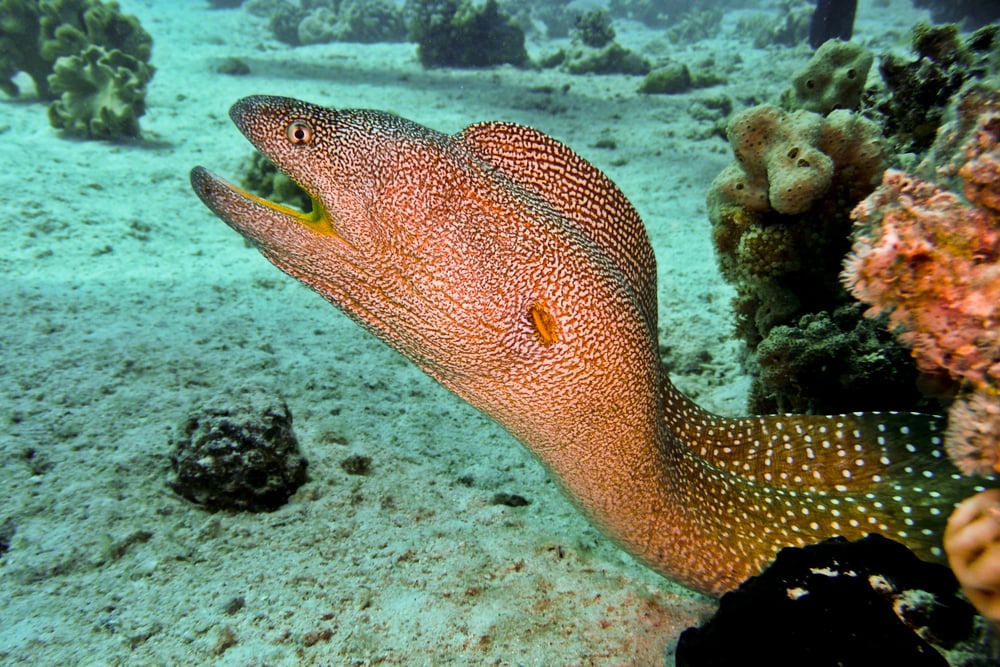
Moray eels have turned patience into a weapon. They wedge themselves into coral crevices and rocky openings, with only their heads visible, waiting for something edible to swim within striking distance.
When they attack, it happens faster than human eyes can follow.
Their jaws contain two sets of teeth: the outer set grabs prey, while a second set of pharyngeal jaws shoots forward from the throat to drag victims deeper into the eel’s mouth. It’s the same feeding mechanism that inspired the creature design in the “Alien” movies, and for good reason — it’s both efficient and genuinely disturbing to witness.
Moray eels inhabit coral reefs throughout the Pacific. They rarely attack humans unprovoked, but they will defend their territories aggressively.
Their bites are notorious for becoming infected, partly because moray mouths harbor particularly nasty bacteria and partly because their backwards-angled teeth create wounds that are difficult to clean properly.
Barracuda
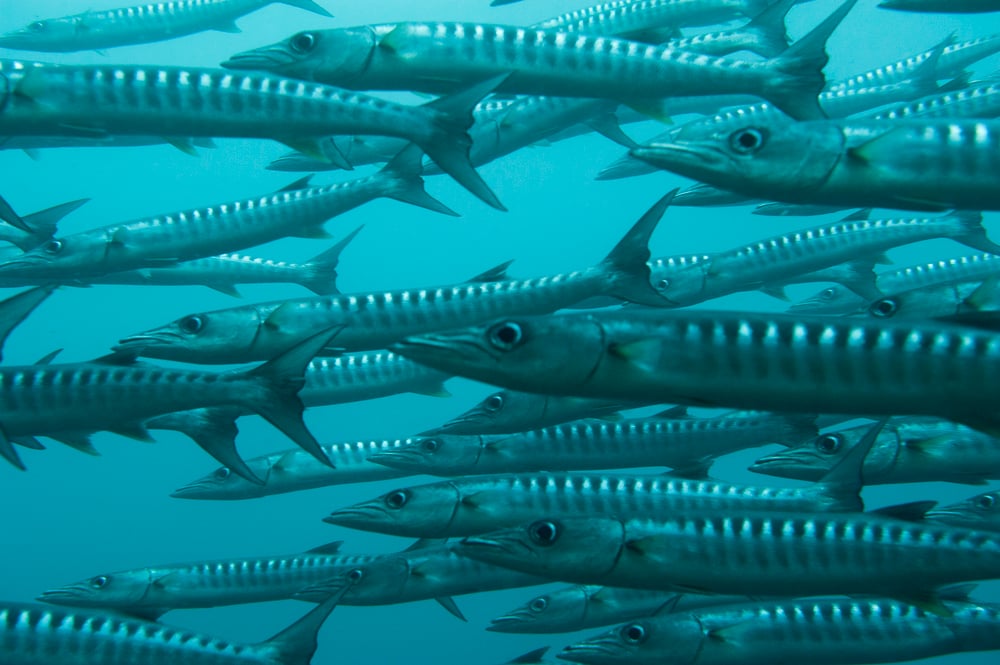
Barracuda hunt like underwater missiles — all speed, teeth, and bad intentions packed into a torpedo-shaped body that can accelerate from zero to 35 mph faster than most sports cars. Their hunting style is pure ambush predator: they lurk in the blue water beyond coral reefs, nearly invisible against the open ocean, until something catches their attention.
What makes barracuda genuinely dangerous to humans isn’t malice — it’s mistaken identity combined with reflexes that don’t allow for second-guessing. Barracuda are attracted to bright, flashy objects that resemble the silver scales of their preferred prey.
Jewelry, watches, diving equipment, even the bubbles from scuba gear can trigger an attack that happens so quickly that victims often don’t realize they’ve been bitten until they see the blood in the water. Great barracuda, the largest species, can grow to six feet long and sport jaws filled with razor-sharp teeth designed for slicing rather than crushing.
Pacific barracuda patrol warm coastal waters from California to Australia, often hunting in schools during the day before dispersing to hunt individually at dawn and dusk. They’re responsible for more attacks on divers and snorkelers than most people realize, though barracuda bites rarely prove fatal — the fish typically bite once and retreat, leaving victims with serious lacerations but usually nothing worse.
Leopard Seal
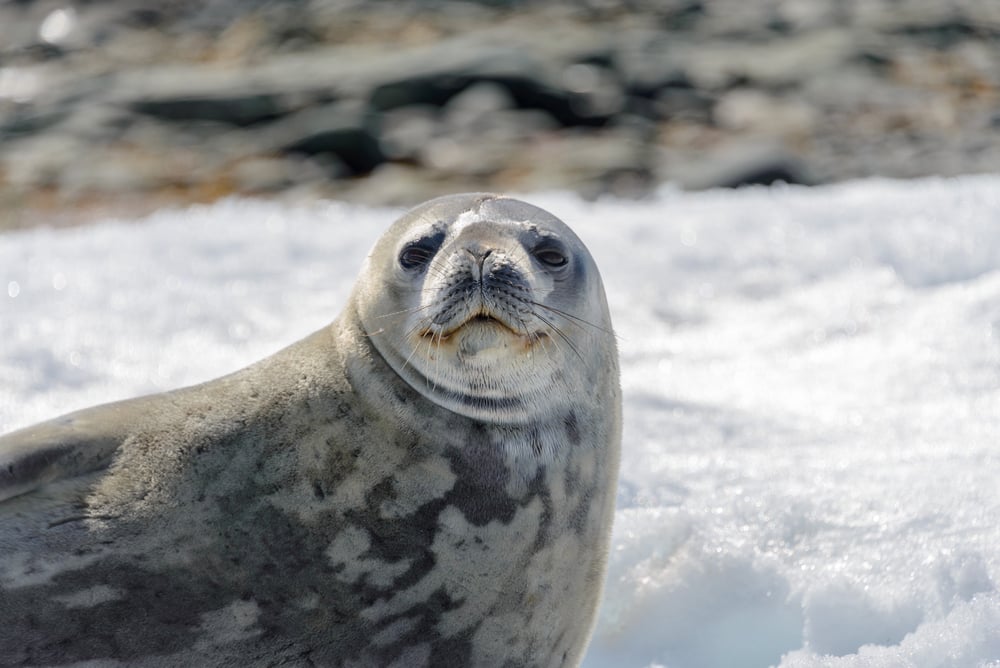
Leopard seals are the ocean’s apex mammalian predators in the Pacific’s southern waters, and they’ve earned that distinction by being ruthlessly efficient at killing virtually everything that shares their habitat. These aren’t the playful, whiskered seals that perform tricks at marine parks — leopard seals are 12-foot-long, 800-pound killing machines with jaws that can snap a penguin in half with a single bite.
Their hunting technique is both sophisticated and brutal. Leopard seals will wait beneath ice edges where penguins enter the water, then strike with explosive speed that gives their prey no chance to escape. But penguins aren’t their only target — leopard seals also hunt fish, squid, other seals, and they’ve been known to attack small whales.
They’re one of the few seal species that actively hunts warm-blooded prey, and they do it with the kind of methodical precision that suggests genuine intelligence behind those attacks.
Humans rarely encounter leopard seals, but when they do, the results can be catastrophic. These predators show no fear of people and will attack unprovoked.
Their massive jaws can crush bones, and their aggressive nature means they don’t retreat after making contact.
There have been documented cases of leopard seals dragging researchers underwater and holding them there — whether as predation attempts or territorial displays remains unclear, but the distinction hardly matters to the victims.
Pacific Giant Octopus
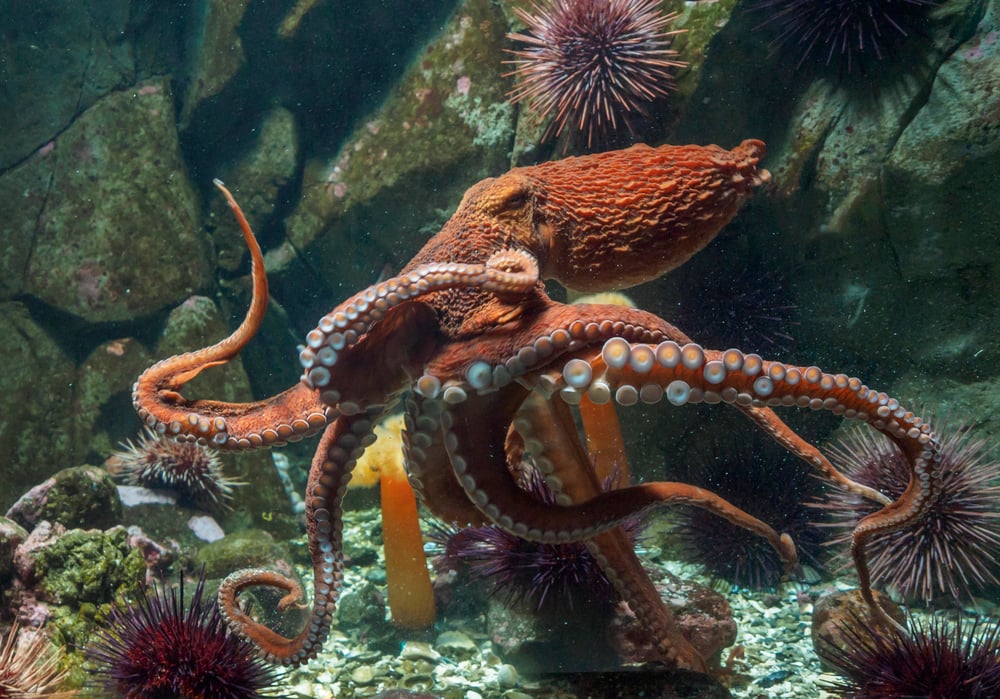
The Pacific giant octopus approaches hunting the way a chess master approaches a difficult opponent — with intelligence, patience, and a deep understanding of all the ways the game can end. These creatures, which can grow to 30 feet across and weigh over 600 pounds, possess problem-solving abilities that rival those of many vertebrates, and they use that intelligence to hunt prey that ranges from crabs and fish to sharks and seabirds.
What makes giant Pacific octopuses genuinely formidable predators isn’t just their size — it’s their versatility. They can change color and texture to disappear completely against any background, squeeze through openings barely larger than their beak, and manipulate objects with eight arms that contain over 40 million nerve cells.
When they decide to kill something, they have options: they can crush prey with arms strong enough to snap bones, inject venom through a bite that liquefies tissue, or simply hold victims underwater until they drown.
But perhaps most unsettling is their curiosity about humans. Giant Pacific octopuses will approach divers, investigate equipment, and even initiate what appears to be playful contact.
The problem is that an animal capable of wrestling with sharks doesn’t necessarily understand its own strength when interacting with fragile humans. There have been cases of giant octopuses grabbing divers and refusing to let go — not out of aggression, but apparently out of curiosity about these strange, soft creatures that have entered their territory.
When the Deep Gets Personal
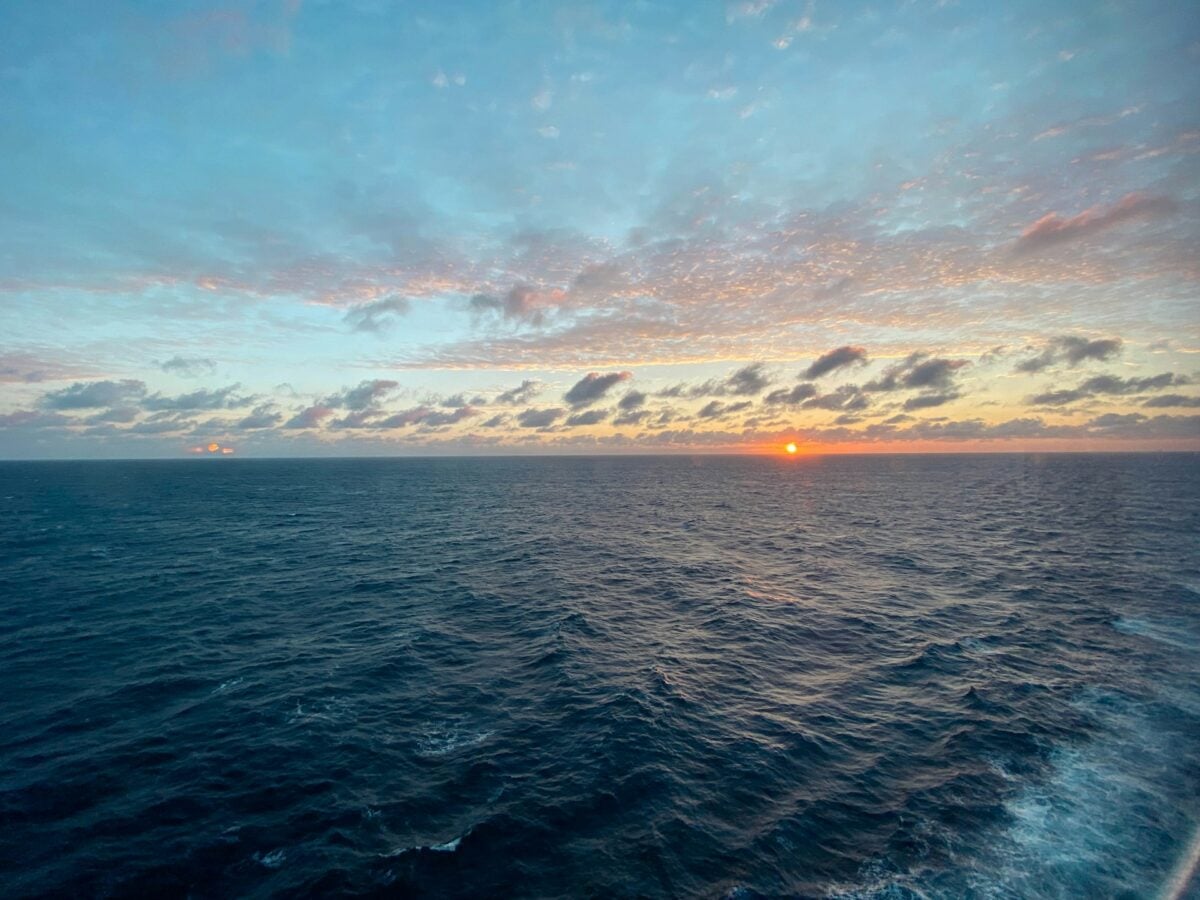
Standing at the edge of the Pacific, watching waves roll in from waters that stretch beyond the horizon, it’s easy to forget that you’re looking at the largest hunting ground on Earth. These predators didn’t evolve to threaten humans — we’re newcomers to their world, clumsy visitors in an environment that’s been shaped by millions of years of perfect, brutal efficiency.
Yet something about knowing they’re out there changes how the ocean feels. The same waters that offer surfing and sunset swims also hide creatures so perfectly adapted to killing that they’ve barely changed since before continents took their current shape.
That’s not a reason to avoid the Pacific — it’s a reason to respect it.
More from Go2Tutors!

- The Romanov Crown Jewels and Their Tragic Fate
- 13 Historical Mysteries That Science Still Can’t Solve
- Famous Hoaxes That Fooled the World for Years
- 15 Child Stars with Tragic Adult Lives
- 16 Famous Jewelry Pieces in History
Like Go2Tutors’s content? Follow us on MSN.