15 Royal Artifacts History Nearly Lost Forever
Royal treasures carry centuries of history in gold, jewels, and priceless craftsmanship. These objects witnessed coronations, battles, and the rise and fall of empires.
Yet many of the world’s most significant royal artifacts, from medieval Europe to the 20th century, came perilously close to being lost forever. Wars, revolutions, fires, and simple neglect threatened to erase these irreplaceable pieces of heritage.
Some survived concealed in secure locations during wartime. Others were rescued from flames or recovered from thieves just in time.
The stories behind these near-losses reveal the fragile nature of history itself and the determined efforts of those who refused to let these treasures vanish. Here is a list of 15 royal artifacts that history nearly lost forever.
The Crown Jewels of England
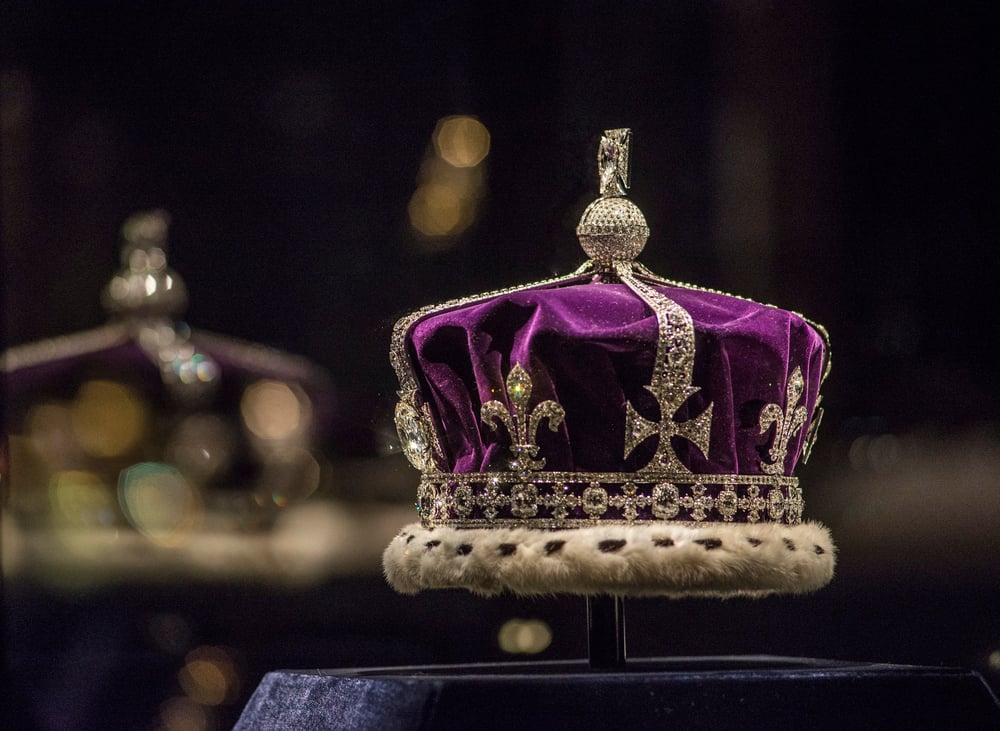
England’s Crown Jewels faced their closest call during the English Civil War in the 1640s. Oliver Cromwell ordered the medieval regalia melted down and sold after executing King Charles I.
Between 1649 and 1651, workers destroyed most of the ancient pieces, turning centuries of royal history into raw materials. Only a few items survived: the Anointing Spoon from the 12th century, three ceremonial swords, and possibly the Ampulla.
When the monarchy returned, entirely new Crown Jewels had to be created for Charles II’s coronation in 1661.
The Amber Room
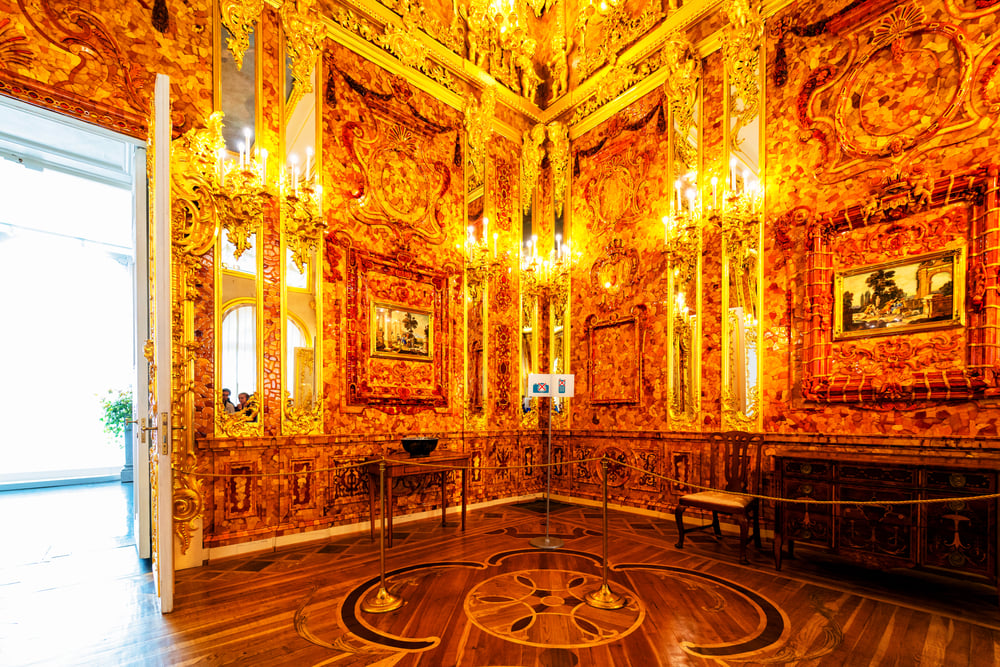
Built between 1701 and 1709 in Prussia and moved to Russia in 1755, the Amber Room was called the ‘Eighth Wonder of the World.’ This chamber was decorated entirely with amber panels backed with gold leaf and mirrors.
When Nazi forces invaded the Soviet Union in 1941, they dismantled the entire room and shipped it to Königsberg. The room disappeared completely during the bombing of Königsberg Castle in April 1945, likely destroyed forever.
Russia spent 24 years and approximately $11 million creating a replica at Catherine Palace, completed in 2003.
The Hungarian Crown
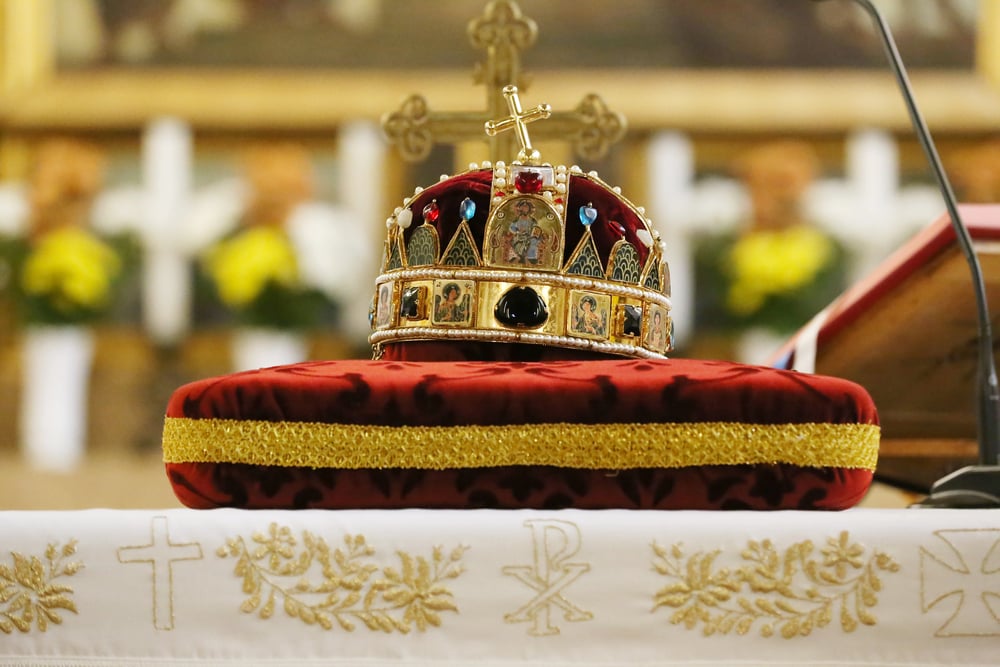
The Crown of St. Stephen, Hungary’s most sacred national symbol, endured a wild journey through the 20th century. The U.S. Army took custody of it in May 1945 as Soviet troops advanced, storing the crown at Fort Knox, Kentucky until 1978.
The distinctive bent cross atop the crown resulted from 17th-century mishandling, not wartime damage. President Jimmy Carter finally authorized its return to Hungary in 1978, ending over three decades of Cold War separation.
The Stone of Scone

English King Edward I seized Scotland’s coronation stone in 1296 and installed it beneath the Coronation Chair at Westminster Abbey. For 700 years, this ancient symbol of Scottish sovereignty remained in English hands.
On Christmas Day 1950, four Scottish students broke into Westminster Abbey and stole the stone, accidentally breaking it in two during their escape. Police recovered it in April 1951, but the incident embarrassed British authorities and strengthened Scottish nationalism.
The stone permanently returned to Scotland in 1996 and now resides at Edinburgh Castle.
The Portuguese Crown Jewels
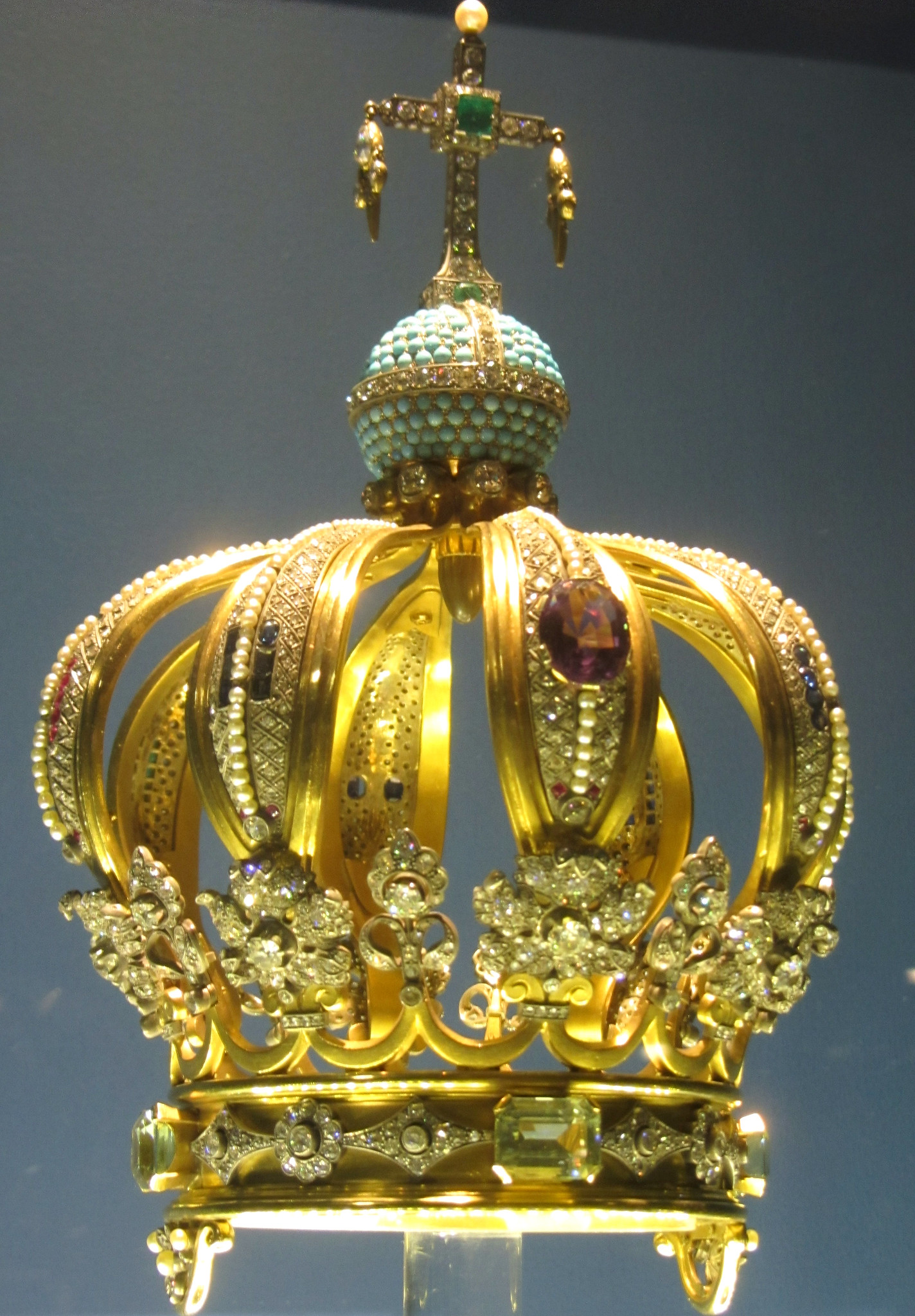
Portugal’s entire collection of crown jewels nearly vanished when Napoleon’s forces invaded in 1807. Between November 27 and 29, the royal family fled to Brazil aboard the Príncipe Real, taking their most valuable treasures with them across the Atlantic.
They packed the jewels hastily into trunks and loaded them onto ships just hours before French troops entered Lisbon. The collection remained in Brazil for over a decade until the royal family returned.
Without that desperate midnight escape, these artifacts would have been looted or melted down.
The Imperial State Crown of Iran
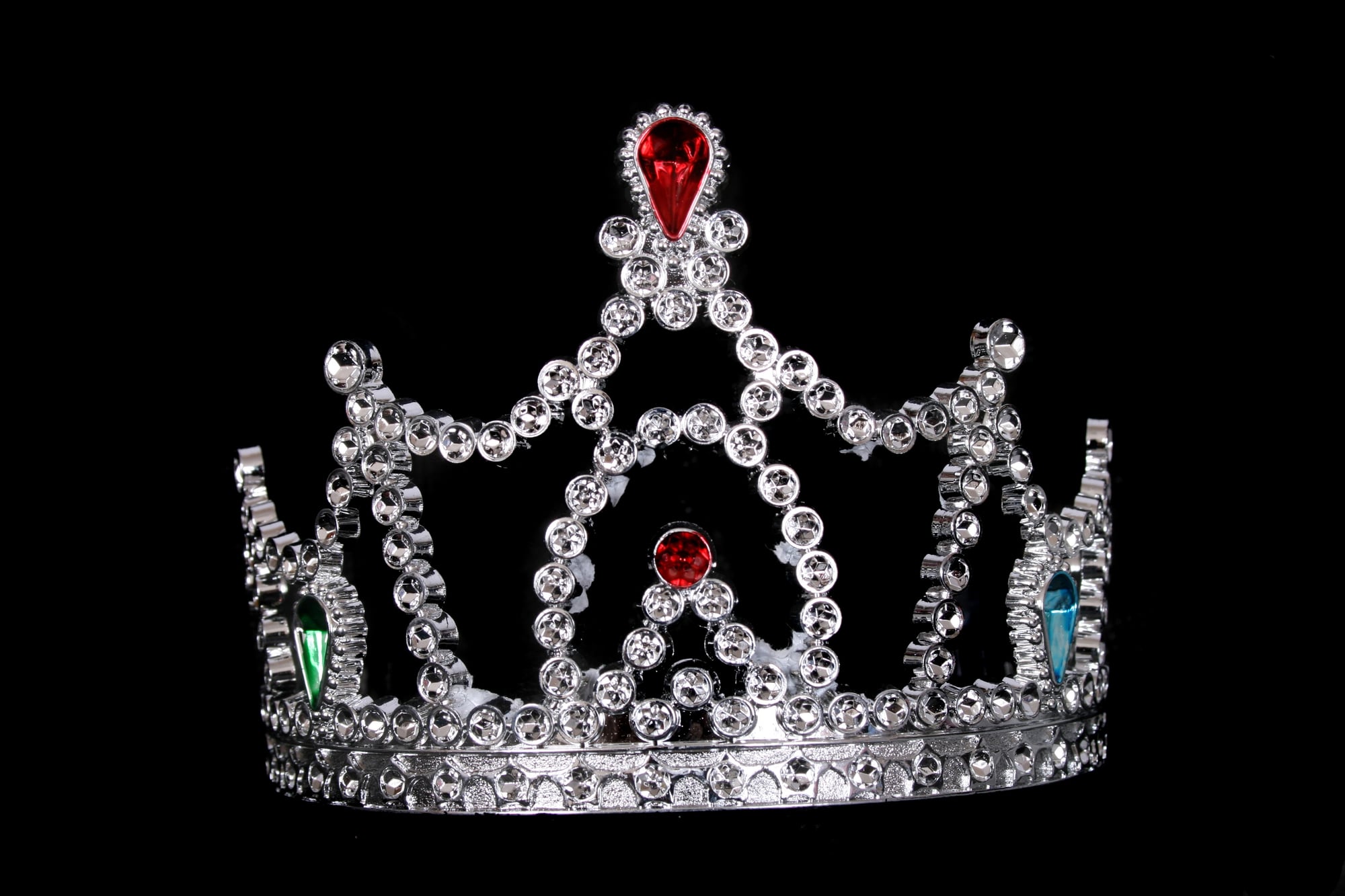
The crown jewels of Iran survived the 1979 revolution by sheer luck. Revolutionary forces stormed the Central Bank of Iran where the treasures were stored in the Treasury of National Jewels.
Officials successfully argued the collection was national property, not the Shah’s personal wealth. This argument saved the jewels from destruction.
Today, these artifacts remain on display at Bank Markazi in Tehran as national heritage.
The Sword of Mercy
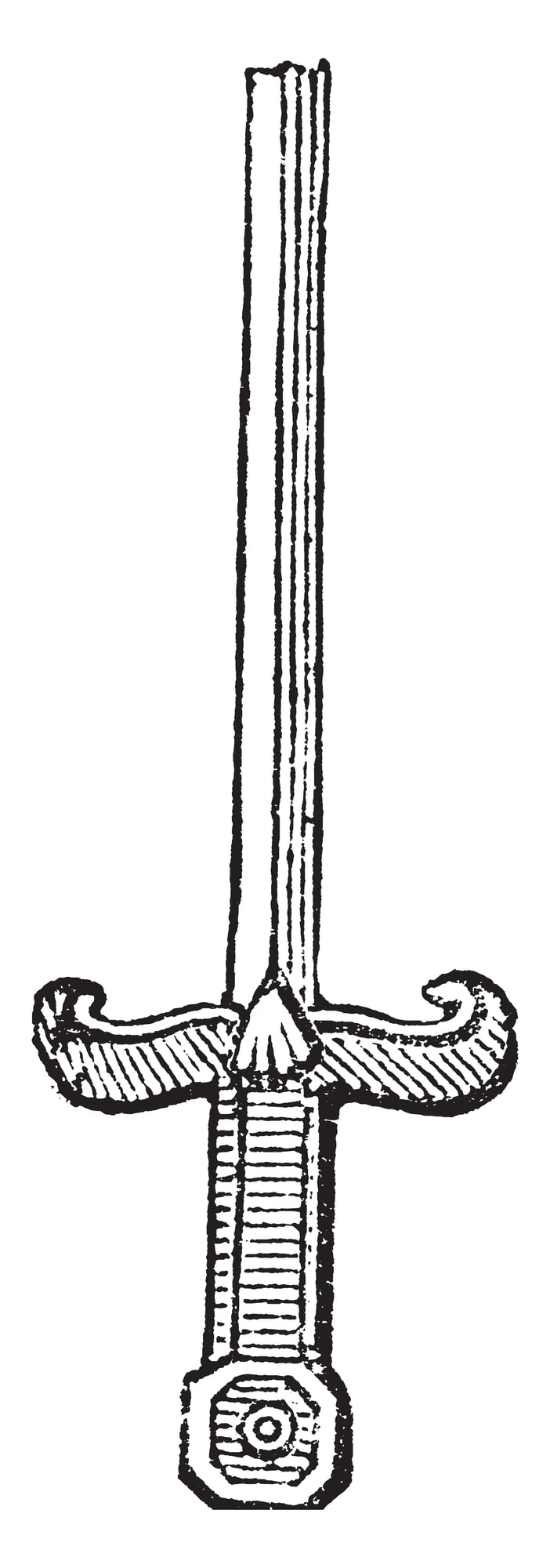
One of the oldest royal artifacts still in use, the Sword of Mercy dates back to medieval England and appears at every coronation. This blade has a distinctive broken tip, giving it the nickname Curtana.
During World War II, all the Crown Jewels were secretly moved from the Tower of London to Windsor Castle. Workers hid them in underground vaults lined with biscuit tins beneath the castle, where they remained until the war ended.
This concealment, declassified in 2018, protected them from German bombs that destroyed much of London.
The Russian Imperial Regalia
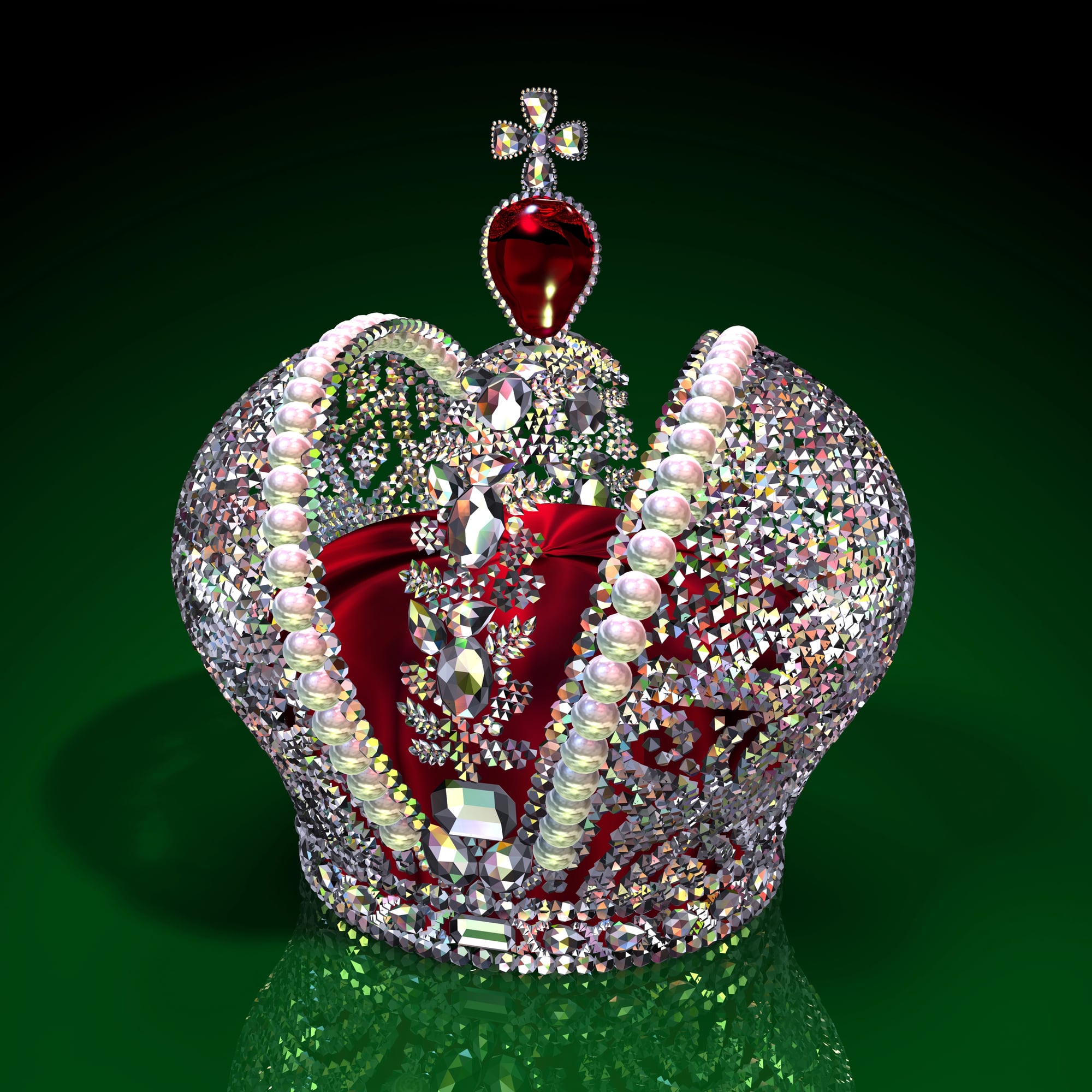
The Bolshevik Revolution of 1917 put Russia’s imperial crown jewels in immediate danger. Revolutionary forces seized the Kremlin Armoury’s treasury between 1917 and 1918, and many wanted to destroy these symbols of the old regime.
The Soviet Fersman Commission catalogued the jewels in 1922, then decided to sell some pieces internationally through Christie’s London during the 1920s to fund their government. The Great Imperial Crown from 1762 survived because it was deemed too historically significant to sell.
Other pieces weren’t so fortunate and disappeared into private collections or were broken up for their gems.
The Iron Crown of Lombardy
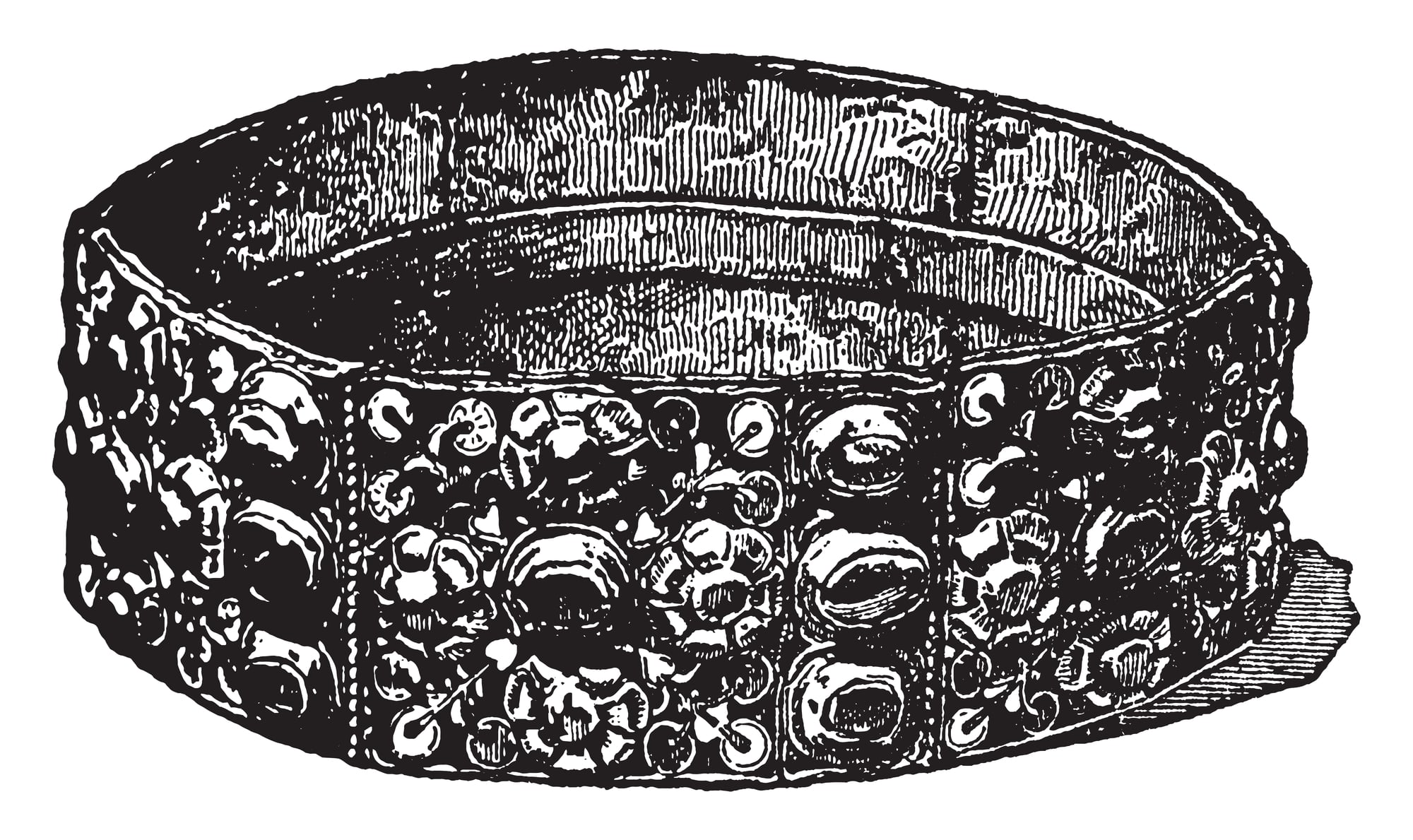
This ancient crown consists of six gold segments joined by a narrow iron band, which legend claims contains a nail from Christ’s crucifixion. The crown crowned emperors and kings for over a thousand years.
Napoleon Bonaparte wore it in 1805 when he declared himself King of Italy. During World War II, clergy at the Abbey of Monza hid the crown from both Nazi and Allied forces between 1943 and 1945.
The crown returned to Monza Cathedral in 1946. Its age and religious significance made it an irreplaceable target.
The Honours of Scotland
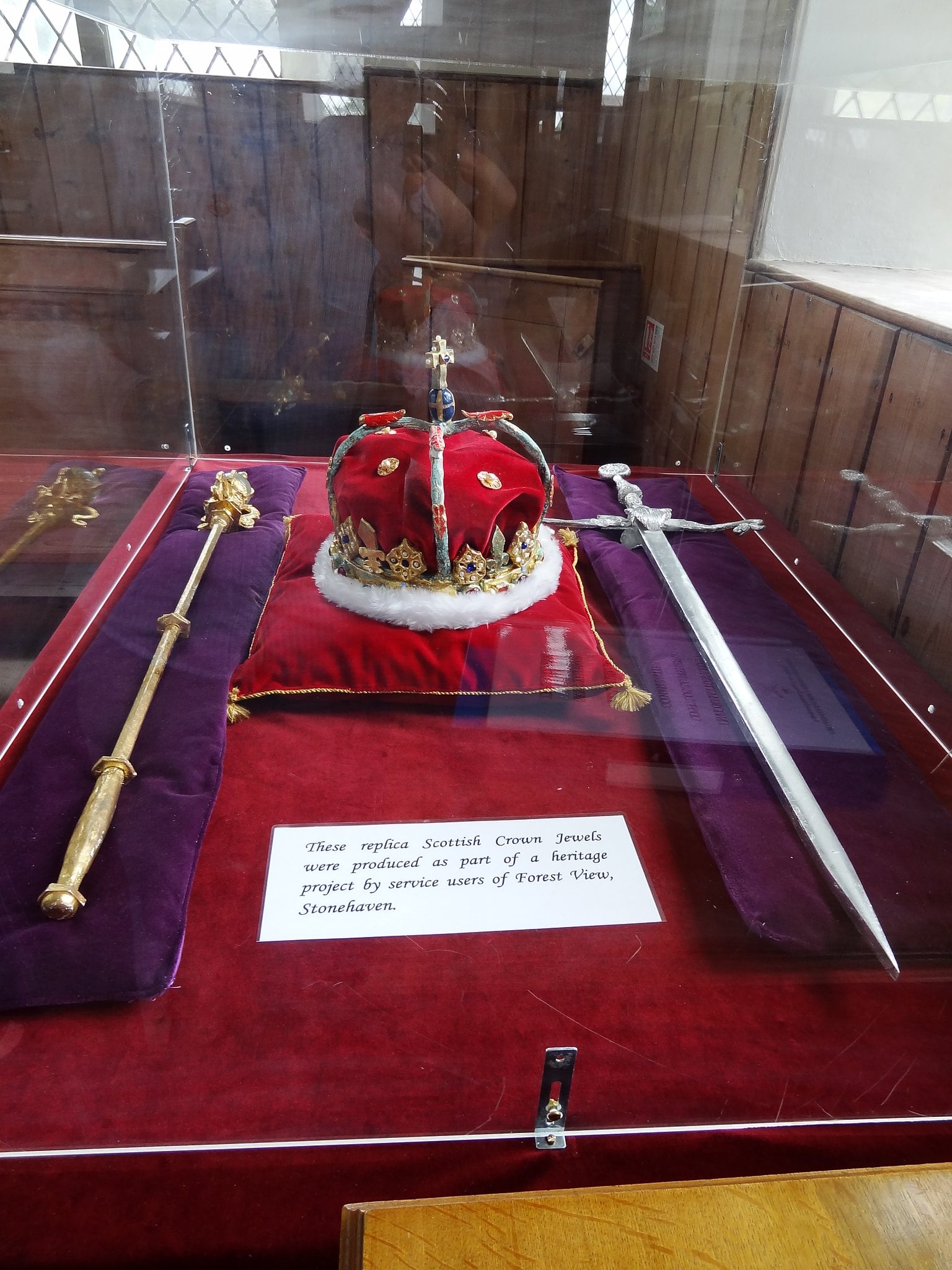
Scotland’s crown jewels spent decades hidden and forgotten after the 1707 Act of Union with England. Officials locked them in a chest at Edinburgh Castle and lost track of them completely.
By 1818, many believed the Honours had been smuggled to England or destroyed. Sir Walter Scott finally convinced authorities to search for them, and workers discovered the sealed chest exactly where it had been left 111 years earlier.
The crown, scepter, and sword emerged dusty but intact. They’ve been displayed publicly at Edinburgh Castle since 1820.
The Koh-i-Noor Diamond
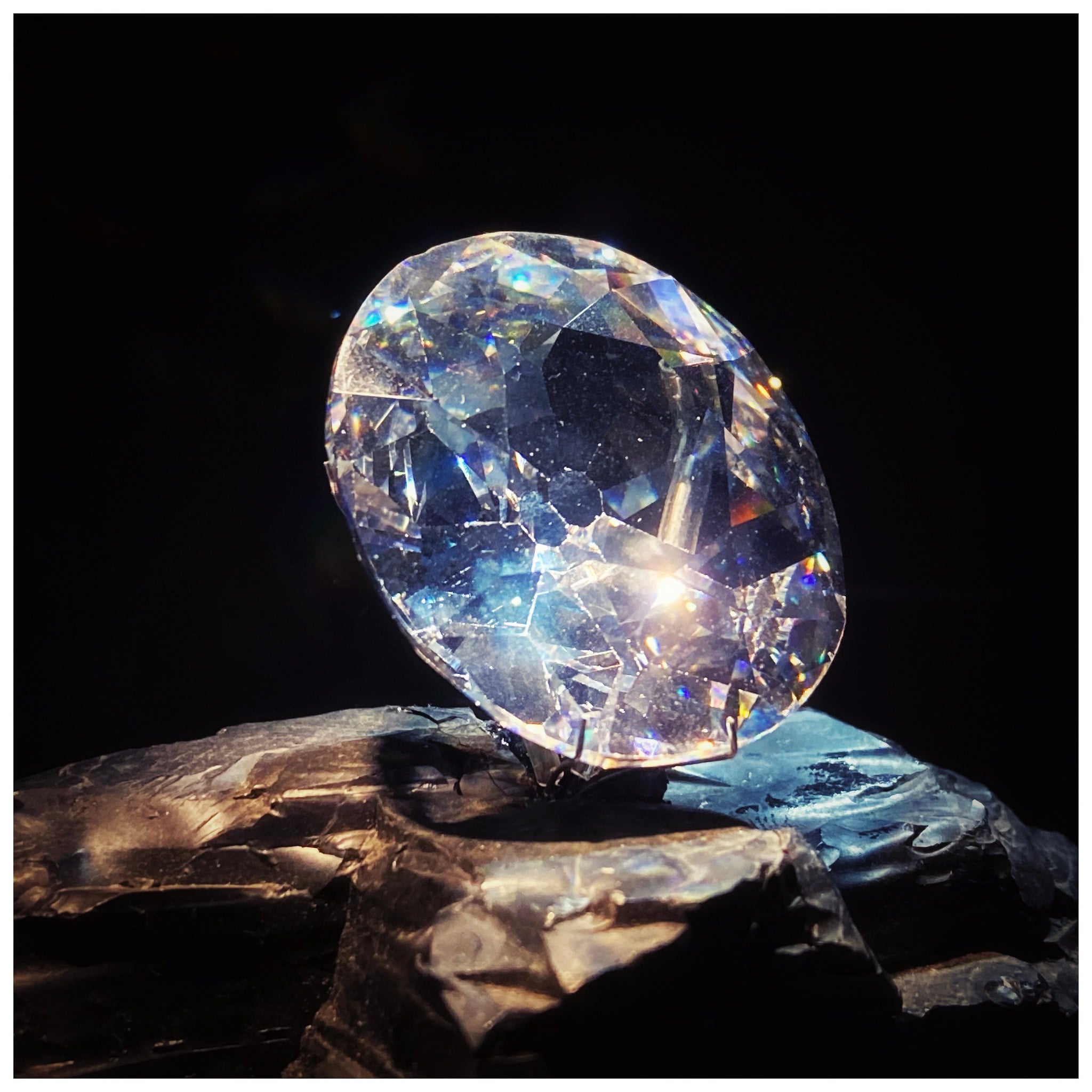
This legendary diamond changed hands through conquest and betrayal for centuries before becoming part of the British Crown Jewels. When British forces annexed Punjab in 1849, they seized the 105-carat gem from the 10-year-old Maharaja Duleep Singh.
The stone traveled to England aboard HMS Medea in 1850 and was presented to Queen Victoria. The diamond has been recut and set into different crowns over the years, most recently the Queen Mother’s Crown from 1937.
Notably, it was not used in the 2023 coronation. India, Pakistan, Iran, and Afghanistan have all claimed ownership, making it one of the world’s most controversial royal artifacts.
The Regalia of Sweden
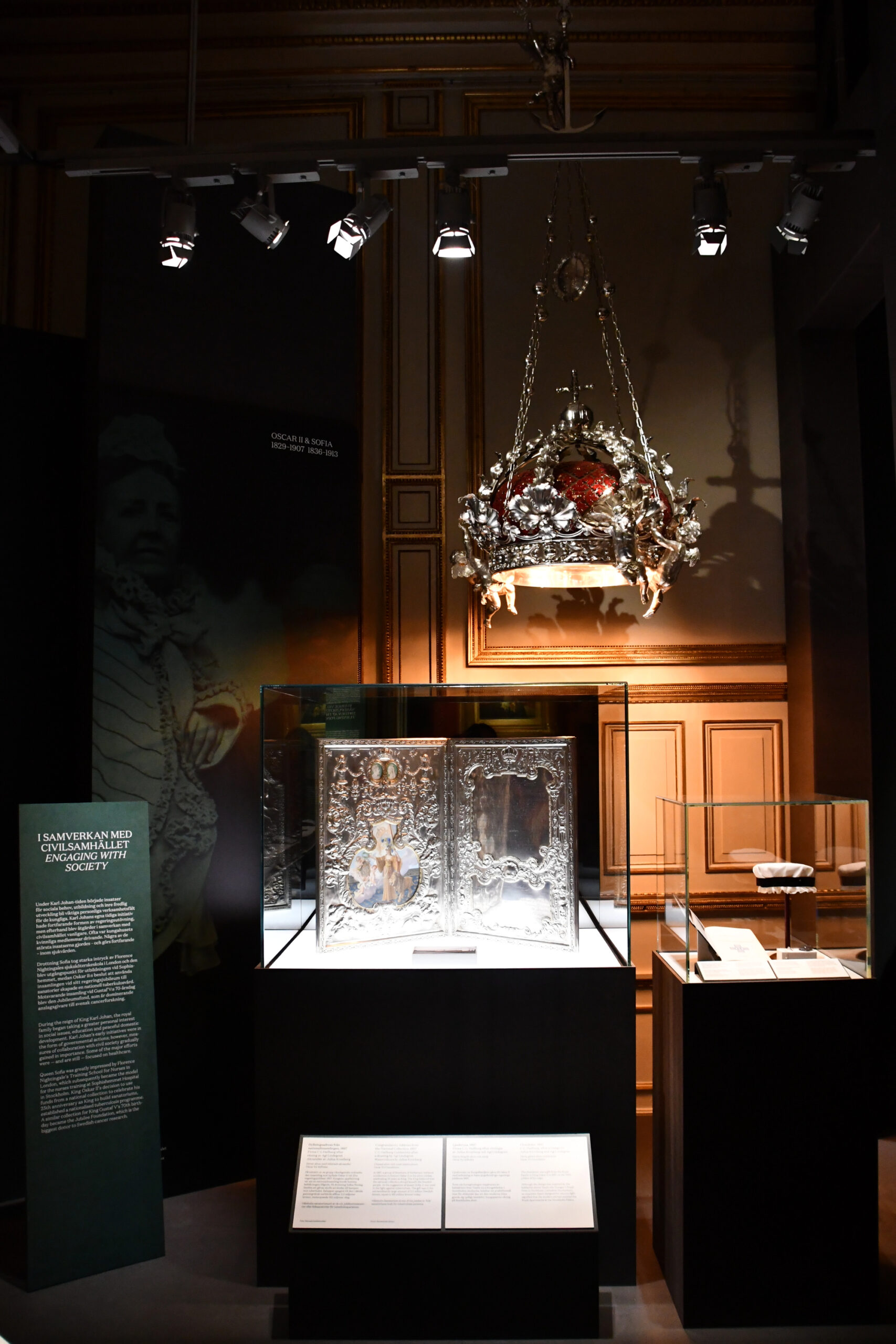
Swedish royal treasures faced disaster on May 7, 1697 when fire consumed nearly all of Tre Kronor Castle. Flames threatened the regalia stored inside.
Erik Larsen Sparre and palace guards rushed into the burning structure and rescued the crown jewels just before the ceiling collapsed. Several guards suffered serious injuries, and one died from smoke inhalation.
The regalia they saved included crowns dating back to the 1500s that would have been impossible to replace.
The Bohemian Crown Jewels
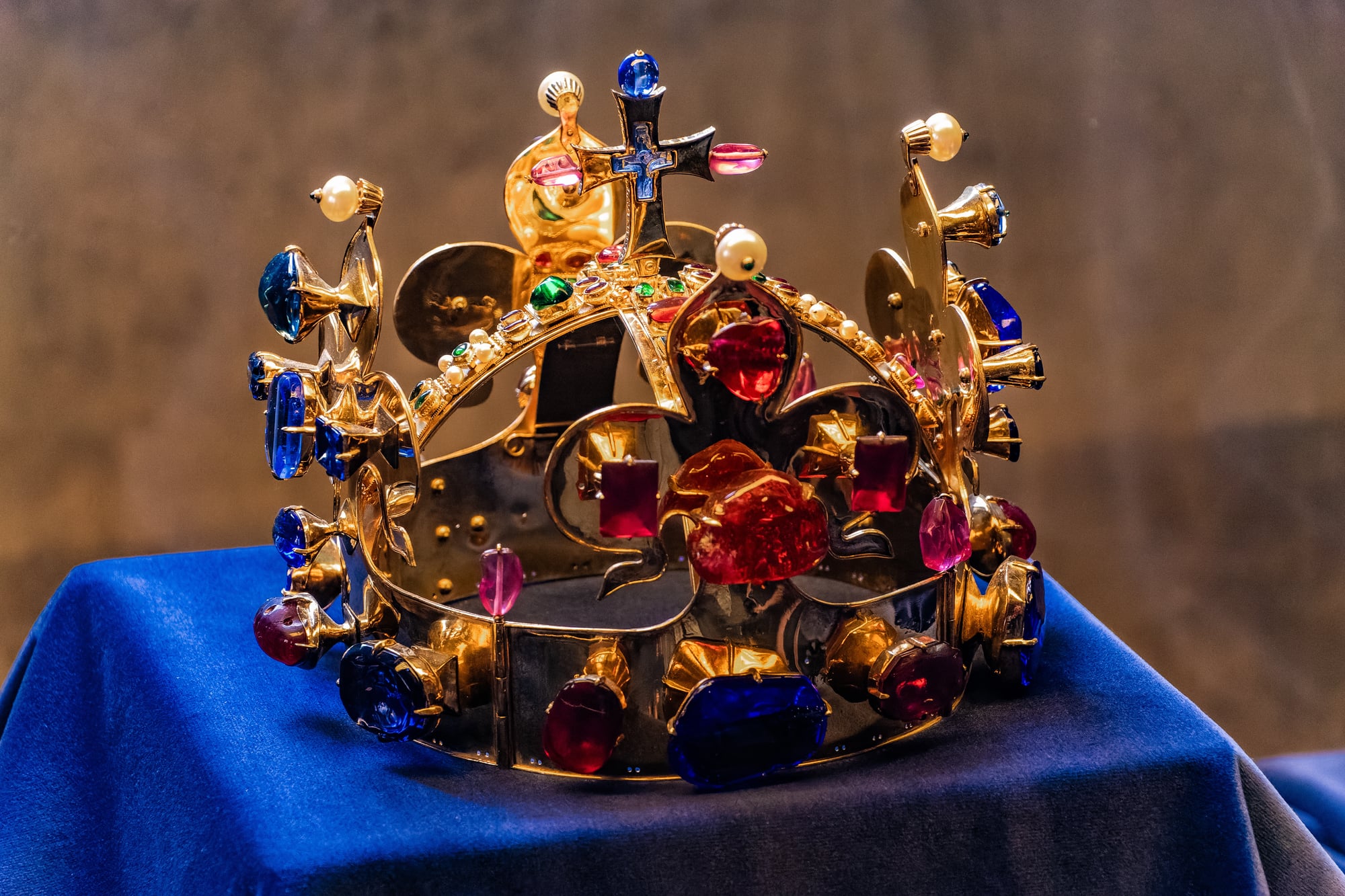
Stored in St. Vitus Cathedral behind seven locks with seven different keyholders, the Czech crown jewels survived centuries of invasions. During World War II, Nazi forces occupied Prague and tried repeatedly to seize these treasures.
Church officials moved the jewels constantly between hiding places from 1940 to 1945, always staying one step ahead. Legend claims the crown is cursed and brings death to any unauthorized person who wears it.
While stories claim Nazi officer Reinhard Heydrich died shortly after wearing the crown, this tale is apocryphal with no verified record.
The Cullinan Diamond
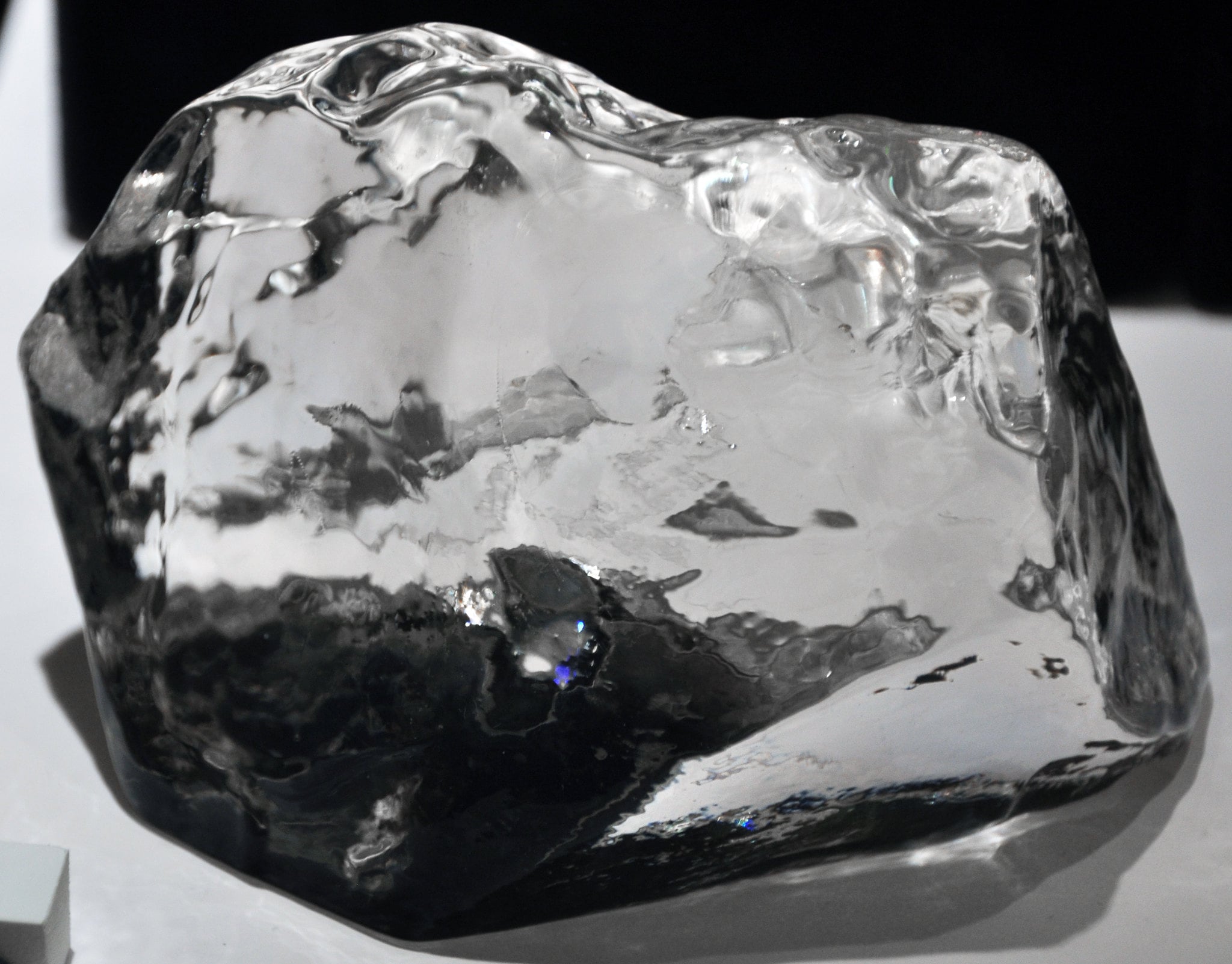
Discovered on January 26, 1905 at the Premier Mine in South Africa, this 3,106-carat rough diamond was the largest gem-quality diamond ever found. Getting it safely to England proved challenging since thieves would certainly target such a prize.
Authorities announced they would ship the stone on a heavily guarded steamship, which they did. That stone was a fake.
The real Cullinan traveled in an ordinary package via parcel post, arriving safely. The Asscher Brothers in Amsterdam cut the diamond in 1908 into several stones, including the two largest gems in the British Crown Jewels.
The Topkapi Dagger
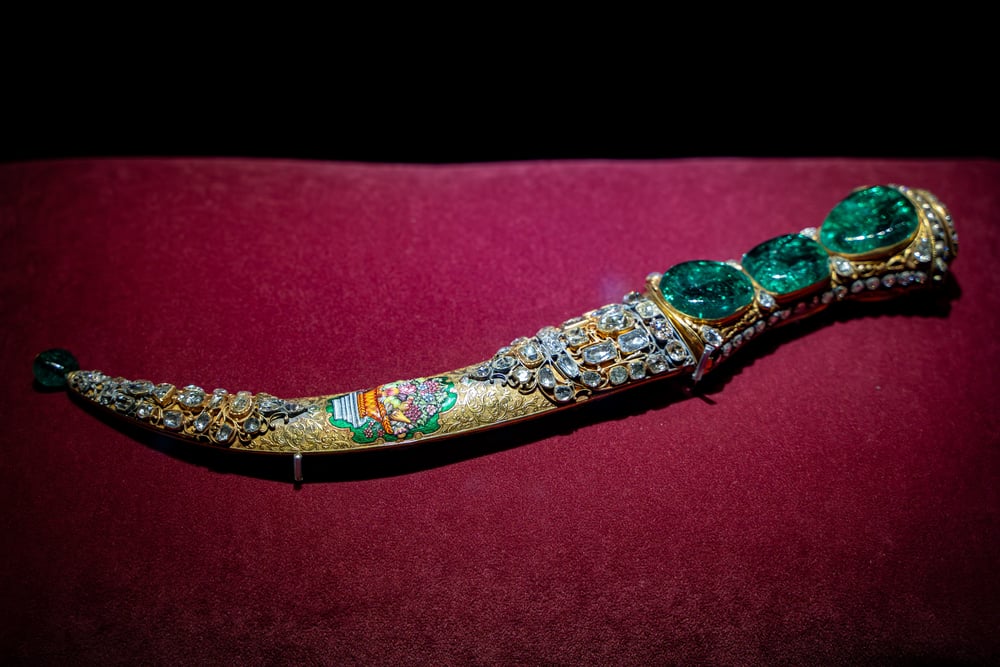
This jeweled Ottoman dagger, crafted in 1747 for Nadir Shah of Persia, features three enormous emeralds on its hilt and a watch set into the pommel. The weapon never reached its intended recipient because the Persian Shah died before it could be delivered.
The dagger remained in the Topkapi Palace treasury for centuries. In 1964, thieves nearly stole it during a famous heist attempt that inspired the film Topkapi.
Enhanced security and sheer luck prevented the loss of this priceless artifact, which remains on display at Topkapi Palace Museum in Istanbul.
Treasures Beyond Price

These royal artifacts survived against staggering odds through wars, revolutions, fires, and thefts that should have destroyed them. Each rescue involved brave individuals who risked their lives to protect history or clever officials who outsmarted would-be looters.
Some artifacts vanished for decades before being rediscovered, while others survived thanks to split-second decisions and extraordinary luck. Several artifacts, including the Amber Room, Russian regalia, and Koh-i-Noor, remain sources of cultural dispute or reconstruction.
Their endurance proves that heritage survives not by accident, but through human courage and care.
More from Go2Tutors!

- The Romanov Crown Jewels and Their Tragic Fate
- 13 Historical Mysteries That Science Still Can’t Solve
- Famous Hoaxes That Fooled the World for Years
- 15 Child Stars with Tragic Adult Lives
- 16 Famous Jewelry Pieces in History
Like Go2Tutors’s content? Follow us on MSN.