Animals That Use Tools In Clever Ways
Humans often believe they’re the sole innovators, yet nature proves otherwise without making a sound.
In woods, seas, and grasslands, creatures adapt their environments using cleverness close to design.
No tall towers or rockets from them – still, they form, adjust, and use tools with care and intent.
What you get is a clear look at smarts that speak without talking.
Take a peek at a few smart animals who use tools – then think about what this says about how they see the world alongside us.
Chimpanzees
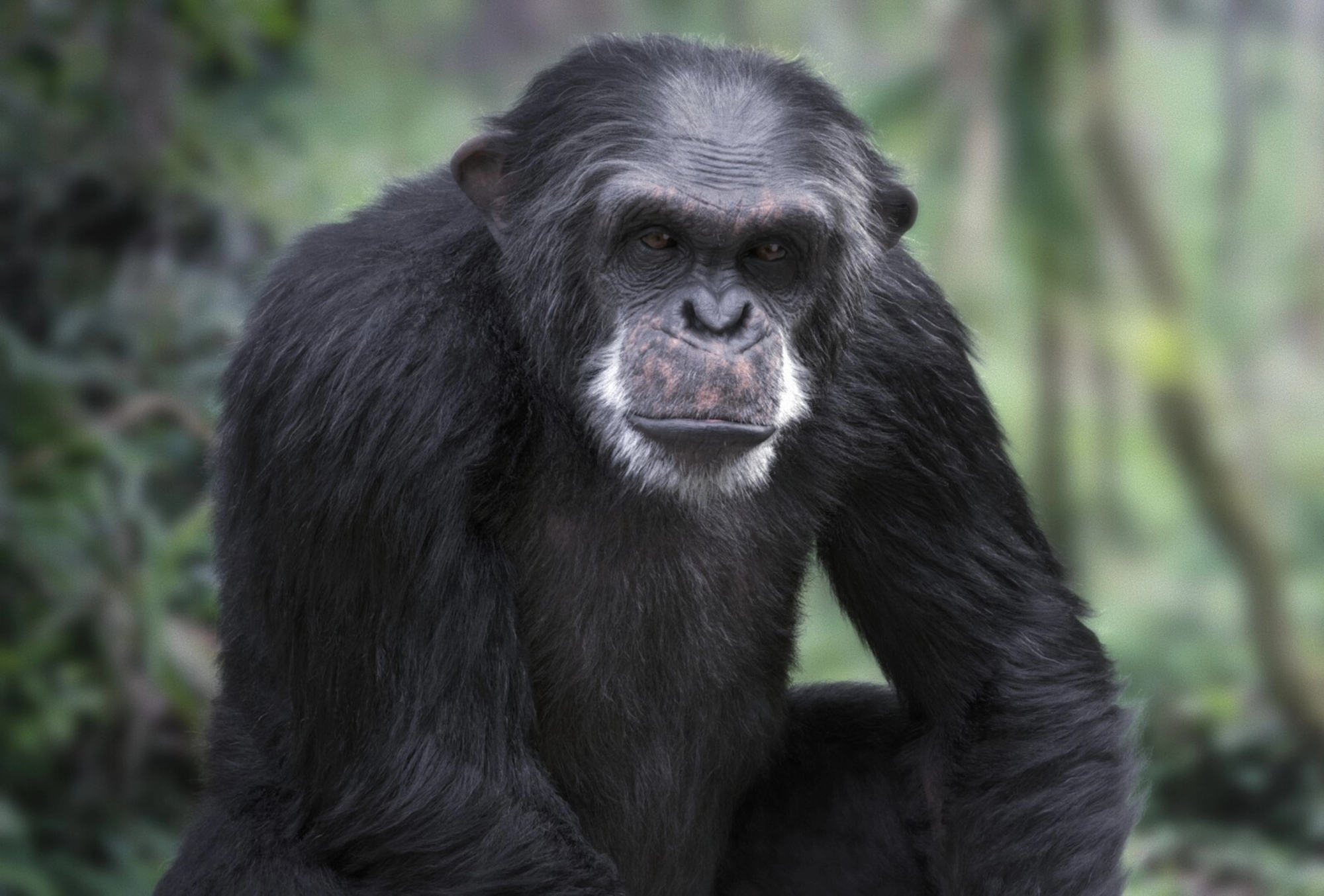
Few creatures match how clever chimps can be.
Across West and Central African woods, these apes pull leaves off thin branches to probe termite hills, stick them in, then sit back till bugs grab hold.
Tiny move – but it takes planning, steady hands, and knowing what leads to what.
Scientists watched some shape pointed sticks into hunting tools for catching little monkeys, something experts used to think only people did.
They crack open nuts using rocks, which is pretty amazing too.
One rock acts like a hammer, while a different one works as a base, and through steady hits, they break tough shells over time.
Juvenile chimps pick this up by observing older ones, meaning it’s not only copying – this skill moves from grown-ups to youngsters, kind of how people hand down customs.
Capuchin monkeys
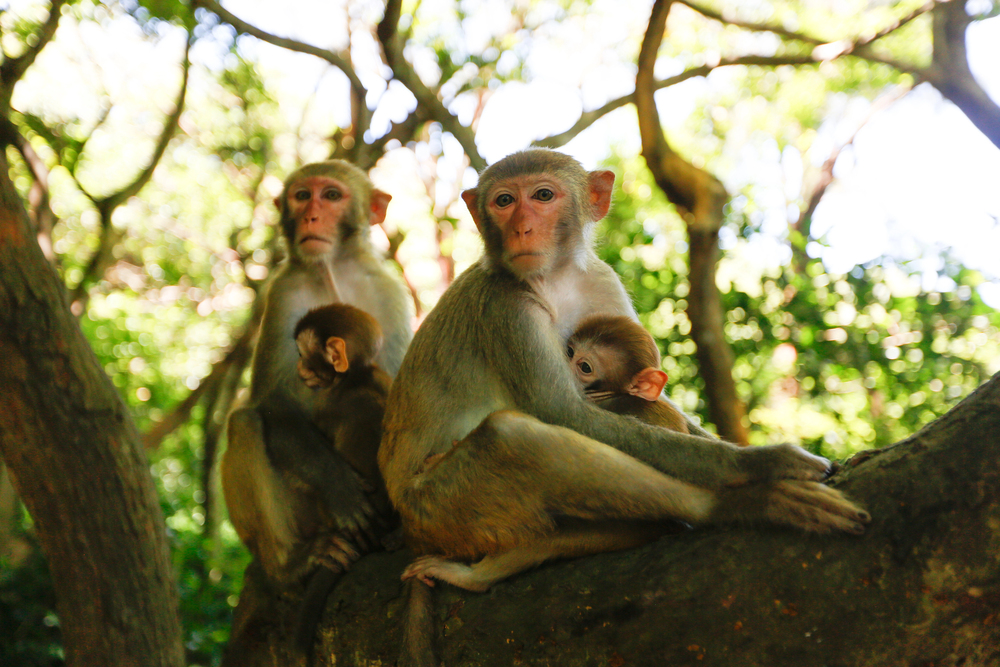
If chimps build the forest’s blueprints, then capuchins fix things on the ground.
Across Central and South America, these monkeys use sticks or rocks – sometimes even leaves from palms – to handle everyday challenges.
Down in Brazil’s Serra da Capivara park, they pick out flat stones just right for cracking hard palm nuts, often saving trusted tools nearby.
This habit hints at thinking that’s sharper than basic guesswork.
Capuchins smear bugs and leaves onto their coats, which helps keep pests away.
Though this isn’t exactly tool use, it reveals how cleverly they adapt outside resources to stay healthy.
This habit suggests they grasp basic cause-and-effect patterns – almost as if testing nature’s rules through trial by error.
New Caledonian crows
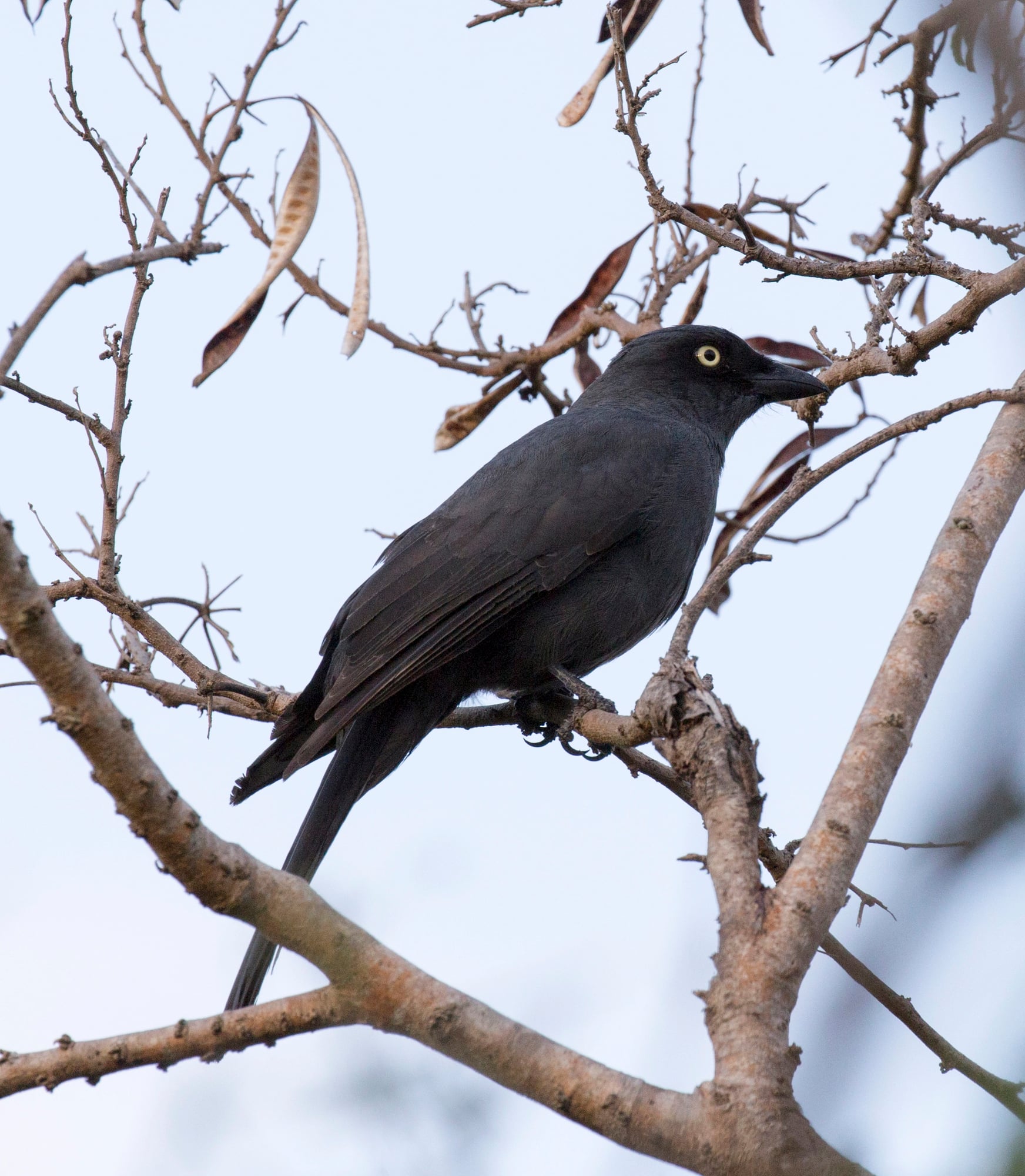
Crows are known for being clever, yet the New Caledonian kind shows off way more brainpower.
Found only on a remote island in the South Pacific called New Caledonia, these animals build curved tools using sticks or tough plant pieces to pull bugs out from wood cracks.
A few go so far as shaping those instruments sharply – adding tiny spikes – to boost grabbing ability.
When tested indoors, they’ve twisted metal wires freely into useful forms just to get at treats – figuring things out instantly.
It’s not merely how well they handle things, yet it’s their knack for thinking ahead.
Research reveals these crows from New Caledonia pick out tools beforehand – tools they’ll need later – a kind of planning close to what monkeys do.
They don’t depend on thumb-like grips; instead, keen vision pairs with quick-witted solutions.
Sea otters
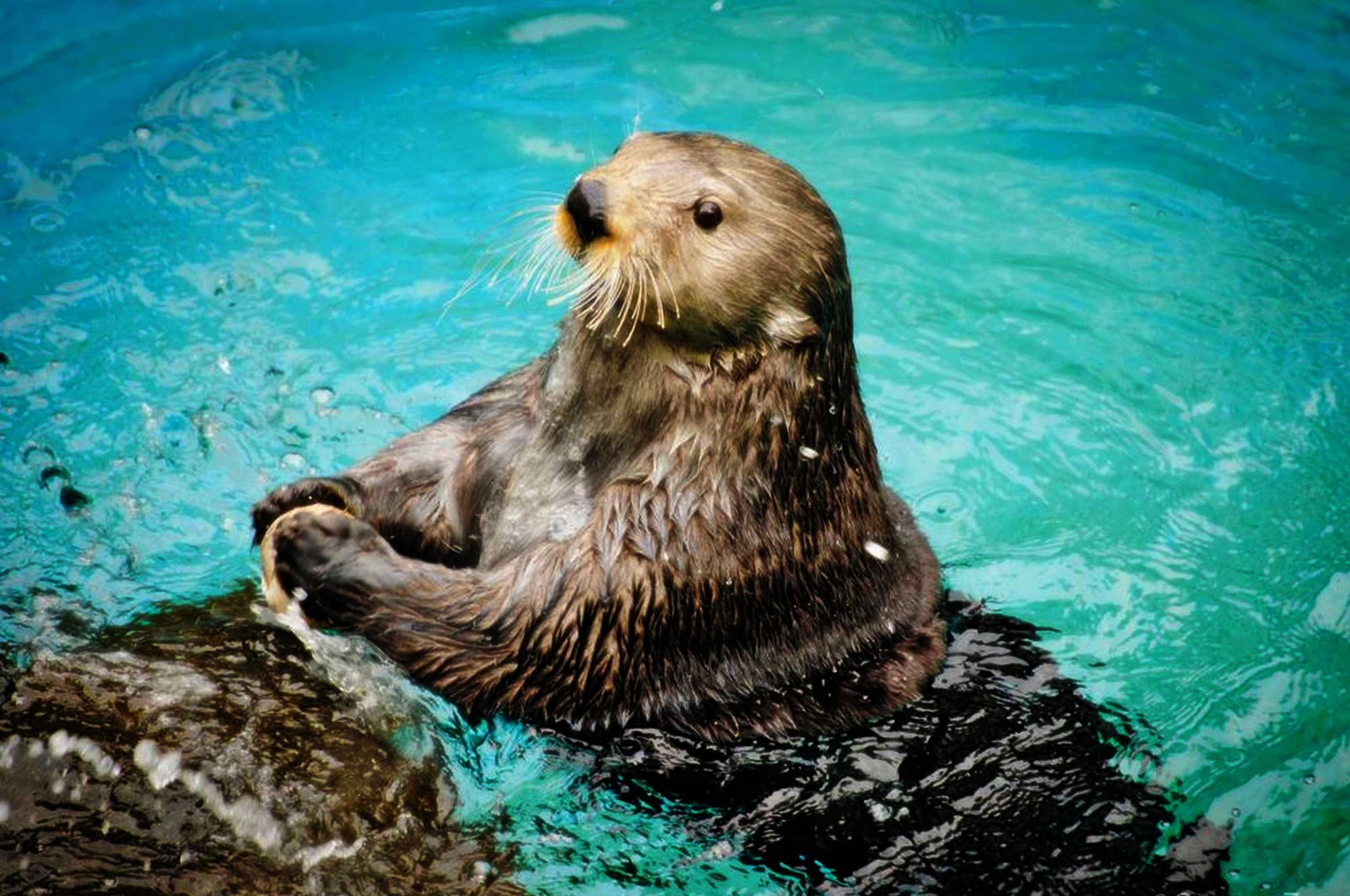
Along jagged shores, sea otters drift on their backs like they’re just lounging.
But don’t be fooled – these chilled-out creatures pull off one of the smartest tool tricks underwater.
When diving after clams or sea urchins, an otter grabs a rock, stashing it under its arm.
Once it surfaces, that rock turns into its own little workbench.
Using quick, well-timed hits, the otter smashes its food open, sending shell bits floating away.
One otter might keep a favorite rock handy, tucked into saggy belly skin for days or longer.
The little stash acts like its own tiny gear set.
Doing this regularly hints at something deeper than gut reaction – leaning toward choice and comfort, stuff we used to say only people or smart monkeys had.
Dolphins

Beneath Shark Bay’s waves, some bottlenose dolphins act in ways that feel oddly familiar.
Instead of just hunting bare-nosed, certain females grab sea sponges off the bottom.
These tools slip over their beaks like makeshift shields when rooting around in the sand.
With this gear on, they avoid scrapes from jagged stones or hidden stingray spines while chasing down fish tucked under sediment.
This habit isn’t accidental.
Not every dolphin group uses tools – just specific lineages, suggesting knowledge transfers across family lines over time, which hints at shared traditions.
It quietly shows that smarts in the wild don’t come one way only.
New tricks emerge where exploration runs into real needs.
Elephants
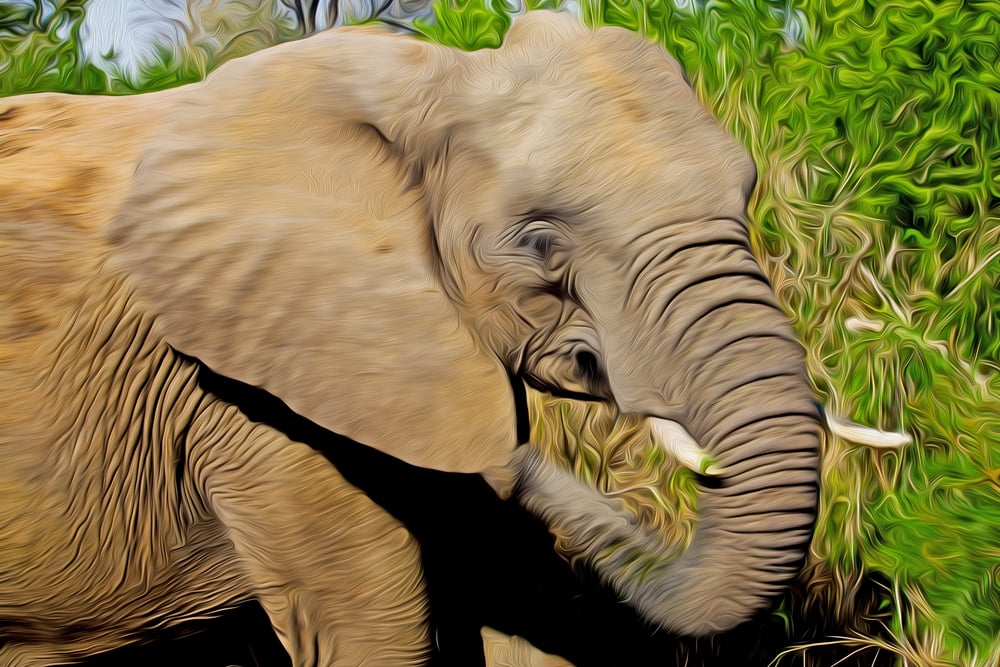
Elephants remember a lot, plus they feel deeply – yet their cleverness stands out just as much.
Out in nature, you might spot them waving tree limbs to shoo away bugs, reach tricky spots on their skin, or fling dirt onto themselves when it’s hot.
At times, they jam sticks or rocks into water sources so the liquid doesn’t vanish once drought hits.
In zoos, elephants get how tools work – almost like monkeys do.
A single animal was seen dragging a heavy block beneath a tree just to climb up and grab snacks from above.
This move needed smarts about space plus figuring things out – not just dumb luck.
Each step pointed to real thinking instead of random action.
Woodpecker finches
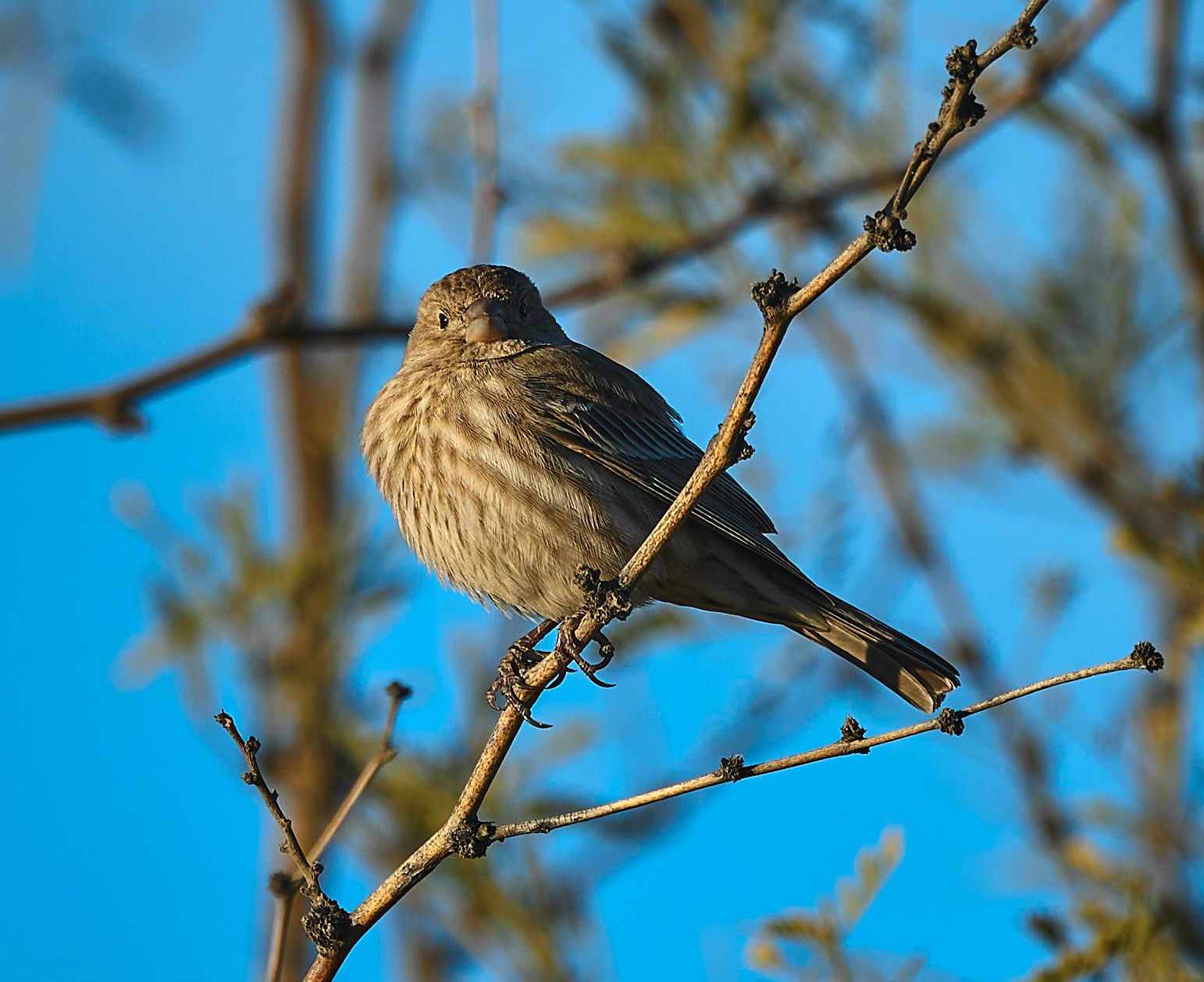
Out on the Galápagos, the woodpecker finch doesn’t just survive – it adapts in clever ways.
Bugs hiding tight inside bark? No problem.
It grabs a sharp bit of cactus or a small stick instead.
Then comes the smart part – poking that piece right where the insect’s tucked away.
With patience, it wiggles the creature loose.
This trick works every time, so they rely on it no matter the season.
They handle those bits like someone who knows their gear by heart.
They’re good at changing things up.
When one tool fails, they don’t stick with it – they grab something else instead, sometimes shortening or tweaking it on the fly.
This shows smart thinking – not only picking whatever’s around, but reshaping it to work better.
Octopuses
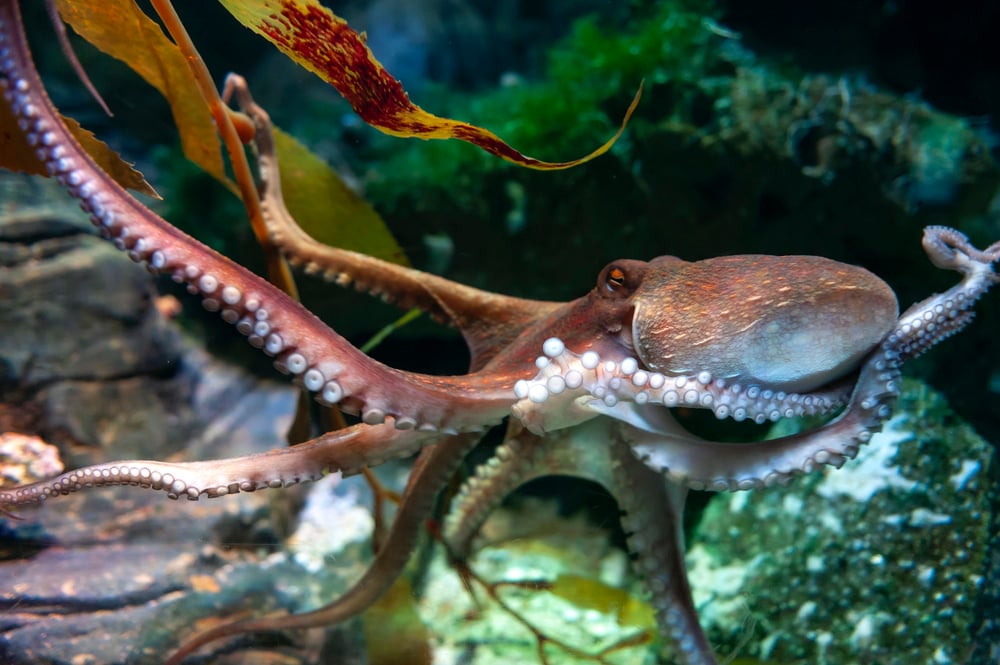
Some creatures without spines know how to use tools too.
In Indonesia’s seas, the veined octopus picks up empty coconut halves, dragging them along the ocean floor as if they’re personal shields.
If danger shows up, it quickly stacks the pieces into a protective dome – basically a shell house it can move around.
Scientists weren’t sure at first; after all, that behavior means thinking ahead instead of simply fleeing when things get risky.
Octopuses shift stones to seal off their hideouts, twist lids loose to get at meals, or shuffle bits of junk on the seafloor to make safer shelters.
This kind of inventive behavior shakes up old ideas about smarts – showing clever thinking isn’t limited to one type of brain.
Egyptian vultures
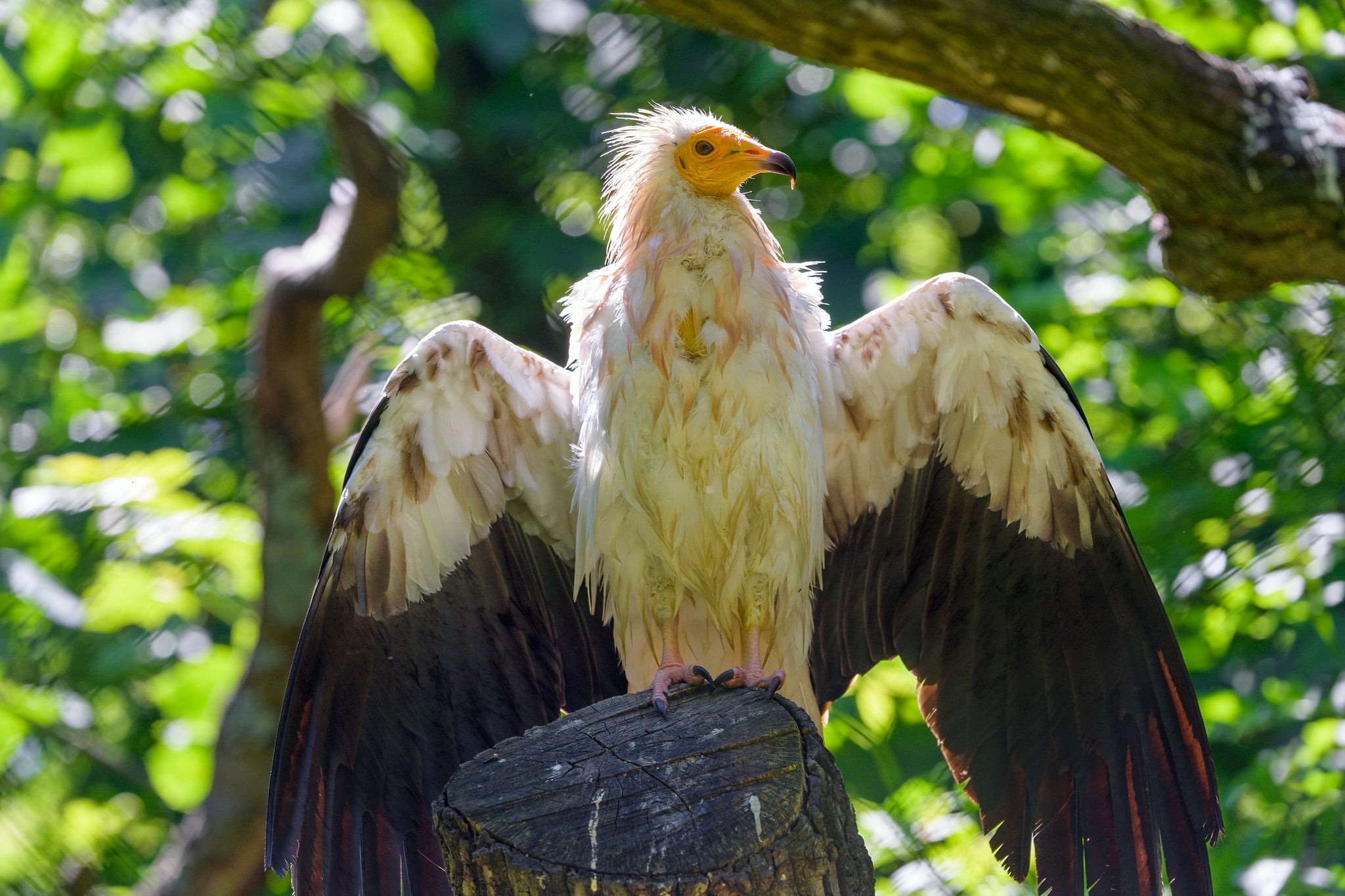
Among scavengers, the Egyptian vulture grabs attention thanks to its clever way of tackling challenges.
Ostrich eggs? A top snack – yet their hard shells resist most attacks.
Rather than walk away empty-beaked, this bird grabs a rock, then flings it at the egg till it splits open.
That move doesn’t come naturally; juveniles need loads of tries before getting it right.
After that, they’ve got it locked in – for good.
They’ve even been seen grabbing twigs to collect wool when making nests – proof they get how one thing can do more than just one job.
This quiet cleverness comes from sticking at it, not brute force.
Orangutans
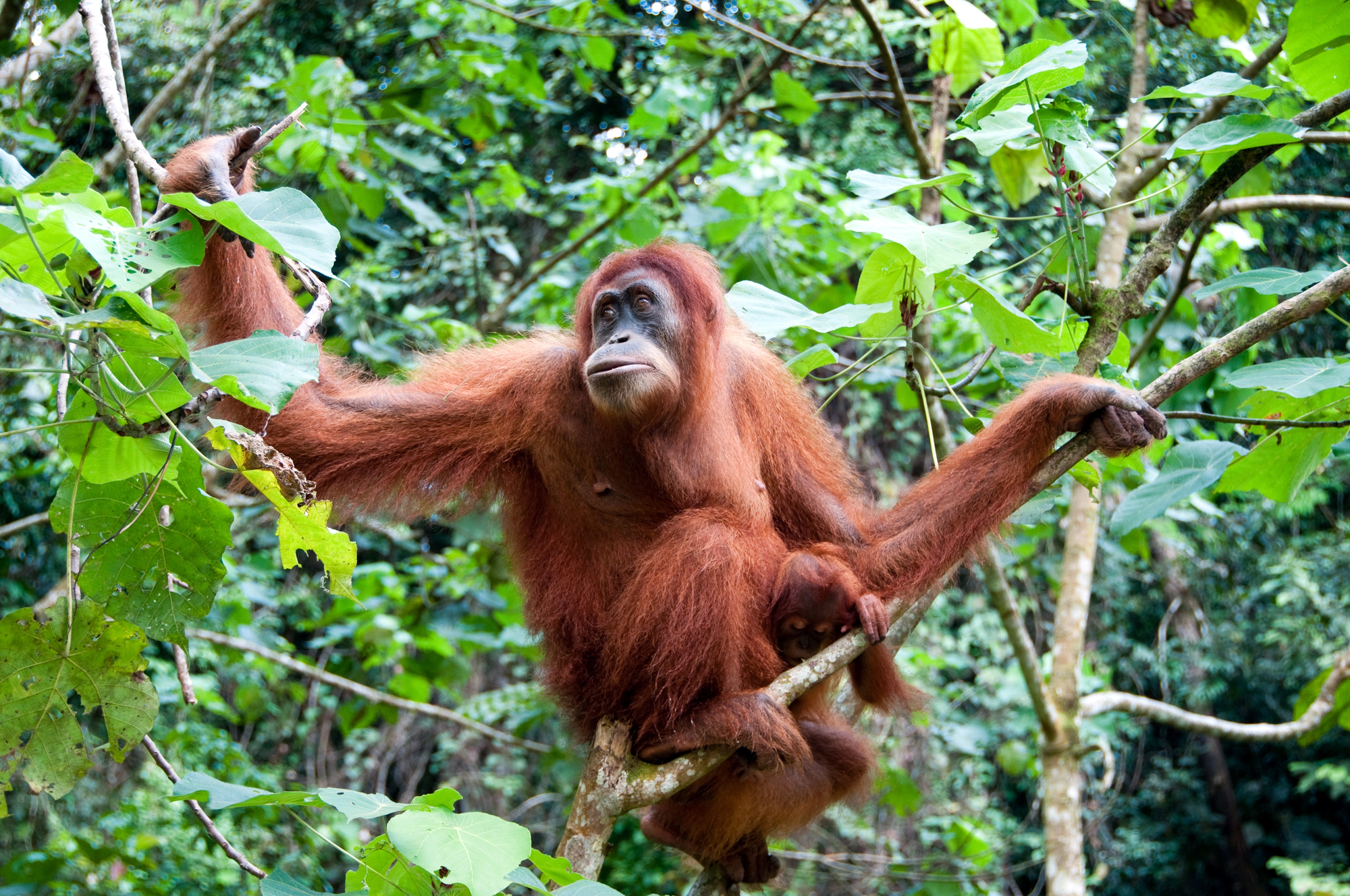
Inside Borneo’s thick jungles, plus those of Sumatra, these red-haired apes act in ways that strangely mirror people.
Instead of hands, they grab twigs to dig bugs out of bark cracks.
When dealing with prickly food, they wrap their palms using broad foliage like protective pads.
If storms roll in, some build canopies from branches and green cover, lifting them up as shields while swinging through wet limbs.
This isn’t mere smarts – it’s about making life easier, crossing into cleverness where survival meets invention.
Scientists noticed orangutans in different areas use tools in unique ways, showing these skills are picked up from others – kind of how people share traditions.
Over here, they might grab a certain twig to fish out honey; somewhere else, folks do it totally differently.
The shifts point to clever problem-solving shaped through watching and adjusting.
Here’s why this isn’t old news
Watching creatures like crows, dolphins, or monkeys use tools makes us question what counts as smart.
These actions – seen also in octopuses – are more than stunts; they show grasp, foresight, maybe even passing knowledge down.
Every case pushes us toward seeing thought not as a ladder we rule from above, but as a stretched-out line where many beings find their place.
In a time when nature shifts fast, noticing smart animal behavior matters more than ever.
Because cleverness helping creatures live also leaves them exposed once homes vanish.
Saving them? It’s not only rescue work – it’s holding on to flashes of original thinking that keep Earth’s beings full of wonder.
Each stick, rock, or shell used with intent quietly shows invention began long before humans… and will carry on well after.
More from Go2Tutors!

- The Romanov Crown Jewels and Their Tragic Fate
- 13 Historical Mysteries That Science Still Can’t Solve
- Famous Hoaxes That Fooled the World for Years
- 15 Child Stars with Tragic Adult Lives
- 16 Famous Jewelry Pieces in History
Like Go2Tutors’s content? Follow us on MSN.



