Famous Last Words of Notable Figures
The desire to hear someone’s last words has a profoundly human quality.
Last words are important because they are the last opportunity to make an impression or settle accounts, and they are the period at the end of a life sentence.
Some use those times to make thought-provoking remarks, some to make jokes, and some just for pragmatic reasons.
The problem is that many well-known final words are contested, embellished, or completely made up by subsequent generations.
Nevertheless, whether these last words are entirely true or have been refined by time, they still tell us something about how we perceive the speakers.
Here are a few of the most famous last words ascribed to historical personalities, along with the background that gives them significance.
All of them tell us something worth hearing, even though some are well-documented and others are most likely legends.
Leonardo da Vinci
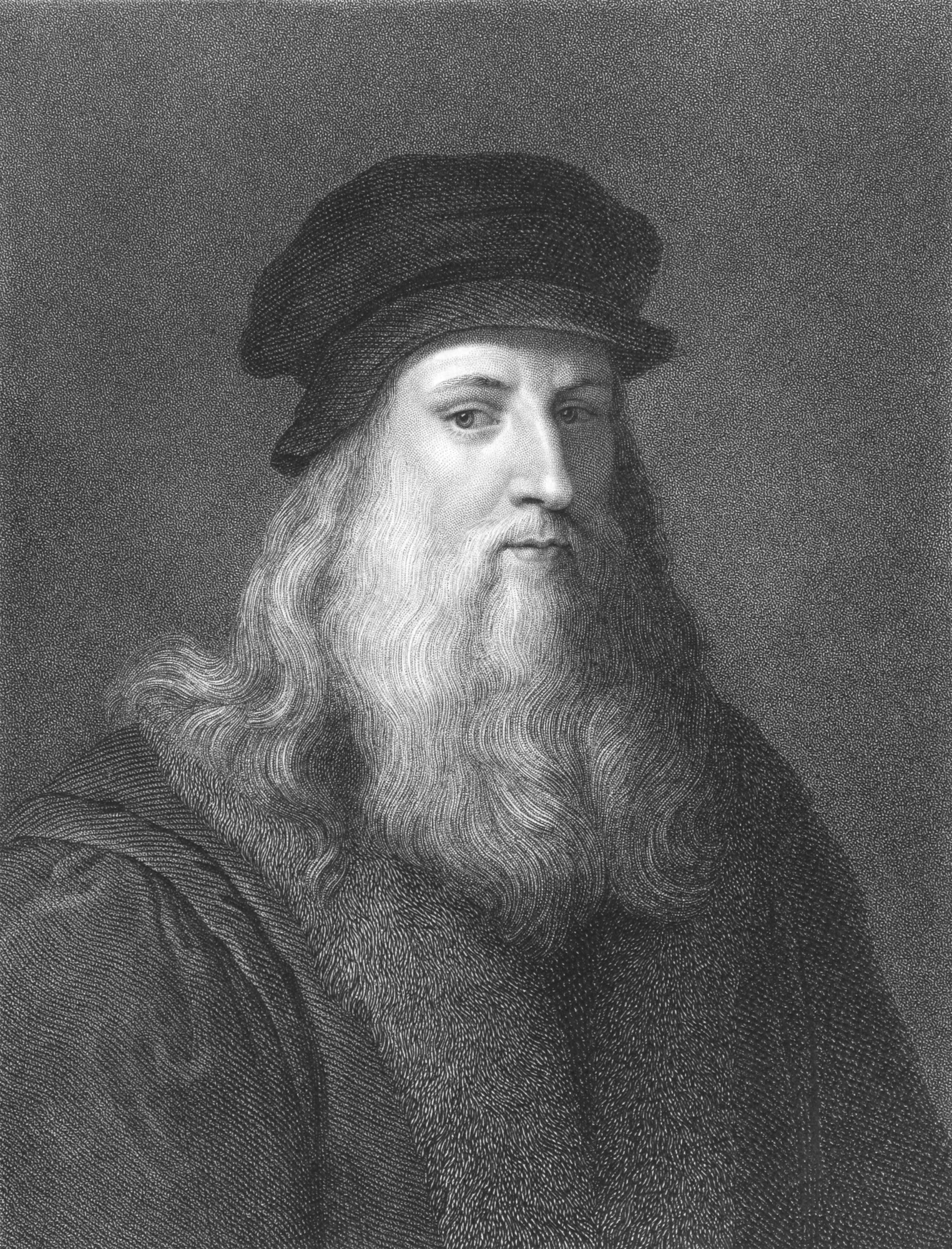
The Renaissance master allegedly said, ‘I have offended God and mankind because my work did not reach the quality it should have.’
It’s a statement that perfectly captures the mindset of someone who spent his life pursuing impossible standards.
Da Vinci died in 1519 at the Château du Clos Lucé in France, where he’d been living under the patronage of King Francis I.
The quote suggests a man looking back on notebooks filled with flying machines, anatomical studies, and unfinished paintings, seeing only what he hadn’t accomplished.
The problem is that this quote first appeared in Giorgio Vasari’s biography of da Vinci, written decades after the artist’s death.
No contemporary witness recorded these words, and Vasari had a habit of embellishing his subjects’ lives for dramatic effect.
The line sounds like something da Vinci might have said, which is partly why it stuck.
Whether he spoke it or Vasari invented it to capture the artist’s perfectionism, the words have become inseparable from how we understand his legacy.
Oscar Wilde
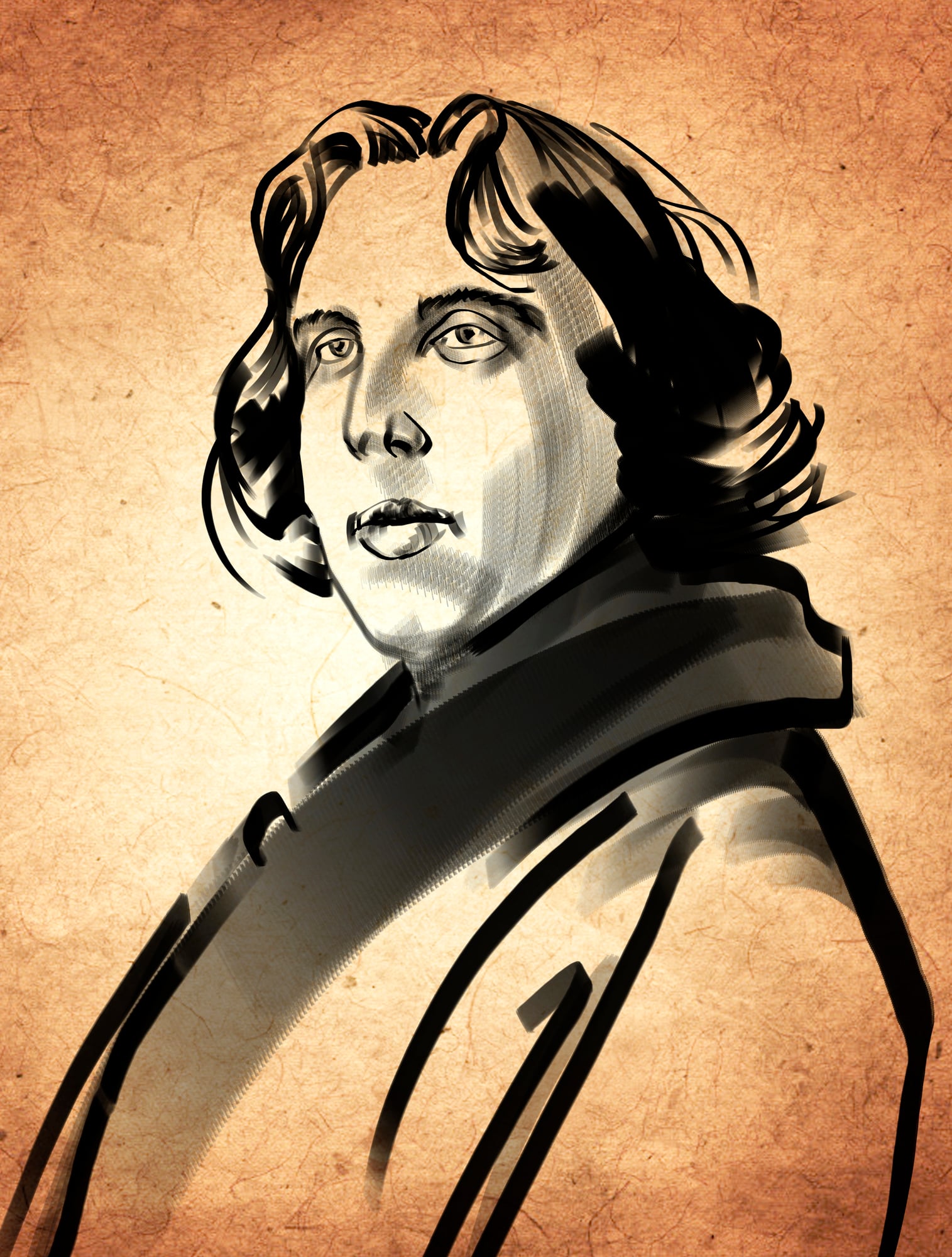
Wilde’s famous quip is almost too characteristically witty to be believed: ‘Either that wallpaper goes, or I do.’
The line has everything you’d want from Wilde — sharp humor, aesthetic judgment, and defiance in the face of death.
He was dying in a shabby Paris hotel room in 1900, broke and in failing health after his release from prison.
It’s the kind of exit line a playwright would write for himself.
The catch is that Wilde made this remark earlier during his illness, not as his literal final words.
His actual last statement went unrecorded, likely far less quotable than the wallpaper joke.
The quip has endured because it captures something essential about Wilde’s personality — his refusal to take anything, including death, entirely seriously.
Sometimes the story we want to tell about someone matters more than strict chronological accuracy.
Steve Jobs
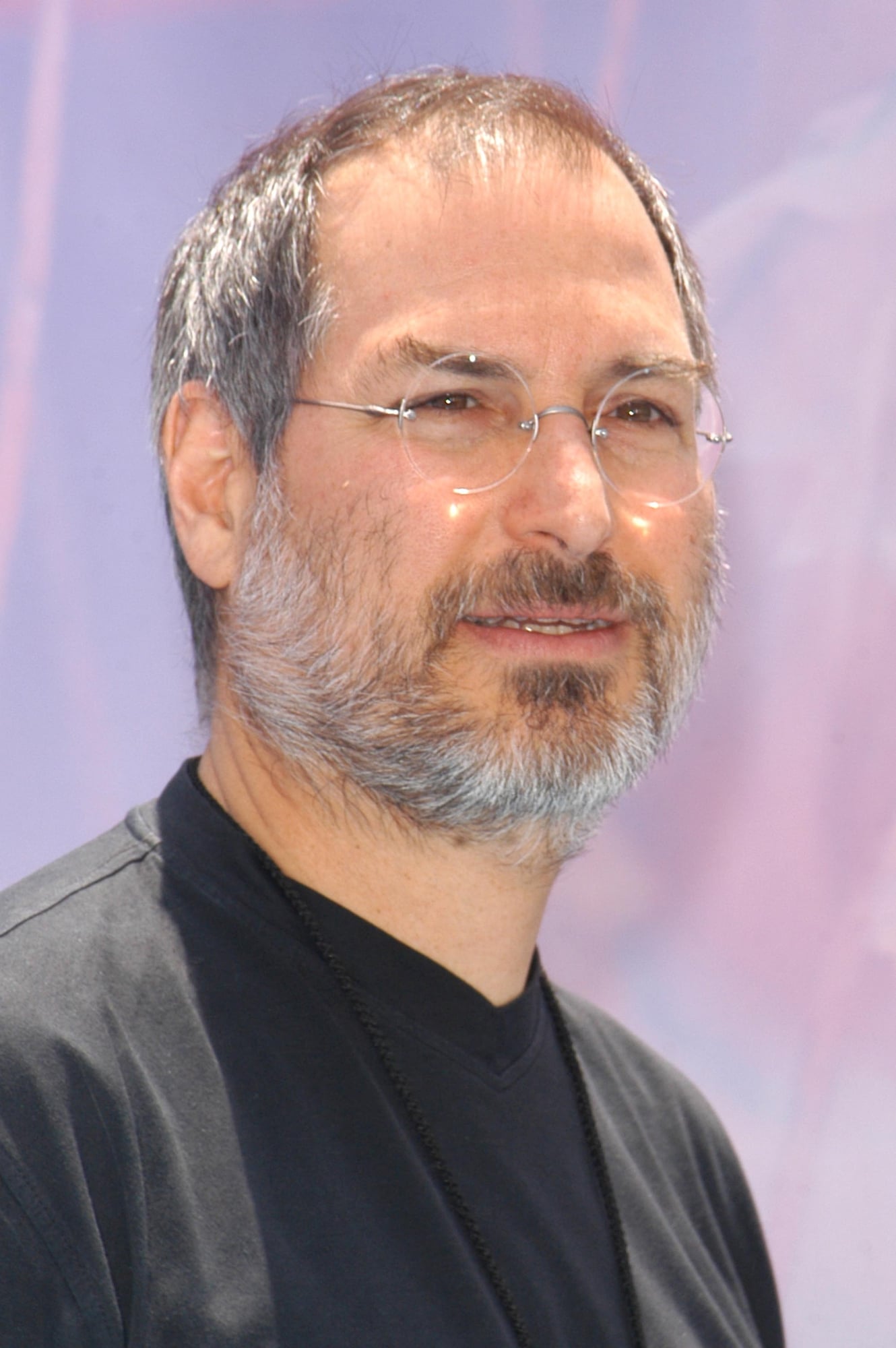
Jobs’ last words were simply, ‘Oh wow. Oh wow. Oh wow.’
His sister Mona Simpson, who was present, described how he looked past his family at something only he could see before speaking those words and passing away in 2011.
There’s no grand statement here, no carefully crafted exit line — just apparent wonder at whatever he experienced in that final moment.
For someone who built a career on creating experiences that made people say ‘wow,’ it’s almost poetically appropriate.
This one stands on solid ground.
Simpson’s account came in her eulogy, delivered shortly after Jobs’ death, and has remained consistent.
What Jobs saw or felt remains unknown, but the words suggest something beyond mere darkness.
They’ve become a small comfort to people who wonder what awaits at the end, precisely because they’re so simple and seemingly genuine.
Nathan Hale
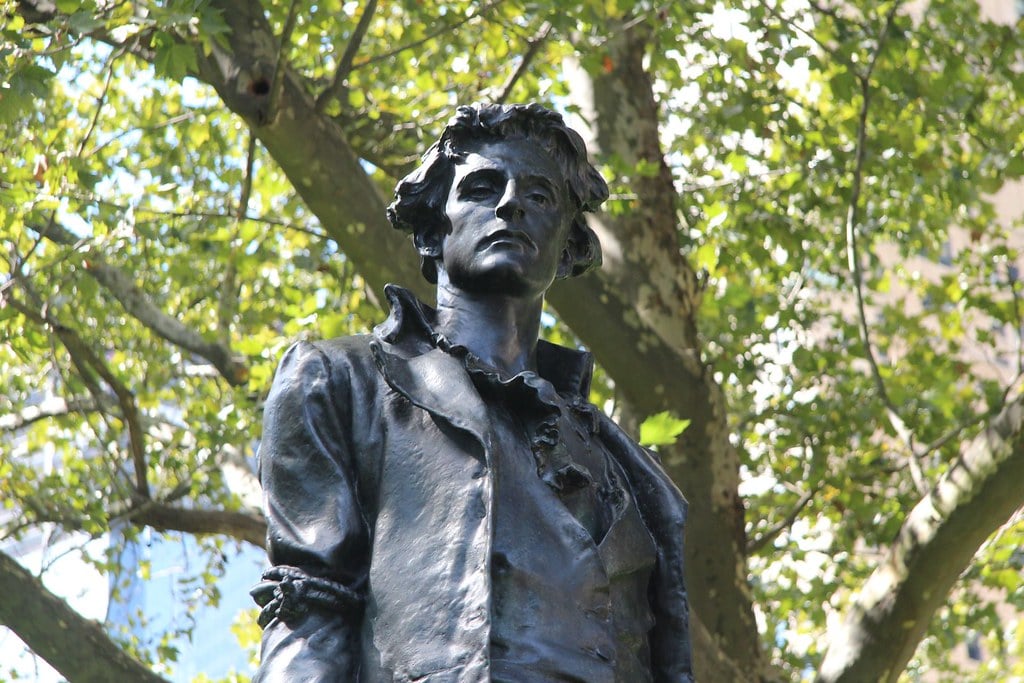
The young American spy reportedly declared, ‘I only regret that I have but one life to lose for my country,’ before being hanged by the British in 1776.
He was just 21 years old.
The words have become one of the most famous patriotic statements in American history, taught to schoolchildren and carved into monuments.
They represent the idealized version of revolutionary sacrifice — calm, noble, and utterly committed.
That said, no one recorded these words at the time of Hale’s execution.
The quote first appeared in print in 1799, more than two decades after his death.
Many historians believe he may have paraphrased a line from Joseph Addison’s play ‘Cato,’ which was popular among educated colonists at the time.
The real last words of a frightened 21-year-old facing execution were probably less polished, if they were noteworthy at all.
Still, the quote endures because it represents what people wanted to believe about the revolutionary cause.
Marie Antoinette

Moments before the guillotine blade fell in 1793, Marie Antoinette accidentally stepped on her executioner’s foot and said, ‘Pardon me, sir. I did not do it on purpose.’
The automatic politeness in the face of execution is startling — here’s a woman about to lose her head, apologizing for a minor social transgression.
It’s either admirable composure or the ultimate example of aristocratic conditioning overriding survival instinct.
Multiple eyewitnesses at the execution reported similar phrasing, though the exact wording varies slightly in different accounts.
This gives the quote more credibility than many others on this list.
The moment aligns with the formal court etiquette that had governed Marie Antoinette’s entire life.
The contrast between the pettiness of stepping on someone’s foot and the enormity of what was about to happen makes the moment absurdly human.
Thomas Edison
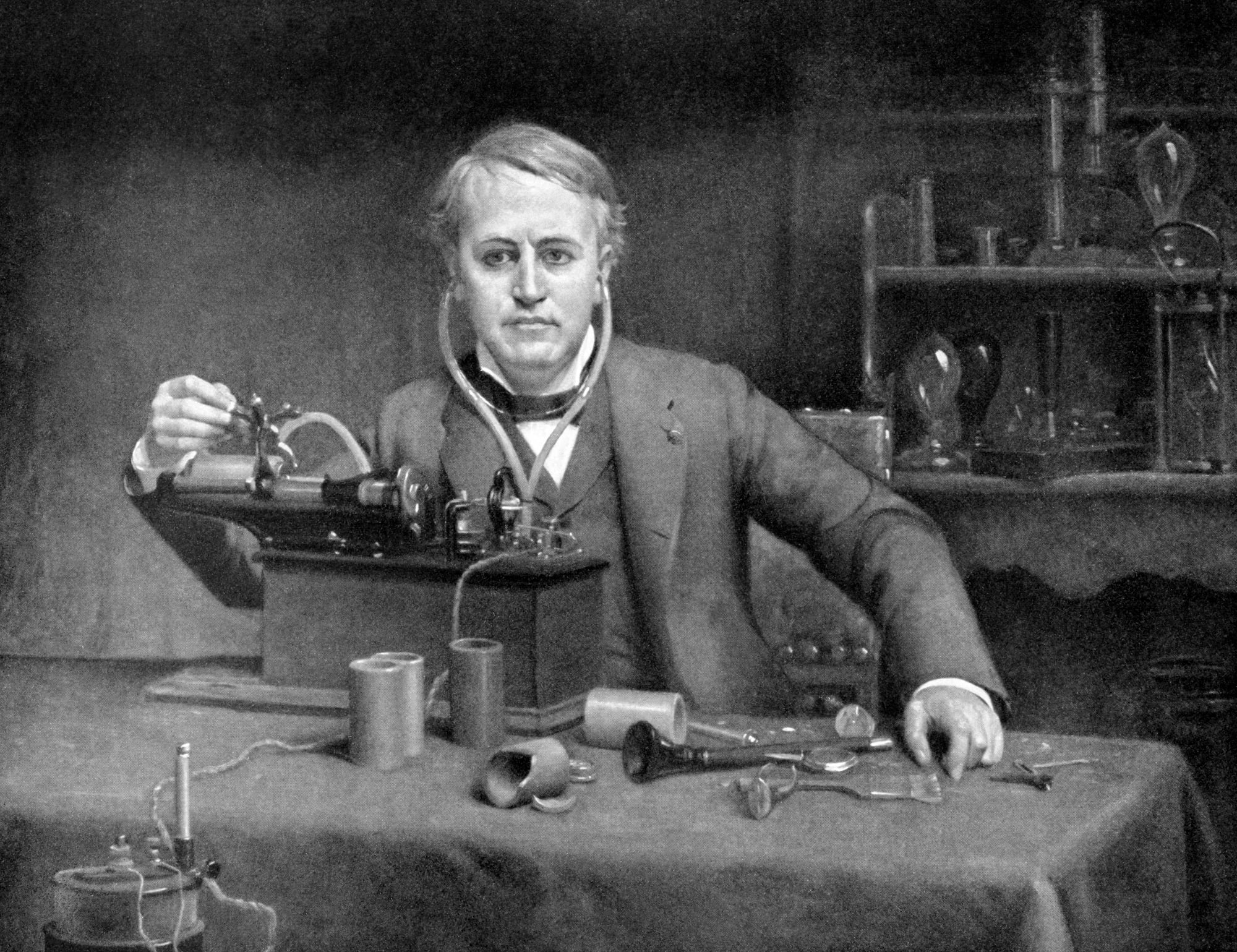
The inventor’s last words were reportedly, ‘It is very beautiful over there.’
He spoke to them after emerging briefly from a coma, apparently looking toward a window, before slipping away in 1931.
His wife Mina was present and later recalled the statement, though the exact circumstances and wording remain somewhat uncertain.
For a man who spent his life working with electricity and light, the suggestion of something luminous waiting beyond feels almost too fitting.
The quote has been embraced by people seeking comfort in the idea of an afterlife, though Edison himself had expressed skepticism about religion throughout his life.
Whatever he saw — whether a genuine glimpse of something beyond, a neurological phenomenon, or simply the view from his window — became one of the most repeated deathbed statements in modern history.
The ambiguity leaves room for interpretation, which might be why it resonates.
P.T. Barnum
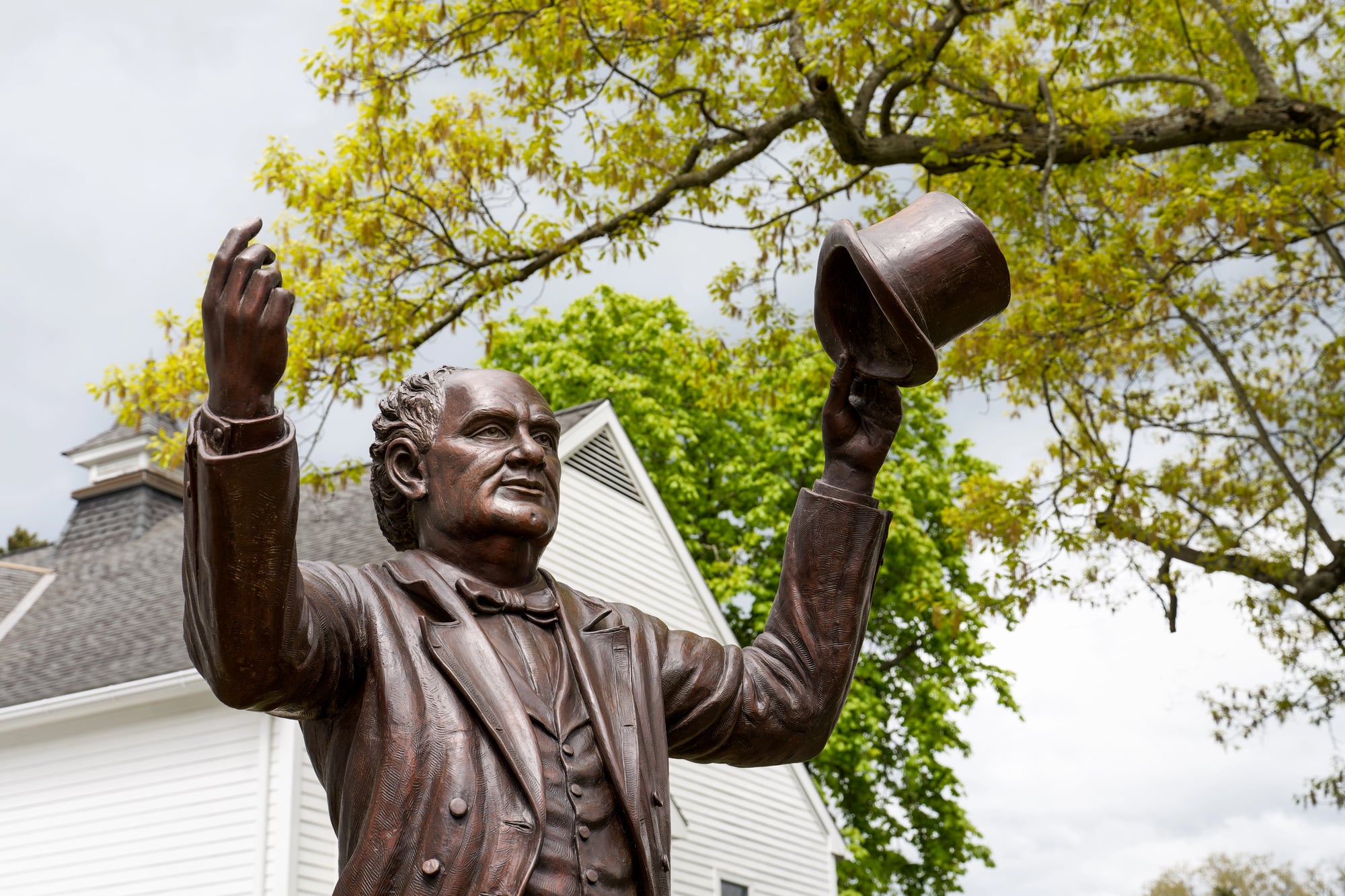
The showman allegedly asked, ‘What were the receipts today at Madison Square Garden?’ before dying in 1891.
If true, it’s perfectly in character for someone who built an empire on spectacle and never stopped thinking about the business.
Barnum remained focused on the numbers right up to the end, treating death as just another performance with ticket sales to track.
However, this quote appeared in newspaper obituaries without any first-hand verification from family members who were present.
Like many Barnum stories, it might be too good to check.
The line captures his essence as entertainment’s greatest hustler so perfectly that it’s become part of his legend regardless of whether he actually said it.
Sometimes mythology serves biography better than facts.
Humphrey Bogart
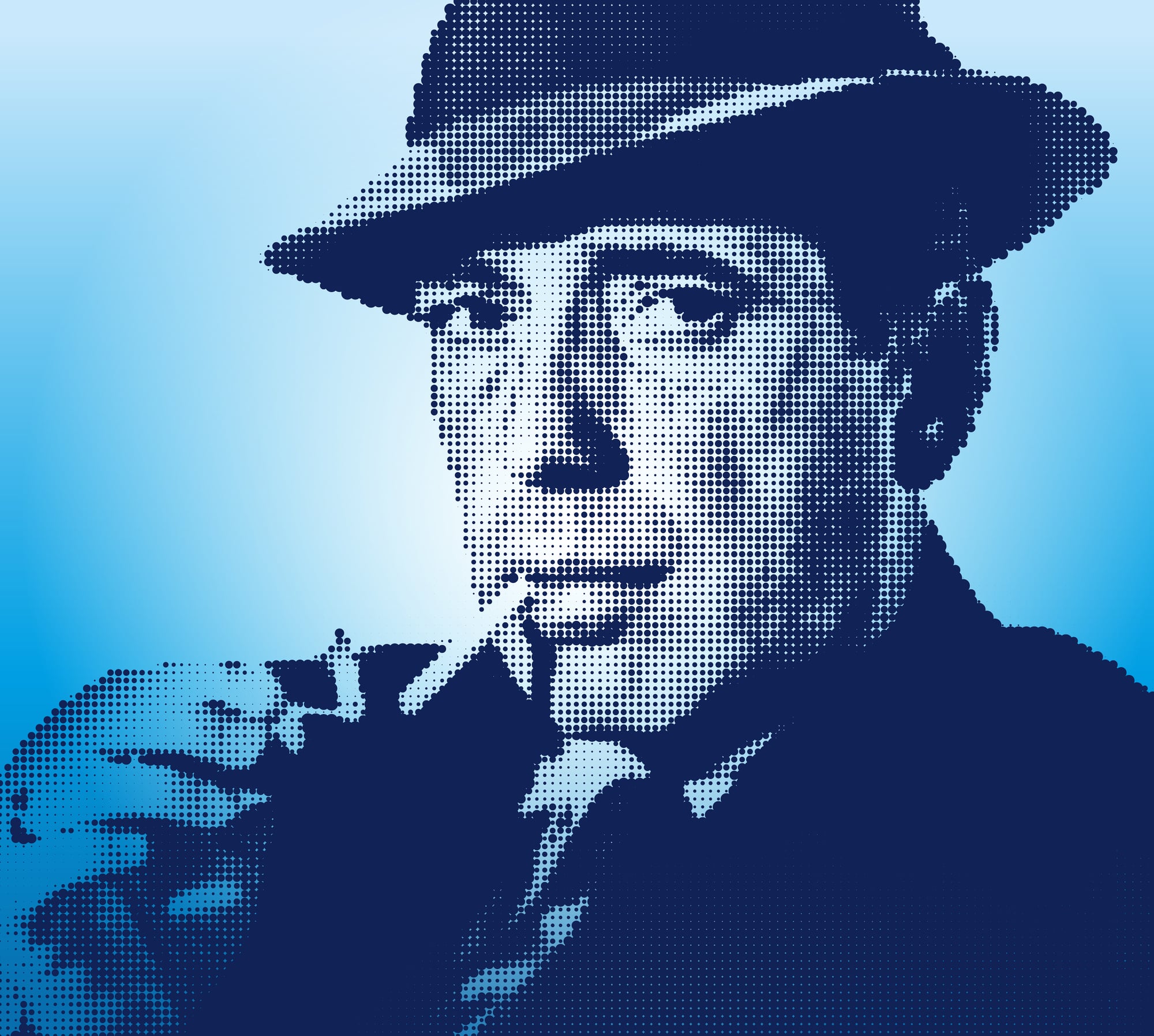
Bogart’s last words to his wife Lauren Bacall were, ‘Goodbye, kid. Hurry back.’
She had briefly left his bedside in 1957 to pick up their children from school.
The casual intimacy of the statement — the nickname, the assumption she’d return soon — makes it particularly poignant because he knew she wouldn’t find him alive when she came back.
It’s a goodbye disguised as a temporary farewell.
Bacall confirmed these words in her autobiography, giving them solid credibility.
They fit the tough-but-tender persona Bogart projected both on screen and in life.
There’s no grand statement about mortality, just a husband sending his wife off on an ordinary errand while facing an extraordinary moment.
The understatement makes it more powerful than any dramatic speech could have been.
Karl Marx
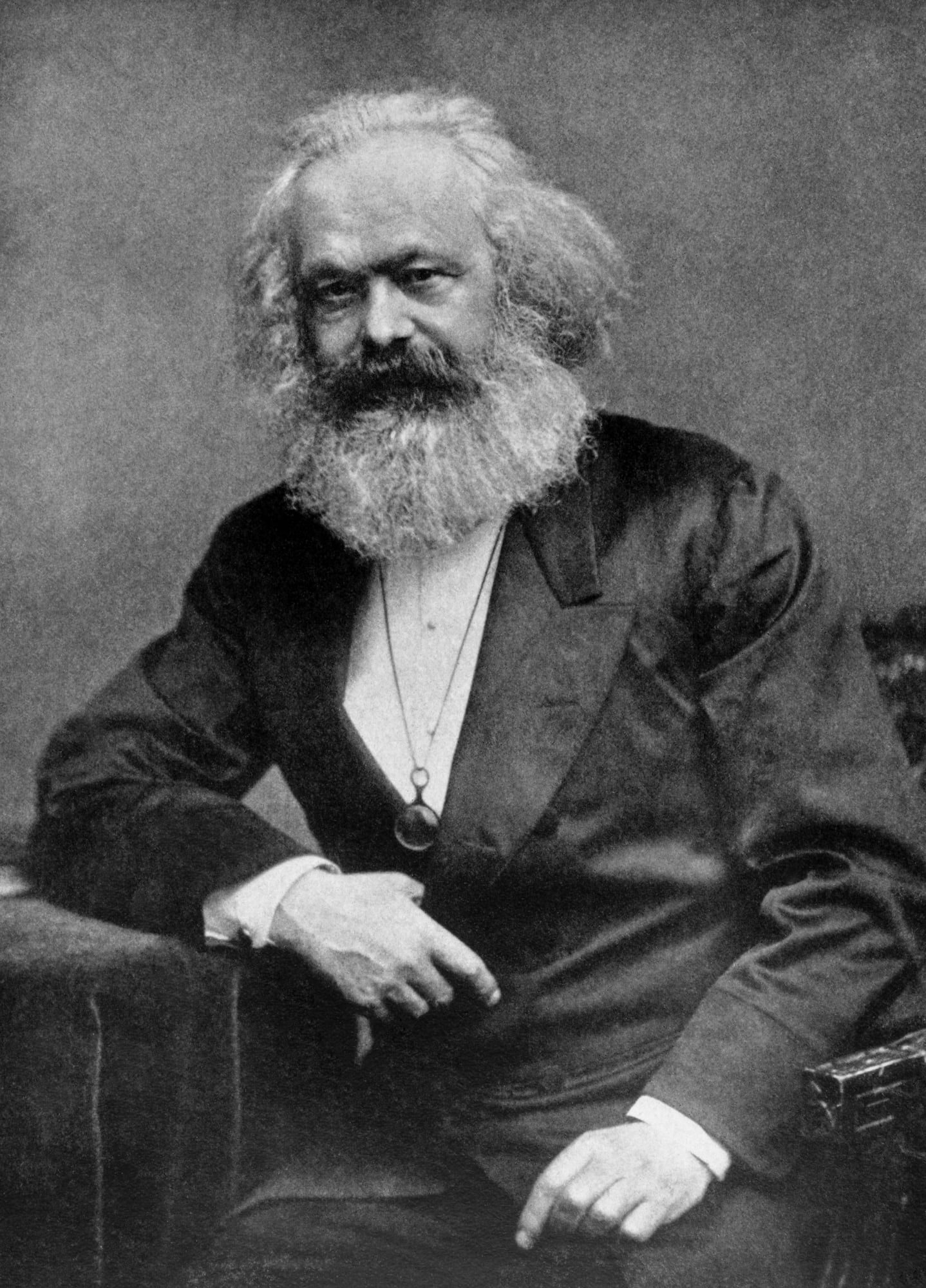
The philosopher’s housekeeper asked if he had any final words for posterity.
Marx reportedly replied, ‘Last words are for fools who haven’t said enough!’
He died shortly after in 1883.
For someone who spent his entire career writing dense theoretical works about economics and revolution, the irritated dismissal of deathbed profundity is darkly funny.
Marx apparently felt he’d already said everything that needed saying.
The account comes from his housekeeper Helena Demuth, who had worked for the Marx family for decades.
While likely authentic, the quote may have been paraphrased or cleaned up in the retelling.
It’s entirely consistent with Marx’s personality — he wasn’t known for sentimentality or patience with what he considered bourgeois rituals.
His refusal to perform the expected deathbed scene was itself a final act of defiance against convention.
What They Leave Behind
Because they give us a glimpse of how people handle the most important moment of their lives, last words captivate us.
We want to think that there is some fundamental truth about them that will remain after everything else has vanished.
The issue is that most people don’t find death to be poetic.
People are frequently too preoccupied with breathing mechanics, unconscious, or incoherent to make memorable statements.
The quotes that have survived are the exceptions rather than the norm.
That uncertainty, however, does not lessen their influence.
These words have become ingrained in our understanding of these figures, regardless of whether they were spoken exactly as they were captured on tape or were refined through repetition and memory.
They serve as the punctuation for lives that still have an impact on us.
While the questionable quotes highlight what we value enough to preserve—or create—the verified quotes serve as a reminder that meaningful moments do occur.
We are essentially preserving our need to find meaning in endings by gathering these last moments, whether or not they are true, with the hope that we may eventually find the right words to encapsulate everything that has happened thus far.
More from Go2Tutors!

- The Romanov Crown Jewels and Their Tragic Fate
- 13 Historical Mysteries That Science Still Can’t Solve
- Famous Hoaxes That Fooled the World for Years
- 15 Child Stars with Tragic Adult Lives
- 16 Famous Jewelry Pieces in History
Like Go2Tutors’s content? Follow us on MSN.