Vintage Department Stores and Their Heydays
Once upon a time, shopping wasn’t just a task to tick off a list.
It was an outing.
An event.
And sometimes even a performance.
The grand department stores of the late 19th and early 20th centuries weren’t only about what you could buy.
They were showcases of architecture.
Theater.
And elegance.
Places where people strolled through marble halls under glowing chandeliers.
Not just to shop but to experience modern life in motion.
These palaces of commerce turned retail into spectacle and helped shape consumer culture as we know it.
Here’s a closer look at how these storied establishments rose to fame.
What made them special.
And why their memory still lingers long after most of their doors have closed.
The birth of a shopping revolution
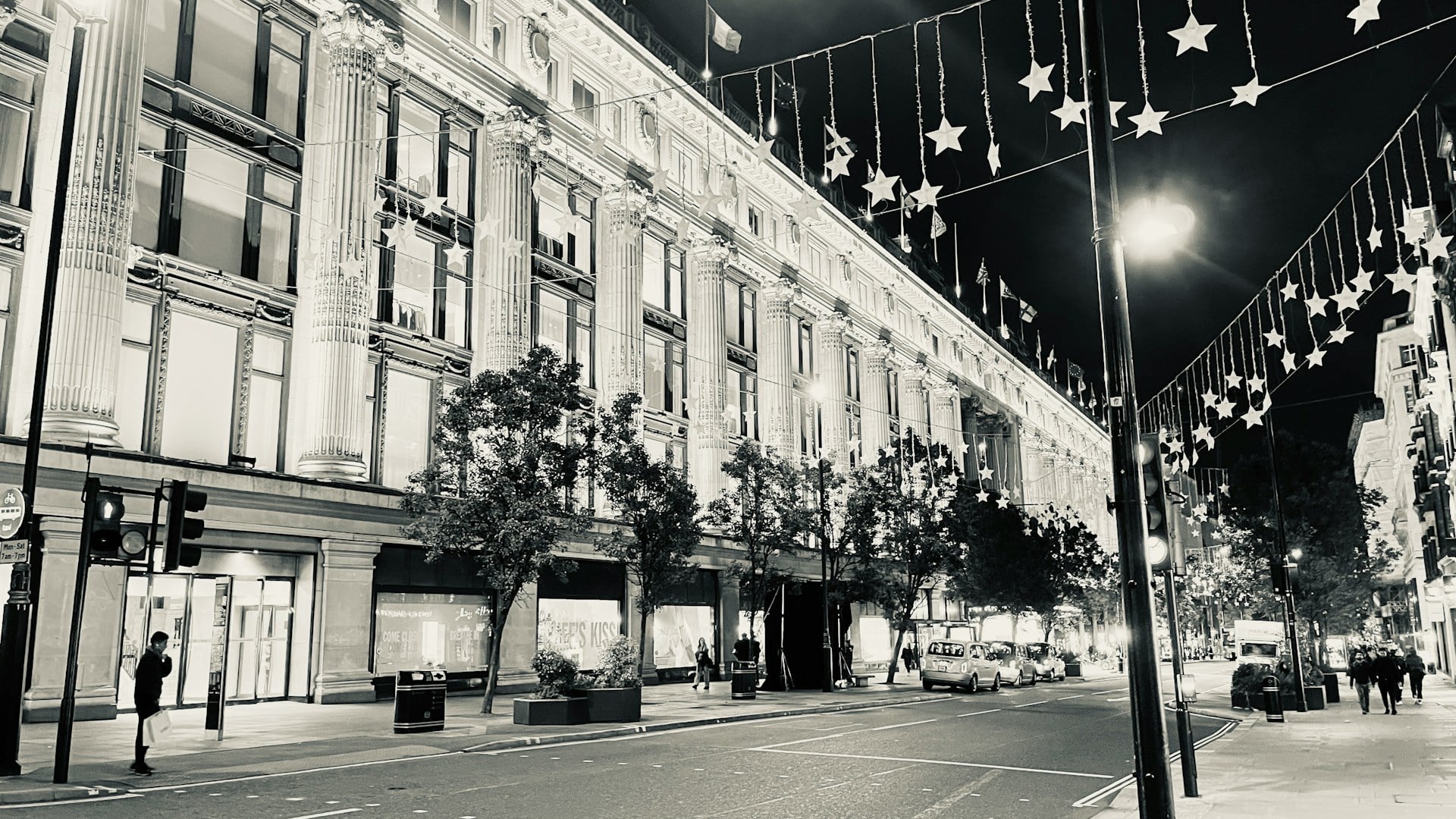
The idea of a store selling everything under one roof was revolutionary when it appeared in the mid-1800s.
Paris led the way with Le Bon Marché.
Opened in 1852 by Aristide Boucicaut.
It introduced fixed prices and an early form of advertising.
Customers could browse freely without haggling.
A refreshing change from the old-world marketplace.
That freedom made shopping feel almost democratic.
Anyone with a few francs could step in and be part of modernity.
Soon London followed with Harrods and Selfridges.
While New York gave rise to the likes of Macy’s and Lord & Taylor.
These early department stores didn’t just sell goods.
They sold the dream of progress.
Escalators.
Elevators.
Electric lighting.
All new marvels of the age.
They were proudly displayed to dazzle customers.
Visiting became an experience as much about wonder as about purchase.
The Gilded Age and the golden windows
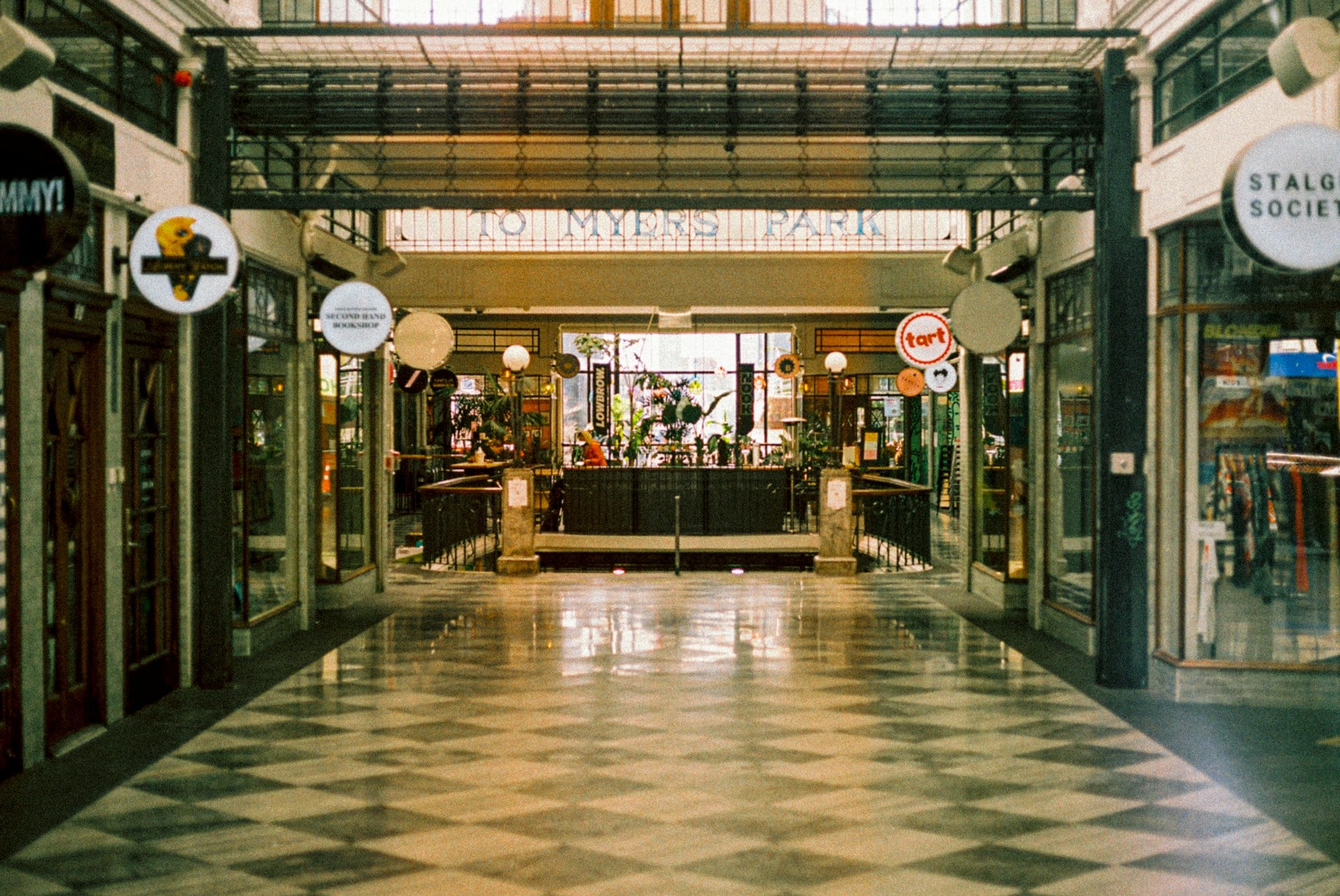
By the turn of the 20th century, department stores had become temples of aspiration.
They occupied entire city blocks and flaunted lavish architecture meant to impress both the elite and the everyman.
Window displays became art installations before the term existed.
Retailers hired artists to design miniature fantasies behind the glass.
They pulled crowds to gaze in awe at their intricate worlds.
Nowhere did this shine brighter than at Macy’s in New York or Marshall Field’s in Chicago.
Field famously told his staff.
“Give the lady what she wants.”
This set a standard for customer service that stuck.
Meanwhile, the Christmas season became a highlight.
Stores turned into wonderlands filled with twinkling lights and mechanical toys.
These events made shopping a family ritual.
Not just a routine errand.
Marshall Field’s: Chicago’s crown jewel
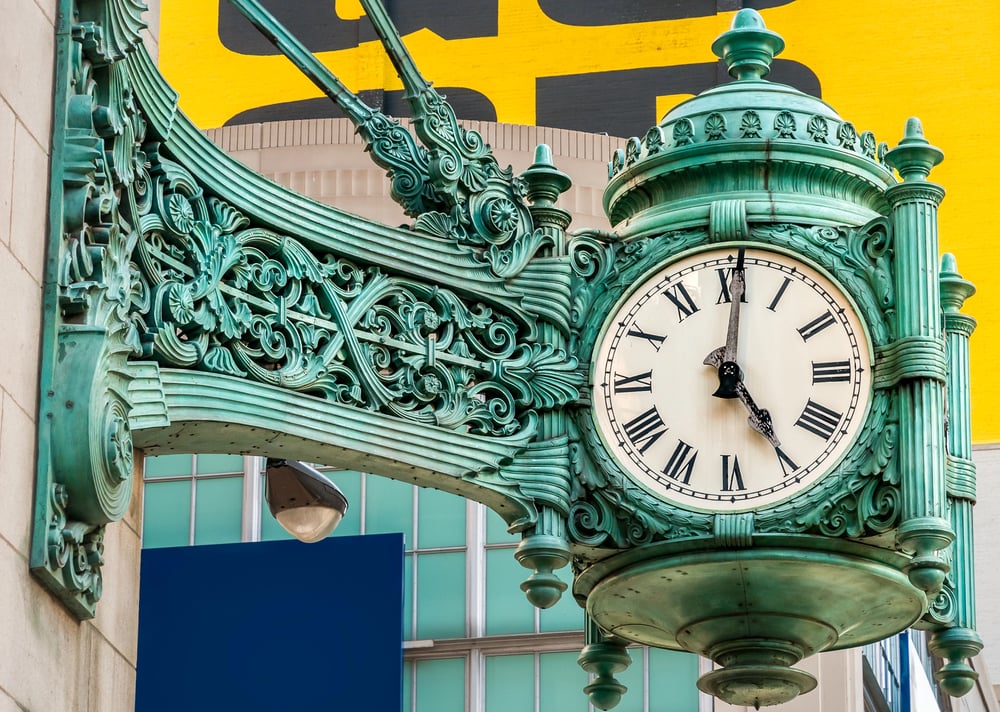
Chicago’s Marshall Field’s wasn’t just a store.
It was a civic landmark.
The building itself, with its Tiffany-designed ceiling of colored glass and the great clock above the entrance, became symbols of pride for the city.
Inside, shoppers found not only luxury goods but also a tearoom where ladies of the day gathered for lunch.
It bridged the line between commerce and culture.
The store’s massive holiday displays and carefully orchestrated service defined what many now think of as the golden age of shopping.
Everything, from how items were wrapped to how the salespeople addressed customers, was choreographed to create an aura of sophistication.
Even those who couldn’t afford much came just to be part of the atmosphere.
Macy’s: Where the parade began
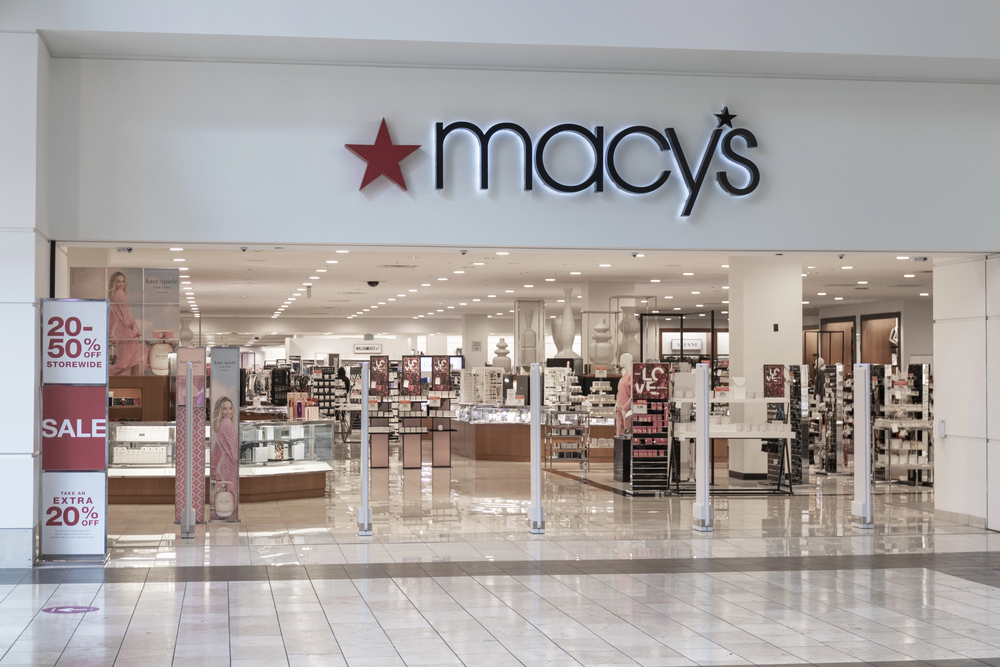
Macy’s, founded in 1858, grew into a behemoth that came to symbolize retail spectacle.
By the 1920s, its annual Thanksgiving parade — first created by immigrant employees longing to celebrate their new country — had turned into a national tradition.
For decades, families tuned in or crowded New York streets to see giant balloons float past.
This linked the store forever with the spirit of the holidays.
The Herald Square flagship became a maze of everything imaginable.
From fine china to furniture.
It pioneered money-back guarantees and in-store restaurants.
Ideas that seem ordinary now but were bold at the time.
Shopping at Macy’s meant being part of something larger.
A shared cultural rhythm that merged commerce and celebration.
Selfridges: London’s monument to modernity
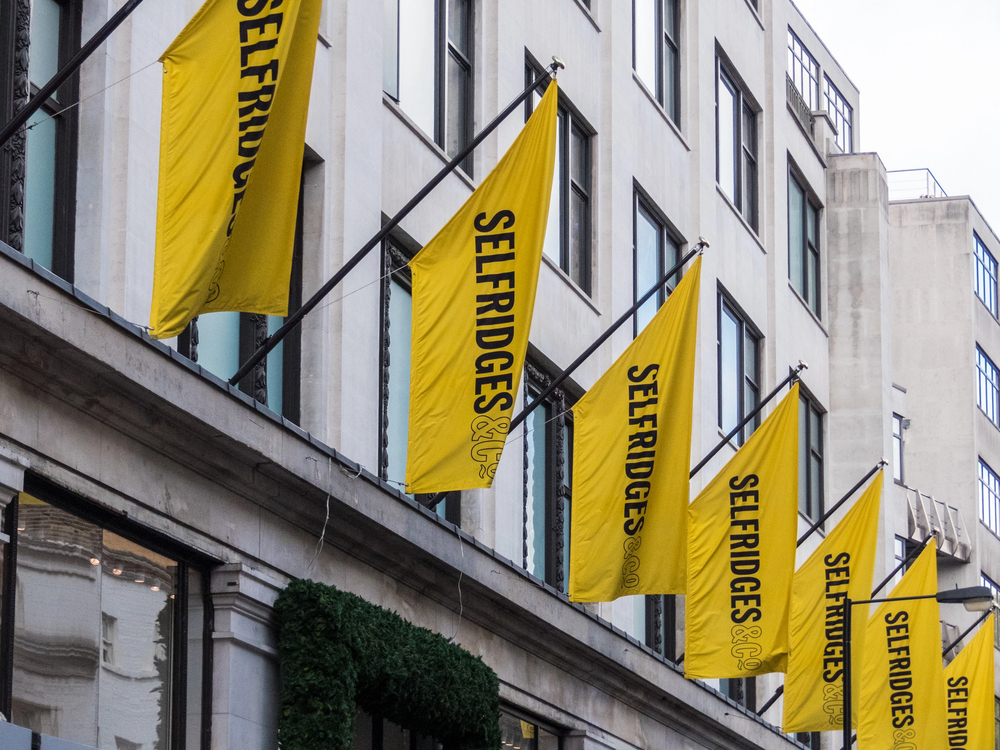
Across the Atlantic, Selfridges rewrote the rules for British retail.
American founder Harry Gordon Selfridge believed shopping should be joyful.
Not intimidating.
When his store opened on Oxford Street in 1909, it was a revelation.
Women, long expected to shop discreetly, could roam freely here without escorts.
Displays encouraged touching.
Trying.
Exploring.
Ideas that seem natural today but were groundbreaking then.
Selfridge also turned retail into theater.
He hosted art exhibits.
Installed a rooftop garden.
And even displayed the monoplane that Louis Blériot used to cross the English Channel.
The message was clear.
This wasn’t just a store.
It was a gateway to modern life.
The crowds came not just to buy but to be amazed.
Le Bon Marché: Parisian origins and quiet elegance
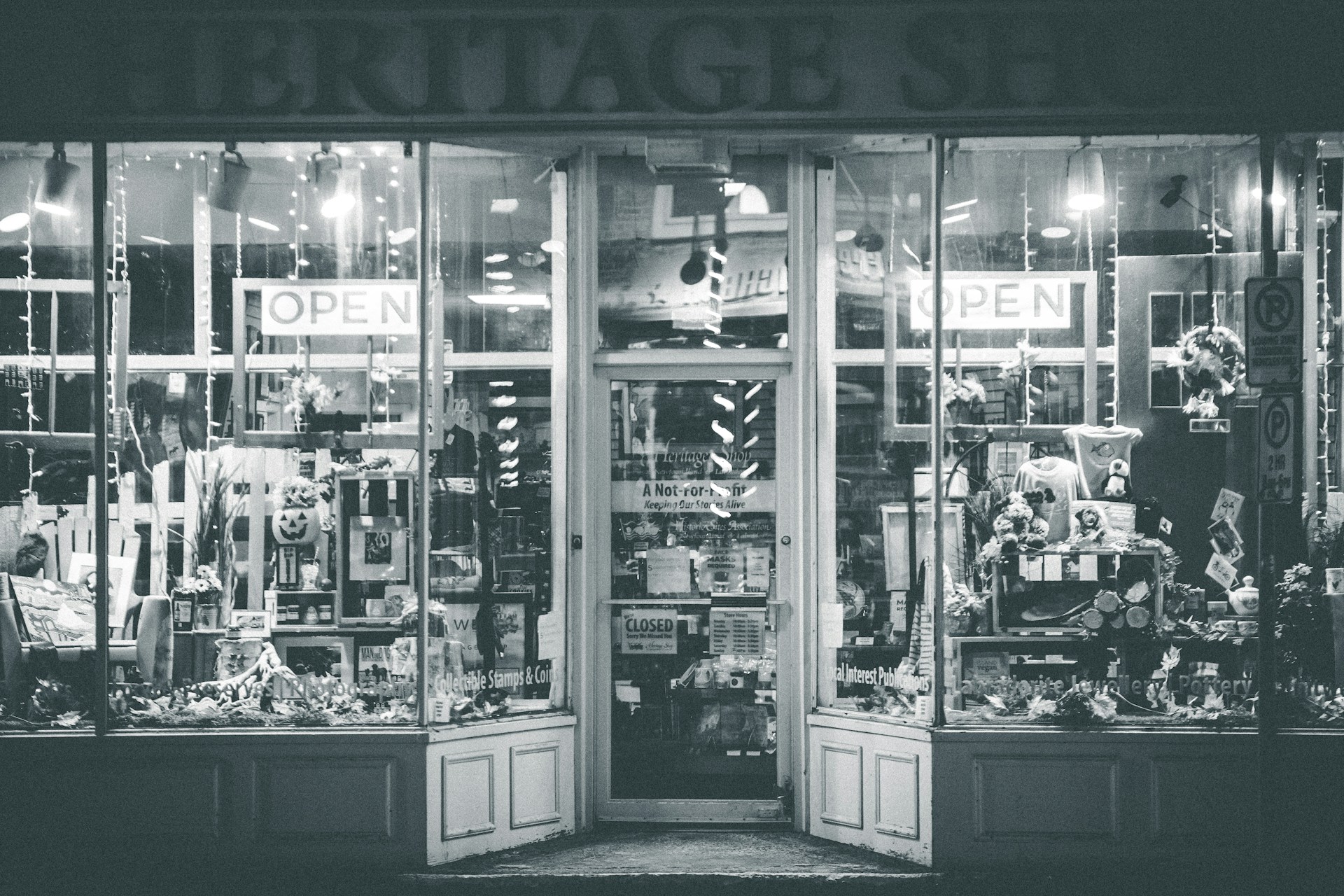
Before the spectacle of Oxford Street and Fifth Avenue, there was Le Bon Marché.
Its founder, Boucicaut, imagined a place where women could browse without pressure and where returns were accepted without fuss.
Another first at the time.
His wife, Marguerite, helped design spaces where elegance felt accessible rather than exclusive.
The store was also a forerunner in catalog sales.
It sent out beautifully illustrated booklets that turned shopping into a kind of armchair travel.
Beyond selling goods, Le Bon Marché sold Parisian taste itself.
A brand that still echoes through modern luxury retail.
Harrods: The British empire’s showcase
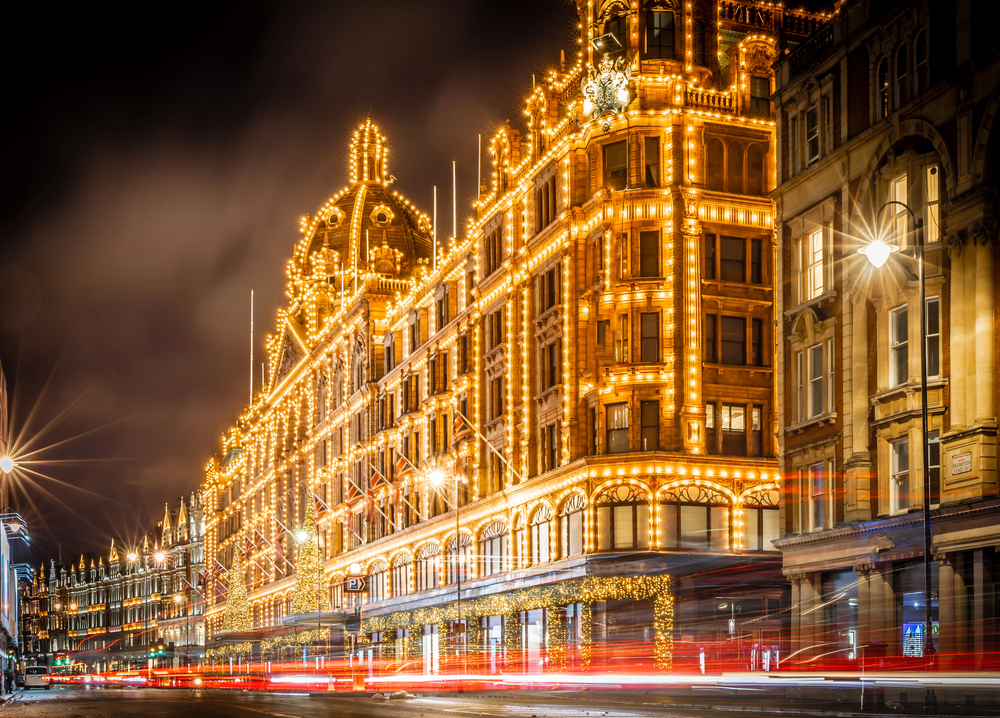
If one store captured the swagger of an empire at its height, it was Harrods.
Founded in 1849, it grew into the ultimate symbol of British refinement.
From exotic pets once sold in its halls to the food hall’s marble counters piled high with delicacies, Harrods turned abundance into art.
The store’s motto, “Omnia Omnibus Ubique” — everything for everyone, everywhere — said it all.
During its heyday, Harrods wasn’t just for the wealthy.
It drew anyone who wanted to feel part of that world for an afternoon.
Its service, from the doormen in green coats to the elevator attendants, reflected a nation obsessed with ceremony and class.
Even today, stepping through its ornate doors feels like stepping into another era.
The rise and fall of the grand emporiums
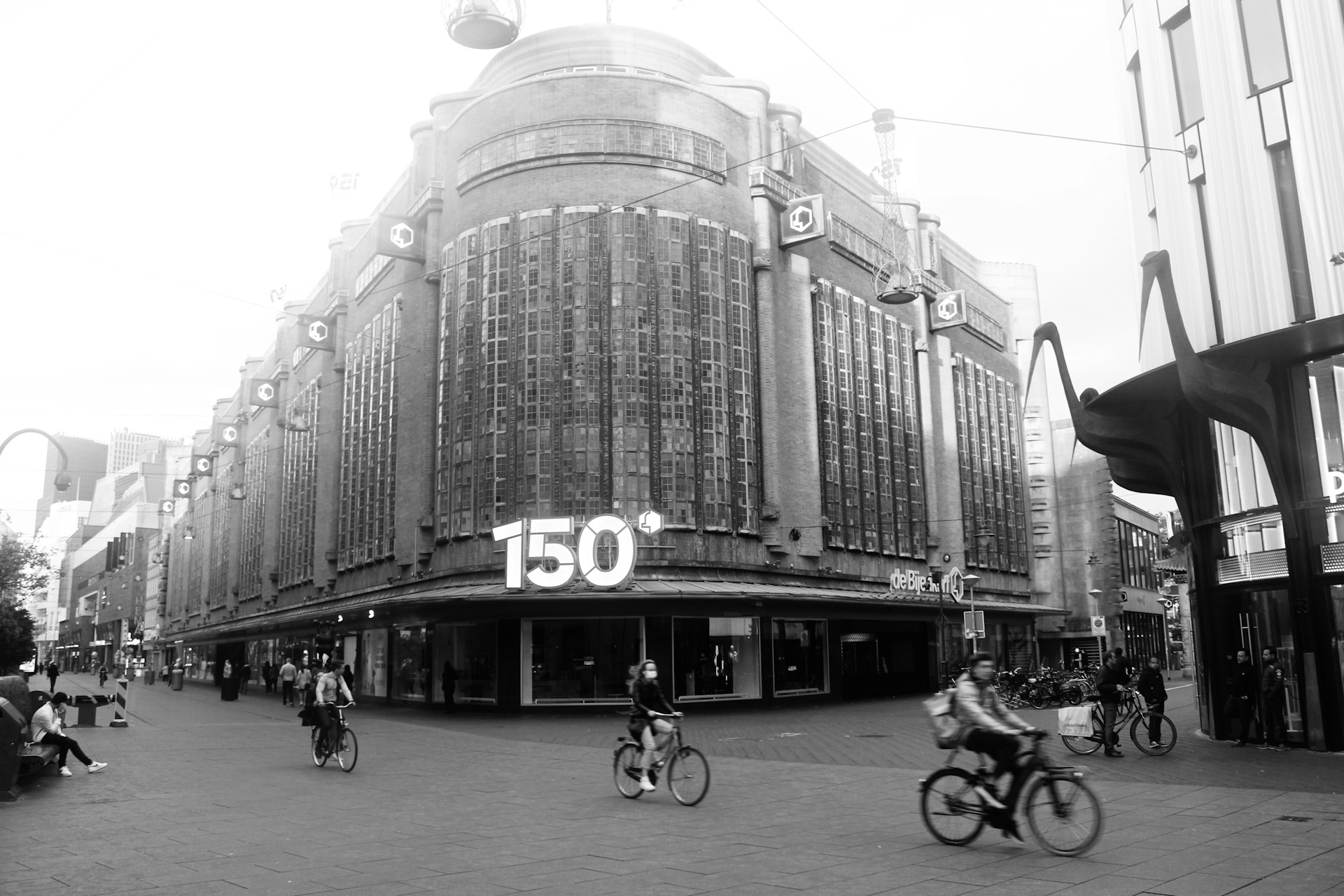
As cities expanded and cars replaced streetcars, suburban malls began chipping away at downtown department stores.
By the 1960s and 70s, many of the grand originals were struggling.
The same qualities that once made them special — scale, central location, opulence — now became burdens.
High maintenance costs and changing shopping habits pushed many into decline.
Marshall Field’s was absorbed by Macy’s, its name disappearing after more than a century.
Others, like Wanamaker’s in Philadelphia or Gimbels in New York, simply closed their doors.
The buildings, often architectural masterpieces, found second lives as offices, hotels, or condominiums.
Still, their ghosts linger in the collective memory.
Tied to childhood trips downtown or holiday windows that seemed to glow brighter than any other lights.
More than shopping: a social revolution
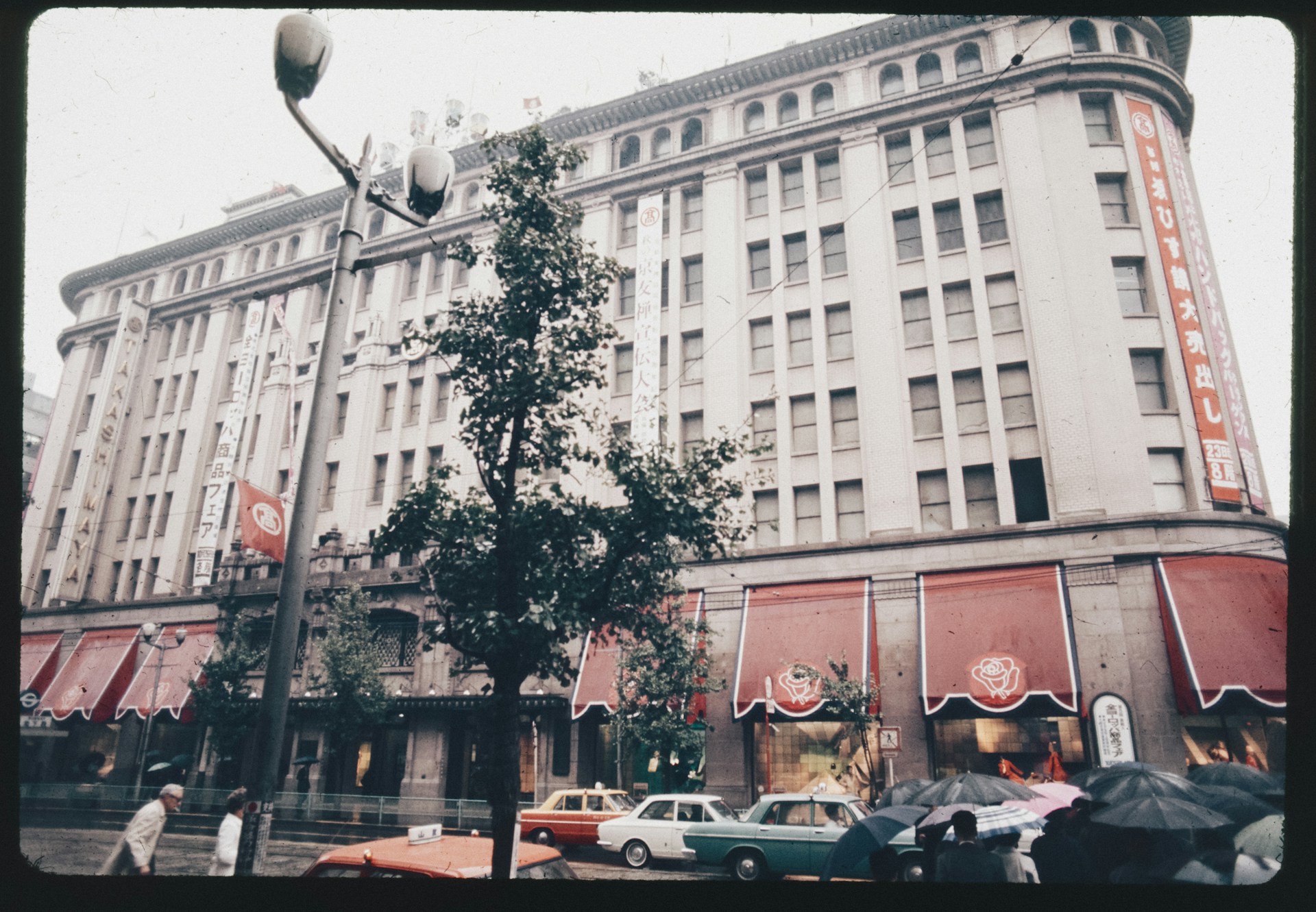
Beyond commerce, department stores changed how people — especially women — moved through public space.
In an age when social rules restricted their freedom, these stores offered safety, comfort, and a sense of autonomy.
A woman could lunch alone.
Try on a dress.
Or handle money without scrutiny.
This independence made department stores unlikely allies in the broader movement toward gender equality.
They also reshaped urban life.
Theaters, cafés, and even transportation routes sprang up around them.
The phrase “going downtown” often meant heading toward these glittering centers of modernity.
For many cities, they became civic landmarks as recognizable as the courthouse or cathedral.
Nostalgia in a digital age
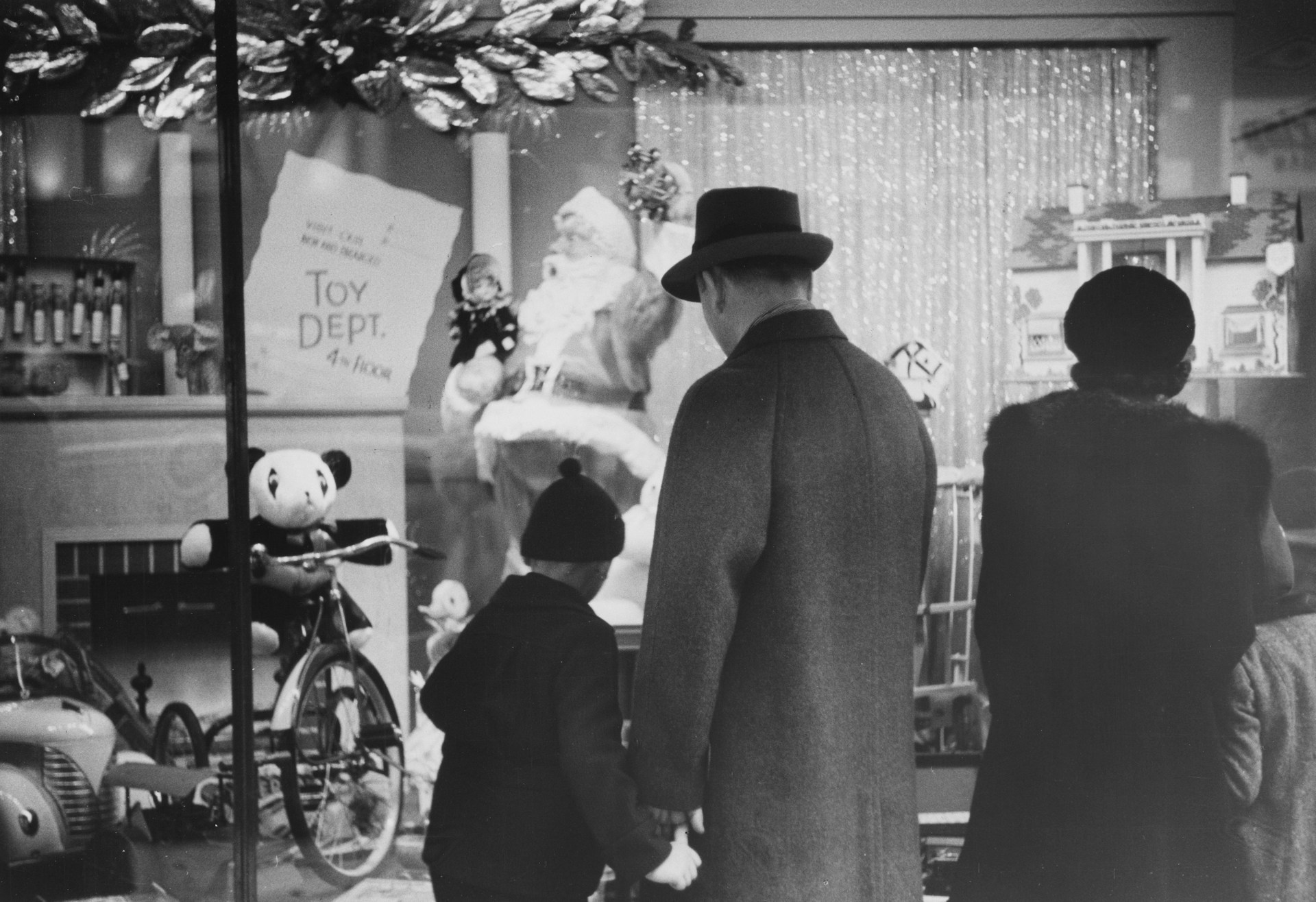
Though online shopping has taken over, nostalgia for these grand stores keeps resurfacing.
Series like Mr. Selfridge and films set in golden-era retail spaces remind people of a time when shopping had style.
Vintage photographs of perfume counters, art deco signage, and towering escalators evoke a sense of magic often missing from today’s algorithm-driven retail.
Some survivors, like Harrods or Galeries Lafayette in Paris, have managed to adapt while preserving their flair.
Others live on only through memories or as carefully restored heritage sites.
Even so, their legacy is visible everywhere.
From modern malls copying their layouts to the customer service ideals still taught in retail training rooms.
Why their legacy still shines
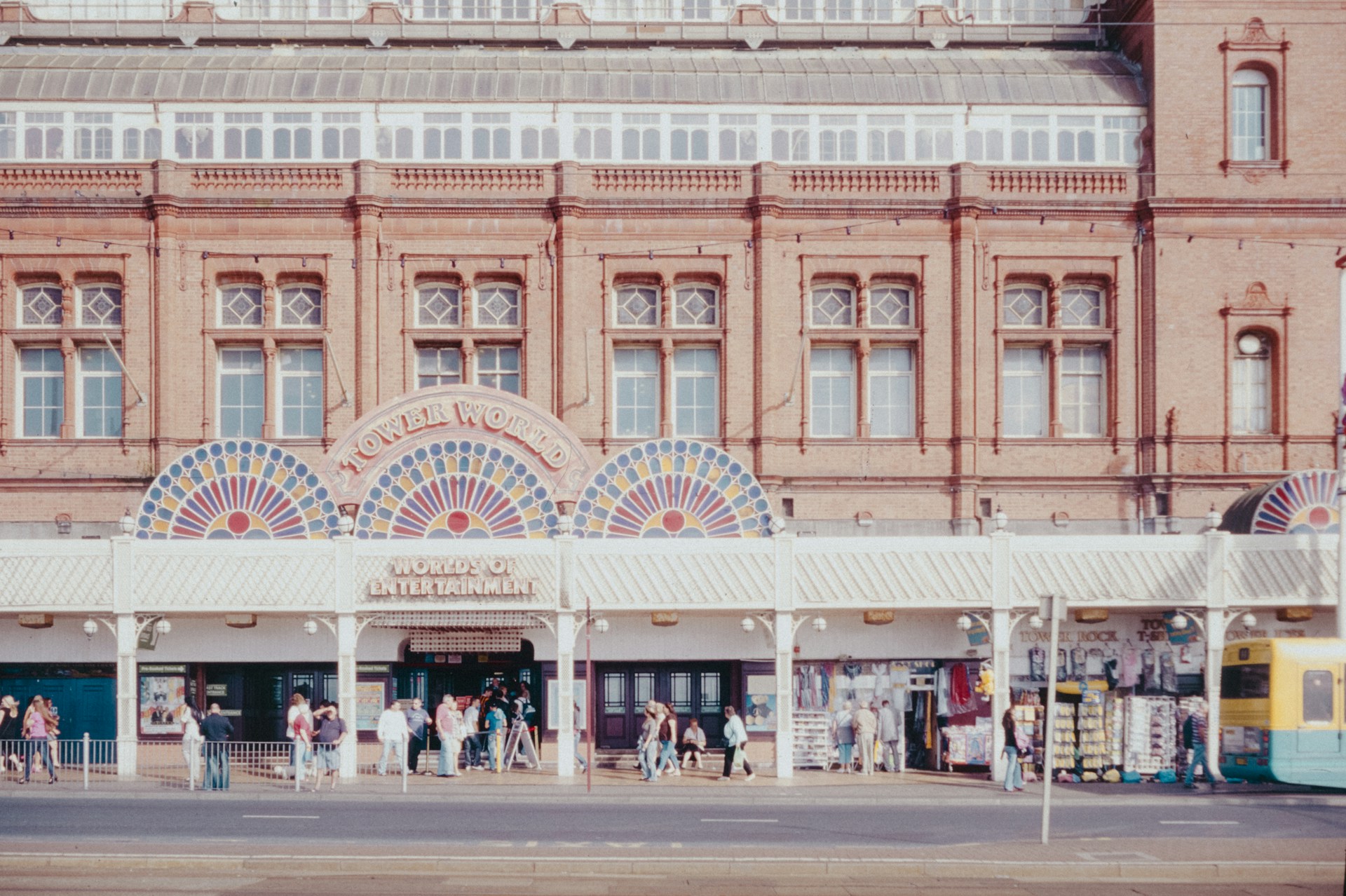
What these vintage department stores left behind is more than nostalgia.
It’s a blueprint for experience.
They taught the world that shopping could feel special.
That a store could double as a destination.
And that people crave beauty in everyday life.
Their marble floors and mirrored halls reflected not just goods but a certain hope.
The belief that progress and pleasure could coexist.
Even in today’s digital landscape, the spirit of those grand emporiums lives on in every well-curated boutique or holiday window that tries to recapture that spark.
The buildings may have faded.
But the idea they embodied — that commerce can also be art — remains as timeless as ever.
More from Go2Tutors!

- The Romanov Crown Jewels and Their Tragic Fate
- 13 Historical Mysteries That Science Still Can’t Solve
- Famous Hoaxes That Fooled the World for Years
- 15 Child Stars with Tragic Adult Lives
- 16 Famous Jewelry Pieces in History
Like Go2Tutors’s content? Follow us on MSN.