Long-Running Myths About Famous Movies
Movies have a funny way of creating stories that go way beyond what actually appears on screen. Sometimes these stories get repeated so many times that people just accept them as truth.
The legends grow bigger with each telling, and before long, everyone believes something that never actually happened. These myths become part of how people remember and talk about their favorite films, even when the real story is sitting right there in plain sight.
The Munchkin Hanging in The Wizard of Oz
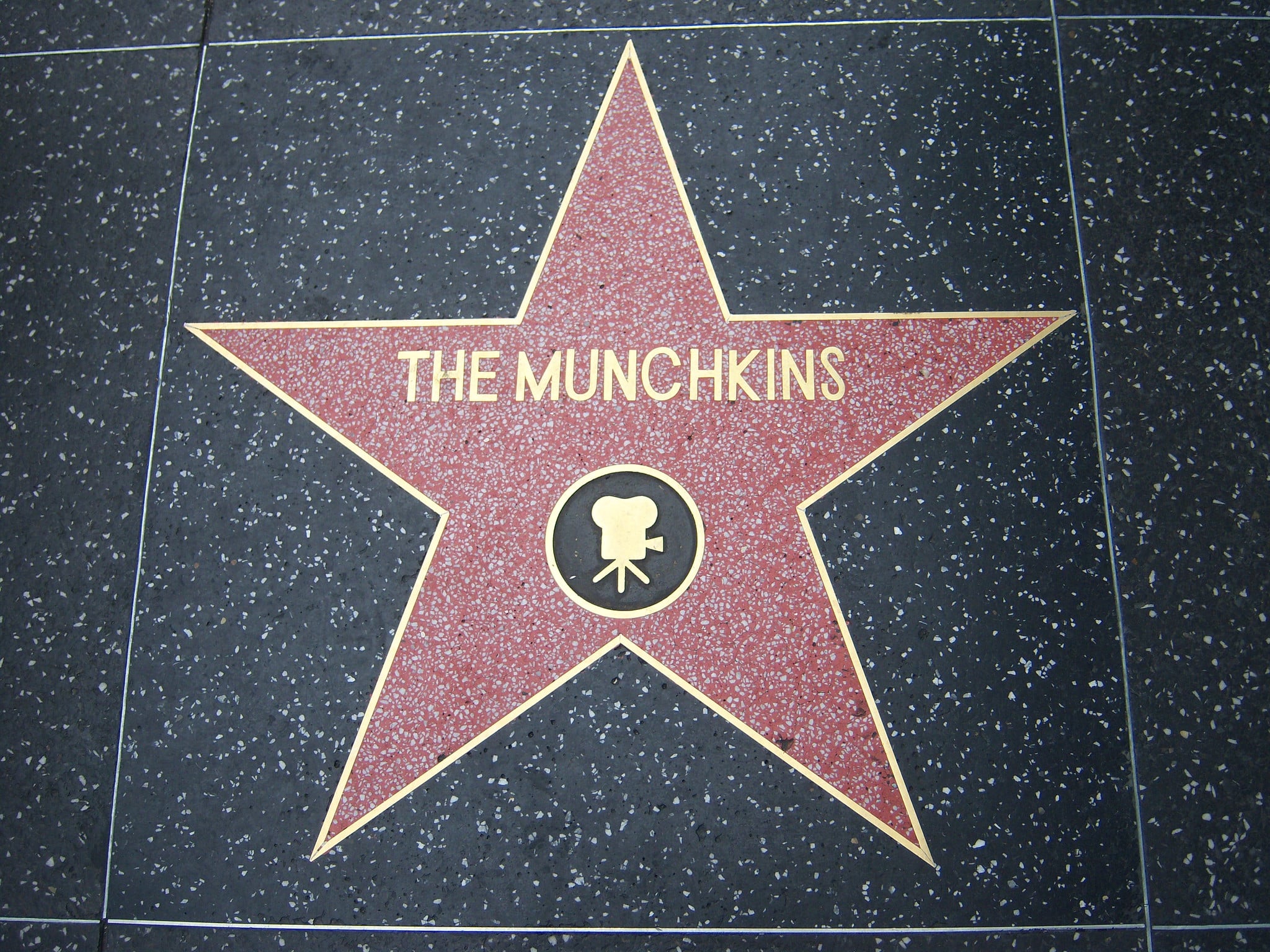
People swear they can see a Munchkin actor who hung himself in the background of the Wizard of Oz, but this never happened. What viewers actually spot in that forest scene is a large bird, probably a crane, that the studio borrowed from the Los Angeles Zoo to make the set look more interesting.
The myth started spreading in the 1980s when home video let people pause and rewind movies over and over. Every cast member from the film lived full lives after production wrapped, and studio records show no such tragedy ever occurred on set.
Stanley Kubrick Faked the Moon Landing
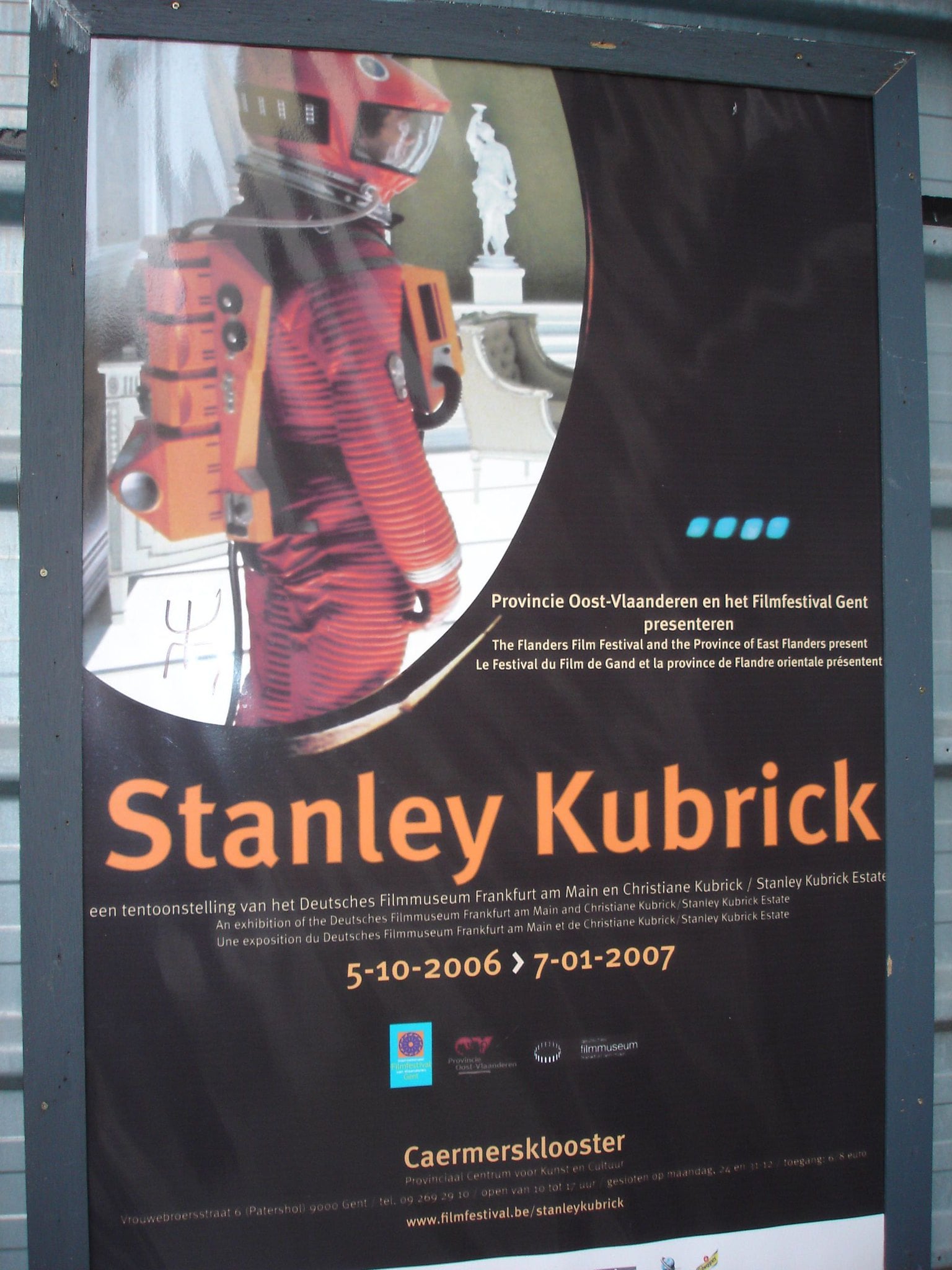
Some folks insist that Stanley Kubrick directed the 1969 moon landing footage because he made 2001: A Space Odyssey look so realistic.The problem with this theory is that the technology needed to fake the moon landing in 1969 didn’t exist yet, and creating it would have cost more than actually going to the moon.
Kubrick was also busy making A Clockwork Orange at the time and had no connection to NASA. The myth gained traction because people wanted to believe something that big and important must have been staged, but astronauts really did walk on the moon.
The Poltergeist Curse
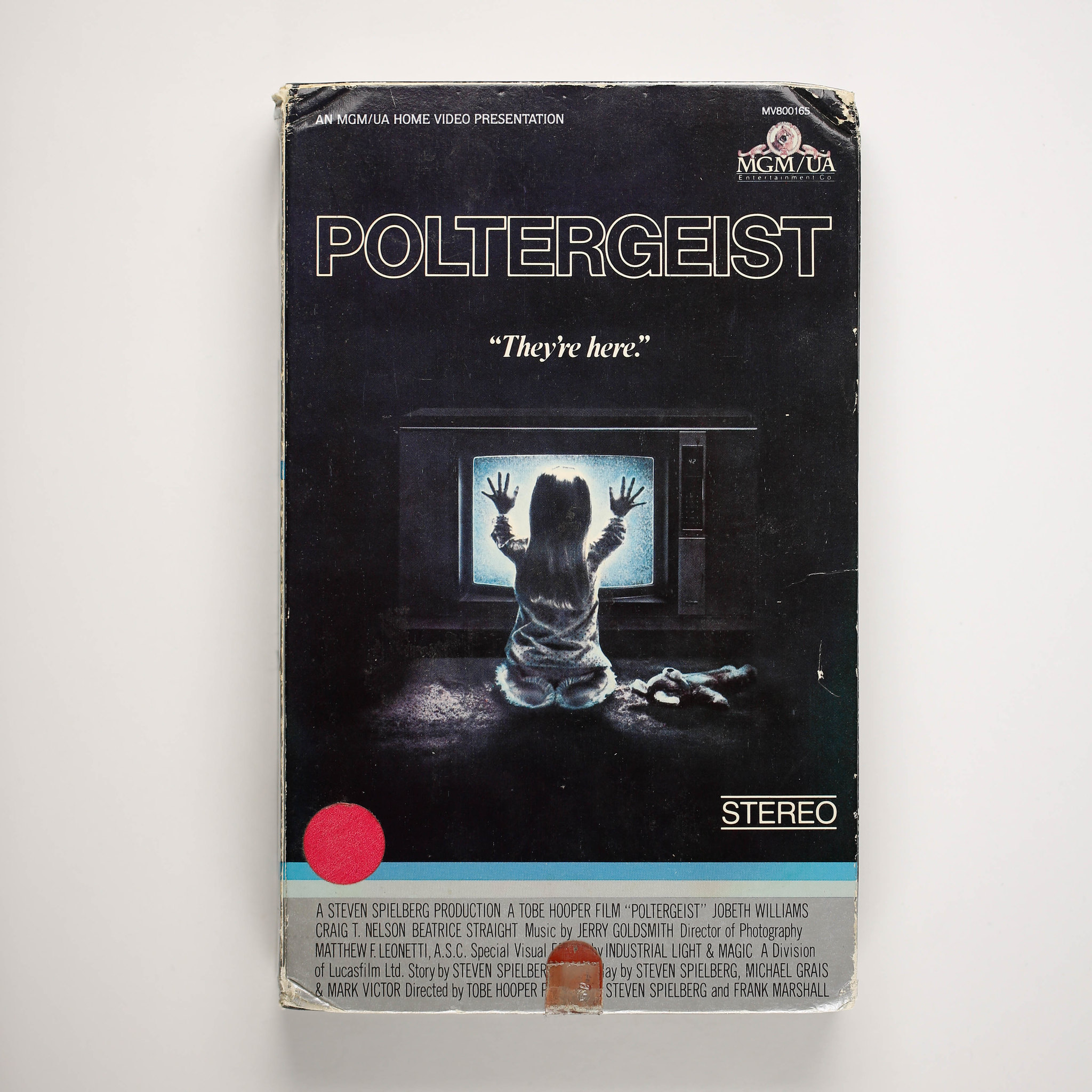
The Poltergeist movies supposedly had a curse because real human skeletons were used as props and several cast members died young. Real skeletons were used in the pool scene because they were cheaper than fake ones at the time, which sounds creepy but wasn’t unusual for 1980s Hollywood.
Dominique Dunne was tragically murdered by her boyfriend, and Heather O’Rourke died from a misdiagnosed medical condition, but these were separate tragedies, not evidence of supernatural revenge. Julian Beck and Will Sampson also passed away, but both were already seriously ill before filming began.
The curse idea makes for a spooky story, but it ignores that most of the cast and crew lived perfectly normal lives.
Jim Carrey’s Method Acting Damaged
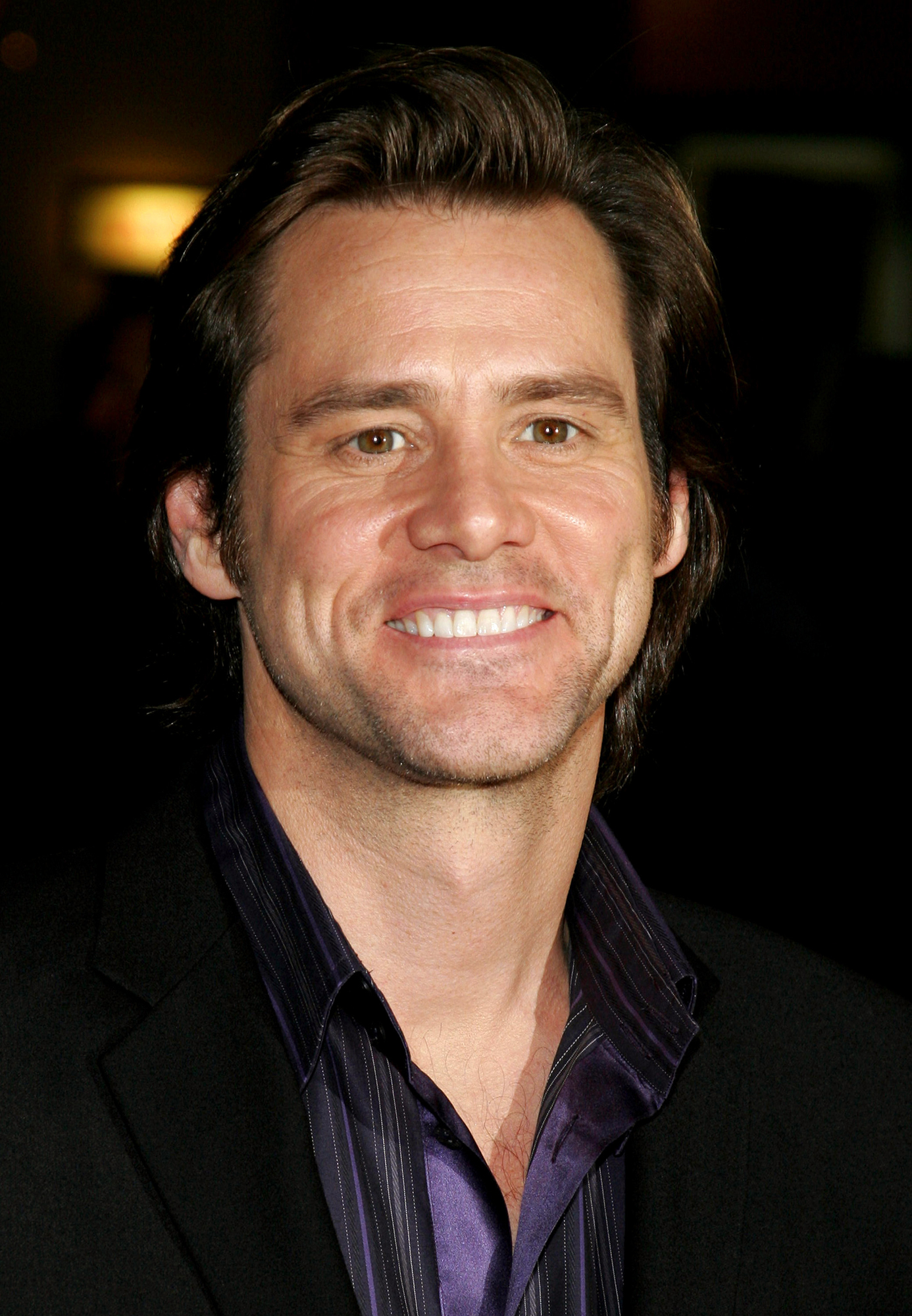
The Grinch Cast .Stories claim Jim Carrey’s intense behavior while filming The Grinch traumatized the cast and crew, but the reality was more about uncomfortable makeup than personality problems.
Carrey did struggle with the prosthetics, which took hours to apply and made him feel claustrophobic. The studio brought in a specialist who trains CIA agents to deal with torture, which sounds dramatic but just helped Carrey cope with sitting still for makeup.
The cast actually had a good experience working with him, and the difficulty came from the physical demands of the costume, not from Carrey being difficult on purpose.
Three Men and a Baby Ghost
Viewers claimed to see a ghost of a boy who died in the apartment where Three Men and a Baby was filmed. The ‘ghost’ is actually a cardboard cutout of Ted Danson’s character that was meant to appear in a different scene.
The movie wasn’t even filmed in an apartment; it was shot on a soundstage in Toronto. No boy died in any location connected to the film, and the whole story was completely made up.
This myth spread like wildfire in the late 1980s before the internet made fact-checking easier.
The Blair Witch Project Was Real Footage

The marketing for The Blair Witch Project convinced tons of people that the actors really disappeared and the footage was genuinely found in the woods. Heather Donahue, Joshua Leonard, and Michael C. Williams were very much alive but couldn’t get acting work for years because people thought they were dead.
The studio kept the actors hidden during the initial release to maintain the illusion, which worked almost too well. Some audience members even called police stations asking about the missing students, completely buying into the fake documentary style.
Buddy Ebsen Almost Died from Wizard of Oz Makeup
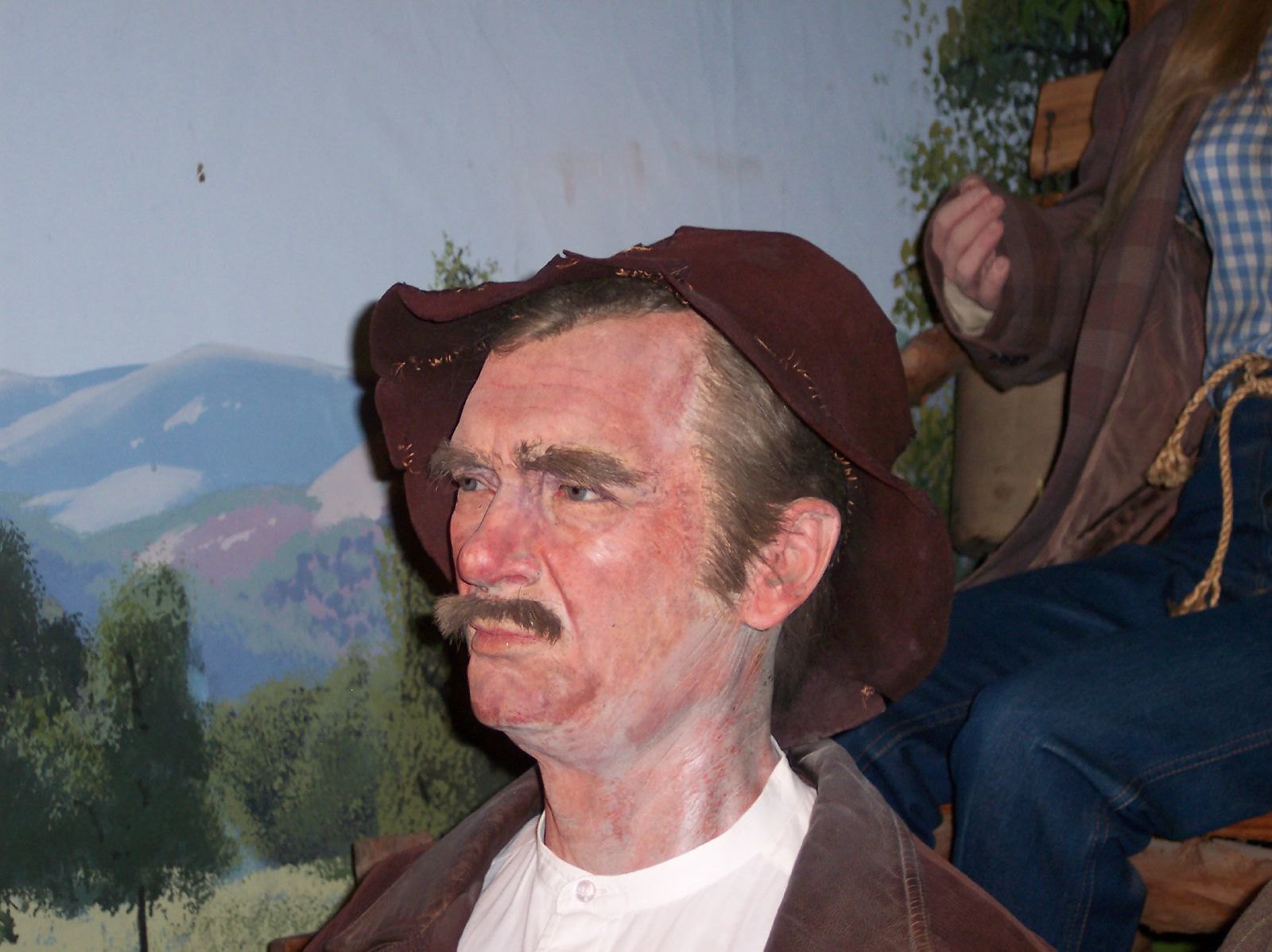
Buddy Ebsen was originally cast as the Tin Man but had to leave production because the aluminum powder makeup caused a severe allergic reaction. He didn’t almost die, though the reaction was serious enough to hospitalize him for weeks.
Jack Haley replaced him using a safer paste-based makeup instead of the powder. Ebsen recovered fully and went on to star in The Beverly Hillbillies and Barnaby Jones for many successful years.
The story gets exaggerated to make it sound more dramatic than it actually was, though it was certainly a frightening experience for Ebsen.
Scream Invented Self-Aware Horror
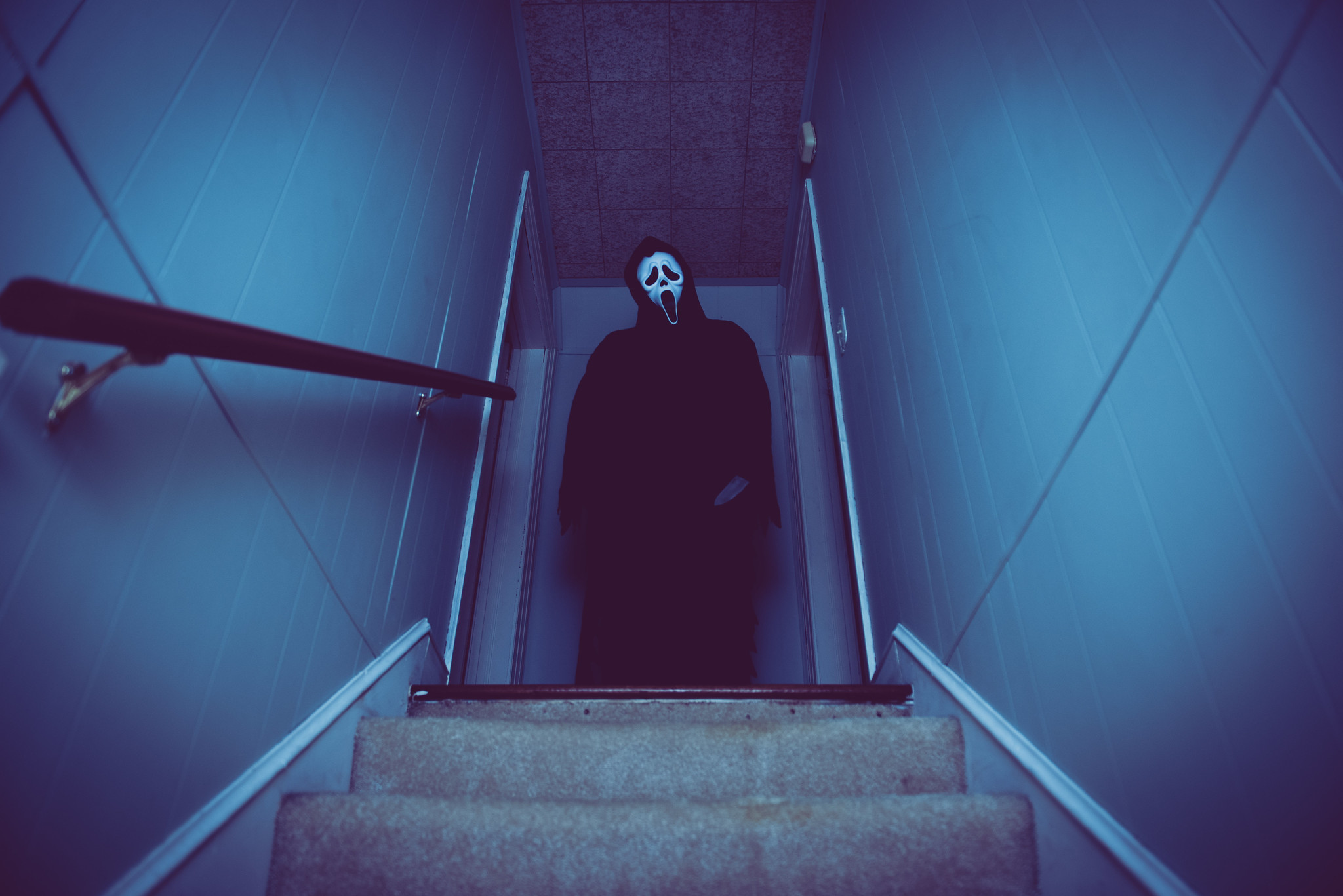
Scream gets credit for creating the meta-horror film where characters know all the horror movie rules, but that’s not accurate. Behind the Mask: The Rise of Leslie Vernon and Student Bodies both played with horror tropes before Scream came along.
Wes Craven himself made New Nightmare in 1994, two years before Scream, which also had characters commenting on horror movie conventions. Scream definitely popularized the concept and did it extremely well, but calling it the first is giving it too much credit.
Toto Made More Than the Munchkins
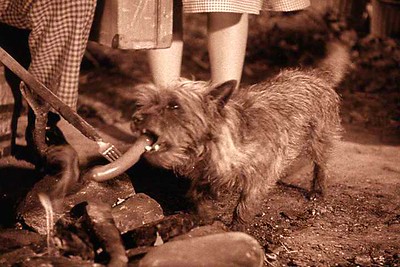
The claim that Toto earned more per week than the Munchkin actors in The Wizard of Oz gets repeated constantly, but the math doesn’t work. Toto’s trainer earned $125 per week, not the dog itself, while Munchkin actors made $50 to $100 per week depending on their roles.
The dog didn’t receive a paycheck or have an agent negotiating deals. This myth makes for a good headline about Hollywood inequality, but it misrepresents how animal actors and their trainers were paid.
Disney Animators Drew Inappropriate Images
People love claiming that Disney animators snuck dirty images into movies like The Little Mermaid and The Lion King. The supposed inappropriate castle spires on The Little Mermaid VHS cover were just pointed towers that some people saw what they wanted to see in.
The dust cloud in The Lion King spells ‘SFX,’ not anything inappropriate, as a signature from the special effects team. Disney animators have repeatedly denied these claims, and most of these ‘hidden messages’ require a very active imagination to spot.
The myths persist because people enjoy believing that squeaky-clean Disney has scandalous secrets.
Brandon Lee’s Death Scene Stayed in The Crow
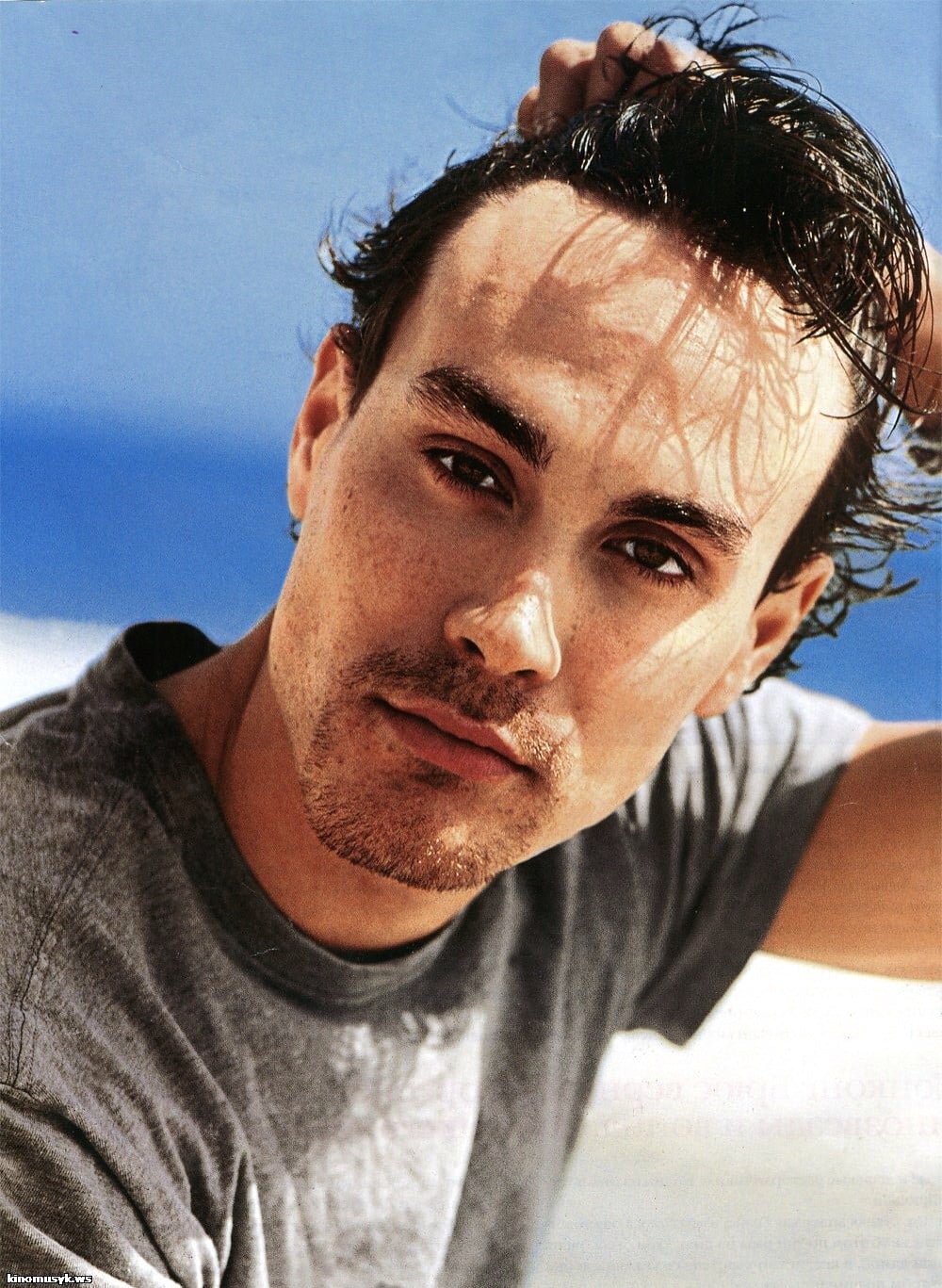
The terrible accident that killed Brandon Lee during The Crow filming happened in a completely different scene than what appears in the final movie. Lee died from a improperly prepared prop gun during a scene that was later reshot with a different actor and special effects.
The production shut down for months out of respect, and the scene was reworked entirely. The rumor that his actual death appears in the film is both false and disrespectful to everyone involved in the tragedy.
The filmmakers worked carefully to complete the movie as a tribute to Lee, not to exploit his death.
Macaulay Culkin Disappeared from Acting
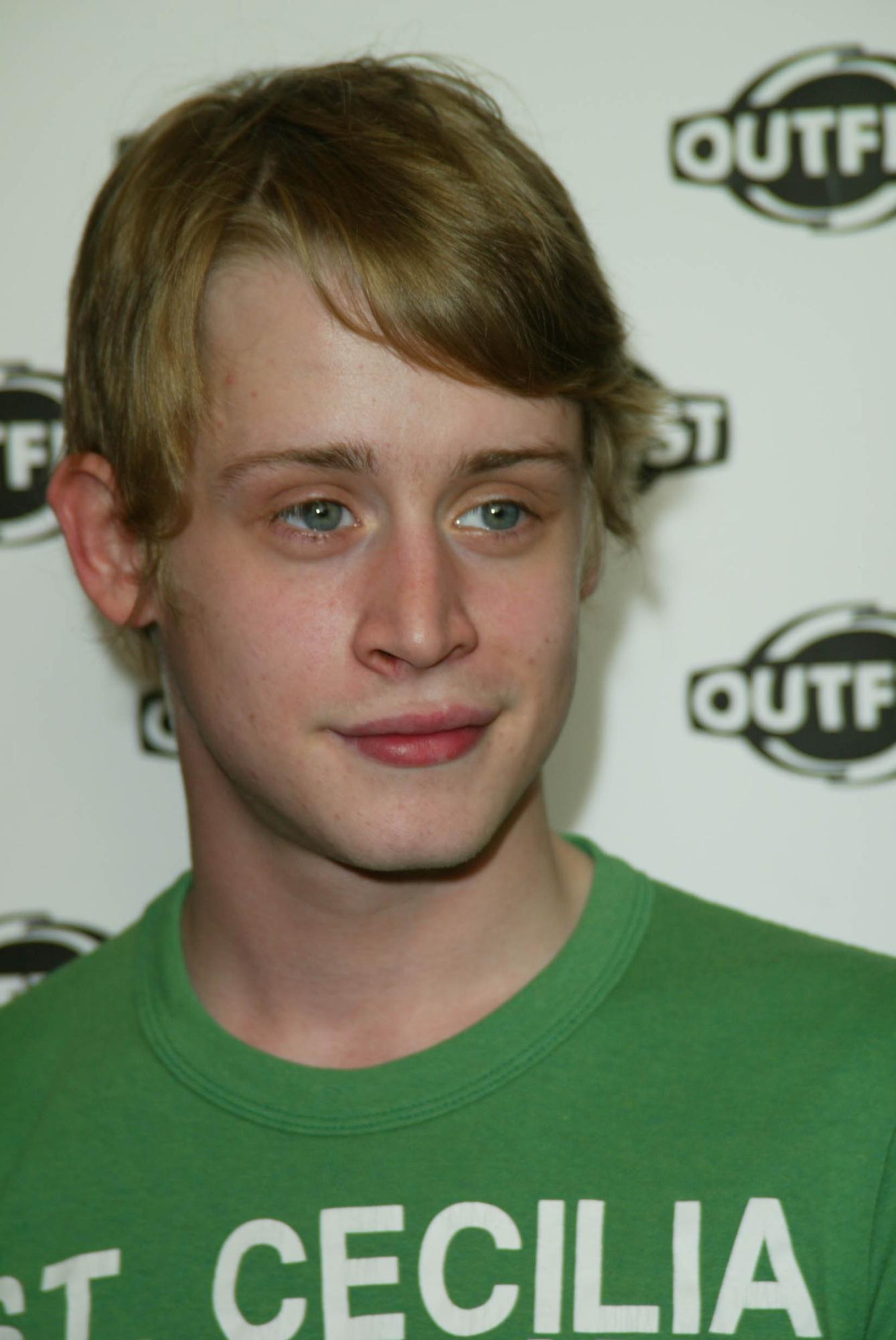
People insist Macaulay Culkin had a breakdown and vanished from Hollywood after Home Alone, but he simply chose to take a break. Culkin continued acting through the 1990s in films like The Good Son and Richie Rich before stepping back as a teenager.
He wanted a normal life away from his difficult parents and the constant pressure of being a child star. Culkin has worked steadily as an adult in smaller projects and seems perfectly happy with his choices.
The myth exists because people struggle to accept that someone would voluntarily leave fame behind.
Psycho’s Shower Scene Used Chocolate Syrup
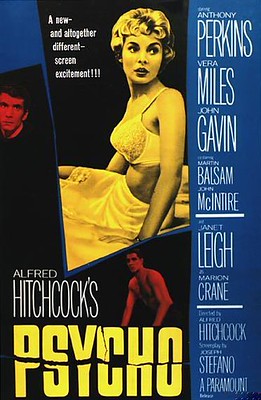
Alfred Hitchcock supposedly used chocolate syrup for the blood in Psycho’s famous shower scene, but this detail gets twisted around. The film was shot in black and white, so Hershey’s chocolate syrup did work perfectly for creating the right shade and texture on camera.
This wasn’t some clever trick unique to Psycho, though; it was a standard practice in black and white filmmaking when actual stage blood looked wrong on screen. Color films never used chocolate syrup because it obviously looks brown.
The myth makes it sound more inventive than it actually was.
Marilyn Monroe’s Dress Ripped During Filming
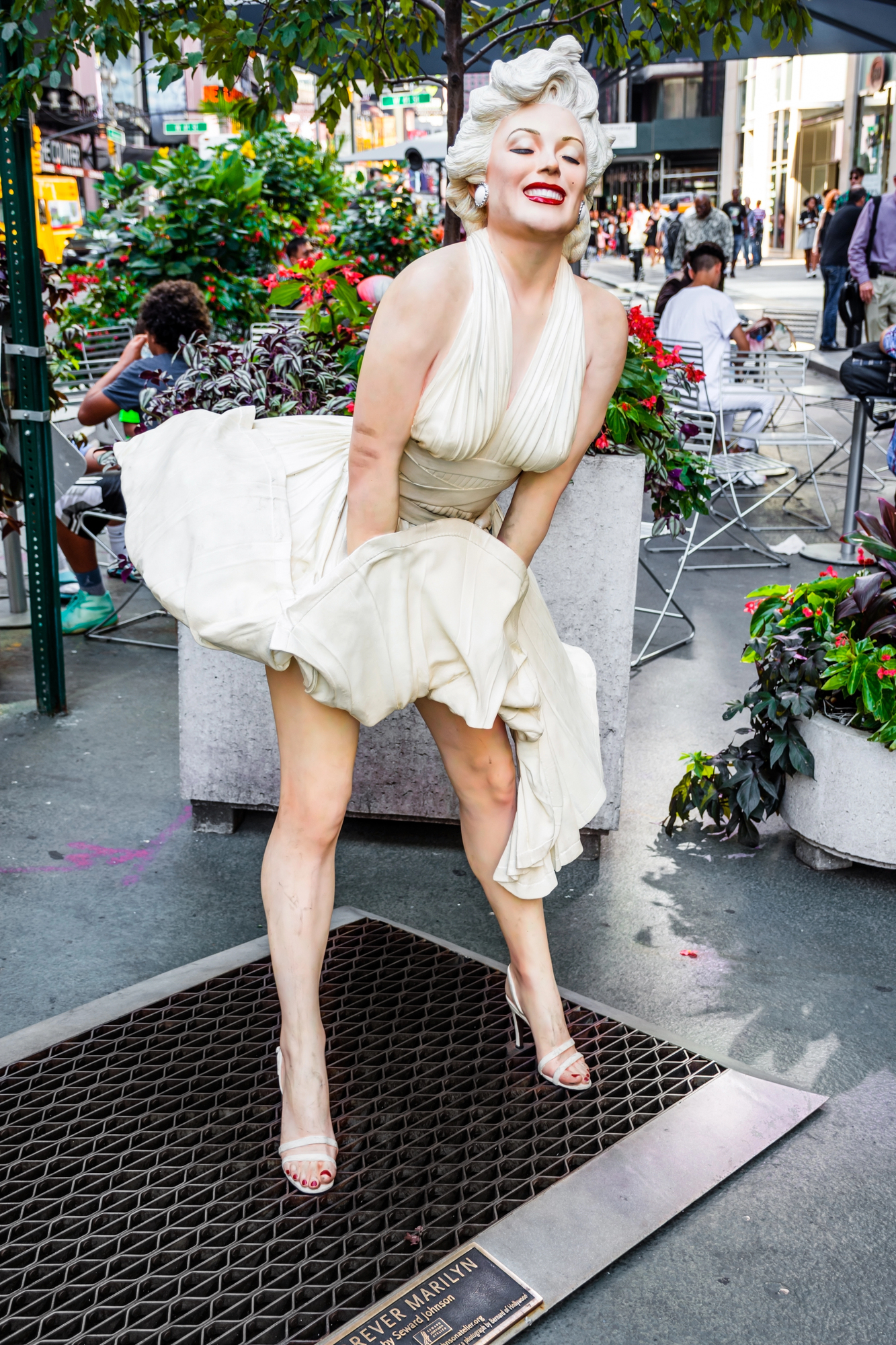
The famous white dress scene from The Seven Year Itch supposedly ripped during filming, but Marilyn Monroe’s dress stayed intact throughout the shoot. The scene was actually filmed twice, once on location in New York and again on a soundstage in Los Angeles.
Monroe’s then-husband Joe DiMaggio got angry watching the street filming because of the crowd of onlookers, but nothing ripped or went wrong with the costume. The subway grate scene became iconic because of Monroe’s playful performance, not because of any wardrobe malfunction.
E.T. Almost Looked Completely Different
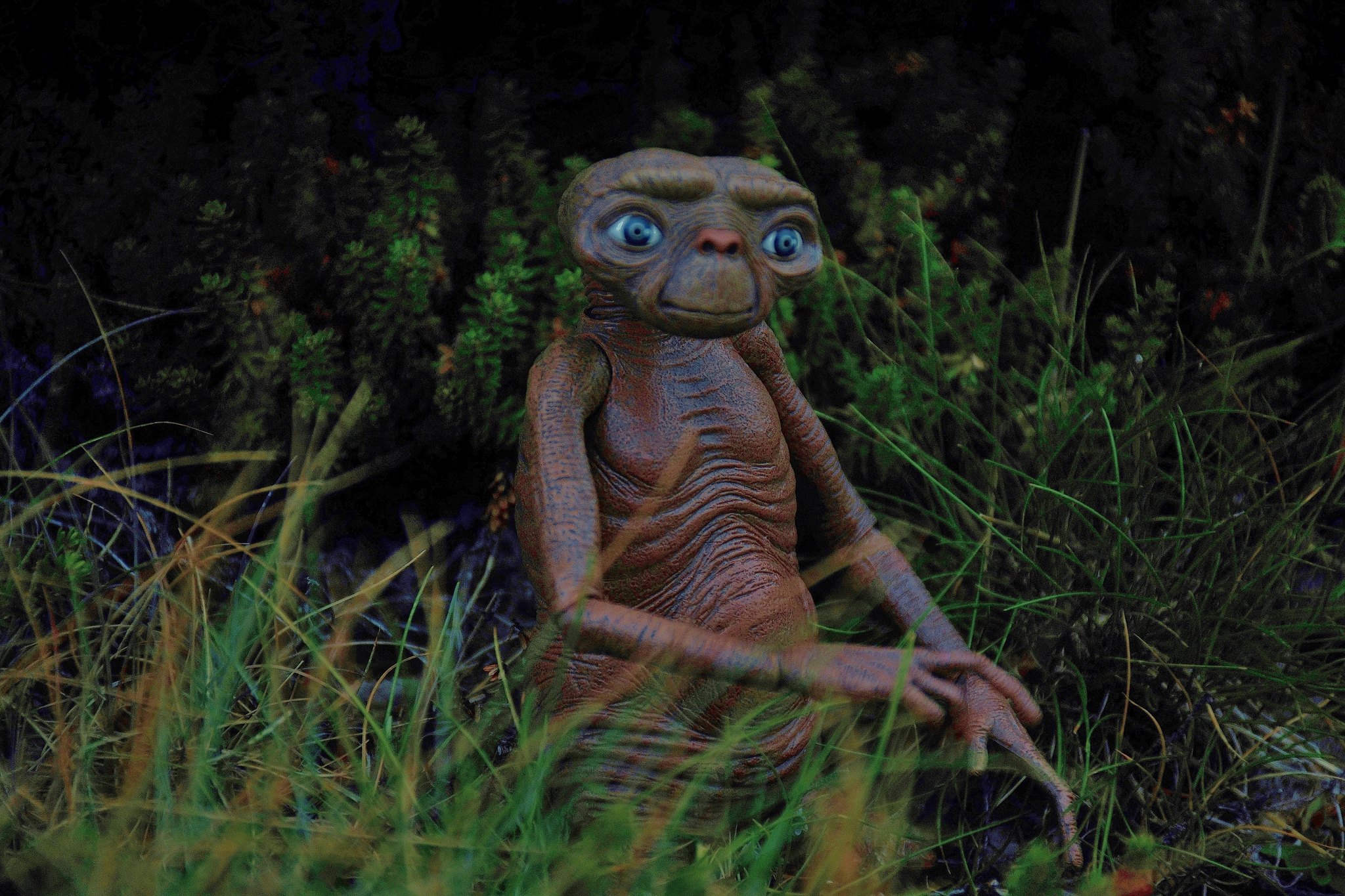
Stories claim that E.T. was almost designed to look terrifying and that Steven Spielberg changed it at the last minute, but this oversimplifies the design process. Carlo Rambaldi worked on several designs for the alien character, and Spielberg wanted E.T. to look unusual but sympathetic from the start.
The design evolved naturally during pre-production, with input from Spielberg about making the eyes larger and more expressive. Some early sketches looked stranger, but there was never a scary version that almost made it into the film.
The process worked exactly how movie character design normally works.
The Shining’s Typewriter Pages Were All Different
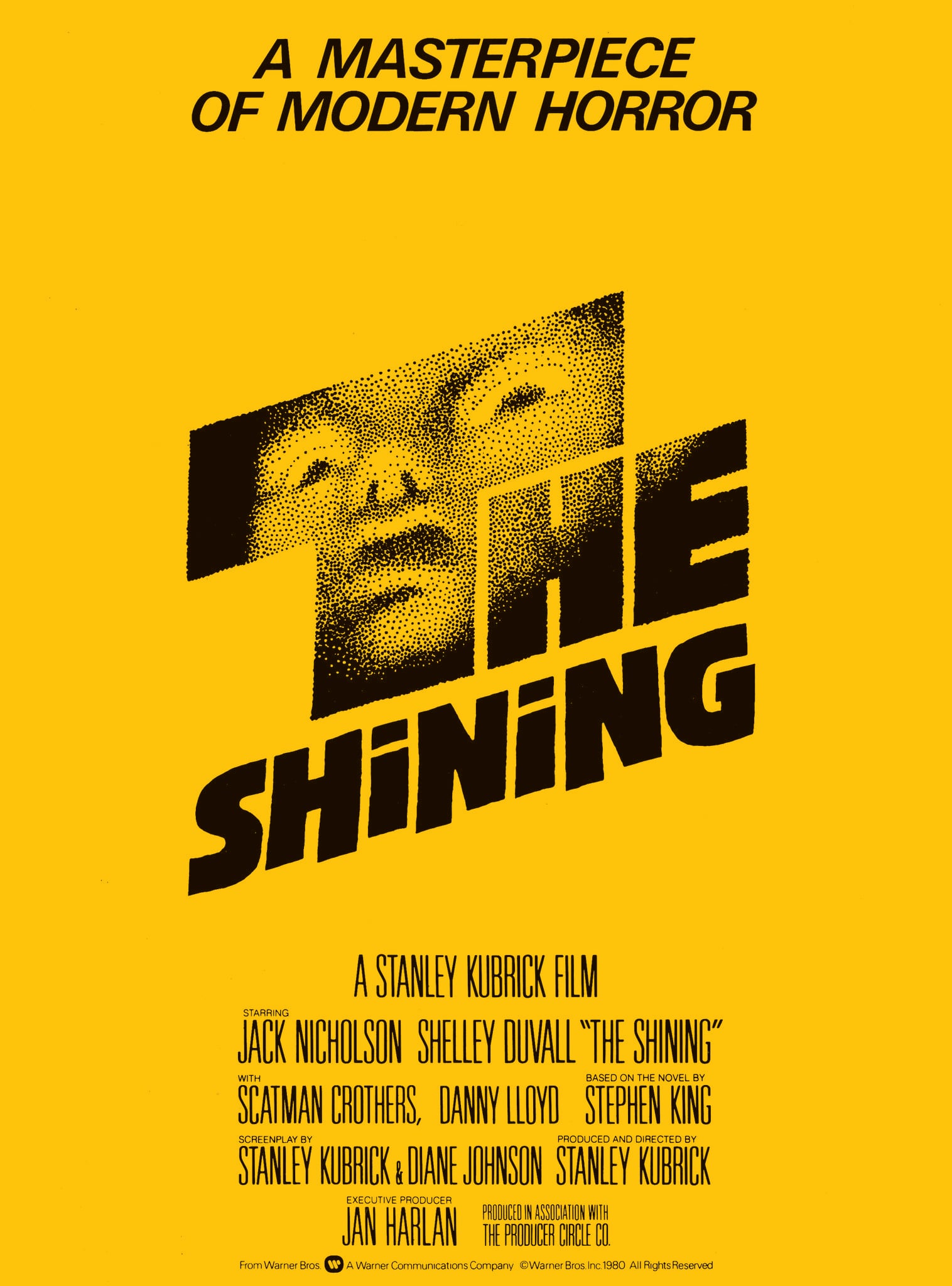
People claim that Stanley Kubrick made his assistant type thousands of pages with variations on ‘All work and no play makes Jack a dull boy,’ but this is exaggerated. Different language versions of the film did get retyped to match the translation, which shows impressive attention to detail.
The English version likely had several pages typed up and then photocopied rather than individually typed thousands of times. Kubrick was a perfectionist, but even he wouldn’t waste that much time and money on something the camera barely shows.
The myth grows from the fact that Kubrick did demand a lot from his cast and crew.
Back to the Future Almost Had a Different Marty
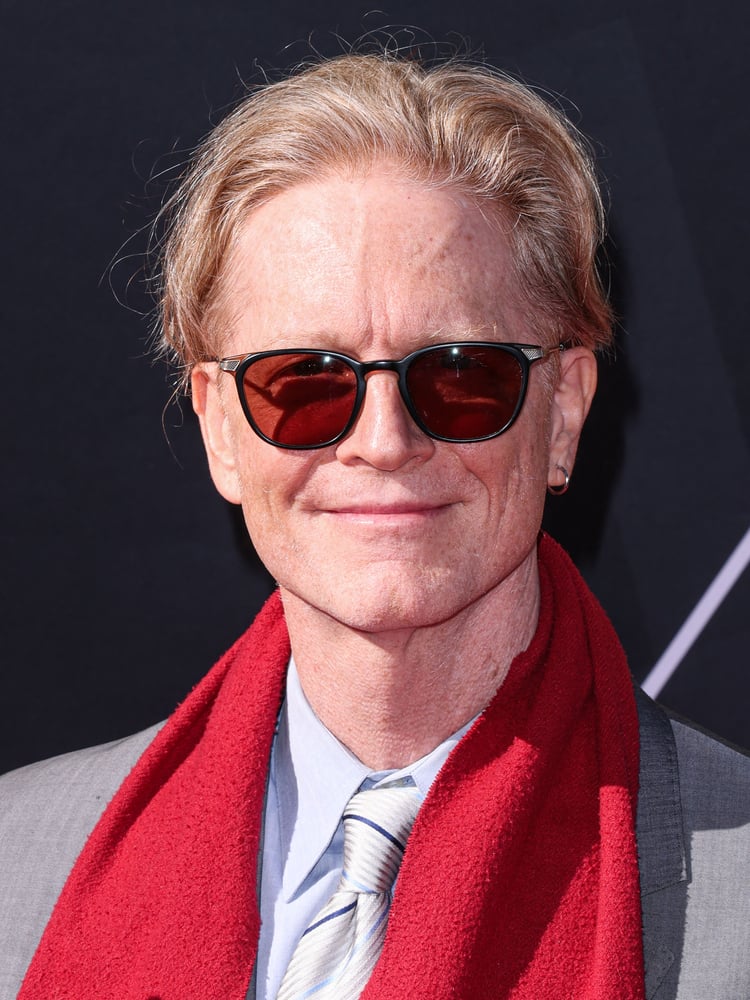
Eric Stoltz filmed scenes as Marty McFly for several weeks before being replaced by Michael J. Fox, and people imagine this lost version was completely finished. Only about a month of footage existed with Stoltz, and the tone wasn’t working because he played the role too seriously for a comedy.
Robert Zemeckis realized the mistake early enough to recast and reshoot, though it was expensive and stressful for everyone involved. Stoltz handled the situation professionally, and clips of his version show he wasn’t bad, just wrong for what the movie needed.
The myth makes it sound like there’s a complete Stoltz version sitting in a vault somewhere, but that alternate Back to the Future never really existed.
When the Stories Outlive the Truth
These movie myths keep circulating because they’re often more entertaining than reality, and people love a good behind-the-scenes scandal. The real stories behind films are usually less dramatic than the legends, involving mundane explanations like camera tricks, normal Hollywood practices, or simple misunderstandings.
Social media makes these myths spread faster than ever, with each generation discovering them and passing them along without checking if they’re actually true. The films themselves remain great regardless of the false stories, but knowing the real facts makes appreciating them even better because the truth is usually more interesting than the made-up version.
More from Go2Tutors!

- The Romanov Crown Jewels and Their Tragic Fate
- 13 Historical Mysteries That Science Still Can’t Solve
- Famous Hoaxes That Fooled the World for Years
- 15 Child Stars with Tragic Adult Lives
- 16 Famous Jewelry Pieces in History
Like Go2Tutors’s content? Follow us on MSN.