School Lessons About Thanksgiving That Aged Badly
For generations, schoolchildren in America were taught a neat, lovable, and nearly entirely made-up version of Thanksgiving.Teachers had good intentions when they told a story that was intended to foster a sense of national identity and instill virtues like cooperation and thankfulness.
However, the story became simplified, sanitized, and stripped of its complexity somewhere between the historical record and the construction paper turkey crafts.What came out was a narrative that conveniently avoided the more messy aspects of colonial history while still making everyone feel good.
These Thanksgiving lessons, which at the time seemed entirely reasonable, haven’t held up very well.
The Pilgrims and Indians Were Friends
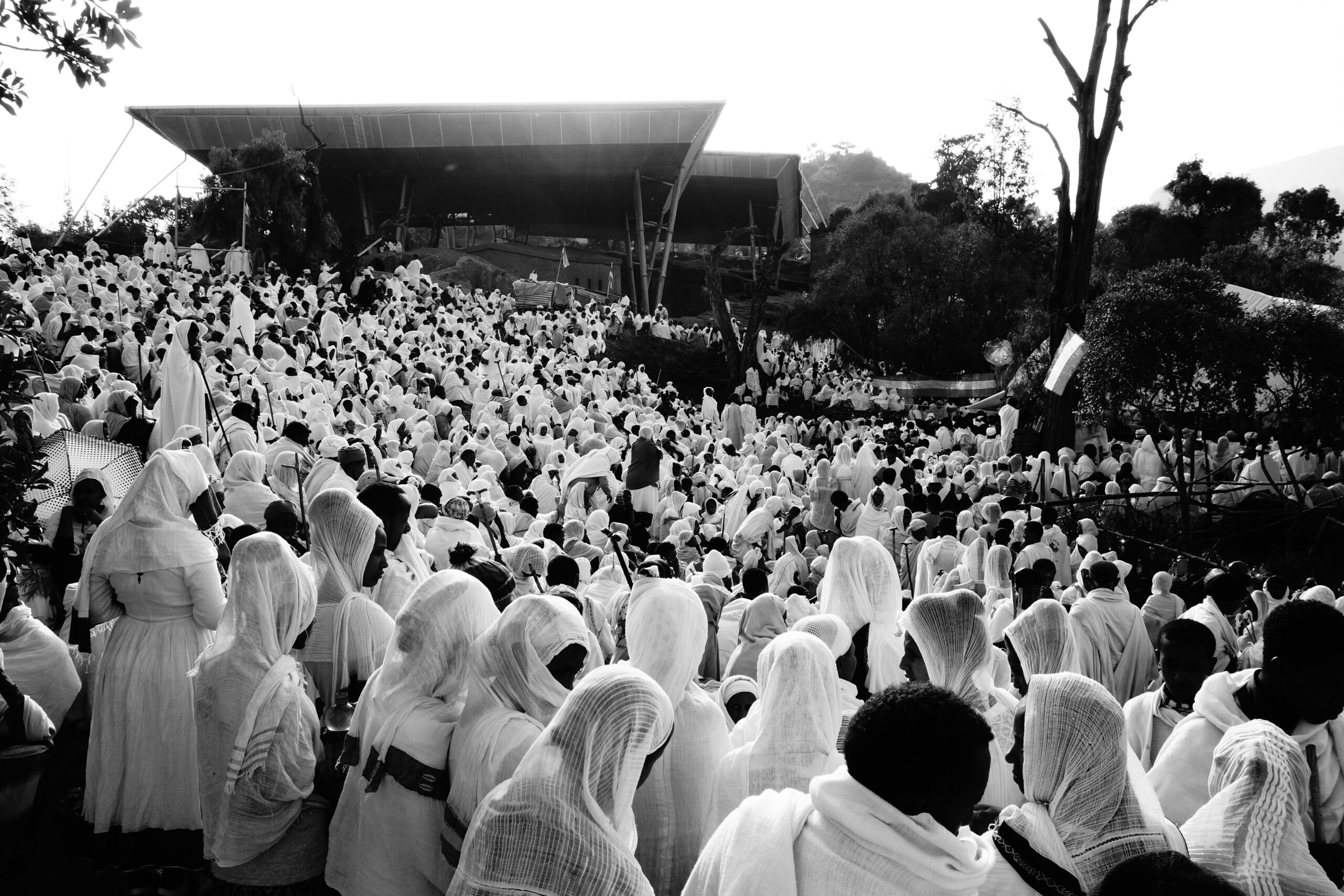
The classic school narrative presented the Pilgrims and Native Americans as natural allies who came together in harmony to share a feast.Children acted out plays where smiling Pilgrims in buckled hats and Native Americans in feathered headbands sat together at long tables, everyone grateful and getting along.
The lesson was simple: different people can overcome their differences and become friends.It’s a nice message, but it bears almost no resemblance to what actually happened.
The 1621 gathering was a political arrangement, not a friendship celebration.The Wampanoag, led by Massasoit, had been devastated by epidemics between 1616 and 1619 that killed an estimated 75 to 90 percent of their population.
They needed allies against rival tribes who might exploit their weakened position.The English colonists, meanwhile, were barely surviving and needed the Wampanoag’s agricultural knowledge and protection.
The feast was a diplomatic event acknowledging a treaty of mutual benefit, which is considerably less heartwarming than the version where everyone just really liked each other.Within a generation, this tenuous alliance collapsed into King Philip’s War from 1675 to 1678, when a coalition of Native tribes led by Metacom, Massasoit’s son, fought the English colonists in one of the proportionally deadliest conflicts in American history.
The friendship narrative erases that trajectory entirely.
The Pilgrims Came for Religious Freedom
Schools taught that the Pilgrims fled England seeking religious freedom, which positioned them as heroes of conscience escaping persecution.It’s true that the Separatists—not to be confused with Puritans—who became the Pilgrims left England because they disagreed with the Church of England, but the story gets more complicated when you follow their actual journey.
They first went to the Netherlands in 1608, where they found the religious freedom they supposedly sought.They lived in Leiden for over a decade, worshipping as they pleased without interference.
So why leave?The Pilgrims worried their children were becoming too Dutch, adopting local customs and language.
They also saw economic opportunities in the New World and feared getting caught up in European conflicts.Religious freedom was part of the equation, but it wasn’t the whole story—cultural preservation, economic ambition, and practical concerns all factored in.
More problematically, once the Pilgrims established Plymouth Colony, they weren’t particularly interested in extending religious freedom to others.Thomas Morton of Merrymount was expelled for his differing views and behavior, and dissenters generally weren’t welcome.
The narrative of pure religious idealism doesn’t quite match the reality of a group making calculated decisions about survival, economics, and cultural identity while enforcing their own religious conformity.
They Landed at Plymouth Rock
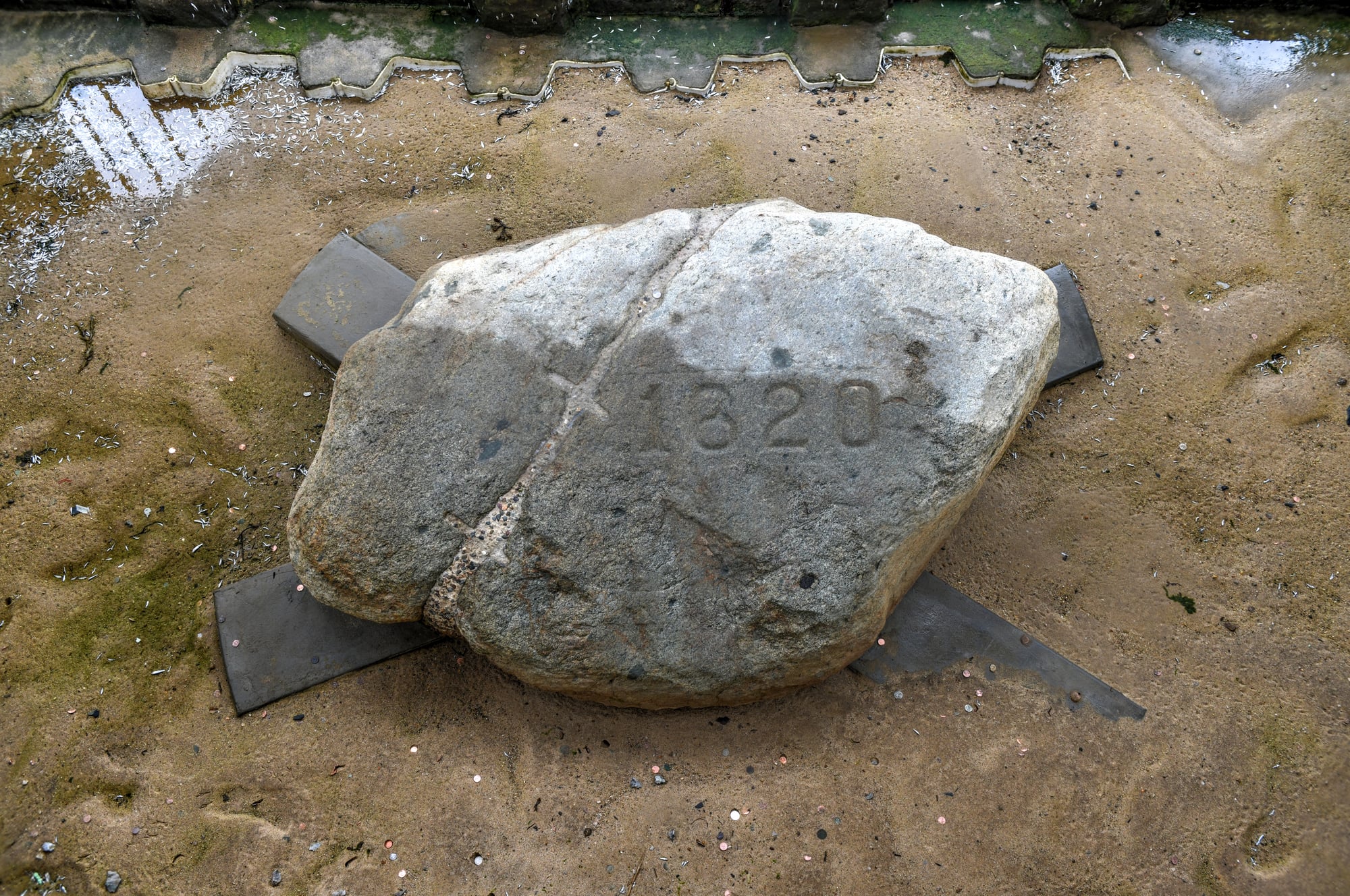
Plymouth Rock has been a tourist destination since the 18th century, marked as the exact spot where the Pilgrims first stepped onto American soil.Schools reinforced this with images of determined colonists disembarking onto that specific boulder.
The problem?There’s no contemporary evidence the Pilgrims cared about or even mentioned this particular rock when they arrived in 1620.
The first written reference connecting the Pilgrims to Plymouth Rock didn’t appear until 1741, when 94-year-old Elder Thomas Faunce claimed his father had told him about it.This testimony popularized the rock’s mythic status.
The rock itself has been moved, broken, and reassembled multiple times.A piece broke off when people tried to relocate it in 1774, and various chunks have been carted around as souvenirs over the years.
What tourists see today is a fragment of a rock that may or may not have any actual connection to the Mayflower landing.The Pilgrims actually first made landfall at Provincetown Harbor on November 11, 1620, according to the Old Style calendar.
They spent weeks exploring Cape Cod before eventually sailing to Plymouth in December and settling there because it had cleared fields and a good harbor.The rock became symbolically important long after the fact, but treating it as historical fact in classrooms turned a questionable oral tradition into established truth.
The First Thanksgiving Started an Annual Tradition
Many Americans grew up believing the 1621 harvest celebration started an unbroken tradition that continues to this day.Schools presented Thanksgiving as if the Pilgrims invented it, then Americans faithfully celebrated it every year thereafter.
In reality, the 1621 feast wasn’t repeated annually.The colonists held various days of thanksgiving over the years, but these were sporadic religious observances—often fasting days, not feasts—tied to specific events like military victories, good harvests, or survival of harsh winters.
Different colonies and later states held thanksgiving celebrations at different times for different reasons throughout the colonial period and early republic.It wasn’t until Sarah Josepha Hale spent 17 years lobbying politicians that Abraham Lincoln finally issued a proclamation on October 3, 1863, formally setting the last Thursday in November for national observance, over 240 years after the Plymouth gathering.
Even then, it took until 1941 for Congress to officially establish the fourth Thursday in November as a federal holiday.The direct line from 1621 to modern Thanksgiving is a retrospective construction, not a continuous tradition.
Teaching it as an unbroken chain creates a false sense of historical continuity that never actually existed.
Native Americans Were Happy to Help

The educational narrative often portrayed Native Americans as eager helpers who taught the clueless Pilgrims how to plant corn and survive in the wilderness out of pure generosity.This framing made Native Americans supporting characters in someone else’s story—helpful but ultimately peripheral.
It stripped away their agency, political sophistication, and the complexity of their own motivations.The Wampanoag weren’t naive benefactors; they were making strategic decisions in an incredibly difficult situation.
Tisquantum, known as Squanto, is often presented as the friendly Indian who saved the Pilgrims.He did teach them agricultural techniques and served as an interpreter, but his story is far more complicated than the version taught in schools.
Squanto had been kidnapped in 1614 by Thomas Hunt, an associate of John Smith, sold into slavery in Spain, escaped to England, and eventually made his way back to his homeland only to find his village of Patuxet—where Plymouth now stood—completely deserted, its inhabitants wiped out by disease.His assistance to the Pilgrims came from a place of survival and political maneuvering in a drastically changed world, not simple goodwill.
He navigated complex relationships within Wampanoag politics and between the Wampanoag and English colonists.Reducing this to ‘the Indians helped the Pilgrims’ erases the trauma, complexity, and strategic thinking involved in Native American responses to colonization.
Everyone Ate Turkey

The iconic Thanksgiving turkey became so associated with the holiday that generations of students assumed the 1621 feast centered around it.Teachers included turkey in every Thanksgiving story, and school cafeterias served it for holiday meals, reinforcing the connection.
While wild turkeys were native to the region and may have been eaten, Edward Winslow’s account in Mourt’s Relation, published in 1622 and the only surviving contemporary description of the feast, mentions ‘fowl’ without specifying the type.Ducks, geese, and swans were equally likely.
William Bradford’s later chronicle, Of Plymouth Plantation, does mention that turkeys were plentiful in the region, though not specifically at the 1621 gathering.The fixation on turkey came much later, as the bird became affordable, large enough to feed families, and distinctively American compared to European meats.
Benjamin Franklin’s 1784 letter expressing his preference for the turkey over the eagle as a national symbol added to its patriotic associations.By the 19th century, turkey had become the standard Thanksgiving centerpiece, and that modern tradition got projected backward onto the 1621 feast.
Students learned about Pilgrims carving turkeys at a meal that probably looked nothing like the modern holiday spread.The backwards projection of contemporary traditions onto historical events is a recurring problem in how Thanksgiving was taught—we kept dressing up the past in modern clothes.
Why These Lessons Stuck

When the simplified Thanksgiving story was created and standardized in American schools, it served certain functions.Due in large part to textbooks and Thanksgiving plays during the Progressive Era’s drive for civic unity among waves of immigrants, the modern version became firmly established in the late 19th and early 20th centuries.
It produced a founding myth that placed more emphasis on gratitude and collaboration than on conflict and colonization.It helped to bridge divides in a country that was changing quickly by providing diverse immigrant populations with a common American narrative in which to engage.
Instructors were not attempting to mislead pupils; rather, they were imparting knowledge that had been honed over many generations for the purpose of fostering national development.The issue is that these narratives obscure more nuanced and accurate interpretations of what truly transpired and the implications for all parties.
The discrepancies between the school version and historical reality became unavoidable as historical scholarship developed and Native American voices became more prominent in public discourse.For millions of Americans who truly cherish Thanksgiving, the question now is not whether those outdated teachings dated poorly—they obviously did—but rather how to teach the holiday in ways that respect complexity without depriving it of its cultural significance.
More from Go2Tutors!

- The Romanov Crown Jewels and Their Tragic Fate
- 13 Historical Mysteries That Science Still Can’t Solve
- Famous Hoaxes That Fooled the World for Years
- 15 Child Stars with Tragic Adult Lives
- 16 Famous Jewelry Pieces in History
Like Go2Tutors’s content? Follow us on MSN.