Department Store Brands We Miss
American shopping culture was built on the grand department store experience. These weren’t just places to buy clothes or housewares—they were destinations where families made memories, met under iconic clocks, and grabbed lunch in elegant tea rooms.
Each store had its own personality, from Boston’s bargain-hunting frenzy at Filene’s Basement to the tropical charm of Florida’s Burdines.The shift to online shopping and big-box retailers changed everything.
One by one, these beloved stores closed their doors or got swallowed up by larger chains. Here is a list of department store brands that once defined American retail but are now just fond memories.
Marshall Field’s
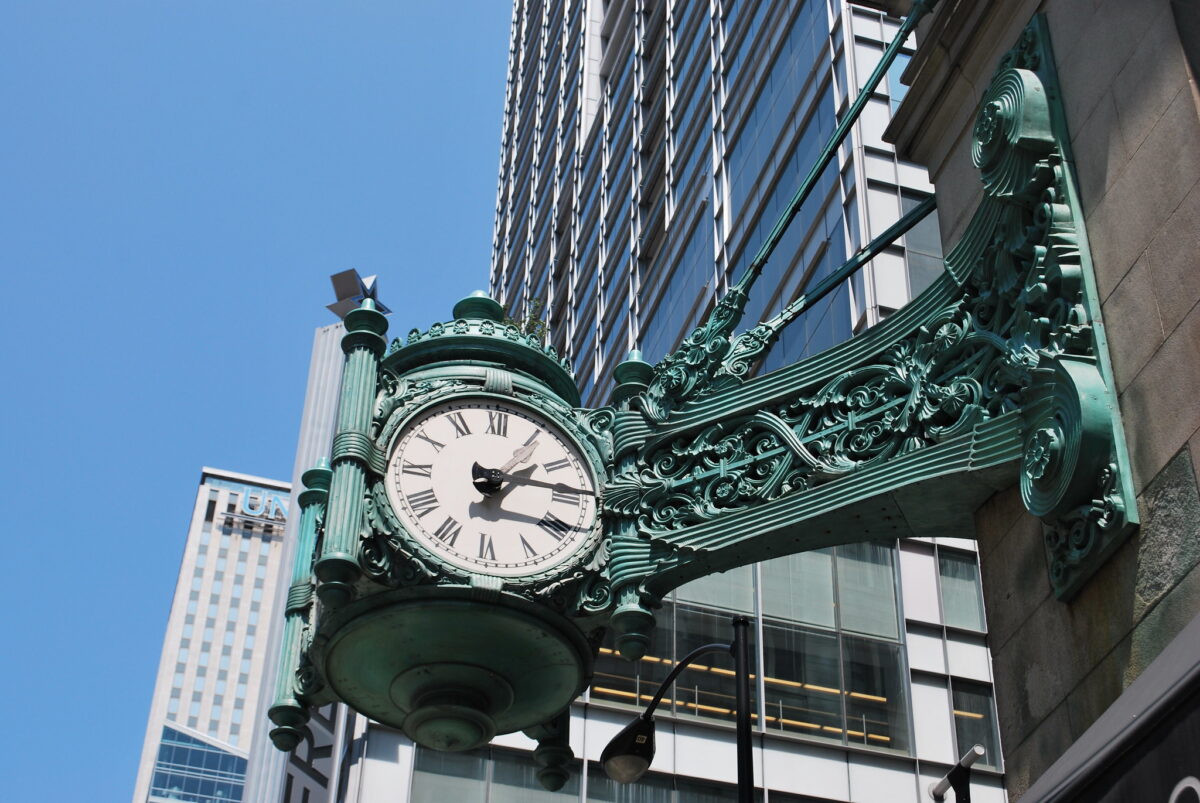
Chicago’s State Street wouldn’t be the same without Marshall Field’s, though locals still mourn its loss nearly two decades later. The store opened in 1852 and became famous for its extravagant window displays and the motto “Give the lady what she wants.”
At one point, the flagship location was the largest store in the world. The building featured a stunning Tiffany dome and multiple restaurants where shoppers could refuel between purchases.
Federated Department Stores bought the chain in 2005 and converted everything to Macy’s by 2006, erasing a name that had been synonymous with quality retail for over 150 years.
Hudson’s

Detroit’s J.L. Hudson Company wasn’t just big—it was massive. Founded in 1881 by Joseph Lowthian Hudson, the flagship downtown store eventually reached 32 stories, making it the world’s tallest department store for decades.
The building had over 200 departments, 68 elevators, and even hosted the city’s Thanksgiving parade. As Detroit’s economy struggled in the 1970s and 1980s, Hudson’s fortunes declined along with it.
The downtown flagship closed in 1983, and by 2001, the Hudson’s name disappeared entirely when remaining stores became Marshall Field’s and later Macy’s.
Filene’s
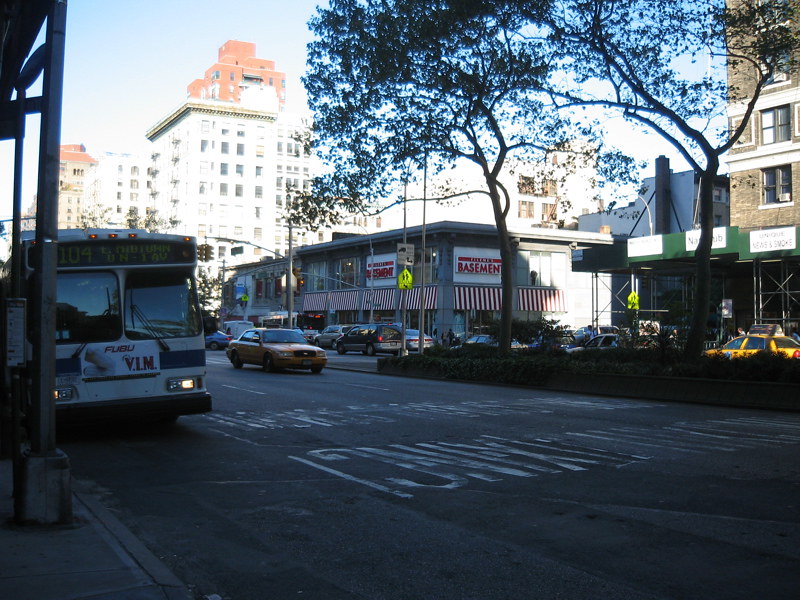
Boston’s Filene’s revolutionized discount shopping with its famous Automatic Bargain Basement, which opened in 1909. The markdown system was brilliantly simple—prices dropped by 25 percent every six days, and after 30 days, unsold items went to charity.
This created a shopping frenzy that became legendary, especially during the “Running of the Brides” sales where women literally sprinted for discounted wedding gowns. The store pioneered other innovations too, including the charge-plate system and cycle billing.
May Department Stores bought Filene’s in 1988, and by 2006, most locations had been converted to Macy’s, ending more than a century of retail innovation.
Gimbels

The rivalry between Gimbels and Macy’s was so famous it became a plot point in the 1947 film “Miracle on 34th Street.” Founded in 1842, Gimbels grew into a powerhouse with its flagship Manhattan location becoming a shopping landmark. The store was known for competitive pricing and an aggressive marketing approach that kept Macy’s on its toes.
Despite its prominence and cultural significance, Gimbels struggled financially through the 1980s and closed all locations in 1987. New Yorkers who grew up with the store still remember the sense of loss when those doors shut for the last time.
Montgomery Ward
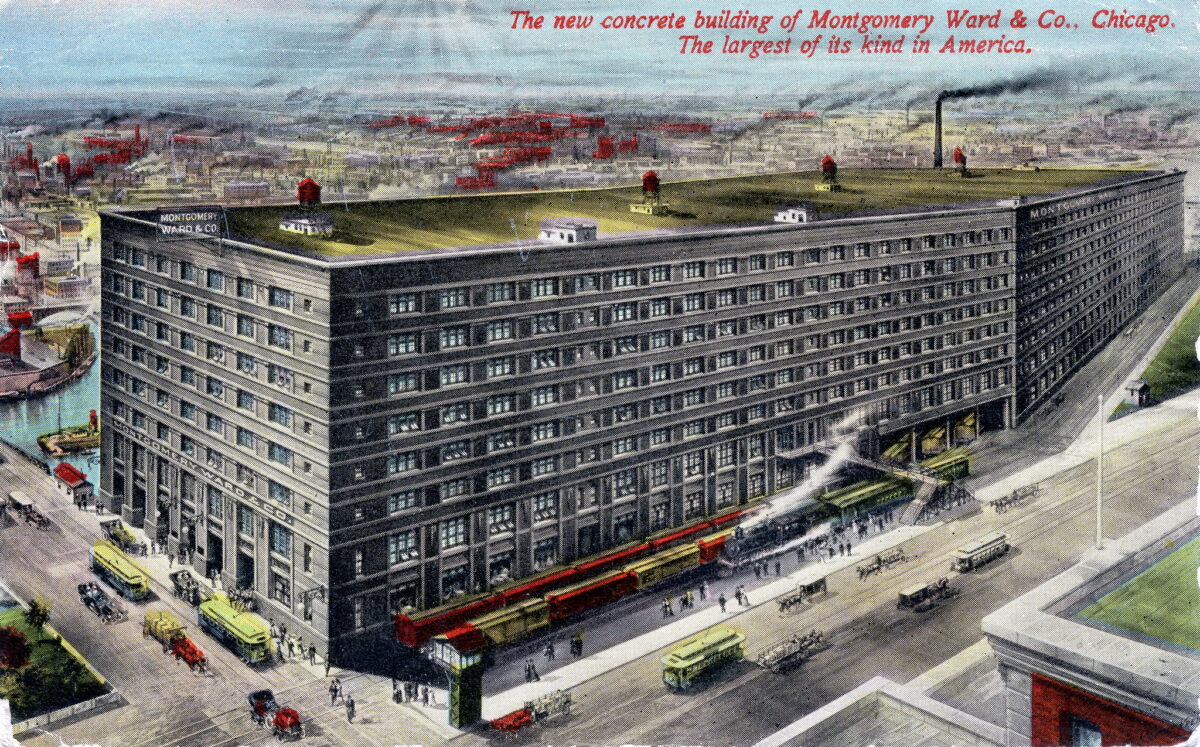
Aaron Montgomery Ward started his mail-order catalog business in Chicago in 1872, bringing retail to rural Americans who couldn’t reach city stores. The concept was revolutionary—customers could flip through a catalog and order everything from clothes to farm equipment.
By the 1920s, the company had expanded to over 500 retail locations. However, Montgomery Ward made several strategic missteps over the decades and couldn’t keep pace with competitors like Sears.
The company filed for bankruptcy and closed all stores in 2001, though the brand name lives on through a smaller online operation.
Lord & Taylor
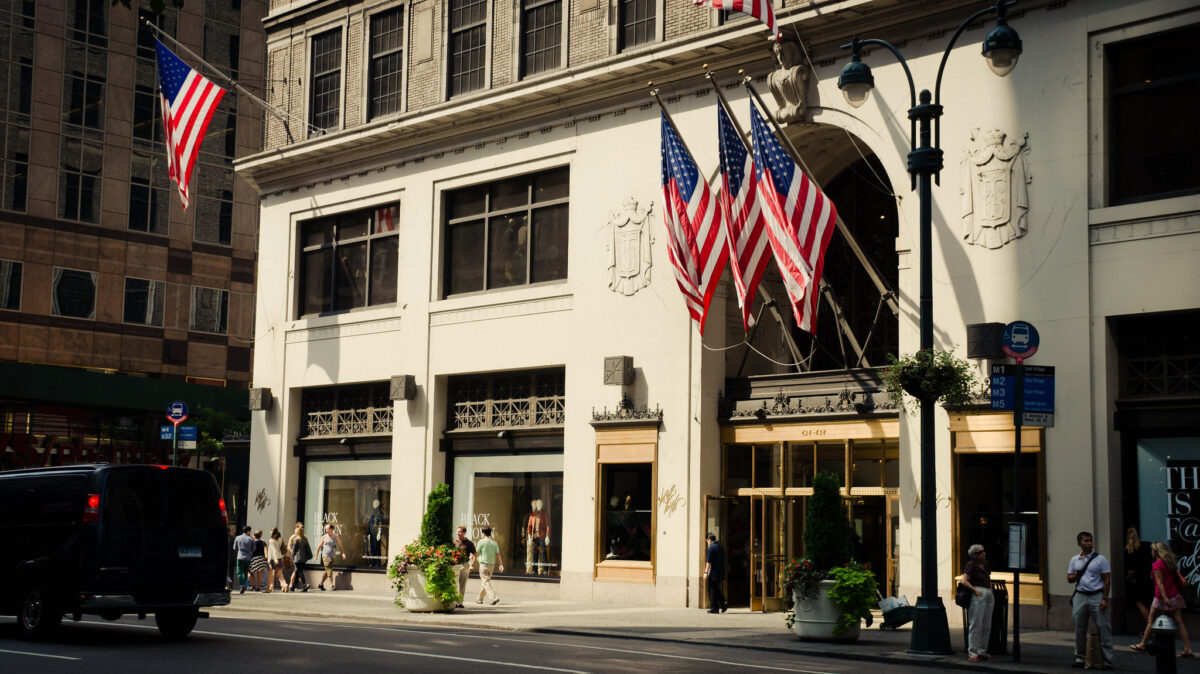
As America’s oldest department store, Lord & Taylor held a special place in retail history from its founding in New York in 1826. The Fifth Avenue flagship, which opened in 1914, became famous for its elaborate holiday window displays and the elegant Bird Cage tea room.
The store made headlines by appointing Dorothy Shaver as president in 1945, making her one of the first women to lead a major department store. Despite surviving nearly two centuries, Lord & Taylor couldn’t weather the 2020 pandemic and filed for bankruptcy, liquidating all stores and ending an era that spanned three centuries.
Bonwit Teller
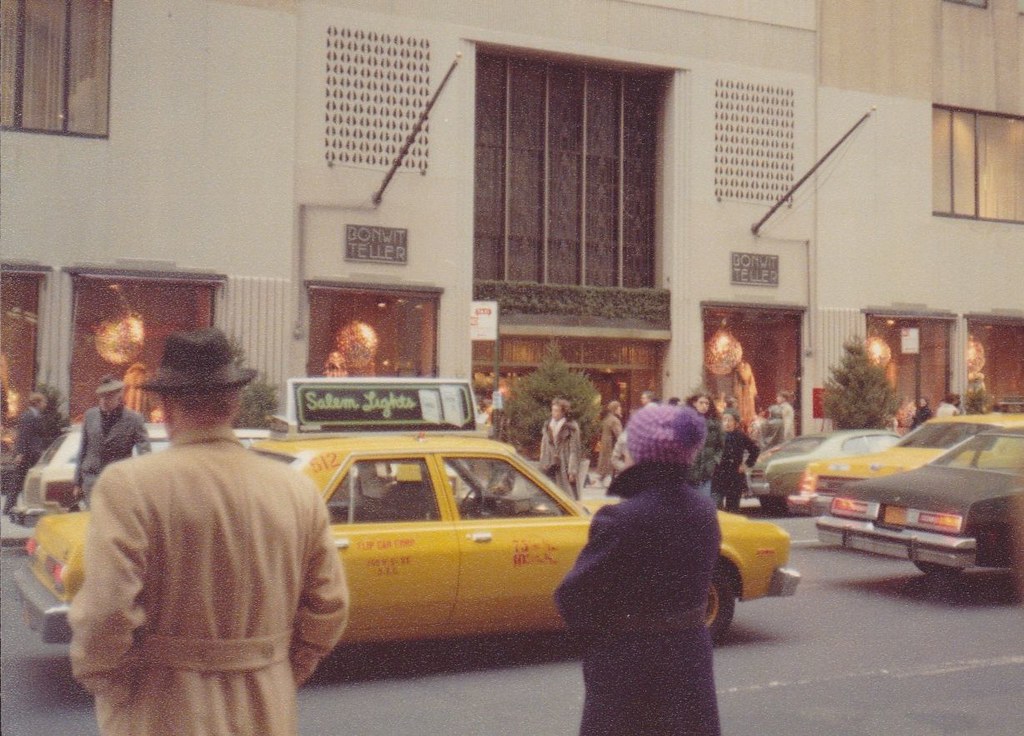
Bonwit Teller embodied Fifth Avenue luxury from the moment Paul Bonwit opened his first location in 1895. The store specialized exclusively in high-end women’s apparel when competitors were diversifying, and this focus earned them a devoted clientele of society women.
The flagship at Fifth Avenue and 56th Street featured stunning Art Deco elements, including limestone relief panels of dancing women that became the store’s signature. When Donald Trump bought the building in 1979 to make way for Trump Tower, he initially promised to donate those panels to the Metropolitan Museum of Art but instead had them destroyed, sparking public outrage.
Bonwit Teller struggled through the 1980s and filed for bankruptcy in 1989.
Burdines
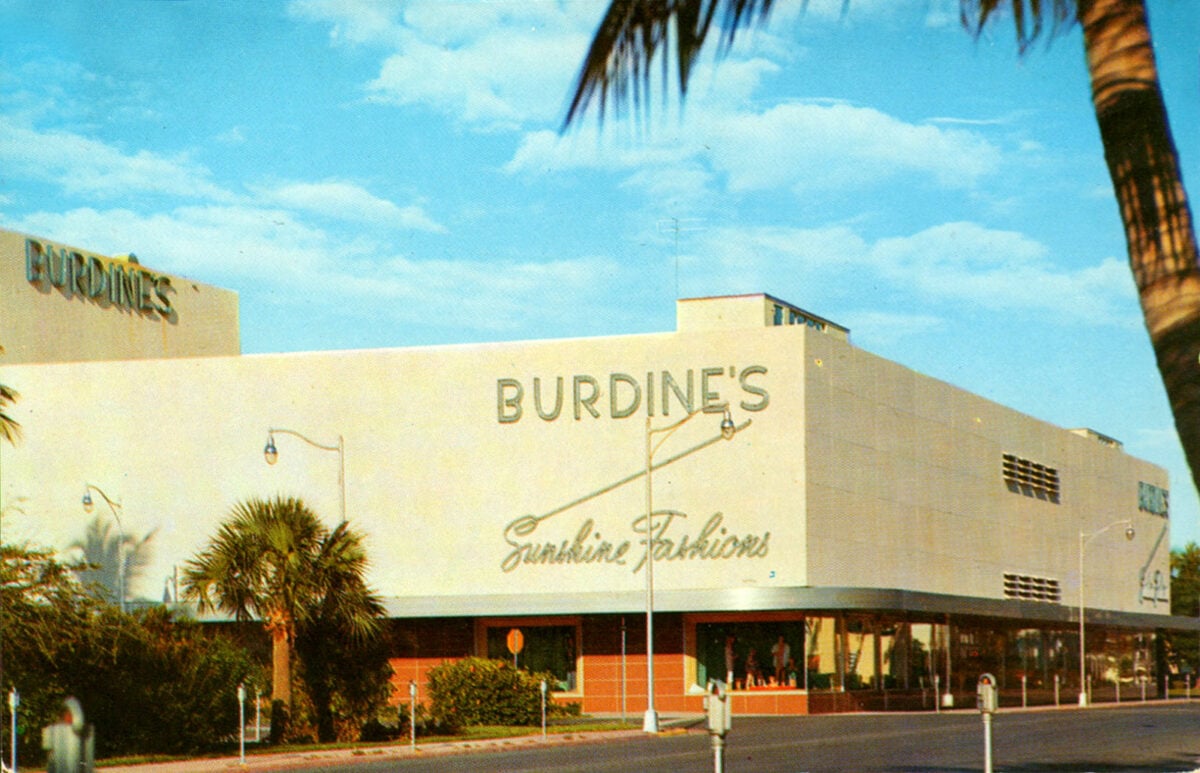
Florida natives knew Burdines as “The Florida Store,” and it lived up to that nickname with palm trees planted in the middle of the sales floor and bright tropical colors everywhere. William Burdine opened the first location in Miami in 1898, initially selling to construction workers and Spanish-American War soldiers.
The store grew to embrace Florida’s resort culture, offering tropical fruit shipping services and “Sunshine Fashions” for snowbirds. The Hibiscus Tea Room served an extravagant dessert called Snow Princess—ice cream and whipped cream topped with a porcelain doll.
Federated Department Stores acquired Burdines in 1956, and by 2005, all locations had been converted to Macy’s.
Abraham & Straus
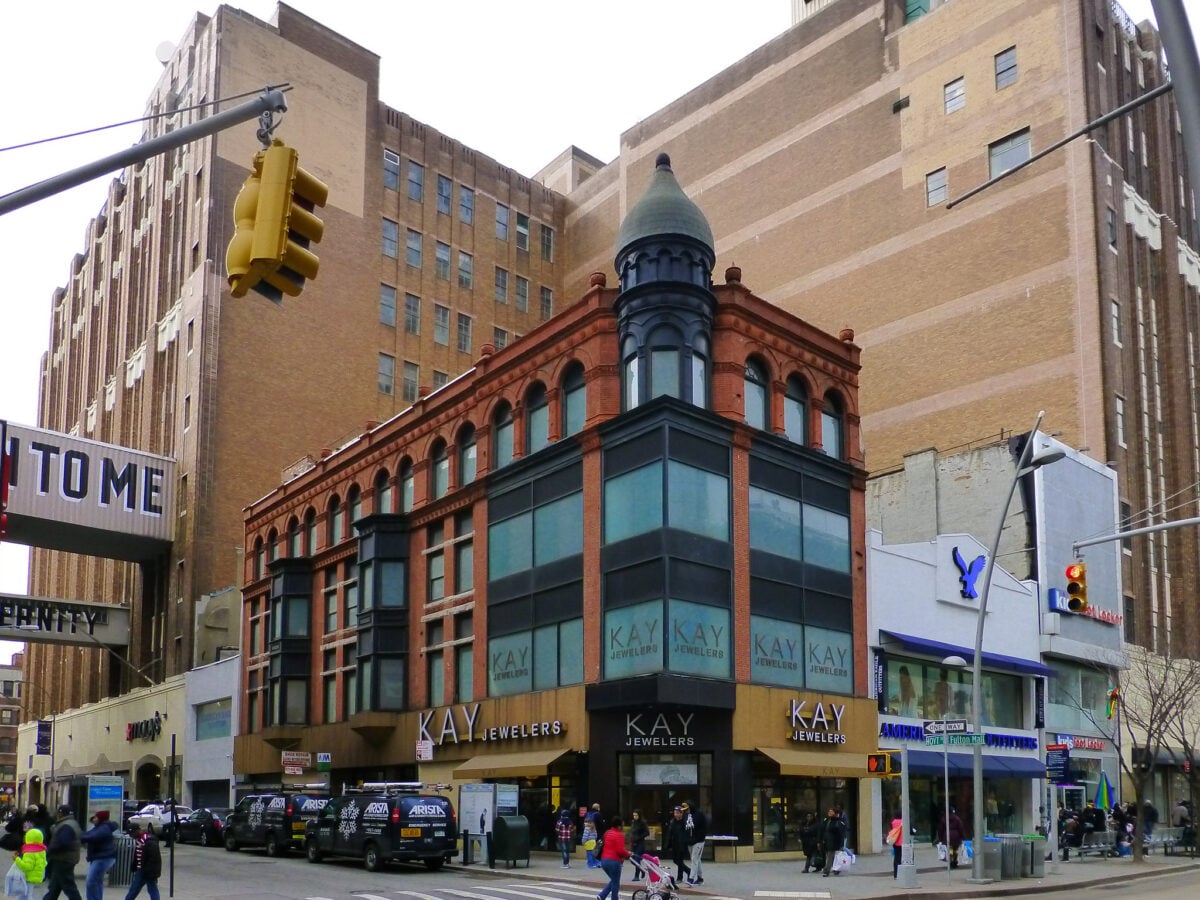
Brooklyn’s Abraham & Straus, known simply as A&S, was such a retail powerhouse that city officials created a subway station with a direct entrance to the store. When competing stores threatened the business in the 1900s, A&S bought nearly an entire block in Downtown Brooklyn for expansion.
The store became an institution for Brooklyn families who made regular pilgrimages there for everything from school clothes to wedding gifts. Things started declining after Isidor Straus, one of the founders, died on the Titanic in 1912, though the store survived many more decades.
Like so many others, A&S eventually became part of Federated and was converted to Macy’s.
Lazarus
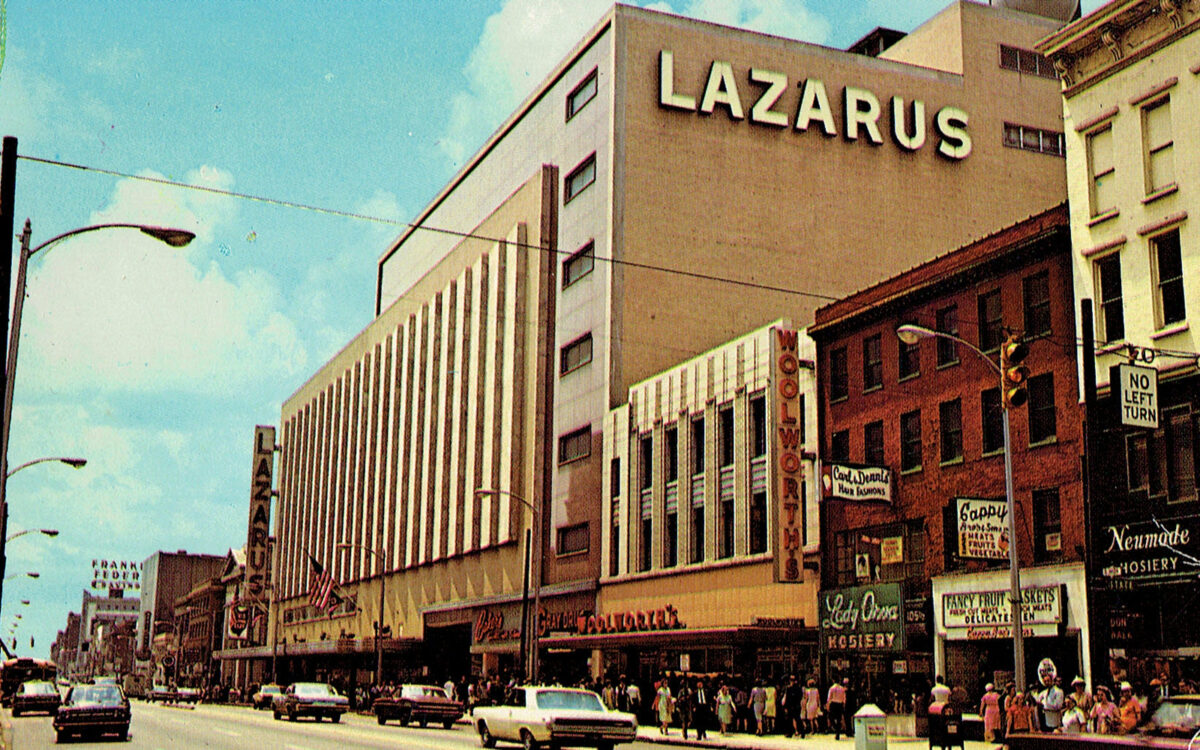
Columbus, Ohio’s Lazarus started as a one-room men’s clothing shop and grew into a Midwestern retail giant with a flagship store that drew families from across the region. The holiday season there was magical—a tree of lights on the roof, a talking Christmas tree in Santaland, and nine restaurants feeding hungry shoppers.
The store offered unusual services too, like grooming courses for teenagers and even a petting zoo with baby lambs. As shopping shifted to suburban malls in the 1970s and 1980s, Lazarus struggled to maintain relevance.
Macy’s absorbed the chain in 2005, and the flagship building was converted to office space.
Wanamaker’s
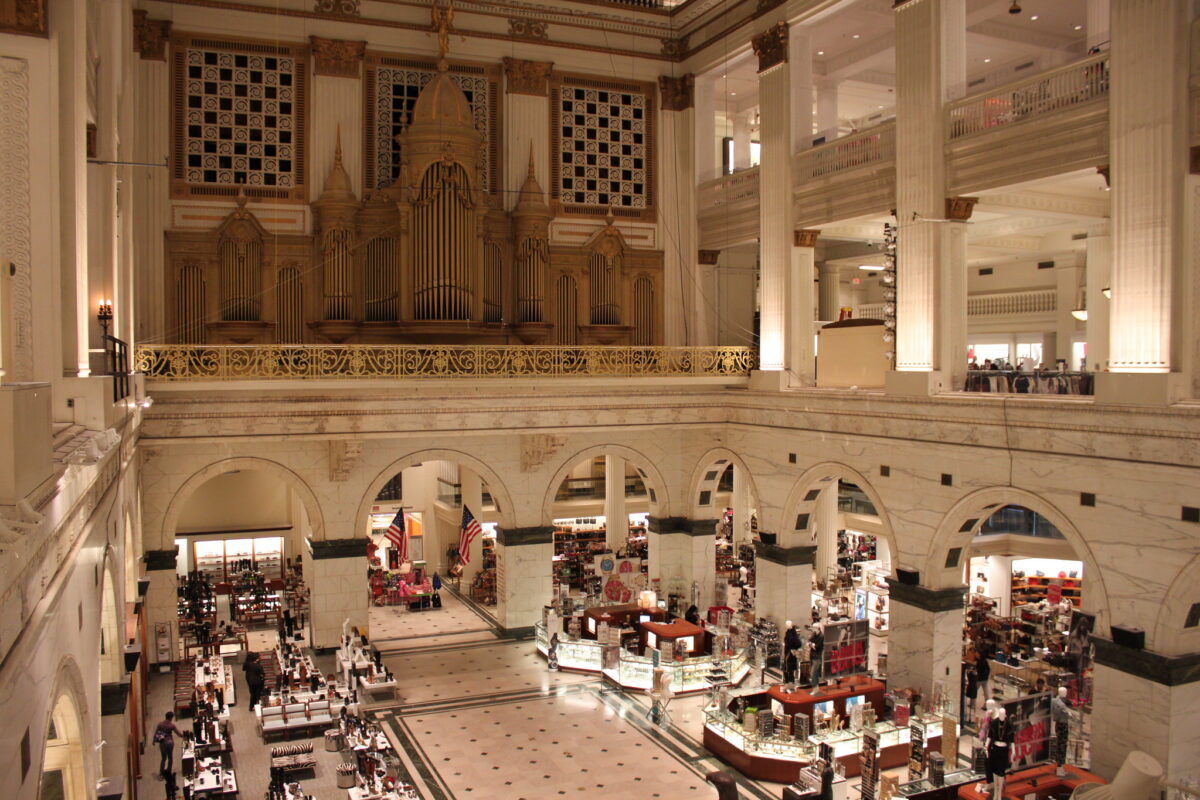
John Wanamaker turned shopping into theater with his legendary Philadelphia department store, which PBS called a “palace of consumption” that made shopping an event for ordinary people. Wanamaker pioneered the department store concept and created elaborate displays that drew crowds just to look.
The stores featured concerts, art exhibitions, and other cultural programming that went beyond simple retail. The Philadelphia flagship, with its grand organ and soaring atrium, became a city landmark.
Despite this rich history, changing retail patterns and corporate consolidations eventually doomed Wanamaker’s, with most locations converting to other brands.
Mervyn’s
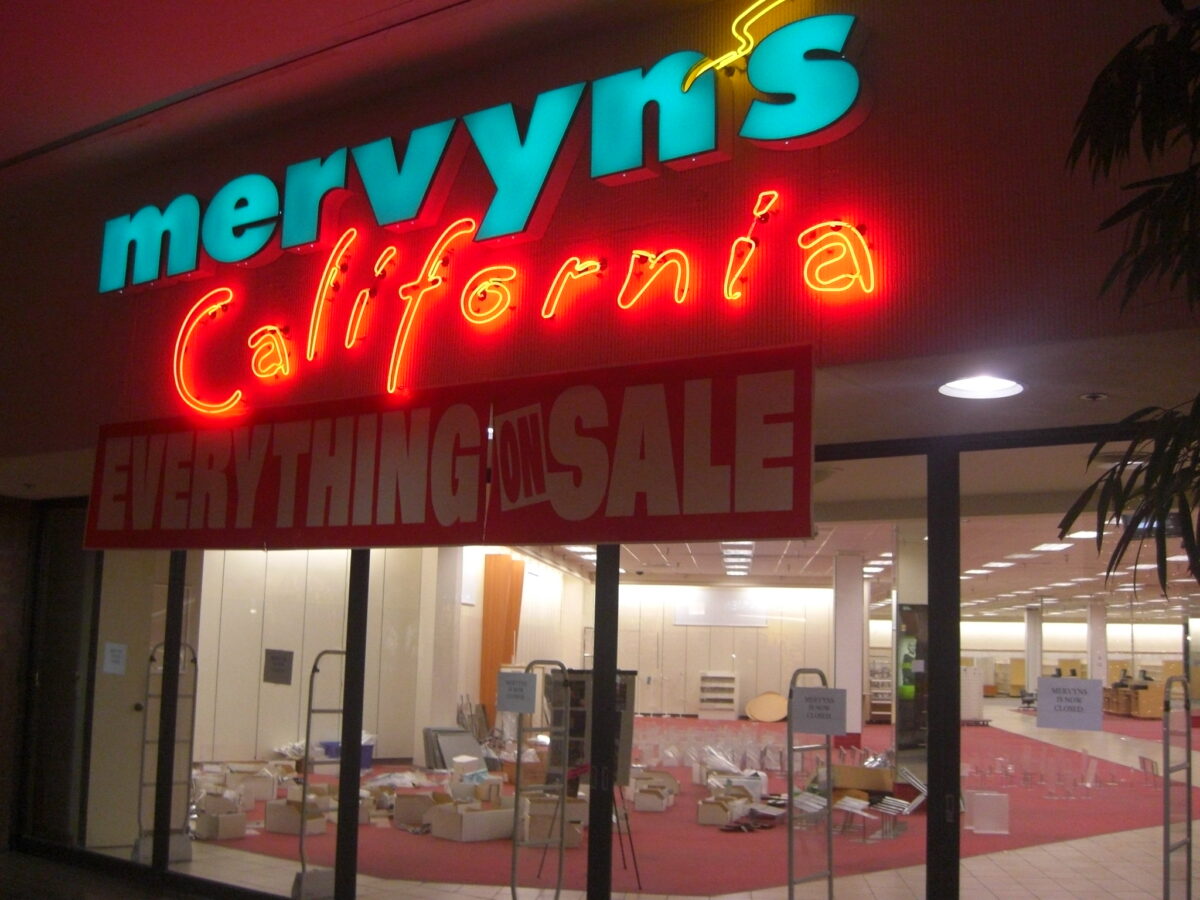
Mervyn’s carved out a niche as California’s favorite mid-range department store after its founding in 1949. The chain found success by offering quality merchandise at reasonable prices, appealing to middle-class families across the West Coast.
At its peak, Mervyn’s operated more than 300 stores and seemed unstoppable. However, the 1978 acquisition by Dayton-Hudson (which later became Target) started a slow decline.
The company tried expanding outside California in the months before a recession hit, a decision that proved disastrous. Mervyn’s filed for bankruptcy in 2008 and closed all stores, taking a piece of California retail history with it.
Ames

Before Walmart dominated discount retail, there was Ames. Founded in 1958, the chain grew to become the fourth-largest discount department store in America with some 700 stores across 20 states.
Shoppers loved the wide selection of everything from electronics to patio furniture, all at bargain prices. The company’s aggressive expansion strategy in the 1970s and 1980s backfired when it acquired too many struggling chains too quickly, including Zayre and G.C. Murphy.
Ames filed for bankruptcy in 1990, closed 370 stores, but managed to limp along until a second bankruptcy in 2002 finally shut down the remaining locations for good.
Korvette’s

E.J. Korvette changed American retail by proving that discount department stores could thrive. Founded in 1948 by World War II veterans, the store sold well-known brands for one-third off retail prices and launched one of the first department store membership programs.
This model paved the way for modern discount chains like T.J. Maxx and Nordstrom Rack. Shoppers flocked to Korvette’s locations throughout the 1950s and 1960s, making the founders wealthy beyond their dreams.
Unfortunately, mismanagement and overzealous expansion caught up with the company, which filed for bankruptcy in 1980 and closed all stores by year’s end.
Zayre
New England families relied on Zayre for affordable clothes and household goods from the time it opened in 1956 until its final days in 1990. The discount chain expanded steadily through the eastern United States, offering bargain prices that appealed to budget-conscious shoppers.
Zayre made one particularly savvy move in 1977 when he created TJ Maxx as a response to losing a bid for Marshalls. Eventually, the parent company was sold to Ames Department Store, but here’s the ironic twist—TJX, the subsidiary that operated TJ Maxx, not only survived but thrived, now owning both TJ Maxx and Marshalls.
Woolco
When F.W. Woolworth launched Woolco in 1962 as its discount department store division, the concept seemed like a guaranteed winner. Woolco stores were larger than traditional Woolworth’s five-and-dimes and offered a wider range of merchandise at discount prices.
The chain expanded across the United States and into Canada, competing directly with early Kmart and Walmart locations. However, Woolco struggled to differentiate itself from competitors and never quite found its footing. U.S. stores began closing in 1983, and even the Canadian locations eventually shut down in the late 1990s, unable to compete with more aggressive discount retailers.
Ann & Hope

Rhode Island’s Ann & Hope deserves recognition as one of the pioneers of the discount superstore concept, opening in 1953 decades before anyone had heard of Walmart or Target. The store converted a former textile mill into a massive retail space where shoppers could find bargains on everything under one roof.
This warehouse-style shopping was revolutionary for its time and influenced countless retailers that came after. However, being first doesn’t guarantee lasting success—as retail trends continued evolving, Ann & Hope found itself unable to adapt to the newer generation of big-box stores and eventually closed all department store locations by 2001.
Where Memory Meets Reality
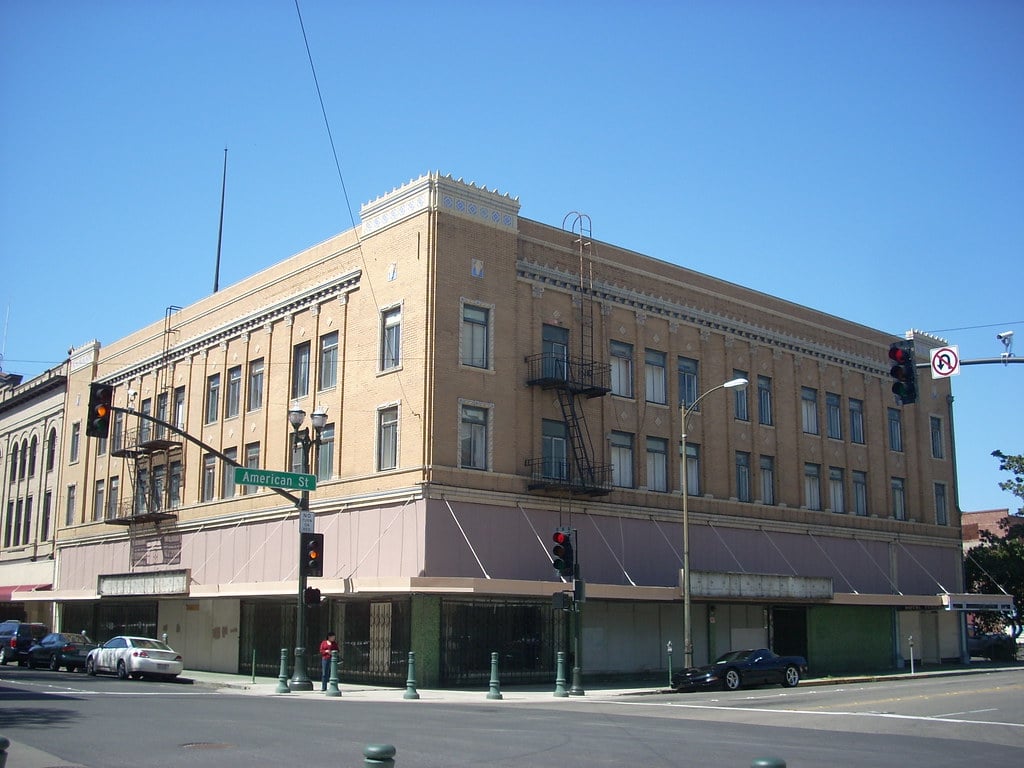
The department stores that shaped American retail for over a century couldn’t survive the shift to online shopping and big-box discounters. These weren’t just businesses—they were community anchors where generations of families shopped, ate lunch, and created traditions.
Many of the buildings still stand, repurposed as offices or mixed-use developments, but the experiences they offered are gone. The irony is that some of their innovations, like Korvette’s discount model or Filene’s markdown system, live on in today’s retail landscape, even though the names that created them have vanished.
Shopping today might be more convenient, but it’s also more transactional, missing that sense of occasion that made a trip to Marshall Field’s or Hudson’s feel special.
More from Go2Tutors!

- The Romanov Crown Jewels and Their Tragic Fate
- 13 Historical Mysteries That Science Still Can’t Solve
- Famous Hoaxes That Fooled the World for Years
- 15 Child Stars with Tragic Adult Lives
- 16 Famous Jewelry Pieces in History
Like Go2Tutors’s content? Follow us on MSN.