Wild Roller Coaster History
Few inventions capture both the thrill and madness of human creativity like the roller coaster. What began as icy slides centuries ago has evolved into towering steel machines that twist, launch, and defy gravity itself.
Here’s a list of the wildest moments and milestones in roller coaster history — from frozen hills to record-breaking heights.
The Russian Ice Slides
Before roller coasters had wheels, they had ice. In 17th-century Russia, riders sped down towering wooden ramps coated in frozen water, clinging to sleds that offered little more than hope for control.
There were no restraints, no brakes — only momentum. The idea spread quickly across Europe’s elite circles, thrilling and terrifying in equal measure.
Elegant in theory, reckless in practice.
Les Montagnes Russes in Paris

When the French adopted the concept, they added flair. “Les Montagnes Russes,” or Russian Mountains, replaced ice with waxed wooden tracks and wheeled carts — a small innovation that changed everything.
Suddenly, thrill-seekers didn’t need winter to feel alive. Paris had transformed a dangerous frozen pastime into a refined amusement.
Still, it wasn’t exactly safe.
Gravity Switchback Railway
Coney Island, 1884 — a milestone in motion. The Gravity Switchback Railway was clunky, slow, and utterly groundbreaking.
Riders coasted down one track, stopped, and paid another nickel to return. Not seamless, but revolutionary nonetheles
That short, shaky ride marked the birth of the modern roller coaster — and the beginning of an empire built on excitement.
Loop the Loop
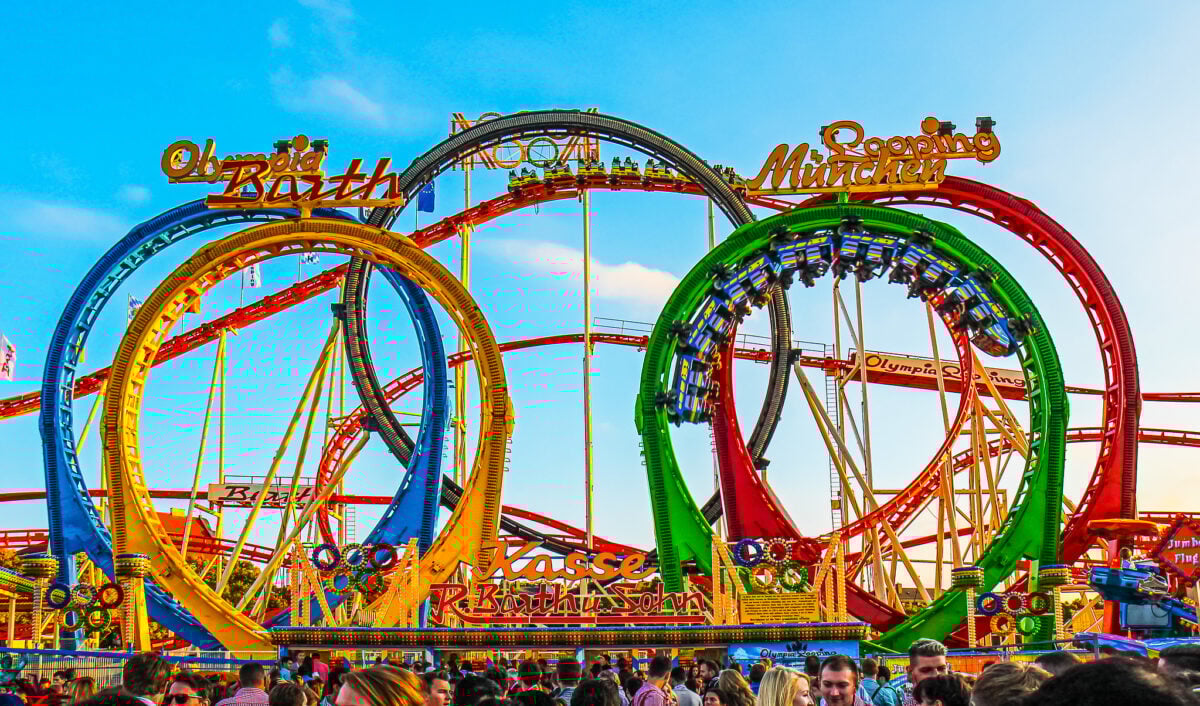
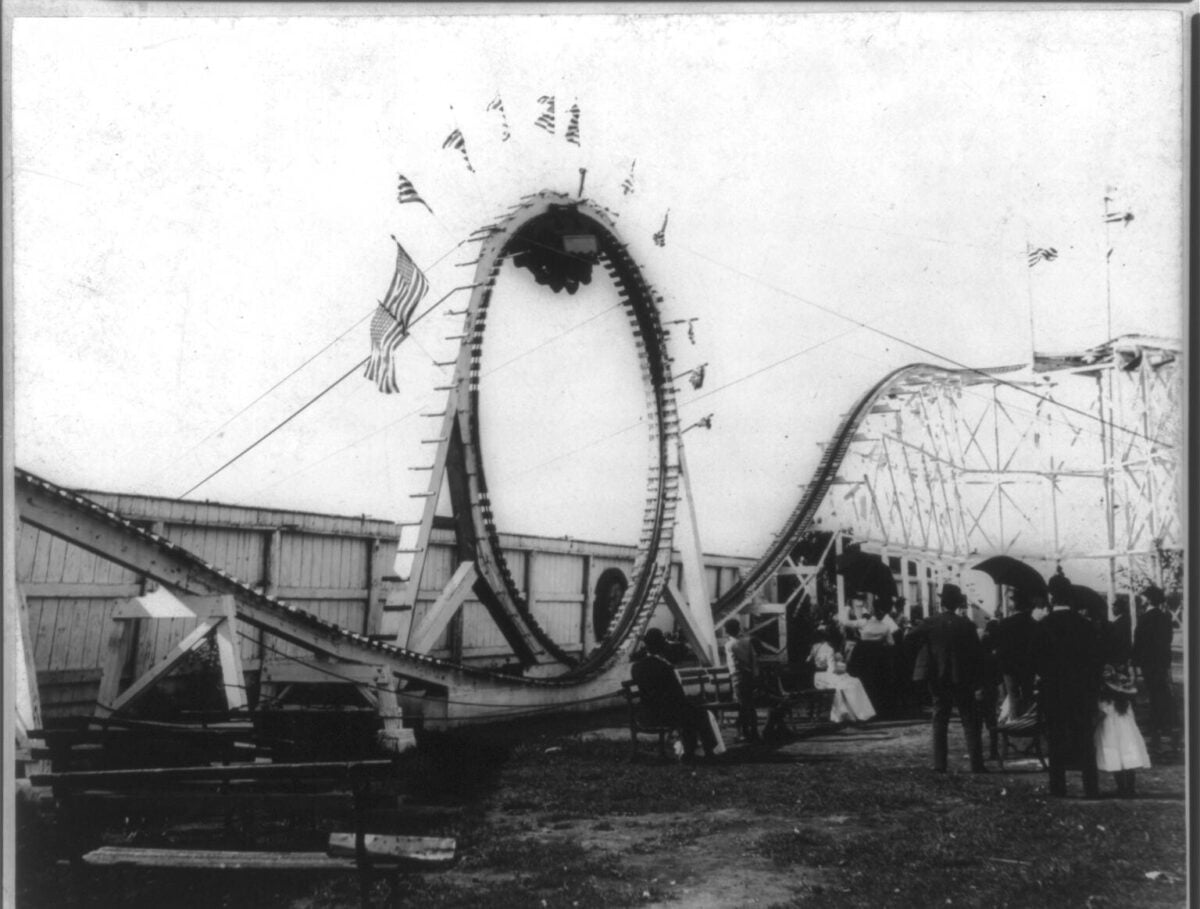
In the 1890s, spectacle ruled, and “Loop the Loop” was its wildest expression. Riders flipped upside down in a perfectly circular steel loop, their stomachs and senses in open revolt.
The experience was short and intense — sometimes painfully so. Even so, it proved something crucial: people were willing to pay to be terrified, as long as it looked like fun.
The Wooden Giants of the 1920s

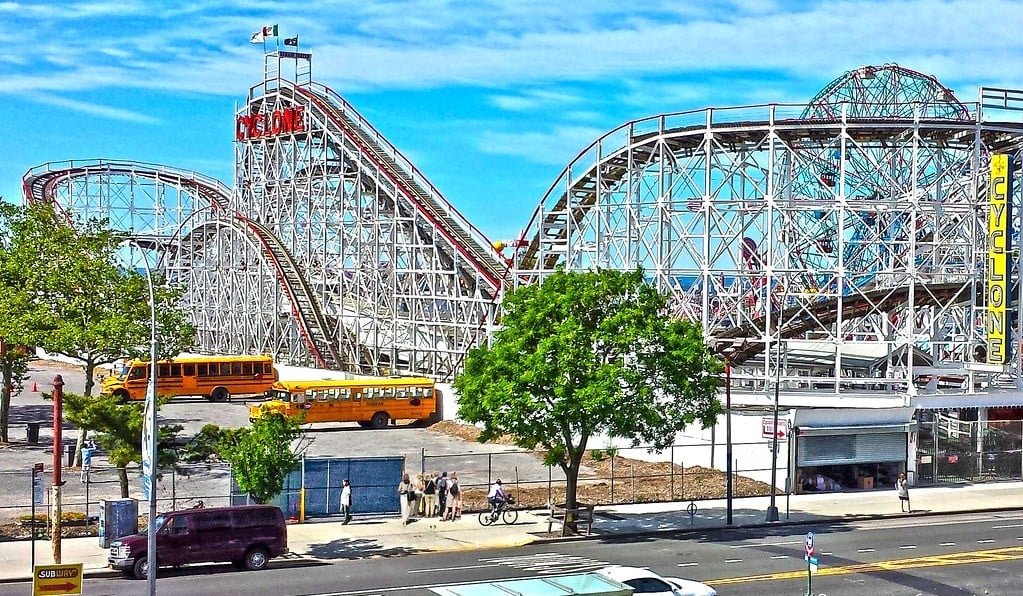
The Roaring Twenties brought ambition and audacity to amusement parks. Massive wooden coasters like the Cyclone in Brooklyn and the Giant Dipper in California dominated skylines — creaking, swaying, and thrilling thousands each summer.
The air smelled of salt, grease, and sugar. The sound of rattling wood mixed with laughter and fear.
These rides became icons, symbols of joy and engineering daring.
Disney’s Space Mountain
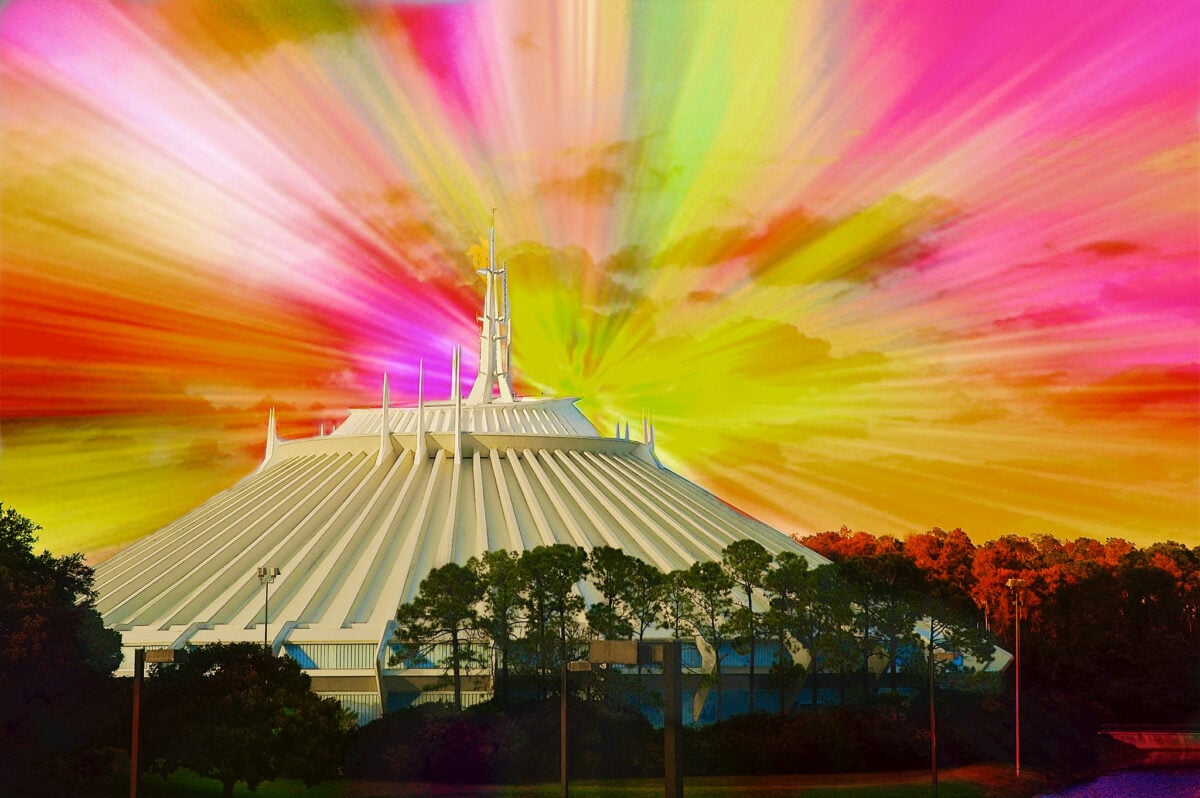
By the 1970s, roller coasters entered a new dimension — storytelling. Space Mountain wasn’t about height or speed; it was about illusion.
Riders hurtled through complete darkness, surrounded by cosmic sounds and flashing lights, tricked into believing they were racing through the stars. It marked a shift from brute force to immersive experience — a balance of technology and imagination.
The Rise of Steel Beasts
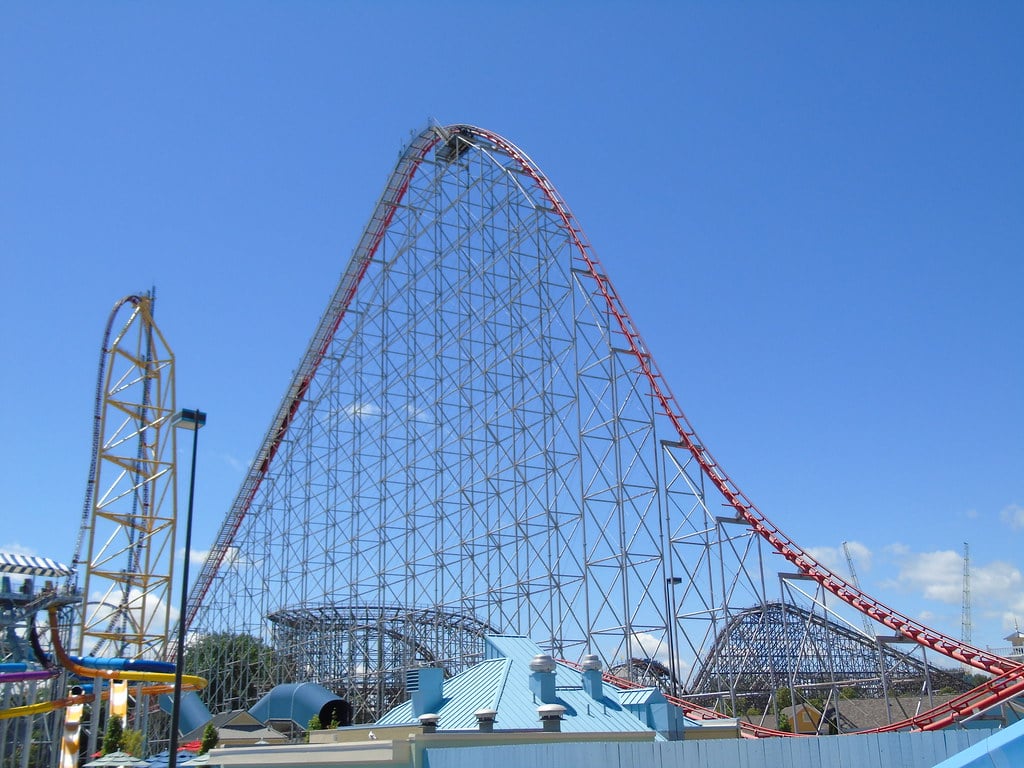
Then came the steel age. Smooth, flexible tracks allowed loops, twists, and impossibly tight turns that wood could never manage.
Coasters like Cedar Point’s Magnum XL-200 ushered in the “hypercoaster” era — soaring beyond 200 feet and redefining what thrill meant.Riders floated in their seats during moments of airtime — weightless, breathless, exhilarated.
Kingda Ka

Towering above New Jersey’s landscape, Kingda Ka remains a marvel of engineering and nerve. It launches riders to 128 mph and 456 feet in the air — then drops them straight back down in less than 30 seconds.
The sensation is indescribable: a blur of wind, sound, and disbelief. Sometimes, the ride pauses for wind safety. Probably a smart call.
Japan’s Do-Dodonpa
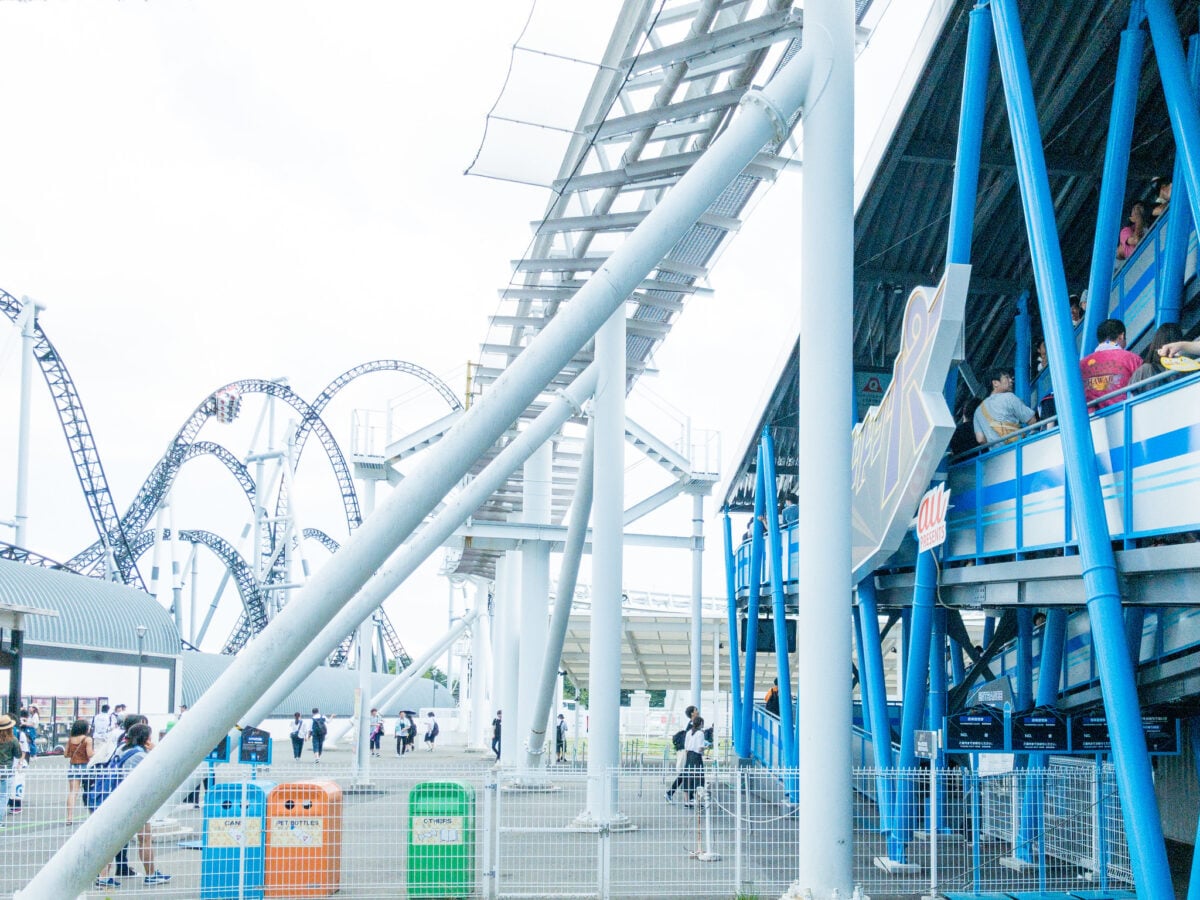
At Fuji-Q Highland, speed became the only goal. Do-Dodonpa accelerates from 0 to 112 mph in under two seconds — the fastest launch in coaster history.
The force is almost violent, followed by a massive loop that feels like a mistake until it’s over. Despite this, it draws crowds daily.
There’s something irresistible about the absurdity of surviving the impossible.
Modern Coaster Tech

Today’s roller coasters are feats of science and storytelling. Electromagnetic propulsion replaces chain lifts, while precision software controls every twist and drop.
Some even blend physical motion with virtual reality, turning imagination into adrenaline. Tracks shimmer like ribbons of steel — perfectly calculated chaos. The line between engineering and art has never been thinner.
The Eternal Chase for “More”

Each decade pushes higher, faster, stranger. Engineers defy physics; riders defy fear.
From icy slides to magnetic marvels, roller coasters stand as proof that humans will always crave one thing — that fleeting edge between terror and exhilaration, between control and surrender.
More from Go2Tutors!

- The Romanov Crown Jewels and Their Tragic Fate
- 17 Halloween Costumes Once Considered Taboo
- Famous Hoaxes That Fooled the World for Years
- 15 Child Stars with Tragic Adult Lives
- 16 Famous Jewelry Pieces in History
Like Go2Tutors’s content? Follow us on MSN.