Early Internet Fads Everyone Obsessed Over
The early days of the internet felt like opening a door to a completely new world. People gathered around slow dial-up connections, waiting minutes for a single image to load, yet nobody complained because the novelty made it all worth it.
Communities formed around the strangest things, from dancing babies to hamsters with questionable dance moves. Those early users created a culture that was weird, wonderful, and absolutely unforgettable.
Let’s take a walk down memory lane and revisit some of those moments that had everyone glued to their screens.
The dancing baby

A pixelated baby in diapers doing a cha-cha move became one of the internet’s first viral sensations. The animation looked primitive by today’s standards, but back in 1996, people forwarded it through email chains like it was digital gold.
The baby even made appearances on TV shows, proving that internet culture was starting to leak into mainstream entertainment. It was strange, slightly unsettling, and impossible to look away from.
Hamster dance

A website featuring rows of animated hamsters bouncing to a sped-up song became an unexpected hit in the late 1990s. The tune was actually a chipmunk-style version of ‘Whistle Stop’ from a Disney movie, but nobody really cared about the origins.
People spent way too much time watching these rodents wiggle across their screens. The site was so simple it hurt, yet it captured something about the internet’s playful spirit that felt genuinely fun.
AIM away messages

Setting the perfect away message on AOL Instant Messenger became an art form for teenagers and young adults. These little status updates told the world what you were doing, how you were feeling, or showcased lyrics from your favorite emo band.
People checked their friends’ away messages multiple times a day, treating them like mini social media posts before social media existed. The drama that unfolded through passive-aggressive away messages could rival any soap opera.
Flash games on Newgrounds

Before smartphones filled every spare moment, people killed time playing Flash games on websites like Newgrounds. These games ranged from genuinely creative to absolutely bizarre, with crude animations and sound effects that somehow added to the charm.
Office workers everywhere risked their jobs playing these games during lunch breaks. The site became a breeding ground for internet humor and creativity that influenced a whole generation of game developers.
Homestar Runner
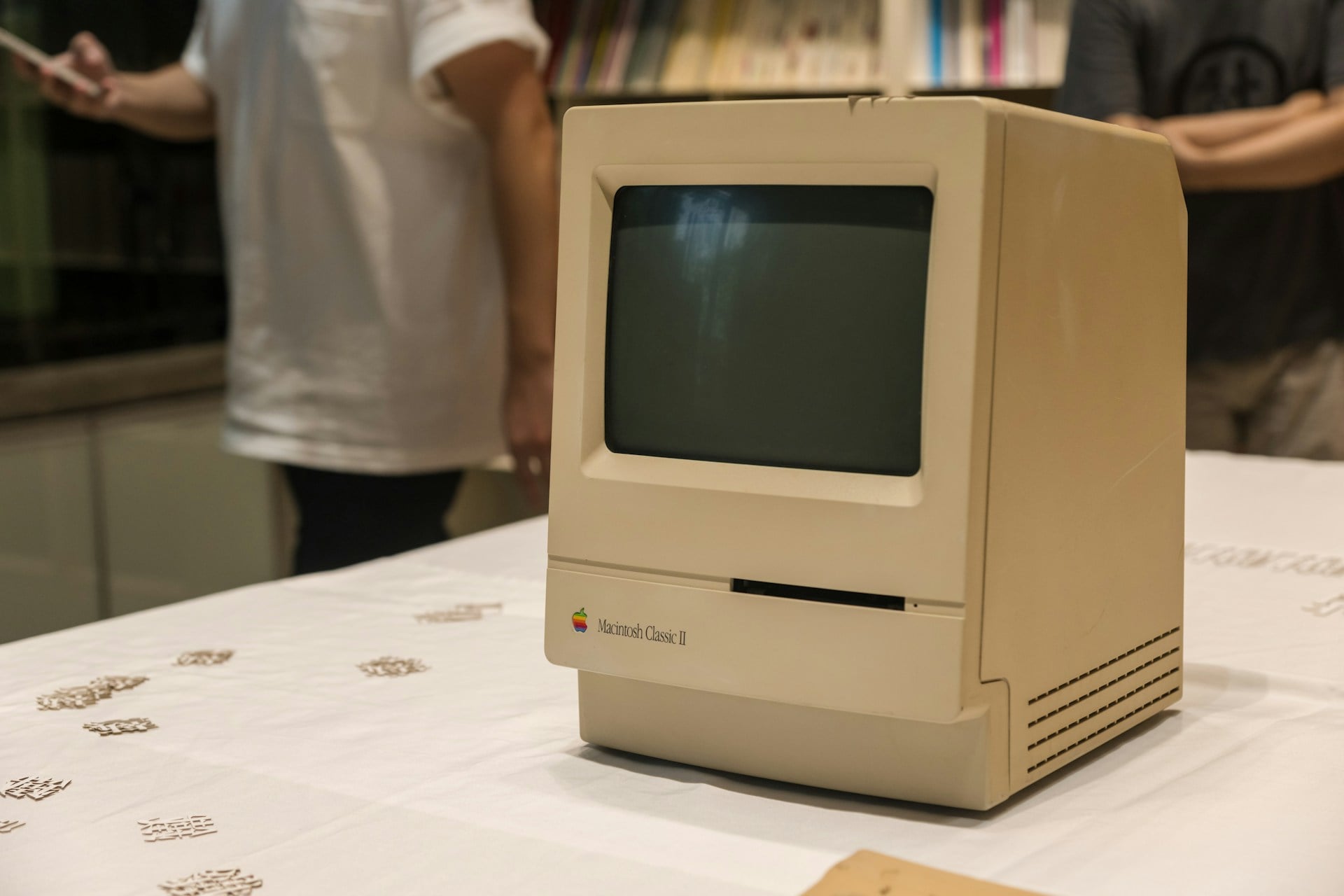
A website featuring crude cartoon characters with no arms captured hearts across the internet. Strong Bad’s emails became appointment viewing for fans who eagerly awaited each new response to viewer questions.
The humor was absurd, the animation was intentionally simple, and the world-building was surprisingly rich for something that started as a joke. People quoted lines from these cartoons constantly, creating an inside joke that only internet users understood.
LiveJournal drama

Online journaling became a window into people’s lives, thoughts, and daily struggles in ways that felt revolutionary at the time. Users poured their hearts out in lengthy posts, then watched as friends and strangers commented with support or criticism.
The platform had its own language with mood indicators and music selections that added context to each entry. Friend groups formed and fell apart based on who had access to read protected entries, creating digital soap operas that played out in real time.
All Your Base Are Belong To Us
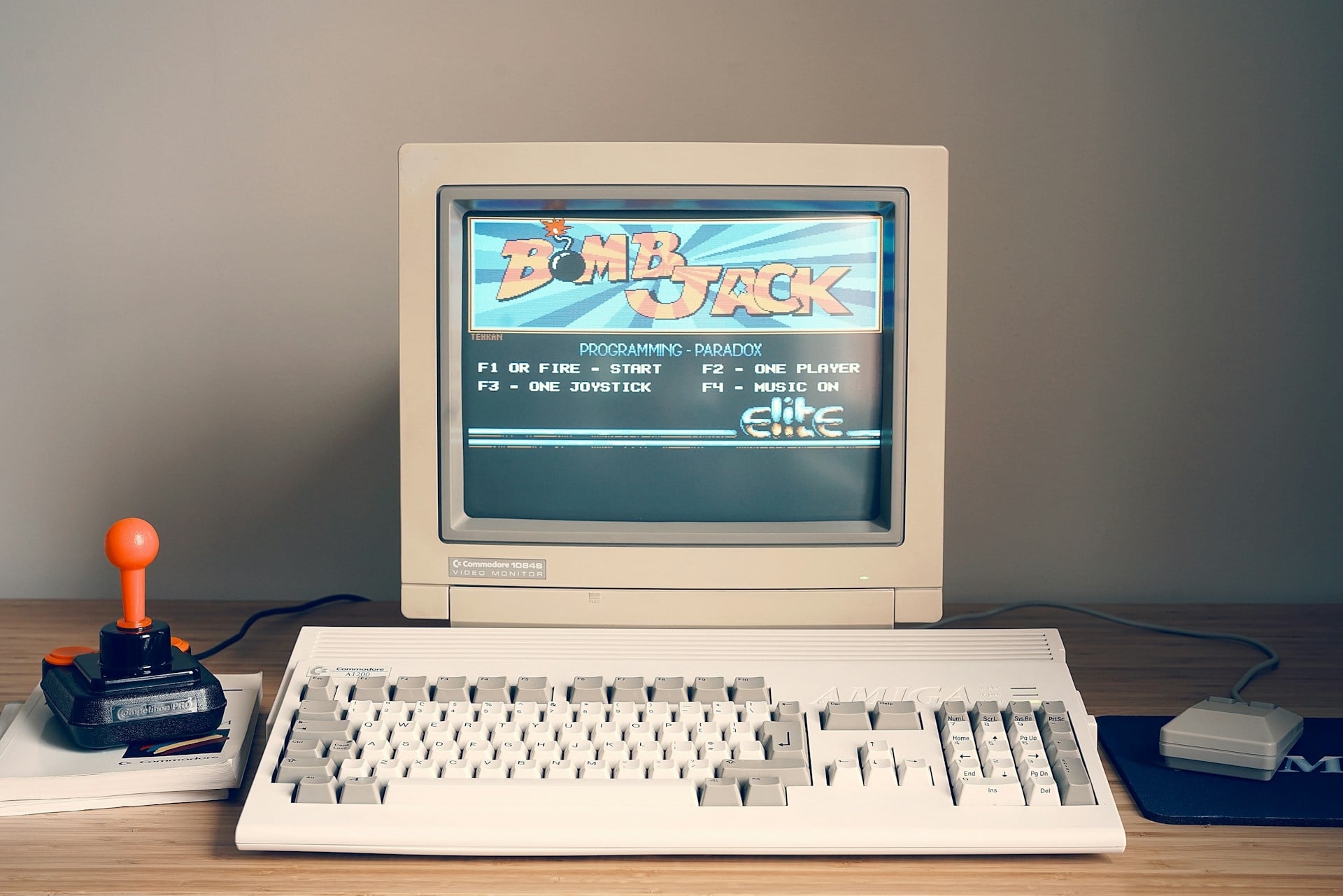
A poorly translated line from a Japanese video game became one of the internet’s most quoted phrases. Someone created a Flash animation featuring the phrase superimposed on various images, and suddenly everyone was using it as a punchline.
The meme spread to t-shirts, bumper stickers, and even mainstream news coverage. It proved that the internet could take the most random thing and turn it into a cultural moment through sheer collective agreement.
eBaum’s World
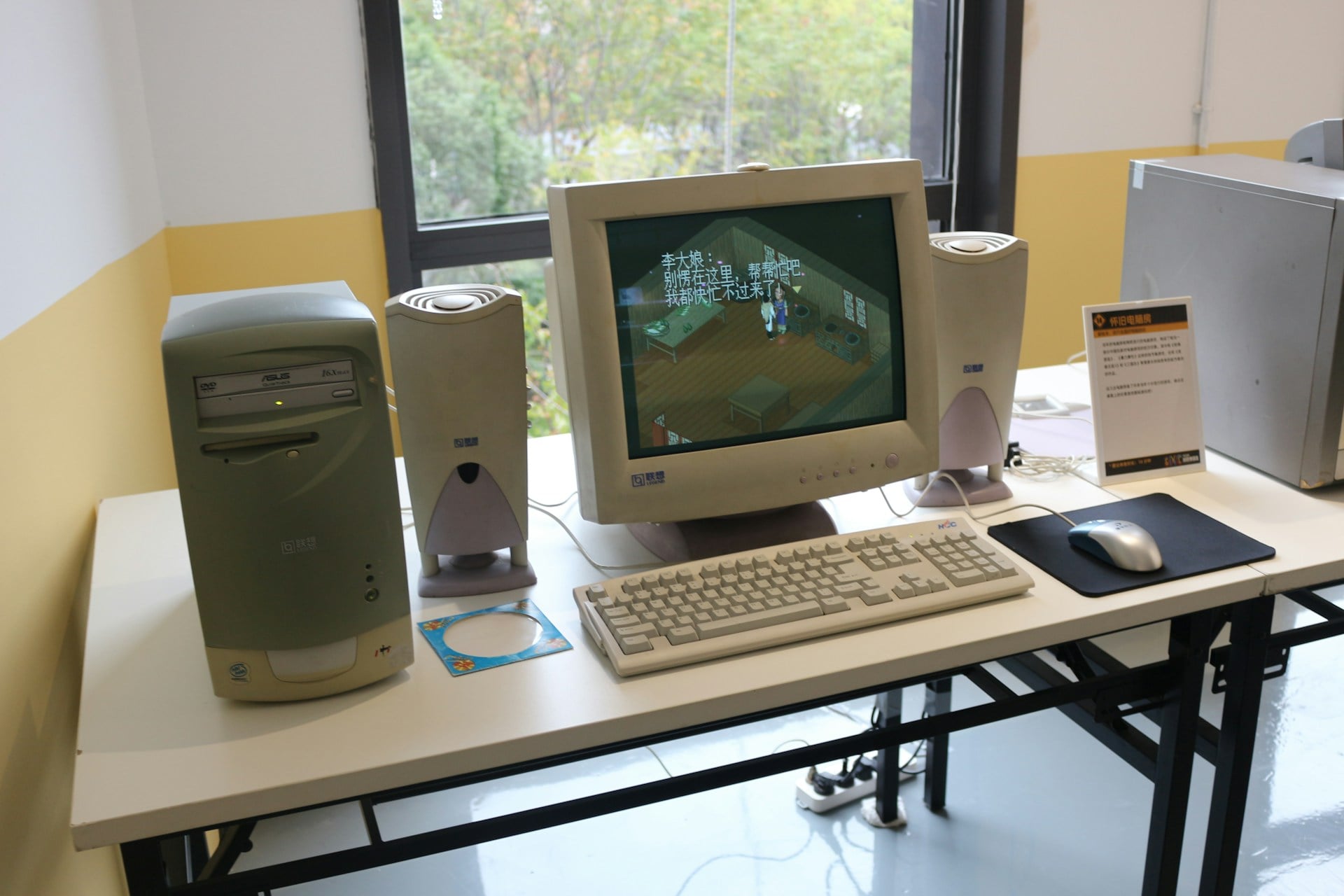
This website collected viral videos, Flash animations, and funny images all in one place, becoming a daily destination for millions. The site owner often scraped content from other creators without credit, sparking some of the internet’s earliest drama about content theft.
Despite the controversy, people kept coming back because it served as a central hub for internet entertainment. The watermark slapped on every video became instantly recognizable to anyone who spent time online during that era.
Zombocom
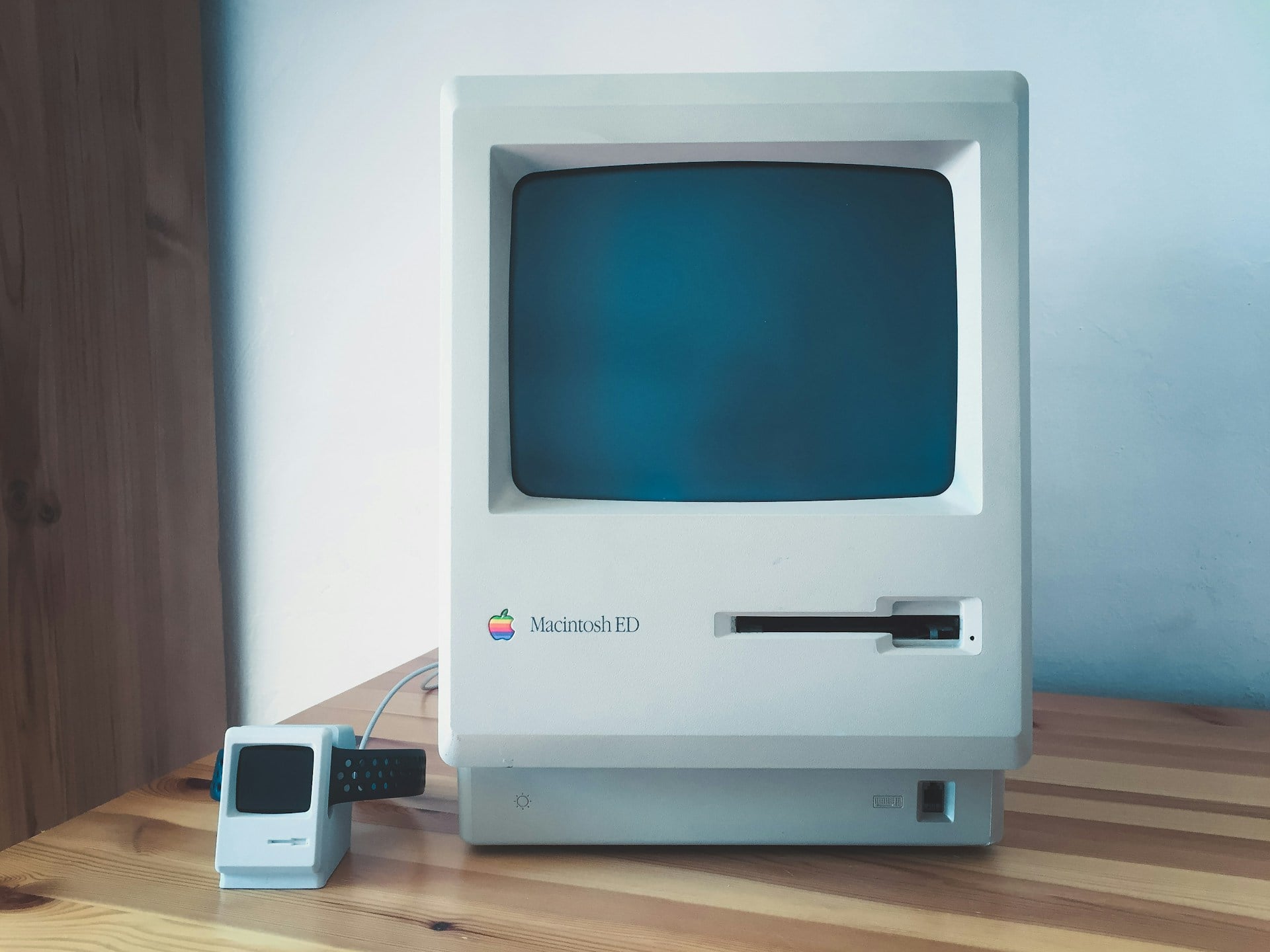
A website that did absolutely nothing except tell visitors they could do anything became a strange internet legend. The loading screen never ended, and a voice kept repeating variations of ‘welcome to Zombocom’ over hypnotic background music.
People shared the link as a prank, watching friends wait for something to happen that never would. The site still exists today as a perfect time capsule of early internet absurdism.
Salad Fingers
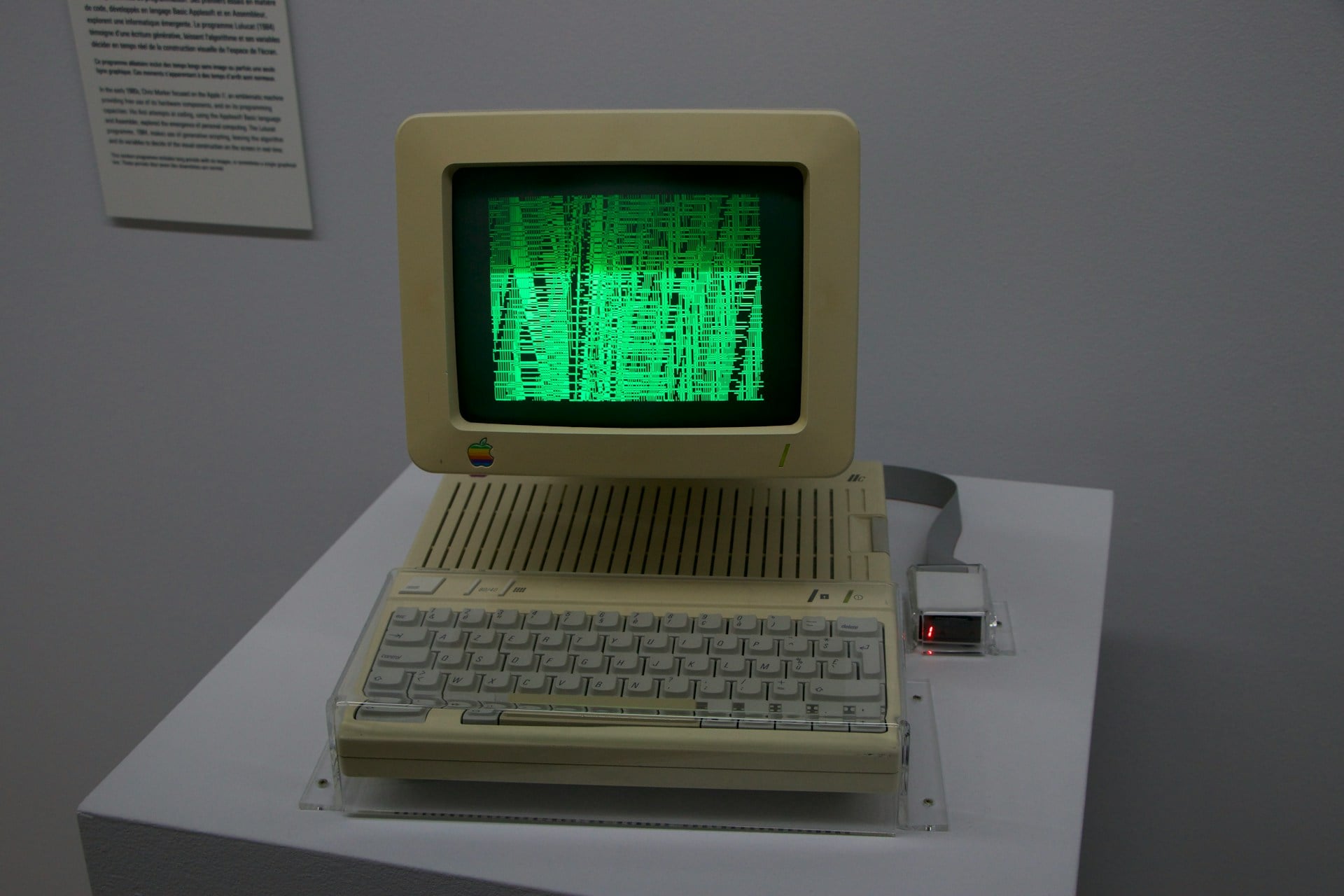
A disturbing Flash cartoon series about a green creature with long fingers became cult viewing despite its creepy content. The videos were unsettling, strange, and oddly captivating with their surreal humor and disturbing imagery.
Each new episode sparked discussions about hidden meanings and interpretations across forums. The series pushed boundaries and showed that internet content didn’t need to appeal to everyone to find a devoted audience.
Badger badger badger

An endless loop of animated badgers doing repetitive movements while a voice chanted ‘badger’ hypnotized viewers for no good reason. A snake and mushroom occasionally interrupted the badgers, adding to the absurdity without making anything clearer.
The animation lasted nearly three minutes before looping, and people watched it multiple times trying to understand its appeal. Like many early internet fads, its power came from pure randomness and the shared experience of asking ‘why am I watching this?’
Subservient Chicken

Burger King created an interactive website where users could type commands and watch a person in a chicken suit act them out through pre-recorded videos. The marketing campaign was weird, innovative, and became a sensation that people shared endlessly.
It demonstrated how brands could use the internet’s love of strange content to create buzz. The chicken would do hundreds of different actions, and people spent hours testing the limits of what commands worked.
Numa Numa

A teenager filmed himself lip-syncing enthusiastically to a Romanian pop song and accidentally became an internet celebrity. His genuine joy and complete lack of self-consciousness made the video endearing and highly rewatchable.
The video spread across the internet before YouTube even existed, passed around through file-sharing and email. It kicked off a trend of people filming themselves performing to songs, laying groundwork for countless future viral videos.
Chuck Norris facts

The internet collectively decided that an aging action star needed to become the subject of absurd, over-the-top jokes about his toughness. Facts like ‘Chuck Norris doesn’t do push-ups, he pushes the Earth down’ flooded forums, comments sections, and dedicated websites.
The meme breathed new life into a career that had cooled off, eventually leading to the actor embracing the jokes. It showed how internet culture could resurrect public figures through pure memetic power.
Mahir Cagri ‘I kiss you’

A Turkish man’s personal website featuring broken English and enthusiastic invitations to visit Turkey became an unexpected viral sensation. His genuine enthusiasm and unpolished presentation made the site charming rather than mockable to most viewers.
The phrase ‘I kiss you’ became a catchphrase as people shared his site across the early web. His story represented the internet at its most wholesome, celebrating someone’s authentic attempt to connect across cultures.
Leeroy Jenkins

A World of Warcraft player’s reckless charge into battle, caught on video, became one of gaming’s most famous moments. His teammates had spent minutes planning a careful strategy before Leeroy ignored everything and screamed his own name as a battle cry.
The video captured the chaos of online gaming and the tension between serious players and those just looking for fun. Even people who never played the game knew the reference, showing how gaming culture was merging with broader internet culture.
ytmnd sites

You’re The Man Now Dog became a platform where people created single-serving websites combining an image, text, and a looping sound file. The sites ranged from hilarious to bizarre, often remixing pop culture references in unexpected ways.
The Numa Numa dance
A cheerful Romanian pop song called ‘Dragostea Din Tei’ took over the internet thanks to its catchy melody and the viral video mentioned earlier. The song played everywhere online, in Flash animations, parody videos, and remixes that numbered in the thousands.
When memes meant something different

The early internet created a unique culture that feels almost quaint compared to today’s lightning-fast social media cycles. Those slow-loading websites and pixelated animations represented people figuring out how to be silly together across vast distances.
More from Go2Tutors!

- The Romanov Crown Jewels and Their Tragic Fate
- 13 Historical Mysteries That Science Still Can’t Solve
- Famous Hoaxes That Fooled the World for Years
- 15 Child Stars with Tragic Adult Lives
- 16 Famous Jewelry Pieces in History
Like Go2Tutors’s content? Follow us on MSN.