Hidden Underground Waterfalls Around the World
Most people picture waterfalls as sunlit cascades tumbling down mountainsides or cliffs, surrounded by lush greenery and open skies. But some of the planet’s most extraordinary falls exist where you’d least expect them: deep beneath the earth’s surface, hidden inside caves, sinkholes, and mountain passages.
These subterranean wonders have been carved over millions of years by the relentless force of water working through limestone, karst, and glacial rock. They thunder through pitch-black chambers, plunge into ancient caverns, and create echoing soundscapes that feel almost otherworldly.
What makes underground waterfalls so captivating isn’t just their beauty, though many are genuinely stunning. It’s the sense of discovery they offer, that feeling of stepping into a secret world that existed long before humans ever set foot inside.
Some require technical caving skills and rappelling gear to reach. Others have been developed with walkways, boat tours, and artificial lighting so anyone can experience them.
Either way, they represent nature at its most mysterious and powerful. Here is a list of 14 hidden underground waterfalls from around the world, each with its own unique character and story to tell.
Ruby Falls
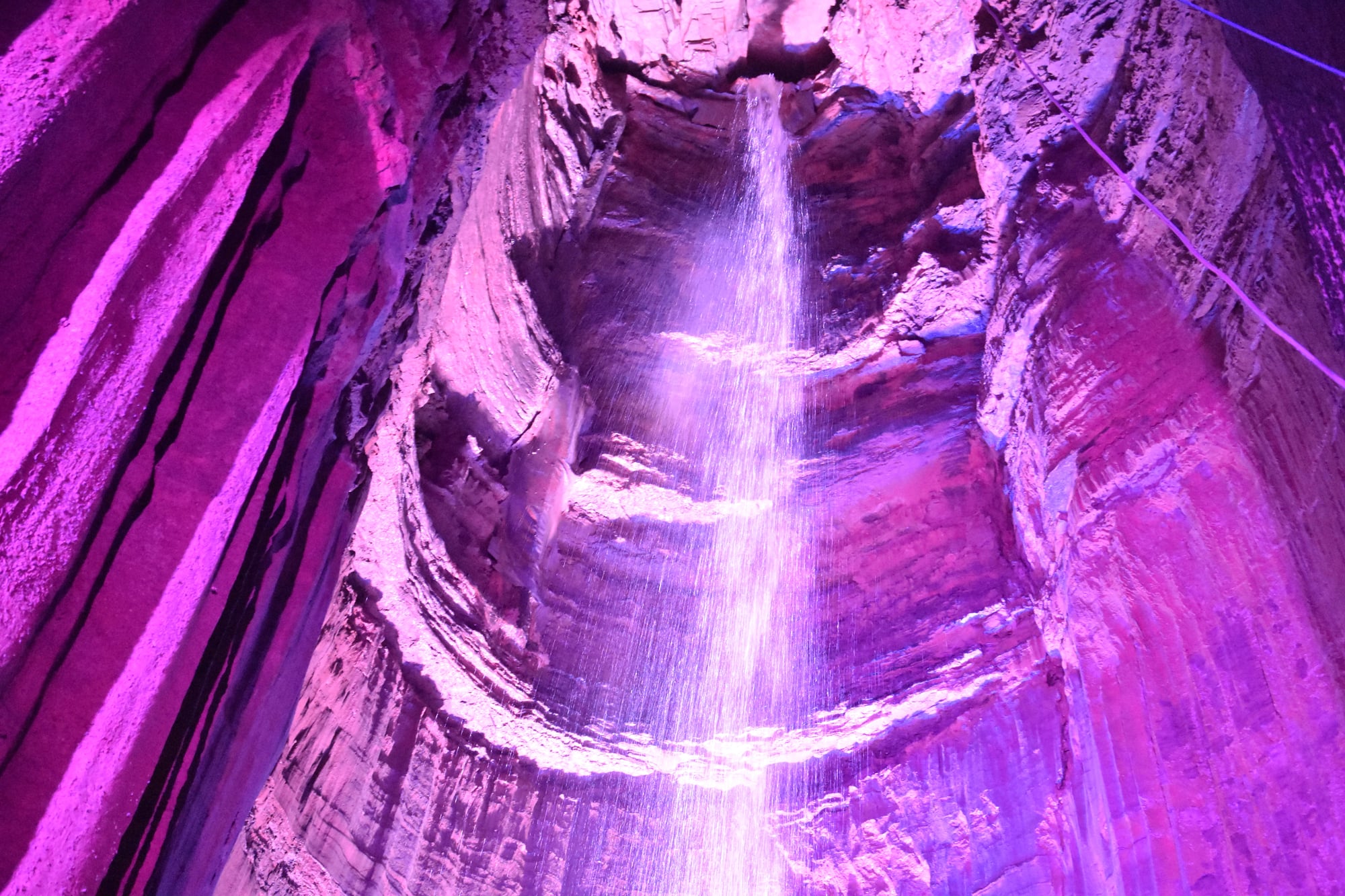
Tucked inside Lookout Mountain near Chattanooga, Tennessee, Ruby Falls holds the title of the tallest and deepest underground waterfall open to the public in the United States. The falls drop 145 feet through a limestone cave that was discovered entirely by accident in 1928, when chemist Leo Lambert and his crew were digging to access a different cave system.
Lambert named the waterfall after his wife, Ruby, and the site has been a popular tourist attraction ever since. Visitors reach the falls by descending 260 feet via elevator, then walking through narrow passages decorated with stalactites and stalagmites before arriving at the illuminated cascade.
Trümmelbach Falls
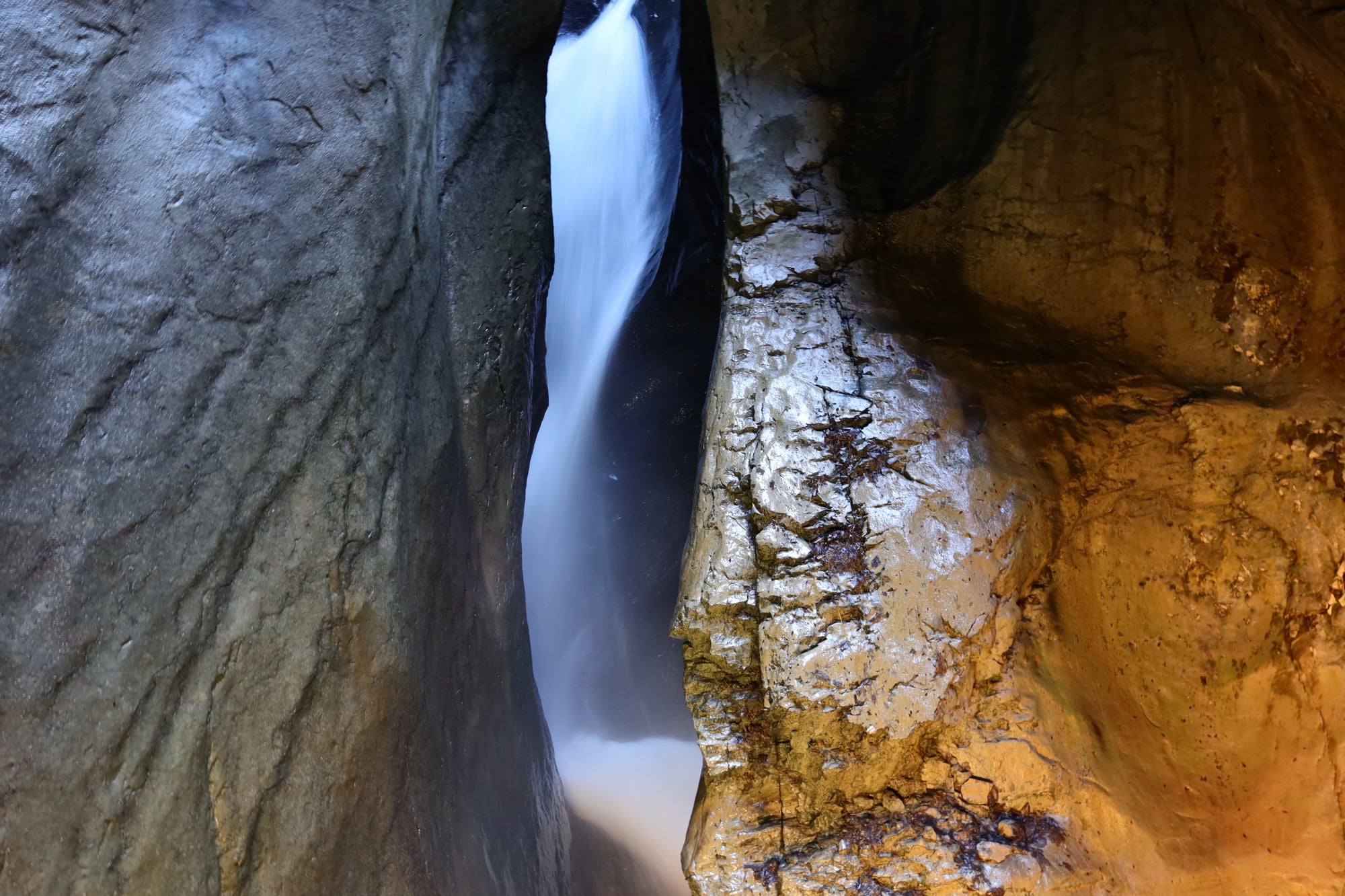
Switzerland’s Lauterbrunnen Valley is famous for its 72 waterfalls, but Trümmelbach Falls stands apart as the only publicly accessible glacier-waterfall system inside a mountain. The falls are actually a series of ten cascades carrying meltwater from the Eiger, Mönch, and Jungfrau glaciers, moving up to 20,000 litres of water per second during peak flow.
A tunnel lift carries visitors 100 metres up into the gorge, where secured wooden walkways wind past the thundering water. The sheer volume and power of these falls make the entire mountain seem to vibrate, and the roar is almost deafening in the narrow passages.
Vrtoglavica Cave
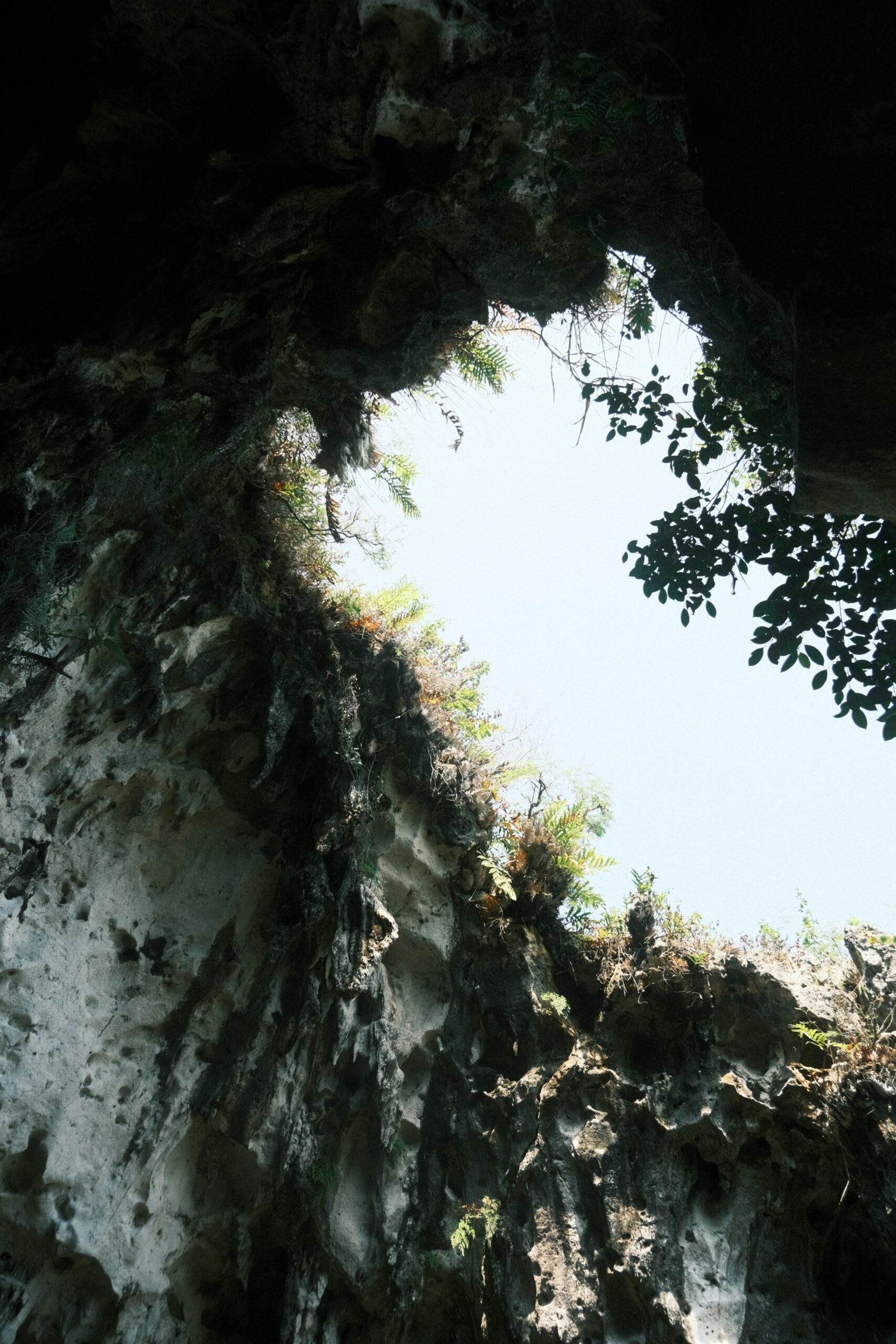
Deep in Slovenia’s Julian Alps lies what may be one of the world’s tallest underground waterfalls, though it’s not exactly a tourist destination. Vrtoglavica Cave contains a waterfall with estimates ranging from 300 to 400 metres in height, plunging down one of the deepest known single vertical drops at 603 metres.
The cave’s name translates to ‘vertigo’ in Slovene, which gives you a sense of what experienced cavers face when they descend into this abyss. Surface runoff disappears at the entrance, re-emerges partway down as spray and rivulets, then vanishes again into rubble believed to resurge kilometres away at the Boka karst springs.
Gaping Gill
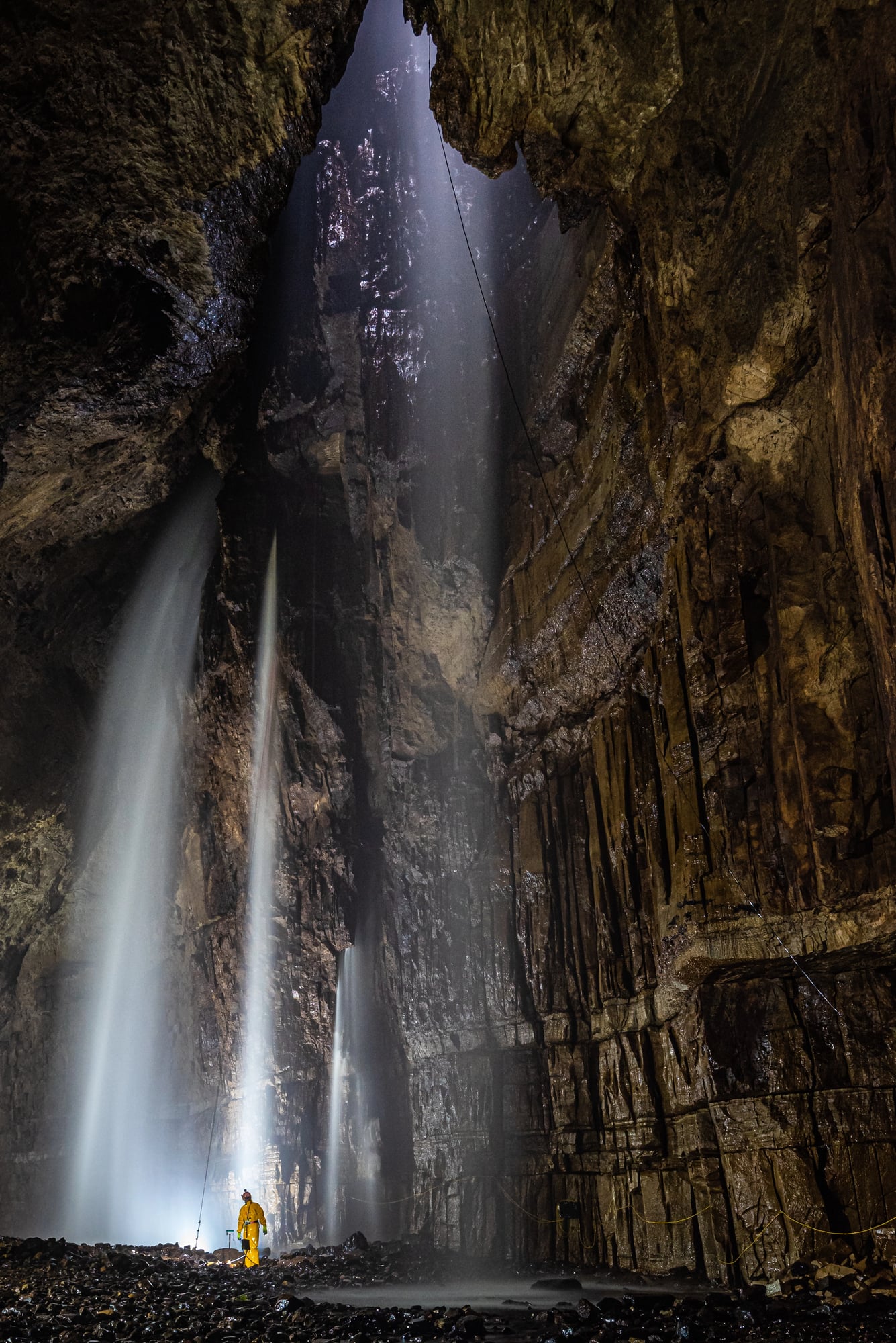
On the southern slopes of Ingleborough in England’s Yorkshire Dales, a stream called Fell Beck does something remarkable: it vanishes into a 98-metre pothole, creating the UK’s highest unbroken underground waterfall. The main chamber at Gaping Gill is so enormous it could fit York Minster inside, and the waterfall’s roar fills the entire space.
For most of the year, only experienced cavers can access the system, but twice annually local caving clubs set up a winch that allows members of the public to be lowered into the chamber on a bosun’s chair. The descent takes about a minute, and visitors are advised to keep their mouths closed to avoid the spray.
Devil’s Throat Cave
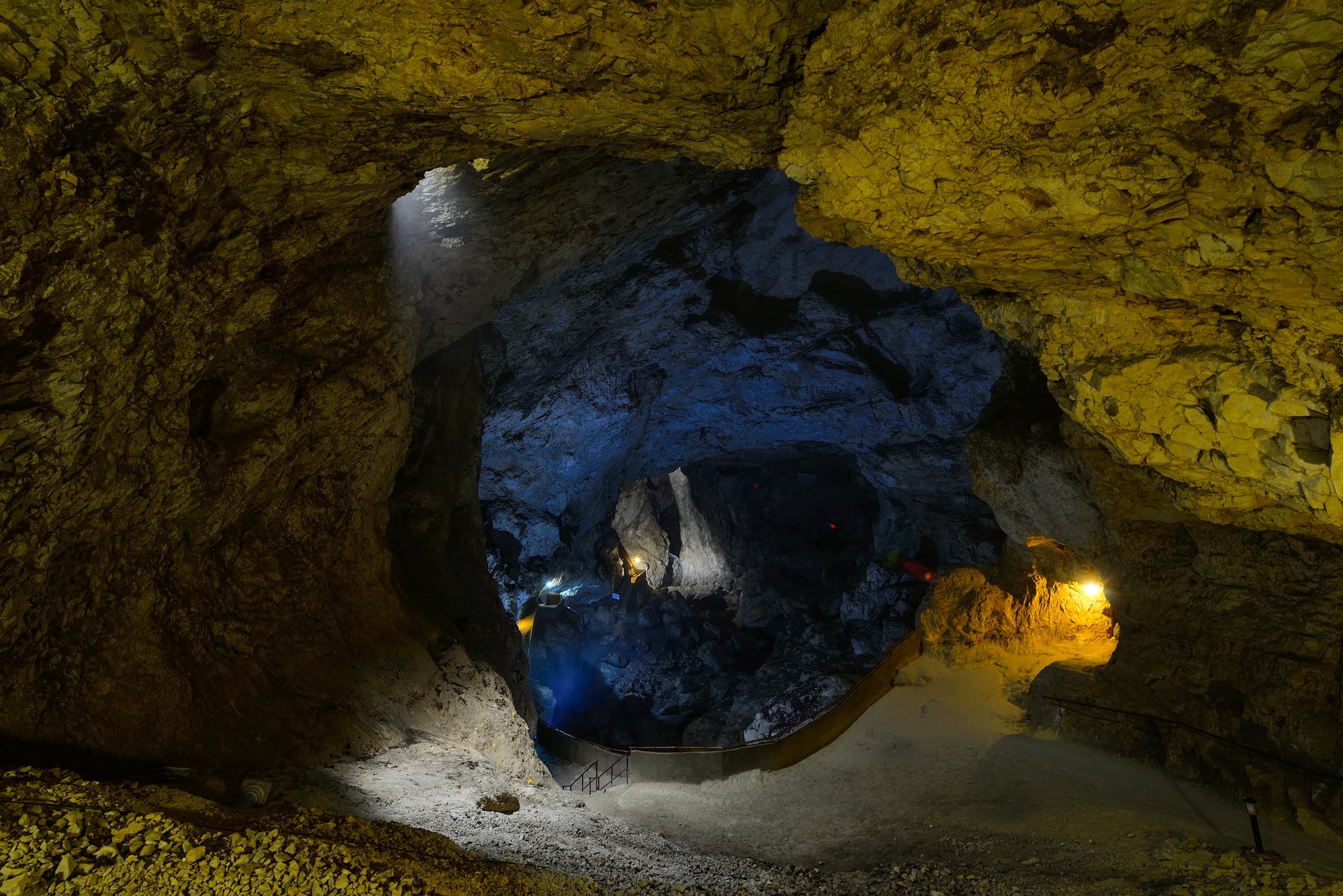
Bulgaria’s Rhodope Mountains harbour a cave with an entrance that genuinely resembles a gaping mouth, hence its ominous name. The Trigrad River pours through this ‘throat’ and drops 42 metres into what’s called the Roaring Hall, creating one of the most impressive underground waterfalls in the Balkans.
The hall itself is massive, often compared in size to Sofia’s Alexander Nevsky Cathedral. Local legend claims that objects carried into the cave by the river never emerge, though in reality the water reappears far downstream after travelling through an extensive underground network that remains difficult to trace precisely.
The same legend holds that this is where Orpheus descended to the underworld to find Eurydice.
Smoo Cave
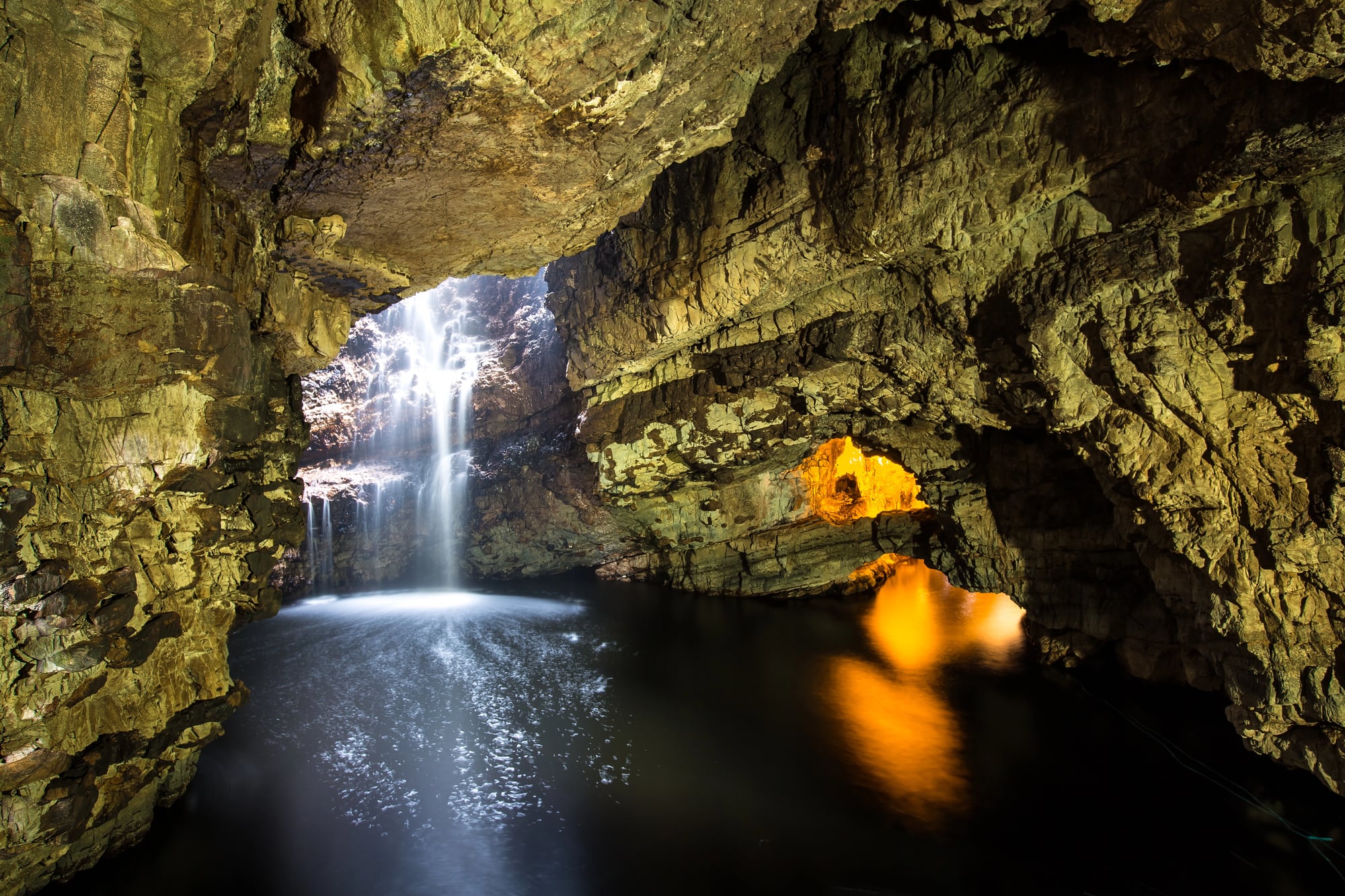
Scotland’s northern coast holds a geological rarity in Smoo Cave, which formed through both seawater and freshwater erosion. The first chamber is a massive sea cave with one of the largest entrances of its kind in Britain, measuring 130 feet wide and 50 feet high.
But venture deeper and you’ll find a second chamber where the Allt Smoo stream cascades 66 feet through a sinkhole in the ceiling, creating a thundering freshwater waterfall that fills the cavern with mist. The name ‘Smoo’ likely comes from the Old Norse word for hiding place, and archaeological evidence shows Vikings used these caves for shelter and storage roughly a thousand years ago.
Škocjan Caves
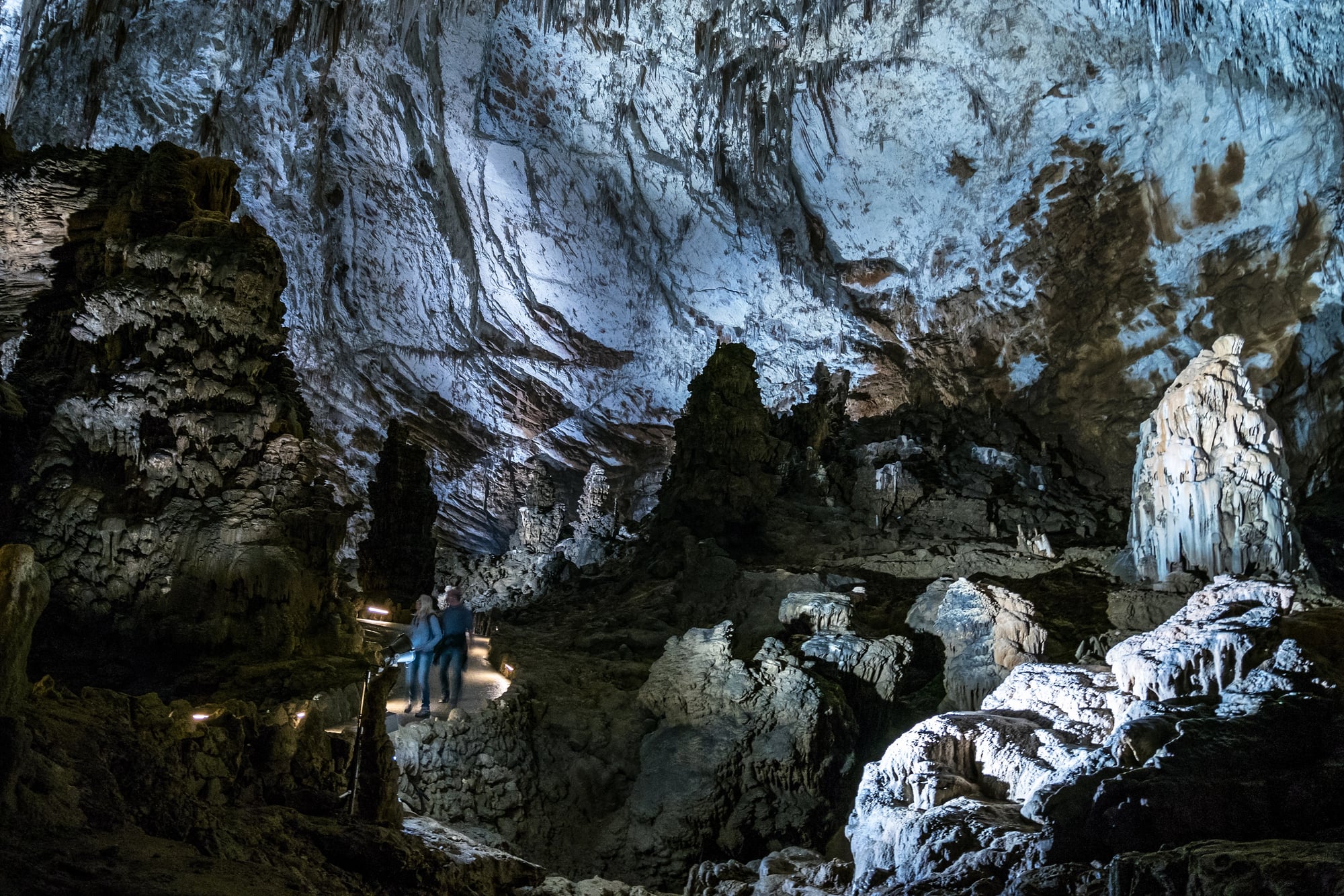
Slovenia appears twice on this list for good reason: it’s home to over 8,000 caves, and Škocjan is arguably its crown jewel. The Reka River disappears underground here and flows through one of the largest known underground canyons, with chambers reaching heights of 146 metres.
Waterfalls and roaring rapids echo through passages that extend for six kilometres, and the Cerkvenik Bridge spans the canyon 50 metres above the riverbed. The caves sit within the Kras region, from which the geological term ‘karst’ derives, making this area a pilgrimage site for geologists and speleologists worldwide.
Baatara Gorge
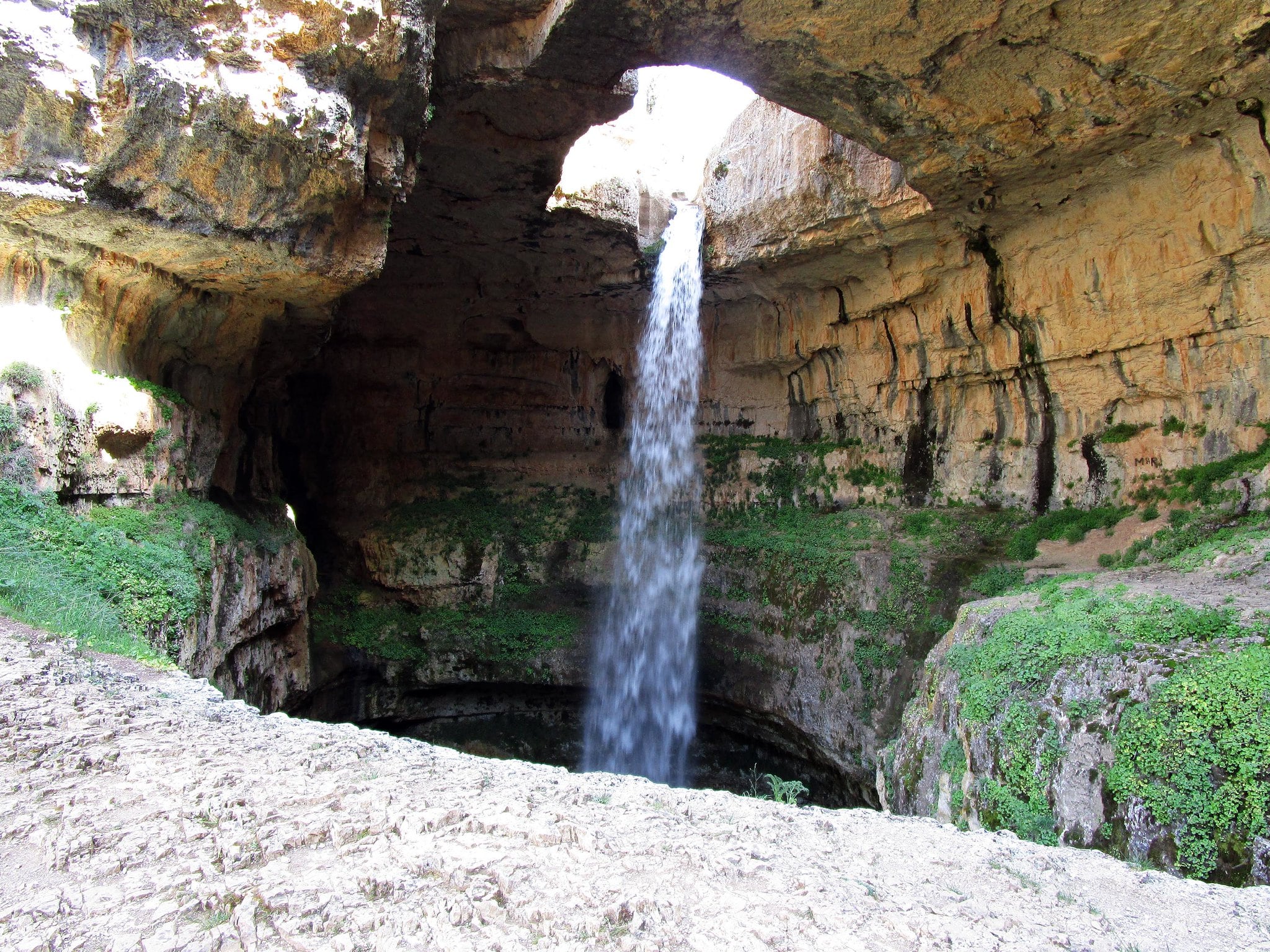
In Lebanon’s Tannourine region, a seasonal waterfall plunges through a 255-metre-deep sinkhole into Jurassic-era limestone, passing behind three natural bridges stacked one above the other. Known locally as the Cave of the Three Bridges, Baatara Gorge is best viewed during spring when snowmelt feeds the cascade at its most powerful, as the falls can slow to a trickle or stop entirely during dry months.
French bio-speleologist Henri Coiffait brought it to Western attention in 1952, though locals had known about it for generations. The geological formation took millions of years to create, with acidic rainwater slowly dissolving the limestone to carve out the sinkhole and its distinctive triple-bridge structure.
Dan yr Ogof
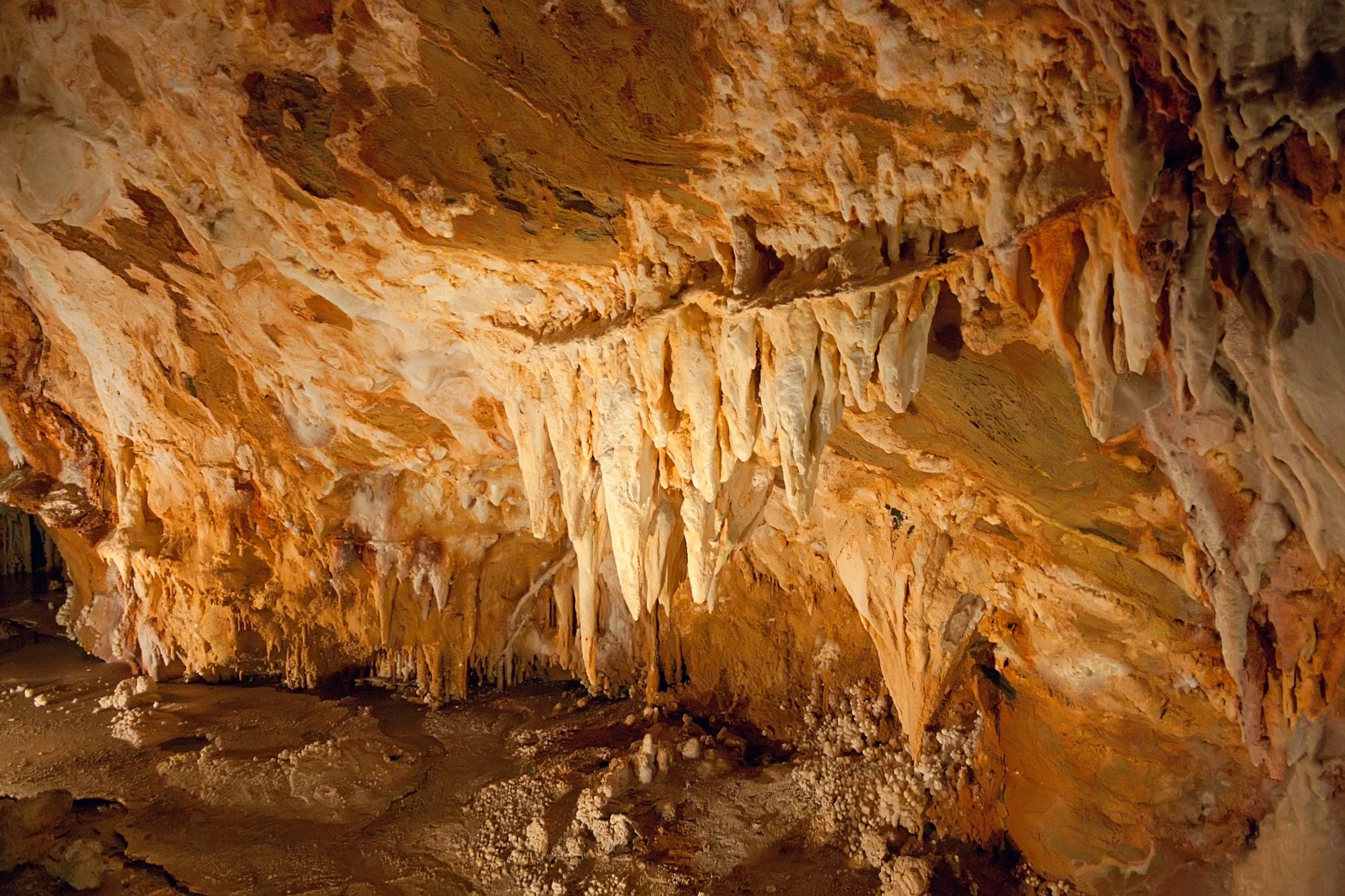
Wales is home to one of the largest show cave complexes in the UK at Dan yr Ogof, located in the Brecon Beacons National Park. The cave system stretches for 11 miles, though only the first sections are open to visitors.
Cathedral Cave is the highlight, with enormous chambers carved out millions of years ago that culminate in the Dome of St Paul’s, where 40-foot waterfalls cascade around visitors from multiple directions. Two local brothers discovered the cave in 1912 using nothing but candles, a coracle, and plenty of courage.
Human bones found in nearby chambers date back thousands of years. This suggests people have been drawn to these caves for a very long time.
Secret Caverns
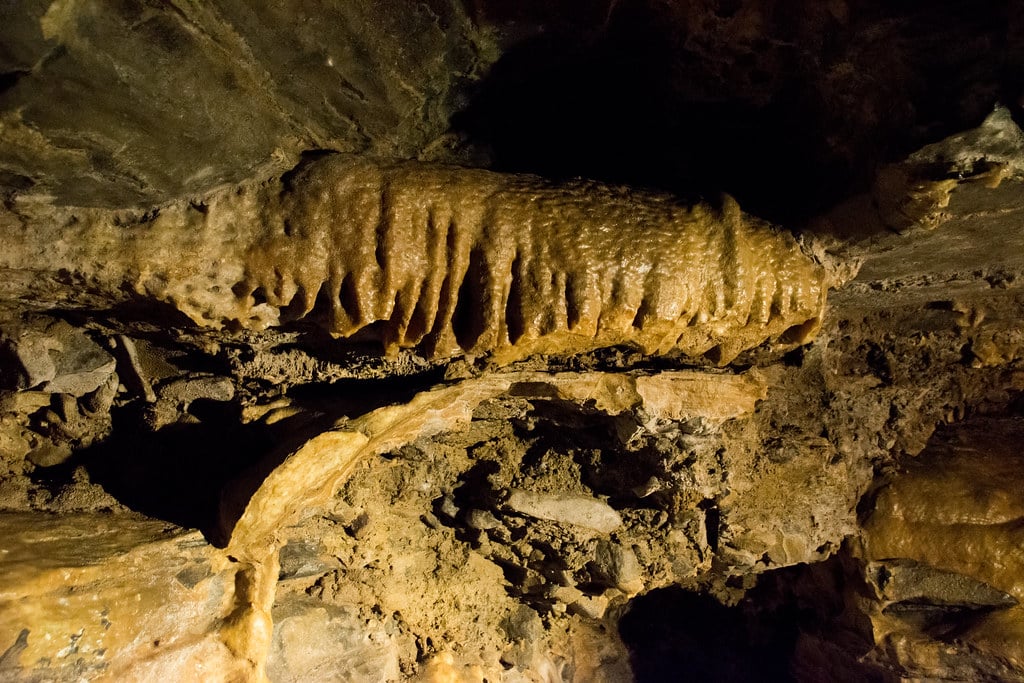
Upstate New York’s Howes Cave area is home to Secret Caverns, a family-owned attraction discovered by farmers in the 1920s. The cave’s showpiece is a 100-foot underground waterfall that appears at the end of a winding tour through prehistoric limestone passageways formed during the last ice age.
Unlike more commercialised caves in the area, Secret Caverns maintains an old-school charm with hand-painted signs and guides who take their time explaining formations. Visitors descend 103 steps down what’s been dubbed the ‘petrified elevator’ before walking through narrow passages lined with stalactites, stalagmites, and fossils dating back 450 million years.
Niagara Cave
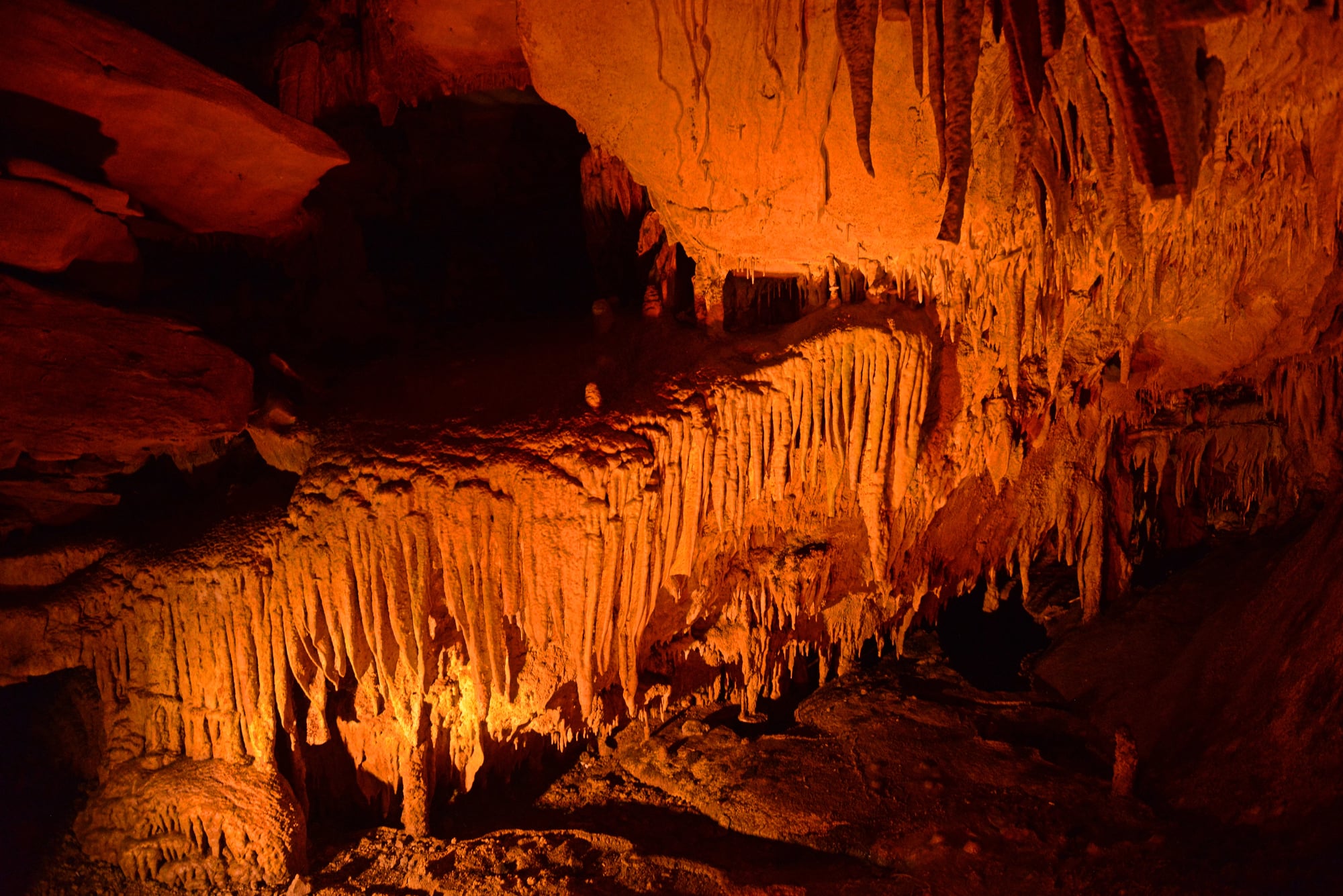
Minnesota might not be the first place you’d expect to find an underground waterfall, but Niagara Cave in Harmony has been surprising visitors since 1934. The cave was discovered in 1924, and local folklore attributes the find to a farmer who lost three pigs down a 75-foot sinkhole and went looking for them by lantern light.
Whatever the true origin, it took until 1932 before three explorers fully mapped the caves and discovered the 60-foot waterfall at the end of a naturally carved walkway. Today visitors descend 275 steps into chambers kept at a constant 48 degrees Fahrenheit, passing fossils that are 450 million years old on the way to the falls.
Stephens Gap Cave
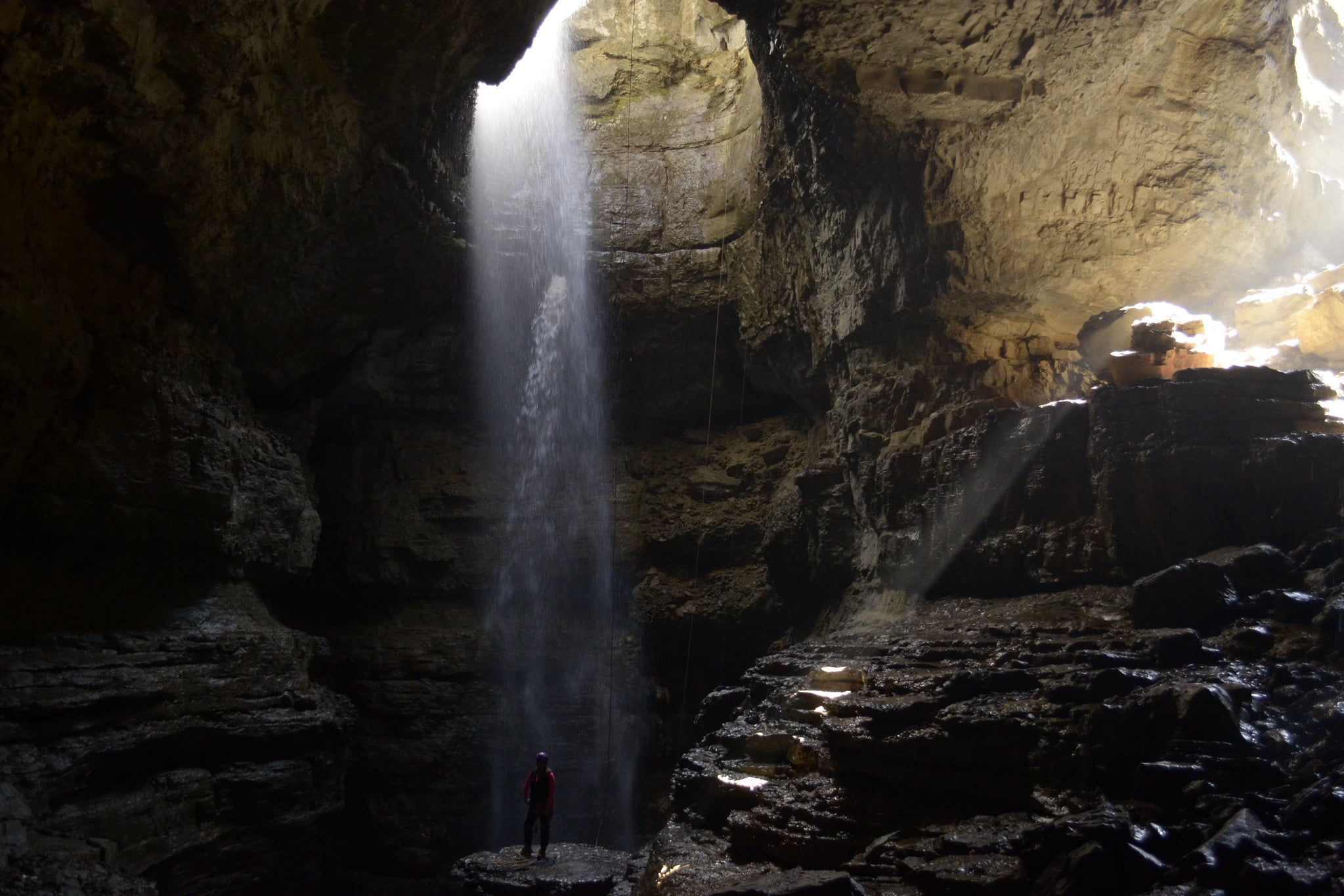
Alabama’s Stephens Gap is a favourite among photographers and adventure seekers for its dramatic 143-foot pit with a waterfall tumbling into the depths. The cave features a natural pedestal inside the chamber that creates an iconic photo opportunity, especially when beams of light filter through the opening above.
A walk-in entrance allows hikers to reach the chamber without technical gear, though rappelling through the pit entrance is also popular with experienced cavers. The cave is protected by the Southeastern Cave Conservancy, which requires free permits to visit and limits daily numbers to preserve this fragile environment.
Puerto Princesa Underground River
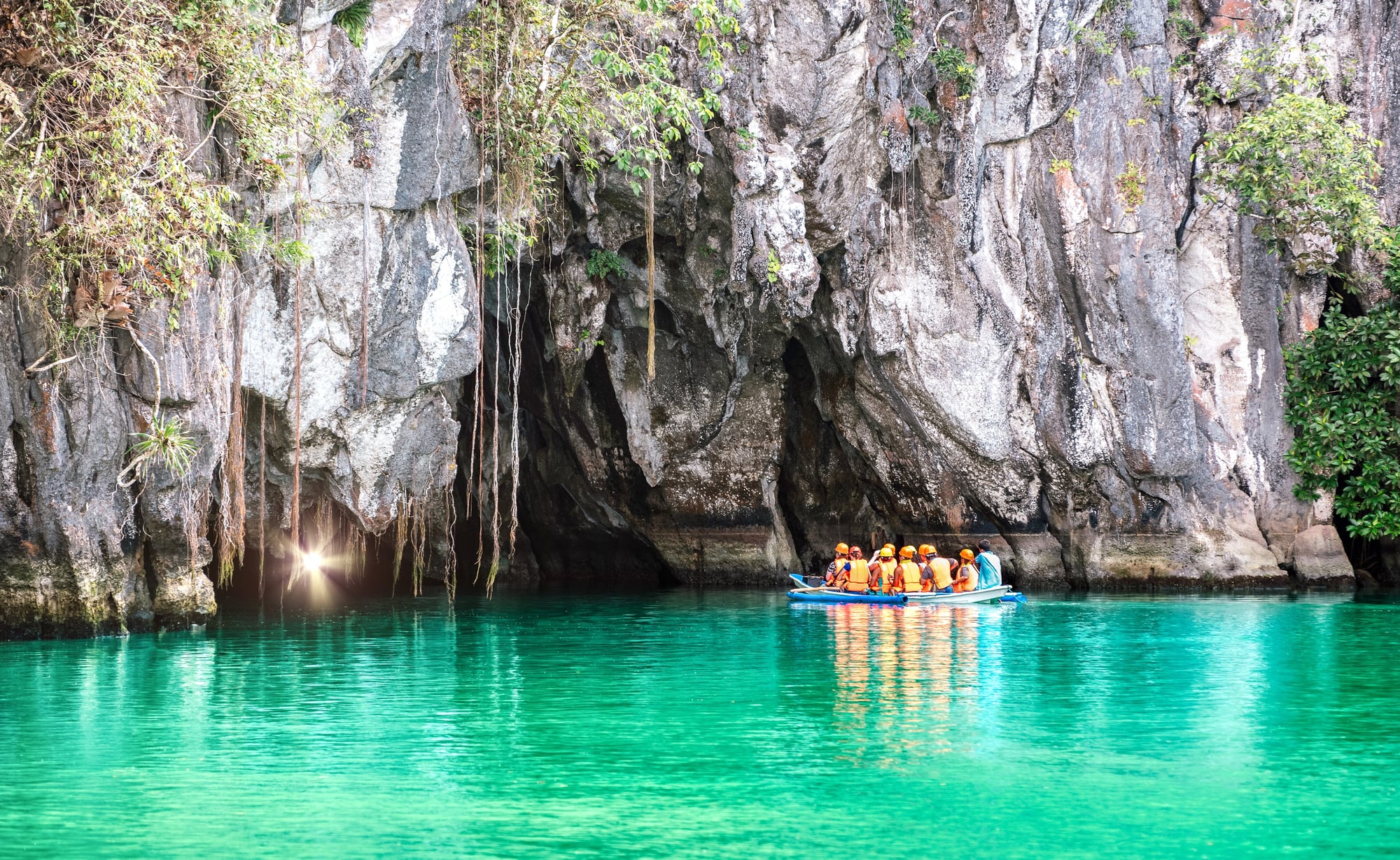
The Philippines’ Palawan island contains one of the world’s longest navigable underground rivers, and it was voted one of the New Seven Wonders of Nature in 2012. Visitors travel by paddle boat through 4.3 kilometres of the cave system, passing enormous chambers, spectacular stalactites and stalagmites, and colonies of bats and swiftlets.
In 2010, geologists discovered the river has a second level containing small cascades and streams, adding another dimension to an already remarkable site. The river empties directly into the South China Sea, making its lower reaches brackish and subject to tidal influence, which is a rare phenomenon for underground systems.
Waitomo Caves
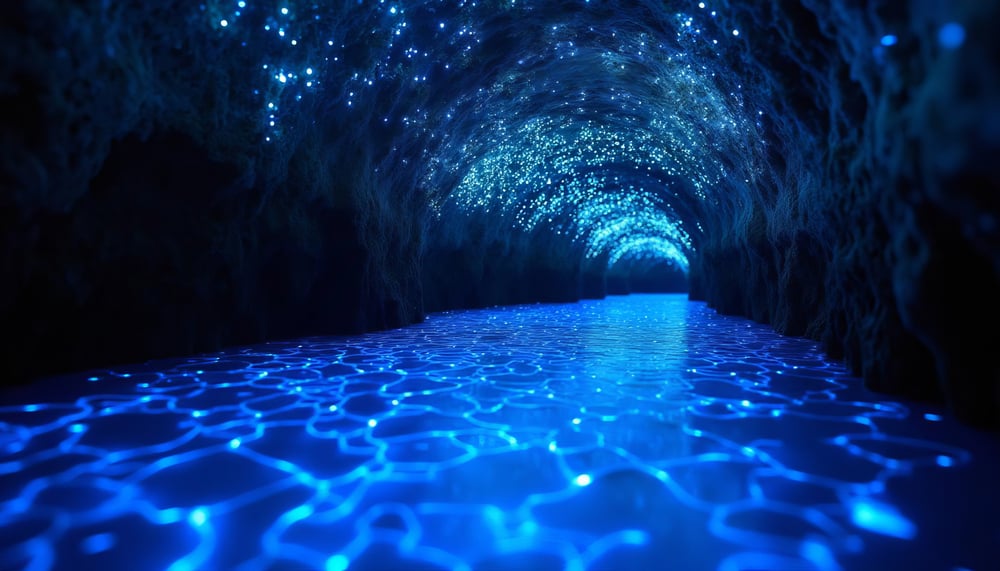
New Zealand’s Waitomo region is best known for its glowworms, but the cave system also features underground water features that add to the adventure. Ruakuri Cave offers small cascades along with subterranean streams and intricate limestone formations on a 1.6-kilometre walking tour.
For something more intense, black water rafting tours take visitors through the caves on inner tubes, floating through the dark water while glowworms illuminate the ceiling above. The caves were first explored in 1887 by local Māori chief Tane Tinorau using a flax raft and candles, and his descendants still serve as guides today.
When Darkness Reveals More Than Light
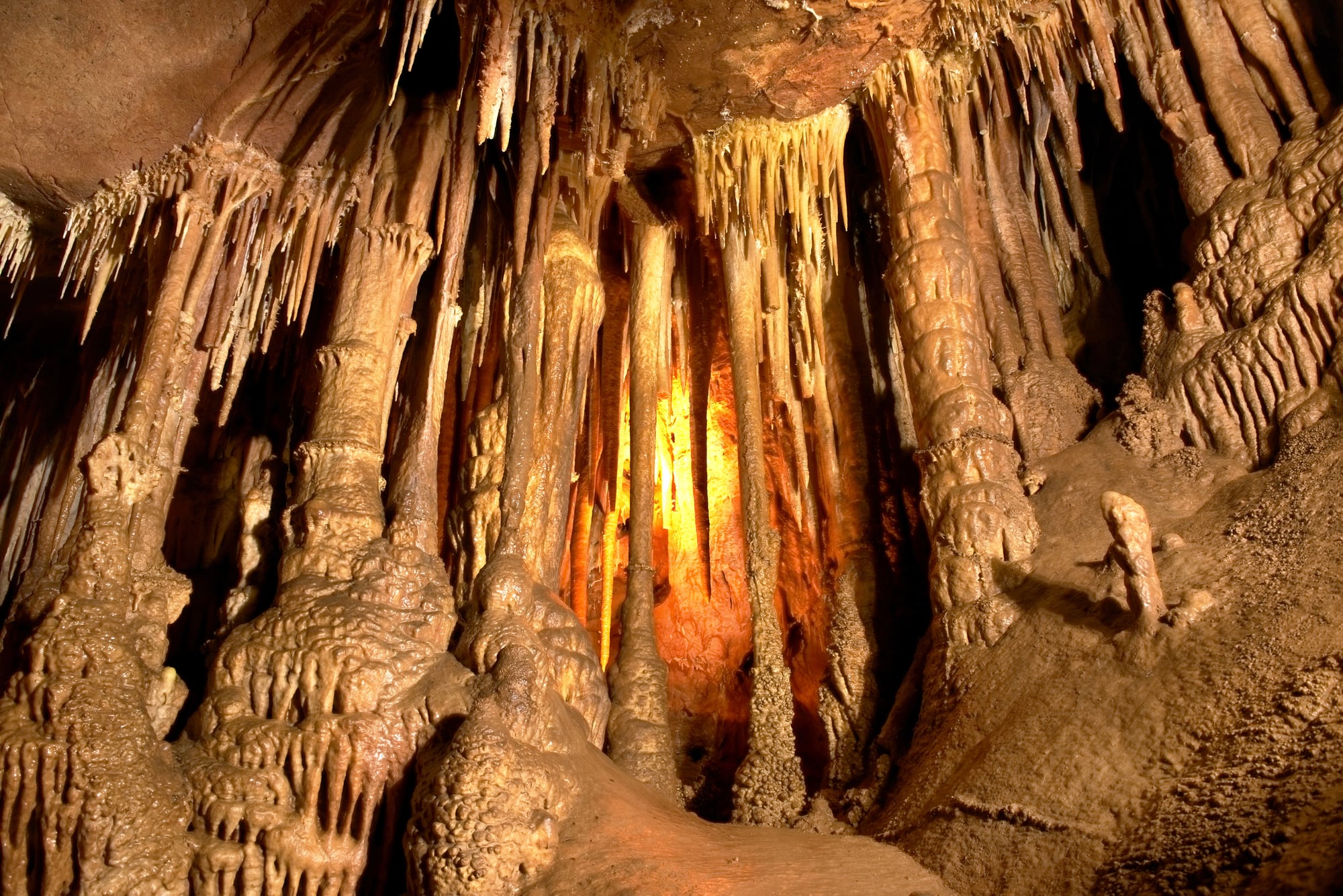
Underground waterfalls remind us that some of the most powerful forces on Earth operate entirely out of sight, shaping landscapes we never knew existed. They connect us to geological timescales that dwarf human history, to rivers that vanish and reappear, to chambers that have existed in darkness for millions of years.
Whether you experience them on a guided boat tour with coloured lights or by rappelling into a pitch-black abyss, these hidden cascades offer something increasingly rare: genuine wonder. In an age when so much of the natural world has been mapped, photographed, and catalogued, underground waterfalls still feel like discoveries waiting to happen.
More from Go2Tutors!

- The Romanov Crown Jewels and Their Tragic Fate
- 13 Historical Mysteries That Science Still Can’t Solve
- Famous Hoaxes That Fooled the World for Years
- 15 Child Stars with Tragic Adult Lives
- 16 Famous Jewelry Pieces in History
Like Go2Tutors’s content? Follow us on MSN.