Best Countries for Surfing and Their Most Famous Spots
Coastlines shift meaning when surfing enters the picture. A patch of open water might gain global fame, thanks to wave patterns, swell rhythms, or steady seasonal tides.
Top surf nations stand out through more than sheer size – diversity plays a role, local attitudes matter, predictability draws repeat visits.
Warm tropical reefs give way to jagged shores where icy waves roll in – every nation shapes its own kind of ride. One might welcome those just starting out, while another tests only the most experienced.
Each spot, in time, has become part of how surfing is remembered. A fresh peek at top nations where waves shape the coastline experience.
Each place carries its own rhythm, revealed through iconic breaks. Not just about size, but how water meets land matters too.
Some bays hum with morning light, others roar by midday. Salt in the air ties these places together, even if continents divide them.
What stands out is less the gear, more the glide across moving surfaces. Few things match standing tall as blue folds beneath.
Australia — Gold Coast

Australia is often seen as a cornerstone of global surf culture, and the Gold Coast is one of its most iconic regions. With consistent swells and a long stretch of sandy coastline, it offers some of the most reliable surf conditions in the world.
Breaks like Snapper Rocks have hosted major competitions and are known for their long, clean rides. The combination of warm water, steady waves, and well-developed surf infrastructure makes this area a favorite for both professionals and everyday surfers.
United States — Pipeline

The United States is home to a wide range of surf environments, but few places carry the reputation of Pipeline in Hawaii. Located on the North Shore of Oahu, it’s known for its powerful, hollow waves that break over a shallow reef.
Pipeline is often considered one of the most challenging waves in the world. Its intensity and precision demand experience, making it a benchmark for high-level surfing.
Indonesia — Uluwatu
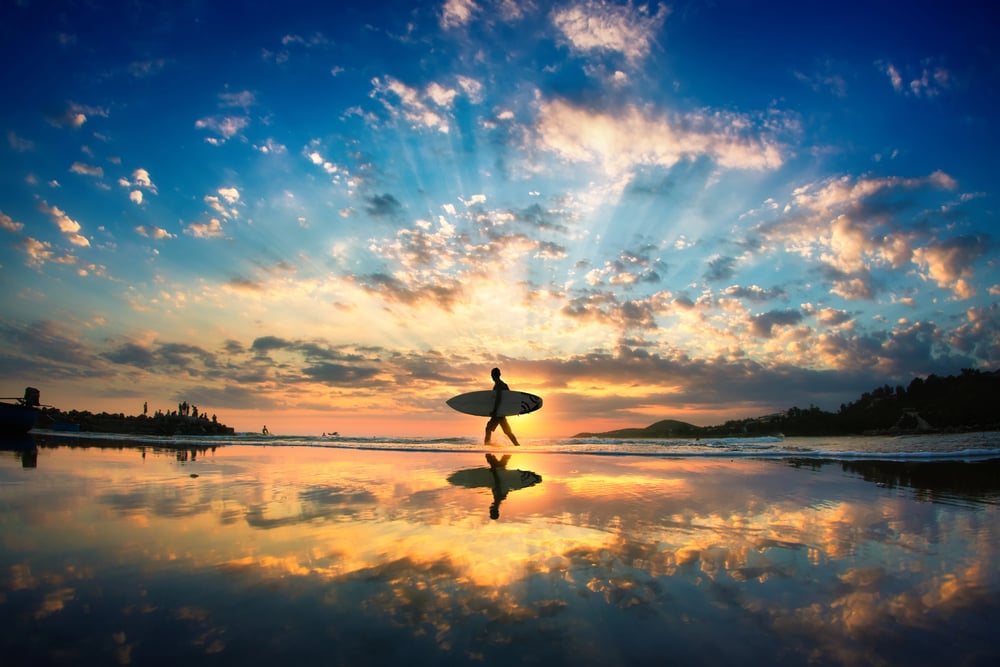
Indonesia offers warm waters and consistent swells, with Bali serving as its surfing hub. Uluwatu stands out for its dramatic cliffs and long, rolling waves.
The spot delivers reliable conditions throughout much of the year, attracting surfers from around the globe. Its combination of scenery and performance makes it one of the most photographed surf locations in the world.
Brazil — Florianópolis

Brazil has become a major force in modern surfing, producing world-class talent and hosting major competitions. Florianópolis, often called ‘Magic Island,’ offers a wide variety of breaks.
From beginner-friendly beaches to more powerful waves, the region caters to different skill levels. Its consistent conditions and vibrant surf culture make it a standout destination in South America.
South Africa — Jeffreys Bay
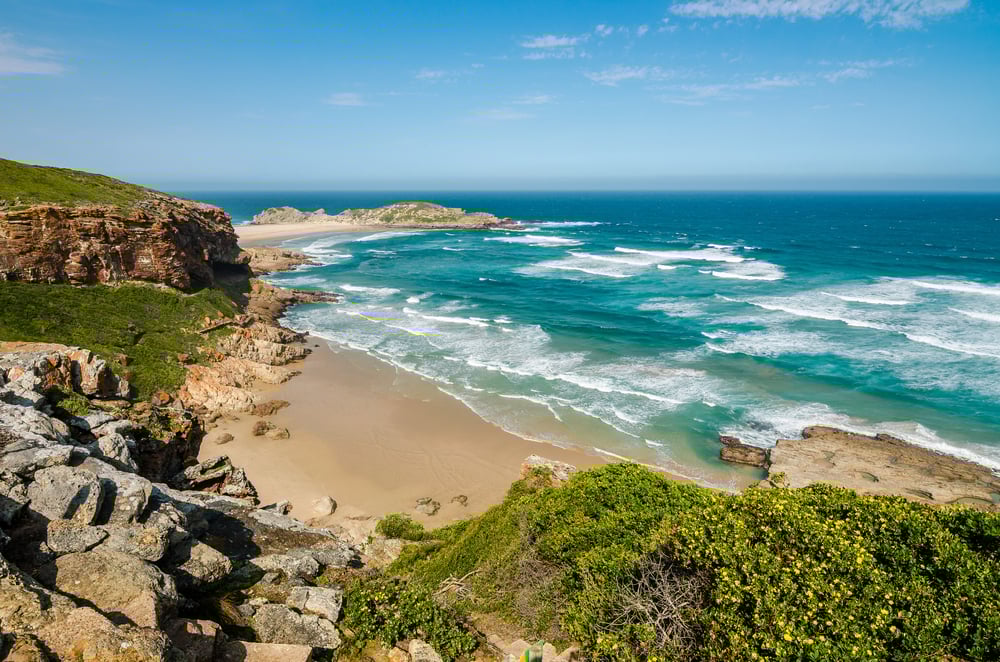
South Africa is home to one of the longest and most perfect right-hand waves in the world at Jeffreys Bay. Known simply as ‘J-Bay,’ it delivers fast, clean lines that can stretch for hundreds of yards.
Its precision and consistency have made it a favorite for professionals. The wave’s shape allows for long rides, making it both challenging and rewarding.
Portugal — Nazaré
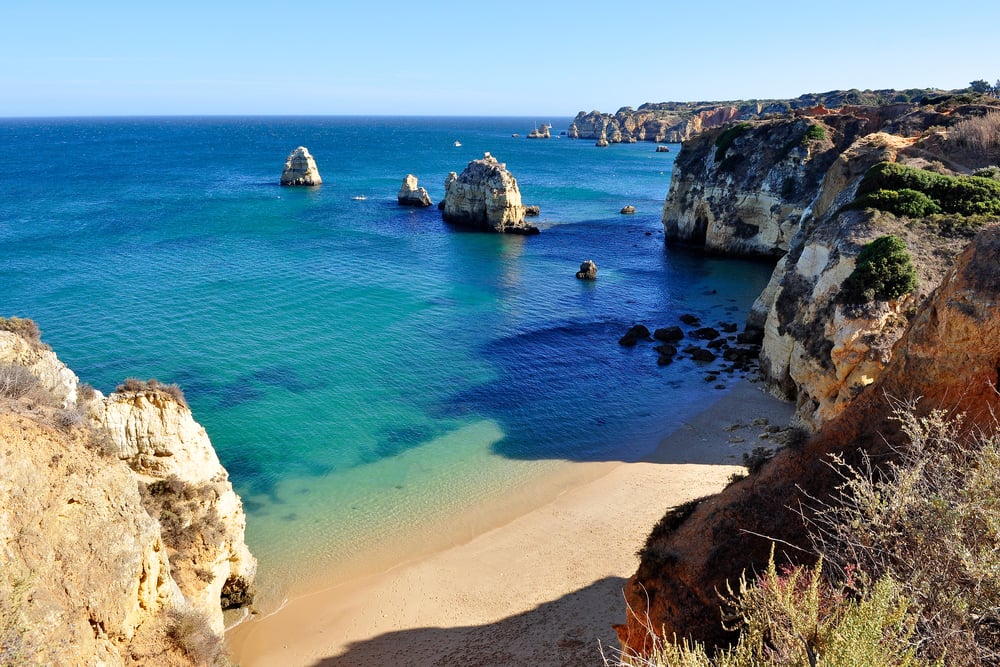
Portugal offers a mix of surf conditions, but Nazaré has gained global attention for its massive waves. Driven by an underwater canyon, the waves here can reach extraordinary heights.
While not suited for most surfers, it has become a focal point for big-wave surfing. The scale alone has redefined what is considered possible in the sport.
France — Hossegor

France provides some of Europe’s best beach breaks, with Hossegor often referred to as the ‘surfing capital of Europe.’ Its sandbanks create powerful, hollow waves.
Conditions can vary, but when everything aligns, the waves are among the best in the world. Its accessibility and consistency make it a key destination for surfers across Europe.
Mexico — Puerto Escondido

Mexico is home to Puerto Escondido, often called the ‘Mexican Pipeline.’ Its waves are known for their size and intensity.
Breaking close to shore, the waves create heavy, fast barrels that demand skill and timing. It’s a place where conditions can shift quickly, adding to its reputation.
Japan — Shonan Coast

Japan offers a unique surf culture, blending tradition with modern influence. The Shonan Coast, located near Tokyo, is one of the country’s most accessible surf regions.
While the waves are generally smaller, the consistency and community atmosphere make it a popular spot. It reflects how surfing can thrive even in less extreme conditions.
Costa Rica — Tamarindo
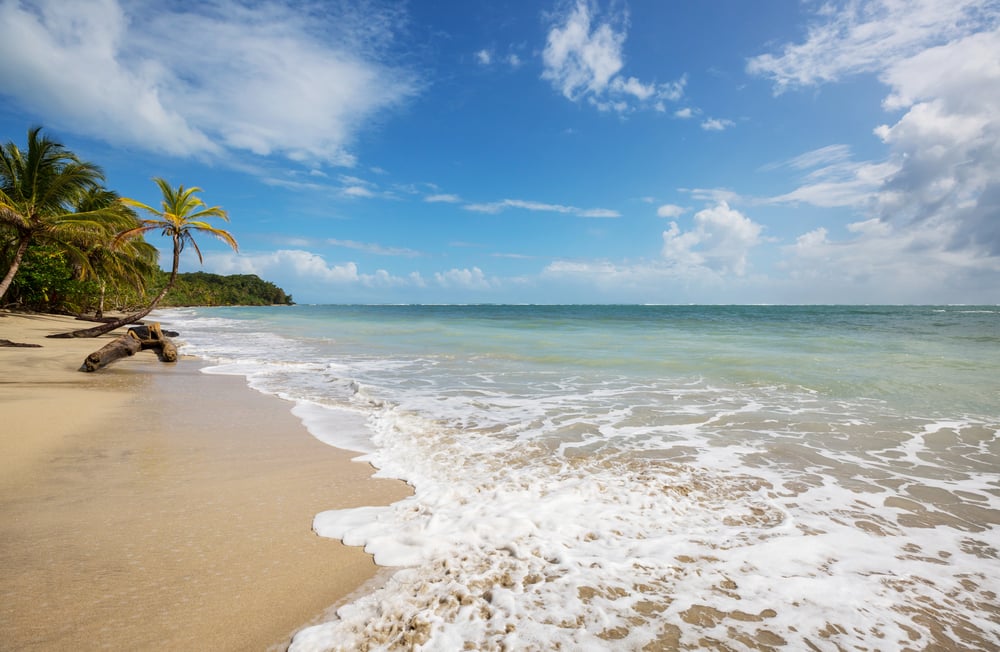
Costa Rica is known for warm water and year-round surf. Tamarindo stands out as a beginner-friendly destination with consistent waves.
Its relaxed atmosphere and reliable conditions make it ideal for learning, while nearby breaks offer more challenge for experienced surfers. It’s a place where accessibility meets quality.
Fiji — Cloudbreak

Fiji is home to Cloudbreak, one of the most powerful reef breaks in the world. Located offshore, it delivers long, fast waves with significant force.
The wave’s structure creates a challenging environment that rewards precision. Its remote setting adds to its appeal, offering a more isolated surfing experience.
Morocco — Taghazout

Morocco has become a popular surf destination, particularly around Taghazout. The region offers long right-hand point breaks that are consistent during the winter months.
Its combination of warm climate, affordability, and reliable waves has made it a growing hotspot for international surfers.
Philippines — Siargao
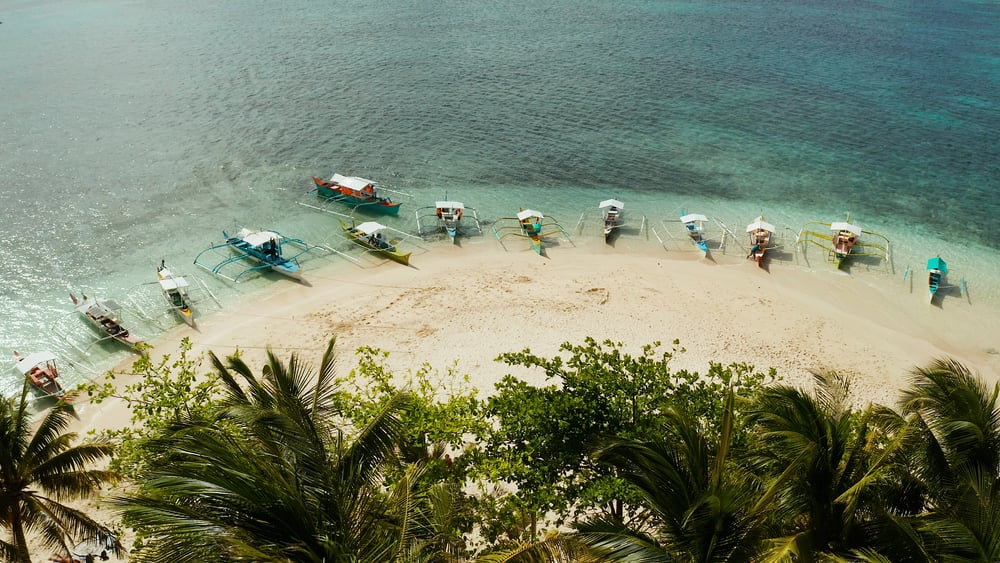
The Philippines is home to Cloud 9, one of Asia’s most famous surf breaks. Located in Siargao, it features powerful waves over a reef.
The spot has gained international recognition while still maintaining a laid-back atmosphere. Its balance of challenge and beauty makes it stand out.
Chile — Punta De Lobos

Chile offers rugged coastlines and powerful waves, with Punta de Lobos as one of its most famous spots. Known for long rides and consistent swell, it attracts surfers looking for something less crowded.
The cooler water and dramatic scenery add to its distinct character, making it a unique destination.
Spain — Mundaka

Spain is home to Mundaka, one of Europe’s best left-hand waves. It forms in an estuary, creating long, hollow rides when conditions align.
Its reputation comes from both quality and rarity—when it’s working, it’s exceptional. That unpredictability only adds to its appeal.
Where Waves Shape Culture

Waves crash. Yet beyond water, people gather.
Some spots bring rhythm through weathered coastlines. Others echo stories carved by time near shorelines.
A place lives through its habits. Salt air mixes with routines passed down generations.
Motion on water ties to how towns breathe. Life unfolds where tides meet daily rituals.
Slowly, waves shaped more than sand – culture bent around them, pulling tourists where fishermen once stood alone. Quiet shores now echo with footsteps from every corner of the map, guided by legends born on water.
A wave’s true worth shows up in how it feels, not just how big it breaks. What matters lives in the pull of the tide, the crowd that gathers without planning, yet always seems to show.
Moments stick when salt fills the air and laughter mixes with wipeouts. Surfers return because something inside syncs with the ocean’s timing.
More from Go2Tutors!

- The Romanov Crown Jewels and Their Tragic Fate
- 13 Historical Mysteries That Science Still Can’t Solve
- Famous Hoaxes That Fooled the World for Years
- 15 Child Stars with Tragic Adult Lives
- 16 Famous Jewelry Pieces in History
Like Go2Tutors’s content? Follow us on MSN.