Famous Last Words of Historical Figures
History remembers great people for many reasons. Some changed the world with their ideas, others with their actions.
But sometimes, the final words they spoke before dying became just as important as anything they did while alive. These last moments reveal something real about who they were, what they believed in, or how they faced the end.
Let’s take a look at some of the most memorable final words from people who left their mark on history.
Leonardo da Vinci
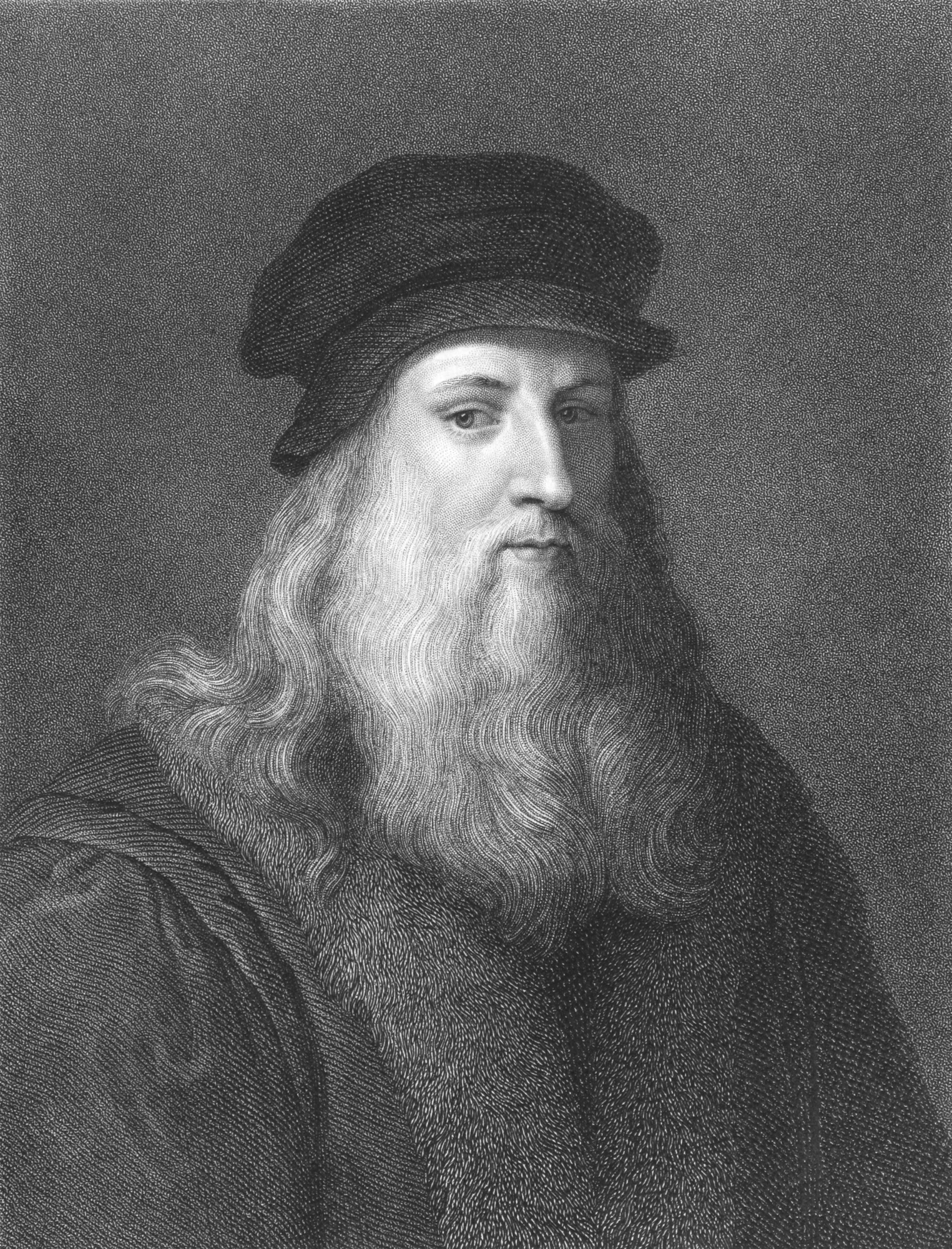
The brilliant artist and inventor behind the Mona Lisa reportedly said, ‘I have offended God and mankind because my work did not reach the quality it should have.’ Da Vinci spent his entire life pushing boundaries in art, science, and engineering.
Yet even at the end, he felt like he could have done more. It shows how the greatest minds often set impossible standards for themselves, never quite satisfied with even their most amazing achievements.
Marie Antoinette
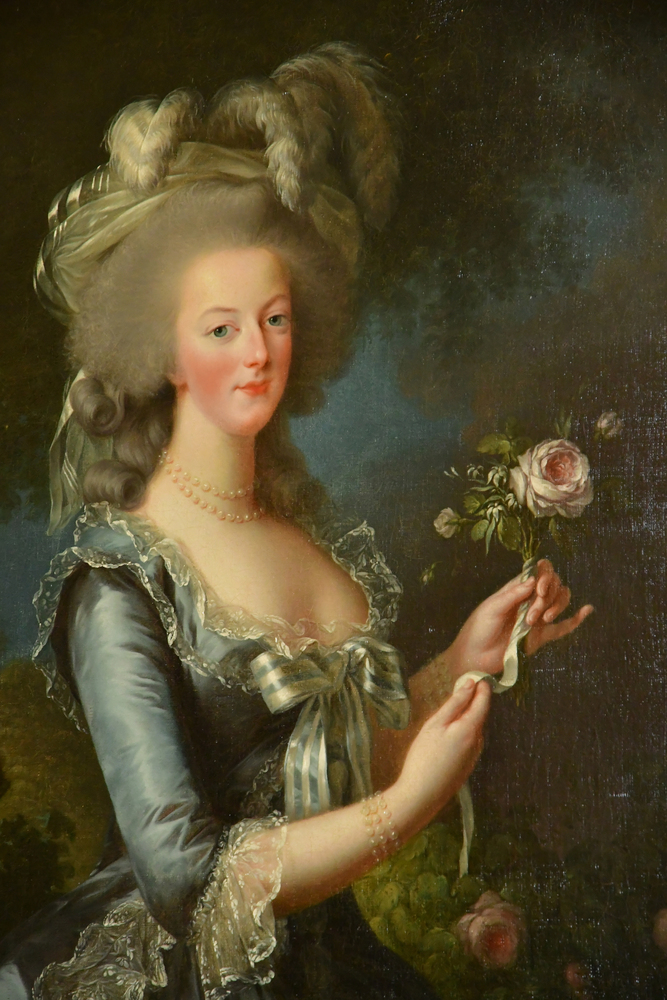
Right before the guillotine blade fell, the French queen accidentally stepped on her executioner’s foot. Her last words were simply, ‘Pardon me, sir. I did not do it on purpose.’
Even facing death during the French Revolution, she maintained her manners. Some historians think this shows she wasn’t the spoiled, out-of-touch ruler people believed her to be.
Others see it as a moment of pure human reflex when proper etiquette takes over even in the worst situations.
Steve Jobs

The Apple co-founder looked at his family, then beyond them, and said, ‘Oh wow. Oh wow. Oh wow.’ Nobody knows exactly what Jobs saw or experienced in those final moments.
Was it a spiritual vision, a biological process in his brain, or something else entirely? His sister later shared these words, and they’ve fascinated people ever since, especially coming from someone who always pushed the boundaries of what technology could do.
Oscar Wilde
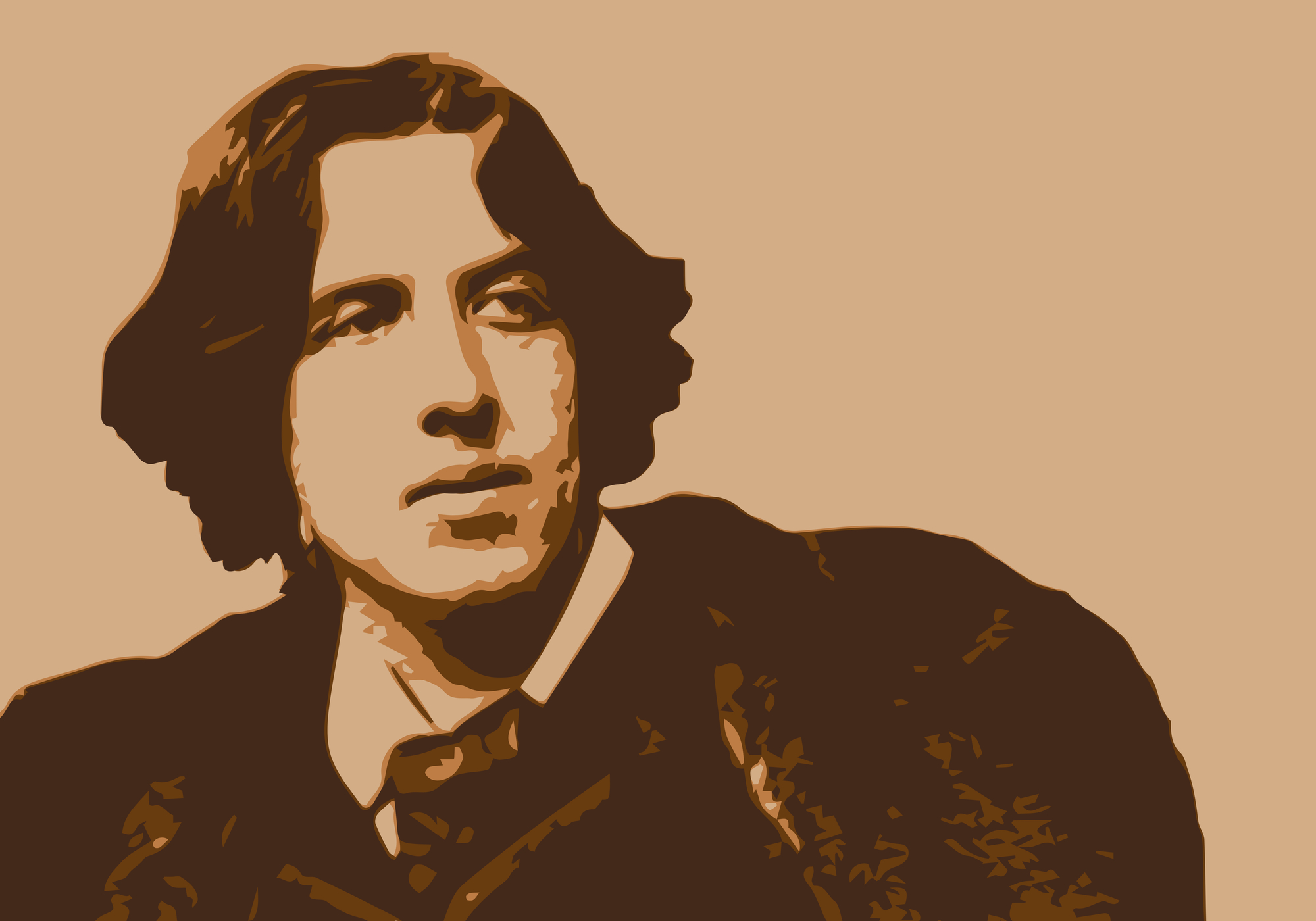
The witty writer remained sharp until the very end, reportedly saying, ‘Either that wallpaper goes, or I do.’ Wilde died in a cheap Paris hotel room after his life fell apart following his imprisonment.
Even broke and dying, he couldn’t resist making a joke. Some historians debate whether he actually said this or if it was added to his legend later, but it perfectly captures his personality either way.
Thomas Edison
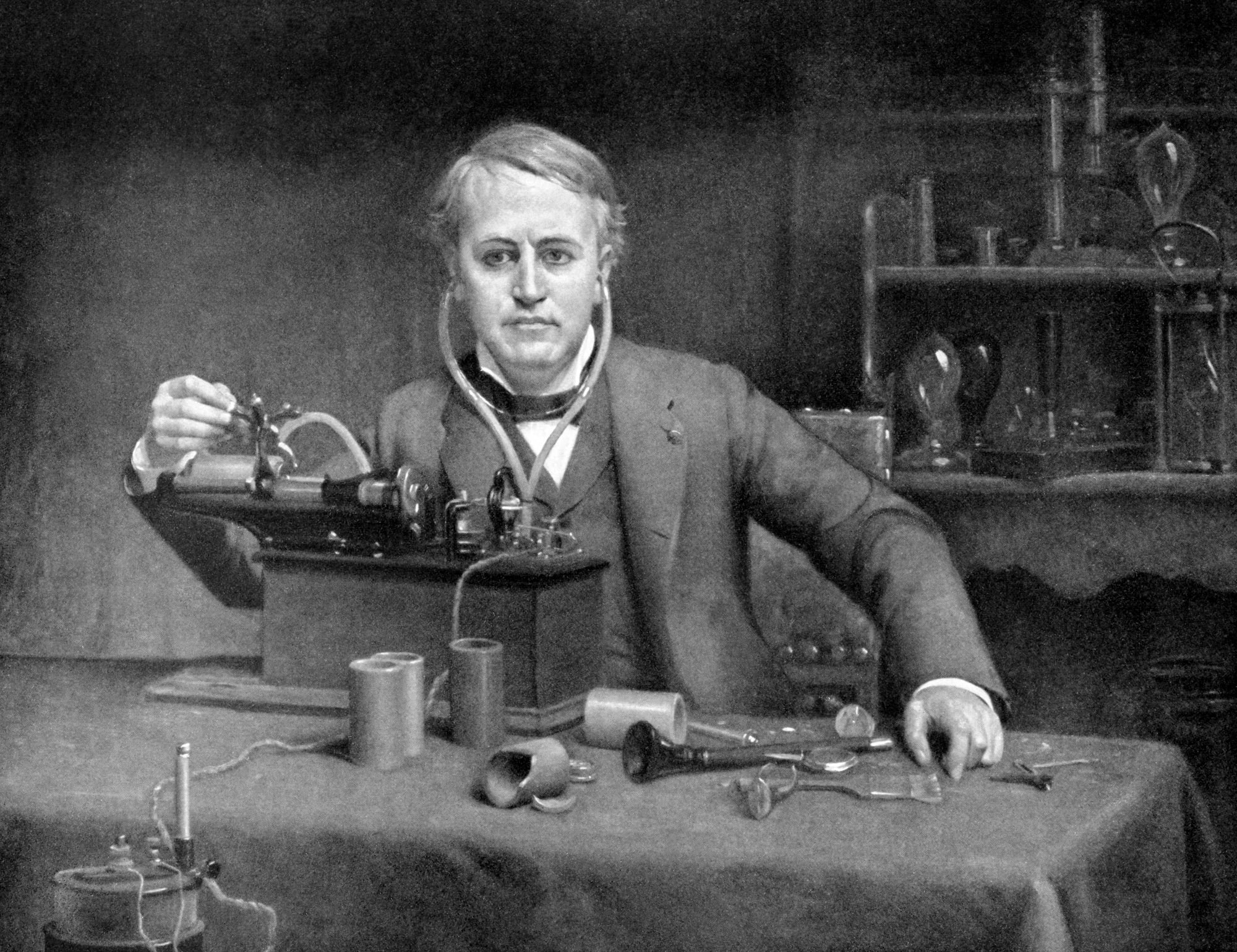
The famous inventor’s last words were, ‘It’s very beautiful over there.’ His wife asked him what he meant, but he had already slipped away.
Edison had spent his life working with electricity and light, creating practical inventions that changed how people lived. His final observation suggests he might have seen something beyond the physical world, though we’ll never know what ‘over there’ really meant to him.
Karl Marx
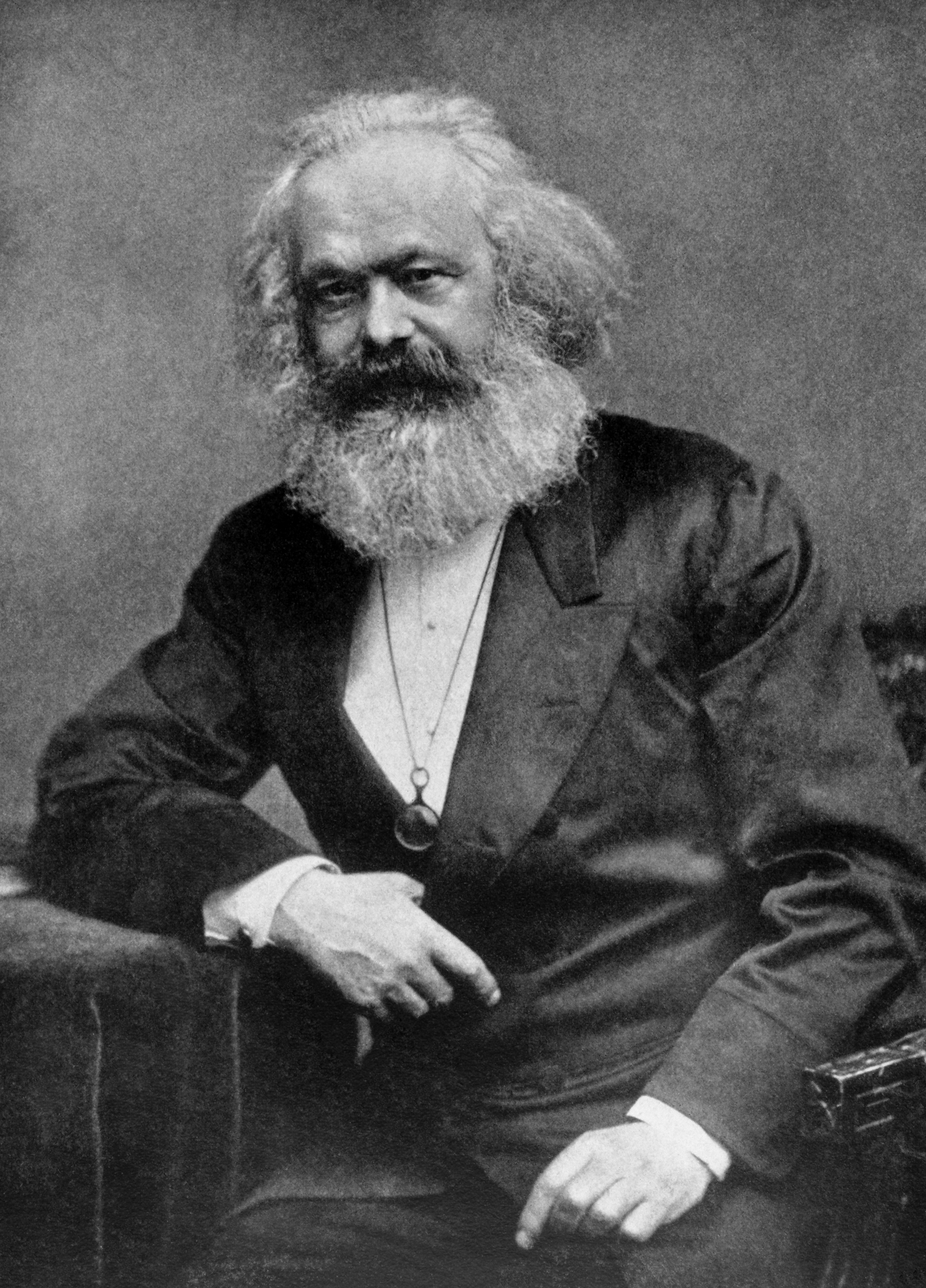
The philosopher who wrote about communism and workers’ rights got annoyed when his housekeeper asked if he had any last words. He snapped back, ‘Go on, get out! Last words are for fools who haven’t said enough!’
Marx had spent decades writing volumes about his ideas for changing society. He clearly felt he’d already said everything important and didn’t need some dramatic final statement.
John Adams
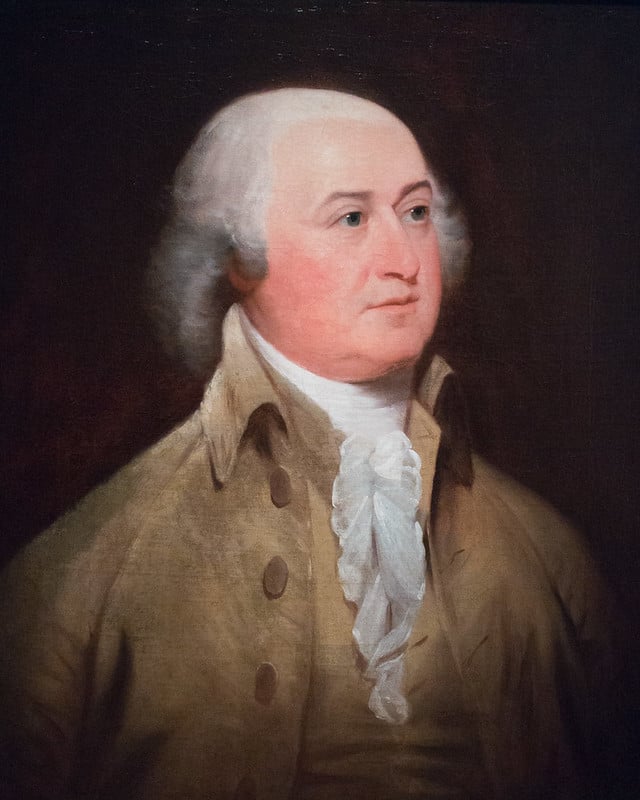
America’s second president died on July 4th, 1826, exactly fifty years after the Declaration of Independence was signed. His last words were, ‘Thomas Jefferson survives.’
What Adams didn’t know was that Jefferson had actually died earlier that same day. The two founding fathers had been friends, then rivals, then friends again through letters in their old age.
Their deaths on the same historic anniversary remains one of history’s strangest coincidences.
Beethoven
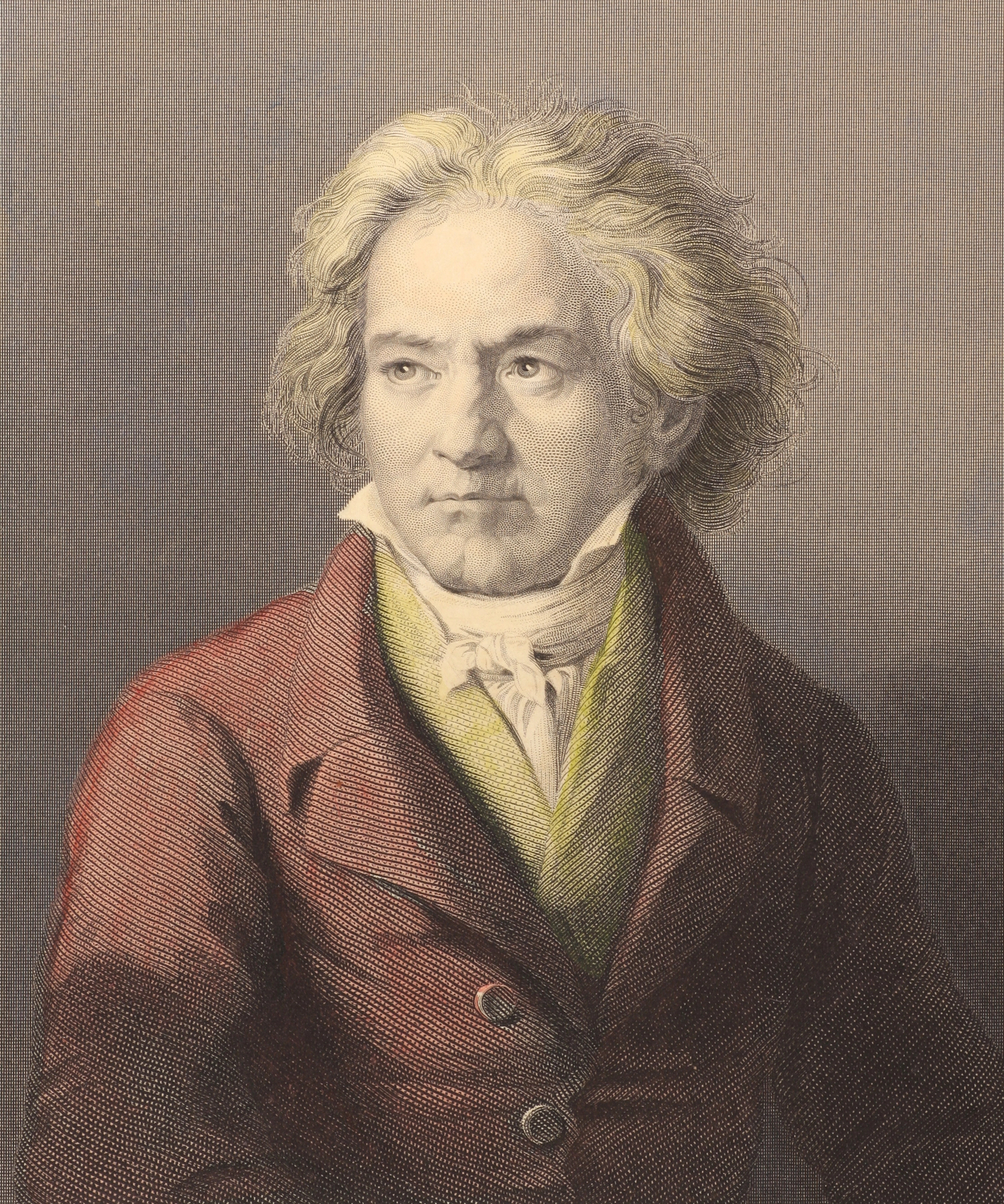
The great composer had been deaf for years when a thunderstorm rolled through during his final moments. According to witnesses, he raised his fist toward the sky, then died.
He didn’t speak any final words, but that gesture said everything. Beethoven had fought against his deafness, his difficult personality, and poverty throughout his life, and he went out fighting too.
Winston Churchill
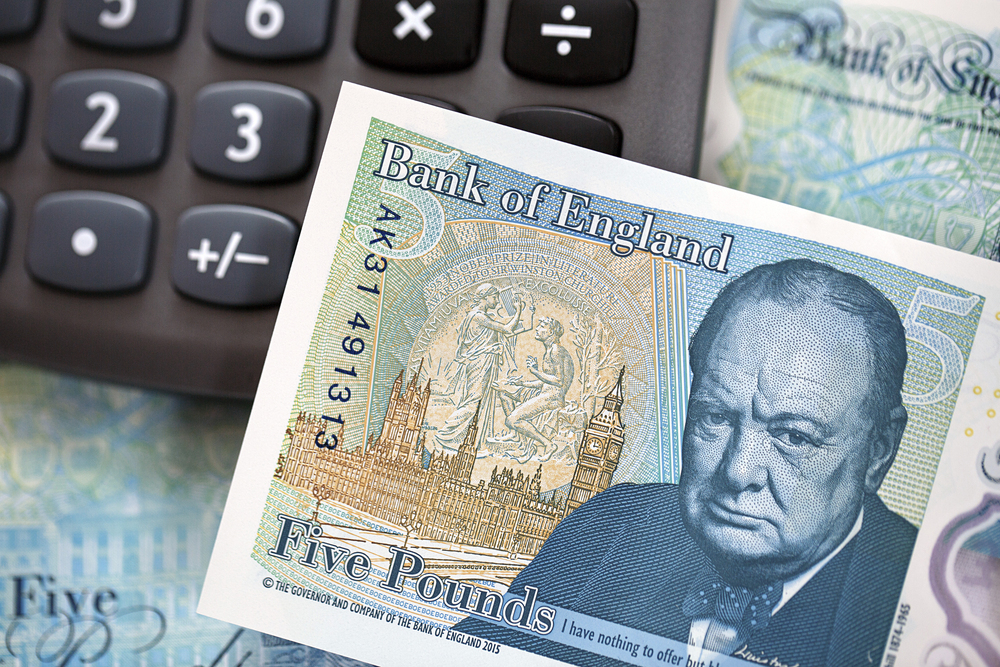
The British prime minister who led his country through World War II simply said, ‘I’m bored with it all.’ Churchill had lived ninety years filled with adventure, politics, war, and history-making decisions.
After suffering a stroke and lying in bed for days, he was ready to go. It’s surprisingly simple for someone known for powerful speeches, but maybe that was the point.
Emily Dickinson
The reclusive poet asked to be lifted up, then whispered, ‘I must go in, the fog is rising.’ Dickinson had spent most of her adult life inside her family’s house, rarely seeing visitors and writing nearly 1,800 poems that most people didn’t read until after she died.
Her final words sound like something from one of her mysterious poems, describing a journey from one place to another.
Joan of Arc
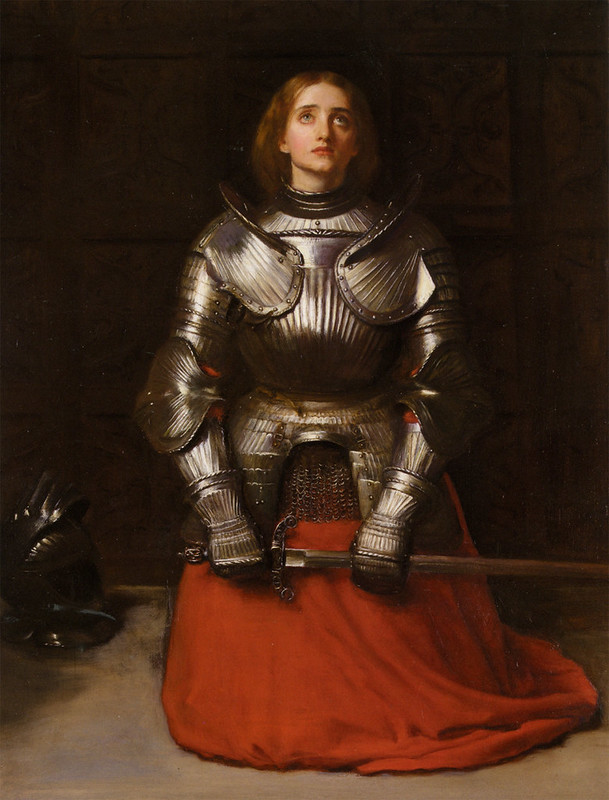
The teenage warrior who led French armies called out ‘Jesus!’ multiple times as the flames from her execution pyre rose around her. The English had captured her and put her on trial for heresy when she was only nineteen years old.
Her faith drove everything she did, from her visions telling her to fight to her final moments at the stake.
Bob Marley

The reggae legend told his son Ziggy, ‘Money can’t buy life.’ Marley had become famous worldwide, but cancer was killing him at just thirty-six years old.
He’d refused to amputate his toe where the cancer started because of his Rastafarian beliefs. His final words reflected the spiritual philosophy he sang about throughout his career.
Humphrey Bogart
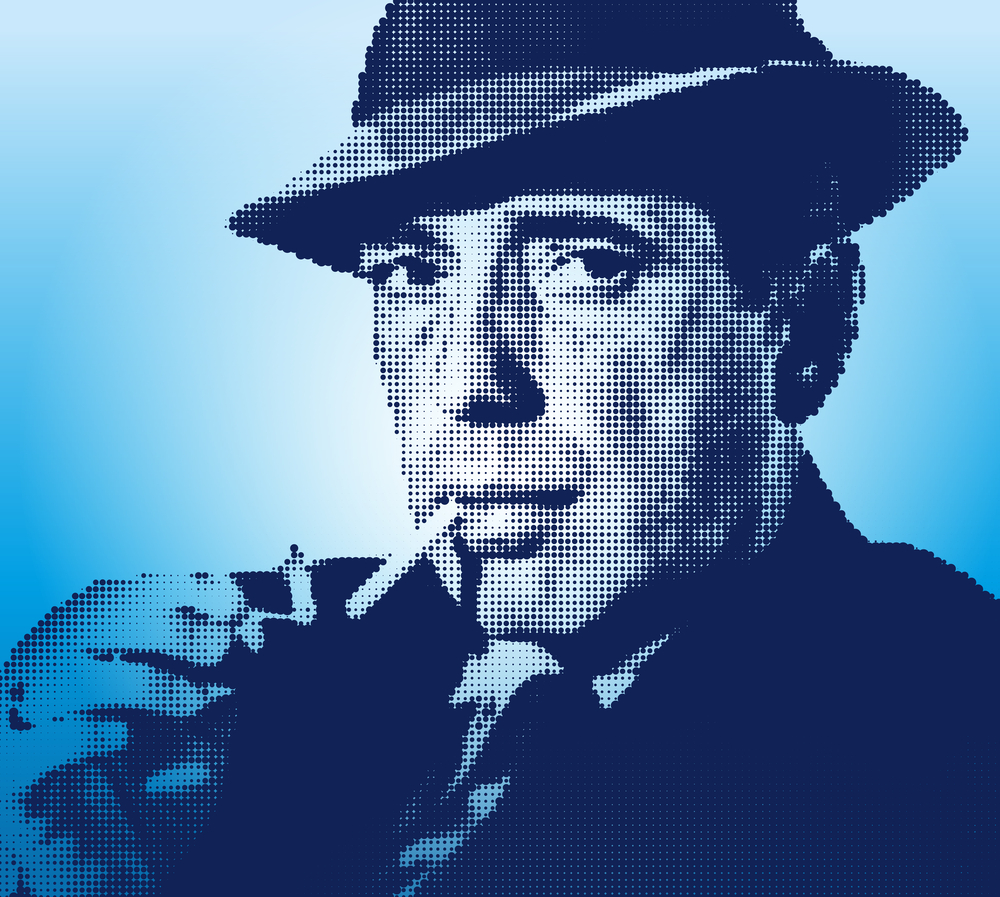
The tough-guy actor looked at his wife Lauren Bacall and said, ‘I should never have switched from Scotch to Martinis.’ Bogart had throat cancer from years of heavy drinking.
Even facing death, he kept his dry sense of humor. His wife later said he was joking, trying to keep things light even though he knew he was dying.
George Washington
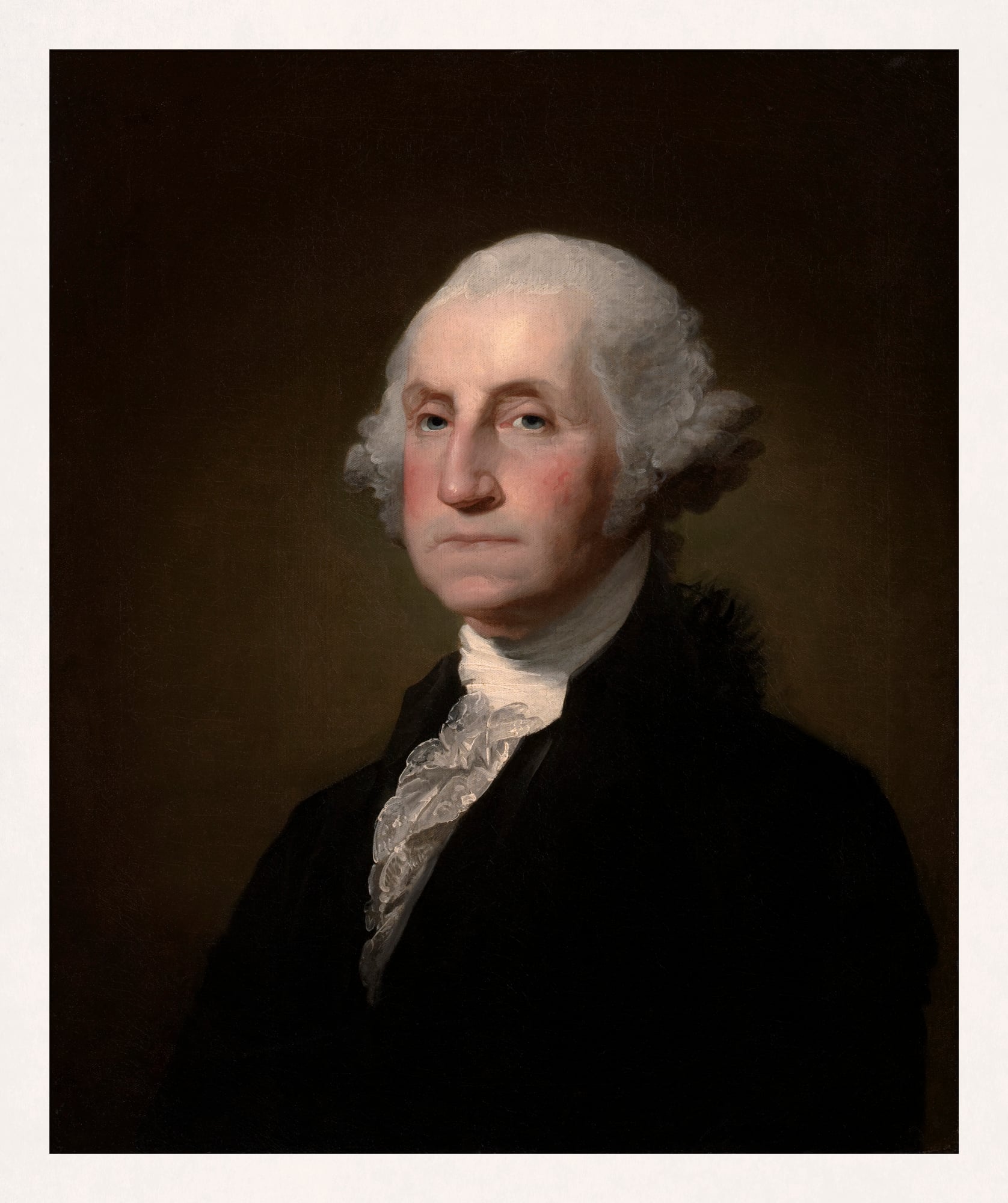
America’s first president was very specific about his burial, telling his secretary, ‘Have me decently buried, and do not let my body be put into the vault in less than three days after I am dead.’ Washington feared being buried alive, which was a common worry in the 1700s before modern medicine could confirm death reliably.
He also checked his own pulse as he died, staying observant and in control until the very end.
Che Guevara
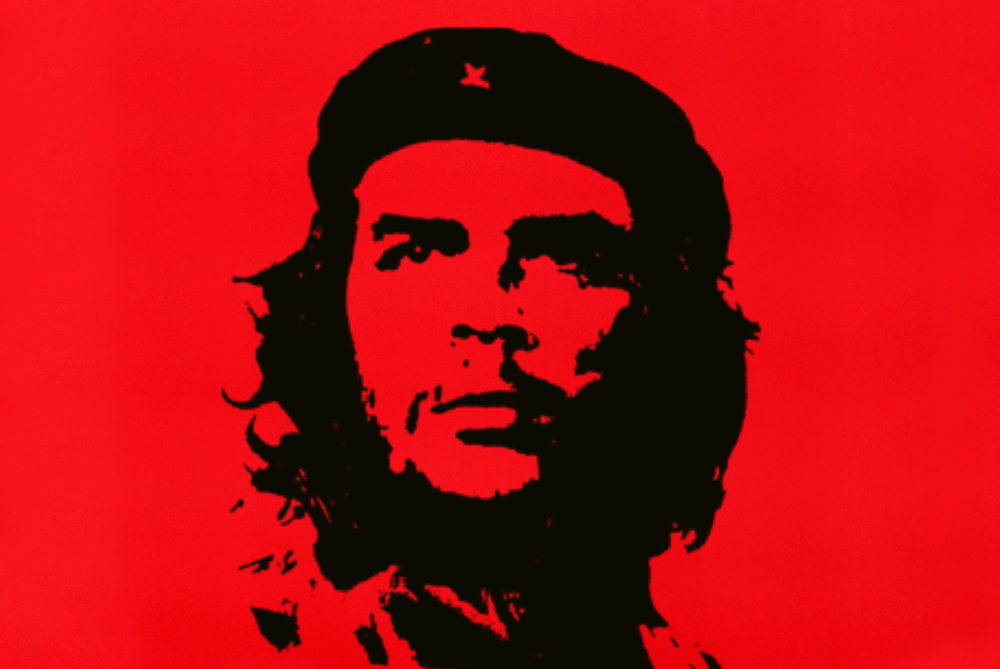
The revolutionary told his executioner, ‘I know you’ve come to kill me. Shoot, coward! You are only going to kill a man!’ Bolivian soldiers had captured Guevara while he was trying to start a revolution.
He faced the firing squad the same way he lived, defiant and confrontational. His words show he believed his ideas would outlive him, even if his body didn’t.
Voltaire
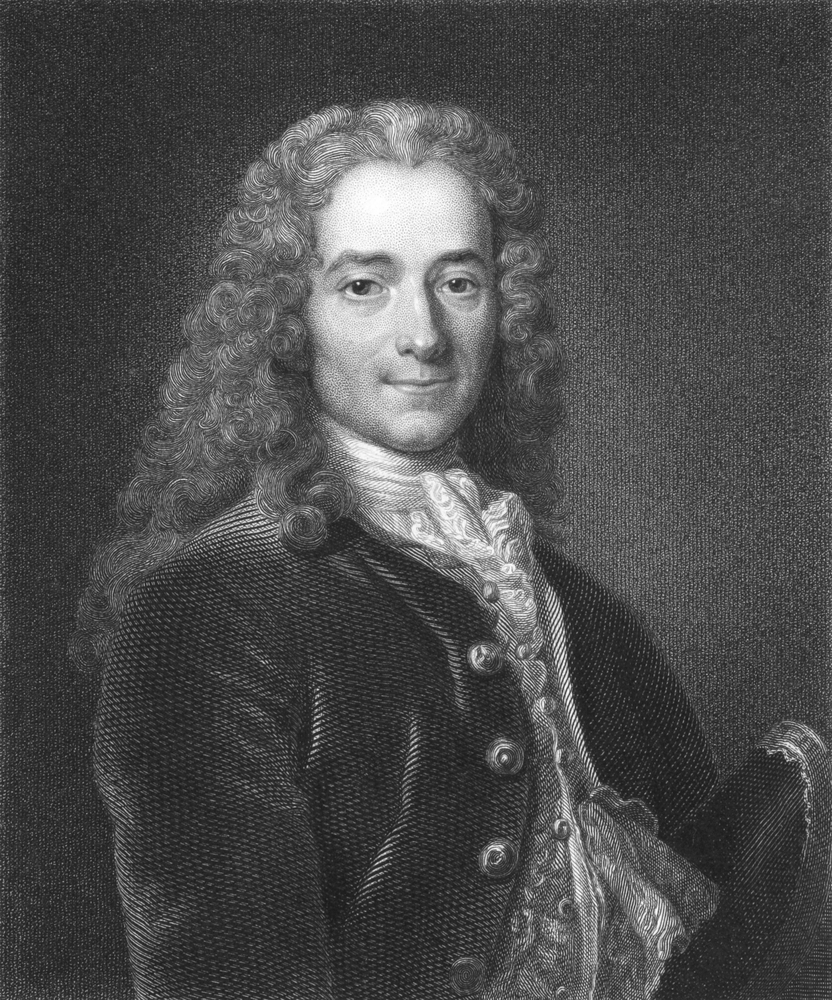
When a priest at his deathbed asked him to renounce Satan, the French philosopher replied, ‘Now, now, my good man, this is no time to be making enemies.’ Voltaire had spent his life criticizing religion and fighting for reason and tolerance.
Even dying, he couldn’t resist one more witty comeback. The story might be exaggerated, but it fits perfectly with how he lived.
James Dean
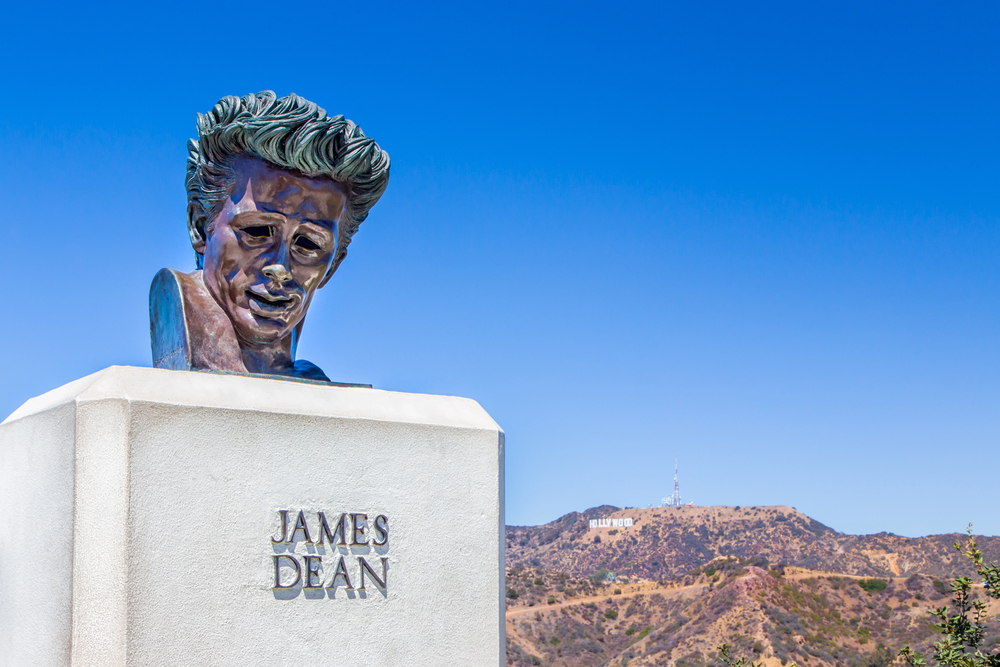
The young actor said, ‘That guy’s gotta stop. He’ll see us,’ just moments before his Porsche crashed. Dean was only twenty-four and had starred in just three major films.
His last words weren’t profound or meaningful, just an ordinary observation in the seconds before tragedy struck. Sometimes that’s what last words actually are – not grand statements but everyday thoughts interrupted by death.
Napoleon Bonaparte
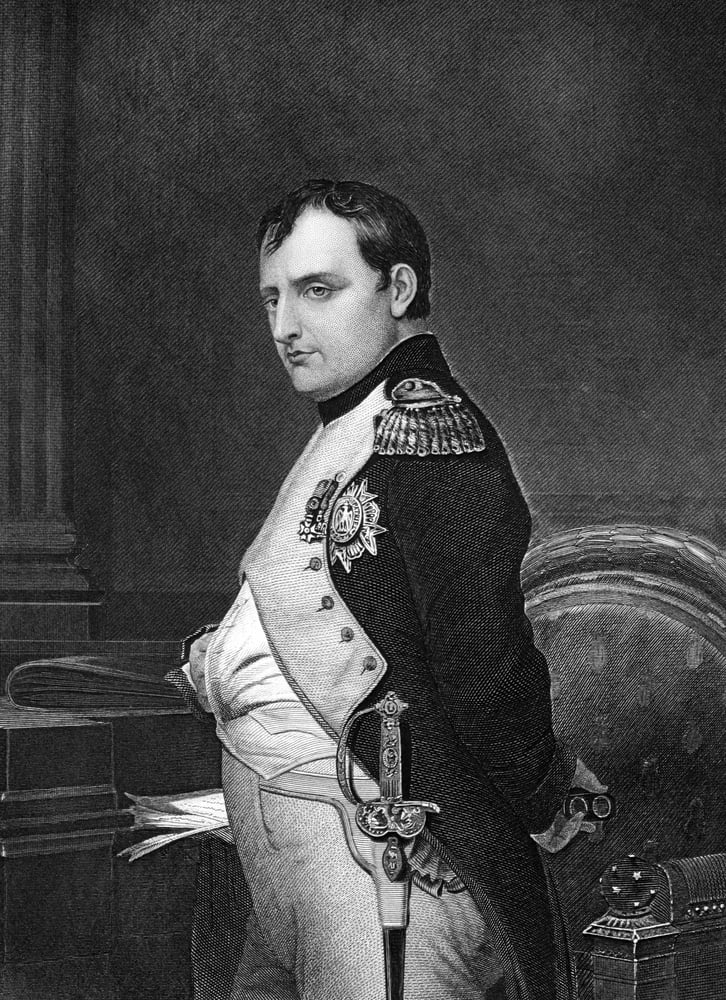
The French emperor’s final words were either ‘France, the Army, the Head of the Army, Josephine’ or simply ‘Josephine.’ Historians debate the exact wording.
Napoleon had conquered most of Europe before losing everything and dying in exile on a remote island. His thoughts returned to his home country, his military career, and his first wife, the woman he never stopped loving despite divorcing her years earlier.
What These Final Moments Tell Us

These last words show us something genuine about human nature when everything else falls away. Some people crack jokes, others call out to loved ones, and a few make profound observations.
Death doesn’t discriminate between the powerful and the ordinary, and in those final seconds, historical figures became just people facing the same unknown we all will. Their words remind us that how someone lives matters, but sometimes the very last thing they say reveals the truth about what mattered most to them all along.
More from Go2Tutors!

- The Romanov Crown Jewels and Their Tragic Fate
- 13 Historical Mysteries That Science Still Can’t Solve
- Famous Hoaxes That Fooled the World for Years
- 15 Child Stars with Tragic Adult Lives
- 16 Famous Jewelry Pieces in History
Like Go2Tutors’s content? Follow us on MSN.