Birds That Can Fly Backwards
When most people think about bird flight, they picture wings flapping forward as the bird moves through the air in a straight line. But nature has a few surprises up its sleeve.
Some birds have developed the remarkable ability to reverse their flight direction, hovering in place or zipping backwards through the air with incredible control. Let’s take a closer look at these fascinating fliers and what makes them so special.
Hummingbirds lead the pack
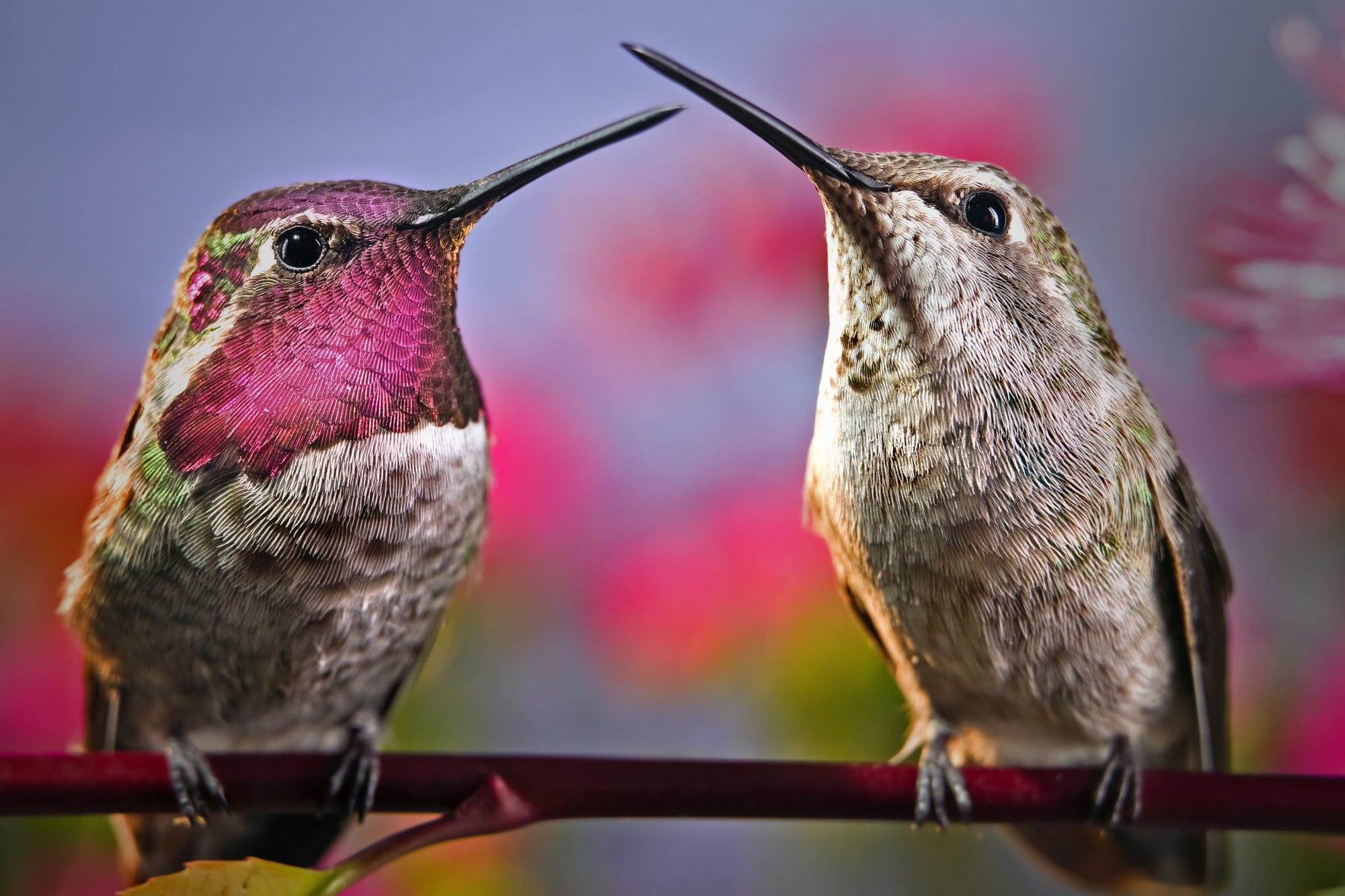
Hummingbirds are the undisputed champions of backwards flight. These tiny birds can hover in mid-air and fly in any direction, including straight backwards, with perfect precision.
Their wings rotate in a figure-eight pattern rather than flapping up and down like other birds. This unique movement allows them to generate lift on both the upstroke and downstroke, giving them complete control over their position in space.
No other bird group has mastered this skill quite like hummingbirds have.
The Ruby-throated Hummingbird dominates eastern North America
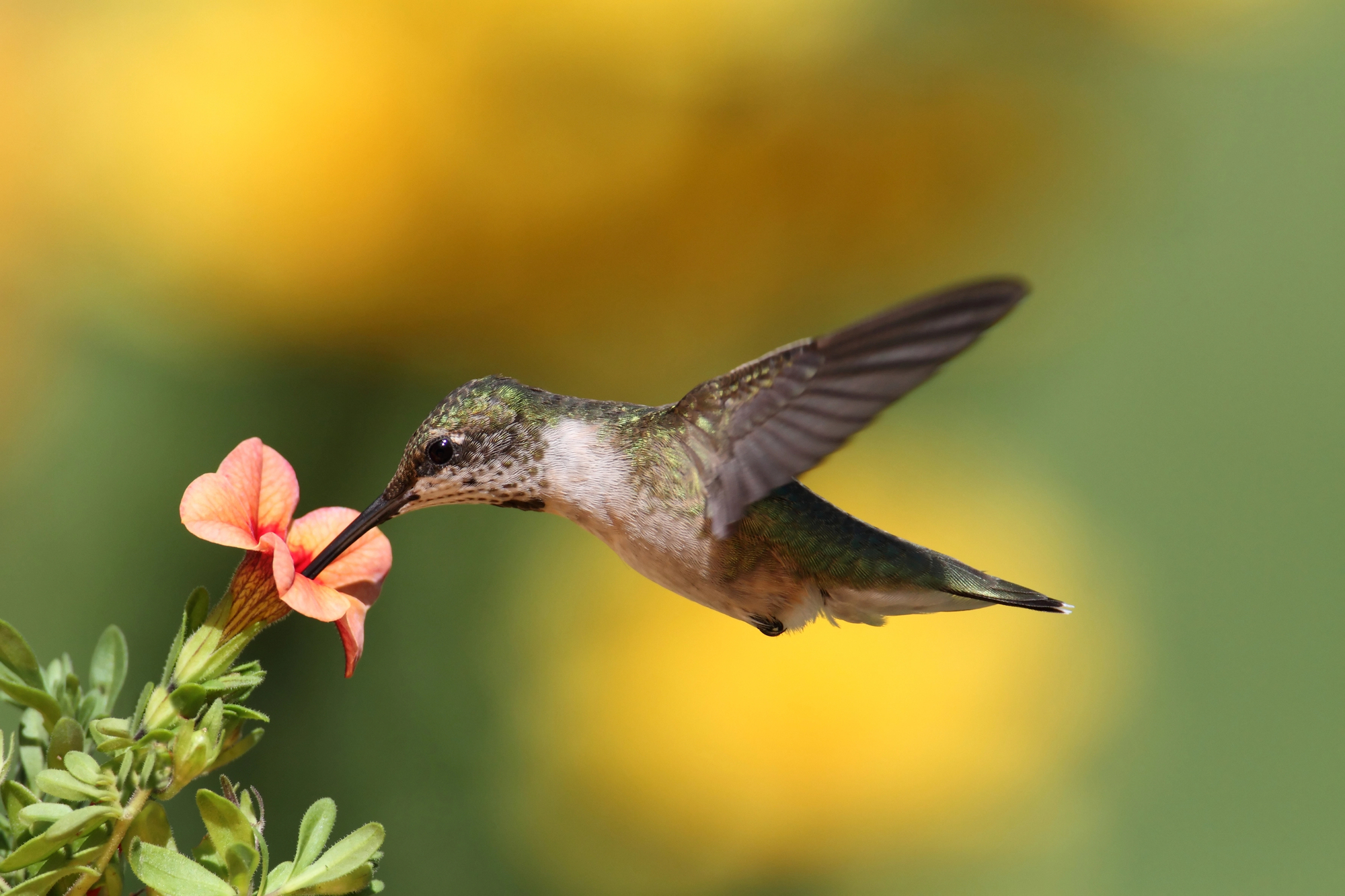
The Ruby-throated Hummingbird is the only hummingbird species that regularly breeds east of the Mississippi River. Males sport a brilliant red throat patch that catches the light like a jewel.
These birds weigh less than a nickel but can fly backwards at speeds up to 10 miles per hour. They migrate across the Gulf of Mexico each year, a 500-mile journey that takes about 20 hours of non-stop flight.
Anna’s Hummingbird stays put year-round
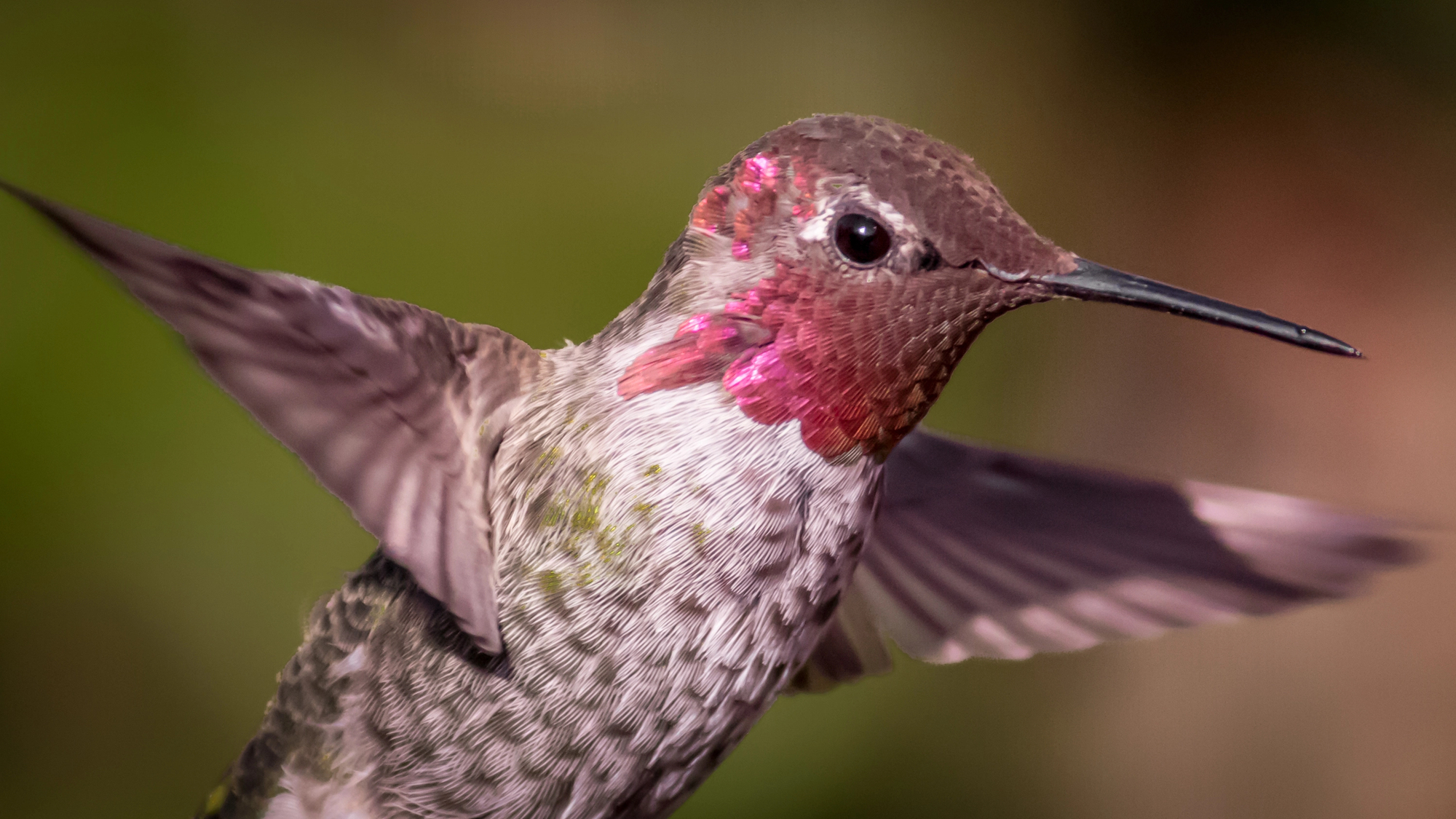
Unlike most hummingbirds, Anna’s Hummingbird doesn’t migrate south for winter. This species lives along the Pacific Coast from British Columbia down to Baja California.
Males perform dramatic courtship displays where they climb high into the air and then dive at speeds reaching 60 miles per hour. During these displays, they frequently fly backwards to reposition themselves before another dive.
Their ability to reverse direction instantly makes these aerial shows even more impressive.
The Rufous Hummingbird travels the farthest
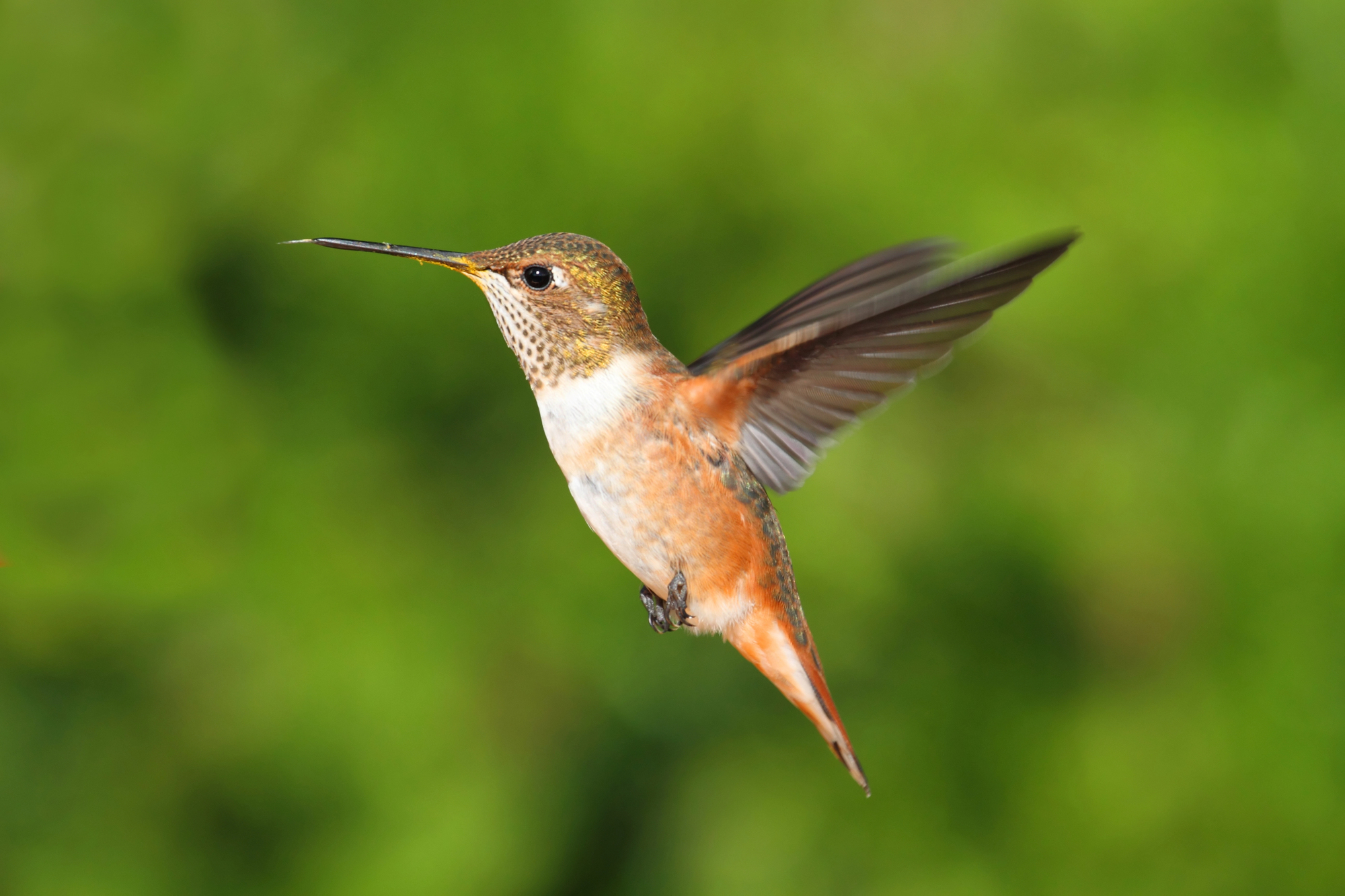
Despite being one of the smallest hummingbird species, the Rufous Hummingbird makes one of the longest migration journeys of any bird relative to its body size. These tough little birds travel up to 3,900 miles from Alaska to Mexico and back each year.
Their backwards flying ability helps them escape predators and navigate through dense vegetation. Males are particularly aggressive and will use their flight skills to chase away other hummingbirds from feeding territories.
Bee Hummingbirds hold the size record
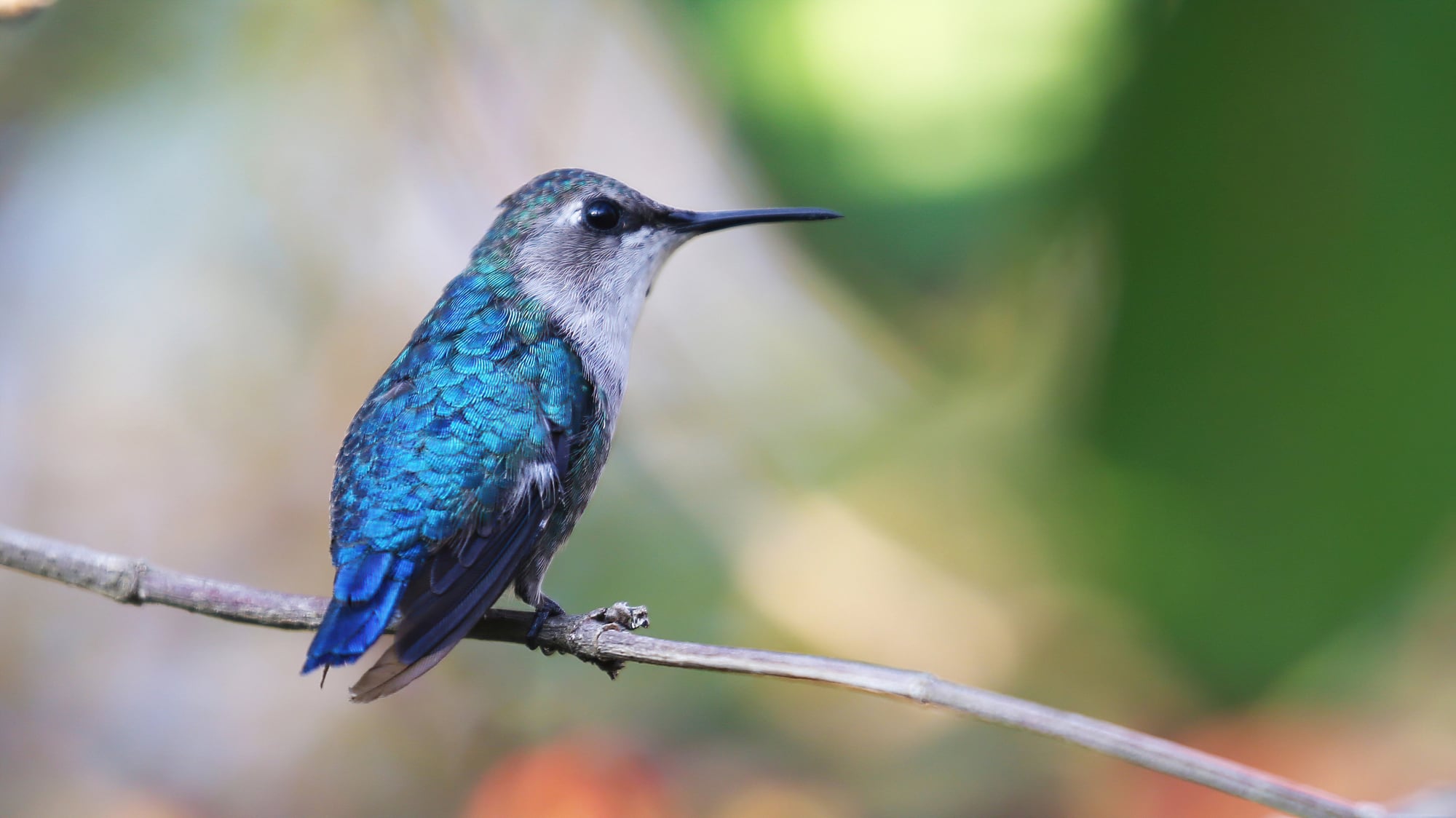
The Bee Hummingbird from Cuba is the world’s smallest bird, measuring just over 2 inches long and weighing less than a penny. These miniature fliers can beat their wings up to 80 times per second during normal flight.
Their backwards flying ability is proportionally just as impressive as their larger relatives. Unfortunately, habitat loss has made them increasingly rare in their native Cuban forests.
Allen’s Hummingbird has a limited range
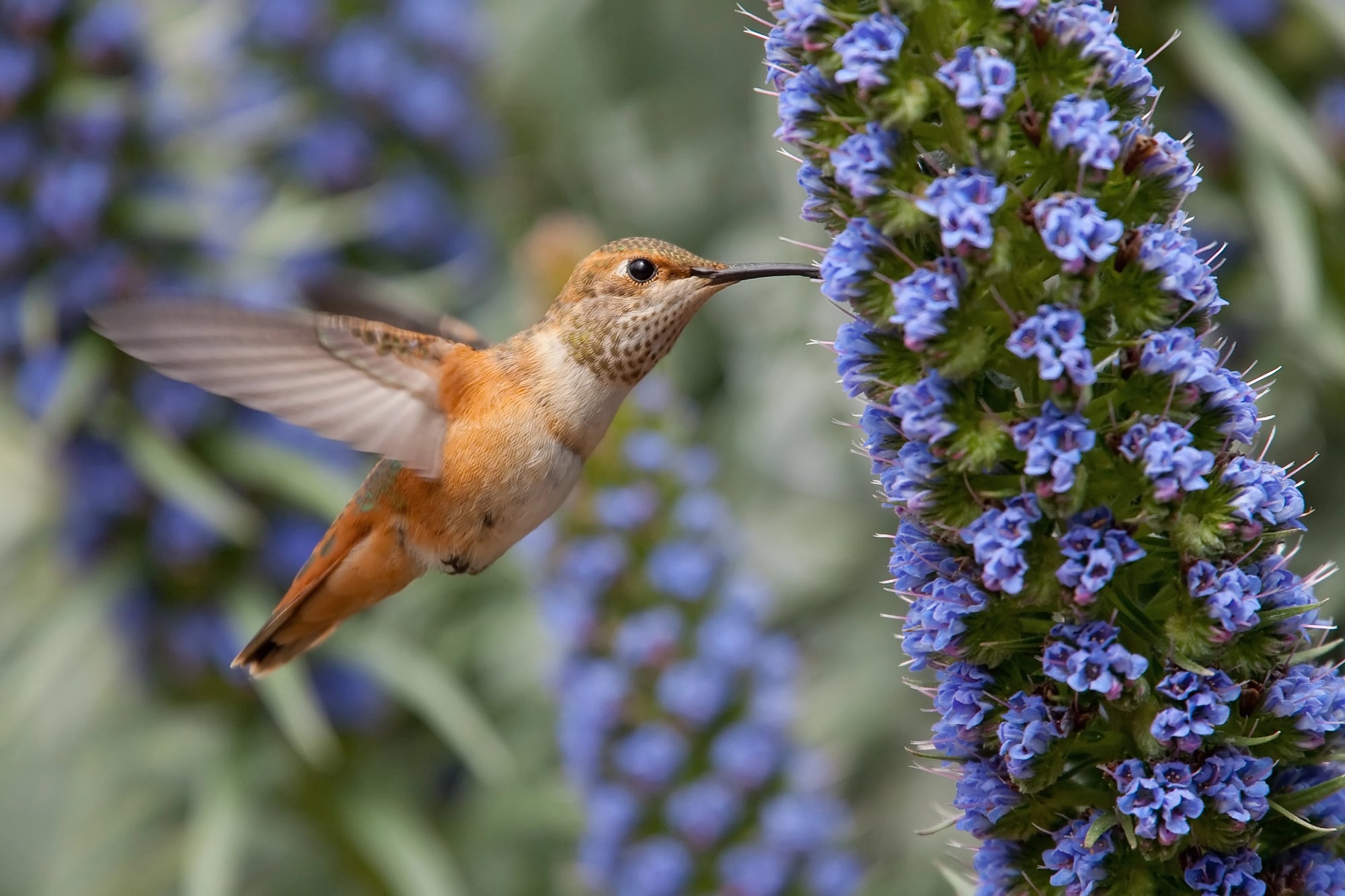
Allen’s Hummingbird looks very similar to the Rufous Hummingbird but has a much smaller range along the California coast and Channel Islands. These birds are particularly aggressive defenders of their feeding territories.
They use their backwards flight capability to quickly retreat from confrontations while still facing their opponent. This lets them keep an eye on potential threats while moving to safety.
The Broad-tailed Hummingbird makes a distinctive sound
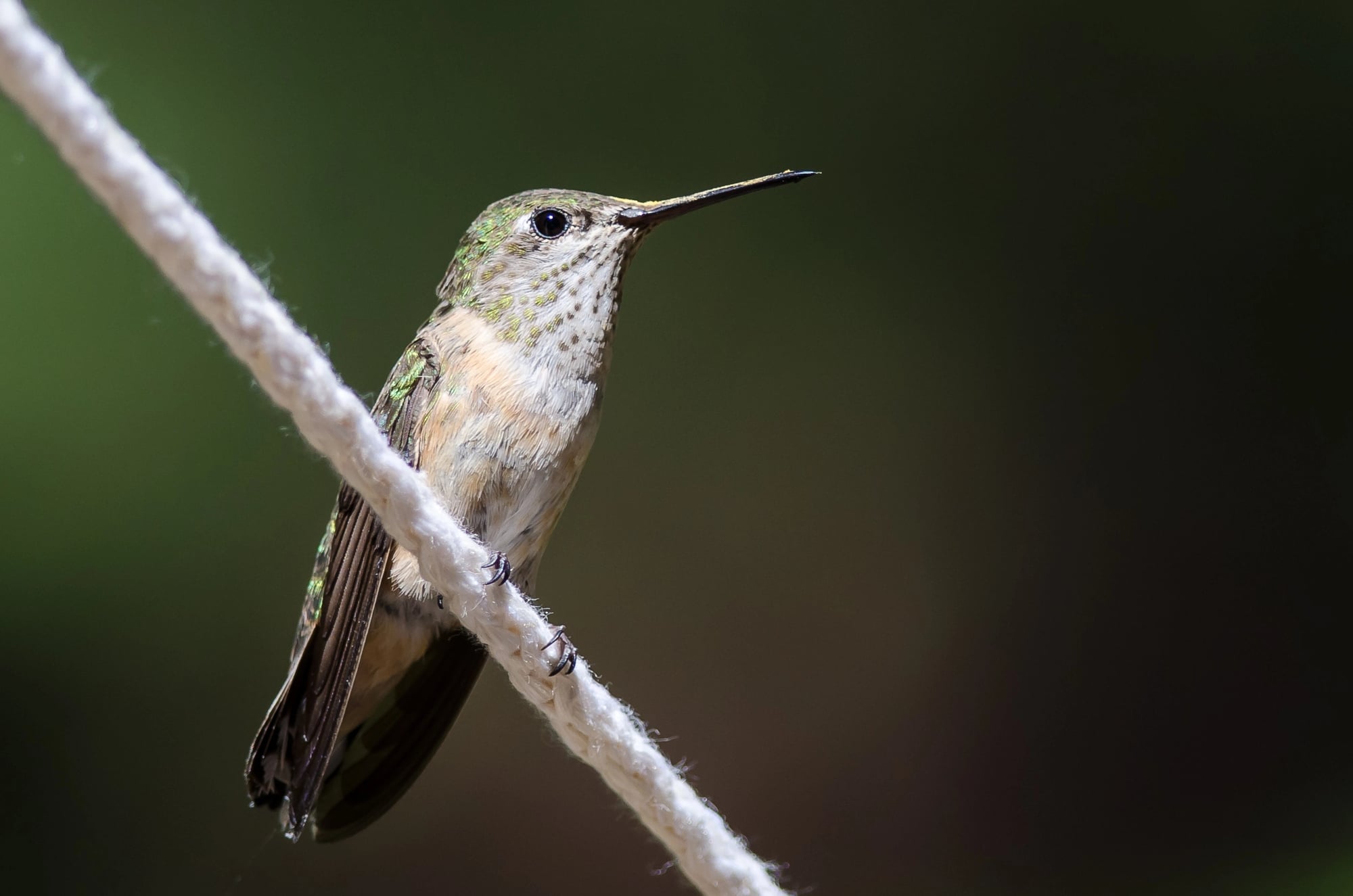
Broad-tailed Hummingbirds live in mountain meadows across the western United States. Male birds produce a loud, metallic trill with their wings during flight.
This sound comes from modified wing feathers that vibrate as air passes over them. When these birds fly backwards away from flowers after feeding, the trill often becomes even more pronounced, creating a unique audio signature.
Costa’s Hummingbird thrives in deserts
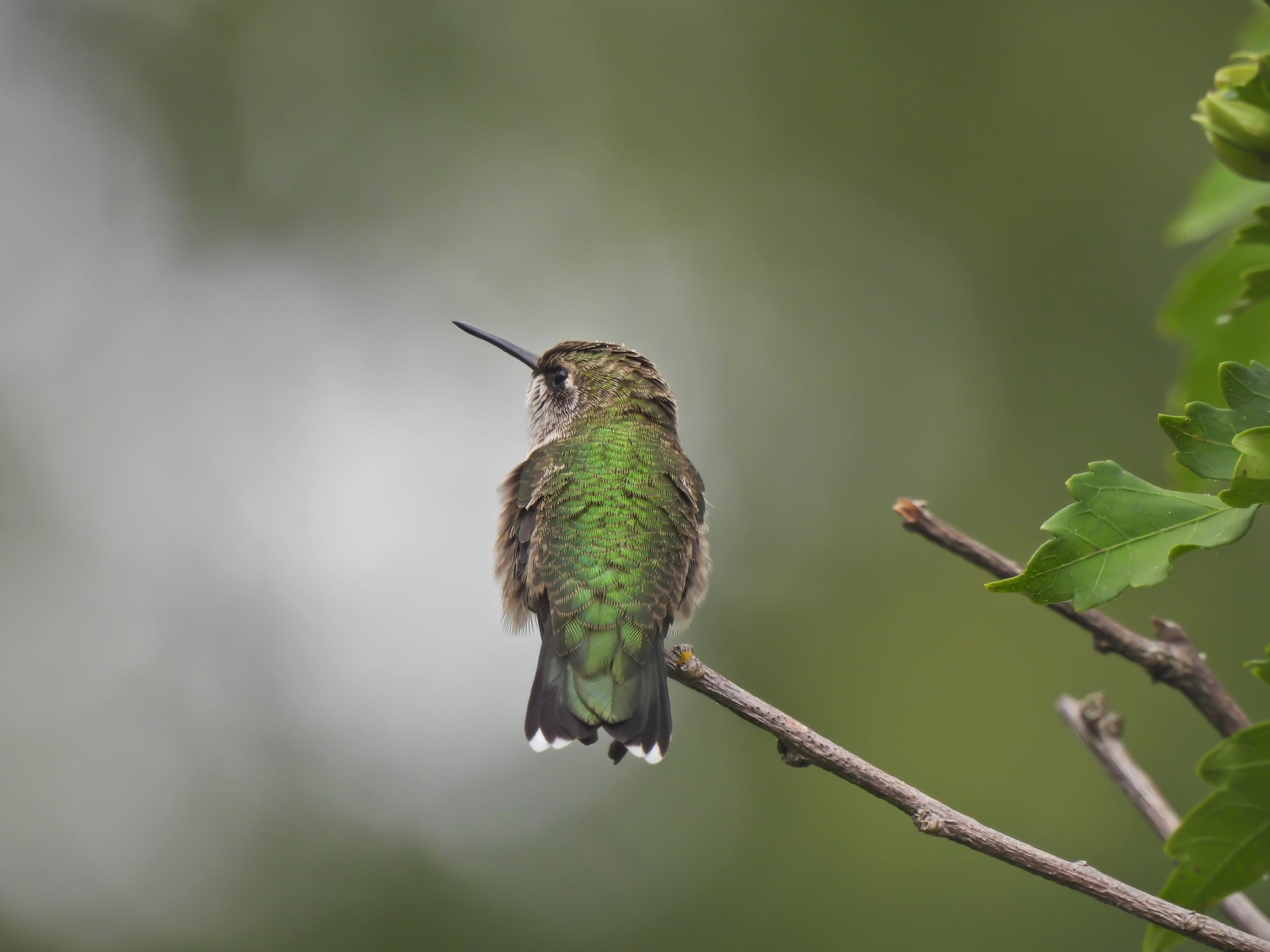
Costa’s Hummingbird has adapted to life in the hot, dry deserts of the southwestern United States and Mexico. Males have stunning purple throat and crown feathers that flare out during displays.
These birds can fly backwards to carefully position themselves at desert flowers like ocotillo and chuparosa. Their precise flight control helps them conserve energy in harsh environments where every movement counts.
Black-chinned Hummingbirds pump their tails
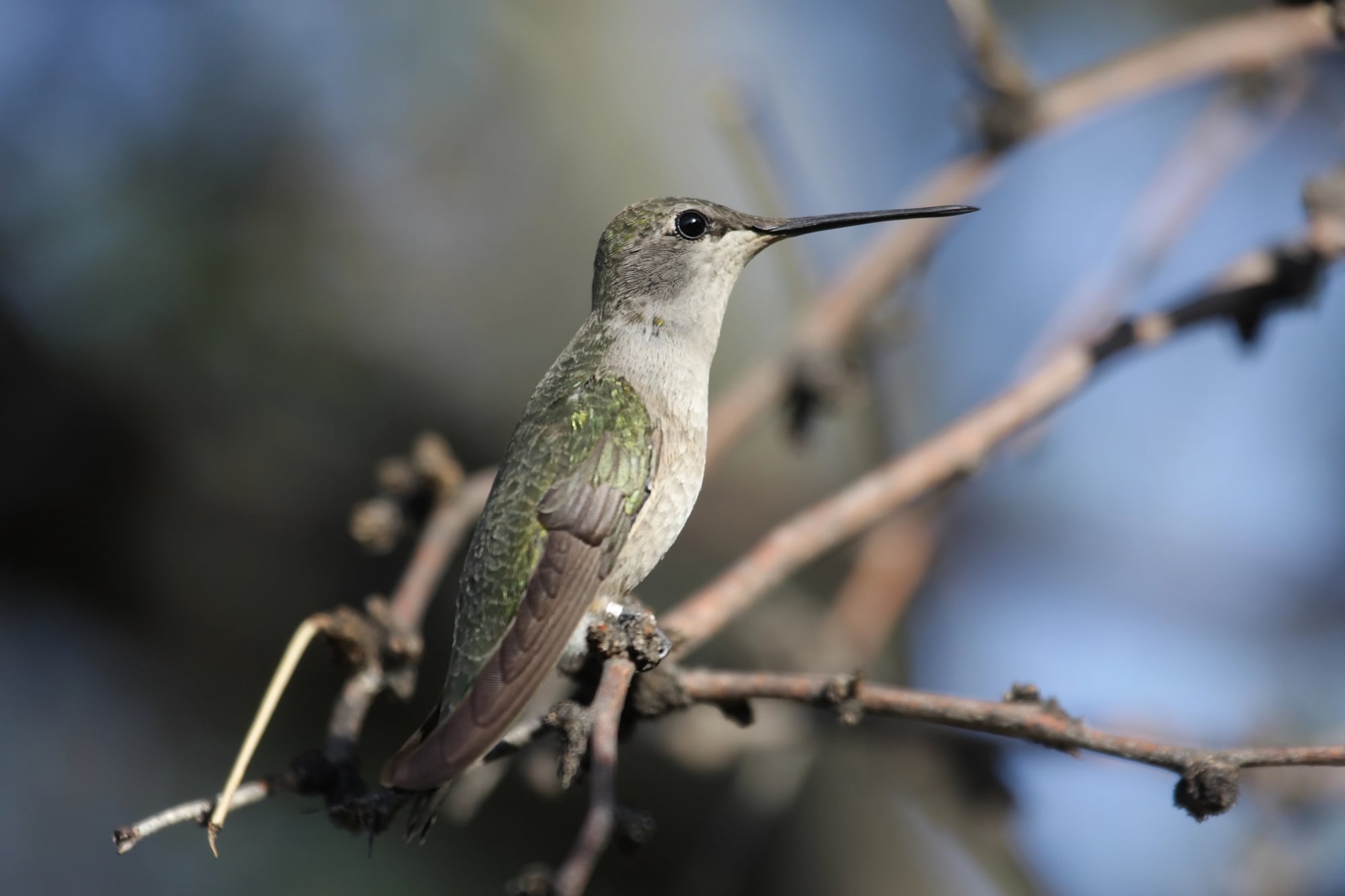
Black-chinned Hummingbirds have a distinctive habit of pumping their tails while hovering and feeding. This species ranges across much of the western United States during breeding season.
They often fly backwards while investigating potential nest sites or checking out new flowers. Their backwards flight is slightly less refined than some other hummingbird species but still far beyond what any other bird type can achieve.
Calliope Hummingbirds are the smallest in North America
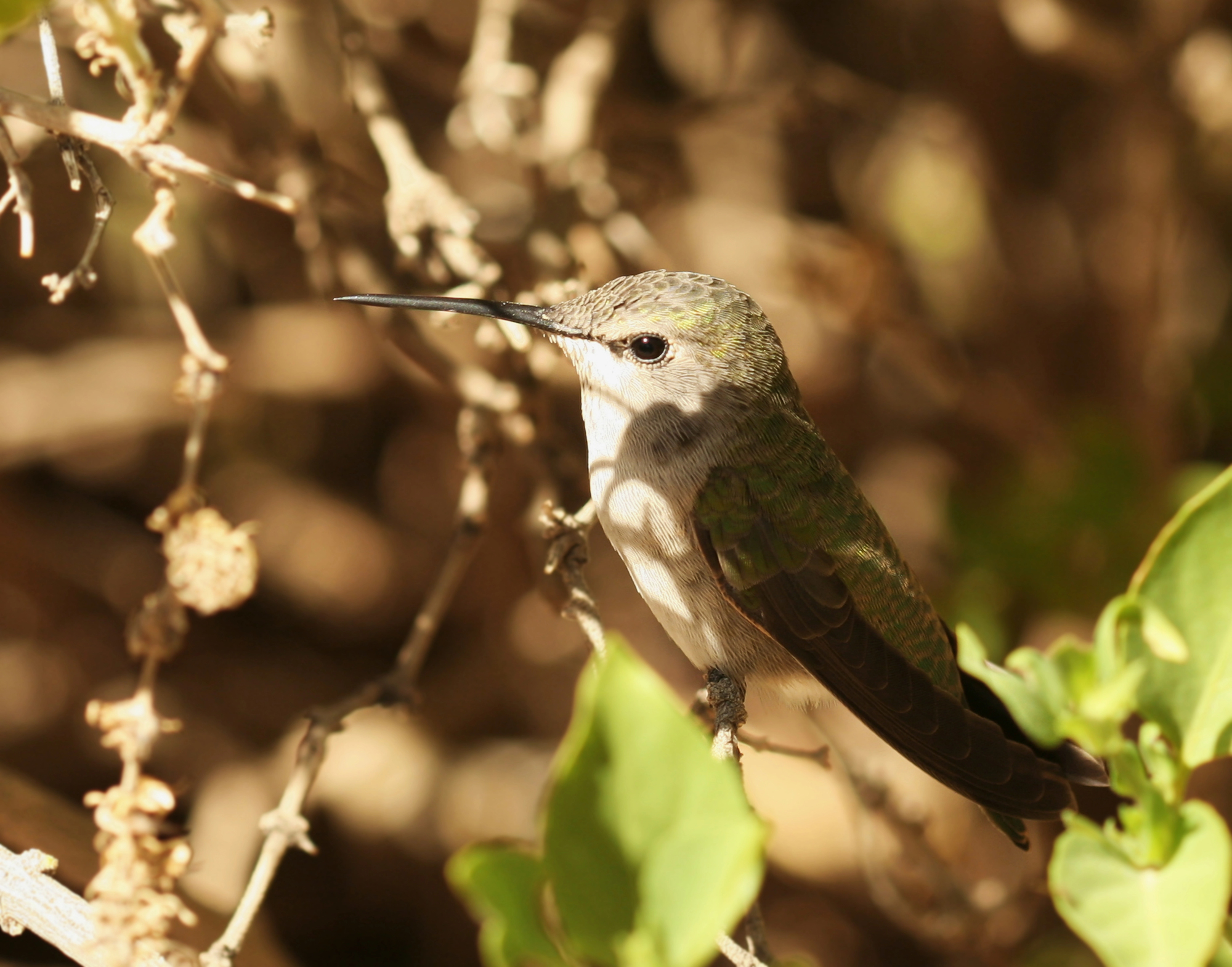
The Calliope Hummingbird holds the title of smallest bird in the United States and Canada. Despite their tiny size, these birds migrate from Canada all the way to Mexico each year.
Males have beautiful magenta throat streaks rather than a solid patch. Their backwards flying helps them maneuver through alpine meadows and mountain forests where they breed during summer months.
White-eared Hummingbirds occasionally visit from Mexico
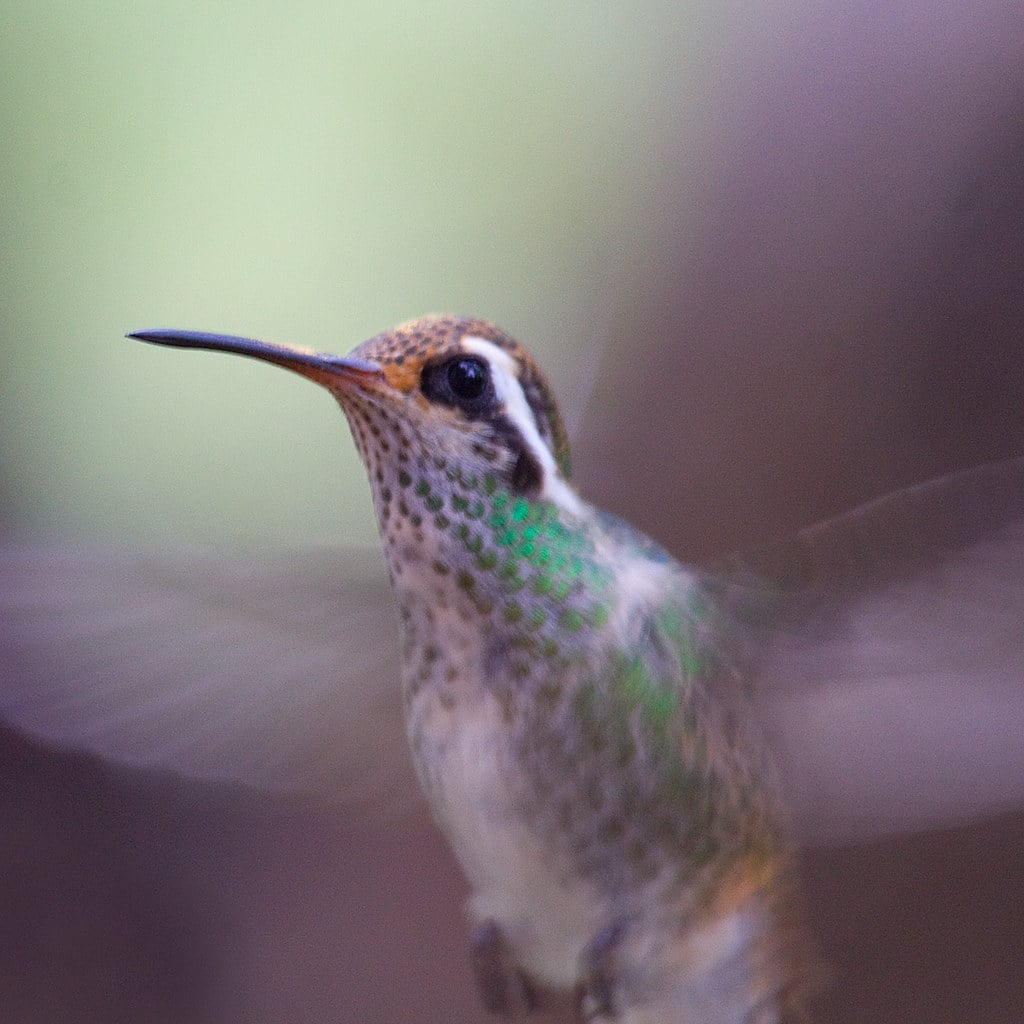
White-eared Hummingbirds are primarily Mexican residents but sometimes wander north into Arizona and New Mexico. These birds have distinctive white stripes behind their eyes and are slightly larger than many other hummingbird species.
They use their backwards flight to carefully inspect flowers and feeders before committing to land. This cautious approach helps them avoid competition with more aggressive hummingbird species.
Magnificent Hummingbirds are the largest in North America
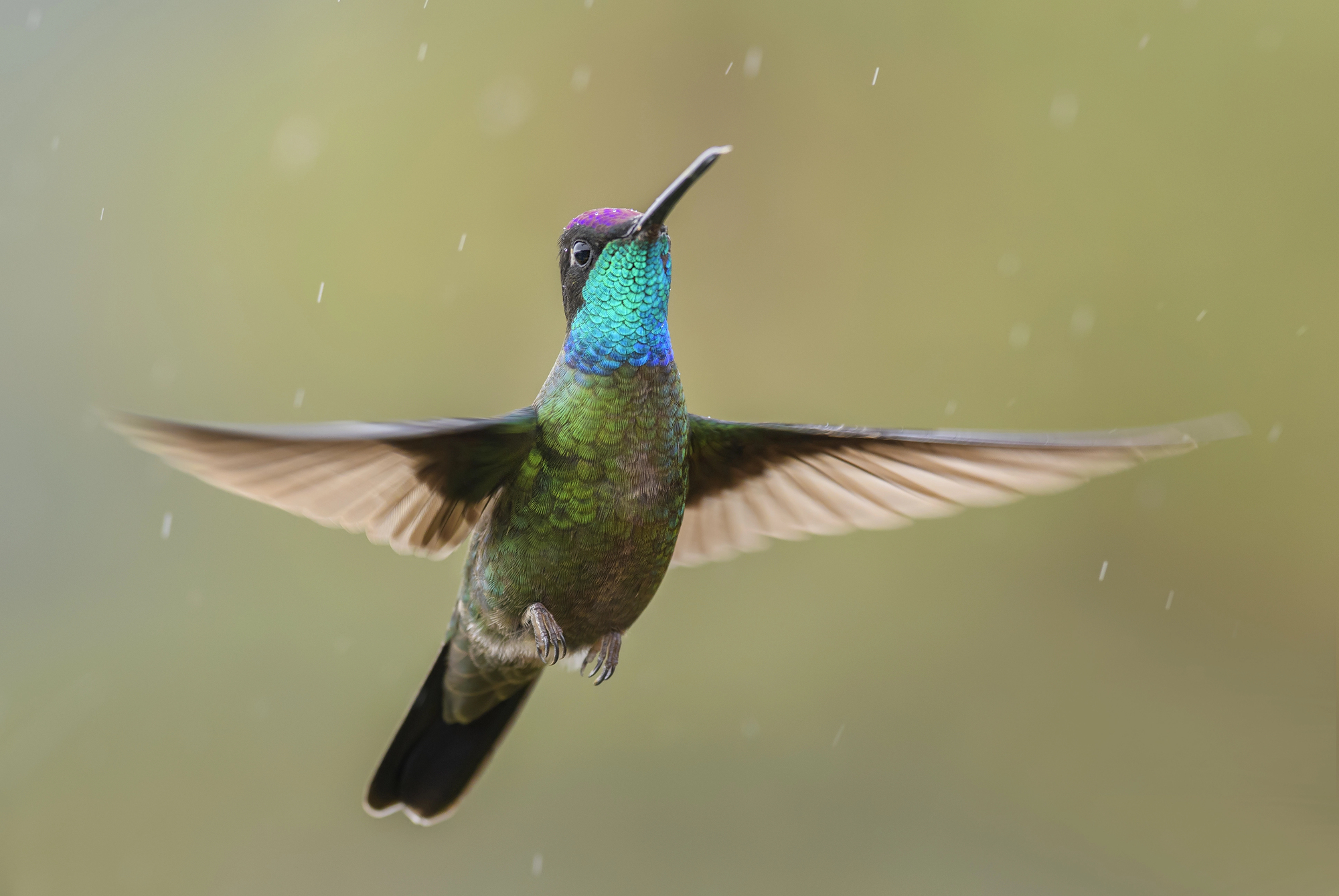
Magnificent Hummingbirds (formerly called Rivoli’s Hummingbirds) can reach lengths of over 5 inches, making them giants in the hummingbird world. These birds prefer high-elevation forests in the southwestern mountains.
Their larger size means their backwards flight is slightly less nimble than smaller species, but they can still reverse direction with ease. Males have brilliant green throats and purple crowns that shimmer in sunlight.
Blue-throated Mountain-gems dominate feeders
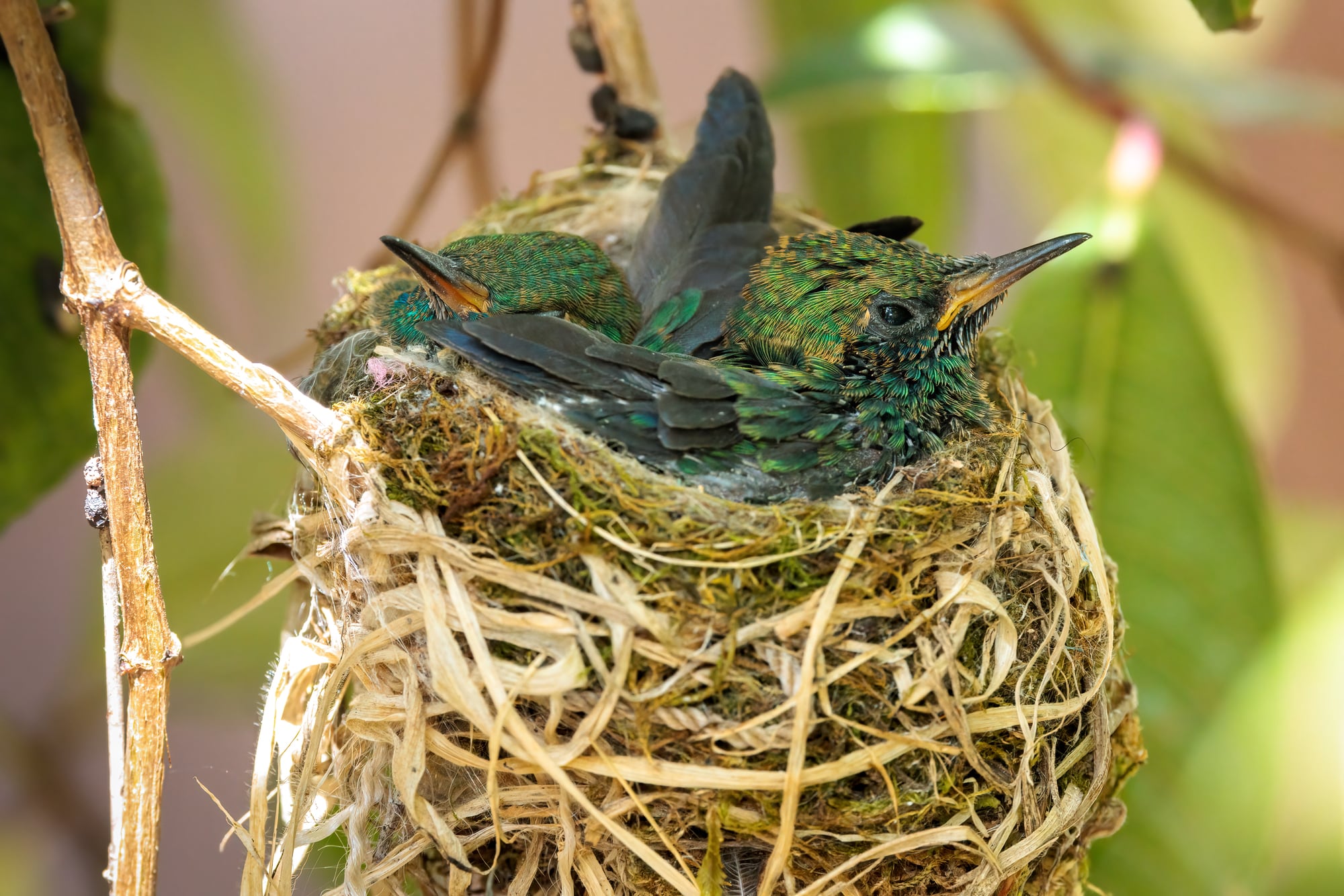
Blue-throated Mountain-gems are large, aggressive hummingbirds found in mountain canyons along the Mexico border. These birds often dominate feeding territories and chase away smaller hummingbird species.
They use backwards flight both for feeding and for quick escapes when larger predators approach. Their distinctive loud calls and large size make them easy to identify at feeders.
Lucifer Hummingbirds have curved bills
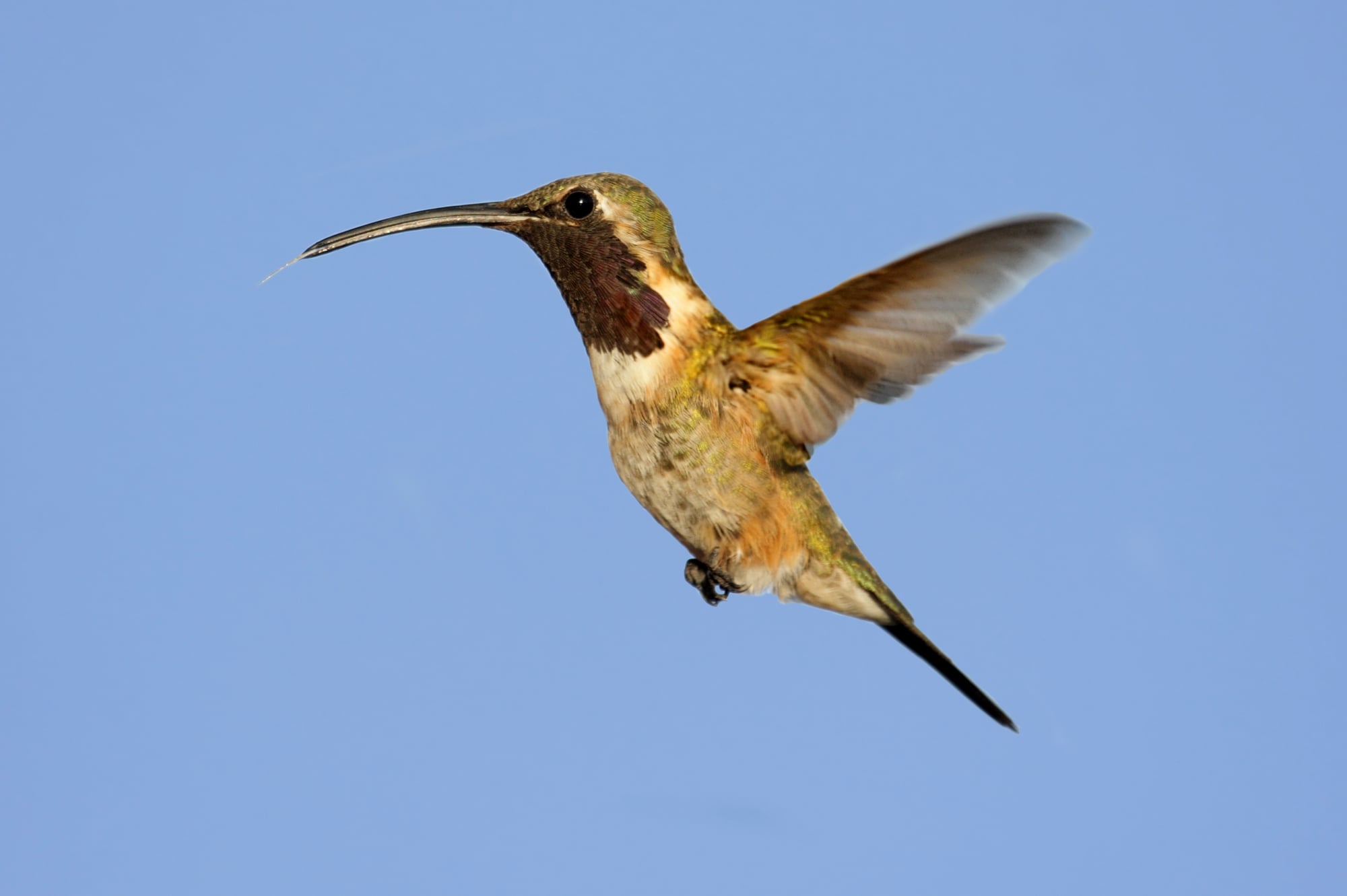
Lucifer Hummingbirds have noticeably curved bills that help them feed from tubular desert flowers. These small birds breed in the Chihuahuan Desert region.
Males have long, flashy purple throat feathers that extend down their sides. Their backwards flight allows them to carefully back away from deep flowers after drinking nectar without getting their specialized bills caught.
Broad-billed Hummingbirds flash bright colors
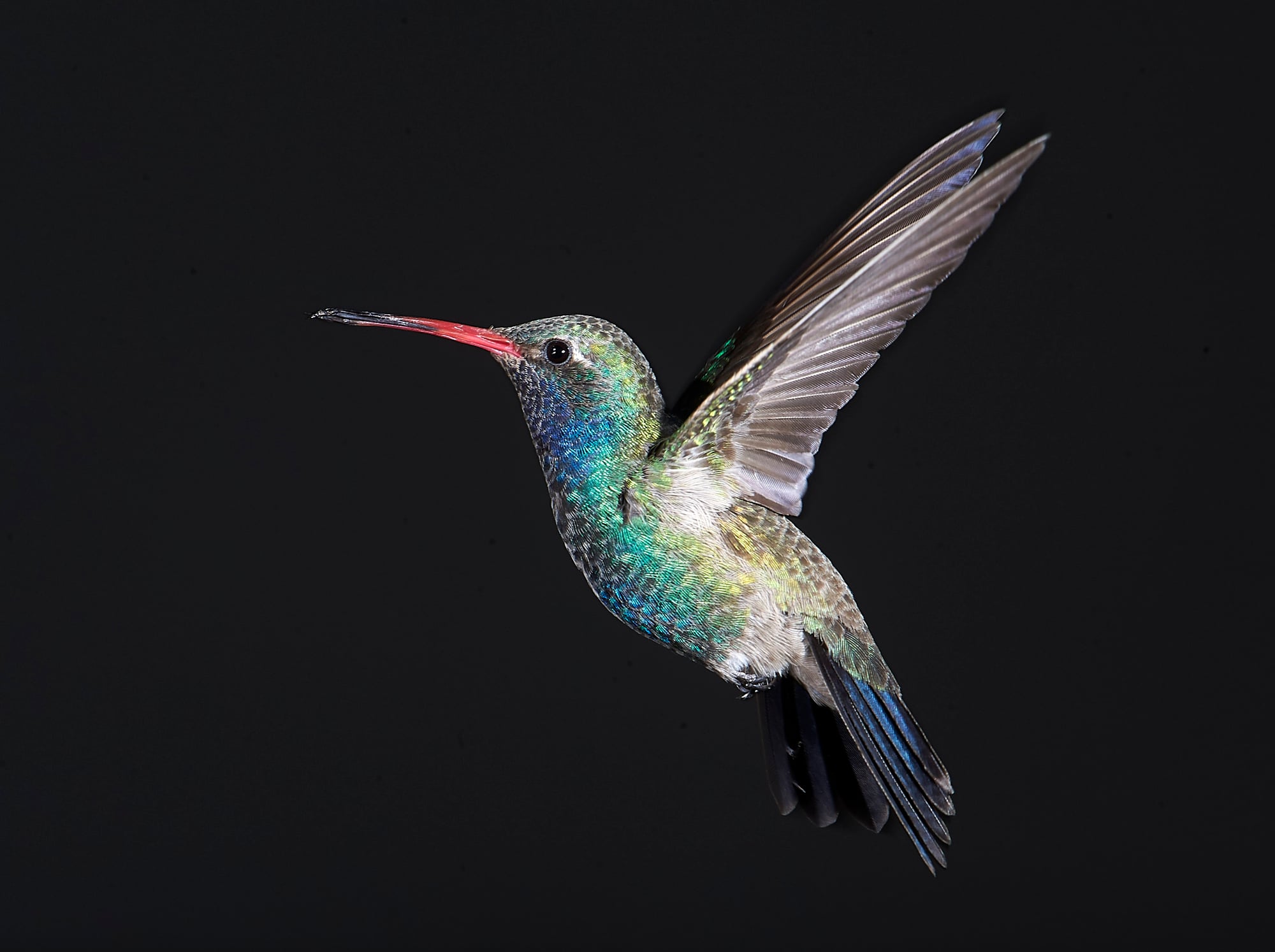
Broad-billed Hummingbirds have some of the most vibrant colors of any North American hummingbird species, with brilliant blue and green feathers. These birds live year-round in Mexico but visit Arizona during breeding season.
Their backwards flying ability is particularly smooth and controlled. They often hover in one spot for extended periods, then suddenly zip backwards several feet before darting forward again.
Buff-bellied Hummingbirds expand their range
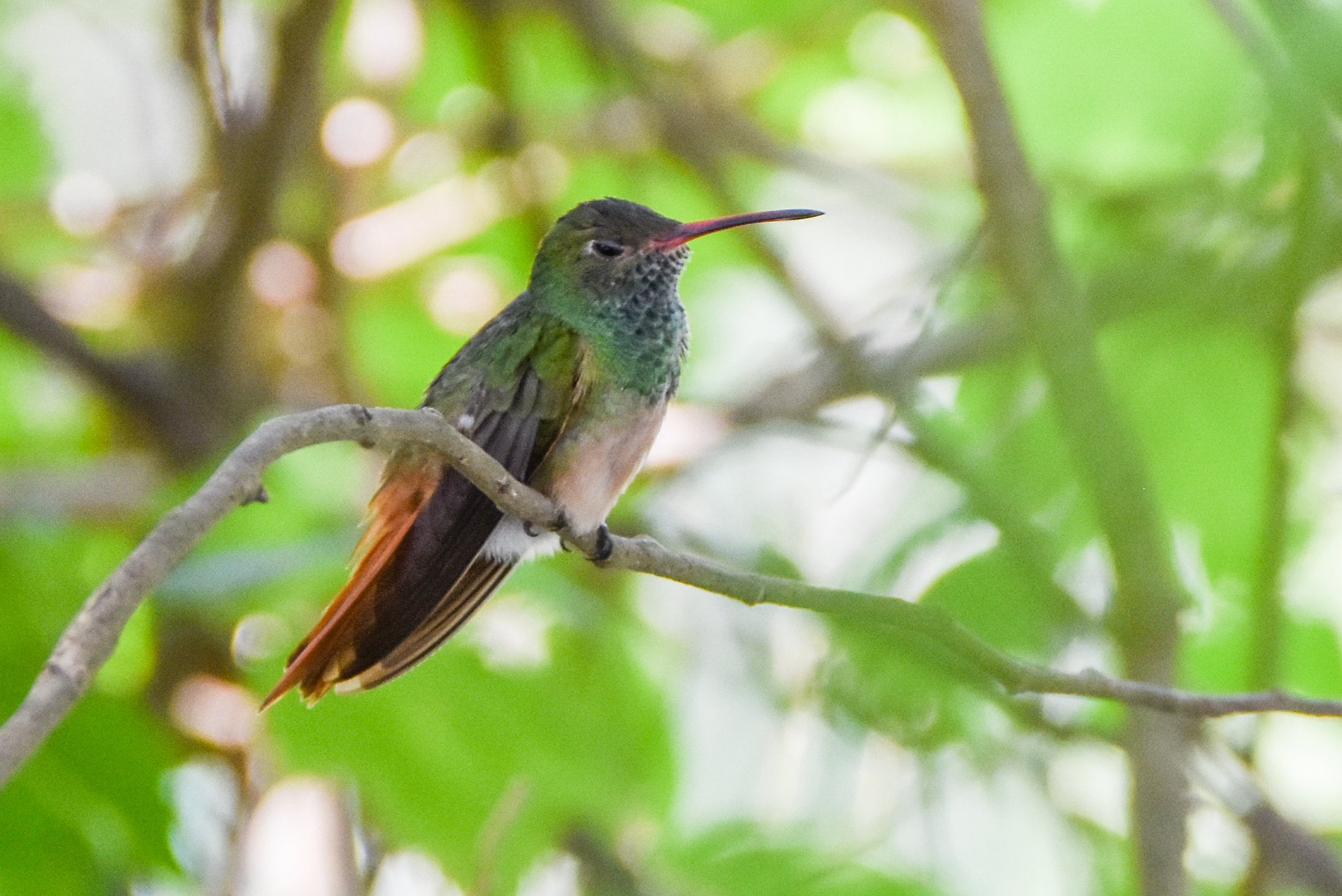
Buff-bellied Hummingbirds have been steadily expanding their range northward from Mexico into Texas and Louisiana. Unlike most hummingbirds, these birds have rusty-colored tails and greenish bellies rather than white underparts.
They feed on both flowers and small insects, using backwards flight to reposition between feeding spots. Some individuals now stay in coastal Texas year-round rather than migrating.
Violet-crowned Hummingbirds are rare visitors
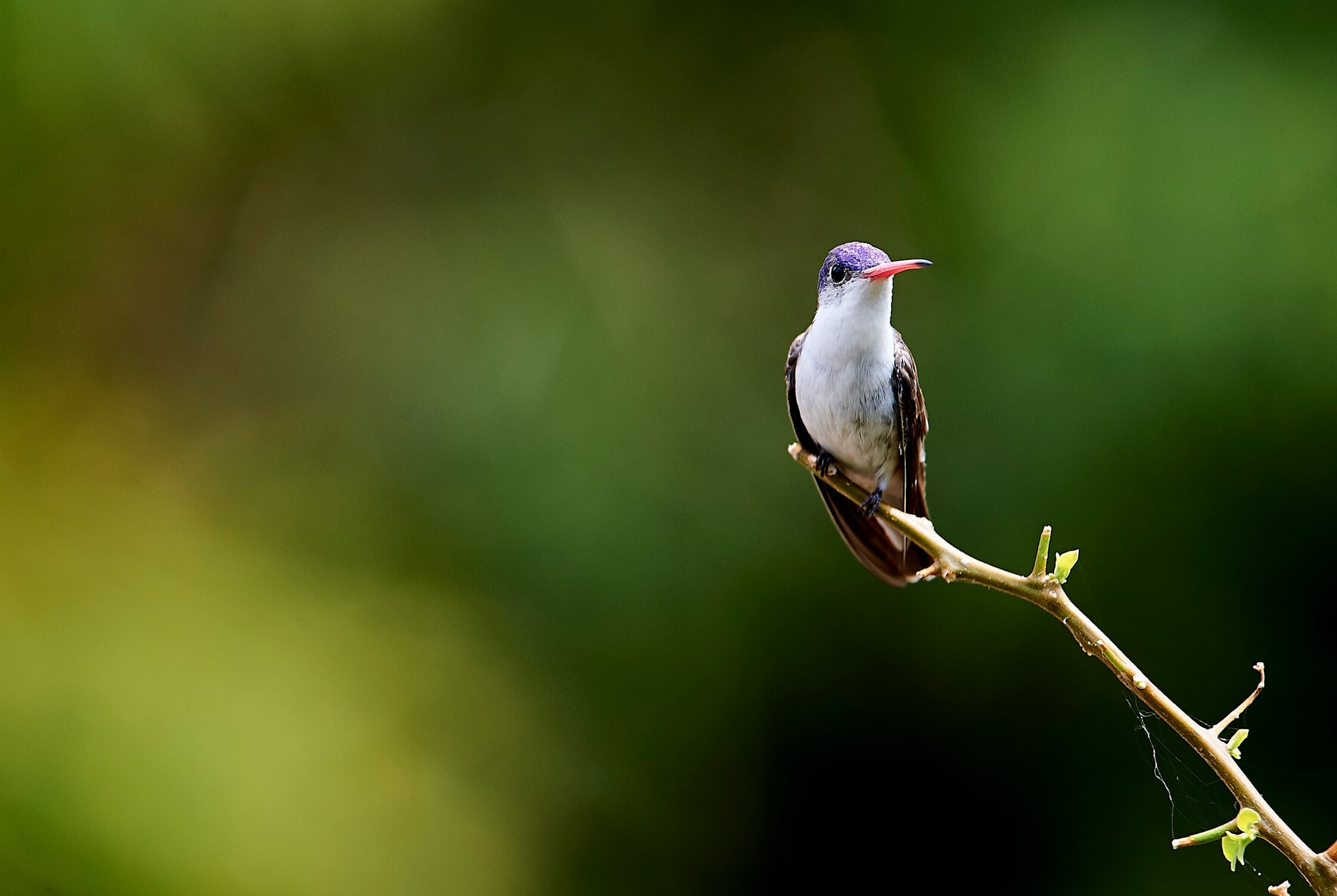
Violet-crowned Hummingbirds occasionally show up in southeastern Arizona and southwestern New Mexico. These birds have clean white underparts and bronze-green backs.
Their violet crowns catch the light beautifully. When they do appear north of the border, birdwatchers get excited because sightings are relatively uncommon.
Their backwards flight helps them investigate new territories as they slowly expand their range northward.
Wing structure makes the difference
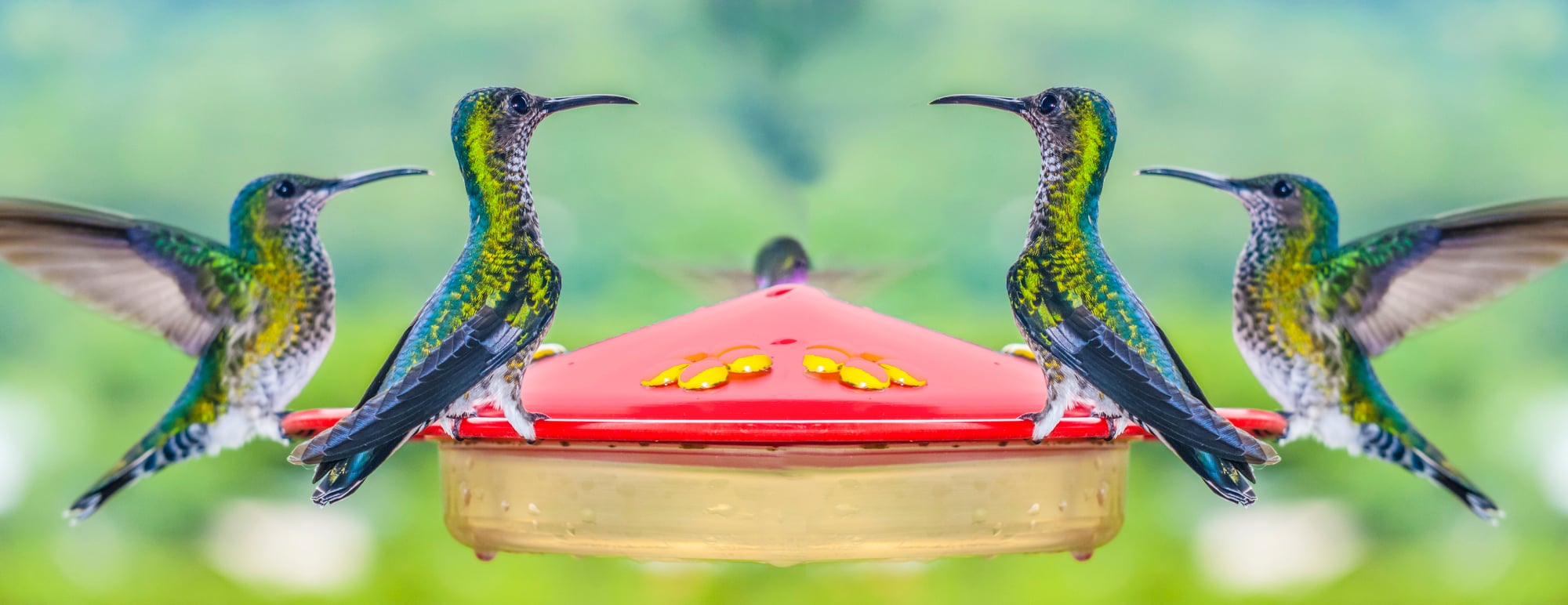
The secret to hummingbird backwards flight lies in their unique shoulder joint structure. While most birds can only move their wings up and down, hummingbirds can rotate their wings in almost any direction.
Their wings connect to their bodies only at the shoulder joint, and this joint allows for exceptional rotation. The wing bones are also shorter and stiffer than other birds, which helps with the precise control needed for backwards flight.
No other bird family has evolved this exact combination of features.
These tiny acrobats continue to amaze
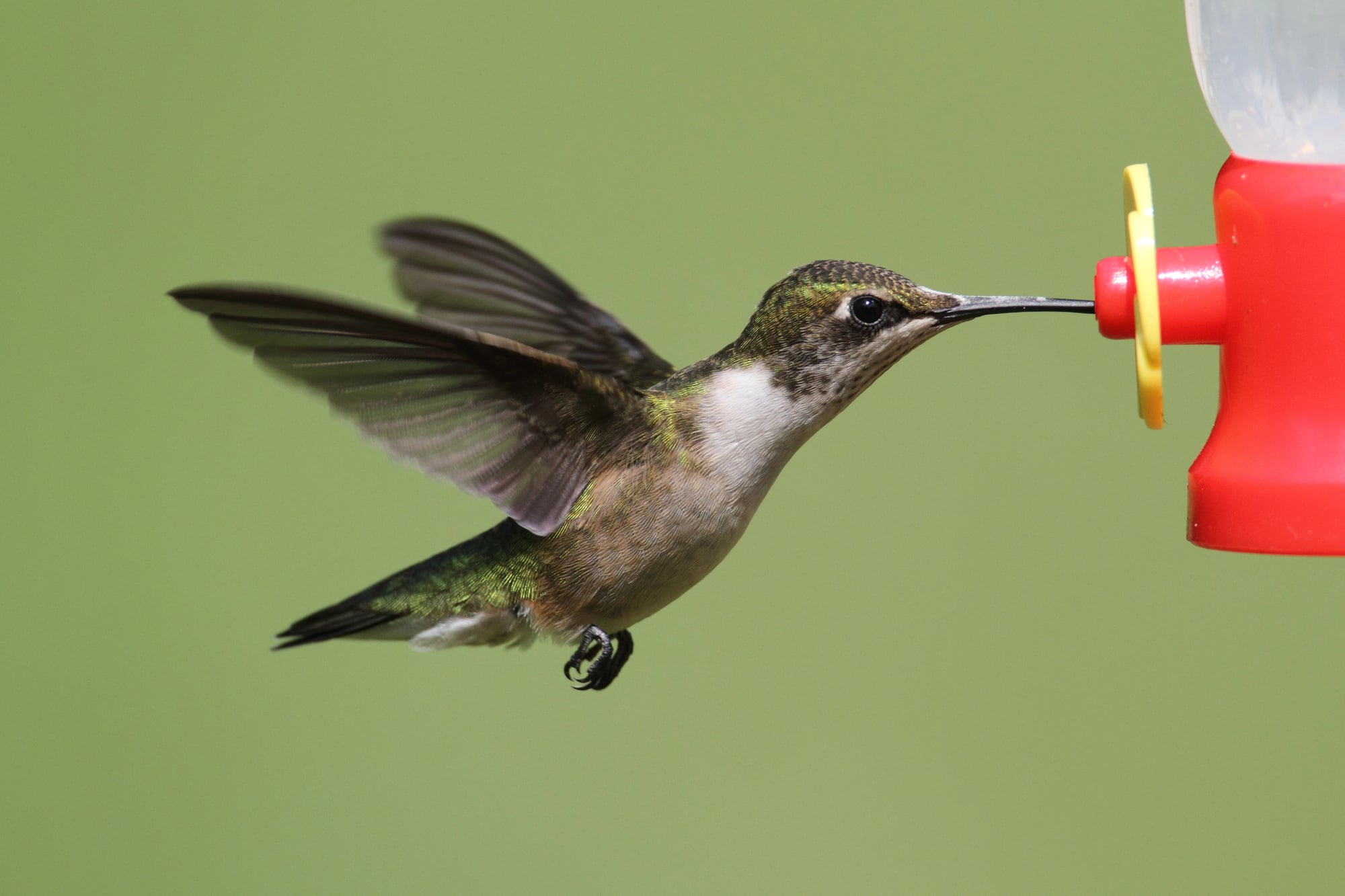
Watching a hummingbird zip backwards from a flower or hover perfectly still in mid-air never gets old. These remarkable birds have pushed the boundaries of what flight can be, developing abilities that seem almost impossible for something so small.
Whether they’re defending territories, courting mates, or simply grabbing a quick meal, their backwards flight gives them an edge that no other bird possesses. The next time one visits a garden or feeder, take a moment to appreciate just how extraordinary their flying skills really are.
More from Go2Tutors!

- The Romanov Crown Jewels and Their Tragic Fate
- 13 Historical Mysteries That Science Still Can’t Solve
- Famous Hoaxes That Fooled the World for Years
- 15 Child Stars with Tragic Adult Lives
- 16 Famous Jewelry Pieces in History
Like Go2Tutors’s content? Follow us on MSN.



