Towns With the Strangest Beginnings
Every town has a story about how it started. Some began because people found gold, others because a railroad stopped there.
But scattered across America are places that came into existence for reasons that defy all logic. These aren’t your typical settlements founded on practical decisions or smart planning.
These are towns born from bizarre accidents, strange bets, and ideas so unusual that it’s hard to believe anyone thought they’d work. Let’s take a look at some of the most peculiar town origins you’ve ever heard of.
Accident, Maryland
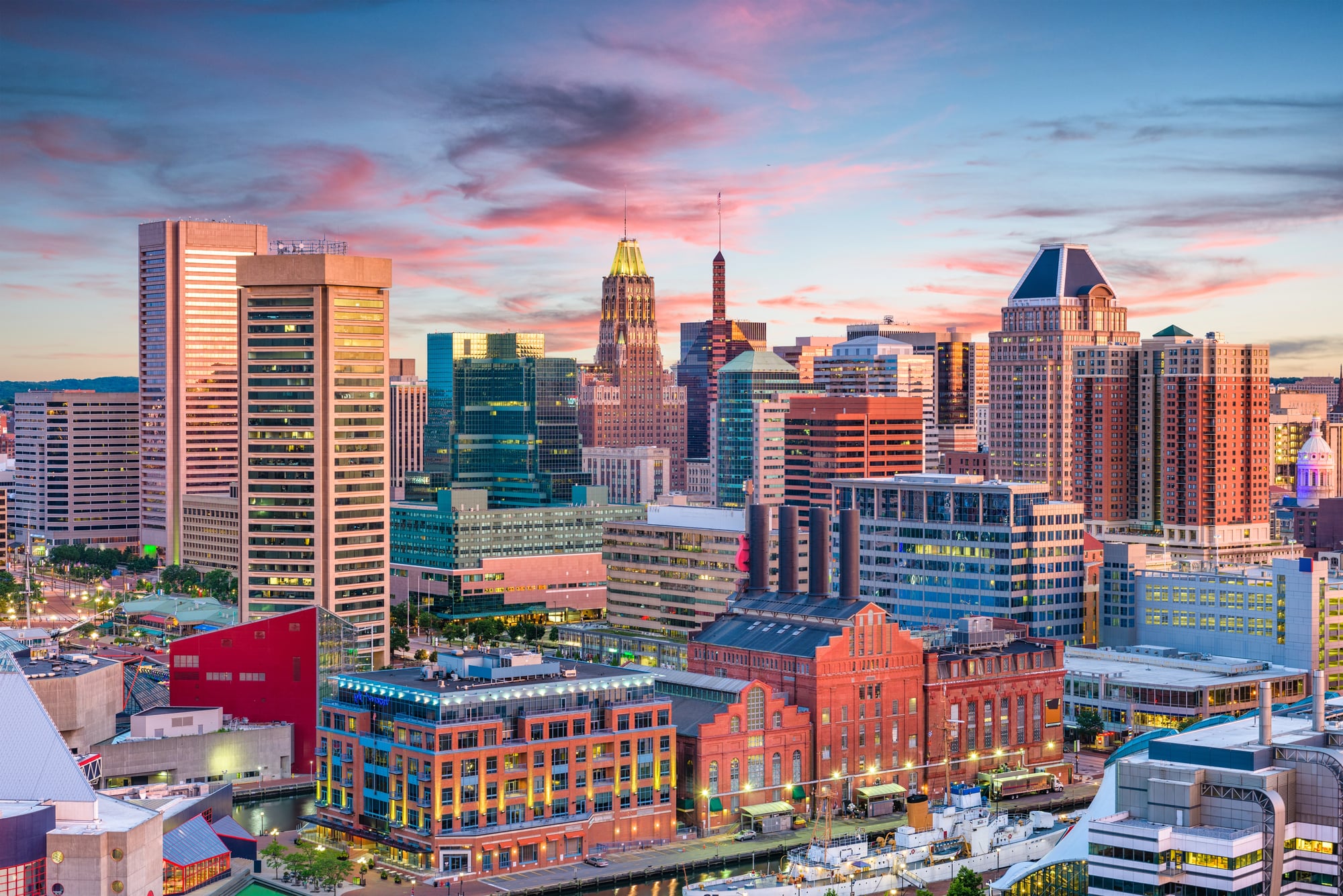
This town earned its name from the most literal source imaginable. Back in 1774, a surveyor named George Deakins received two land grants in western Maryland.
He didn’t realize the boundaries overlapped until he started marking them out. The accidental overlap became known as ‘The Accident Tract,’ and when people started living there, they just kept the name.
Today, around 300 people call Accident home, and they’ve fully embraced the quirky identity that comes with living somewhere founded on a mapping mistake.
Why, Arizona
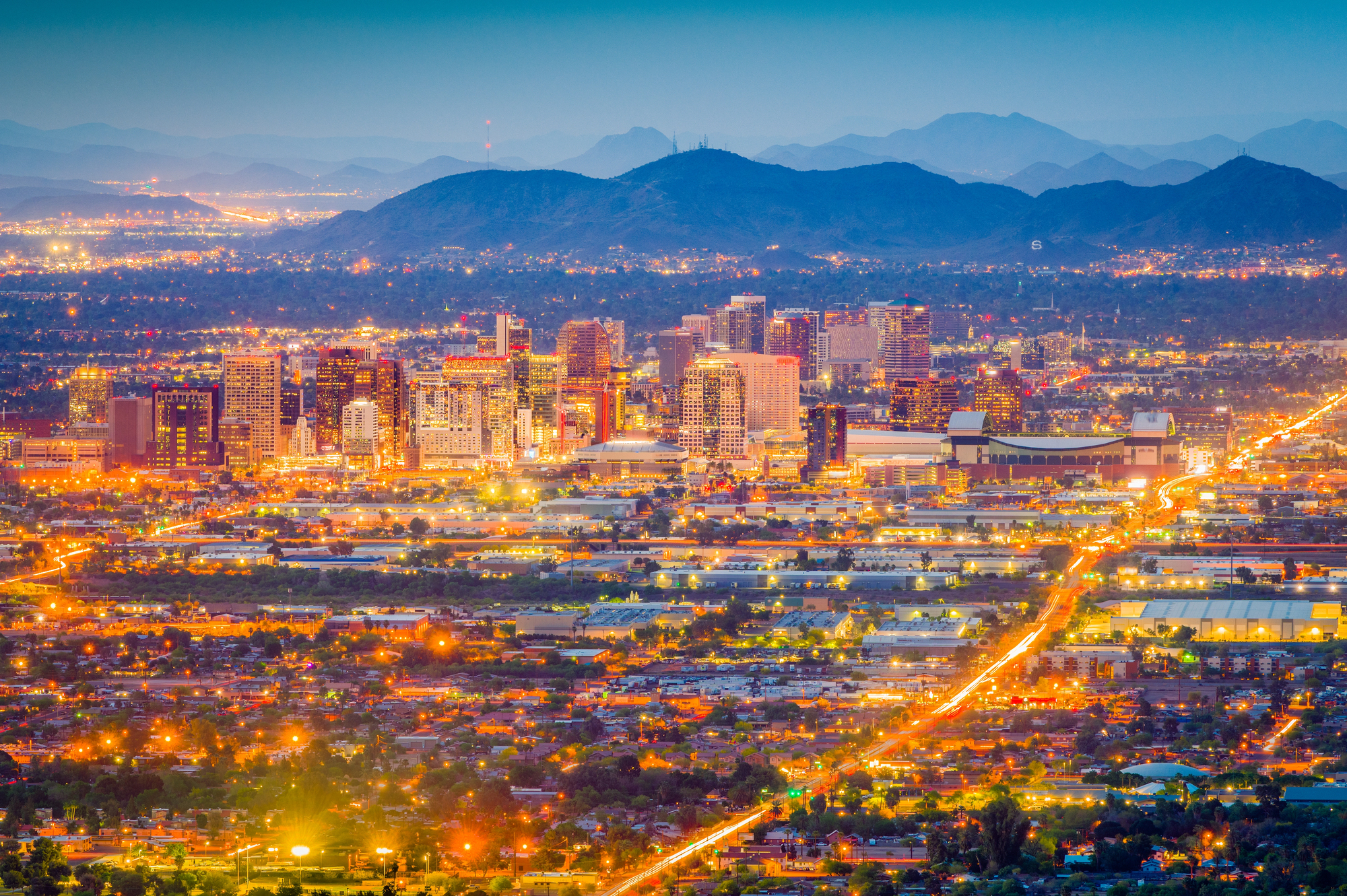
The founders of this tiny Arizona crossroads couldn’t agree on a name. They argued back and forth until someone finally asked, ‘Why don’t we just call it Y?’ They were referring to the Y-shaped intersection where two highways met.
The name stuck, though the spelling changed to ‘Why’ when state officials said all place names needed at least three letters. Now this desert community of about 100 residents proudly displays a giant question mark on their welcome sign.
George, Washington
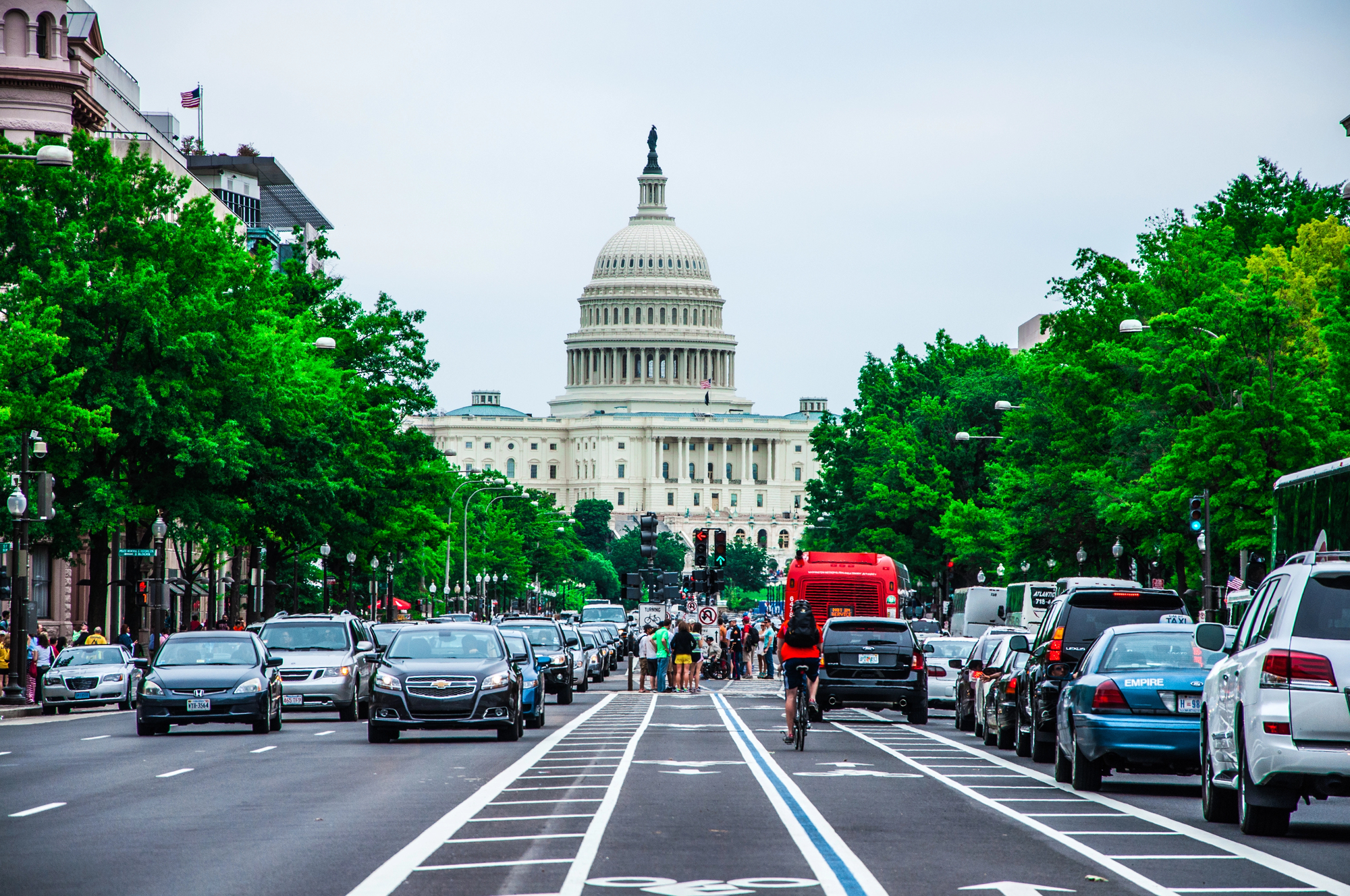
A lawyer named Charlie Brown bought 2,000 acres of land in central Washington during the 1950s. He wanted to create a town with patriotic street names and decided to name it after the first president.
The streets got names like Martha, Eisenhower, and Montecito, though that last one doesn’t quite fit the theme. Brown had grand visions of George becoming a major city, but it never grew beyond a small rural community with a population that hovers around 500.
Boring, Oregon
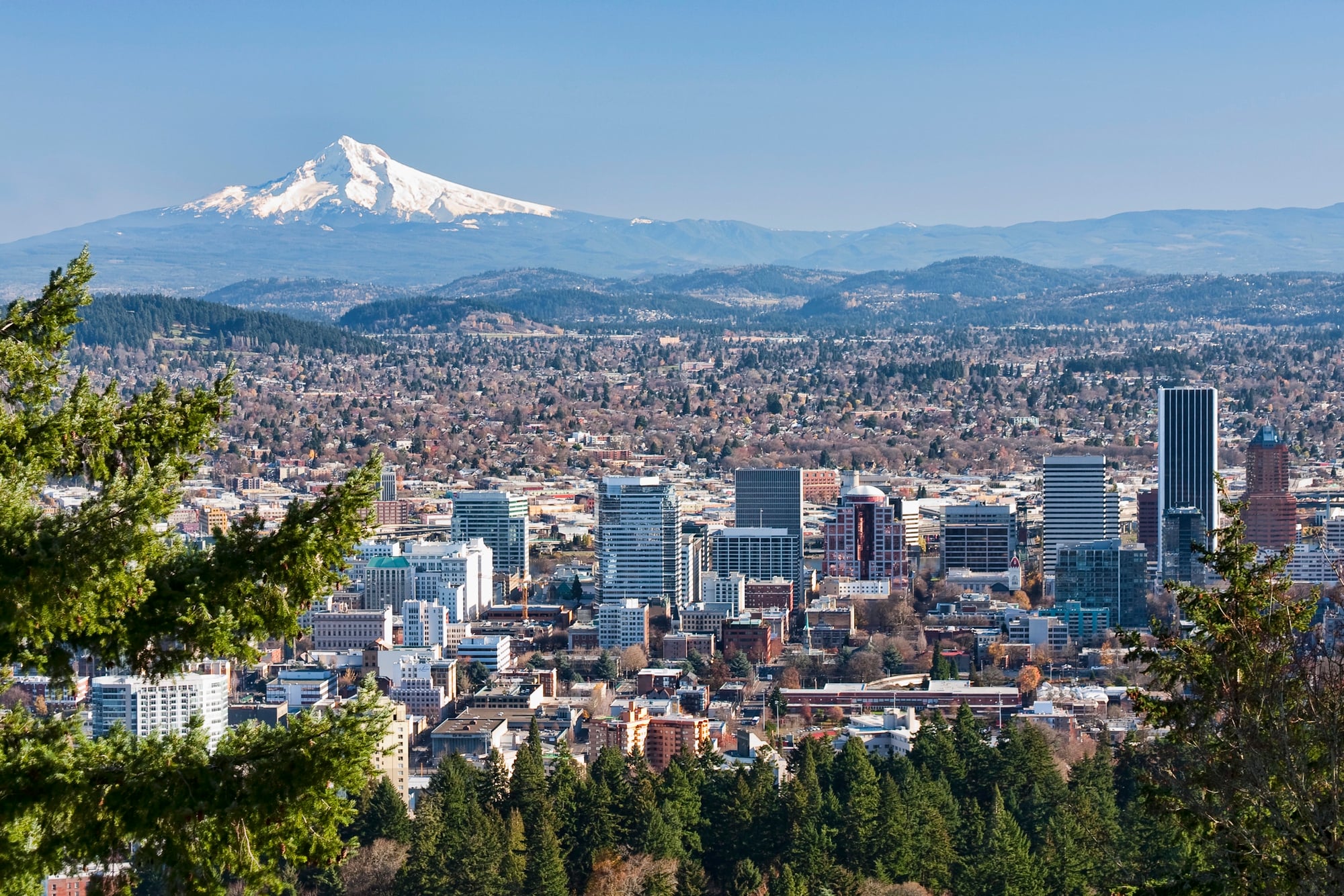
Nobody set out to create a town with such an uninspiring name. William H. Boring was a Civil War veteran who moved to Oregon and started farming the land in the 1870s.
The community that grew around his farm eventually took his family name. The residents have made peace with their unfortunate town name by forming a friendship with Dull, Scotland, and Bland, Australia.
These three places now celebrate their boring, dull, and bland identities together.
Truth or Consequences, New Mexico
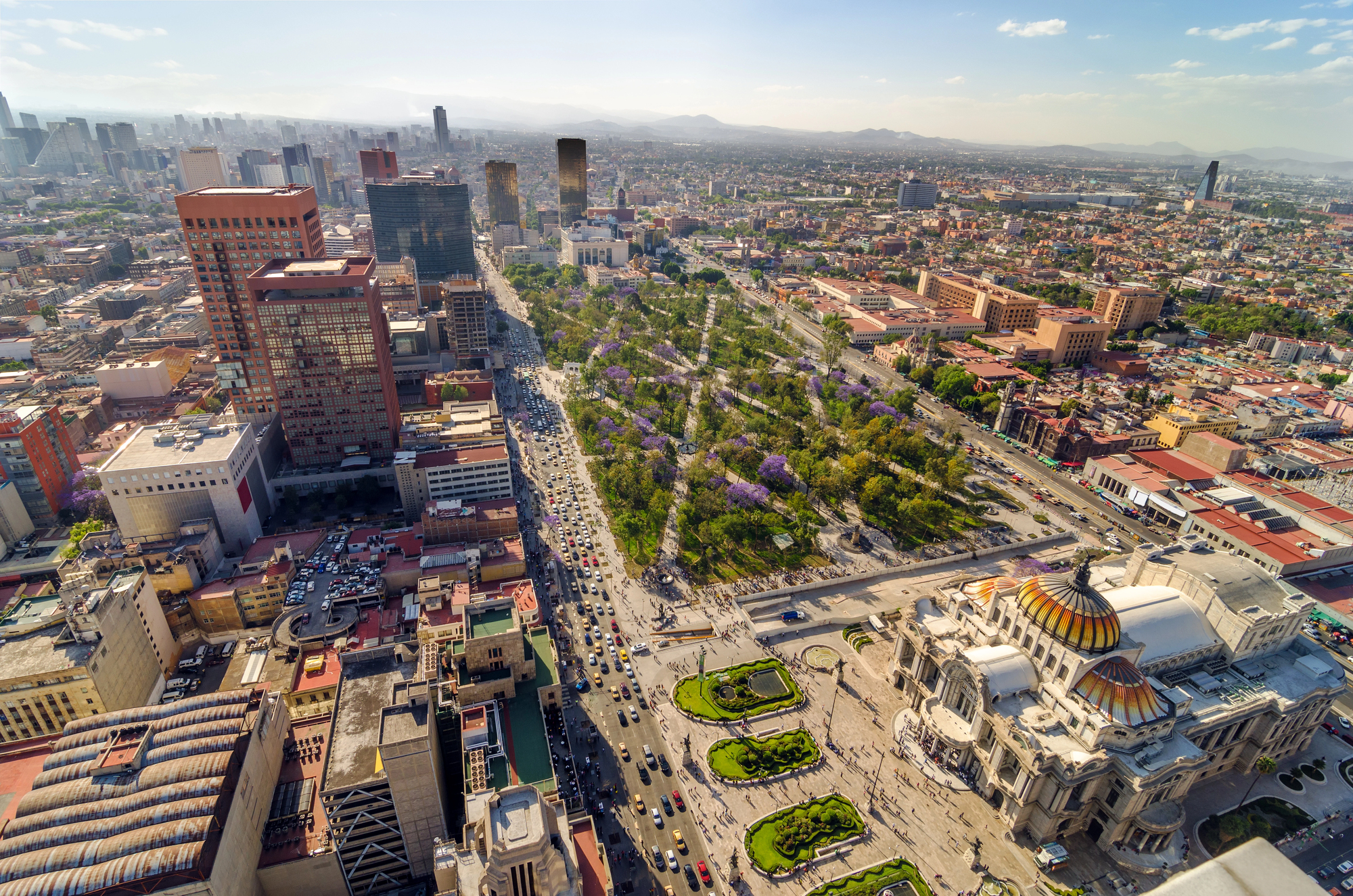
Hot Springs, New Mexico had been around since the 1800s when a radio show host made an unusual offer in 1950. Ralph Edwards, who hosted a program called ‘Truth or Consequences,’ promised to broadcast his show from any town that would rename itself after the program.
Hot Springs took him up on it, and the name change became official. Edwards visited the town every year for the next 50 years to celebrate, and the 6,000 residents still live with the longest town name in America.
Ding Dong, Texas
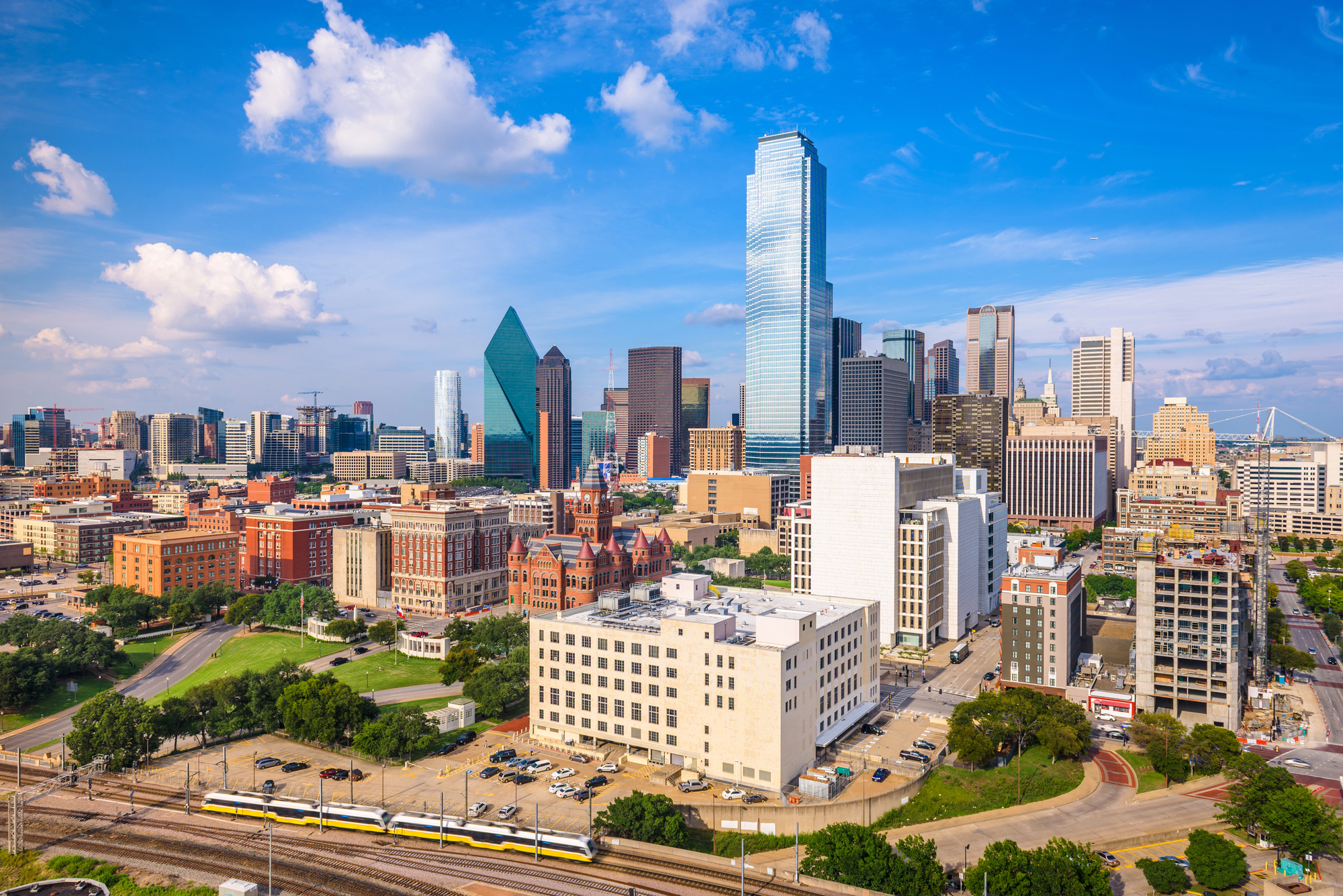
A store owner hung two bells at the entrance of his shop in central Texas during the 1930s. C.C. Hoover and his nephew Zulis Bell ran the general store and painted the bells with the words ‘Ding’ and ‘Dong.’
The small community around the store adopted the name, though it never officially incorporated. Today it’s more of a rural area than an actual town, but the name lives on through road signs and the historical markers that commemorate those original bells.
Toad Suck, Arkansas
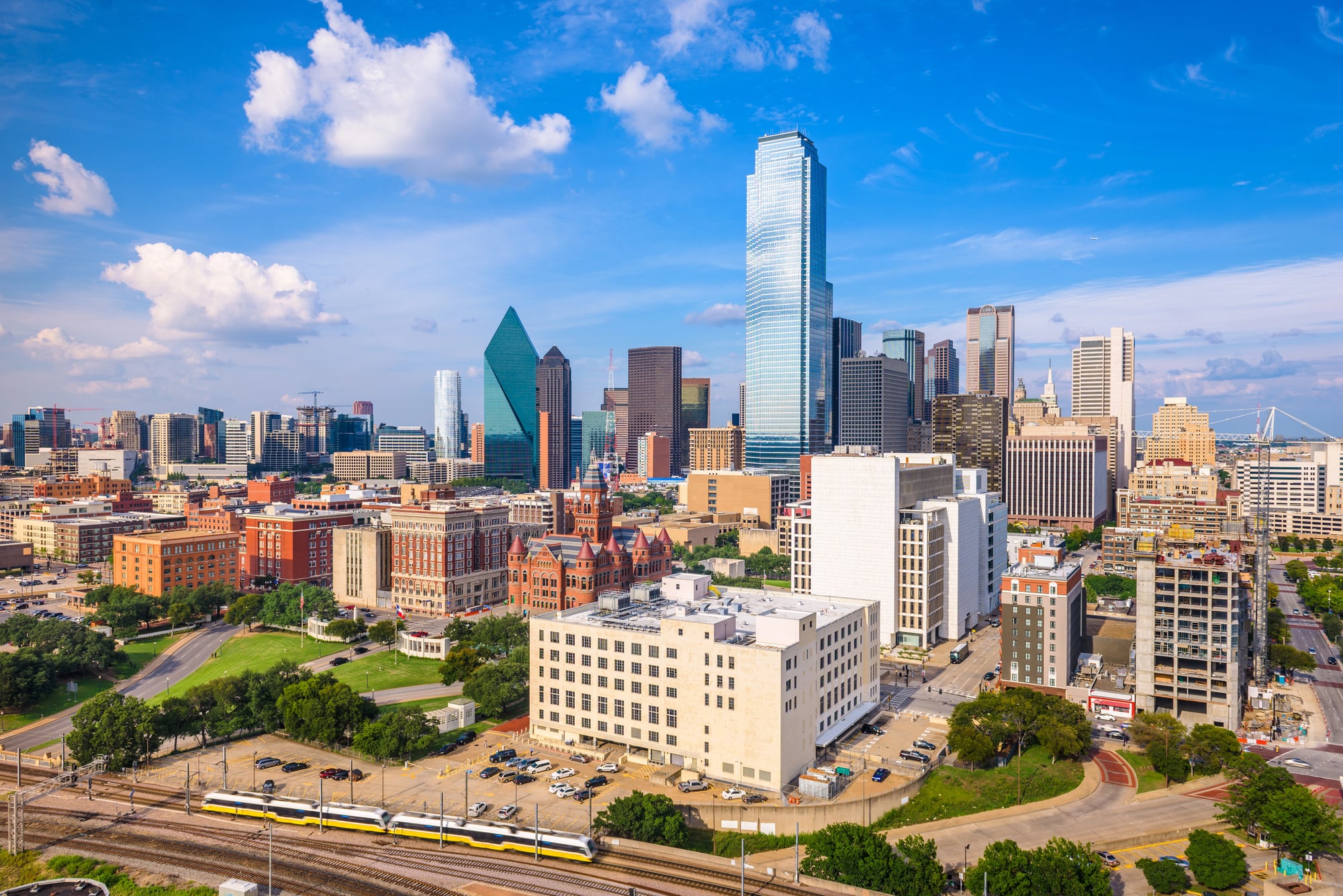
This community along the Arkansas River got its colorful name from riverboat workers in the 1800s. When boats couldn’t travel due to low water levels, the crews would stop at the local tavern and drink until they ‘swelled up like toads.’
The locals started calling the area Toad Suck, and the name became official. The town now hosts an annual Toad Suck Daze festival that draws thousands of visitors who want to see the place with the funny name.
Chicken, Alaska
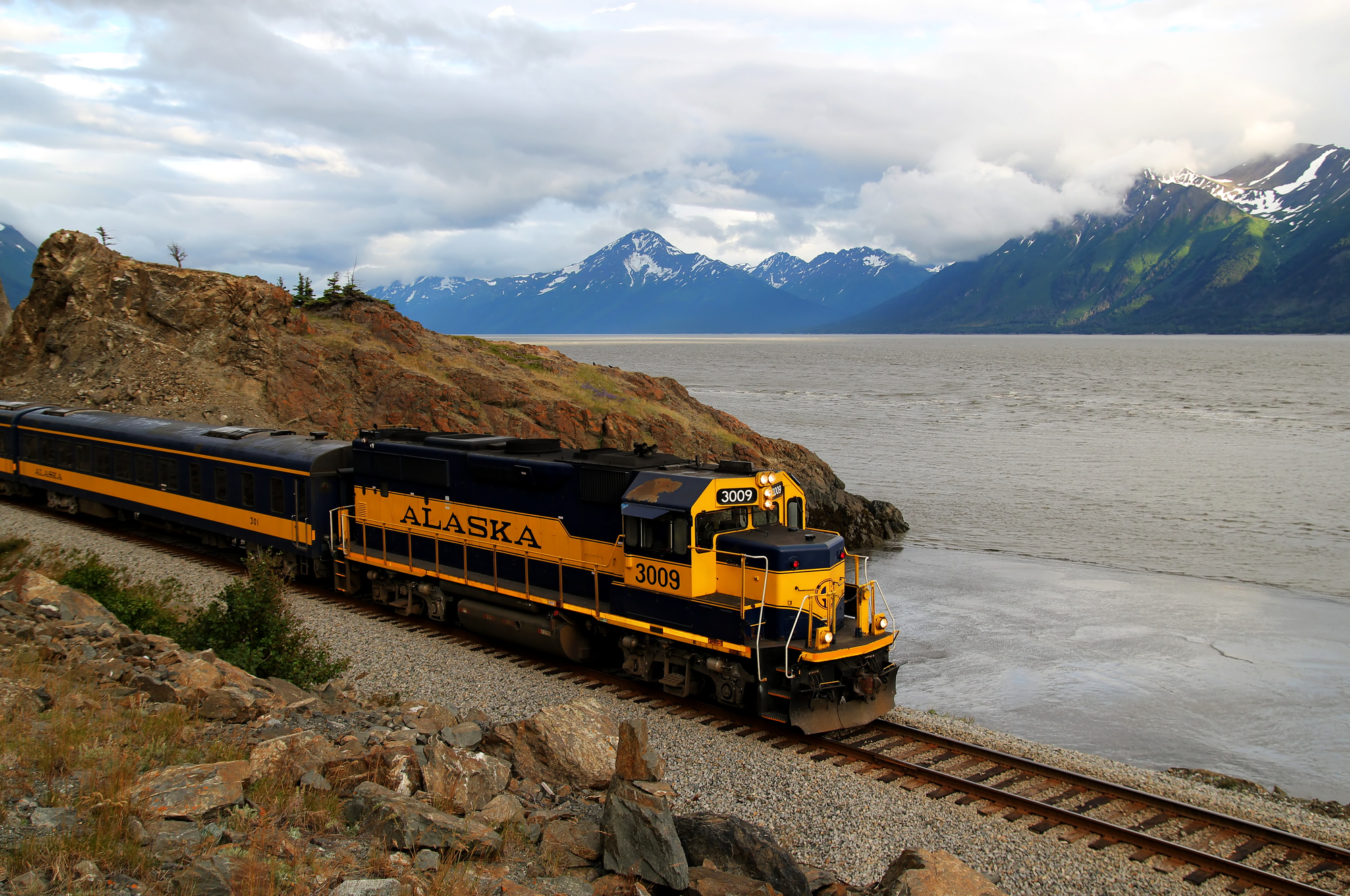
Gold miners in Alaska wanted to name their settlement after the ptarmigan birds they hunted for food. But nobody could agree on how to spell ‘ptarmigan,’ and they worried about looking foolish if they got it wrong.
So they settled on Chicken instead, since everyone knew how to spell that. The town became a mining camp in 1902 and still exists today with about 17 full-time residents who embrace their fowl-named home.
Slaughterville, Oklahoma
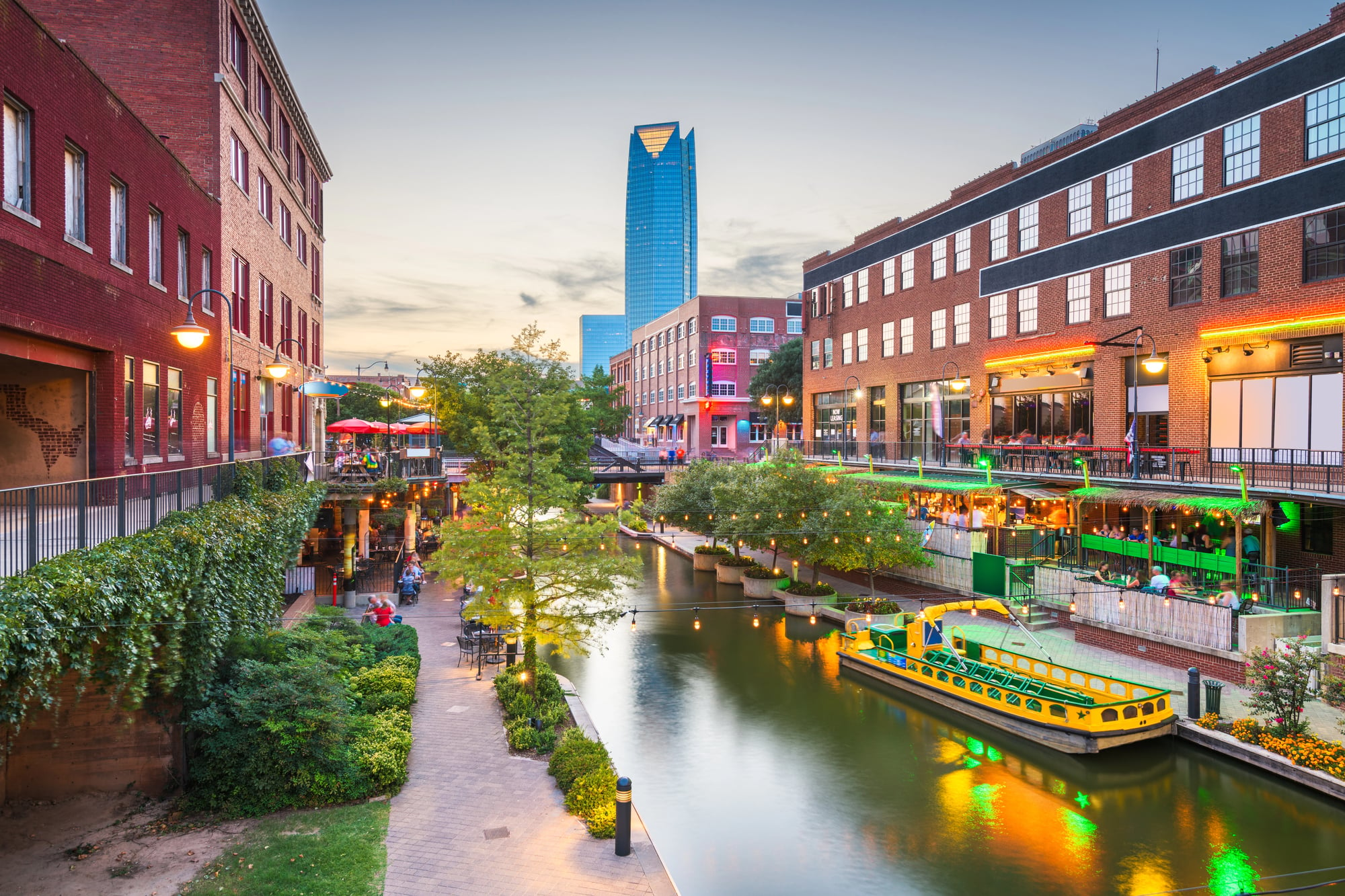
A man named James Slaughter opened a general store in this area south of Oklahoma City in 1886. The post office established there took his name, adding ‘ville’ to the end to make it official.
Despite the somewhat grim-sounding name, nothing particularly violent happened here. The 4,000 people who live in Slaughterville today mostly just deal with the constant jokes about their town’s unfortunate title.
No Name, Colorado
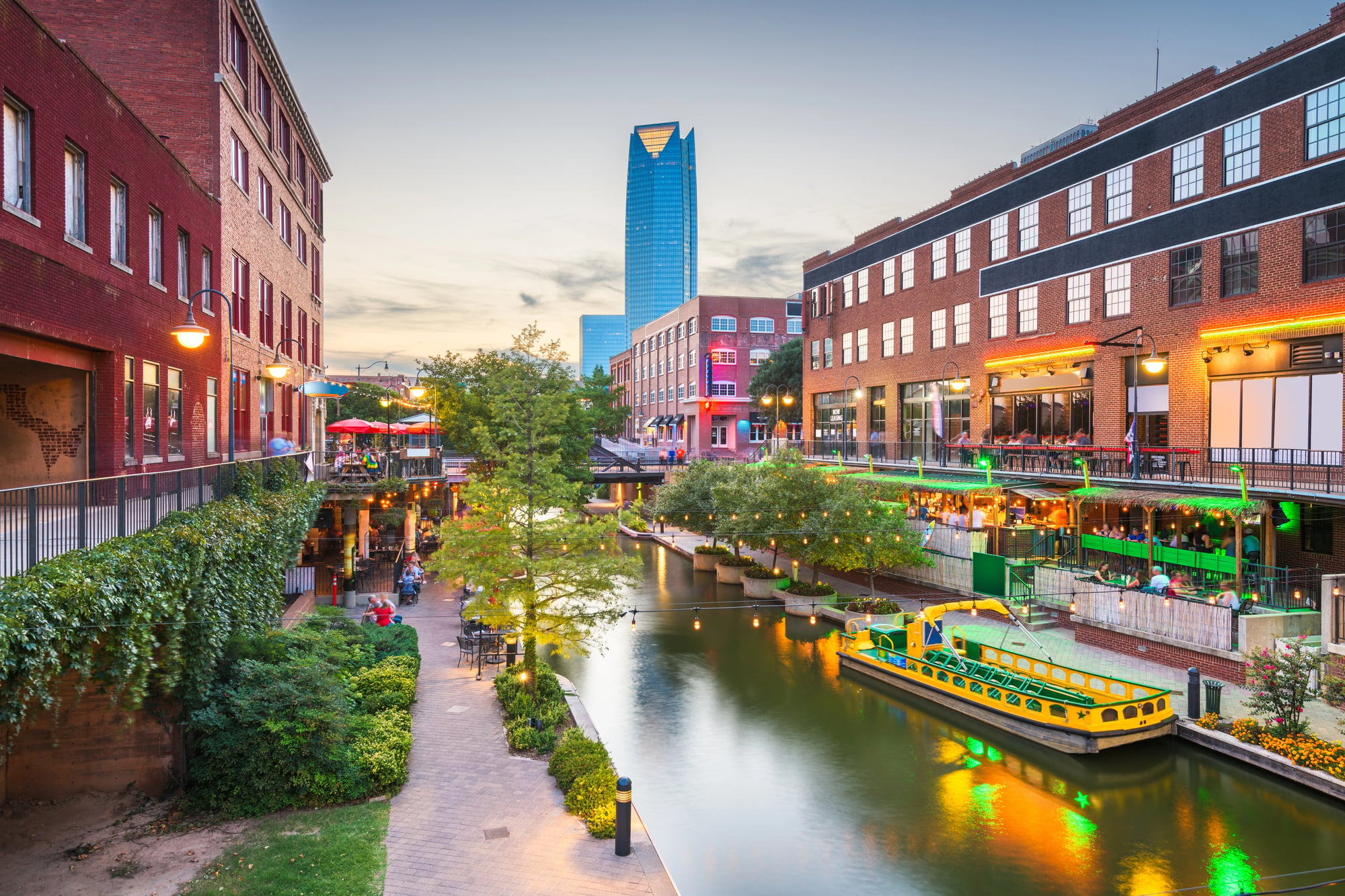
The Colorado Department of Transportation needed to identify an exit on Interstate 70 for administrative purposes. Since the nearby canyon didn’t have an official name, someone wrote ‘No Name’ on the paperwork as a placeholder.
The temporary label became permanent when the signs went up, and now the exit leads to a place actually called No Name. A small community has formed around the area, and they’ve turned the accidental name into a point of pride.
Two Egg, Florida
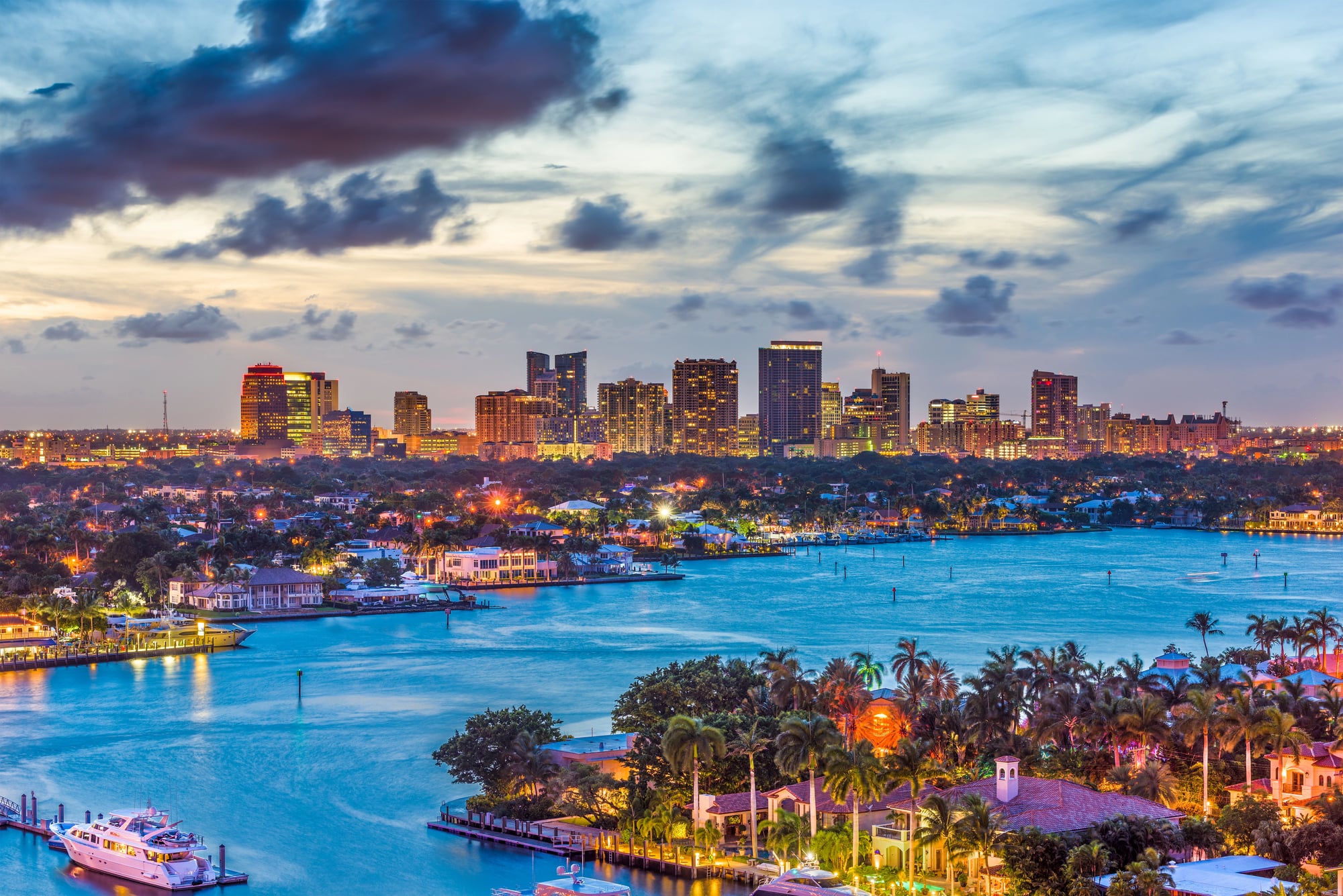
Stories differ about how this Florida panhandle community got its unusual name. Some say it came from two boys who could only afford to trade eggs for candy at the local store during the Depression.
Others claim a merchant would accept two eggs as payment when customers didn’t have cash. Either way, the town embraced the agricultural origin story.
Two Egg never incorporated officially, but the name appears on maps and road signs throughout the region.
Nothing, Arizona
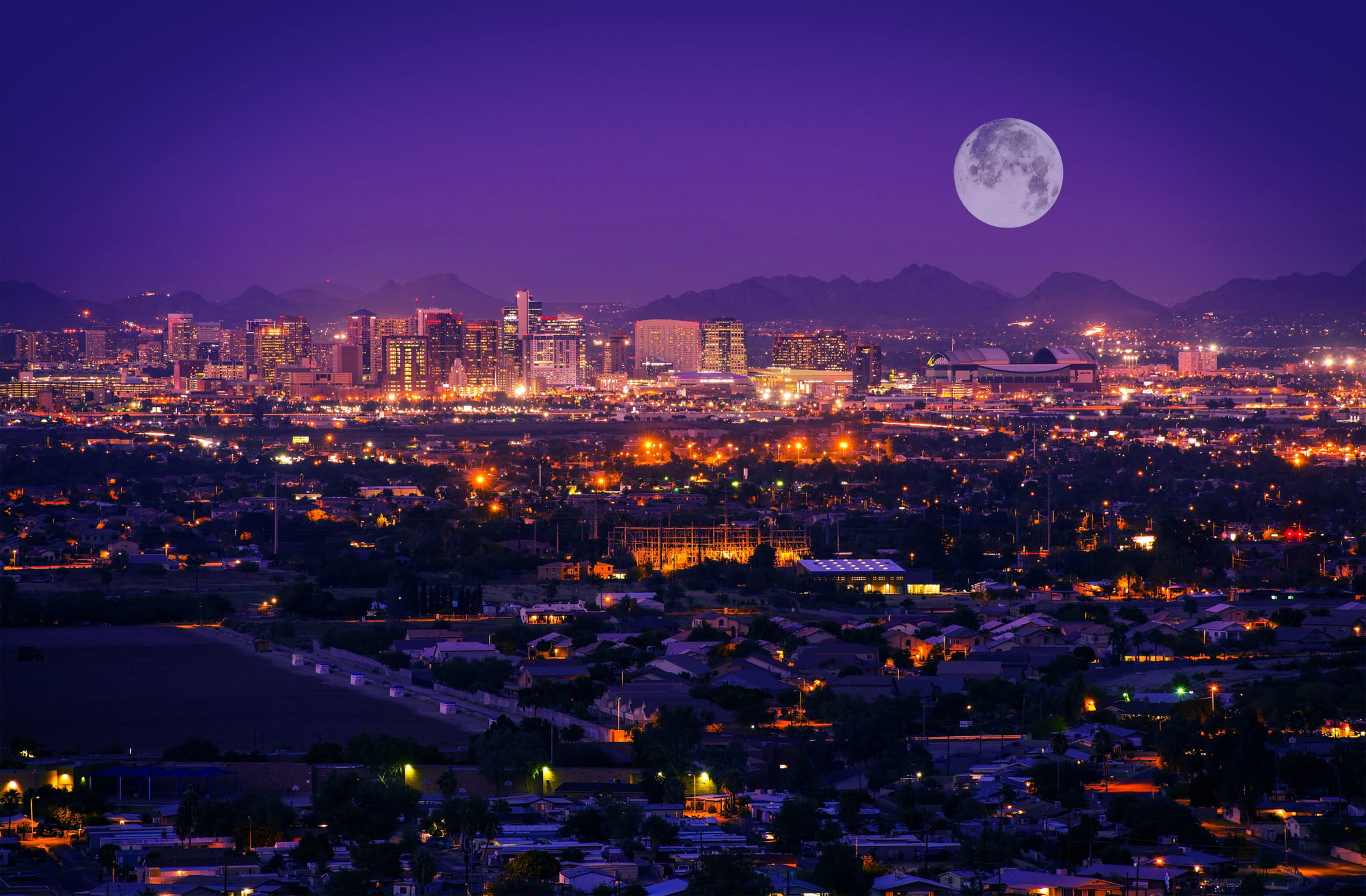
A group of investors bought land in the Mojave Desert during the 1970s with dreams of building a big retirement community. They put up a few buildings, including a gas station and a garage, but the development never took off.
Someone hung a sign that said ‘Nothing’ on one of the abandoned structures, and the name became legendary among travelers on Highway 93. The location changes hands every few years, but the name remains.
Uncertain, Texas
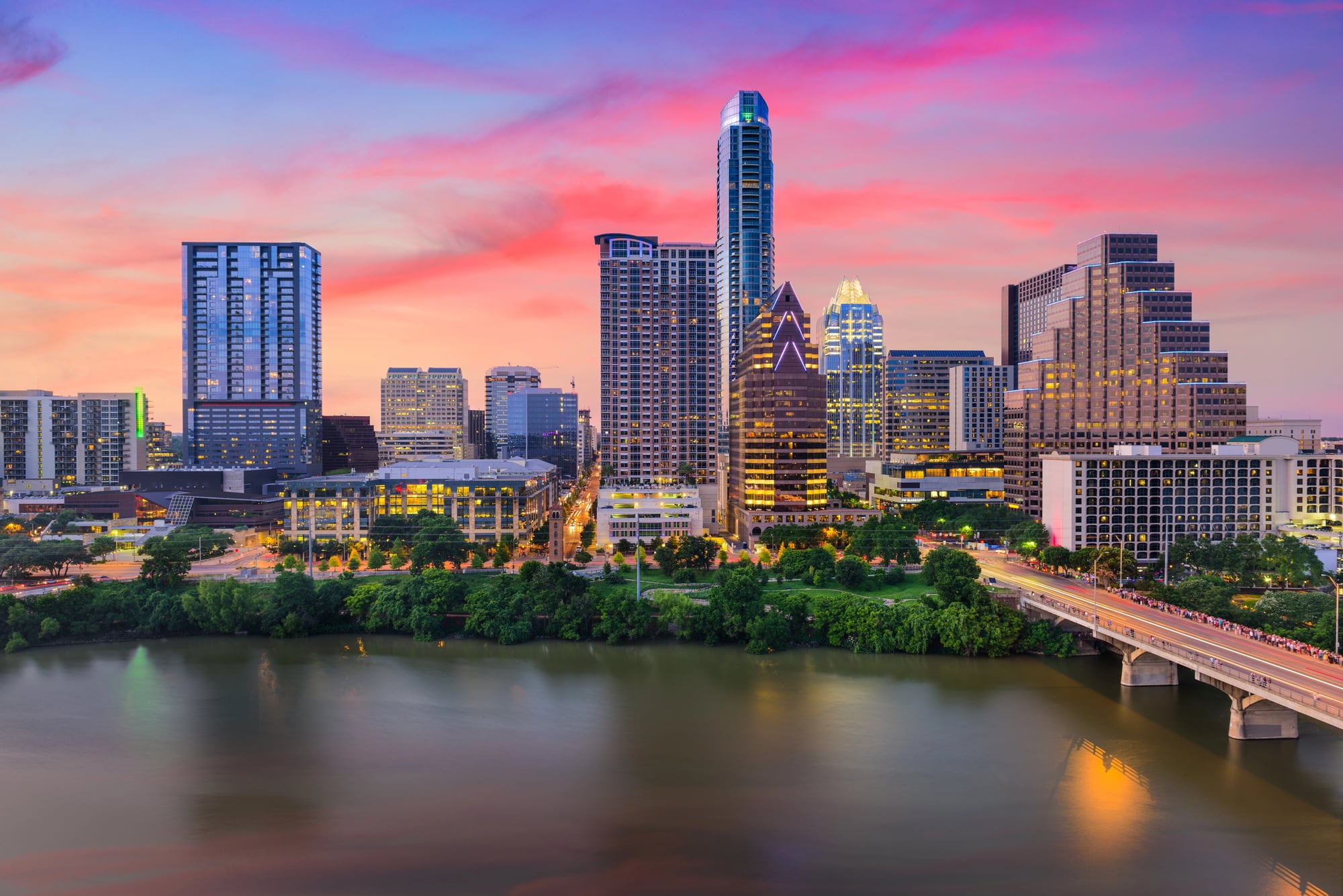
The true origin of this name remains unclear, which seems fitting. Some residents say surveyors couldn’t determine whether the land belonged to Texas or Louisiana, so they marked it as ‘uncertain.’
Others claim steamboat captains used the term because the shallow waters of Caddo Lake made navigation unpredictable. About 100 people live in Uncertain now, and they’ve learned to appreciate the irony of their town’s identity crisis.
Santa Claus, Indiana
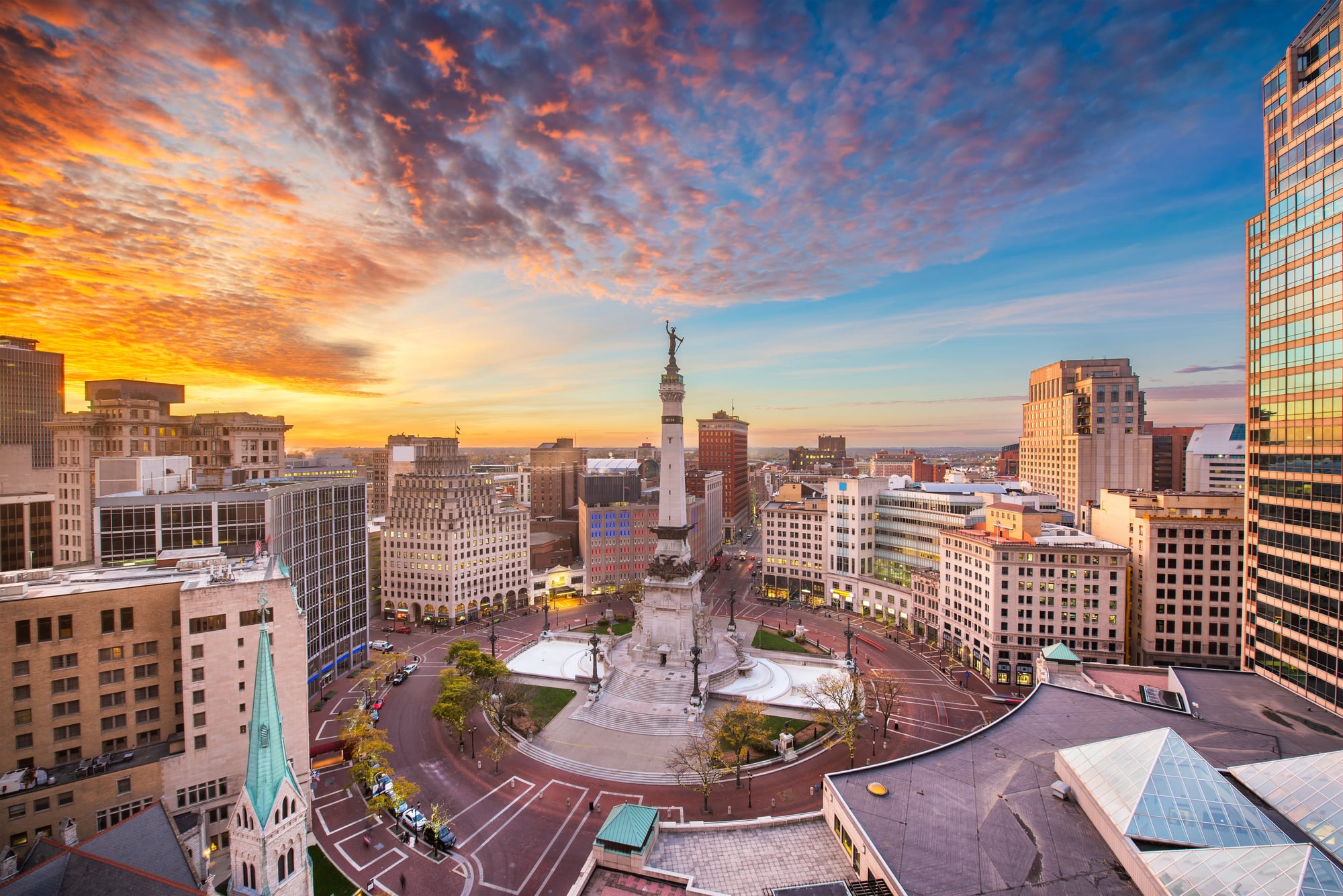
A small town in southern Indiana needed a new name when the post office rejected their first choice in 1856. They held a meeting on Christmas Eve to decide what to call themselves.
During the discussion, children in the building started talking about Santa Claus, and someone suggested they use that name. The town became a Christmas-themed destination, complete with a special post office that handles thousands of letters to Santa every year.
Rough and Ready, California
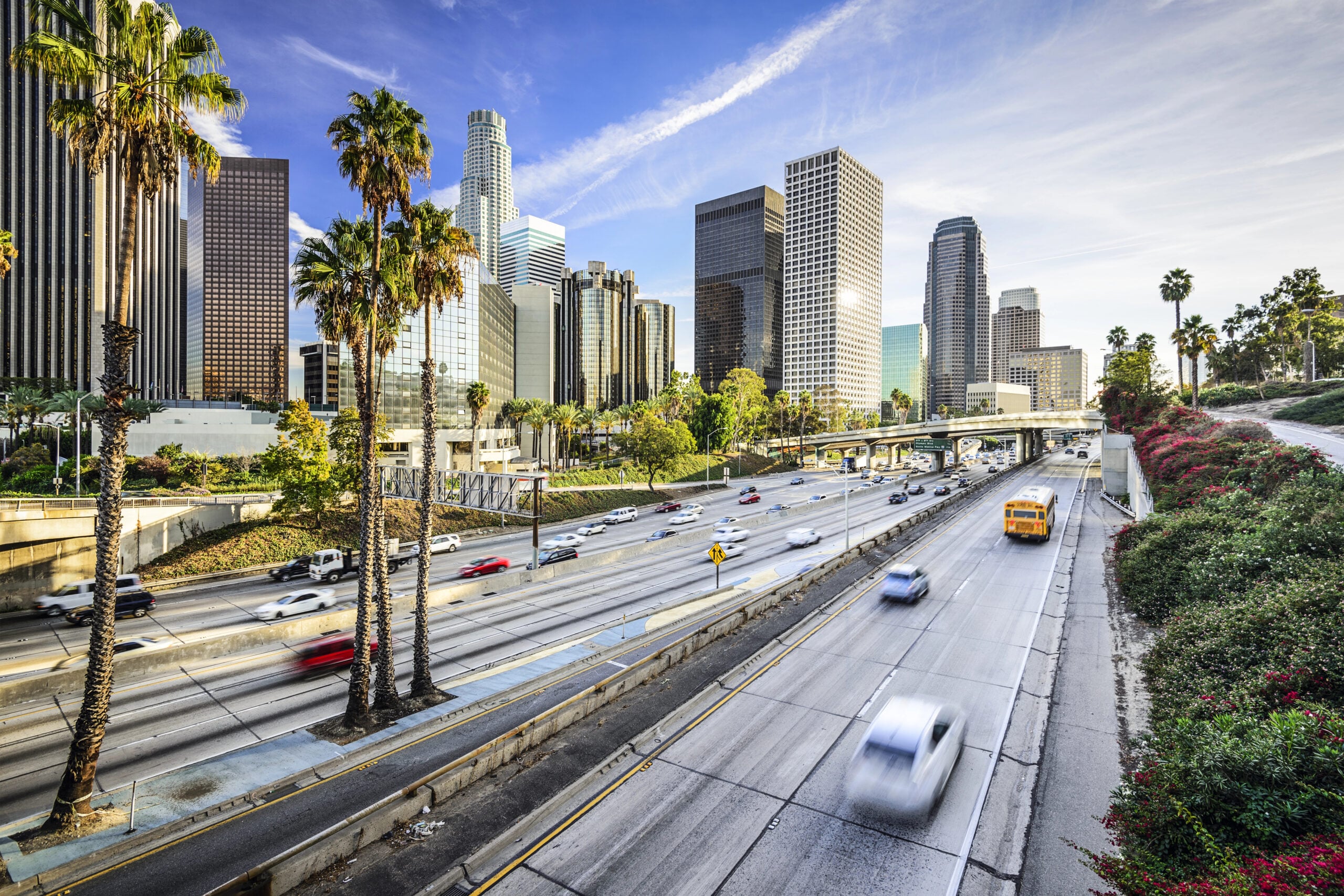
Gold miners from Wisconsin arrived in California in 1849 and formed a mining company called the Rough and Ready Company. They named it after General Zachary Taylor, whose nickname was ‘Old Rough and Ready.’
The town grew so quickly that residents declared independence from the United States in 1850, calling themselves the Great Republic of Rough and Ready. The rebellion lasted three months before they rejoined the Union, mostly so they could celebrate the Fourth of July.
Dinosaur, Colorado
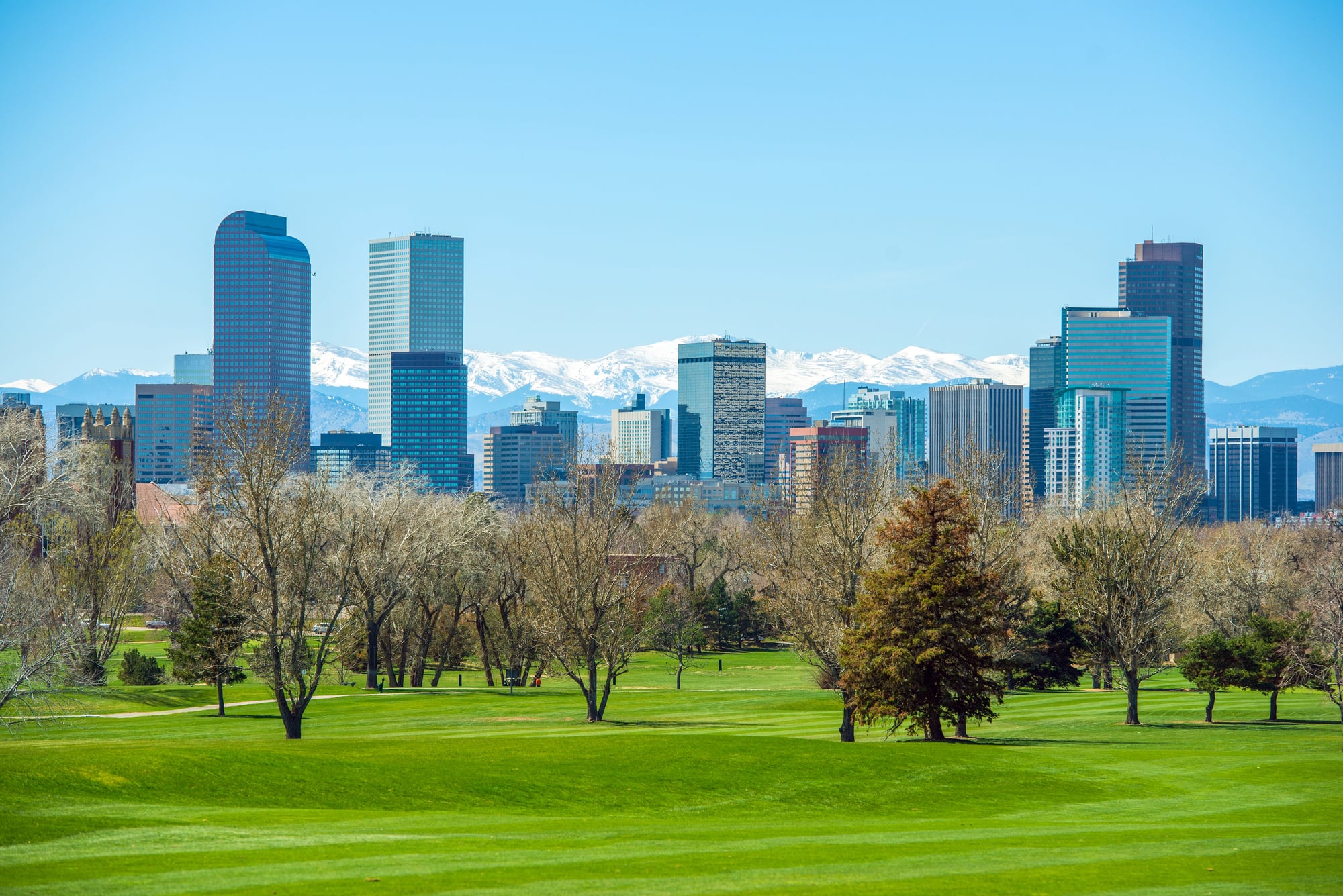
This western Colorado town started as Artesia, a name nobody found particularly interesting. In 1966, the town council voted to change the name to Dinosaur to attract tourists heading to the nearby Dinosaur National Monument.
The publicity stunt worked better than anyone expected. The town got national attention, and even though only about 300 people live there, tourists stop regularly to take photos with the dinosaur statues scattered throughout the streets.
Whynot, North Carolina
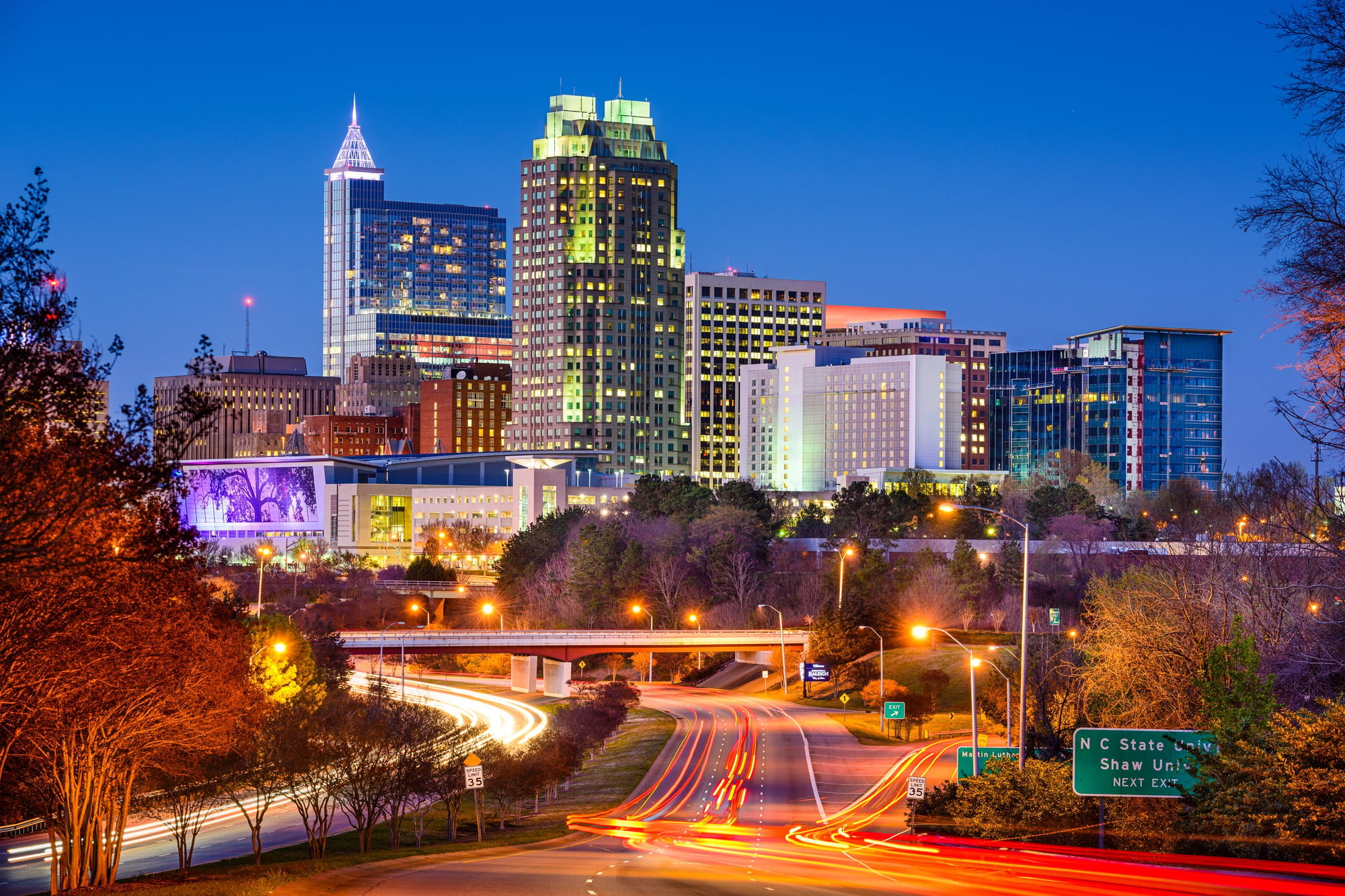
Local legend says the community got tired of arguing about what to name their new post office. Someone finally said, ‘Why not just name it Why Not?’ and everyone agreed to end the debate.
The name appeared on maps by the early 1900s, though the post office itself has long since closed. Only about 300 people live in Whynot now, but the name remains one of the most distinctive in North Carolina.
Okay, Oklahoma
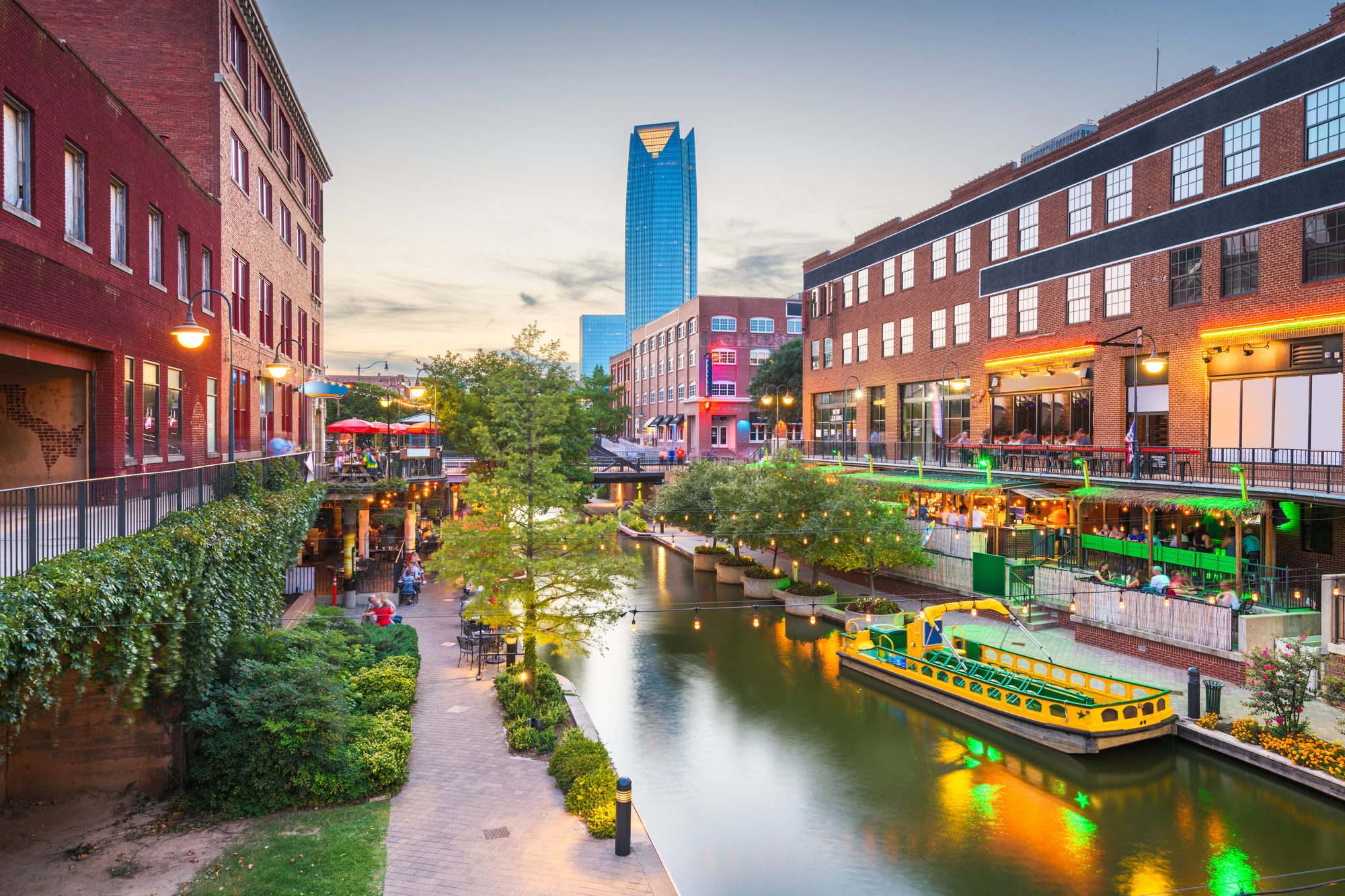
A man named William A. ‘Okay’ Allen came up with the town name back in 1919. He owned land in the area and suggested naming the new railroad stop after himself, using just his nickname.
The town of Okay sits about 50 miles east of Tulsa and has around 600 residents. They’ve embraced their simple, affirmative name, and visitors often stop just to mail letters from a post office with such an unusual postmark.
Where the strange becomes home
These peculiar town origins remind us that American history wasn’t always planned by serious men in formal meetings. Regular people made impulsive decisions, spelling mistakes became permanent, and random suggestions during heated debates turned into official names.
The descendants of those original settlers now live with the consequences of those strange choices, but most wouldn’t change their town names for anything. After all, living somewhere with an unusual origin story beats living somewhere boring and predictable.
More from Go2Tutors!

- The Romanov Crown Jewels and Their Tragic Fate
- 13 Historical Mysteries That Science Still Can’t Solve
- Famous Hoaxes That Fooled the World for Years
- 15 Child Stars with Tragic Adult Lives
- 16 Famous Jewelry Pieces in History
Like Go2Tutors’s content? Follow us on MSN.



