Scariest Animals on Earth
Nature created some truly terrifying creatures that make horror movies look tame. These animals don’t need special effects or jump scares to send chills down your spine.
From tiny insects that carry deadly diseases to massive predators with bone-crushing jaws, the animal kingdom proves that reality often outdoes imagination when it comes to fear factor. Let’s meet some of the planet’s most frightening residents that remind us why humans built cities with walls.
Box jellyfish
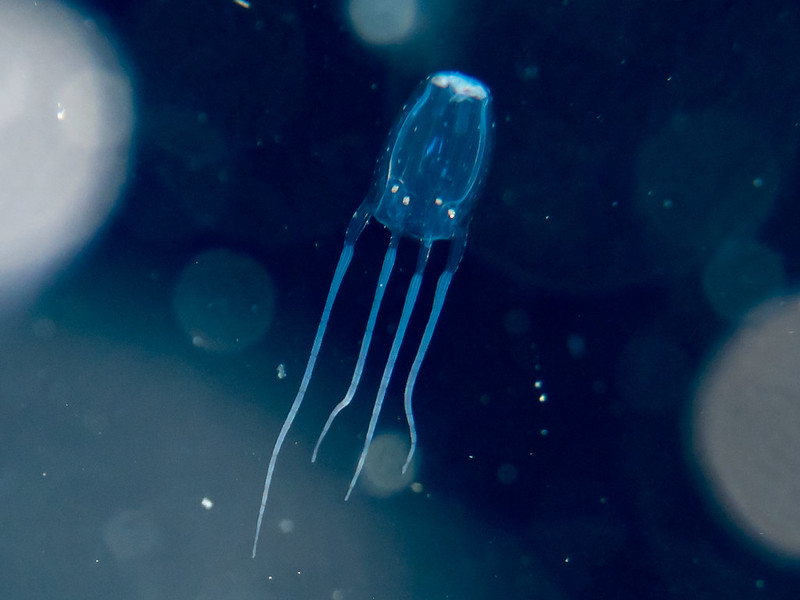
The ocean hides many dangers, but few match the box jellyfish for pure terror. This nearly invisible creature floats through tropical waters with tentacles that can stretch up to 10 feet long, each covered in millions of tiny harpoons filled with venom.
A single sting delivers enough toxin to kill a person in minutes, causing excruciating pain that victims describe as feeling like hot oil being poured on their skin. The venom attacks the heart, nervous system, and skin cells all at once.
Saltwater crocodile

Saltwater crocodiles grow up to 23 feet long and weigh over a ton, making them the largest living reptiles on Earth. These prehistoric monsters have the strongest bite force ever measured in any animal, capable of crushing a cow’s skull with a single snap.
They lurk beneath murky water with only their eyes and nostrils showing, then explode upward in an ambush attack faster than a person can react. Their hunting territory spans from northern Australia through Southeast Asia, and they’ve been known to swim hundreds of miles out to sea.
Sydney funnel-web spider
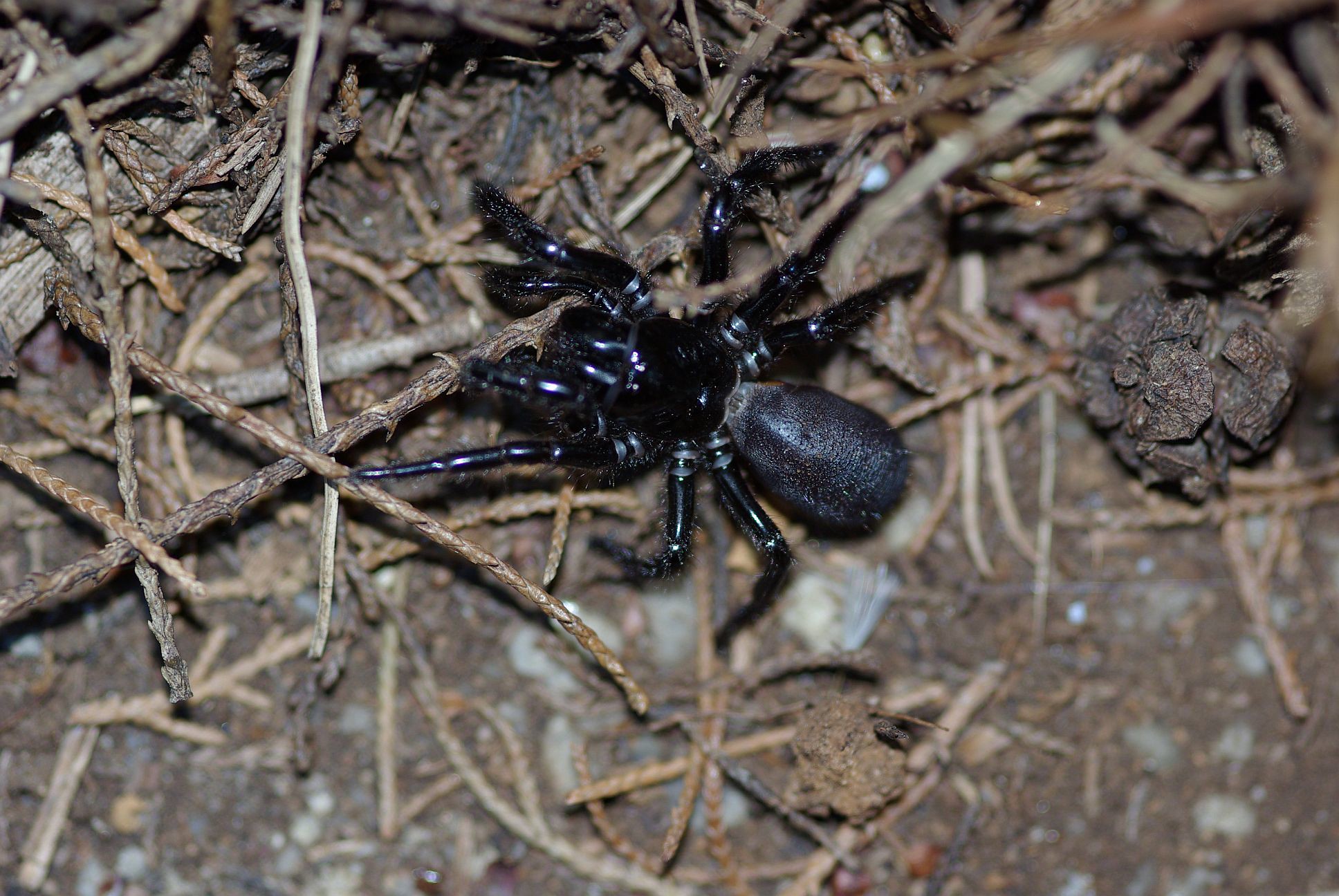
Australia’s Sydney funnel-web spider packs venom so potent that it can kill a human in 15 minutes without treatment. Males of this species are particularly aggressive and wander into homes during mating season, often hiding in shoes or laundry piles.
Their fangs are strong enough to pierce through fingernails and soft shoes, and they bite repeatedly when threatened. The venom attacks the human nervous system specifically, which makes these spiders more dangerous to people than to other animals.
Mosquito
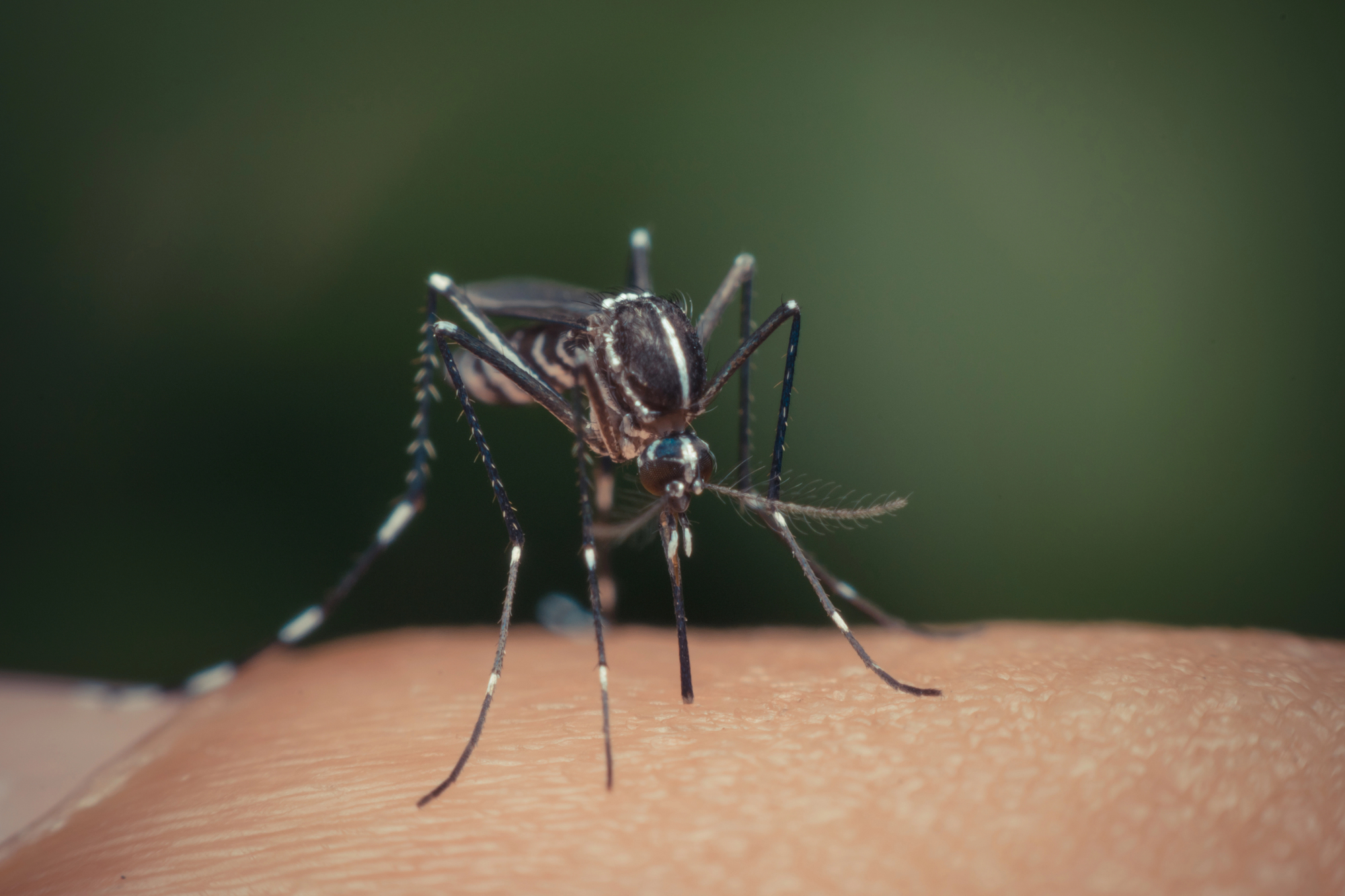
Tiny mosquitoes kill more people each year than any other animal on the planet, including humans. These insects spread malaria, dengue fever, yellow fever, Zika virus, and dozens of other diseases that claim over 700,000 lives annually.
A single mosquito can infect multiple people in one night, creating disease outbreaks that devastate entire communities. They’ve been sucking blood and spreading illness for over 100 million years, making them one of evolution’s most successful parasites.
Cape buffalo
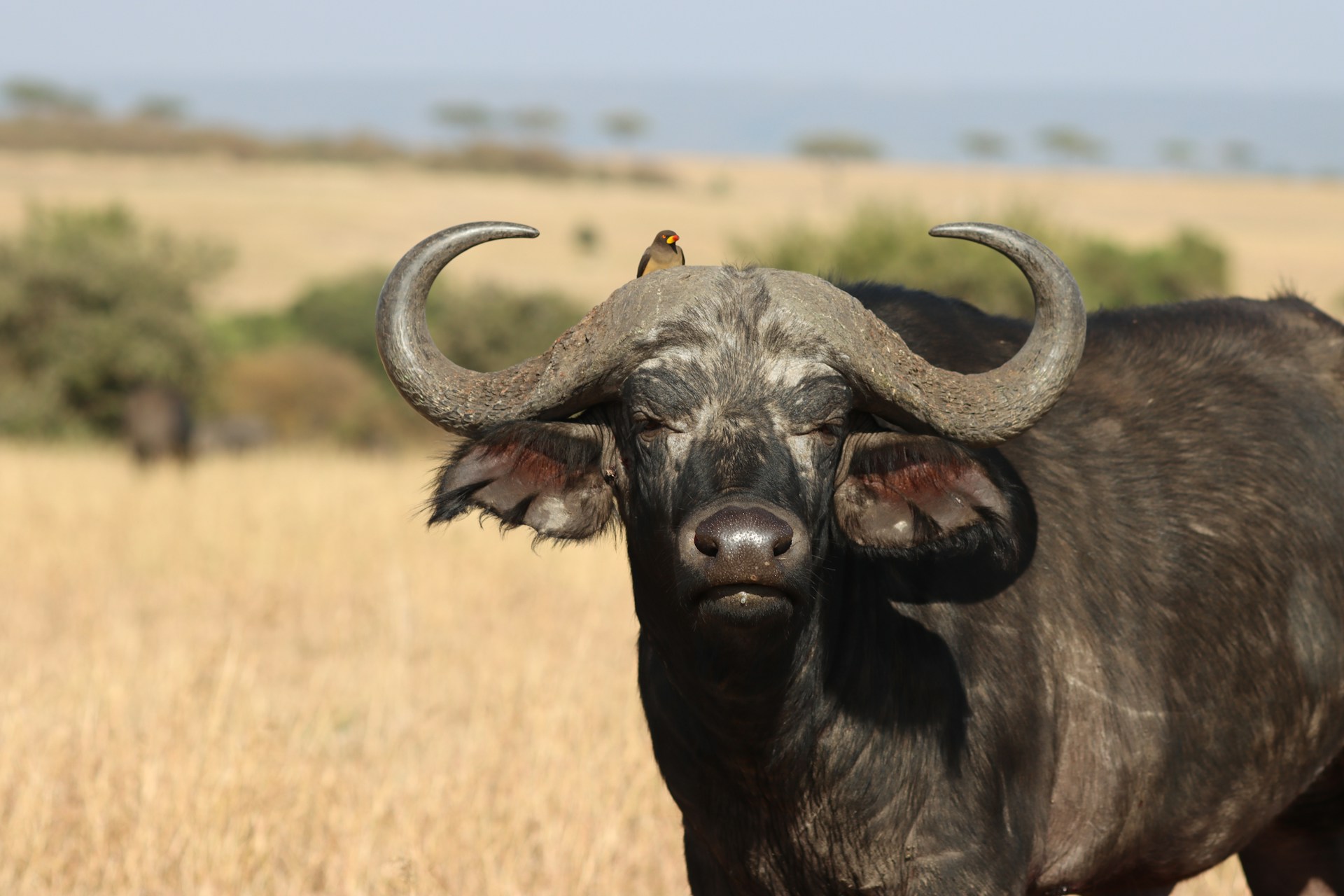
African Cape buffalo have a reputation for being one of the continent’s most dangerous animals, killing more hunters than lions or leopards. These massive animals weigh up to 2,000 pounds and travel in herds of several hundred, making them a moving wall of muscle and horn.
When wounded or threatened, they circle back to ambush their attackers with calculated intelligence that seems almost human. Their curved horns can gore a lion to death, and they’ve been known to seek revenge on people who’ve wronged them days or even weeks later.
Stonefish
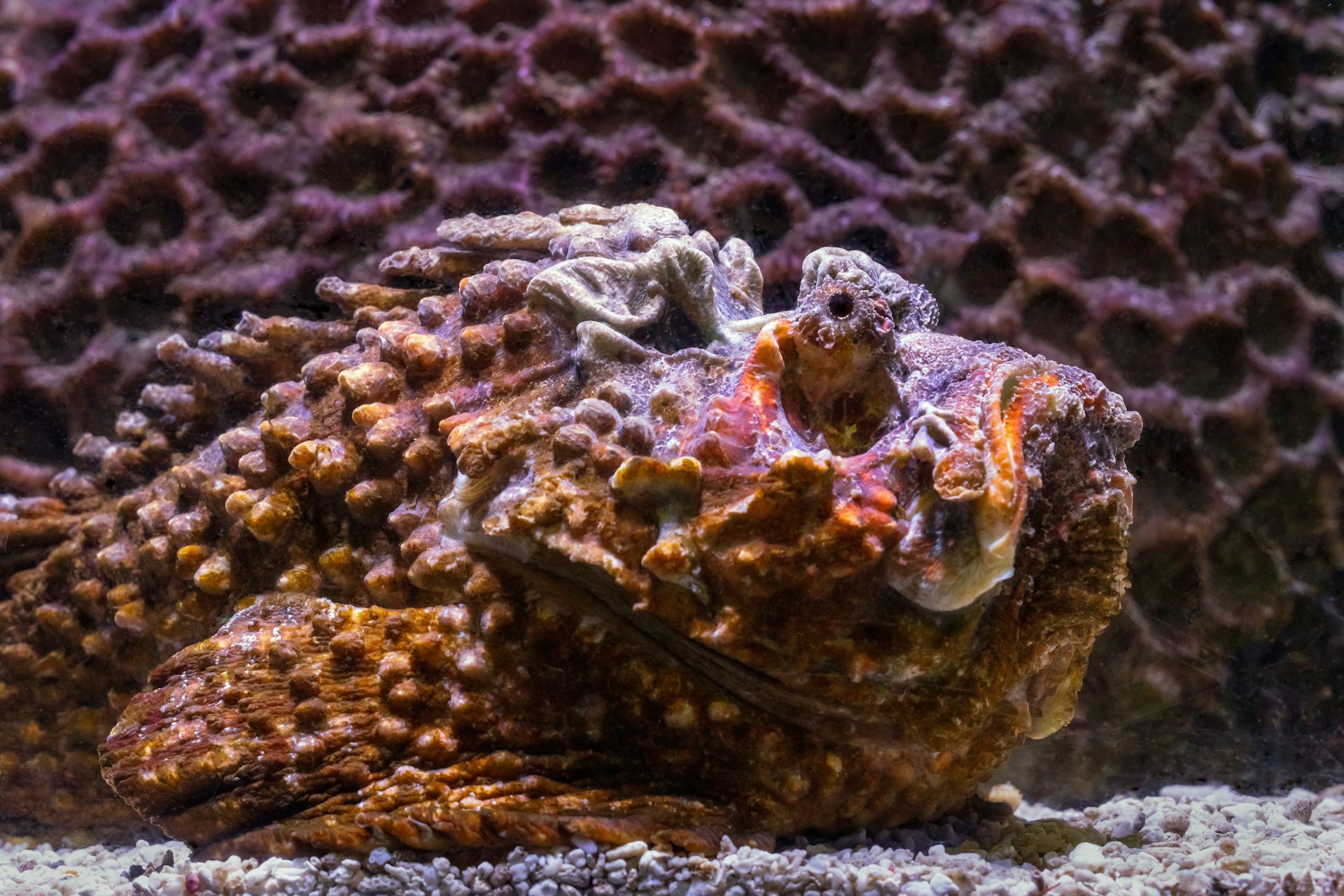
The stonefish earns its name by looking exactly like a crusty rock sitting on the ocean floor. Step on one, and 13 venomous spines inject toxins that cause such severe pain that victims often beg for their limbs to be amputated.
The venom contains neurotoxins and cardiotoxins that can cause heart failure, paralysis, and tissue death around the wound. People who’ve survived stonefish stings describe the pain as worse than childbirth, broken bones, and bullet wounds combined.
African elephant
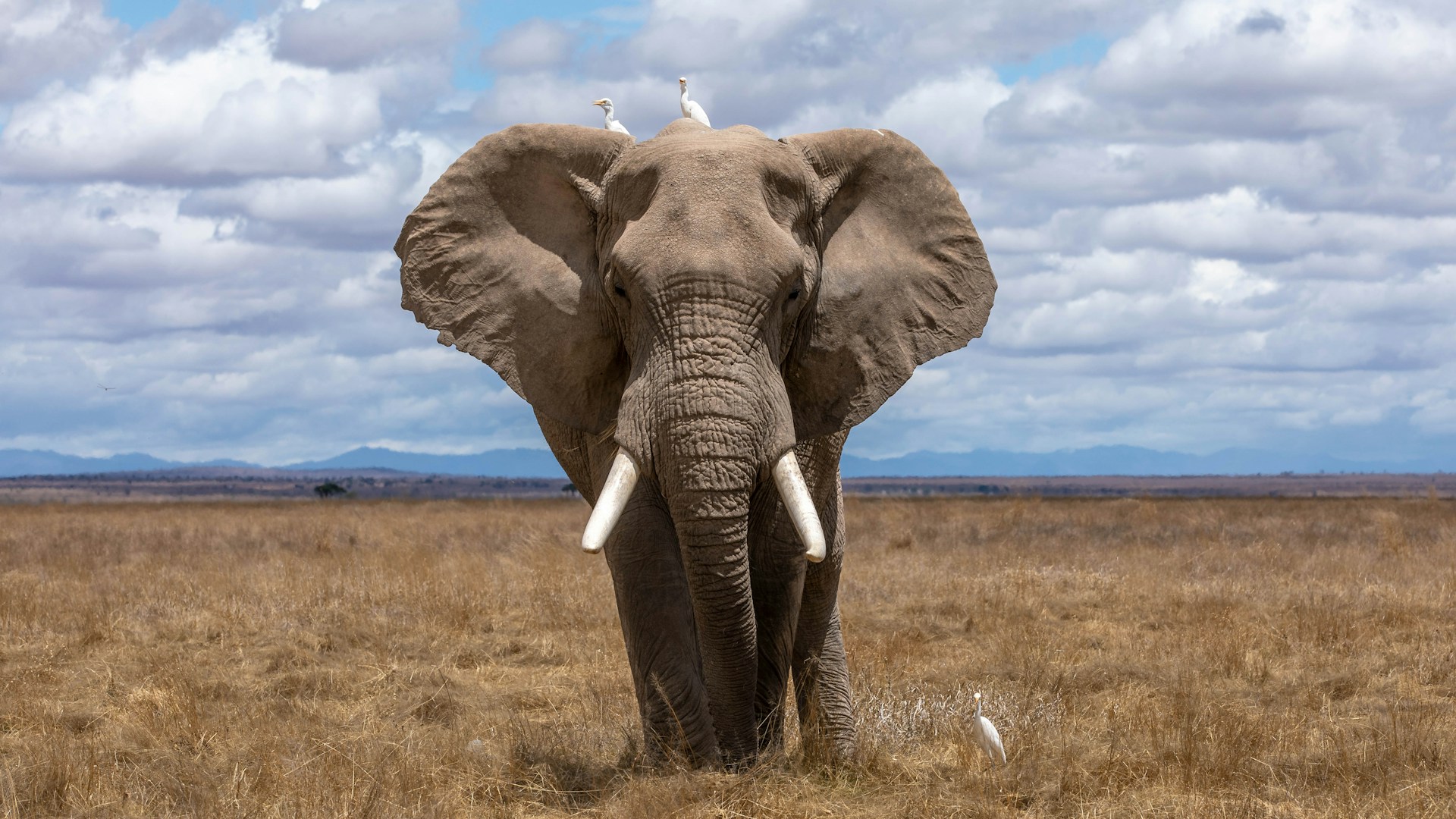
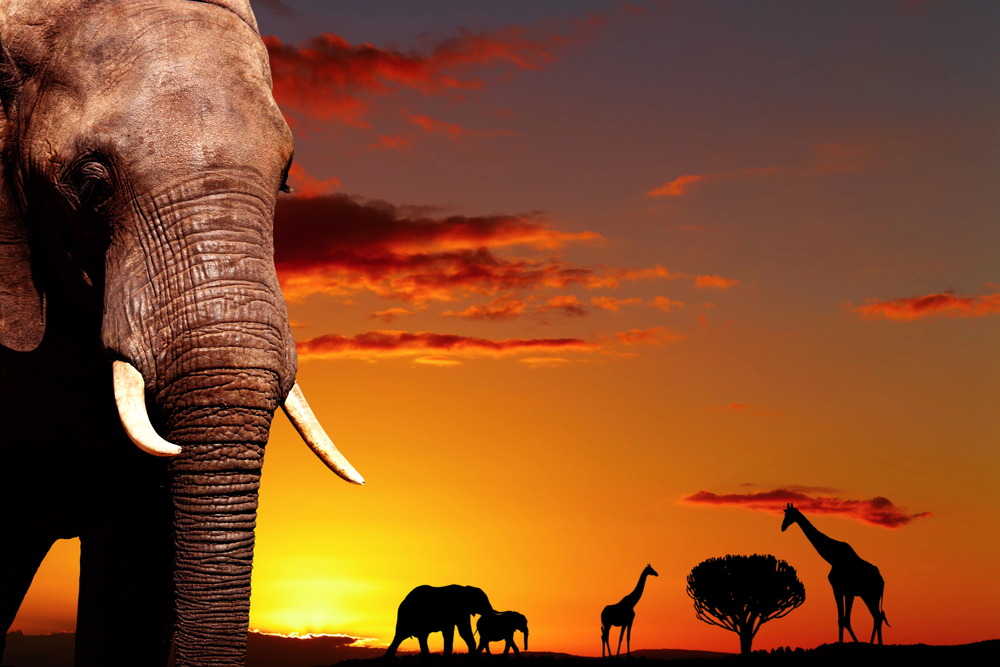
Most people think of elephants as gentle giants, but wild African elephants kill around 500 people every year. Bull elephants in musth, a period of heightened aggression driven by surging hormones, become unpredictable killing machines that charge anything in sight.
These six-ton animals can run at speeds of 25 miles per hour, meaning you cannot outrun an angry elephant. They gore people with their tusks, stomp victims into the ground, and have been known to pick up cars and flip them over.
Komodo dragon
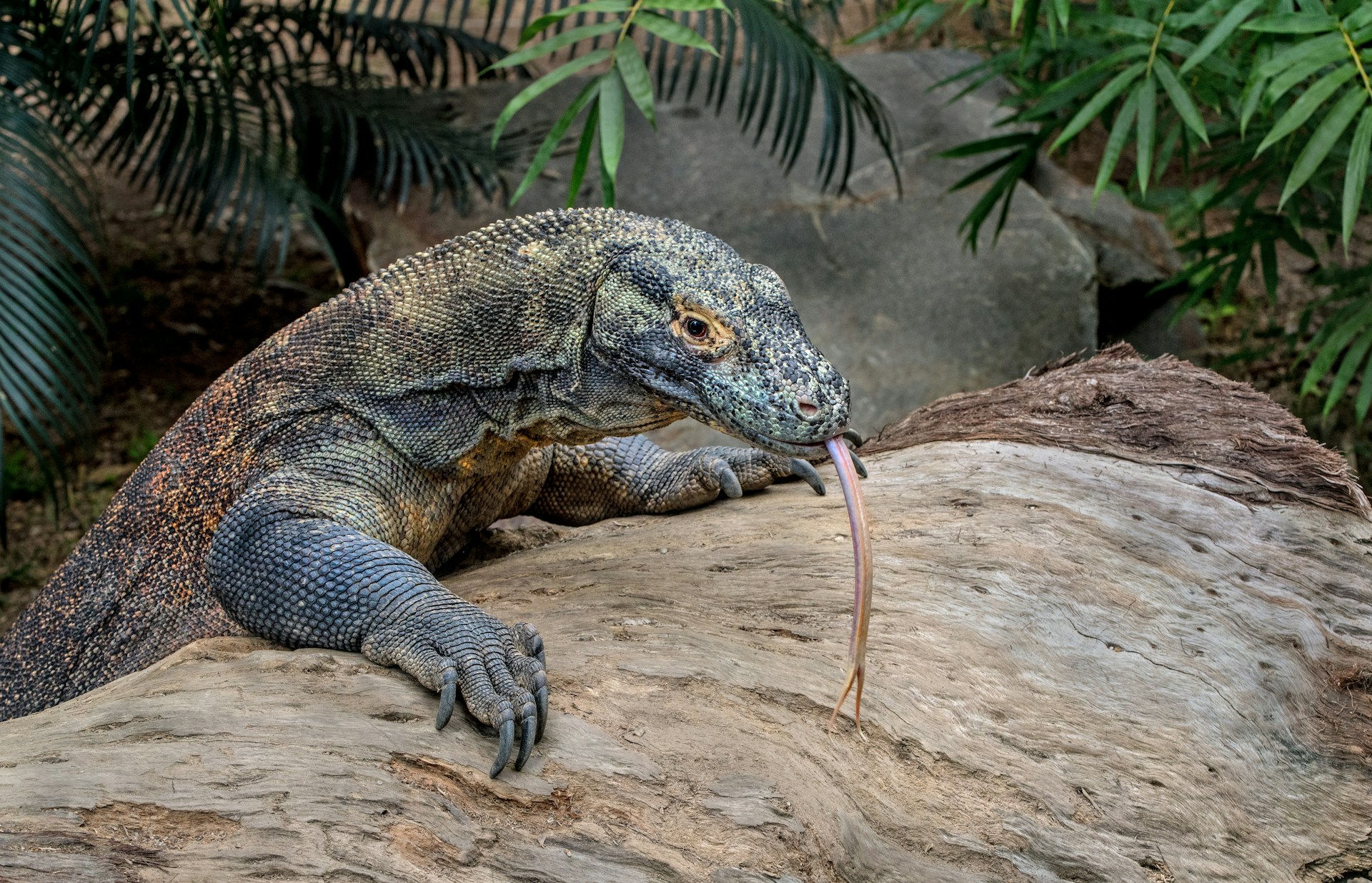
Komodo dragons look like creatures from the dinosaur age, and they hunt with equally prehistoric brutality. These 10-foot-long lizards have mouths filled with over 50 strains of bacteria that turn every bite into a septic infection.
Recent research revealed they also produce venom that prevents blood clotting, causing prey to slowly weaken from blood loss. They’ve killed and eaten people, including children who wandered too close to their territory on Indonesian islands.
Hippopotamus
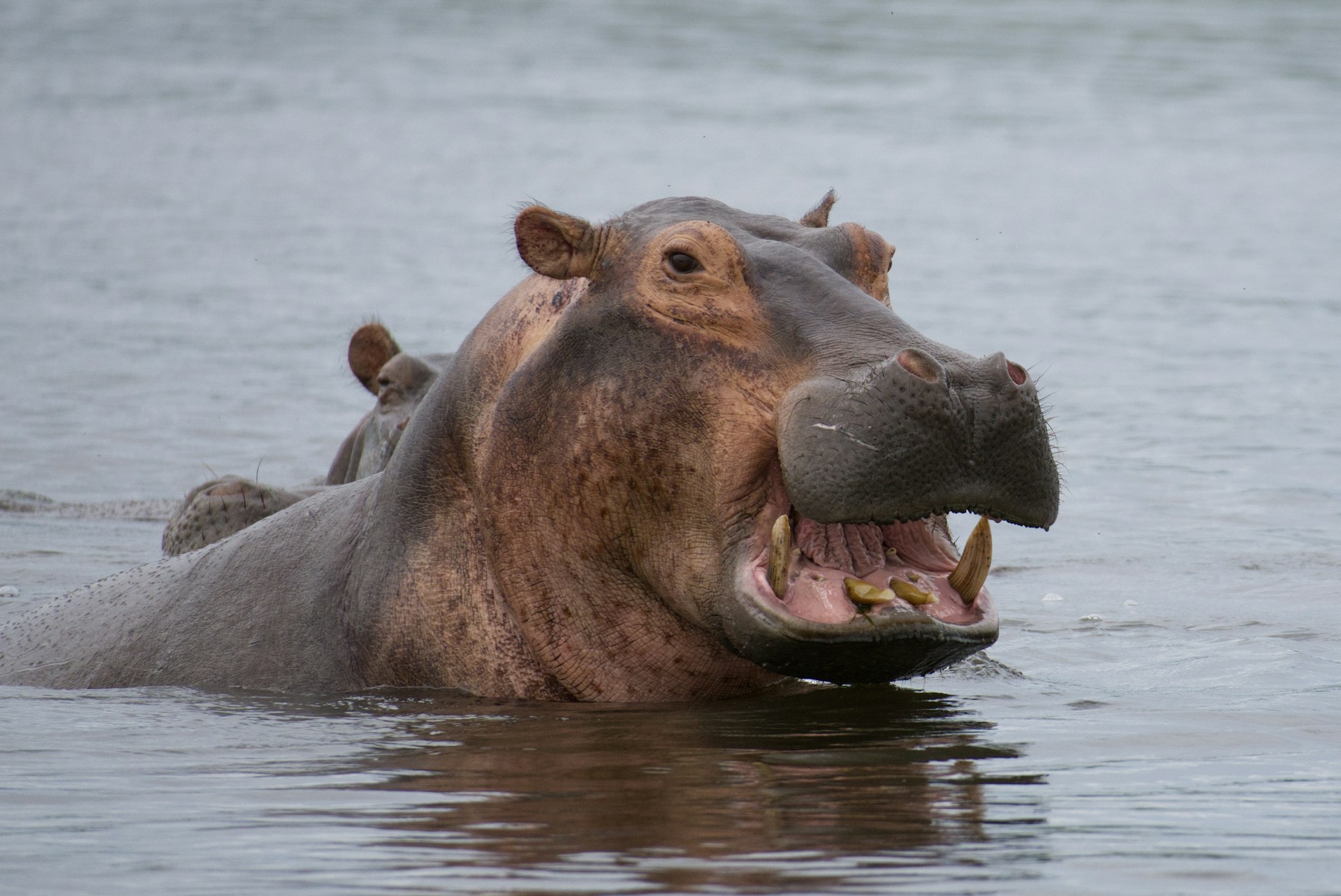
Hippos kill more people in Africa than any other large animal despite spending most of their time lounging in water. These three-ton beasts have enormous jaws that open 180 degrees and teeth that grow up to 20 inches long, designed to bite crocodiles in half.
They’re fiercely territorial and attack boats that come too close, often biting them in half or capsizing them. Hippos can run at 20 miles per hour on land, faster than any human, and they become especially aggressive when protecting their young or when surprised on land at night.
Brazilian wandering spider
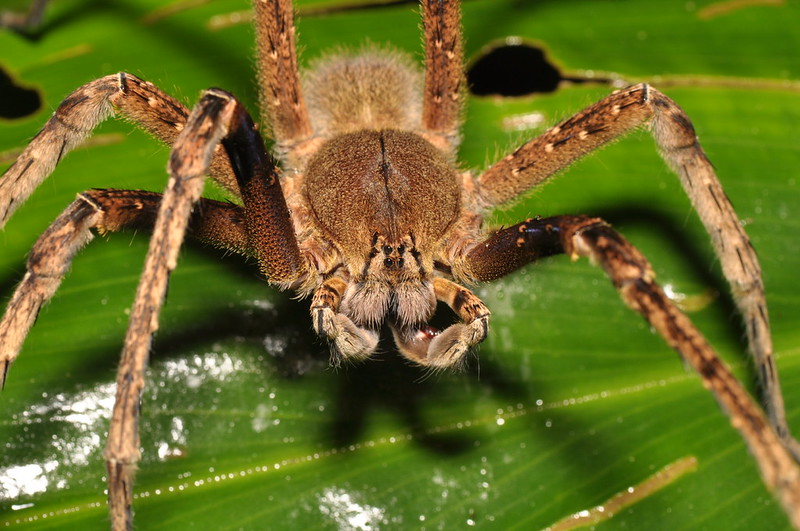
The Brazilian wandering spider earned a spot in the Guinness Book of World Records as the world’s most venomous spider. These aggressive arachnids don’t build webs but instead roam forest floors at night hunting for prey, often wandering into human homes and hiding in clothes or food shipments.
Their bite delivers a neurotoxin that causes immediate, intense pain followed by irregular heartbeat, difficulty breathing, and loss of muscle control. Male spiders are particularly aggressive during mating season and will rear up and attack rather than flee from threats.
Pufferfish
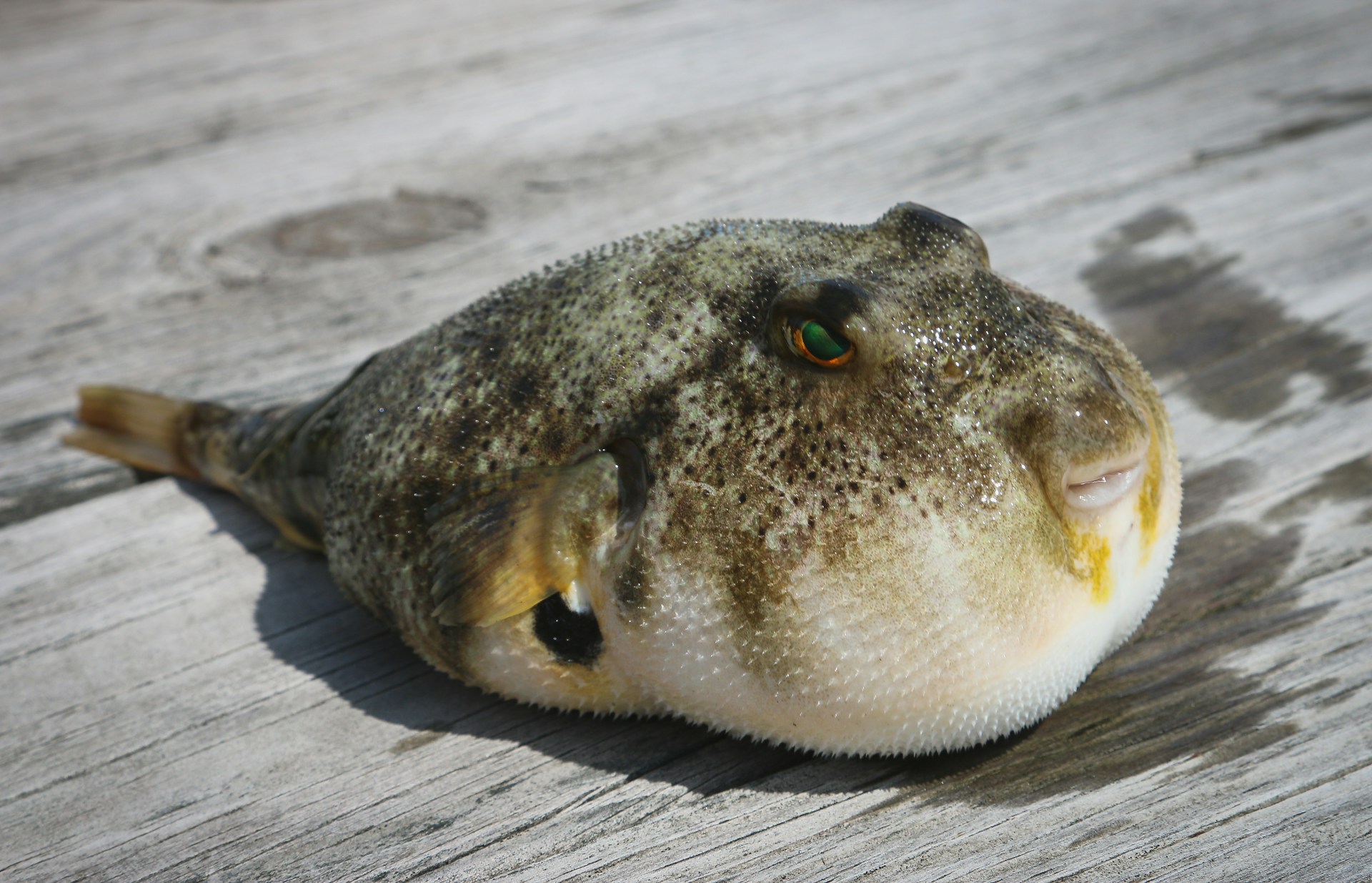
Pufferfish contain enough tetrodotoxin to kill 30 adult humans, and there’s no known antidote to this poison. The toxin accumulates in their liver, ovaries, and skin, making nearly every part of the fish deadly if eaten.
Tetrodotoxin causes paralysis that starts in the lips and tongue, then spreads to the limbs and eventually the diaphragm, suffocating victims while they remain fully conscious. In Japan, specially licensed chefs prepare pufferfish as the delicacy fugu, but several people die each year from improper preparation.
Cone snail
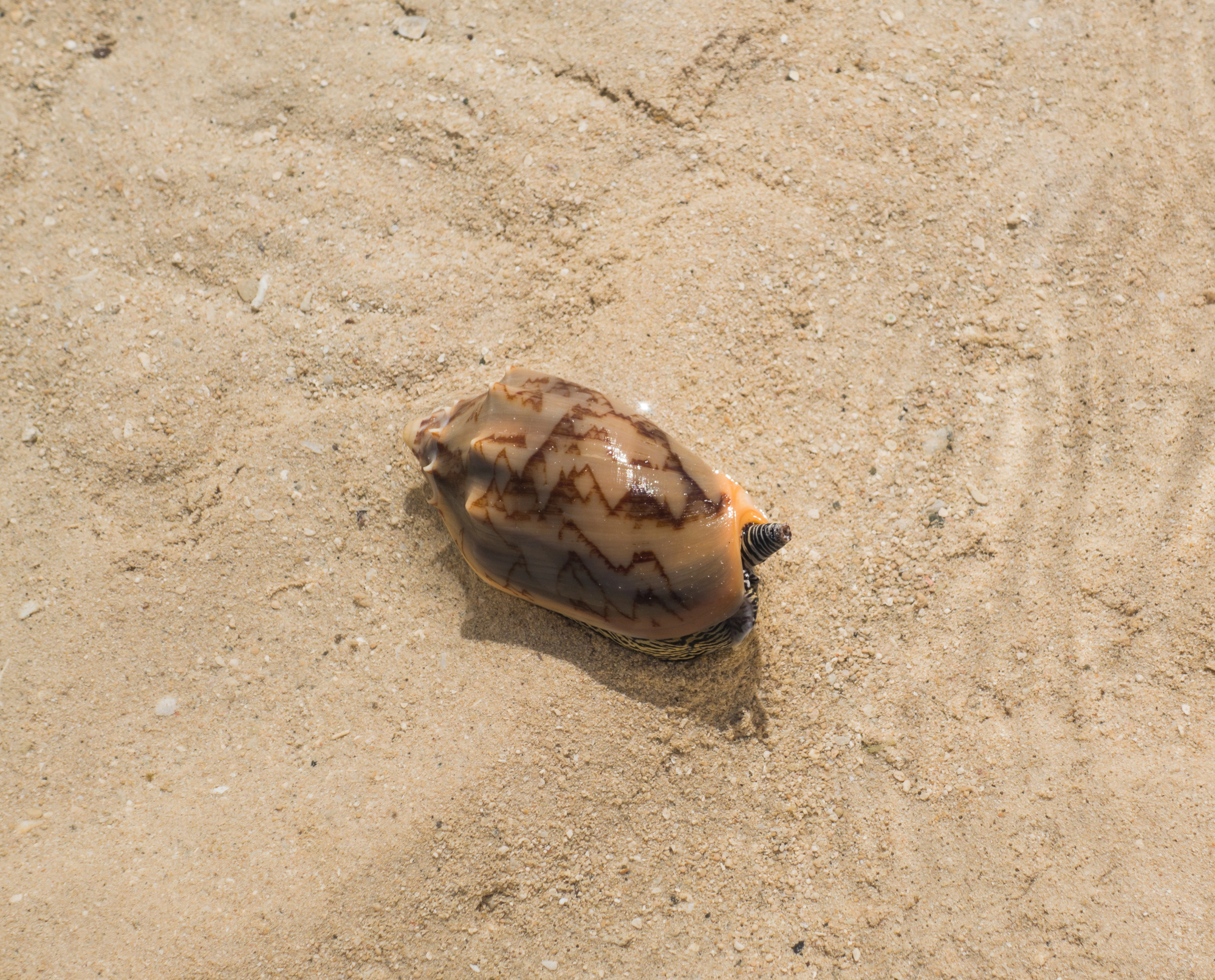
These beautiful shells hide one of the ocean’s deadliest weapons: a harpoon-like tooth that injects venom containing hundreds of different toxins. Geography cone snails have killed more than 30 people, and their venom works so fast that it’s been called a ‘cig walk’—the time it takes to finish one before you die.
The toxins paralyze muscles instantly, including those needed for breathing, and there’s no antivenin available. Shell collectors get stung when they pick up these snails, not realizing that the creature inside can extend its proboscis several inches to reach any part of the shell.
Deathstalker scorpion
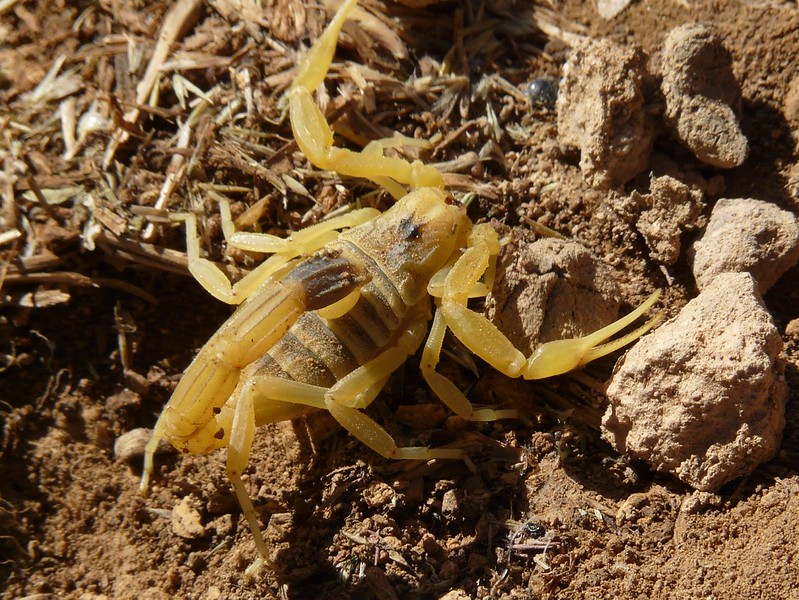
The deathstalker scorpion carries one of the most potent venoms in the scorpion world, causing excruciating pain and potentially fatal complications. Found across North Africa and the Middle East, these yellowish scorpions blend into desert sand perfectly.
Their sting injects a cocktail of neurotoxins that cause fever, convulsions, paralysis, and coma, particularly dangerous for children and elderly people. The pain alone from a sting has been described as feeling like having a nail driven through your hand while it’s on fire.
Polar bear
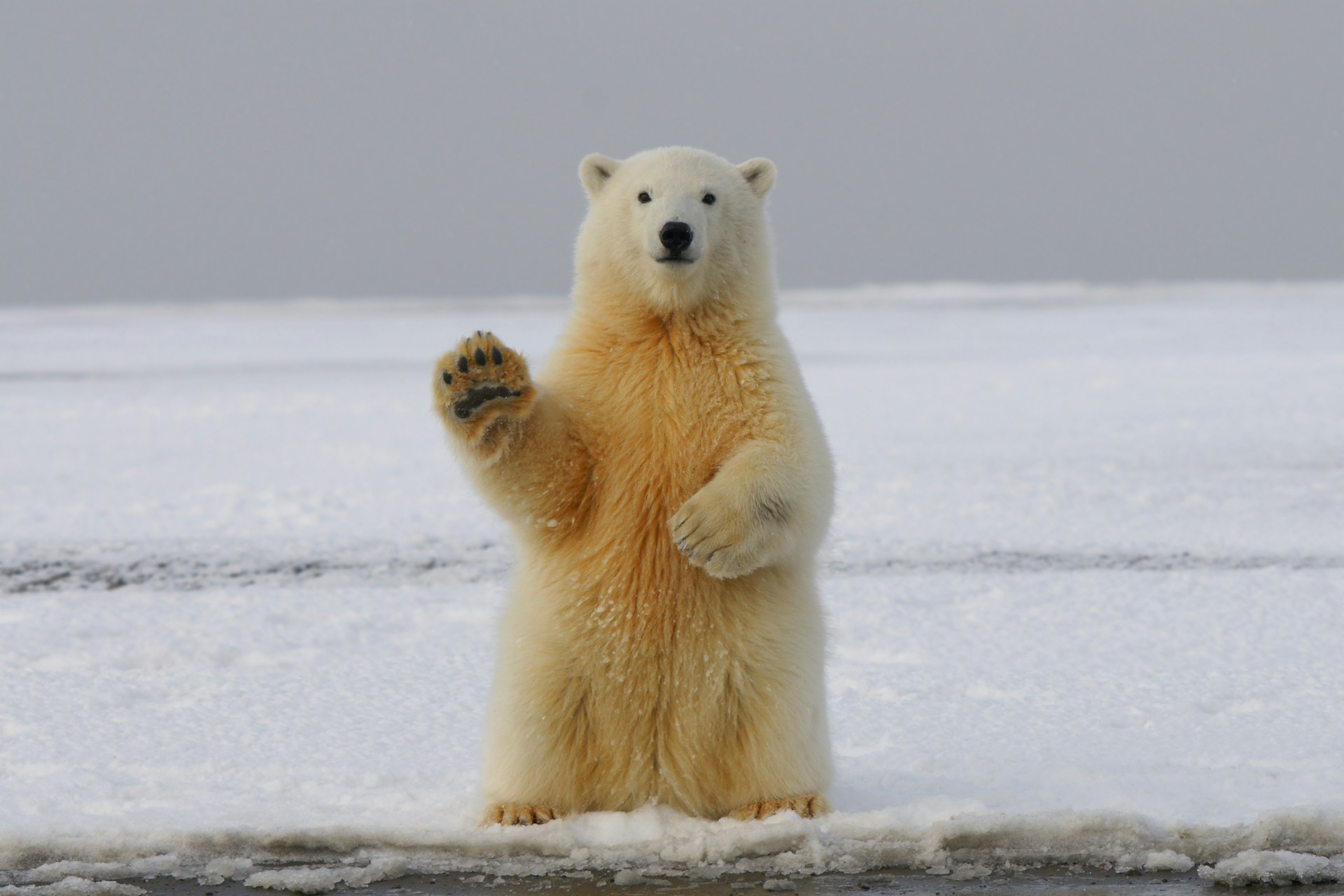
Polar bears stand as the largest land predators on Earth, with males weighing up to 1,500 pounds and standing 10 feet tall on hind legs. Unlike other bear species, polar bears actively hunt humans and see people as prey rather than threats.
Their white fur provides perfect camouflage in Arctic environments, and they can smell a seal 20 miles away or beneath three feet of ice. Climate change has made them more dangerous as shrinking ice forces them into human settlements searching for food.
Tsetse fly
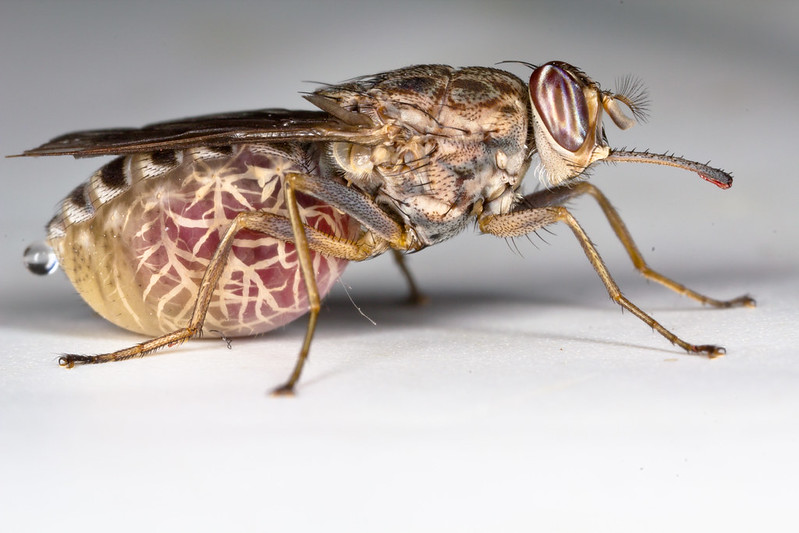
The tsetse fly seems innocent at first glance – yet it carries sleeping sickness, which claims thousands of lives in Africa every year. While feeding several times daily, these insects pass on harmful germs through their bites.
Once inside the body, those invaders attack the brain and nerves, leading to disorientation, shifts in behavior, and messed-up sleep patterns that can end in unconsciousness or worse if left unchecked. You’ll find them lurking in 36 nations throughout Africa, spanning a region just as vast as the U.S.
Inland taipan
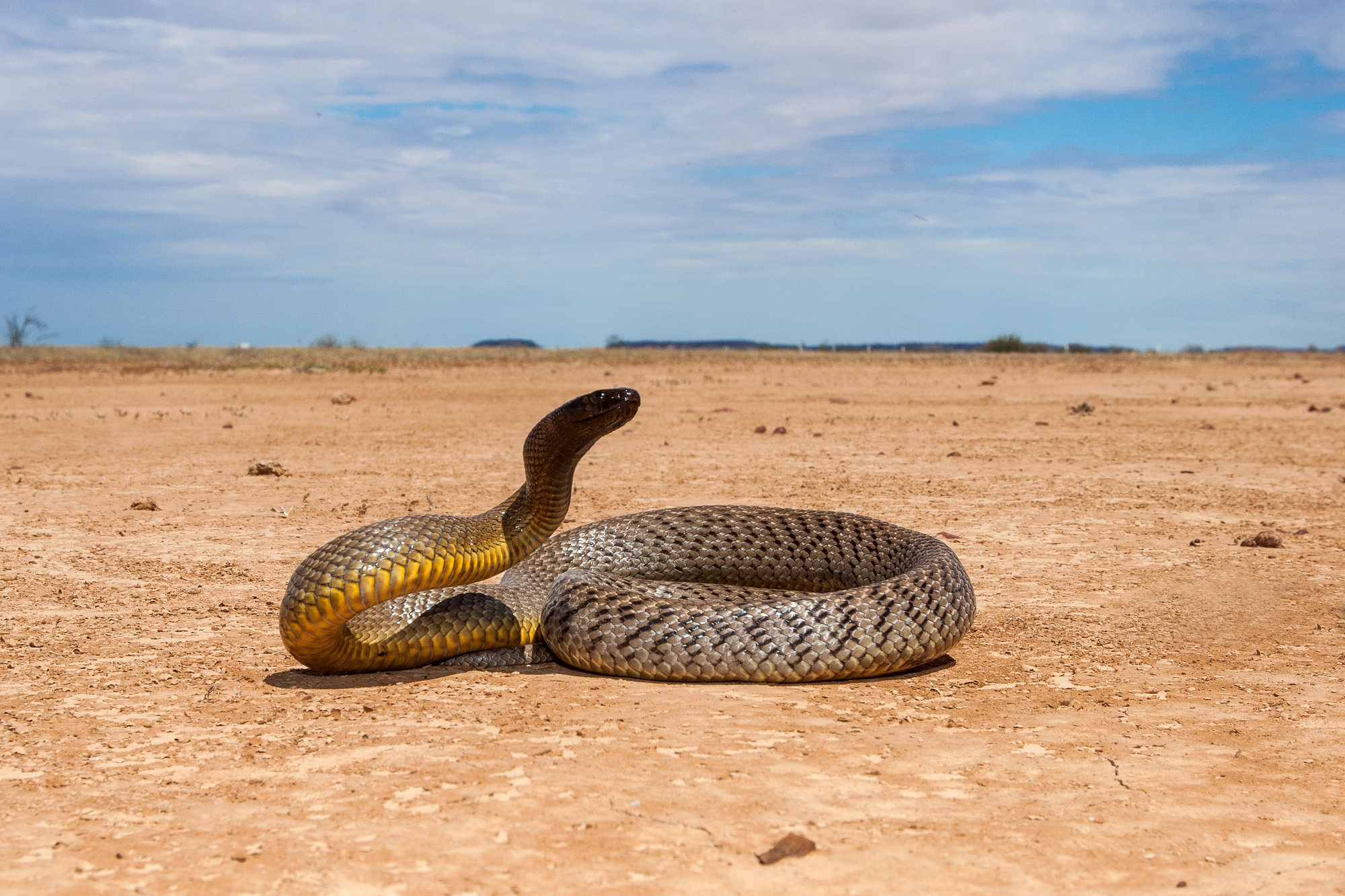
The inland taipan’s venom beats every other snake’s – just one bite holds enough toxin to wipe out 100 grown adults. A tiny bit could take down a human in under an hour, starting with dizziness, then sickness, cramps, gut pain, followed by muscle freeze and organ shutdown.
Luckily, they stick to faraway spots in Australia and steer clear of people, so nobody’s died from their chomp lately. Some call them ‘fierce’ even though they’re quiet creatures – their poison hits harder than almost anything else alive.
Poison dart frog
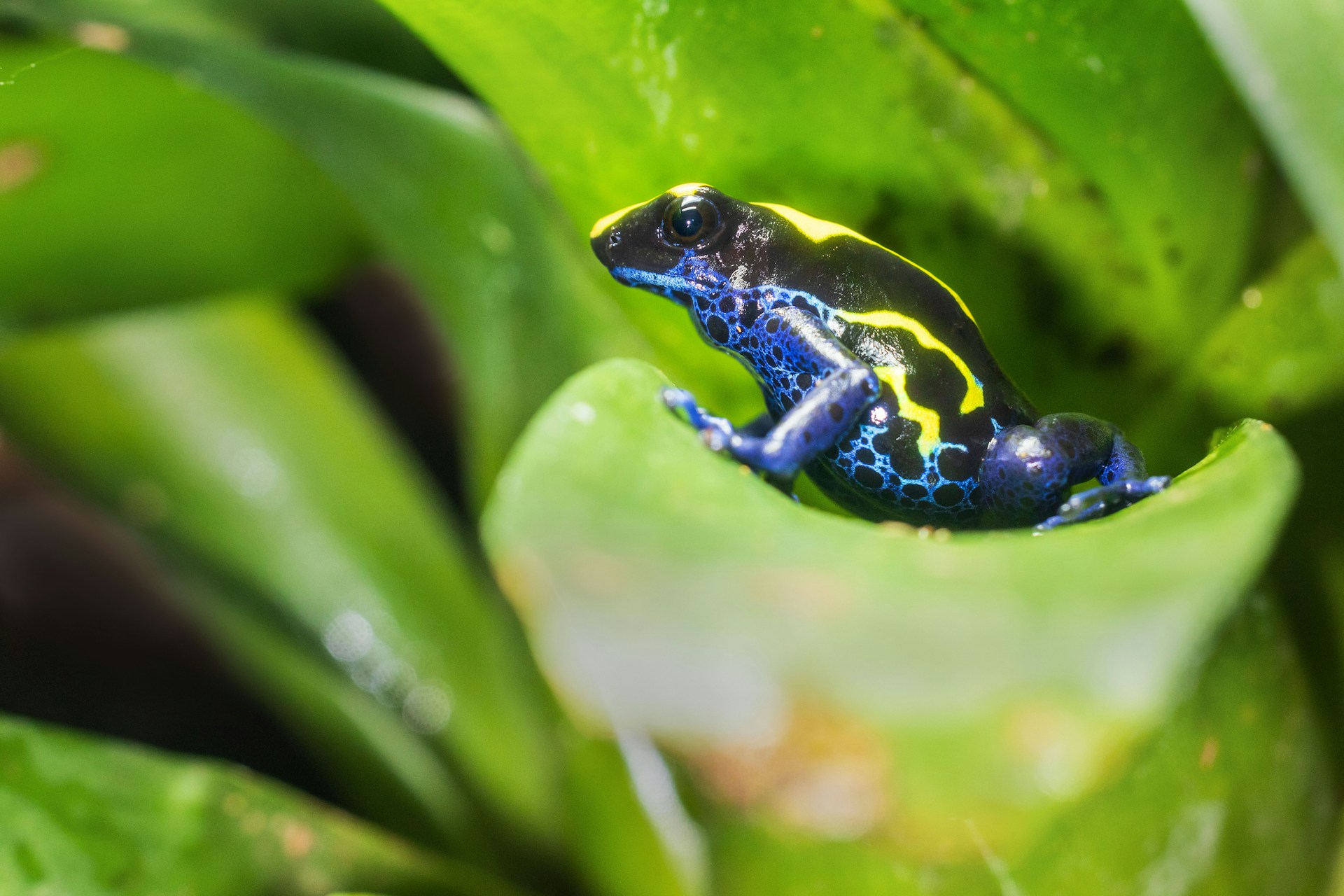
These tiny frogs come in flashy shades that shout “stay away” – there’s a solid reason why. Certain types pack so much batrachotoxin in their skin it could wipe out ten adults.
Tribes deep in South America once smeared this ooze on dart tips to bring down prey, which is how they got their well-known name. That venom blocks nerve messages dead in their tracks, causing hearts to stop cold.
The Real Monsters Walk Among Us
These animals show that real fear isn’t found in films or old tales – but hiding in woods, seas, yet right near homes across the planet. Nature gave them poison, bulk, power, or sharp instincts – making us rethink how smart gadgets won’t save us.
A lot of these species struggle due to vanishing habitats and shifting weather, forcing them nearer to towns, bumping into folks way more often. What’s creepiest? They’re not out to harm anyone – they simply live like they’ve lived forever, proving wild forces still run things.
More from Go2Tutors!

- The Romanov Crown Jewels and Their Tragic Fate
- 13 Historical Mysteries That Science Still Can’t Solve
- Famous Hoaxes That Fooled the World for Years
- 15 Child Stars with Tragic Adult Lives
- 16 Famous Jewelry Pieces in History
Like Go2Tutors’s content? Follow us on MSN.