Foods Created by Monks That Became Global Staples
Monasteries weren’t just places of prayer and contemplation. They were also centers of innovation where monks spent centuries perfecting recipes and preservation techniques.
Some of the foods and drinks you enjoy today started in quiet monastery kitchens, born from necessity, patience, and surprisingly advanced knowledge of chemistry and fermentation. These creations spread far beyond monastery walls to become things people around the world now take for granted.
Beer: The Liquid Bread That Built Civilizations
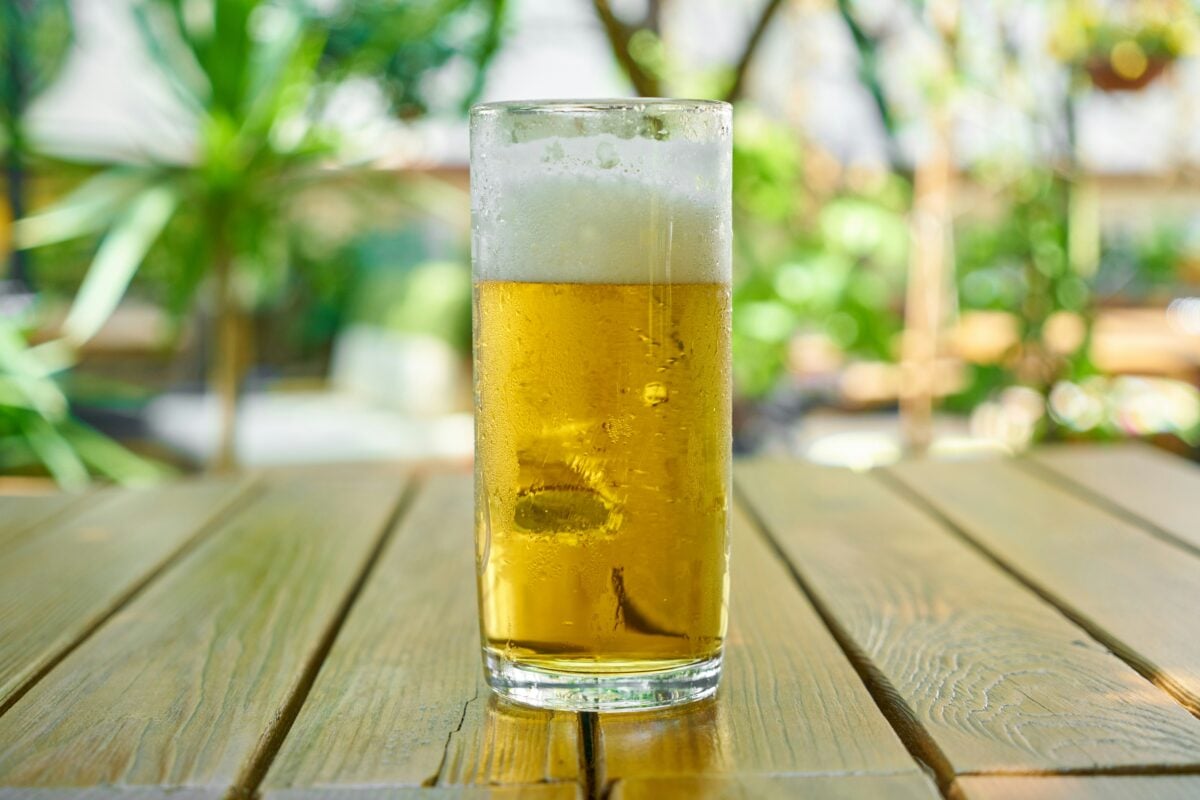
Monks didn’t invent beer, but they perfected it. During the Middle Ages, water was often unsafe to drink. Beer, with its boiling process, offered a safer alternative.
Monasteries brewed beer not just for themselves but for travelers and the sick. The Trappist monks took this tradition seriously.
Their beers became legendary for quality and consistency. Today, Trappist breweries still operate under strict rules. Only 14 monasteries worldwide can use the Authentic Trappist Product label.
The monks control production, and profits support the monastery or charitable works. What started as a necessity for survival turned into a craft that influences brewing standards everywhere.
Champagne and the Monk Who Changed Everything

Dom Pierre Pérignon wasn’t trying to create champagne when he took his position at the Abbey of Hautvillers in 1668. He was trying to stop it. The bubbles in wine were considered a flaw back then.
But Dom Pérignon noticed something others missed—when he blended different grapes from different vineyards, the wine tasted better. He developed techniques still used today: pressing grapes gently to keep the juice clear, using corks from Spanish bark instead of wood stoppers, and creating the assemblage method of blending.
While he didn’t invent sparkling wine, his methods made it possible to control and improve the process. The champagne industry owes its foundation to observations made by a monk who just wanted to make better wine.
Cheese That Started in Stone Cellars
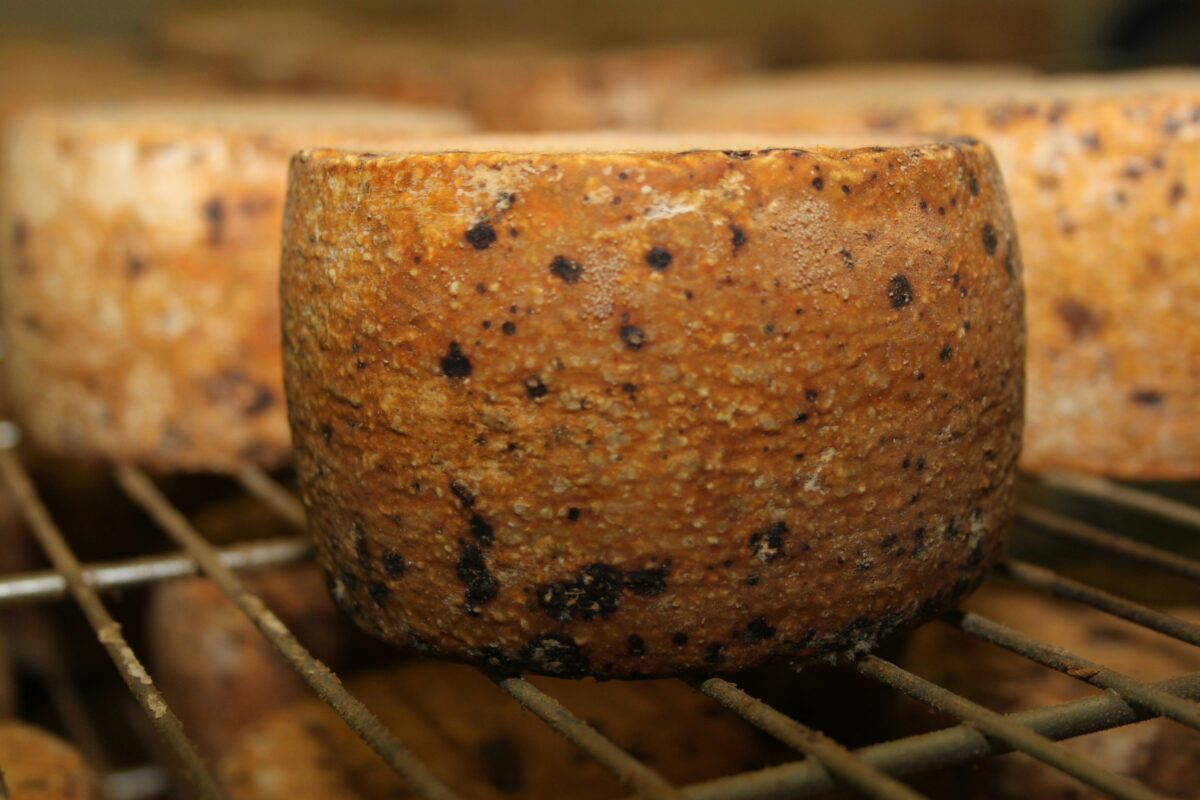
Walk into any cheese shop and you’ll find several varieties that trace back to monasteries. Limburger, Muenster, Port Salut, Maroilles—all monastic creations.
Monks made cheese because milk spoiled quickly, and cheese lasted through winter. The stone cellars in monasteries provided perfect aging conditions: cool, humid, and dark.
Port Salut cheese started at the Abbey of Notre-Dame du Port-du-Salut in France during the 19th century. The monks created it as a way to generate income after the French Revolution.
It became so popular that they eventually sold the rights to commercial producers, though the monastery still makes a version called Entrammes. The techniques monks developed for aging and culturing cheese influenced cheesemaking practices worldwide.
Chartreuse: The Secret Recipe That Remains Secret

Only two monks at any given time know the complete recipe for Chartreuse liqueur. This green and yellow herbal liquor has been made by Carthusian monks since 1737.
The recipe allegedly contains 130 different herbs, plants, and flowers. The monks received the manuscript for this “Elixir of Long Life” in 1605, but it took them over a century to figure out how to make it.
They still produce it in small batches at their distillery in France. The recipe has never been written down in one place.
Each monk who knows it memorizes their portion. When the French government expelled the monks in 1903 and seized the distillery, production stopped entirely because no one else knew how to make it.
The monks returned in 1929, and production resumed. Today, Chartreuse remains one of the most complex liqueurs you can buy.
Pretzels: A Shape With Meaning

The pretzel’s distinctive shape comes from monks, though the exact origin story varies. The most common version says Italian monks in the early Middle Ages created them as rewards for children who learned their prayers.
The shape represents arms crossed in prayer, which was the standard prayer position before folded hands became common. The three openings in a pretzel supposedly symbolize the Holy Trinity.
Monks made these simple breads from leftover dough—just flour, water, and salt. German monasteries adopted and refined the recipe.
Pretzels became associated with Lent because they contained no eggs, milk, or fat. What started as a teaching tool for young students became a global snack food.
Benedictine: The Liqueur That Almost Disappeared
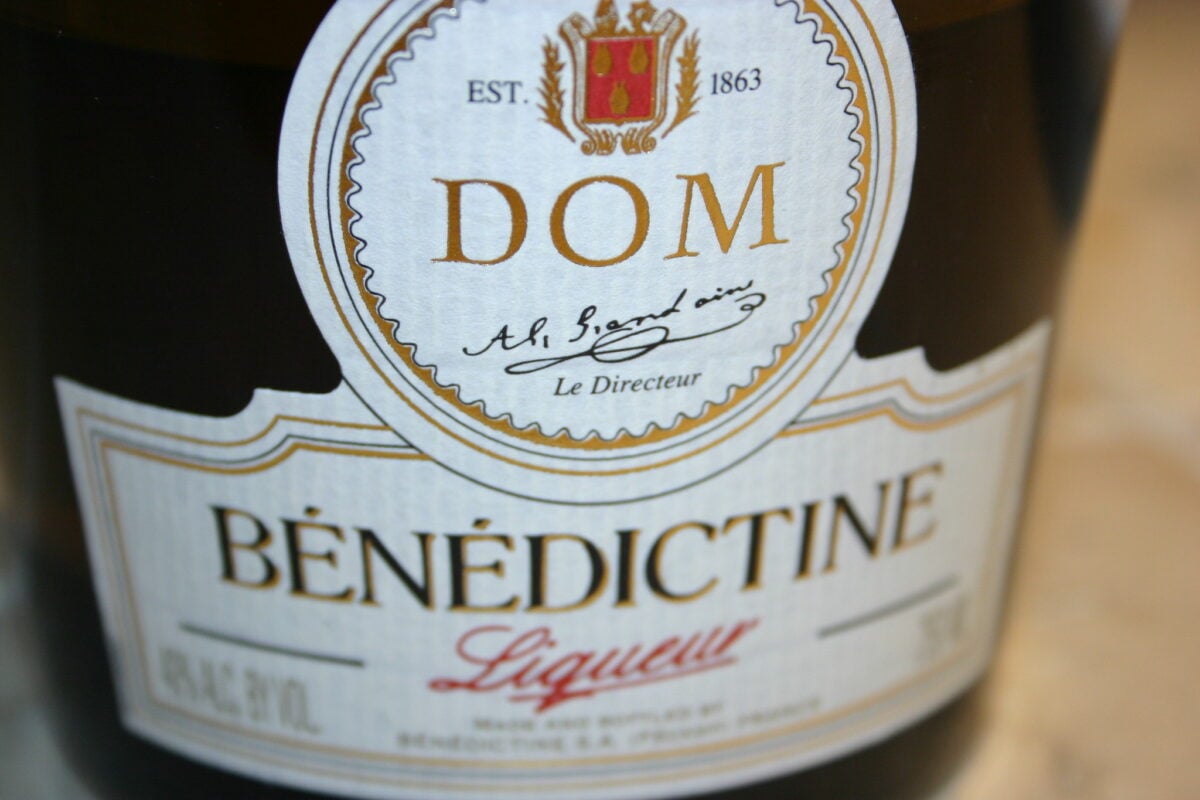
A Benedictine monk named Dom Bernardo Vincelli created this herbal liqueur in 1510 at the Abbey of Fécamp in Normandy. Like Chartreuse, it contains a secret blend of herbs and spices—27 of them according to the company.
The recipe was lost when the French Revolution destroyed the abbey. In 1863, a wine merchant named Alexandre Le Grand claimed to have found the original recipe.
He started producing Bénédictine liqueur again. Whether he actually found the real recipe or created his own version remains unclear. The company still uses the initials D.O.M. on every bottle—Dom Optimo Maximo, meaning “To God, Most Good, Most Great.”
The liqueur appears in classic cocktails and cooking recipes worldwide.
Mustard That Put Dijon on the Map
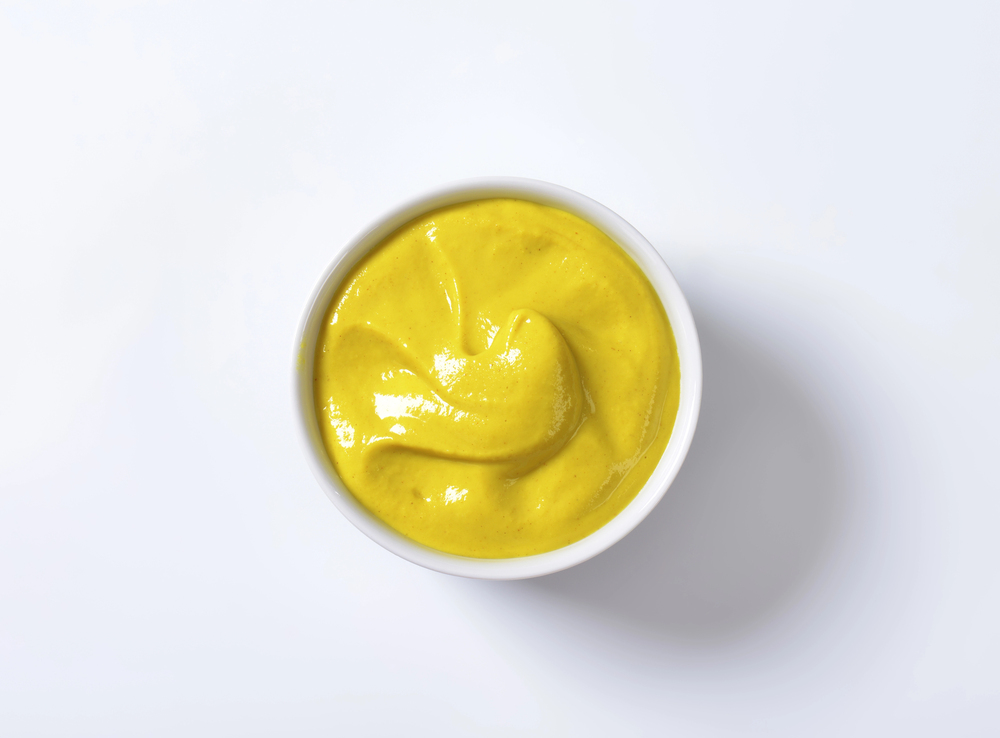
Cistercian monks in Dijon began making mustard in the 13th century. The region already grew mustard seeds, but the monks refined the process.
They ground the seeds and mixed them with verjuice—the acidic juice of unripe grapes—instead of vinegar. This gave Dijon mustard its characteristic smooth texture and sharp taste. The monks’ version became so popular that Dijon mustard became a protected term.
Even today, to call something Dijon mustard, producers must follow specific guidelines about ingredients and production methods. Those standards trace back to techniques monks developed 800 years ago.
The condiment industry owes significant debt to monks who wanted something to make their simple meals more interesting.
Sourdough Bread Techniques
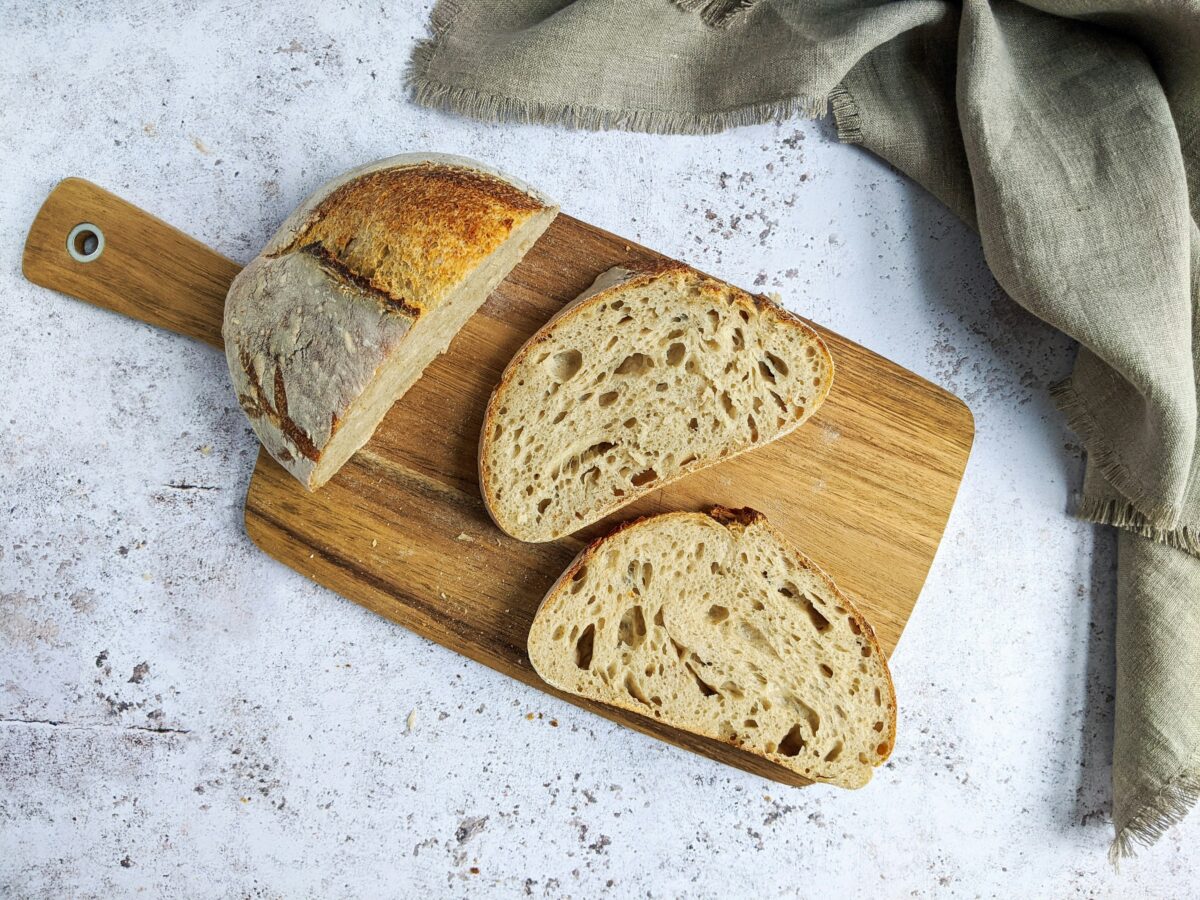
Monks didn’t invent sourdough—that honor probably goes to ancient Egyptians. But monastic communities preserved and refined breadmaking during the Middle Ages.
They kept sourdough starters alive for generations, passing them down like family heirlooms. The long fermentation times fit well with monastic schedules of prayer and work.
Benedictine monasteries particularly focused on breadmaking. Their rules required manual labor, and baking bread fed both the monastery and the poor.
The techniques they developed for maintaining starters and controlling fermentation spread throughout Europe. Many modern artisan bakers trace their methods back to monastic traditions.
The rise of craft bakeries in recent decades has brought renewed interest in these old techniques.
Marzipan and the Sweet Tooth of Monks
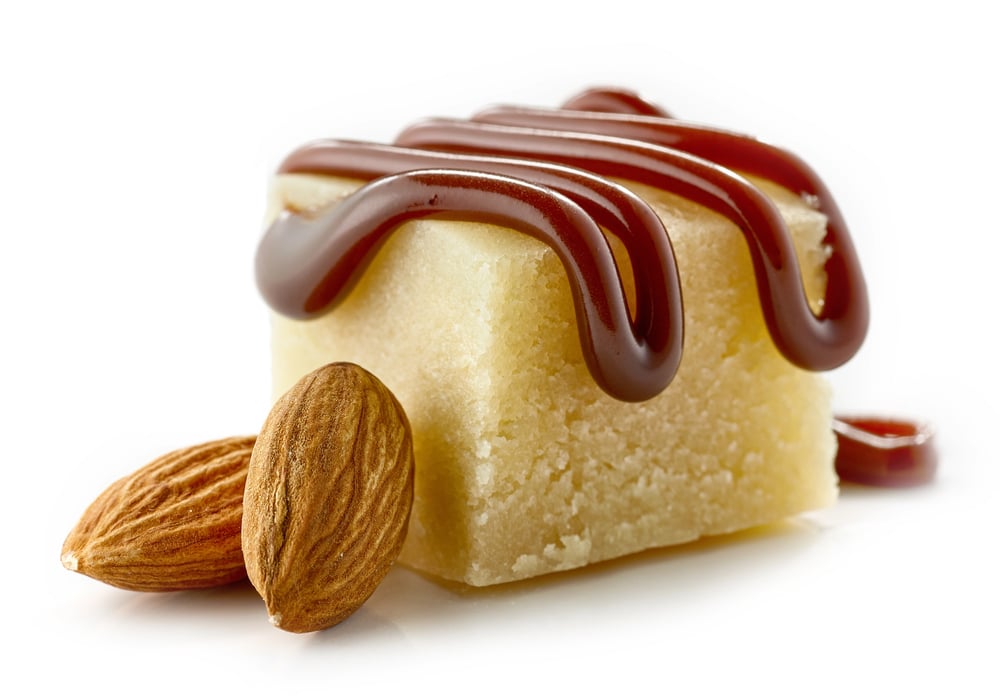
The origin of marzipan is disputed, but one strong claim comes from monks in Lübeck, Germany. During a famine in 1407, the city ran low on flour. Monks at the Marienkirche had plenty of almonds in storage.
They ground the almonds with sugar to create a paste that could substitute for bread. The result was marzipan—sweeter and more luxurious than they intended.
Lübeck became famous for marzipan production. The city still makes it according to traditional methods, and several companies there trace their recipes back to the original monastic formula.
What started as emergency food became a delicacy associated with celebrations and holidays.
Coffee: The Drink That Monks Made Acceptable
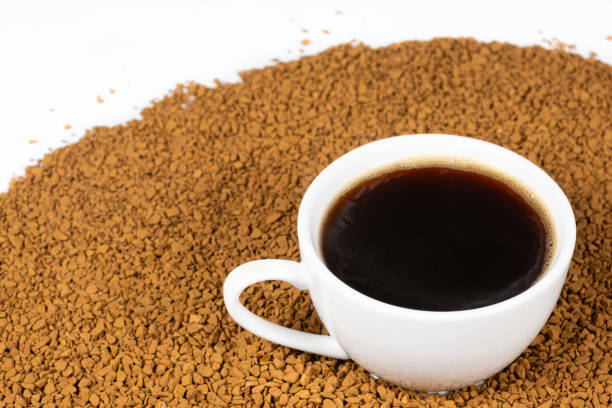
Coffee arrived in Europe around the 16th century from the Middle East. Many Christians viewed it with suspicion—they called it the “bitter invention of Satan” because Muslims drank it.
The controversy reached Pope Clement VIII. Rather than ban it outright, he decided to taste it first.
He supposedly said, “This devil’s drink is so delicious we should cheat the devil by baptizing it.” Whether that story is true or not, Catholic monasteries began growing and serving coffee.
Monks helped normalize coffee consumption in Europe. They also improved cultivation and preparation methods.
The Capuchin monks particularly embraced coffee—the cappuccino gets its name from the color of their robes, which matched the drink’s hue.
Wine and the Benedictine Legacy
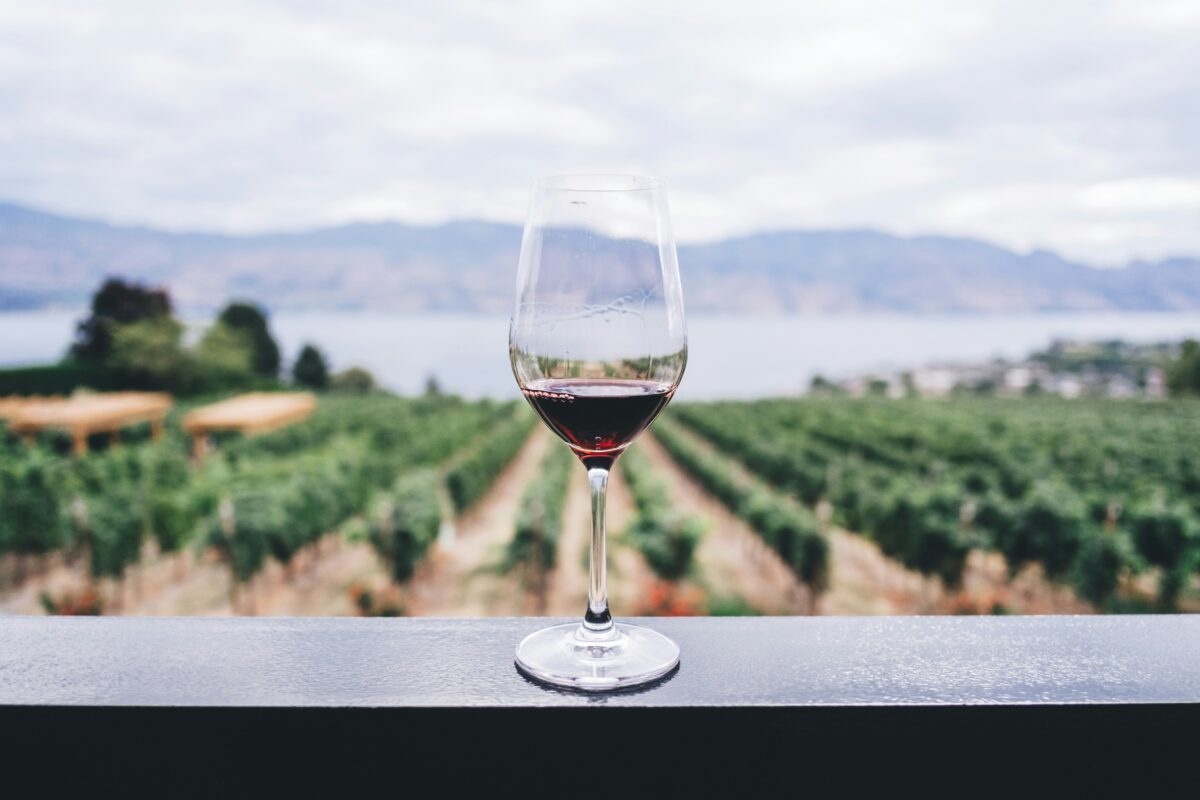
Benedictine monks have made wine for over 1,500 years. Their founder, Saint Benedict, instructed them to be self-sufficient.
Wine served as a source of income, a daily beverage, and a sacramental necessity. Monks in Burgundy and other French regions developed terroir—the concept that soil, climate, and location affect wine’s character.
They kept detailed records of which plots produced the best grapes. They experimented with pruning, harvesting times, and fermentation temperatures.
This systematic approach created the foundation for modern winemaking. Many prestigious vineyards in France occupy land that monks cultivated for centuries.
The classification systems used in wine regions today reflect distinctions monks made hundreds of years ago.
Liqueurs and Herbal Remedies
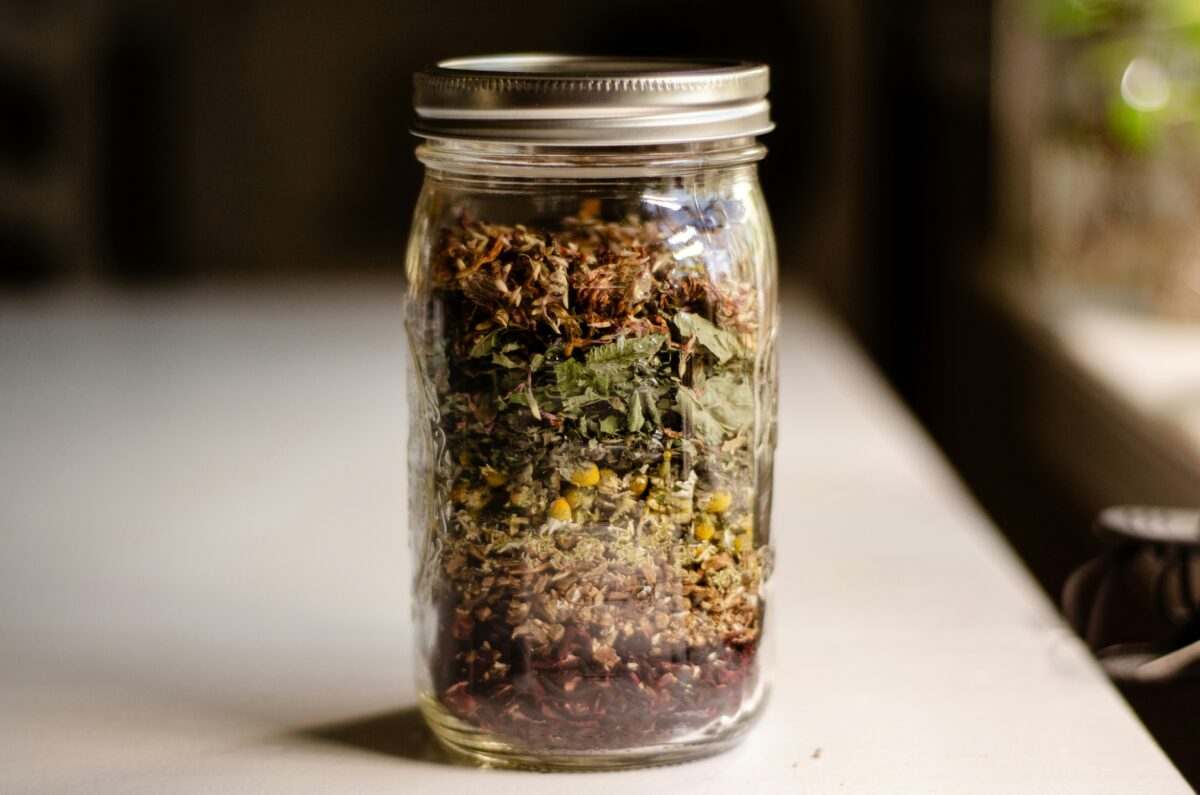
Monasteries served as medieval pharmacies. Monks grew medicinal herbs and created remedies for various ailments. Many liqueurs started as medicines.
The alcohol extracted beneficial compounds from herbs and helped preserve them. Patients found these remedies easier to swallow than raw herbs—probably because of the sugar and alcohol content.
Several modern liqueurs still carry their medicinal origins in their names and marketing. Jägermeister, though not created by monks, follows the tradition of herbal digestifs that monasteries pioneered.
The connection between liqueurs and health claims lasted well into the 20th century. While the medical value of most herbal liqueurs is questionable now, they remain popular for their flavors—flavors monks spent centuries perfecting.
Trappist Dairy Products
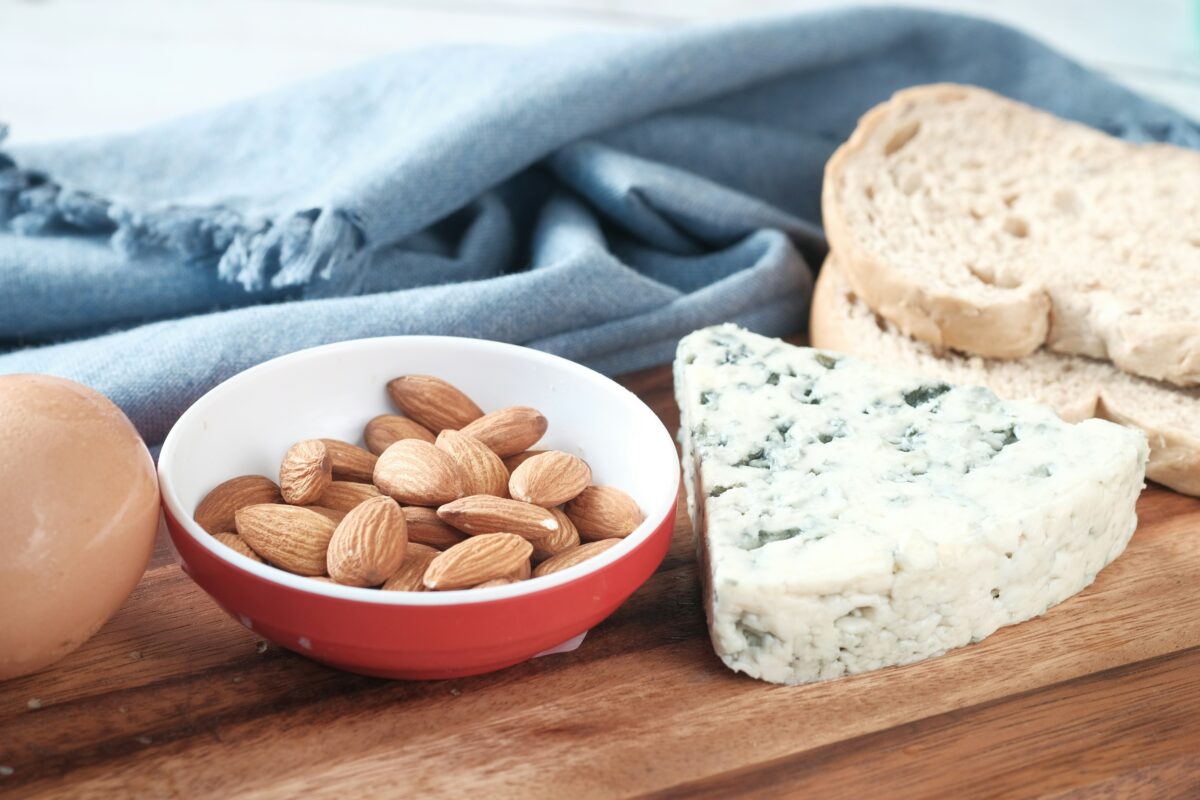
Trappist monasteries earned fame not only through beer. Some crafted butter, cream, alongside other dairy items. In France, the Abbey of Our Lady of Cîteaux whipped up a cheese so tasty people started calling it just “Cîteaux cheese.”
Meanwhile, brothers at Sept-Fons refined how they made butter.
These monasteries saw milk work as part of faith, yet also daily survival. Getting up early to milk fit right into their routine of prayer – no clash at all.
Awaiting slow cheese ripening felt natural, much like quiet reflection. Even though big factories took over most such tasks, a few cloisters keep selling what they make.
Their high bar for quality quietly shaped how others in dairy do business.
The Quiet Revolution in Your Kitchen

The next time you sip beer, slap some mustard on bread, or bite into cheese, don’t forget the monks. Not chasing fame or empires, they tackled real-life issues – keeping food fresh during cold months, cleaning dirty water, helping neighbors get by.
Their fixes worked so well they traveled far and lasted ages. What they cooked up still shows up on your plate or in your glass, though few recall the quiet men behind it all.
More from Go2Tutors!

- The Romanov Crown Jewels and Their Tragic Fate
- 13 Historical Mysteries That Science Still Can’t Solve
- Famous Hoaxes That Fooled the World for Years
- 15 Child Stars with Tragic Adult Lives
- 16 Famous Jewelry Pieces in History
Like Go2Tutors’s content? Follow us on MSN.