Things Once Considered Luxury but Not Anymore
The concept of luxury shifts dramatically over time. What made people feel wealthy and special a century ago might seem completely ordinary today.
Items that once sat in the homes of only the richest families now fill nearly every household without a second thought. Progress, mass production, and technology transformed exclusive privileges into everyday conveniences that most people take for granted.
Let’s look at some things that used to scream wealth and status but now feel perfectly normal to own.
White Bread
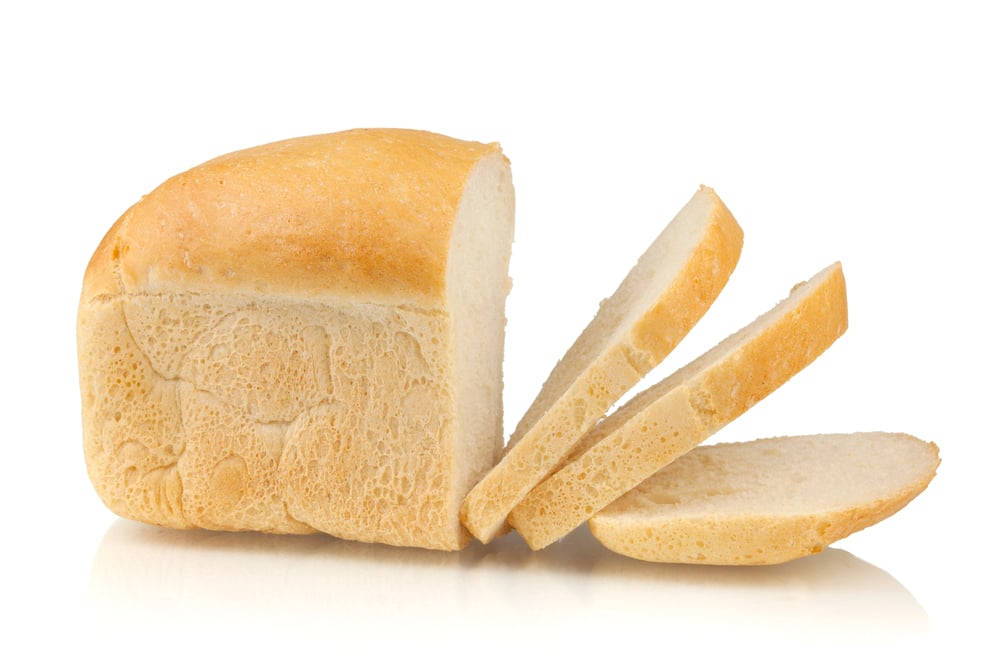
Refined white bread sat on the tables of nobility and the wealthy for centuries while peasants ate dark, heavy bread made from cheaper grains. The process of sifting flour to remove bran and germ took time and effort, making white bread expensive and rare.
Millers charged premium prices for this finer product, and only those with money could afford it regularly. Today the situation flipped entirely, with whole grain bread often costing more than white bread at the grocery store.
Pineapples
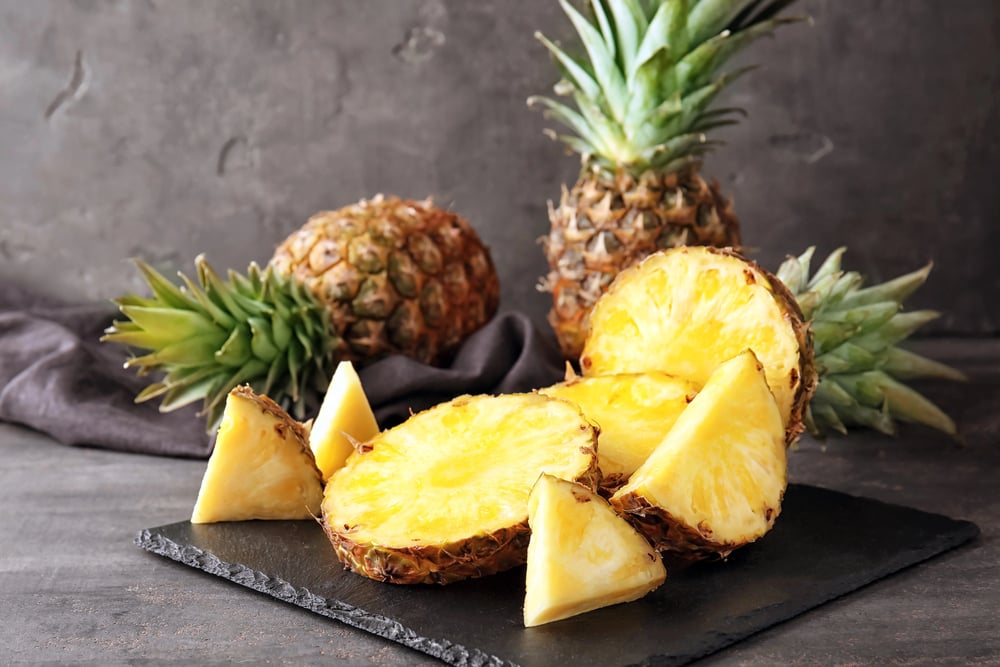
Colonial-era Americans treated pineapples like edible gold. A single pineapple could cost the equivalent of thousands of dollars in today’s money because they had to be shipped from tropical locations before modern transportation existed.
Wealthy hosts displayed pineapples at parties as centerpieces, sometimes even renting them just for show rather than eating them. The fruit became such a powerful status symbol that people carved pineapple designs into their gates and doorways to signal prosperity.
Now anyone can grab a pineapple for a few dollars at practically any supermarket, with canned versions costing even less.
Aluminum

Before manufacturers figured out efficient extraction methods, aluminum cost more than gold or silver. Napoleon III of France owned aluminum cutlery that he saved for his most important guests while everyone else used regular silverware.
The Washington Monument originally featured an aluminum cap at its peak because the metal was so precious when they completed it in 1884. Scientists discovered cheaper production techniques in the 1880s, and prices crashed almost overnight.
These days aluminum shows up in soda cans, foil wrap, and cheap cookware that people throw away without thinking twice.
Ice
Keeping food cold year-round required wealth and planning before electric refrigerators existed. Workers harvested ice from frozen lakes in winter, stored it in insulated icehouses, and sold it at high prices throughout the year.
Rich families built special ice rooms in their homes or paid for regular deliveries to their iceboxes. A cold drink in summer signaled that someone had money to spare.
Modern freezers pump out ice constantly, and restaurants give it away for free with every beverage.
Purple Clothing
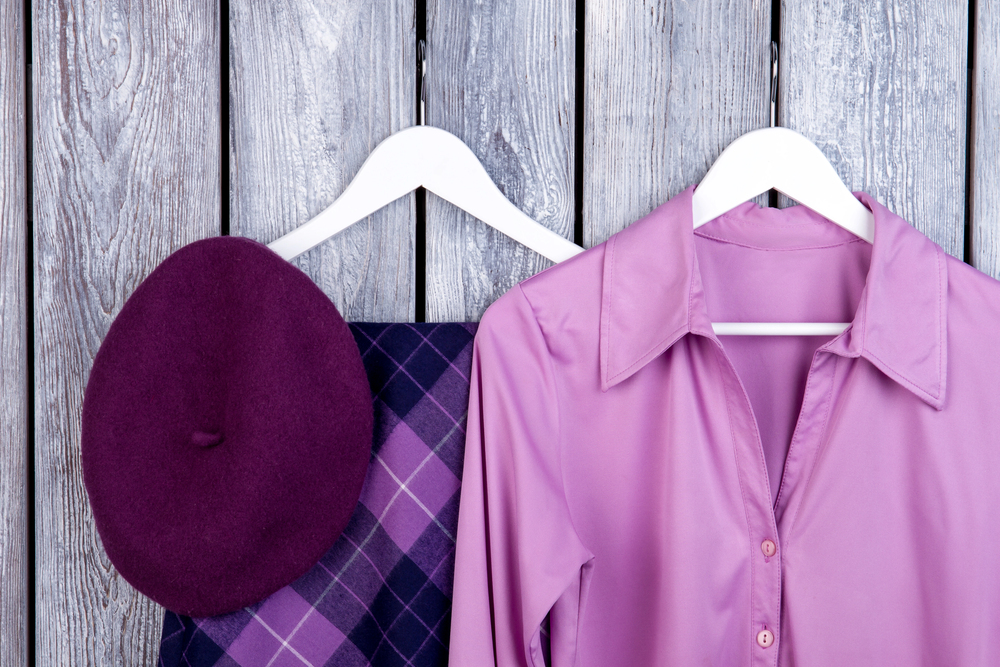
Roman emperors reserved purple dye for their own garments because producing it cost a fortune. Manufacturers had to crush thousands of sea snails to create just a small amount of this rare color.
Laws actually prohibited common people from wearing purple in many societies, making it illegal to dress above your station. Chemical dyes invented in the 1800s made purple as cheap as any other color, available to anyone who wants it.
Sugar
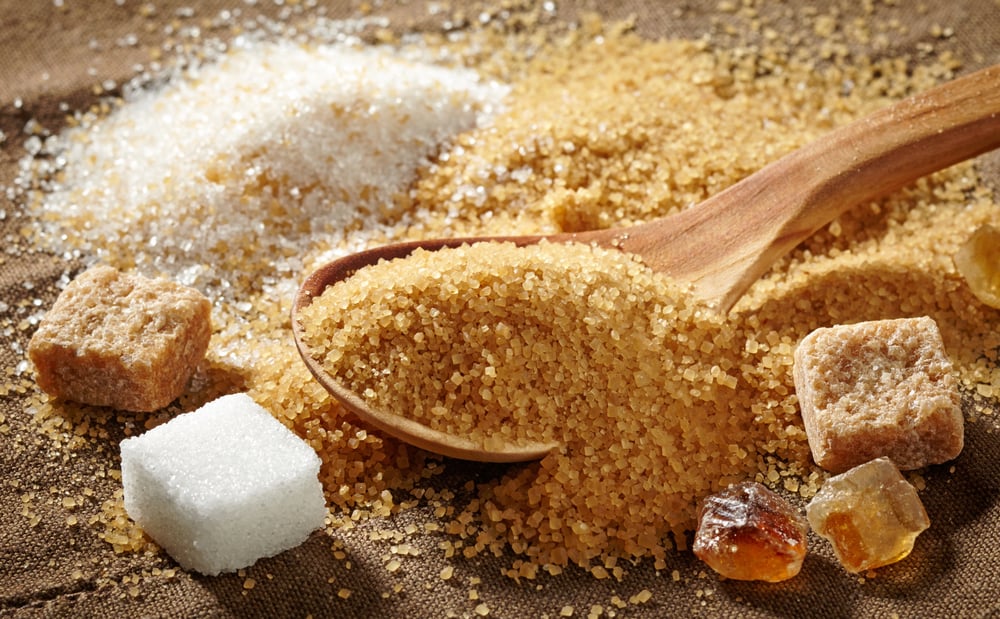
Medieval Europeans treated sugar like medicine or a precious spice, using it sparingly and storing it under lock and key. A sugar cone could represent weeks of wages for an average worker.
Wealthy people showed off their riches by serving sugary treats at gatherings or adding sugar to their wine. Caribbean and South American plantations dramatically increased sugar production, and prices fell to the point where health experts now worry people consume too much of it.
Books

Hand-copied manuscripts cost so much that only monasteries, universities, and wealthy collectors owned books before the printing press arrived. A single book represented months of painstaking labor by skilled scribes.
Libraries chained valuable books to desks to prevent theft, treating them like treasure. Johannes Gutenberg’s printing press changed everything in the 1450s, making books increasingly affordable over the following centuries.
Digital technology pushed the revolution further, putting millions of books on phones and tablets at minimal or zero cost.
Spices
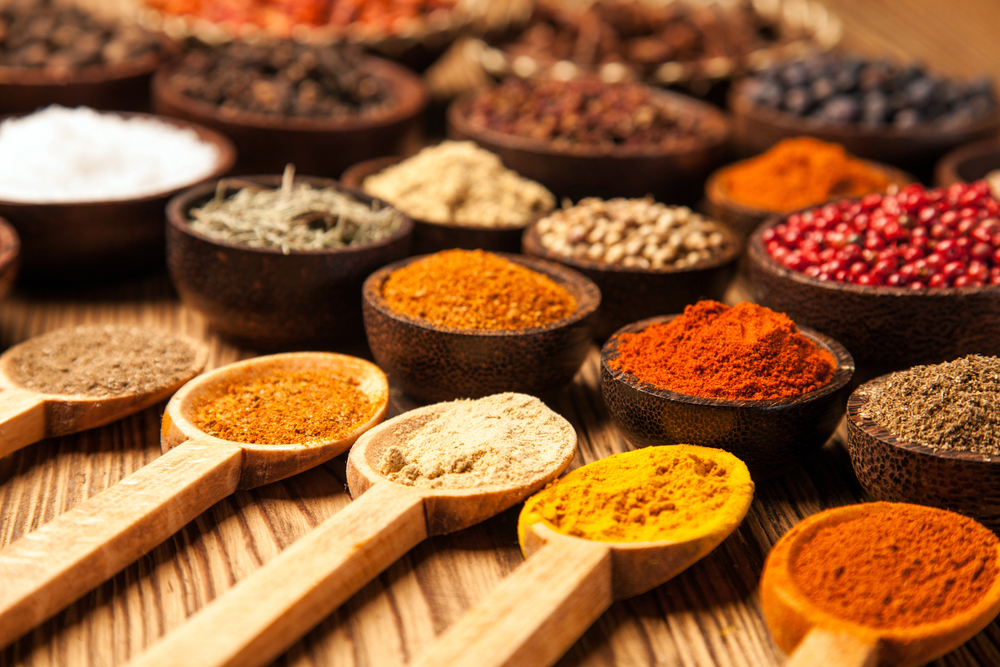
Black pepper once functioned almost like currency in Europe. Traders traveled thousands of miles to bring spices from Asia, and merchants charged accordingly.
Wedding dowries and rent payments sometimes included spices instead of money. Wars started over control of spice trade routes because the profits were so enormous.
Direct shipping routes and modern agriculture made spices cheap and available everywhere, sitting in kitchen cabinets alongside salt and other basics.
Salmon
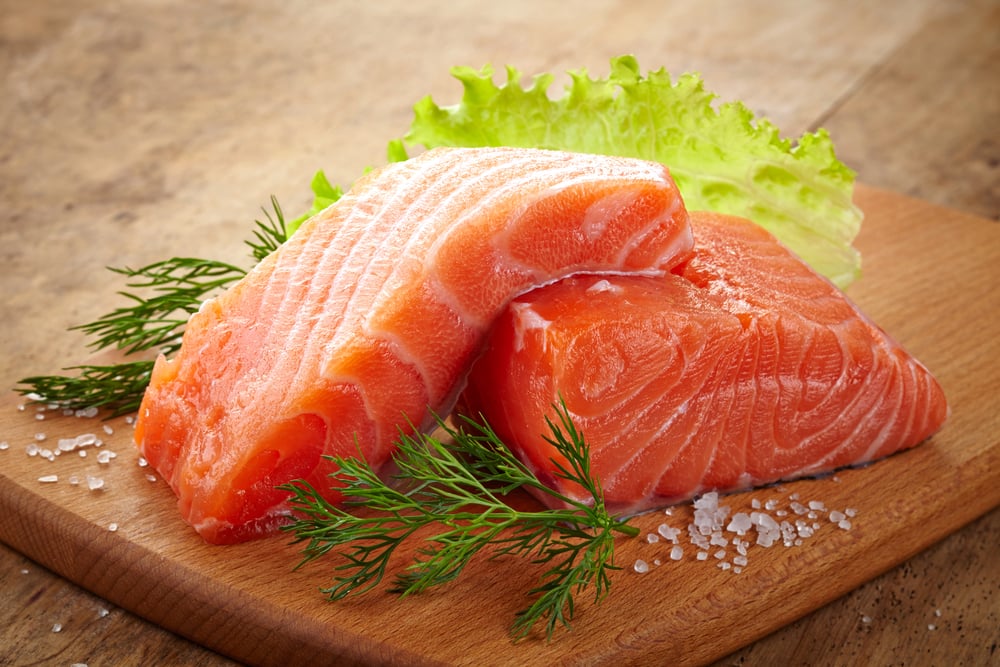
Servants in 18th century Scotland reportedly complained about eating salmon too often, but that situation reversed completely by the Victorian era. Overfishing and pollution made salmon scarce and expensive, turning it into a delicacy for special occasions.
Rich Londoners paid premium prices for fresh salmon while working families rarely tasted it. Fish farming operations in the late 20th century brought salmon back to abundance and affordability.
Grocery stores now sell salmon at prices comparable to chicken, making it a regular weeknight dinner option.
Mirrors
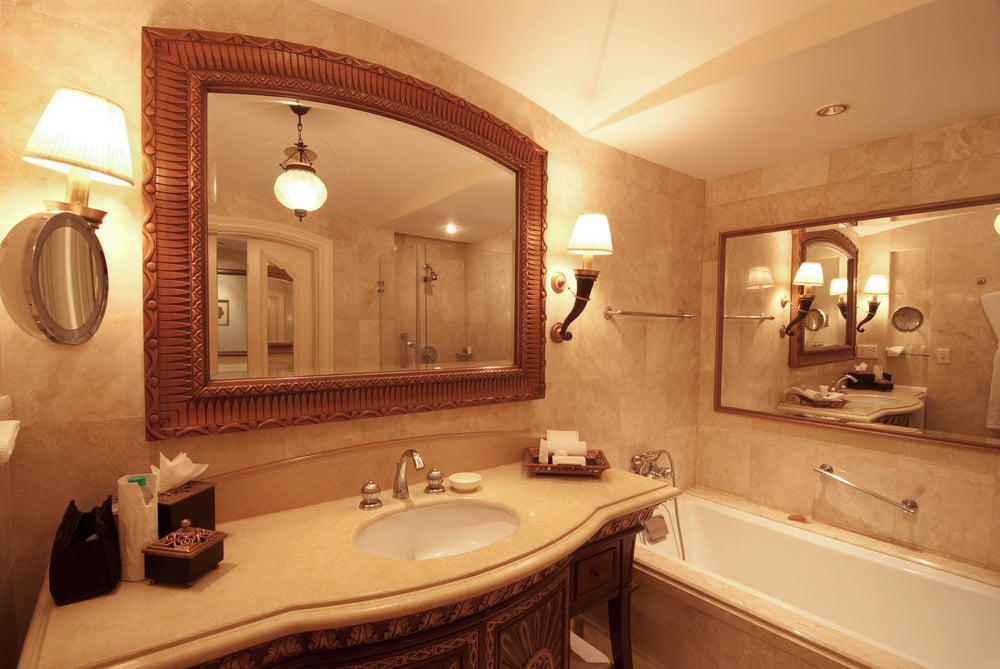
Looking at your own reflection required either a perfectly still pond or serious money throughout most of human history. Early mirrors used polished metal or stone, producing dim and distorted images.
Glassmakers in Venice developed better techniques in the 16th century, but mirrors remained expensive luxury items for centuries. The Venetian government guarded mirror-making secrets so jealously that they threatened glassmakers who left the city.
Mass production finally brought prices down, and now mirrors cover bathroom walls, closets, and even some entire rooms without anyone batting an eye.
Air Conditioning

Movie theaters in the 1920s advertised air conditioning as a main attraction, drawing crowds who wanted to escape summer heat. Installing cooling systems cost thousands of dollars, limiting them to fancy hotels, theaters, and the homes of very wealthy people.
Regular families sweated through summers with nothing but fans and open windows. Window units became affordable in the 1950s and 60s, spreading cooling power to average households.
Central air conditioning now comes standard in most American homes, and people complain if it breaks down for even a day.
Lobster
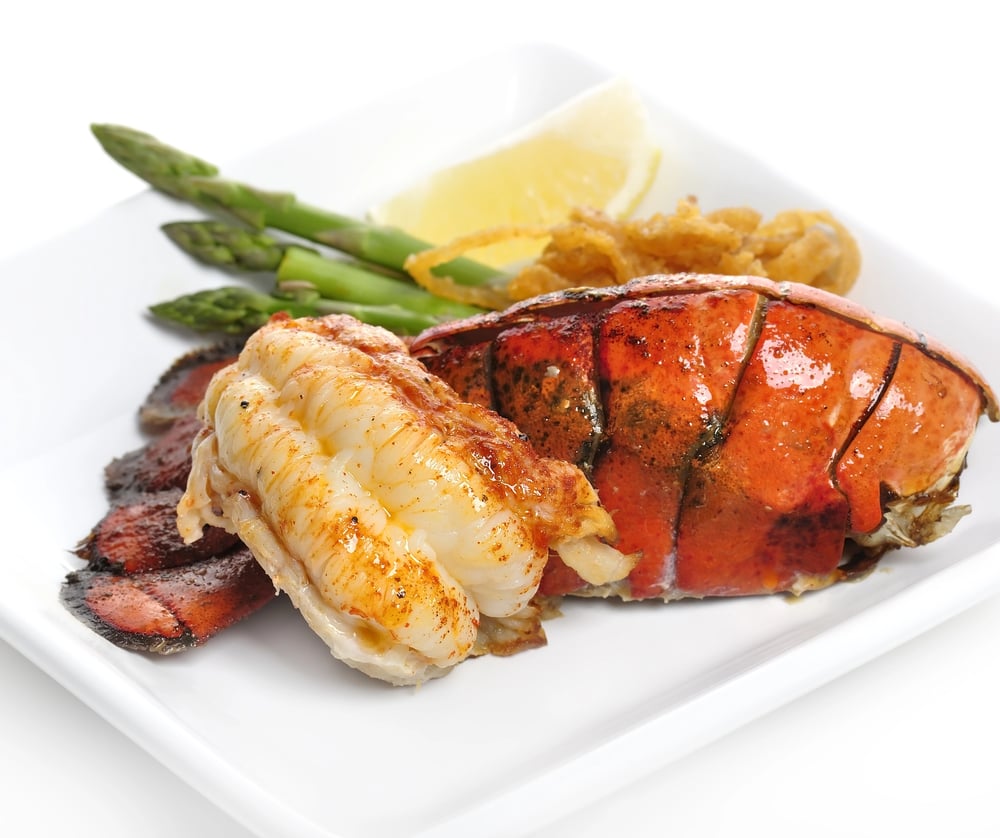
New England colonists fed lobster to prisoners and servants so frequently that some workers negotiated contracts limiting how often they had to eat it. These abundant creatures washed up on beaches in piles after storms, making them seem too common and lowly for respectable tables.
Railroad companies promoted lobster as a luxury food in the late 1800s, successfully changing public perception. The rebranding worked so well that lobster became synonymous with fancy dining. Prices stay relatively high today, though nothing like the astronomical costs of truly rare foods.
Silk Stockings

Women saved money for months to buy silk stockings in the early 1900s, treating them as precious items worth mending repeatedly. The smooth, sheer look of silk stockings separated wealthy women from those who wore thick cotton.
World War II disrupted silk supplies, leading to the invention of nylon as a replacement. DuPont’s synthetic fabric made stockings affordable for everyone, though women still valued them highly.
The casual dress revolution eventually made stockings optional rather than required, and cheap pantyhose packs now sell for just a few dollars.
Chocolate
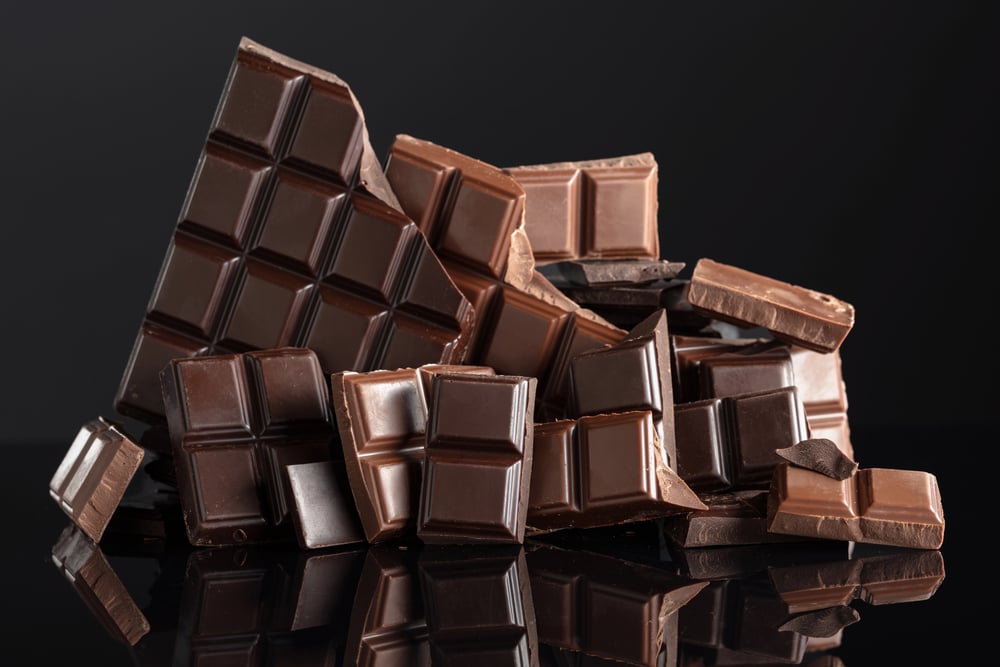
Aztec rulers plus Maya elites sipped chocolate – bitter, spicy – as a drink just for high-status folks or fighters. Conquistadors hauled cacao back to Europe; only wealthy families could pay for such rare delights.
Over time, sugar mixed with milk turned it creamy and sweet, yet most still couldn’t afford it before the 1900s. Milton Hershey along with rivals figured out how to pump out tons quickly so average buyers could finally enjoy bites without spending much.
These days you’ll find chocolate everywhere – in budget packs or fancy handmade rounds – all stacked on shelves no matter your cash.
Bananas
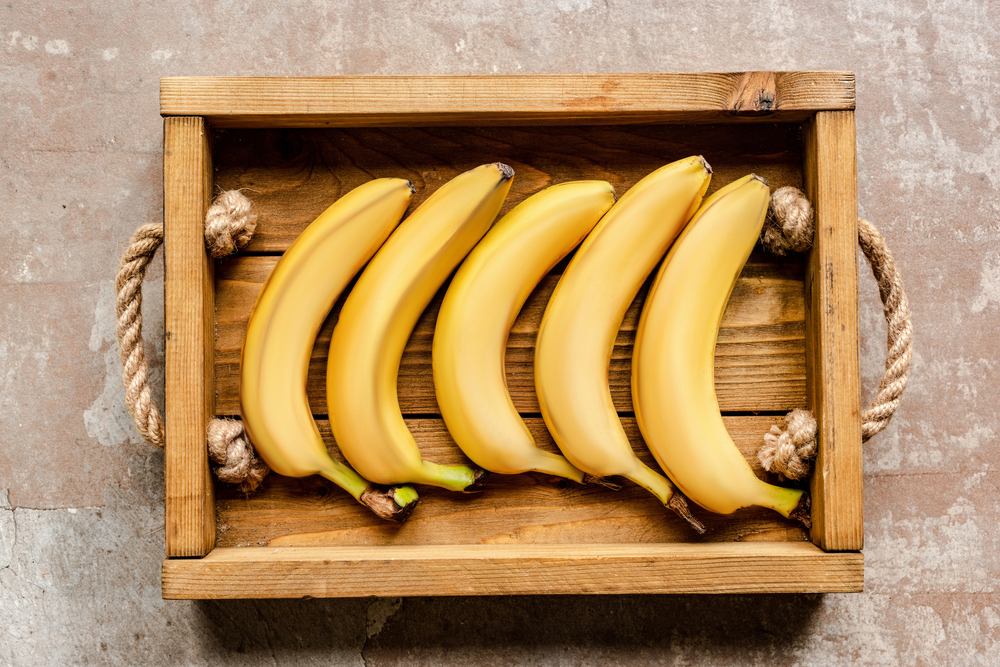
Back in 1876, folks in Philly got their first taste of bananas at a big fair – sellers handed them out in shiny wrap, charging top dollar. Since bringing them up from Central America without spoilage was tough, speed mattered; only quick boats plus smart packing made it possible, so they stayed scarce, pricey treats.
To fix that mess, United Fruit stepped in – not just laying train tracks but also cooling the cargo on ships, which helped slash costs while boosting supply. Over time, those bright yellow fruits went from luxury to everyday snack, within reach for nearly everyone by the 1950s.
Right now, among all fruits weighed per pound, few beat bananas when it comes to being dirt-cheap – and yeah, people love ‘em for exactly that reason.
Saffron
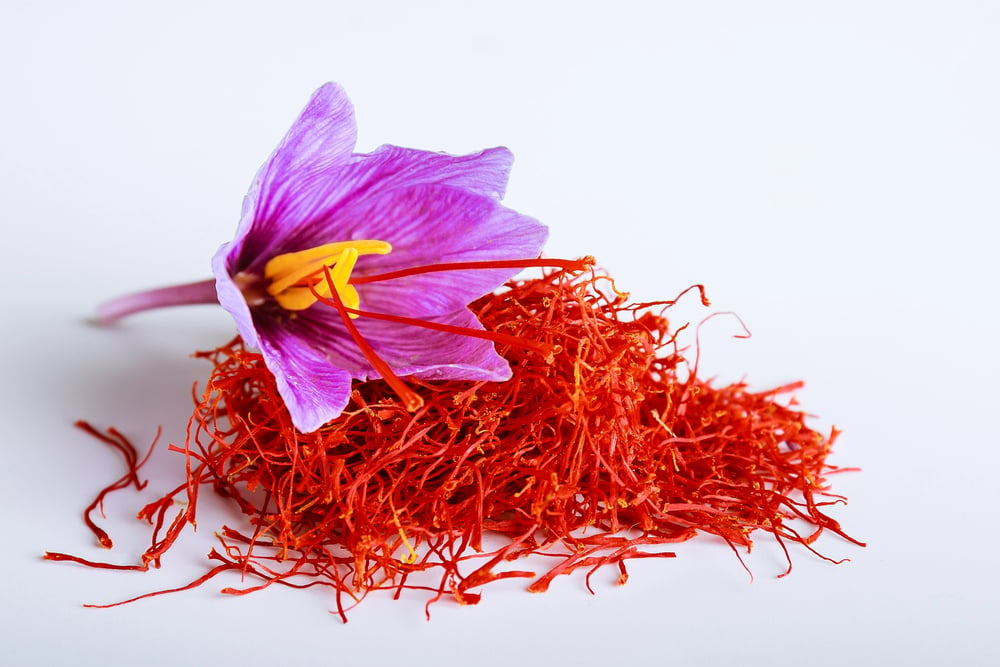
This spice costs more than others today – but not nearly what it once did. Harvesting saffron’s tricky because each little stigma has to be picked by hand, over and over for just a pinch.
Back then, wealthy Europeans used it to tint clothes, jazz up meals, or shade their hair. Long ago, one pound of it was worth an entire horse.
Now grown widely in Iran, Spain, and India, it’s easier to find – still tougher on the wallet than pepper or cinnamon.
Tea
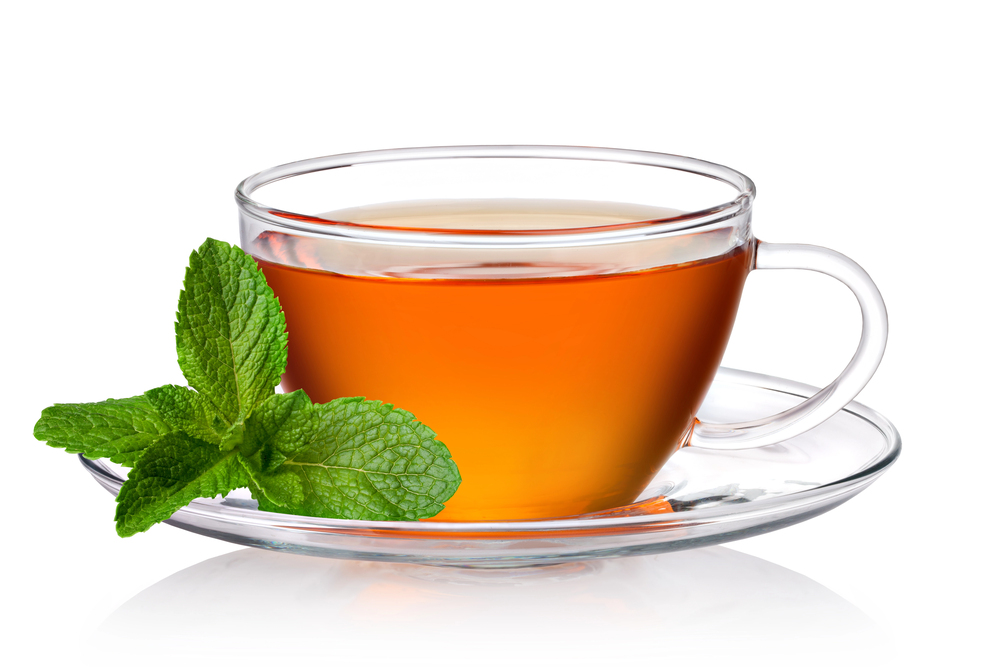
Chinese rulers enjoyed tea, whereas regular folks stuck to water or basic drinks. European merchants shelled out big sums for tea – ships hauled it across oceans slowly.
In America, British settlers kept facing steep costs for tea, fueling anger that helped trigger the Boston Tea Party. Later on, Britain poured money into farms in India, boosting supply so prices dropped fast.
With the invention of tea bags, brewing got super easy, turning it from a rare thing into something people did daily.
How the Ordinary Became Extraordinary

The comforts we take for granted now slipped into our lives quietly, no fanfare. Thanks to factories cranking out goods, shipping across oceans, and gadgets getting smarter, things once only for the rich are common.
Stuff we barely notice would’ve blown the minds of folks from a hundred years ago – shows how fast what’s fancy becomes basic. Kids in 2050 might laugh thinking we geeked out over warm seats or shows on demand.
More from Go2Tutors!

- The Romanov Crown Jewels and Their Tragic Fate
- 13 Historical Mysteries That Science Still Can’t Solve
- Famous Hoaxes That Fooled the World for Years
- 15 Child Stars with Tragic Adult Lives
- 16 Famous Jewelry Pieces in History
Like Go2Tutors’s content? Follow us on MSN.